Photo credit: Volodymyr Burdiak/Shutterstock.com
Most nights in camp are quiet—until they aren’t. A snapped twig, a set of eyes in your headlamp beam, the soft shuffle of something nosing around the fire ring. Most of the time it isn’t a predator hunting you. It’s an opportunist hunting your food, your trash, your toothpaste, or the salt on your sweaty gear.
The animals that show up after dark tend to fall into two groups: smart scavengers that learned camp equals calories, and big wild animals that move mostly at night and don’t like surprises. Your job isn’t to be fearless—it’s to be boring. Keep a clean camp, store food right, and don’t give anything a reason to circle back.
Black bears

Black bears are the most common “camp visitor” in a lot of the country, and they don’t need to be aggressive to wreck your night. They’re smart, patient, and motivated by smell. If there’s a cooler left out, a snack in the tent, or grease on the grill grate, a bear can work into camp like it owns the place. Once they learn a campground, they remember it.
What makes them feel like they’re stalking you is the looping behavior. A bear may drift in downwind, back out, then circle again once it’s sure you’re not a threat. Treat every bear like it’s a repeat offender. Hang food or use a bear can, keep cookware clean, and don’t “run it off” by approaching—make noise, keep distance, and stay organized.
Grizzlies and coastal brown bears

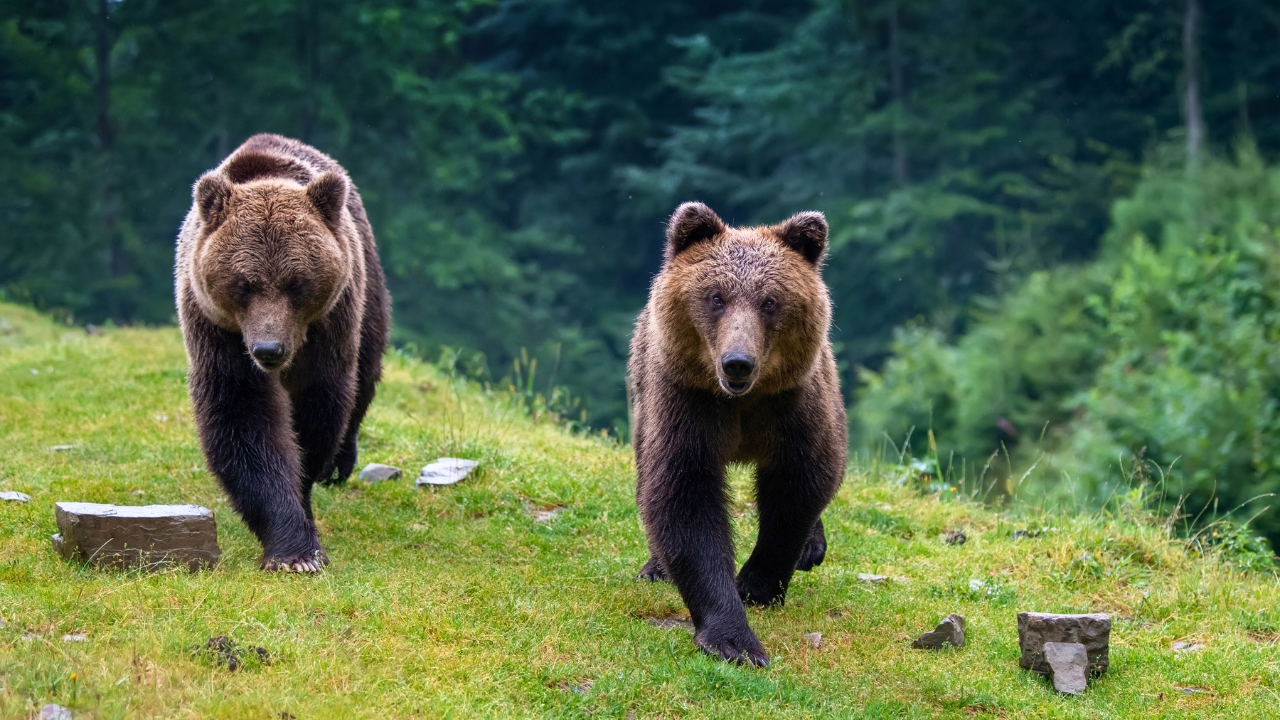
In grizzly country, the problem isn’t that bears are out to get you—it’s that they don’t tolerate surprises. A grizzly nosing around camp at night can be following the same rule you are: move when it’s cool, feed when it’s quiet. If you wake up to heavy steps and huffs, your first priority is not escalating the situation.
These bears can come in fast because their confidence is high and the stakes feel real to them. Food storage matters even more here, and so does camp layout. Keep sleeping, cooking, and food storage areas separated when you can. Don’t sleep in the clothes you cooked in. If a bear is close, get together, speak firmly, and be ready with bear spray if you carry it.
Raccoons

Raccoons are the little thieves that never seem to sleep. They don’t stalk you in the predator sense, but they will watch from the dark and time their moves like a burglar. If you’ve ever heard a zipper unzip itself or a cooler latch pop at 2 a.m., you already know how bold and persistent they can be.
The danger is mostly in the mess they make and the diseases they can carry, not in raw power. Still, a cornered raccoon can bite. Lock your food up like you’re dealing with a clever kid, because you are. Hard-sided containers, closed vehicles, and real latches beat “I’ll just set it over there.” Don’t leave pet food out, and don’t try to hand-feed one for a photo.
Striped skunks

Skunks don’t look intimidating, but they show up in camp for the same reasons as everything else: easy calories. They’ll cruise the edges, vacuum up crumbs, and investigate anything that smells like food or fish. The “stalking” vibe comes from how quiet they are—you don’t hear them until they’re too close.
A skunk bite is rare, but it’s a serious problem if it happens because rabies is always part of the conversation with wild mammals. The more common pain is the spray, and that can end a trip fast. Keep your camp clean, and don’t surprise a skunk by stepping over logs or brushing past bushes in the dark. If you spot one, give it a wide lane and let it leave on its own terms.
Coyotes

Coyotes are masters of nighttime movement, and they’re comfortable around people in a way that unsettles folks. Most coyotes that come near camp are looking for leftovers, unattended coolers, or small pets—not a fight with a grown human. But they will hang back, test the edges, and keep tabs on you if food has been easy in the past.
Where people get into trouble is assuming a bold coyote is “normal.” A coyote that won’t leave, follows closely, or circles repeatedly deserves respect. Keep food secured, keep pets leashed and close, and don’t toss scraps into the woods. If a coyote is pushing in, stand tall, use a firm voice, throw small objects toward it (not at your buddy), and make it understand your camp isn’t a drive-thru.
Red foxes

Foxes slide into camp like little shadows. They’re curious, opportunistic, and surprisingly comfortable working the night shift around people. A fox that’s been rewarded by trash or handouts will walk right up to your fire ring and look you over like you’re the one out of place. They’re also quick to memorize which sites stay sloppy.
The risk is usually low, but it isn’t zero. A fox that’s too bold can nip, and rabies is a real consideration in many areas. The bigger issue is teaching foxes that campsites are dependable food sources, which hurts them long-term. Keep garbage sealed, pick up scraps, and don’t leave cookware soaking outside overnight. If a fox won’t move on, make noise and step toward it so it learns distance again. Cute doesn’t mean harmless.
Feral hogs

Feral hogs don’t have to be predators to be a problem after dark. They root, they travel in groups, and they can roll into camp looking for anything salty or edible. In hog country, a sounder moving through at night can feel like an invasion—grunt, shuffle, and a lot of unseen bodies in the brush.
Most of the time they want food, not contact, but a surprised hog at close range is a different animal. Boars can be aggressive, and sows will defend piglets. Keep food locked up and avoid camping right on obvious trails, wallows, or fresh rooting sign. If hogs are close, don’t go stumbling around in the dark. Get light on them, make your presence known, and give them space to pass.
Mountain lions

A mountain lion encounter is rare, but it’s the one that gets in your head because it can look like true stalking. Lions hunt by staying unseen, using terrain, and getting close before you ever realize they’re there. If a lion is in the area, you might only notice the feeling of being watched, or a deer suddenly going quiet.
The good news is that most lions avoid humans. The bad news is that a lion that’s curious around camp can follow silently, especially if you’re alone or moving at dusk and dark. Keep kids close, don’t let dogs run loose, and don’t wander away from camp without a light. If you do see a lion, stay upright, make yourself big, and don’t run. Hold your ground and back away slowly with your eyes on it.
Bobcats
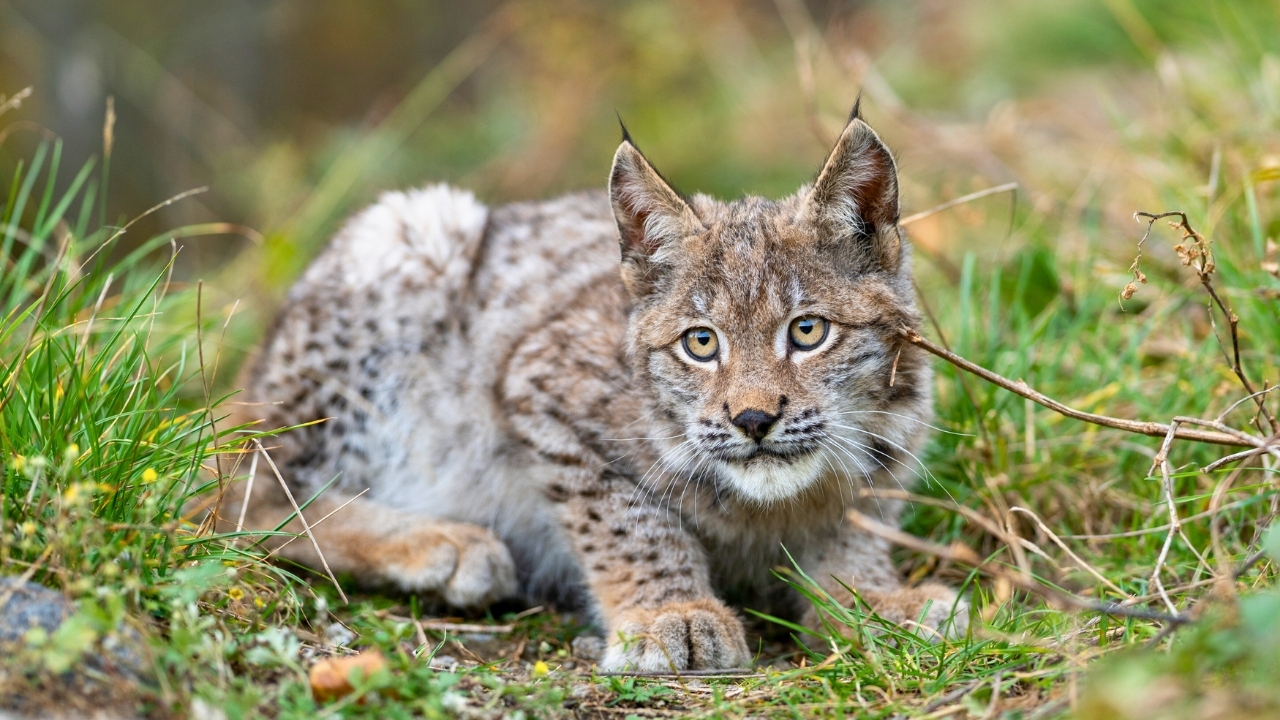
Bobcats are smaller than people picture in their nightmares, but they can still show up around camp, especially in places where rabbits and rodents are thick. Most bobcats that you see are just passing through, and they’re usually more interested in the edge of your lantern light than what’s sitting in your chair.
A bobcat’s risk is mostly about proximity and surprise. If you leave food out, you can draw in prey, and prey draws predators. Bobcats can also go after unattended small pets. Keep the camp tight, keep pets secured, and don’t set up a buffet. If a bobcat lingers, it’s usually been conditioned by people, which is a bad sign. Make noise, throw light at it, and don’t corner it.
Wolves

In wolf country, most wolves want nothing to do with your camp. They’re smart, cautious, and used to hunting wild prey that can hurt them back. But wolves cover ground at night, and a pack moving through can sound bigger than it is—footsteps, soft vocalizations, and that sudden quiet that makes your imagination sprint.
Problems usually start when wolves associate people with food or when dogs are involved. A loose dog can trigger chase behavior or territorial response. Keep your dog close, don’t leave meat scraps out, and don’t stash food in flimsy bags. If you hear wolves nearby, stay together and keep your camp orderly. Don’t howl back or try to communicate. You want them to pass through like you’re not worth their time.
Packrats, mice, and other camp raiders
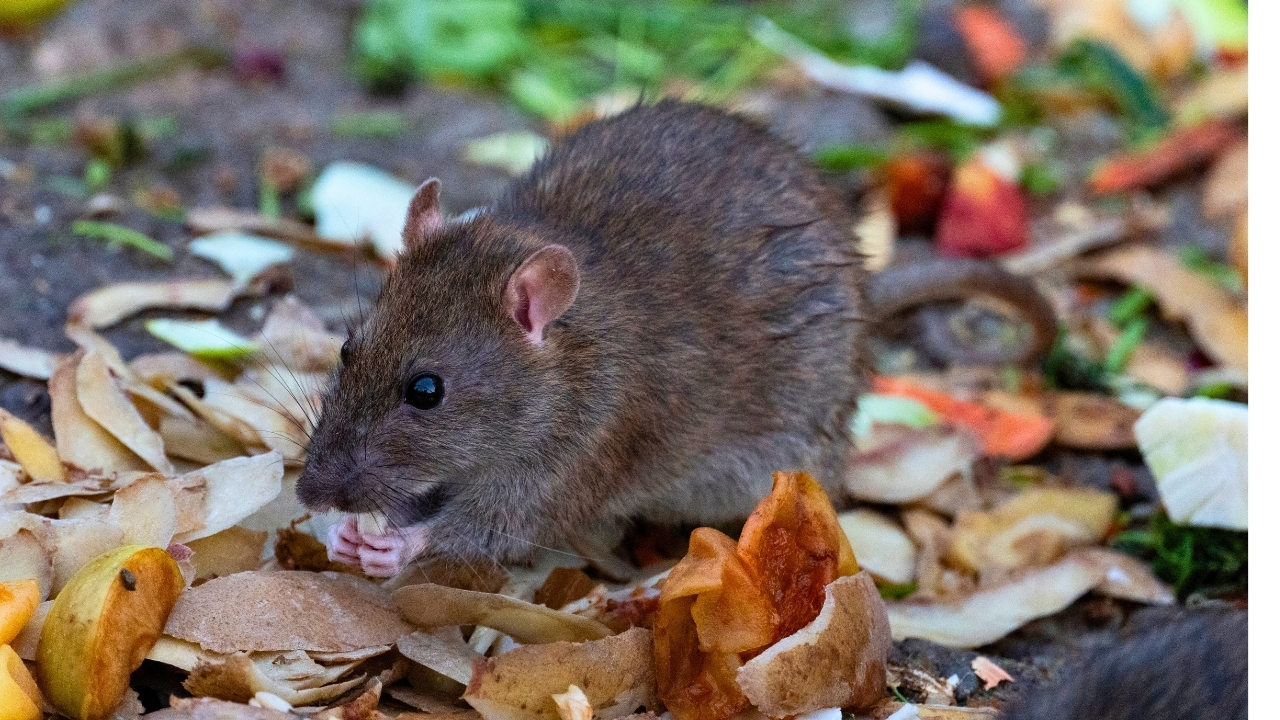
The smallest animals can cause the biggest headaches. Mice and packrats work a campsite like a grocery aisle, and they’ll do it all night long. You’ll hear the faint scratch, then find the evidence in the morning: chewed straps, shredded paper, and food packaging that looks like it went through a paper shredder.
They’re not stalking you, but they are targeting your gear. Rodents also bring disease risk through droppings and urine, especially in enclosed spaces. Keep food sealed in hard containers, don’t store snacks in your sleeping bag, and shake out boots before you pull them on. If you’re in packrat country, don’t leave salty items out—sweaty hats, trekking pole grips, even radiator hoses in a vehicle.
Porcupines

Porcupines are slow, quiet, and weirdly determined, which makes them a classic night visitor. They’re drawn to salt, and that means camps are full of temptation: sweaty gear, boot leather, plywood, canoe paddles, and anything that’s been handled all day. You won’t always hear one until it’s already chewing.
The danger isn’t that a porcupine will attack you—it’s that a dog will. Dogs love to investigate, and porcupine quills turn that curiosity into a veterinary emergency fast. Keep dogs leashed, don’t leave salty gear scattered, and hang items if you can. If you spot a porcupine near camp, give it room and let it waddle off. Don’t try to move it with a stick.
Whitetails and mule deer

Deer don’t stalk campsites like predators, but they absolutely prowl them. In many areas, deer are used to people and they’ve learned that camps can mean salt, spilled grain, apple cores, or a mineral-like taste on cookware. A deer stepping into camp at midnight can look spooky, especially when the eyes reflect bright and the body stays silent.
The real risk is getting too close without realizing it. A buck in the rut or a doe protecting a fawn can stomp, snort, and lash out if it feels boxed in. Give deer space, keep food and trash put away, and don’t encourage them by tossing scraps. If deer keep visiting, you’ve probably got a salt attractant out—sweaty clothes, dishwater dumped nearby, or a cooler leak.
Moose

Moose don’t sneak in like a cat, but they can appear in camp with zero warning, especially near water or willow bottoms. They move at night, they browse quietly, and they’re big enough that you feel the ground change when they shift their weight. The danger isn’t predation—it’s attitude. A moose that feels surprised or pressured can go from calm to violent in one decision.
Campsites create tight spaces: tents, vehicles, trees, and people milling around with headlamps. That’s a bad setup for any animal that wants a clear exit lane. Keep a wide berth if a moose drifts through. Don’t try to haze it like a bear. Get everyone together, keep voices low and steady, and let it leave. If you’re near cows with calves, treat every encounter like it’s already tense.
Alligators and crocodiles

If you camp near warm-water swamps, rivers, or tidal marsh, the thing that stalks your campsite may be sitting still the whole time. Alligators and crocodiles hunt by patience, and a shoreline campsite can put you close to an animal that’s already in the right place. You might never see it until it moves.
Most nighttime issues happen when people clean fish at the water’s edge, dump scraps, or let dogs roam the shoreline. That’s basically ringing a dinner bell. Keep distance from the bank after dark, don’t wade at night, and don’t leave food remains near camp. If you hear a heavy slide into the water or see eyes reflecting low and wide, take it seriously and back off. The safest rule is straightforward: treat the shoreline as off-limits at night, even if it looks calm.
Like The Avid Outdoorsman’s content? Subscribe to our newsletter so you never miss an article.
Here’s more from us: