Photo credit: Mark Ma/Unsplash.com
A good pond or dependable water hole can carry a whole place. It keeps cattle watered, gives wildlife a reason to stick around, helps a fishery stay healthy, and can turn an average property into a better one in a hurry. The problem is that water draws everything, and not everything that shows up is good for it. Extension and wildlife-damage guidance make that pretty clear. Burrowing animals can weaken dams, rooting animals can wreck banks and water quality, and birds or livestock can turn clean water into a muddy mess faster than most landowners expect. Mississippi State’s pond management material says plainly that beavers, muskrats, nutria, alligators, and geese can all become nuisances or cause damage, while USDA APHIS notes similar problems with beaver, nutria, waterfowl, and other wildlife in aquatic settings.
What makes these problems so frustrating is that a lot of them start small. A little burrow in the dam. A little muddy water at the edge. A few birds loafing on the shoreline. A couple of hog tracks in the wet ground. Then a bank starts sloughing off, a dam starts leaking, fish production drops, or the water gets so muddy and nutrient-loaded that it stops being the kind of pond you wanted in the first place. These are 15 animals that can ruin a pond, creek, or water hole fast if they get comfortable.
Beavers
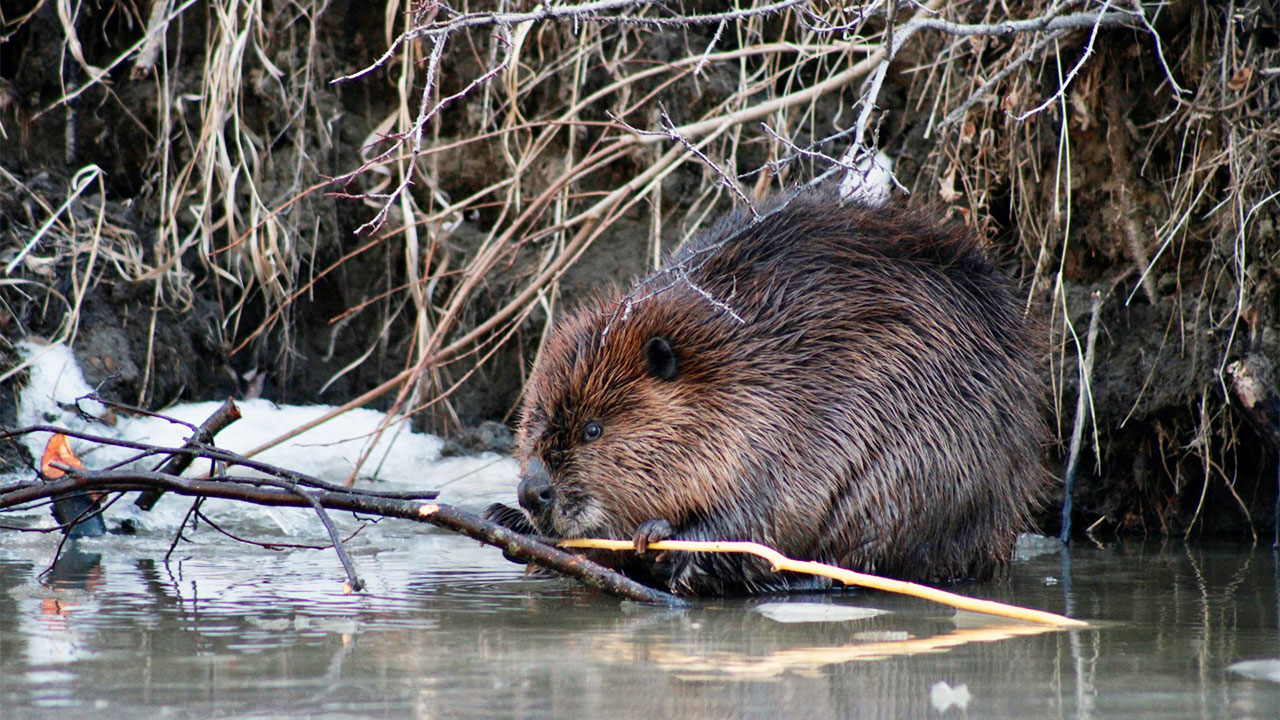
Beavers are one of the most obvious water wreckers because they can change the whole structure of a place, not just nibble around the edges. USDA APHIS says beaver conflicts happen when dam-building and tree-cutting lead to flooding, habitat damage, and safety problems. Its beaver technical material also says they can flood roads, cropland, timber, and property, while destabilizing banks and levees through burrowing. That is a whole lot more serious than a few gnawed saplings on the shoreline.
On a farm pond or small creek, the trouble is speed. One dam in the wrong spot can back water up where you do not want it, drown trees, flood roads, or push water across places never meant to hold it. Mississippi State adds that burrowing and damming activities can cause dam failure or flood adjacent landowners. That is why beavers are one of those animals people respect in theory and then go to war with once they start changing a pond or drainage in real life.
Muskrats
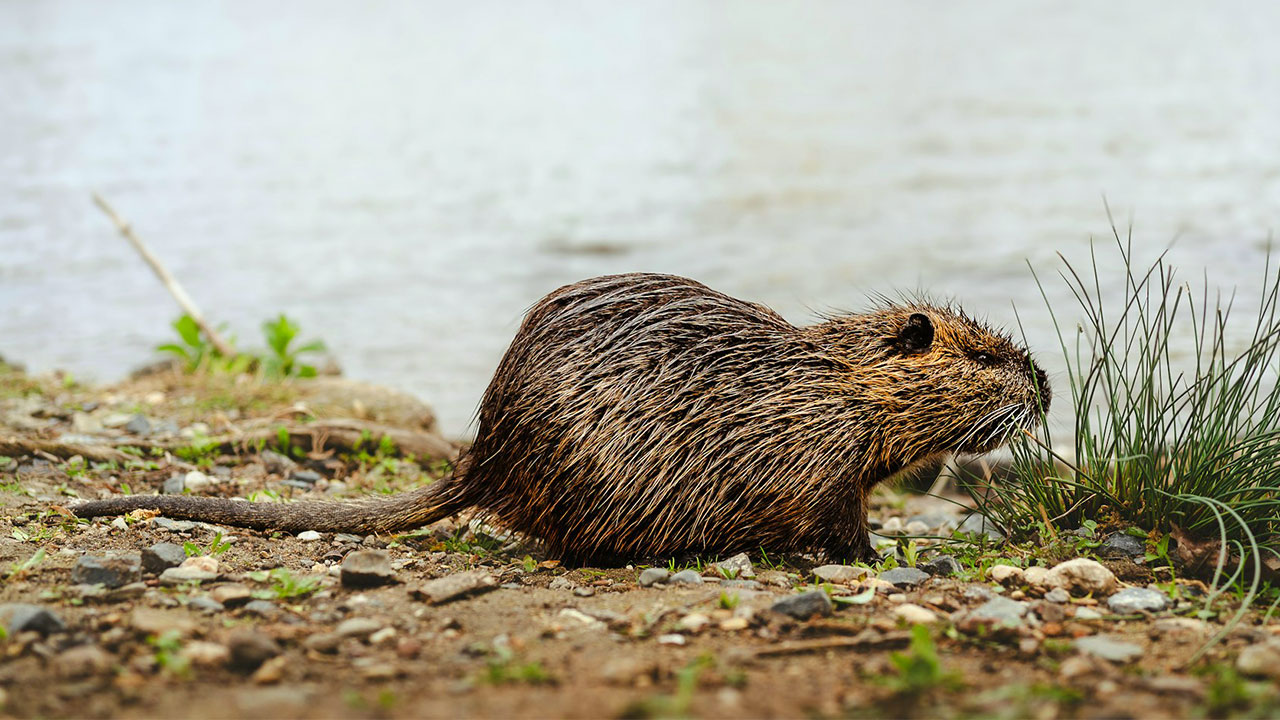
Muskrats do not usually get the same attention as beavers, but they can do ugly work around a pond. Penn State’s muskrat guidance says protecting pond banks and dams matters because muskrats damage them, and APHIS environmental material says economic loss is often tied to muskrats burrowing into banks, dikes, levees, shorelines, and dams associated with ponds, lakes, and drainages. That is exactly the kind of quiet damage that turns into a real headache later.
What makes muskrats frustrating is that the pond can still look mostly normal while the problem is building. You may not notice the tunnels until a bank starts slumping or a dam begins leaking. APHIS also notes that muskrats can cause losses in aquaculture settings by injuring or consuming raised fish and by helping move disease between impoundments. So even when they are not tearing up the structure, they can still make a managed pond less productive than it ought to be.
Nutria
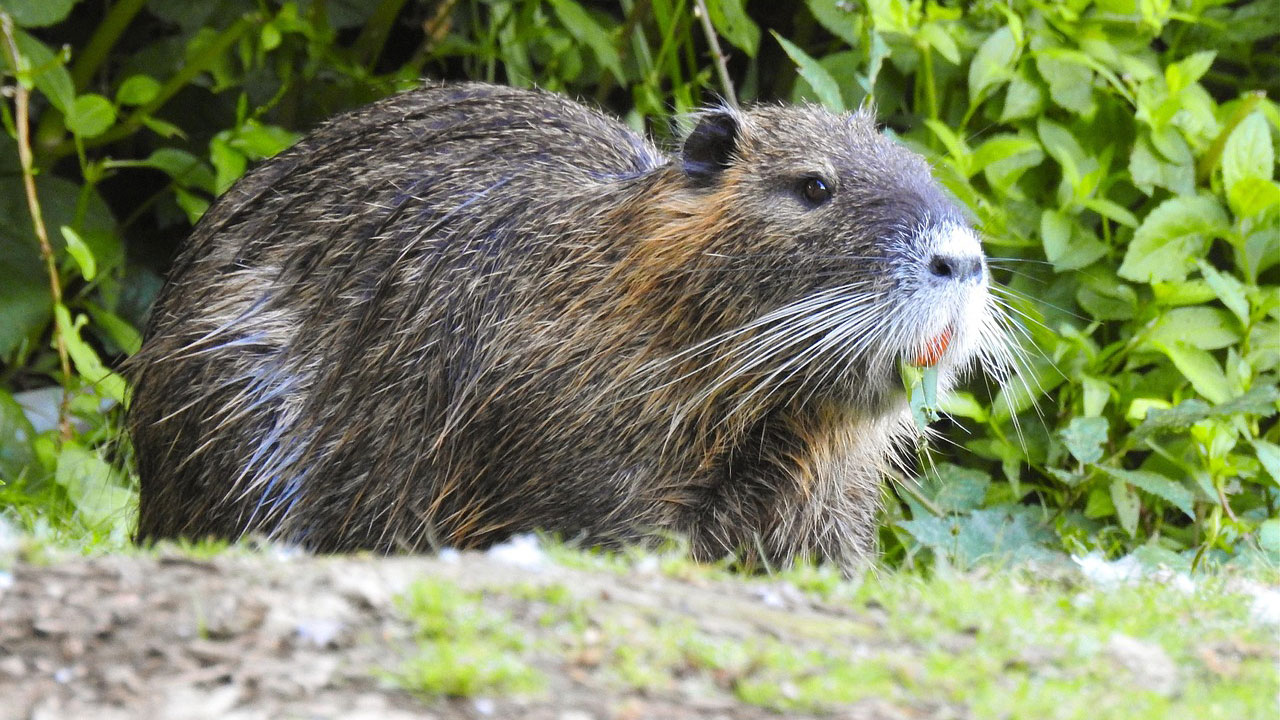
Nutria are one of the nastiest pond and marsh animals in the South because they combine heavy feeding with burrowing. USDA APHIS says nutria cause extensive damage to wetlands, agricultural crops, and structural foundations such as dikes and roads. Separate APHIS material also says they live along stream banks and shorelines and can contribute to marsh loss and structural damage in wet ground.
That same behavior makes them bad news for farm ponds, creek edges, and soft banks. Mississippi State lumps nutria in with the pond animals that can cause real damage, and that is not an accident. A nutria problem is not just a feeding problem. It is a bank-stability problem, a vegetation problem, and a long-term maintenance problem all rolled together. Once they get established around water, they can make a good-looking edge start coming apart quicker than many landowners expect.
Feral hogs

Feral hogs may not live in the pond like muskrats or nutria do, but they can absolutely wreck the places where water meets land. Texas Parks and Wildlife says when wild pigs root or wallow in wetland or riparian areas, nutrient concentration and suspended solids in nearby waters go up because of erosion. TPWD’s wild pig management book adds that pigs contribute fecal coliforms, increase sedimentation and turbidity, alter pH, and reduce oxygen levels, all of which degrade aquatic habitat and water quality.
That is what makes hog damage around ponds and creeks so ugly. They root up banks, blow out wet edges, muddy the water, and turn a clean access point into a torn-up wallow. If a water hole is already shallow or drought-stressed, hog pressure can speed up the decline fast. This is not just cosmetic damage either. Once the bank is unstable and the water gets loaded with sediment and waste, the whole pond starts acting differently.
Canada geese
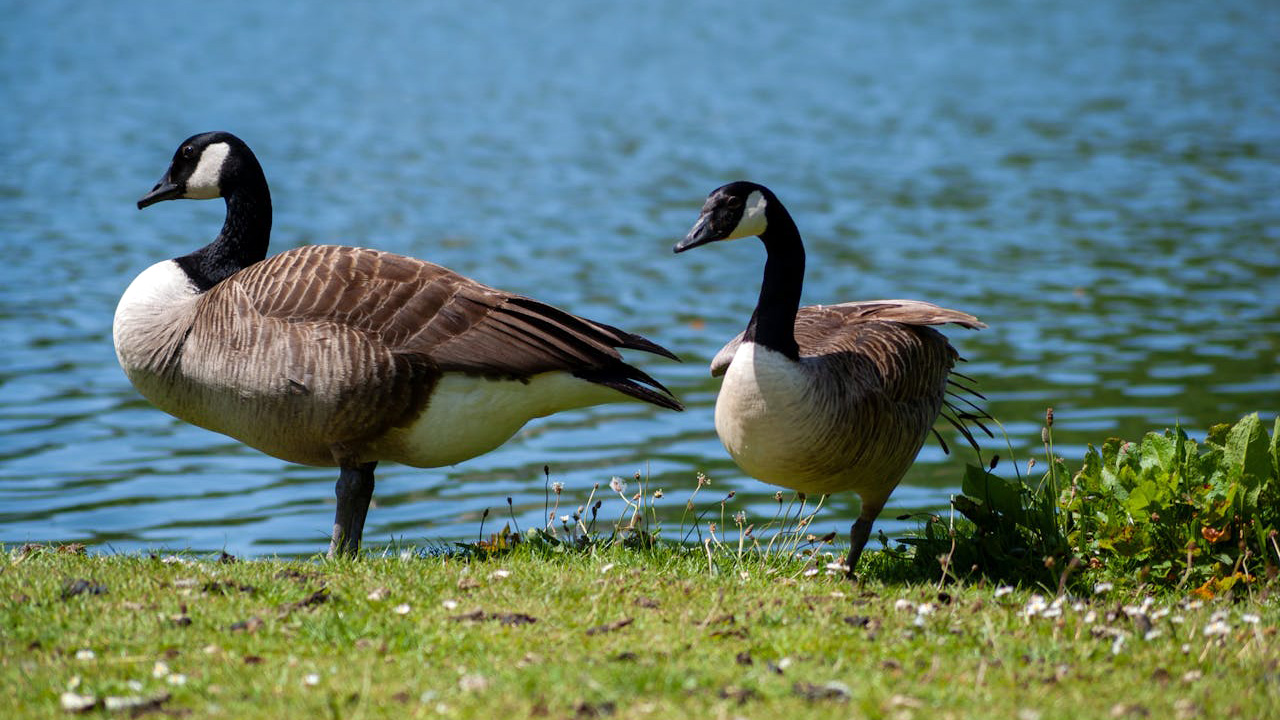
A lot of people see geese as more annoying than destructive, but pond managers know better. USDA APHIS says Canada goose droppings in and around livestock ponds, hayfields, and pasture can affect water quality, contaminate feed, and raise concerns about bacteria. Iowa State pond guidance also specifically says landowners should discourage geese around ponds when dealing with muddy water and water-quality issues.
That matters because geese do not just pass through. If they decide your pond is a loafing spot, they add waste constantly, pound down shorelines, and make the place feel fouled up even when the water level is still fine. On small ponds used by livestock or for fishing, that can turn into a quality problem in a hurry. They may not blow out a dam like a beaver, but they can absolutely make a pond less clean, less attractive, and less useful.
Ducks and coots
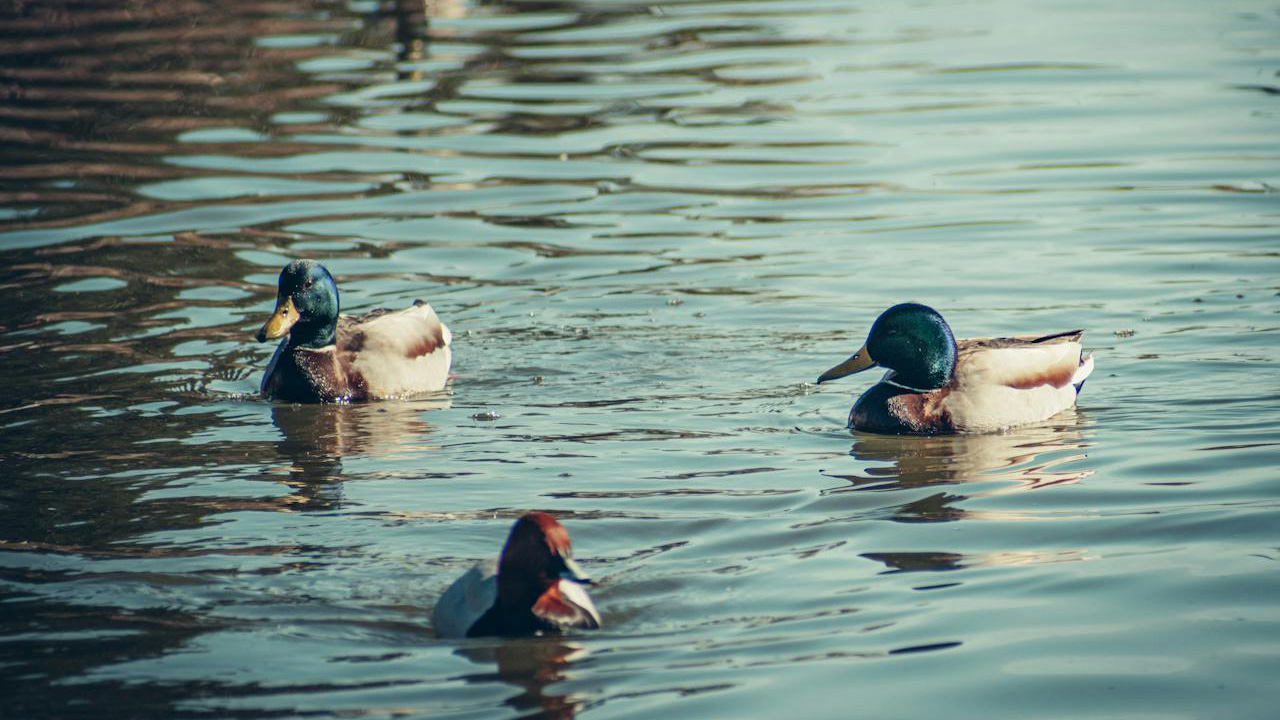
Waterfowl trouble is not limited to geese. APHIS’ technical series on geese, ducks, and coots exists because these birds can create enough crop, safety, and health concerns to require active management tools. In aquatic or shoreline settings, the issue is the same basic one: enough birds in one place means more droppings, more vegetation pressure, more bank wear, and more nutrient loading around small water bodies.
For a big reservoir, a few ducks are part of the scenery. For a small cattle pond or shallow water hole, concentrated use can be a different story. Once birds are loafing there daily, especially in dry periods, they can foul the water faster than people expect. They are not always the worst offender on this list, but on heavily used little ponds, they can help push a water-quality problem over the edge.
Cattle
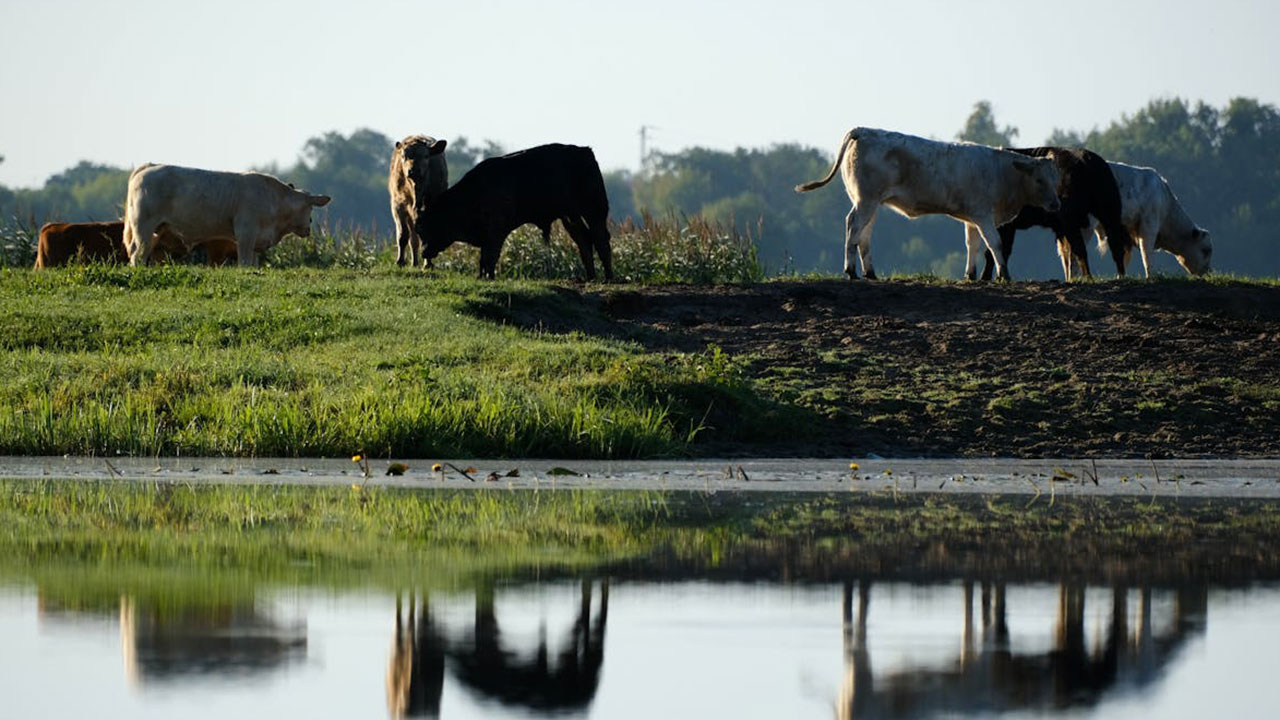
Cattle can ruin a pond without meaning to, which is part of what makes the problem so common. Iowa State pond guidance says fencing livestock out of ponds helps prevent streambank erosion and muddy-water problems, and Penn State says controlled stream crossings help minimize the environmental effects of livestock access. Mississippi State also notes that when streams, creeks, springs, or ponds are used as cattle water sources, producers need to pay attention to water quality and reliability.
The reason is simple. Hooves break banks down, churn mud into shallow water, strip vegetation, and leave bare edges that erode even more the next time it rains. Add manure and constant traffic, and a clean pond can start looking rough fast. Cattle do not have to be wild to do wild-looking damage. If they are allowed unrestricted access, especially at one favored edge or crossing, they can turn a good water source into a muddy, low-quality one in short order.
Horses

Horses are not always managed the same way as cattle, but they can put similar pressure on water if they are allowed to loaf or drink directly from the same spot over and over. The same extension logic about protecting streambanks and stabilizing access applies here too: repeated animal entry and exit increases erosion, mud, and bank damage. Penn State’s watering-facilities guidance specifically points to protecting streambanks from erosion caused by animals entering waterways, and Mississippi State notes that livestock can damage water infrastructure when water sources are poorly managed.
On horse properties, the issue often shows up as a trashed edge or crossing long before anyone calls it a pond problem. But it is one. Once the shoreline is beat down, the water clouds up more easily, weeds take advantage, and the whole setup gets harder to keep clean and stable. A horse does not need to chew a dam to ruin a pond edge. Enough hoof traffic will do the job on its own.
Crayfish
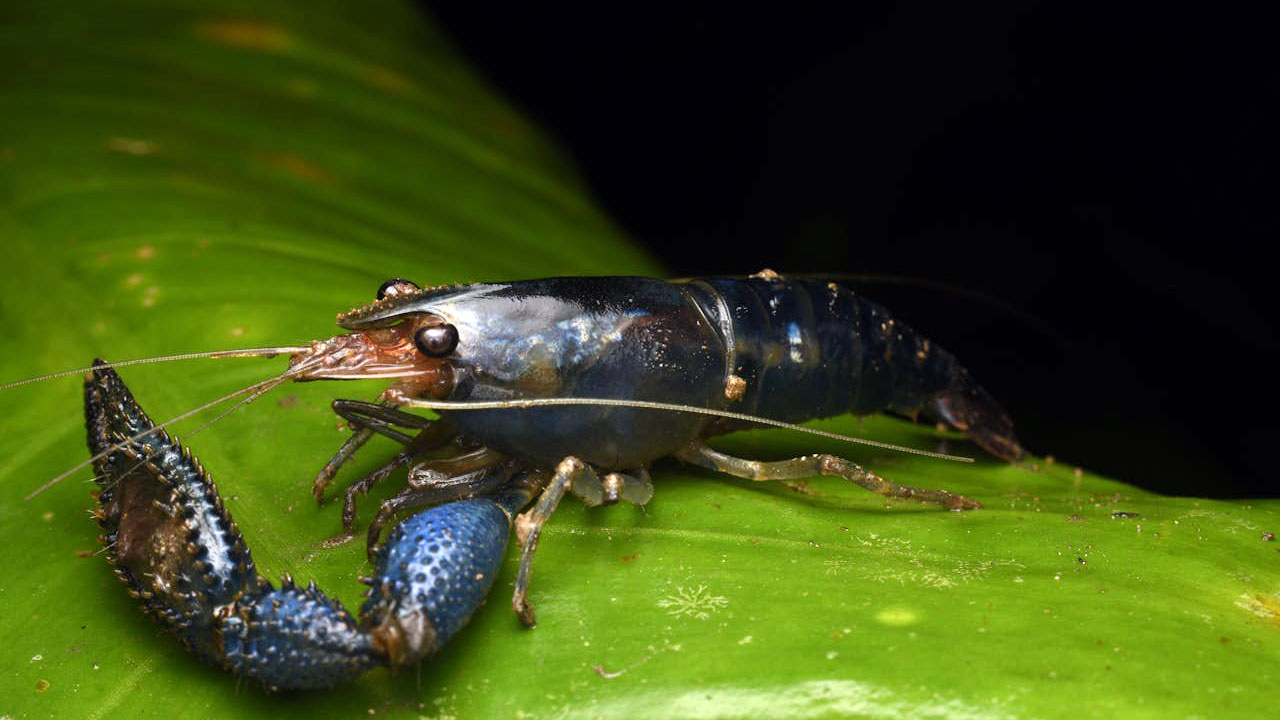
Crayfish seem too small to matter until they start undermining shallow edges and muddying the water. UF/IFAS says burrowing by crayfish and other bottom-dwelling species can contribute to muddy water in ponds. That is a pretty good clue that even a small animal can push a pond in the wrong direction if enough of them are working the banks and bottom.
This is usually not a dramatic overnight disaster like a beaver dam plugging a culvert, but it can still be a real problem. Crayfish burrows weaken soft banks, increase sloughing, and keep fine sediment stirred up in shallow areas. In a pond already fighting turbidity, that extra disturbance can be enough to keep the water from ever settling right. For landowners trying to keep a pond fishable, clear, or stable, they can be more than just harmless bait running around on the bottom.
Common carp

Common carp are one of the clearest examples of a fish that can still wreck a pond. The USGS Nonindigenous Aquatic Species database says common carp are very active when feeding, and their movements disturb sediment, increase turbidity, and reduce submerged aquatic vegetation by feeding and uprooting plants. Another USGS impacts entry says carp increased total phosphorus and turbidity in a pond experiment in Illinois.
That matters because once carp get abundant in a small pond, the whole place can shift. Clear water turns muddy, rooted vegetation disappears, and the habitat gets less friendly for the fish species most people actually want. A lot of pond owners blame weather or fertilizer first when water stays dirty. Sometimes the problem is fins, not runoff. Carp can keep a pond stirred up enough that it never looks or fishes the way it should.
River otters
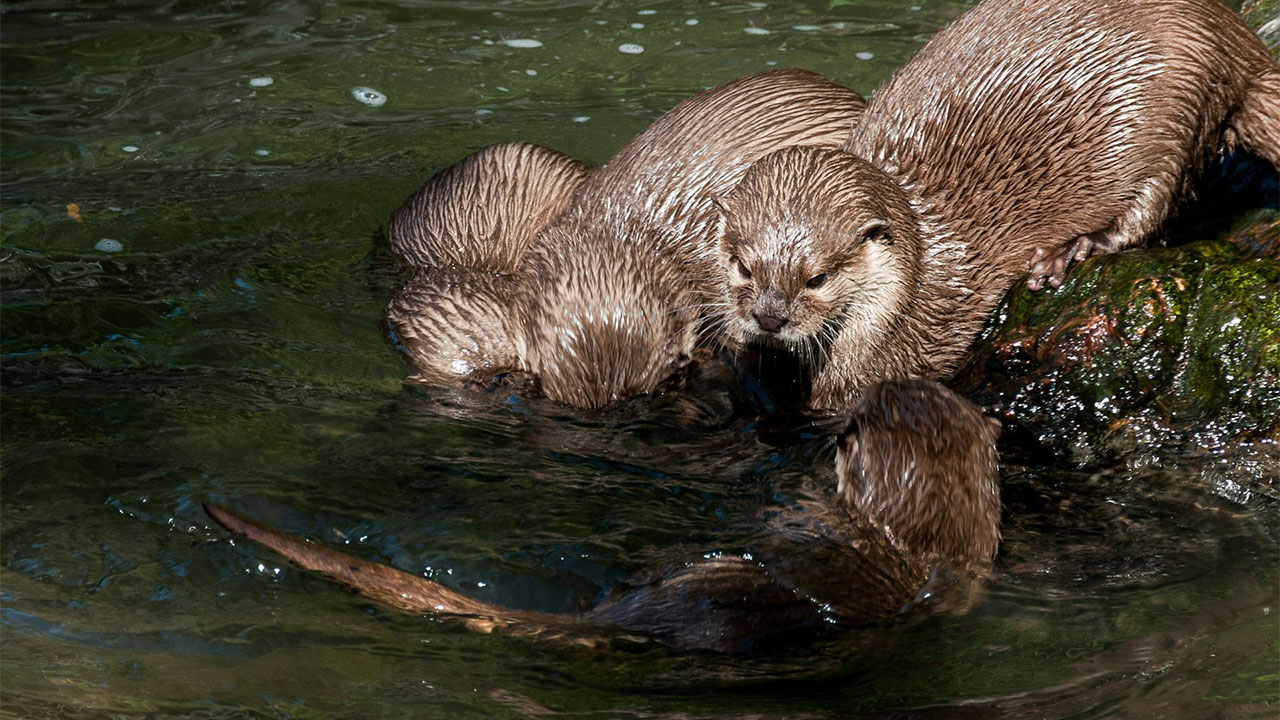
River otters are fun to watch right up until they decide your pond is a buffet. APHIS environmental material says river otters can cause serious local losses by preying on fish, crayfish, and other aquaculture products, and Mississippi State says a family of otters can virtually eliminate catchable-size fish from a pond. That is about as direct as pond guidance gets.
For a wild creek, that is just nature doing nature. For a managed fishing pond, that can be brutal. A pond can look structurally fine while the fishery is getting hammered. If you are trying to grow quality bass, bluegill, or catfish, otters can undo a lot of patience in a short stretch. They are not ruining the pond with mud or erosion. They are ruining it by taking the payoff out of it fish by fish.
Double-crested cormorants
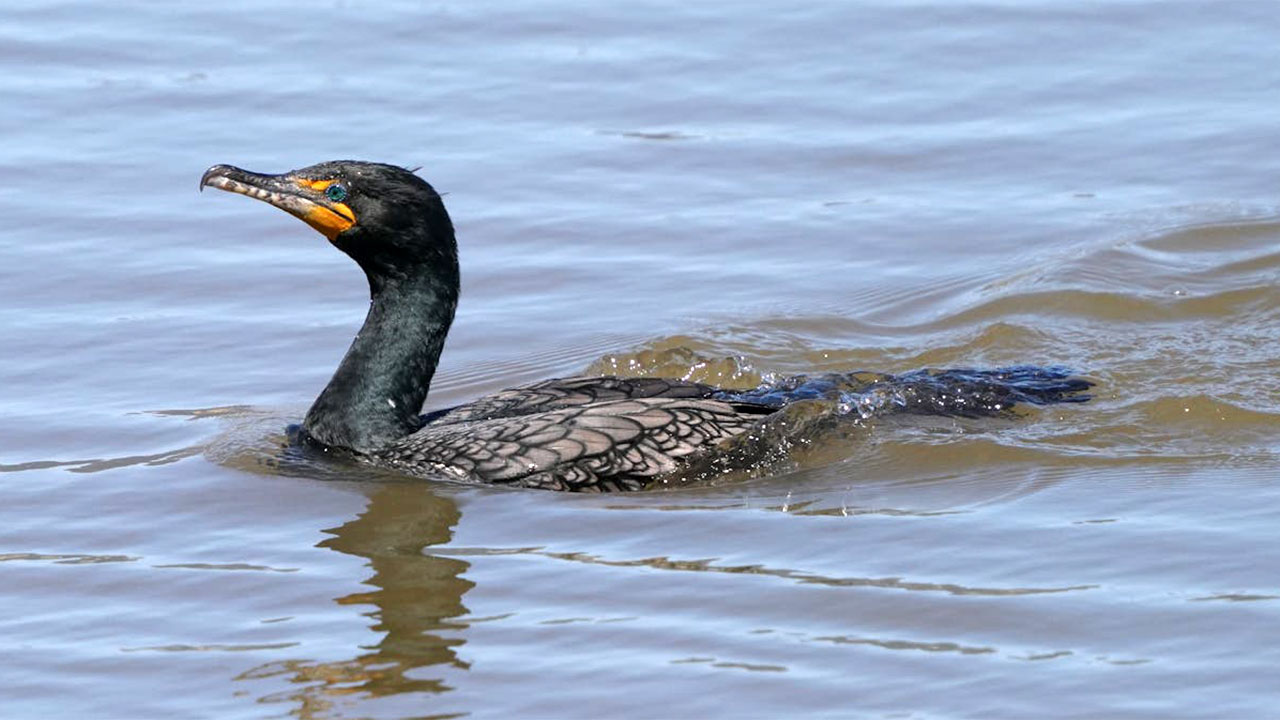
Cormorants are another animal that can turn a productive pond into a frustrating one fast. APHIS says damage to aquaculture resources occurs primarily through the economic losses tied to cormorants consuming fish and other raised aquatic organisms. In a 2025 APHIS spotlight, the agency said cormorant depredation on commercial catfish farms results in tens of millions of dollars in annual losses and that cormorants eat about a pound of fish per day.
You do not need a commercial catfish operation to feel the effect. A pond that holds stocked fish, feed-trained catfish, or even a concentrated baitfish population can look mighty attractive to birds that make a living off open water and predictable prey. When they key in on a place, the fishery can feel thinner in a hurry. Like otters, they ruin a pond in a different way. The water may still be there, but the fish you cared about may not be.
Alligators
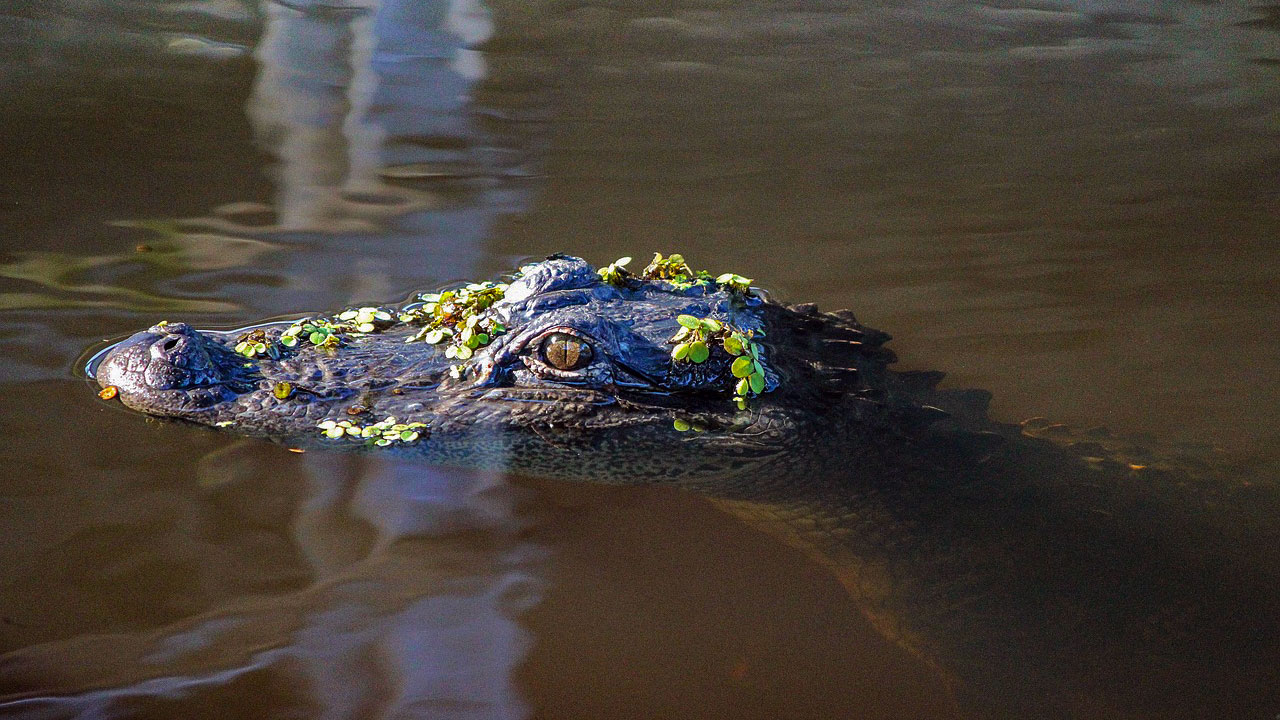
Alligators are more of a regional problem, but where they exist, they can absolutely change how a pond gets used. Mississippi State’s pond guidance specifically includes alligators on its list of pond animals that can be nuisances or even cause damage. That is not just about fear value. A pond that suddenly has a resident alligator becomes a different kind of place for livestock, pets, anglers, and anybody else using the shoreline.
Even when they are not directly damaging the bank, they can functionally ruin the water for the owner by changing access and increasing risk. In a small fishing pond or farm pond close to a house, that matters a lot. A nuisance alligator can turn a relaxing, useful water source into a place people do not want to approach. That is not structural damage, but on a practical level it still counts as ruining the setup.
Fire ants

Fire ants sound like a stretch in a pond article until you look at extension pond guidance. Mississippi State says fish kills in farm ponds can occur because of water-quality problems, infectious disease, misused chemicals, or swarming fire ants in the spring. That is a weird enough line that it sticks, but it is there because it happens.
This is not the same kind of long-term habitat damage you get from beavers or hogs, but it belongs in the conversation because a sudden fish kill can ruin a pond just as effectively. A pond owner who loses fish does not care much whether the culprit had fur, feathers, or six legs. The result is the same: a water body that no longer fishes or functions the way it should. In that narrow but very real sense, fire ants can wreck a pond faster than people would ever guess.
Wild horses and burros
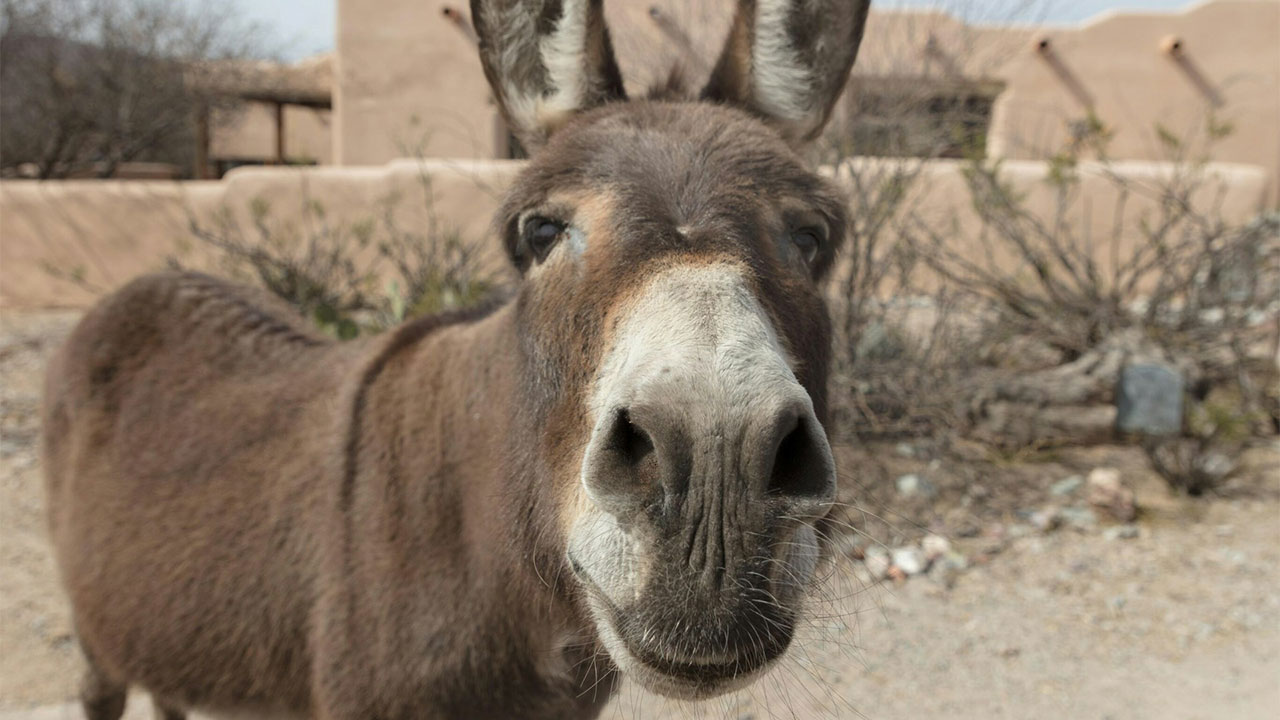
This one is more Western than Southern, but it is a real water-hole issue where it applies. BLM environmental documents say unmanaged wild horses can cause negative impacts to water resources and riparian areas and can concentrate heavy use around springs and perennial water sources. BLM advisory material also says free-roaming horses and burros disproportionately impact seeps, springs, and riparian zones.
That kind of concentrated use is rough on fragile water. Once vegetation gets stripped, banks wear down, and the few reliable water points start taking repeated pressure, the whole area can slide backward. Most Avid readers are not dealing with this on an East Texas pond, but out West it is a very real version of the same story: too much animal pressure at the water and the water starts losing its value.
Like The Avid Outdoorsman’s content? Subscribe to our newsletter so you never miss an article.
Here’s more from us: