
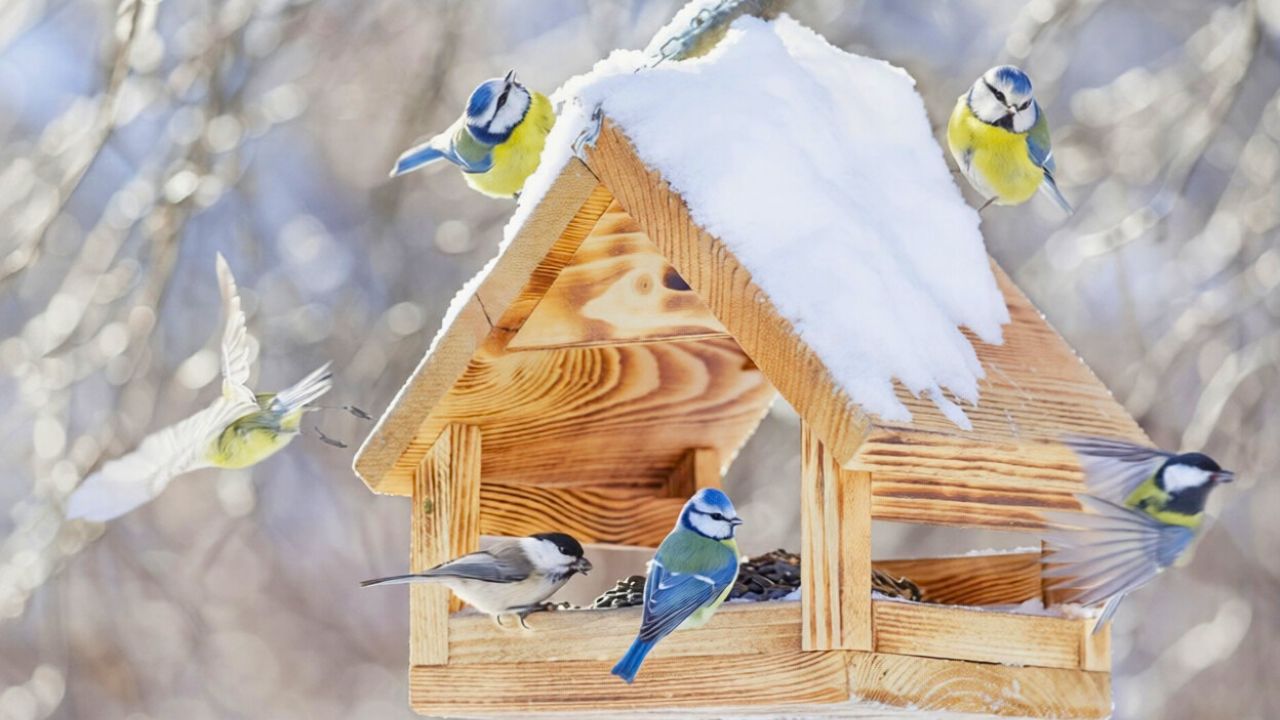
Photo credit: Nitrub/istock.com
Most people notice it the same way. One week your yard sounds alive—sparrows, finches, chickadees, cardinals doing their normal racket—then it goes quiet enough that it feels wrong. If you keep feeders out, you’ll notice it even faster because the traffic just stops. Folks usually jump straight to one of two assumptions: either the birds “migrated,” or something scary is hanging around. Sometimes it is that simple, but a sudden drop in songbirds can mean a handful of different things, and some of them matter a lot more than people realize. The key is paying attention to what changed recently, because songbirds respond fast when their food source, their cover, or their safety changes.
This is also one of those situations where your yard tells on the neighborhood. Birds are basically little sensors for habitat quality and predator pressure. If they stop using your space, it doesn’t always mean your yard suddenly got “bad,” but it does mean something shifted—weather, predators, disease, landscaping, feeding routines, even cats. You don’t need to be a birdwatcher to figure it out. You just need to look for a couple of clues and think like a small animal that’s trying not to get eaten.
The most common reason: the groceries changed
If you run feeders, this is the first thing to check, and it’s usually the simplest answer. Birds will abandon a feeder fast if the seed went stale, got wet, molded, or started smelling off. Even if you can’t see mold clearly, a damp bag or a feeder that holds moisture can make seed spoil quicker than people expect. Birds won’t keep hitting a spot that makes them sick, and once a few stop coming, it takes the rest of the flock about five minutes to follow. Another quiet killer is a feeder that got clogged and isn’t dispensing. From a distance it looks “full,” but birds can’t actually get to the good stuff, so they move on.
Natural food shifts matter too. When certain trees and plants start producing, birds will ignore your feeder because the woods are feeding them better. A warm spell can kick insects loose, and suddenly birds are hunting bugs instead of seed. A cold snap can do the opposite and push them back toward easy calories. So if the silence lines up with a weather swing or a seasonal change, it may not be a warning sign at all—just birds doing what they’ve always done.
Predator pressure makes birds disappear like a switch flipped
If your yard goes quiet overnight and stays that way, predators are high on the list. The usual suspects are hawks, owls, neighborhood cats, and snakes, depending on where you live and the time of year. A hawk doesn’t have to catch a bird in your yard for the songbirds to get the message. If one starts perching nearby and making hunting passes, the feeder crowd will vanish. They’ll stick to thicker cover, they’ll feed at different times, or they’ll move to a safer yard entirely. It’s not dramatic. It’s survival math.
Cats are a big one because they change bird behavior more than people want to admit. A single outdoor cat that starts patrolling under your feeder will shut down bird activity fast. And it’s not only the birds that stop coming. The squirrels and chipmunks often change too. If you notice the whole “small critter” scene is quieter, it’s worth looking for signs of a predator working the area. You may never see it in daylight, but the birds will.
Disease can spread at feeders, and birds learn to avoid them
This one matters because it’s easy to accidentally cause a problem while trying to enjoy wildlife. Feeders can concentrate birds, and concentrated birds spread illness easier. If you’ve ever seen finches with crusty eyes, birds that look puffed up and lethargic, or birds that sit on the ground and don’t act right, you may be looking at disease moving through a local population. In that situation, you can see a sudden drop because birds either die off, or they avoid the area as the sick ones linger.
A dirty feeder can make this worse. Old seed, wet seed, droppings buildup, and mold can all contribute. I’m not trying to turn this into a lecture, but if the yard gets quiet and you’ve been topping off seed without cleaning the feeder, it’s worth taking seriously. Cleaning feeders and rotating seed isn’t just about being neat—it’s about not turning your feeder into a germ swap meet.
Landscaping changes remove the “cover” birds need to feel safe
Birds don’t like feeding in the open. They like a quick escape route. If you recently trimmed shrubs hard, removed brush piles, thinned a hedge, or cleaned up a “messy” corner, you may have removed the exact cover that made birds feel secure. People clean up yards before spring, and then they’re confused why wildlife activity drops. To you, it looks better. To a small bird, it looks like the front porch of a predator.
Even small changes matter. If a big bush that sat near a feeder is gone, birds may stop using the feeder because they have nowhere to bolt when a hawk comes in. If you moved the feeder farther away from cover to “keep squirrels off it,” you may have made it a hawk-friendly trap. Birds will choose safety over convenience almost every time.
The quiet can be seasonal, but it usually has a pattern
Migration gets blamed for everything, and sometimes it’s the right answer. Certain birds come and go in waves, and you’ll notice a feeder empty out when a big group moves through. But even seasonal quiet usually isn’t a full shutdown. What’s more common is a shift in species. You lose one group, you gain another. So if the yard is completely dead quiet—no regulars, no new species, nothing—that points more toward predators, food changes, or a disruption, not just migration.
Also, pay attention to timing. If the yard is quiet during the day but comes alive again in the evening, that can be predator pressure, especially from hawks. If it’s quiet right after you mow, trim, or pressure the yard, that can be disruption. If it’s quiet after a storm, birds may be feeding somewhere else that’s temporarily better. The pattern tells you what kind of quiet it is.
What I do when my yard goes “bird silent”
I start with the easy checks. I dump old seed, clean the feeder, and move it closer to cover—not right into the brush, but close enough that birds can escape fast. Then I watch the area for ten minutes in the morning and late afternoon. If I spot a hawk perched in the same tree, or I see a cat working under the feeder, that’s probably the answer. If I don’t see anything obvious, I look for signs that the natural food supply has shifted—buds, insects, flowering plants, or neighbors feeding heavy.
If I suspect disease, I pull feeders for a while. That sounds counterintuitive, but it can help break the cycle. Birds won’t starve because your feeder is gone; they’ll spread out and forage naturally. When you bring the feeder back, you bring it back clean, with fresh seed, and you’re less likely to be part of the problem.
Like The Avid Outdoorsman’s content? Subscribe to our newsletter so you never miss an article.
Here’s more from us:


