

Photo credit: fr0ggy5/Unsplash.com
A lot of wild animals start out cautious. They stay in cover, move after dark, and keep one foot ready to leave the second something feels off. That changes fast once food gets easy. Reliable feed, trash, pet food, spilled grain, fish scraps, bird seed, or unprotected livestock can do more than attract animals. It can change how they behave. The more often they get rewarded without pressure, the faster they stop acting like nervous passersby and start acting like they belong there.
That is when people begin saying the same thing over and over: “It didn’t used to be this bold.” Usually that is true. Easy food trains confidence into animals in a hurry. Some get pushier around buildings. Some start showing up earlier in the evening. Some stop leaving when people walk outside. These are the animals most likely to get bold fast once food gets easy, and once that pattern starts, it usually gets worse before it gets better.
Raccoons

Raccoons may be the textbook example of what happens when a smart animal keeps getting rewarded. At first they creep in after dark, test the area, and work quietly around the edges. But once they figure out the dog food is always on the porch, the trash can never gets latched, or the fish-cleaning scraps are easy to reach, they stop acting shy in a hurry. A raccoon that started out sneaking around may soon be climbing, prying, and showing up like it pays the bills there.
What makes raccoons such a problem is how quickly they learn both routine and tolerance. They notice what time the lights go off, where the scraps end up, and whether anybody ever actually runs them off. Then they start pushing the line. They show up earlier, linger longer, and get more comfortable working close to the house, shed, coop, or dock. Once food gets easy, raccoons can go from occasional nuisance to regular nighttime problem faster than a lot of people expect.
Coyotes

Coyotes usually prefer to keep some distance from people, but easy food changes that fast. Pet food, outdoor cats, unsecured chickens, calving areas, garbage, compost, deer feeders, and even rodent-heavy spots around barns can all make a property worth checking again and again. At first a coyote may work the edges and stay mostly invisible. Once it learns the reward is real and the pressure is low, it starts cutting the distance down.
That is when people begin seeing them in daylight, near buildings, or lingering in places where they used to slip through unnoticed. A bold coyote is often just a coyote that has figured out the math. It found food, nothing bad happened, and now the risk feels lower every time it comes back. That does not mean every coyote near food becomes reckless overnight, but it absolutely means easy feeding can make them far more comfortable around your space than they should be.
Feral hogs

Hogs do not need much encouragement in the first place, but easy food turns them from passersby into wrecking crews fast. If they find spilled corn, feed storage, soft garden ground, acorns near water, or any repeat food source around a property, they will keep coming until something stops them. They are not delicate about it either. A sounder that starts out hitting one edge of a field may end up rooting closer to buildings, tearing up a pond bank, or moving through open ground like it owns it.
The real problem with hogs is numbers. One hog getting comfortable is bad enough. A whole group learning that your place pays off is a different headache entirely. Once food gets easy, they start using the same approach routes, the same wallows, and the same feeding lanes over and over. And because hogs are naturally aggressive around pressure, that growing confidence can make nighttime activity around them feel a whole lot less predictable.
Black bears

Bears are incredibly food-driven, and once one learns that a property offers easy calories, boldness tends to follow. Bird feeders, garbage, livestock feed, fruit trees, coolers, grills, and pet food all teach the same lesson: this place is worth checking. A bear that first came through at night may start showing up earlier, hanging around longer, or walking closer to structures once it learns how little effort the reward takes.
This is one of the biggest reasons bear behavior can seem to “change” around homes and camps. Usually the bear did not suddenly become mean. It became conditioned. Easy food lowers caution because the payoff keeps winning. That is why one sloppy setup can create a repeat problem fast. Once a bear starts connecting people-adjacent spaces with calories, it often takes real effort to break that pattern, and some never fully unlearn it.
Skunks
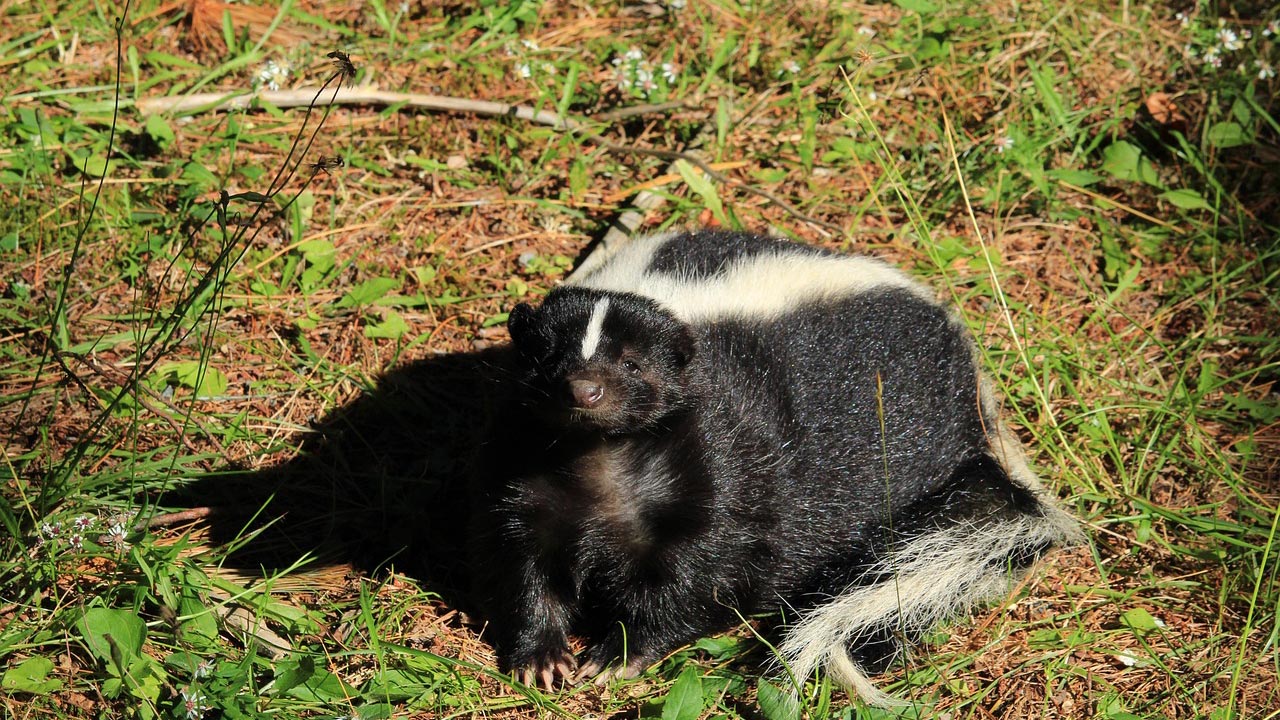
Skunks do not look especially bold until you live around one that has figured out where easy meals are. Grubs in watered lawns, pet food left out, feed spills, compost, and insect-heavy corners around lights all make skunks comfortable fast. They begin by nosing around quietly after dark, but once they know the food is dependable, they stop acting nervous about being near porches, sheds, and walkways.
The issue with skunks is not just the smell. It is the way easy food puts them in repeated conflict range with pets, people, and outbuildings. A skunk that feels secure enough to forage right beside the house every night is already too comfortable. And because they are slow-moving compared to many predators, their confidence often shows up as refusal to leave quickly. Once food gets easy, they act like there is no reason to hurry, and that usually means trouble is only a matter of time.
Opossums

Opossums are scavengers through and through, and easy food makes them settle into a routine without much hesitation. Trash scraps, pet food, spilled feed, dropped fruit, and bugs around outdoor lights all pull them in. At first they may only pass through. But once they start finding something every night, they begin treating the area like part of their regular route and lose a lot of the caution they started with.
People tend to underestimate how comfortable opossums can get around buildings because they move slowly and do not look as assertive as raccoons. But that low-key attitude is exactly why they become a nuisance without drawing attention right away. They den under decks, around sheds, and near cluttered corners, then keep coming back to the same easy food sources. Once they learn your property feeds them, they become a lot more committed than most folks realize.
Foxes
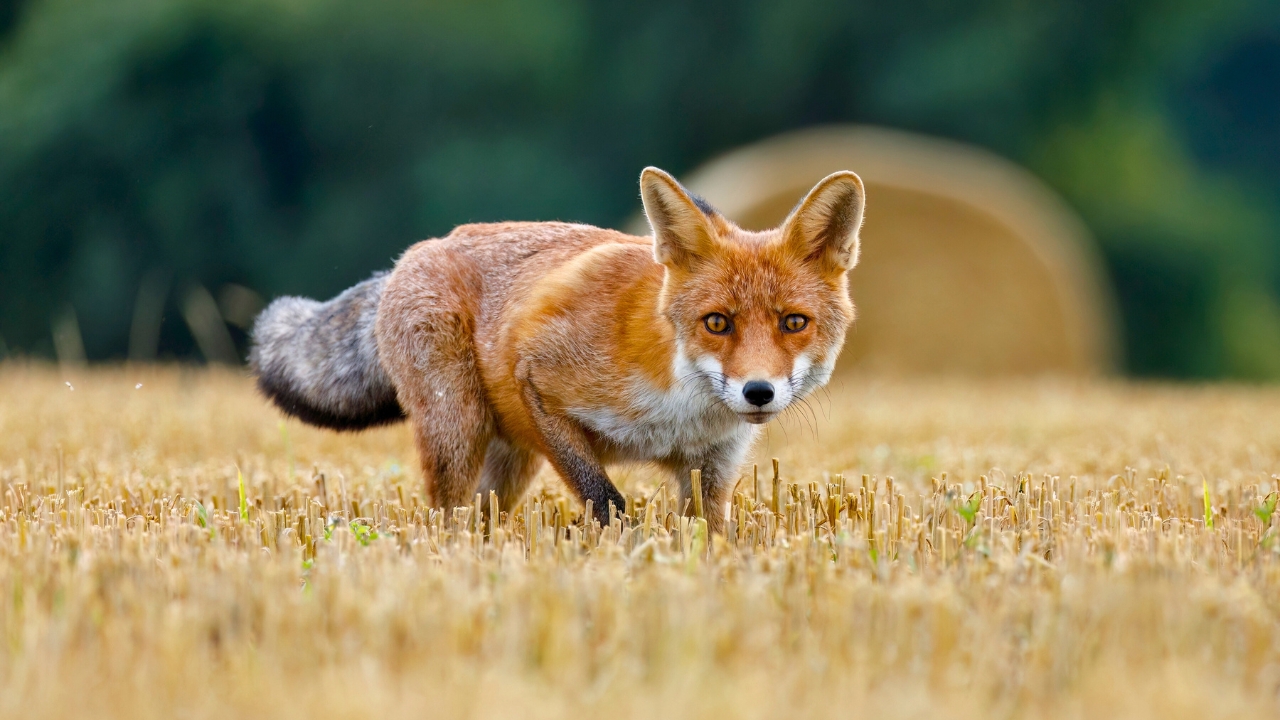
Foxes are usually more careful than coyotes around homes and small properties, but easy food can still make them bolder fast. Chickens, unsecured eggs, pet food, rodents around feed storage, and even handouts from people who think they are helping can all draw foxes into a more regular pattern. A fox that once stayed in the far field edge may begin circling closer to the coop, porch, or outbuildings once the reward gets consistent.
What makes foxes tricky is that their boldness still looks polished compared to other animals. They do not usually barge in like a raccoon or root like a hog. They slip in with confidence, hit the spot that pays off, and slip back out. But the point still stands. Easy food narrows their caution. A fox that used to avoid human scent can become much more willing to work close if it learns the setup is worth it.
Snakes
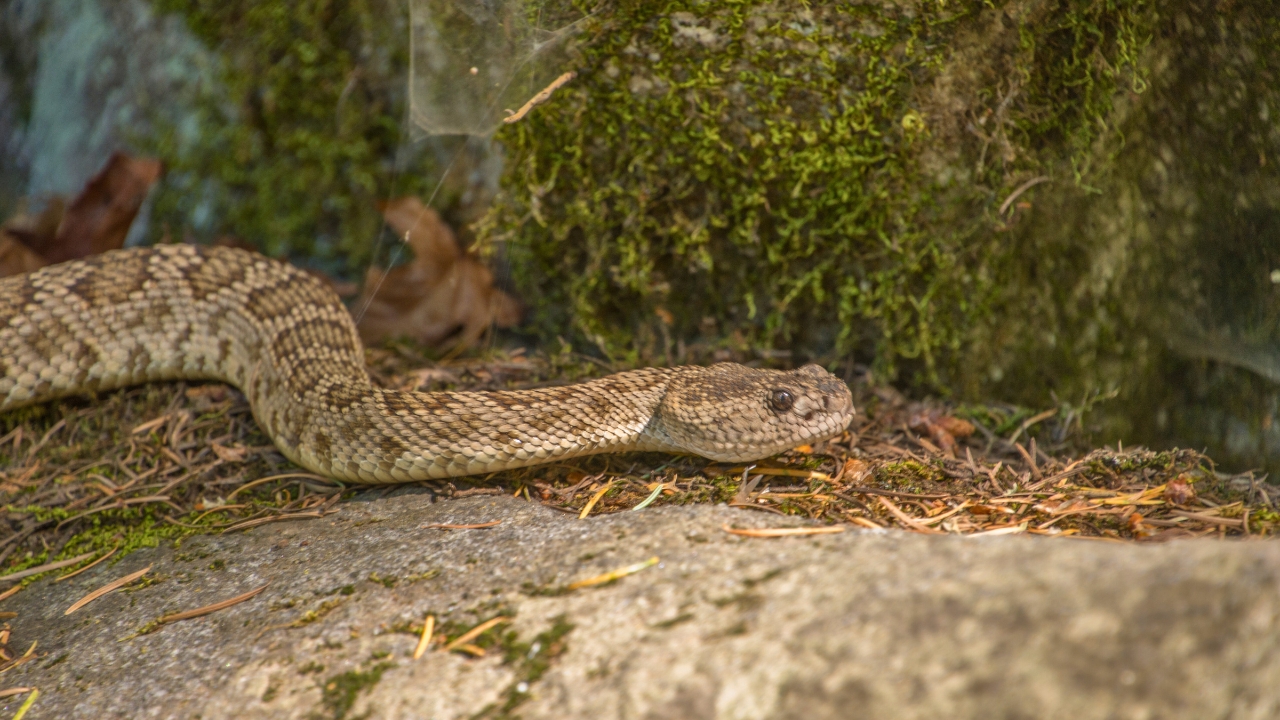
Snakes are not getting “bold” in the same emotional sense as a raccoon or coyote, but easy food absolutely makes them show up in places people experience as bold. If rodents pile up around feed storage, chicken coops, cluttered sheds, woodpiles, or barns, snakes start using those spaces more often. A rat snake or even a copperhead near a structure can feel very bold from the human side of things, even though the snake is really just following prey.
That is why food spills and rodent activity matter so much. The snake does not need direct feeding from people. It only needs the indirect food chain to get easy enough. Once mice start living well near your buildings, the predators that eat them begin treating those same areas like normal working ground. That is often how people end up saying the snakes are getting too comfortable, when really the rodent buffet is what made the place attractive.
Hawks
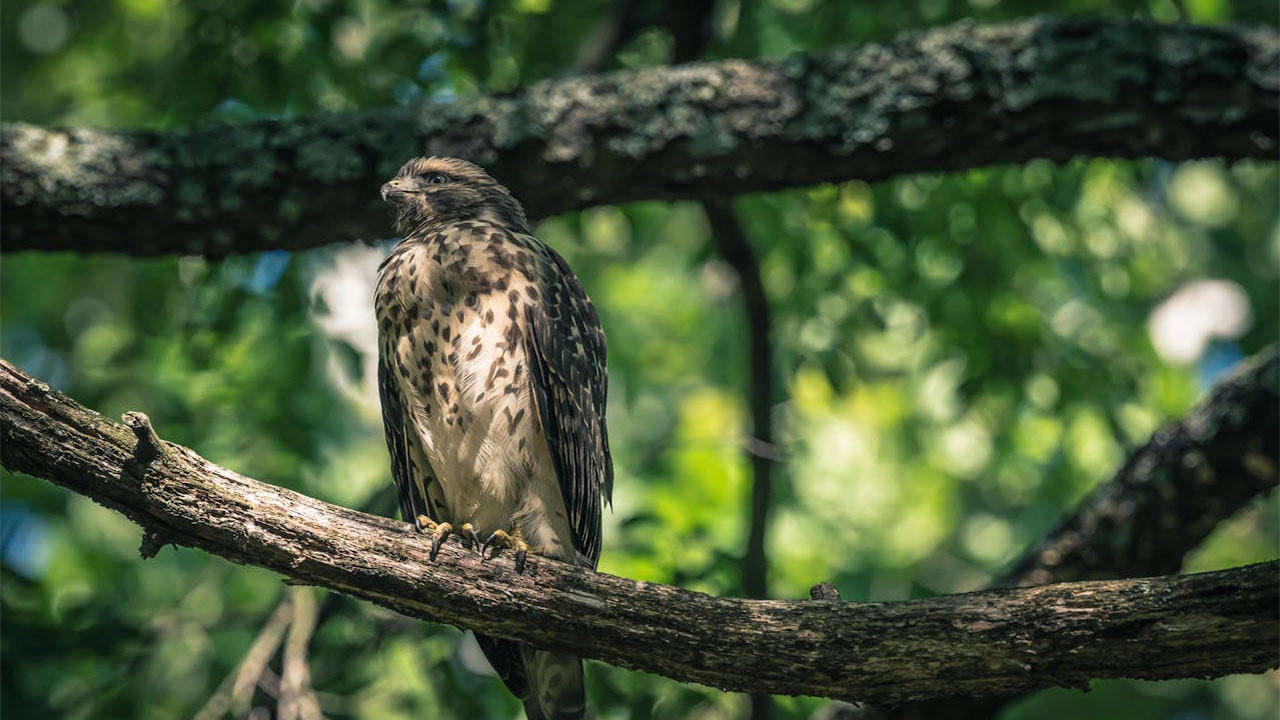
Hawks do not usually read as “bold” until they start using your property like a hunting perch. Bird feeders, open lawns with rodent traffic, backyard chickens, and pond edges with exposed prey can all pull hawks into a regular routine. Once they learn the layout, they get very comfortable showing up at the same time, using the same posts or trees, and striking in places people thought were too close to the house to matter.
This feels especially bold when a hawk starts hitting prey near a coop, feeder, or play area. The bird is not being reckless. It is being efficient. Easy food lowers hesitation because the bird no longer needs to search wide country for a meal. It knows exactly where to check. Once that habit forms, the hawk can seem a lot more committed to your property than most people expect from a wild raptor.
Owls
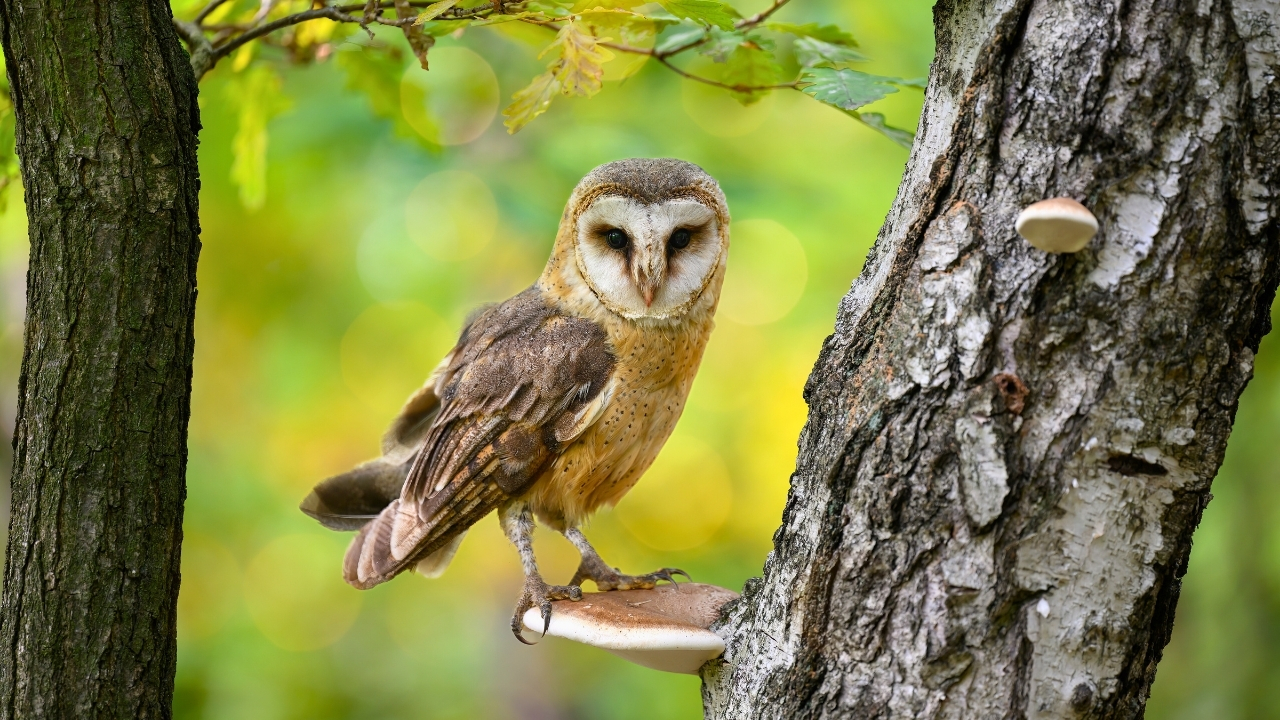
Owls respond to easy prey the same way hawks do, only with more cover from darkness. Rodents around barns, feed sheds, chicken houses, and pond edges can make an owl return to the same property night after night. The more dependable the prey base gets, the more comfortable the owl becomes hunting lower, closer, and more consistently around human structures.
A bold owl is often one that has figured out your property is a better hunting setup than the woods around it. Lights attract insects, insects attract rodents, rodents attract owls. Add a nice perch and quiet nighttime hours, and the owl may start acting like it was assigned to the place. It is a cleaner kind of boldness than a raccoon raiding trash, but it still comes from the same thing: easy food creates routine, and routine builds confidence.
Rats and mice
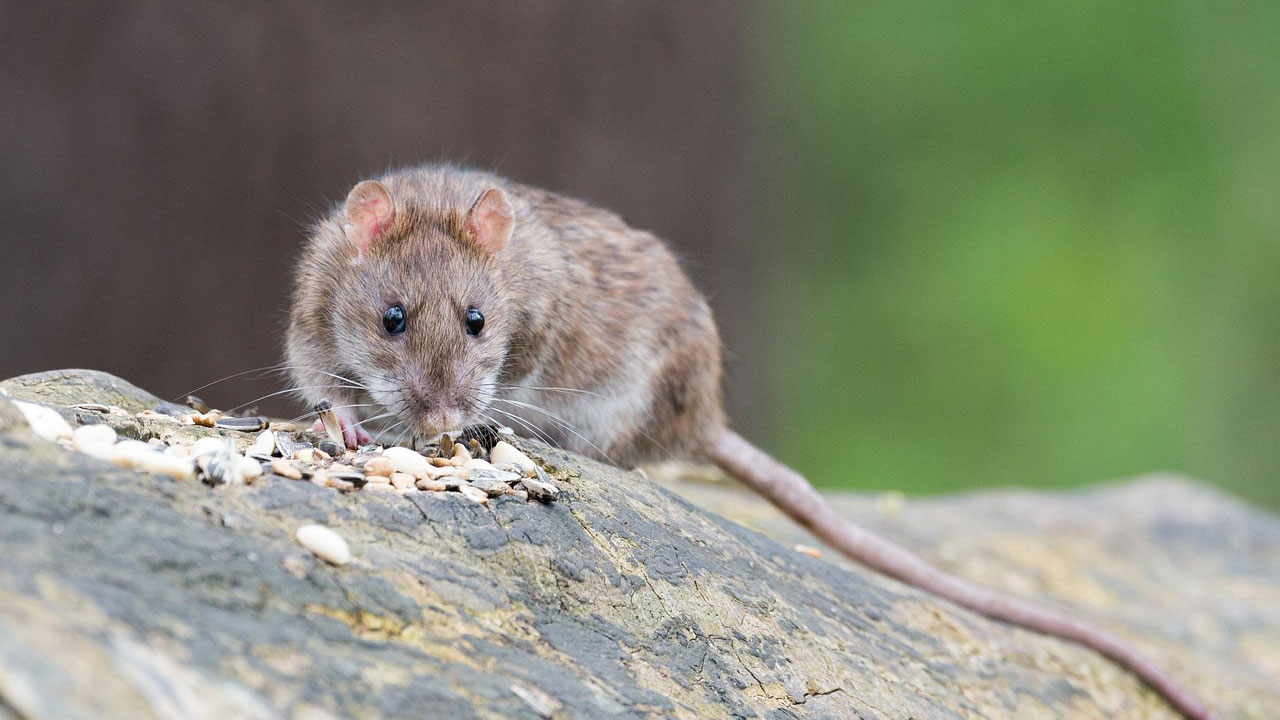
Small animals deserve a mention here because they are often the first ones to get bold once food gets easy, and everything bigger follows them. Grain spills, unsealed feed, pet kibble, bird seed, garbage leaks, and cluttered storage areas teach rats and mice very quickly that a property is worth living on, not just visiting. Once they settle in, they stop moving like nervous outsiders and start acting like the place belongs to them.
That matters because their boldness becomes everybody else’s opportunity. Snakes move in. Foxes start hunting the edges. Owls work the rooflines. Coyotes and bobcats check the surroundings. Easy food at the bottom of the chain rarely stays a small problem. If rodents are getting comfortable, the land is already training the next wave of predators too.
Feral cats
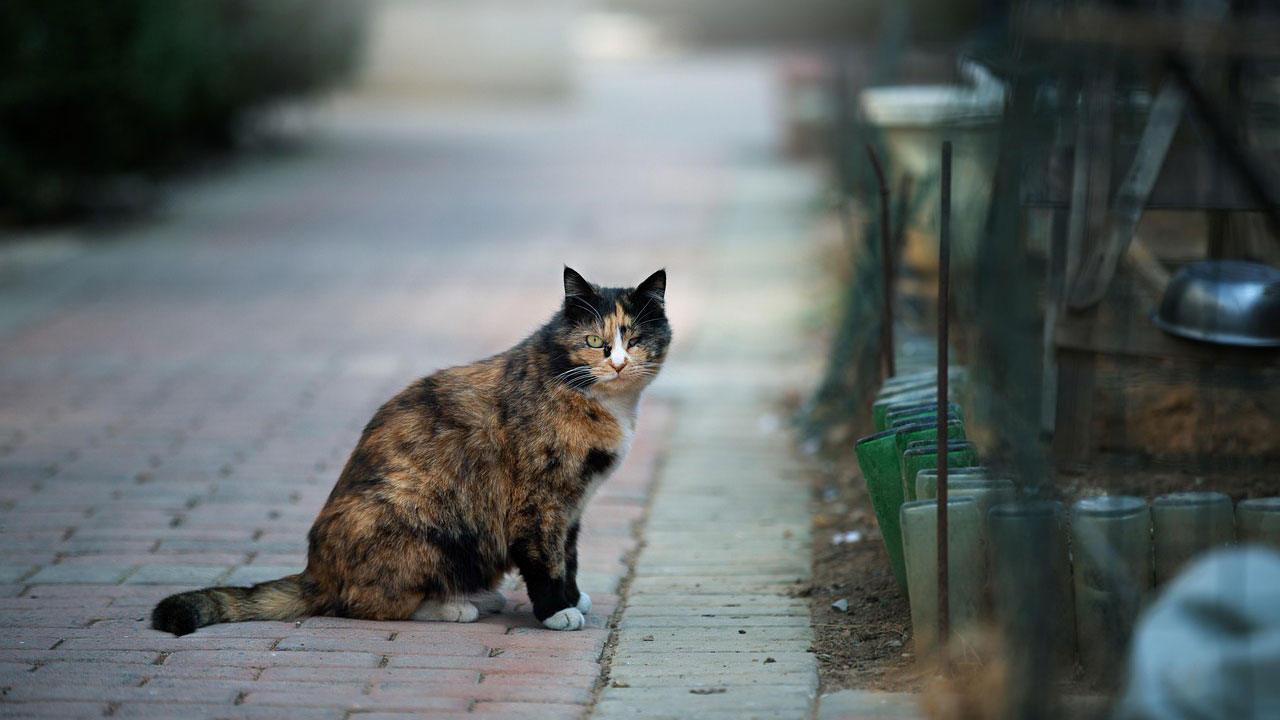
Feral cats get bold fast when easy food is part of the picture, especially if people are feeding strays, leaving scraps out, or unintentionally supporting them through rodent-heavy outbuildings. At first they may stay hidden and move almost entirely at night. But once they realize the food shows up regularly and nobody pressures them much, they begin working porches, barns, sheds, and yard edges with a lot more confidence.
The problem here is that feral cats often feel “normal” enough that people do not clock the change until the population grows or songbirds start disappearing. A fed cat, or a cat hunting where prey is easy, very quickly begins acting like the area is part of its home ground. That confidence brings more cats, more pressure on wildlife, and more conflict around structures. Easy food may start with sympathy, but it often ends in a much bolder animal than people intended to encourage.
Geese
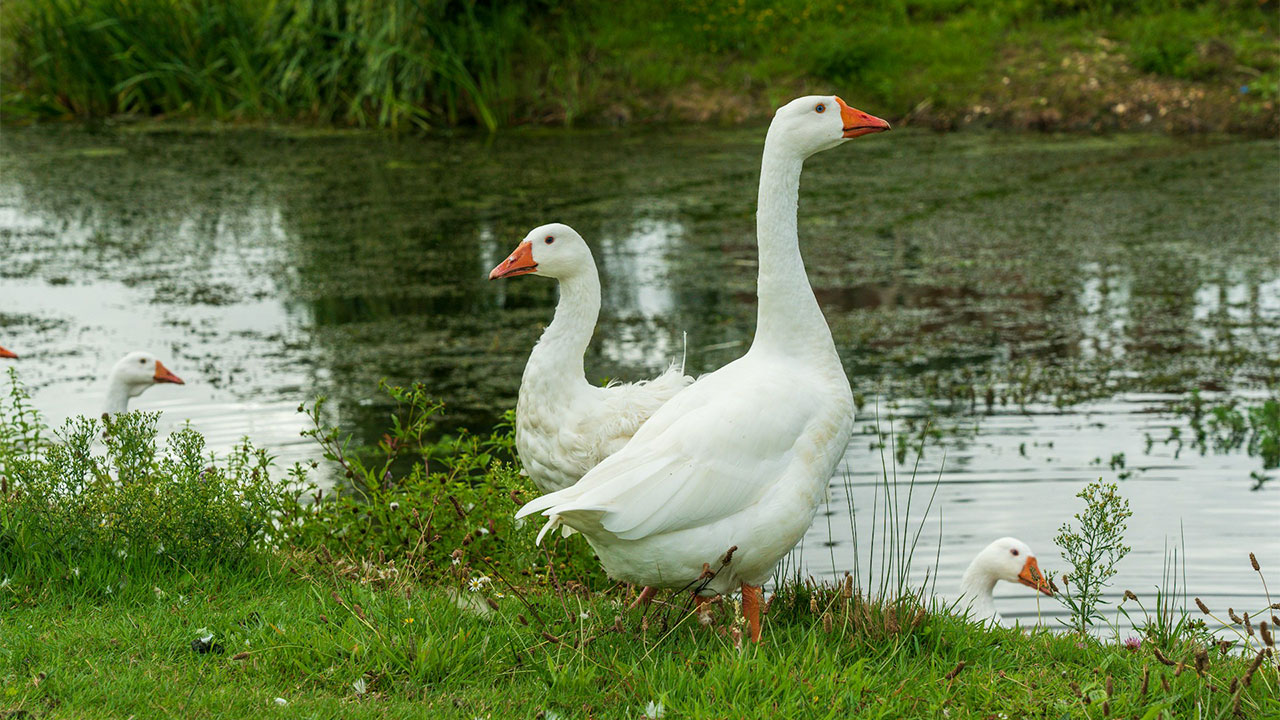
Geese may not be predators, but they absolutely get bold fast once food gets easy. Managed lawns, handouts, feed spills, pond edges, and park-like settings teach them quickly that there is nothing to fear and plenty to eat. Once that lesson sets in, geese start lingering longer, grazing closer, nesting where they should not, and acting more aggressive toward people who get in the way.
Anybody who has dealt with a flock that decided a property belongs to them knows how fast that shift can happen. Easy food takes them from cautious visitors to loud, territorial squatters in a hurry. They stop reading human presence as pressure and start reading it as background. That is exactly how boldness grows. And once a flock decides your pond, pasture edge, or yard works for them, they can be a bigger nuisance than many true predators.
Alligators
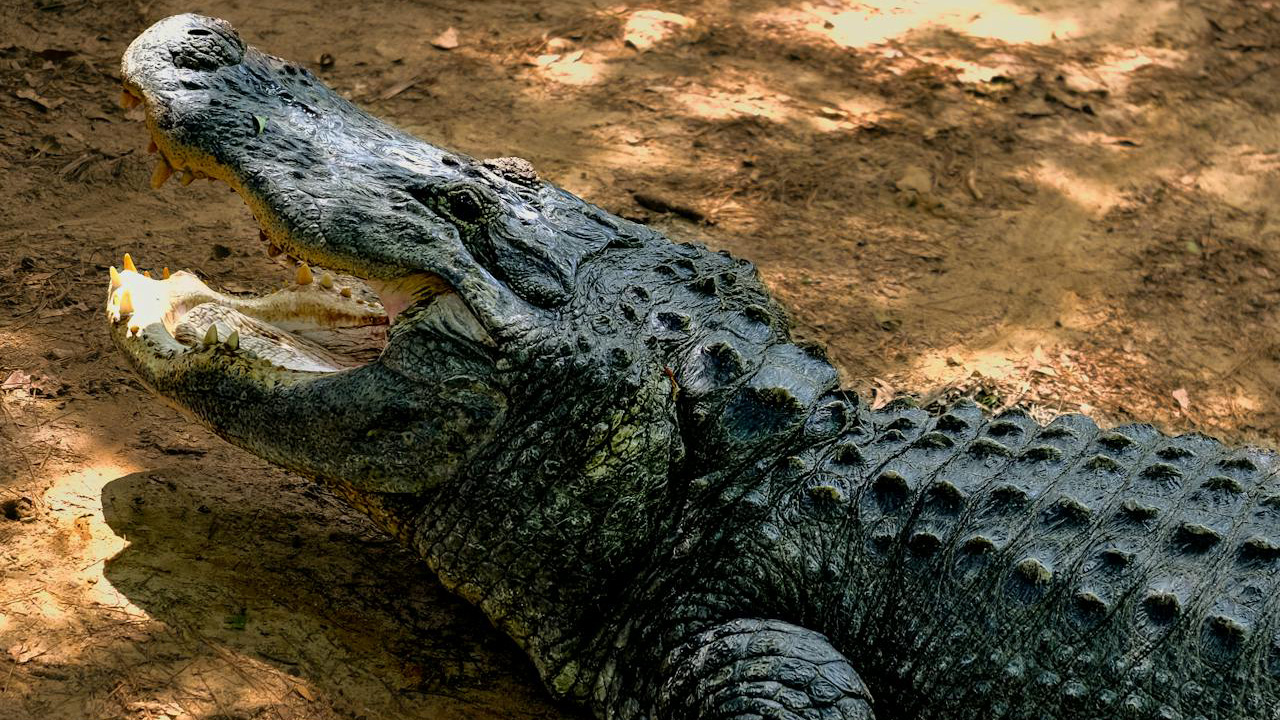
In gator country, easy food can make an already serious animal much more comfortable around people than it should ever be. Fish scraps, hand-feeding by idiots, pets near the bank, and regular activity that teaches a gator where easy meals show up all create the same dangerous pattern. The gator begins associating shoreline movement with opportunity instead of risk. That is how one starts hanging around docks, ramps, or pond edges with way too much confidence.
This is one of the clearest examples of why feeding wildlife is not just dumb but dangerous. A gator that learns people mean food is a problem waiting to happen. It may start approaching boats, working one stretch of bank repeatedly, or showing up in daylight where it used to stay hidden. Easy food does not just attract it. It changes how willing it is to close the distance, and that is where trouble gets serious fast.
Dogs gone feral or half-roaming
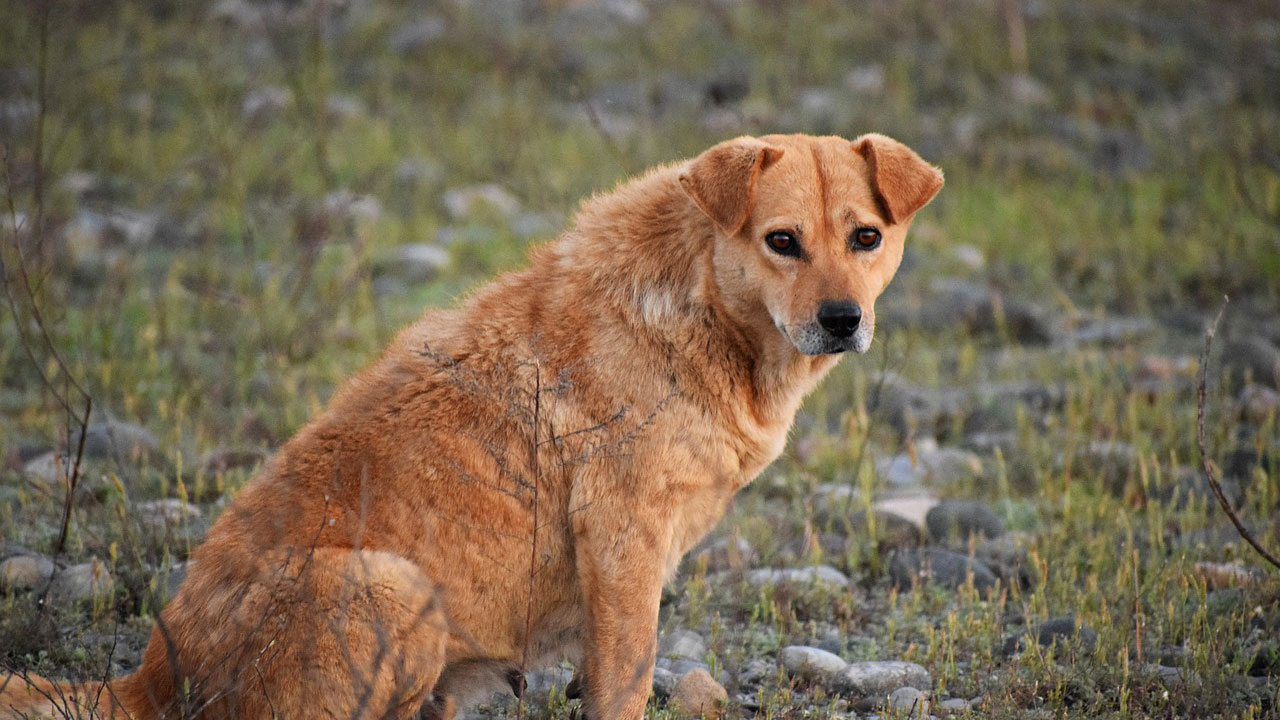
Loose dogs get bold in a hurry once they learn where easy meals are. It may start with spilled feed, open trash, chickens that are too easy to reach, or a porch where pet food gets left out. Before long the dog is not just wandering through. It is checking the same places repeatedly, showing up at better times, and acting less like a lost pet and more like a scavenger that has found a system.
This is where roaming dogs become more than a nuisance. Confidence builds quickly when an animal keeps getting rewarded without consequences. A dog that starts by raiding one feed pan may soon chase stock, circle coops, or run with other loose dogs doing the same thing. Easy food changes the behavior faster than many owners realize, and by the time somebody says, “That dog’s getting too comfortable,” it usually already is.
Like The Avid Outdoorsman’s content? Subscribe to our newsletter so you never miss an article.
Here’s more from us:


