Photo credit: Sophon Nawit/Shutterstock.com
A lot of handgun “power” talk is really noise. People see a big muzzle flash, hear a sharp crack, or read a high energy number and assume the bullet must drive deep. But penetration doesn’t care about your expectations. It cares about momentum, bullet construction, impact velocity, and what the projectile does the moment it meets resistance.
That’s why some rounds with a tough-guy reputation disappoint when you look at real results. Sometimes the bullet expands too fast and dumps energy shallow. Sometimes it fragments early. Sometimes you’re launching a light-for-caliber bullet so fast that it acts more like a varmint load than a deep-driving hunting load. And sometimes the platform itself—short barrels, weird feed ramps, marginal reliability—limits what you can run effectively. If you want penetration, you need the right bullet and the right load, not a louder story.
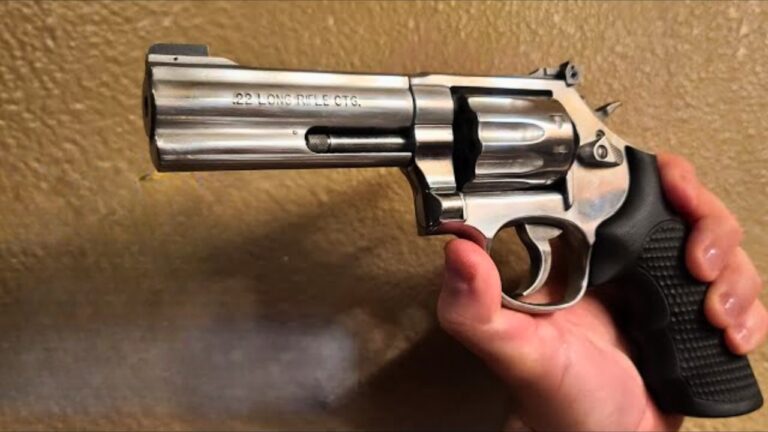
.357 Magnum with lightweight JHPs (110–125 grain)

People hear “.357 Magnum” and picture deep, straight-line penetration. With heavier bullets, that can be true. But the classic light, fast 110–125 grain jacketed hollow points can expand violently and shed energy early, especially out of longer barrels where velocity spikes. The result can be shallow penetration compared to what you expected from the name on the box.
You’ll see it most in soft targets where rapid expansion turns into a wide, early wound and not much depth. That doesn’t mean the load is useless—it can be very effective for certain roles—but it’s not the deep-driving hammer people assume. If penetration is the goal, you usually do better with heavier .357 bullets or controlled-expansion designs that don’t blow up on contact.
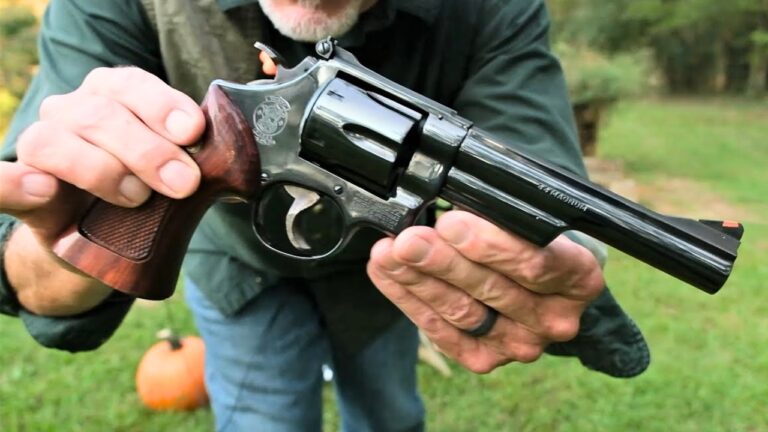
.44 Magnum with fast-expanding “defense” hollow points

.44 Magnum sounds like it should plow through anything, and with proper hunting bullets it often does. The problem is that not all .44 loads are built for that job. Some hollow points are designed to expand quickly on softer targets, and in a big magnum they can open too fast, flatten out, or even fragment before they reach the depth you imagined.
This is where the mismatch between “power” and “penetration” really shows. A huge wound up front can look impressive, but if it doesn’t reach the vital stuff from different angles, it’s not the performance you thought you bought. For deep penetration—especially on tougher animals—you want controlled-expansion bullets, hard-cast, or designs meant to hold together. The caliber alone doesn’t guarantee anything.
10mm Auto with light-for-caliber JHPs
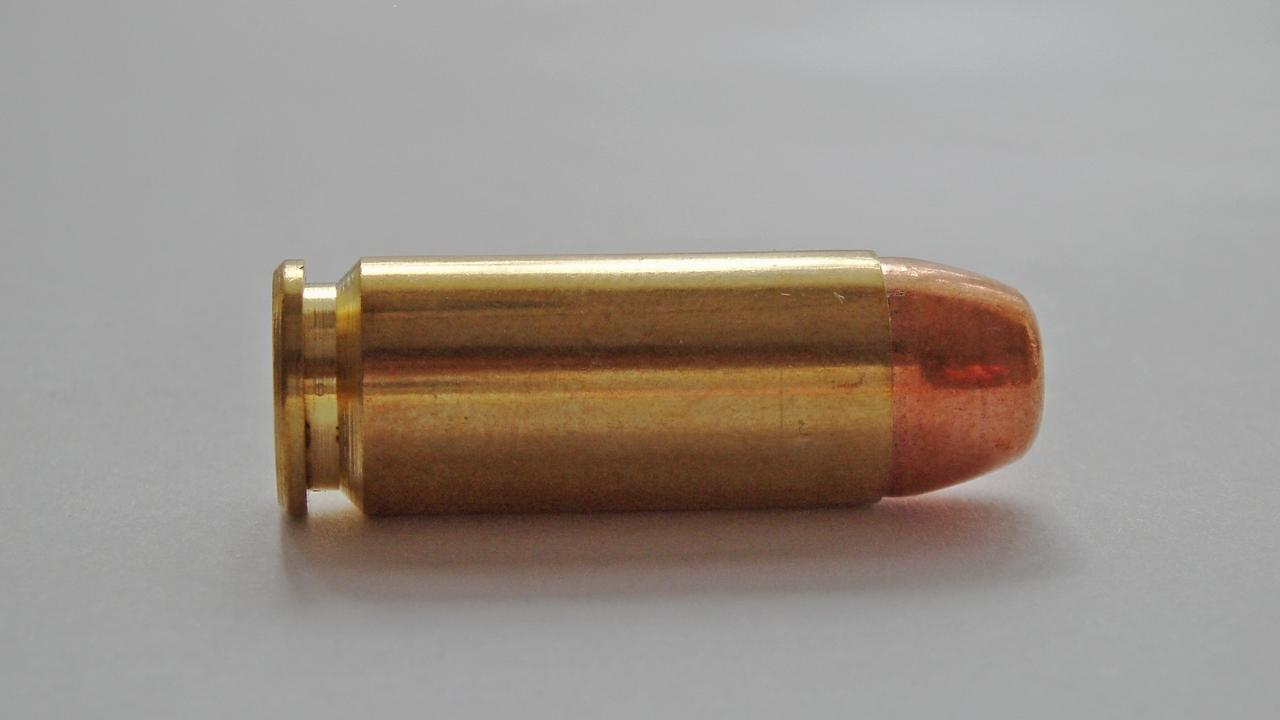
10mm gets marketed like a woods-ready powerhouse, and it can be—if you feed it the right bullets. But many light, fast hollow points behave more like “fast expansion” loads than deep-driving loads. They can open quickly and stop shorter than you’d expect, especially when they hit thick hide, heavy muscle, or hard angles.
The confusion comes from the round’s reputation and the variety of loads wearing the same headstamp. A 10mm that’s tuned for shallow-to-moderate penetration in defensive use is a different animal than a 10mm loaded with a controlled-expansion bullet built for deeper travel. If your goal is penetration, look for heavier bullets and designs that resist early upset. Otherwise, you can end up with a loud, snappy round that doesn’t actually give you the depth you assumed you were buying.
.40 S&W with wide-cavity JHPs

The .40 S&W has a “hits harder” vibe, and recoil can reinforce that perception. But penetration with many .40 hollow points can be more variable than people expect, especially when bullets are tuned to expand wide and fast. A big frontal diameter is great—until it costs you depth when you need it most.
This is especially true when you’re talking about shorter barrels or loads that prioritize expansion over momentum. .40 can absolutely penetrate well with the right load, but the round’s reputation doesn’t guarantee it. If you pick a design that mushrooms aggressively, it can slow down fast once it starts pushing a wide profile through tissue. The practical lesson is to choose ammo based on performance goals, not caliber swagger.
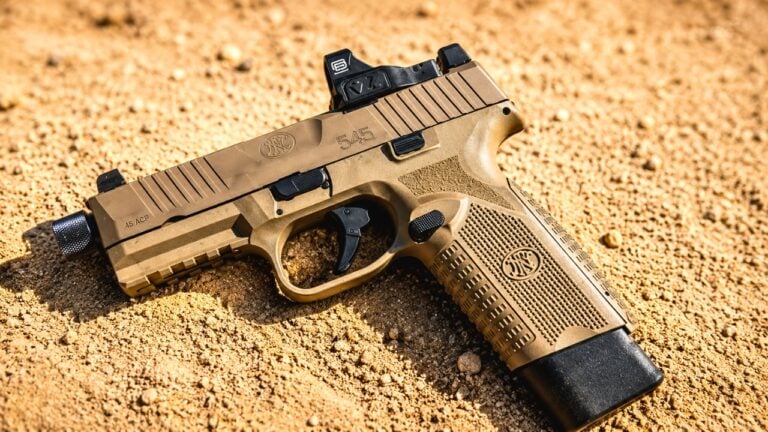
.45 ACP with “big mouth” hollow points

.45 ACP gets treated like a guaranteed penetrator because the bullet starts out wide. The problem is that some modern .45 hollow points are engineered to expand dramatically, sometimes to the point where they lose depth in exchange for a wide, early wound channel. If you’re expecting the bullet to keep driving through tough angles, that can be a surprise.
The other issue is velocity. .45 ACP is relatively slow, which can be good for controlled behavior—but when you pair low velocity with very aggressive expansion, the bullet can run out of steam earlier than you want. You can still get excellent penetration from .45 with the right bullet, especially bonded or controlled-expansion designs. But the myth that “bigger caliber always penetrates more” gets exposed fast when you choose a load that turns into a big mushroom too soon.
.380 ACP out of short barrels

People buy .380 for easy carry, then assume modern ammo makes it “almost a 9mm.” The reality is that .380 lives on the edge of reliable expansion and penetration because it starts with limited velocity and energy, especially from tiny barrels. Some loads expand well but don’t penetrate much. Others penetrate better but barely expand. You often don’t get both.
That’s why .380 can feel like it under-penetrates compared to the confidence people project onto it. The caliber can work, but it’s sensitive to barrel length, bullet design, and shot angle. If you’re expecting .380 to punch deep through heavy clothing, odd angles, or thick muscle, you can be disappointed—especially with loads that are built to open quickly. With .380, ammo choice matters more than most people want to admit.
9mm +P+ style loads with aggressive expansion
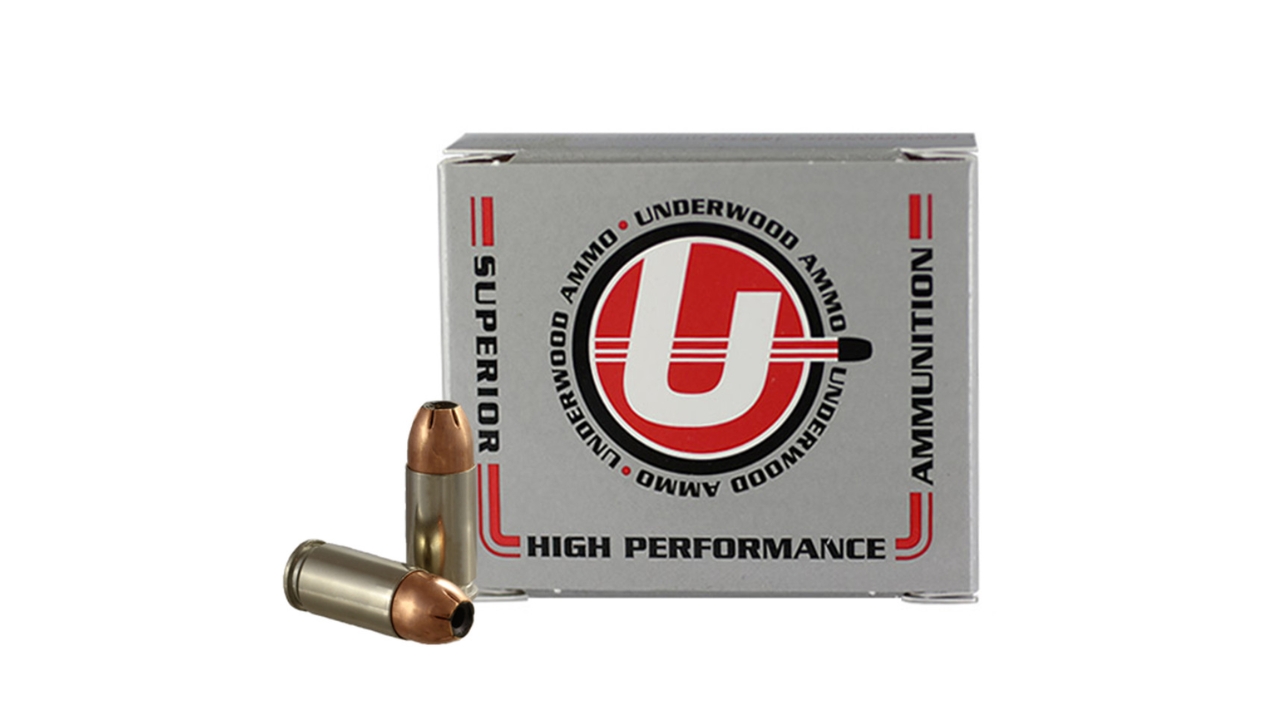
Hot 9mm loads can feel and sound “powerful,” and the velocity numbers look impressive. But when you pair high speed with a bullet that expands aggressively, penetration can suffer. The bullet opens early, slows fast, and you end up with a wide wound that doesn’t always reach as deep as you’d expect from a fast load.
This is a common misunderstanding: more speed doesn’t automatically mean more penetration. It can mean the opposite if the bullet design isn’t meant to hold together at that impact velocity. If you’re chasing penetration through tougher targets or awkward angles, you usually want controlled expansion and adequate weight, not maximum pressure and a huge cavity. A load that behaves consistently is more valuable than one that looks impressive on a box.
.357 SIG with light, fast JHPs

.357 SIG has a reputation for speed and “barrier performance,” and it can do certain things well. But with some lighter hollow points, that speed can drive rapid expansion that limits penetration in soft targets. You get a dramatic upset and a sharp energy dump, but not always the depth people assume when they hear “.357.”
It’s also a round where the marketing story can be louder than the practical details. Depending on the specific load, you may see performance that looks more like a fast 9mm than a deep-driving magnum revolver round. If your mental picture is “straight-line penetration every time,” you can end up disappointed. As always, the bullet matters. Bonded, controlled-expansion designs can change the story, but the caliber name alone doesn’t guarantee deep travel.
5.7x28mm in common pistol loads

5.7 looks like a laser on paper—high velocity, flat shooting, and a reputation built around speed. The surprise is that many common civilian loads use lightweight projectiles that don’t necessarily penetrate the way people imagine when they hear “fast.” Light bullets can lose momentum quickly, and terminal behavior depends heavily on projectile design.
You can get penetration with 5.7, but you can also get shallow performance if the bullet expands too easily or yaws and sheds energy early. The round is often misunderstood because people expect rifle-like effect from a handgun cartridge. In reality, you’re still dealing with a small, light projectile launched from a pistol-length barrel. If penetration is your priority, you have to be picky about load selection and realistic about what this cartridge is built to do.
.357 Magnum from 2-inch snubs with certain JHPs
The same .357 load can behave very differently depending on barrel length. Out of a 2-inch snub, some hollow points don’t get enough velocity to perform as intended. Instead of controlled expansion and decent depth, you might get inconsistent expansion, reduced penetration, or odd behavior that doesn’t match the reputation of the cartridge.
This is where “powerful” can be misleading. The recoil and blast are still there, which makes you feel like you’re launching something serious. But if the bullet isn’t doing what it was designed to do at that lower velocity, you’re not getting the penetration you expected. Snubs are absolutely viable, but they demand ammo that’s engineered for short barrels and consistent performance. Otherwise, the caliber’s legend doesn’t show up in the target.
.44 Special with soft, fast-opening hollow points
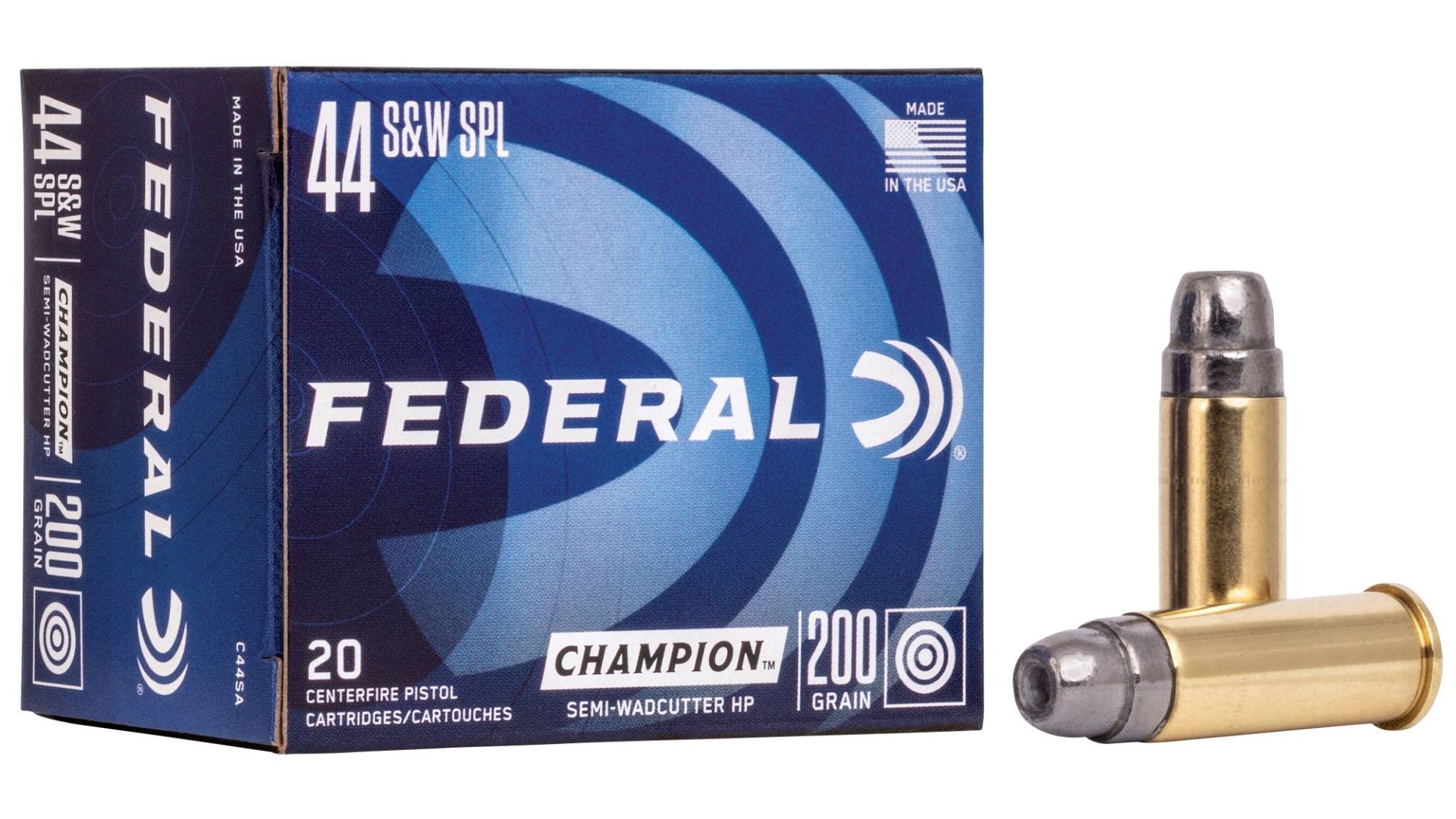
.44 Special is often described as mild and controllable, but it still carries that big-bore mystique. With certain soft, fast-opening hollow points, you can get impressive expansion—sometimes at the cost of penetration. A wide mushroom on a relatively slow bullet can run out of steam faster than you’d think, especially on quartering angles or heavier tissue.
This doesn’t mean .44 Special is weak. It means “big hole” and “deep penetration” are not the same thing. If you want deeper travel, heavier bullets and tougher designs usually do better, including hard-cast or controlled-expansion choices. The key is matching the load to the job. Otherwise you can end up with a round that feels reassuring in the hand but doesn’t drive as far as your mental picture expects.
.45 Colt in light hollow point loads

.45 Colt has a reputation that ranges from cowboy mild to hard-hitting woods round, depending on the load. Some light hollow point loads are designed for quick expansion and lower recoil, and those can under-penetrate compared to what people expect from a cartridge with a big bore and a long history.
If your expectation is “it’s huge, so it must go deep,” you can be disappointed when the bullet opens fast and stalls. .45 Colt shines with heavier bullets and tougher constructions when deep penetration matters. But the caliber is a wide umbrella, and the wrong load can give you a shallow, dramatic wound that doesn’t match the “powerful” label. The lesson is that .45 Colt’s performance is load-driven more than most people realize.
.50 AE with expanding bullets

.50 AE looks like the definition of power, and the recoil and blast reinforce that image. But big, fast-expanding bullets can create a wide, early wound without necessarily giving you the deep, straight travel people expect. Expansion increases drag, and even a heavy bullet can slow quickly once it becomes a large mushroom.
A lot of the .50 AE story is about spectacle, not practical terminal performance. That doesn’t mean it can’t be effective—it can—but “effective” and “deep penetration” aren’t always the same outcome. If your expectation is that .50 AE will punch through anything at any angle, you’re leaning on the name instead of physics. Penetration still depends on construction and how the bullet holds together when it meets resistance.
.38 Special +P with very soft JHPs
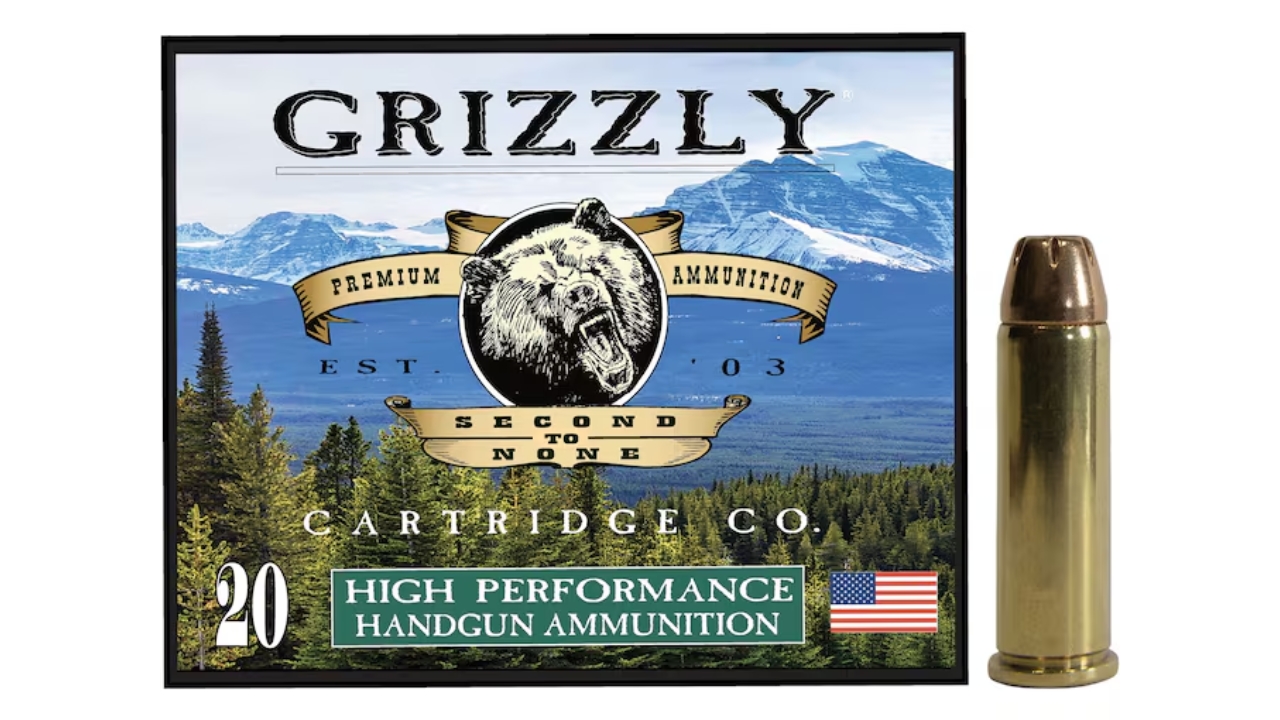
.38 +P is often chosen for carry revolvers, and many people assume the +P label means “more power, more penetration.” Some soft hollow points, especially older-style designs, expand quickly and can fall short on penetration—particularly through heavier clothing or less-than-ideal angles. You can end up with a round that looks good on paper but doesn’t drive as deep as you want.
The complicating factor is that .38 +P is frequently fired from snub barrels, which further reduces velocity and makes performance even more load-sensitive. You can find .38 loads that penetrate well, but you can also find loads that give you a wide, shallow upset. If penetration is your main concern, you need ammo designed for short barrels and controlled expansion, not the softest, widest-opening option on the shelf.
9mm with ultra-light frangible-style projectiles

Some 9mm loads use very light, fragmenting or frangible-style projectiles that are built for certain niche roles. They can feel “hot,” and the marketing often implies extreme effectiveness. But fragmenting behavior can rob you of penetration because the bullet is designed to break apart early rather than stay intact and drive deep.
If your expectation is that “fast equals deep,” these loads can be a rude surprise. A projectile that turns into multiple smaller pieces is trading depth for a different kind of wounding effect. That may be desirable in very specific contexts, but it’s not the deep-penetrating performance most people picture when they hear “powerful defensive round.” For consistent penetration, you generally want a bullet that stays together and expands in a controlled, predictable way instead of shedding mass early.
Like The Avid Outdoorsman’s content? Subscribe to our newsletter so you never miss an article.
Here’s more from us: