
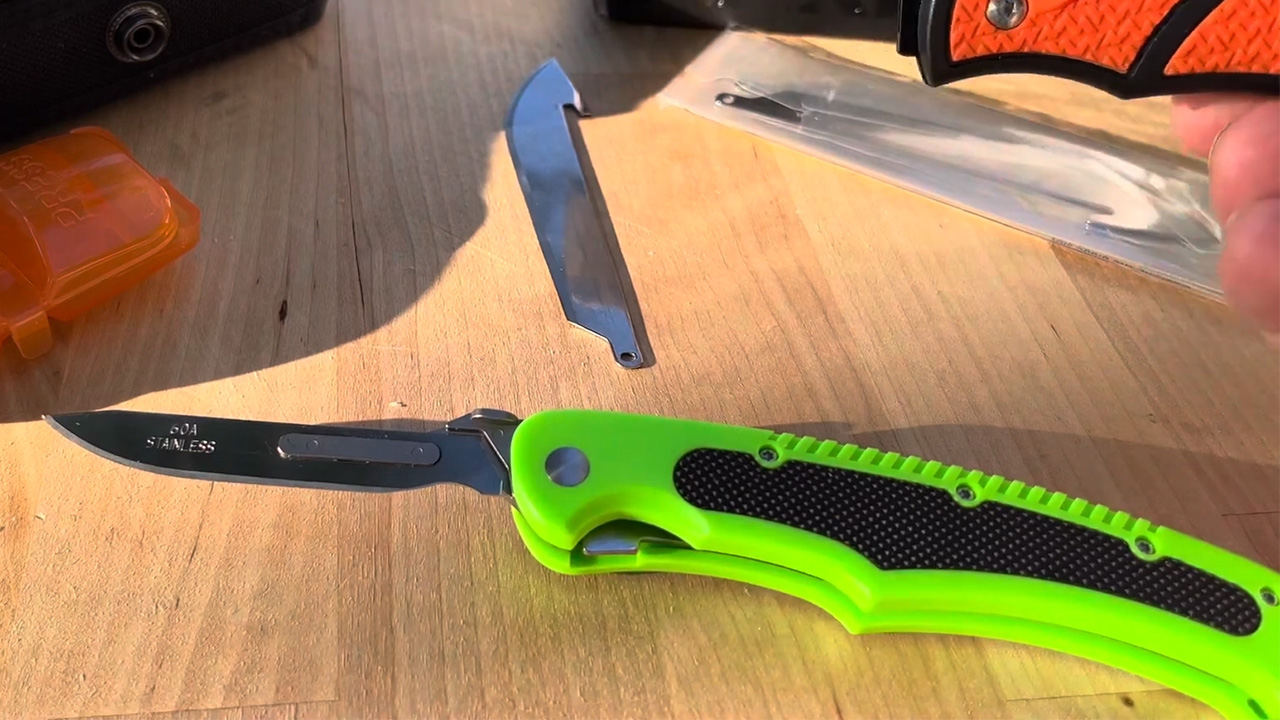
Photo credit: Backyardsurvival/Youtube
A normal hunting knife can do a lot, but there are a bunch of field jobs where a purpose-built tool is faster, cleaner, safer, or simply less annoying. These aren’t gimmicks. They’re the tools that solve specific problems: opening hide without poking guts, splitting a pelvis without fighting bone, caping without tearing hair, or processing meat without wrecking your edge. Here are 15 specific field-dressing tools hunters reach for when the job demands more than “just a knife.”
Havalon Piranta-Edge (replaceable scalpel system)

For caping, face work, and fine hide cuts, this is one of the fastest ways to get clean results. The whole point is scalpel-level sharpness on demand. When the blade starts dragging, you swap it and keep moving. That’s a big deal when you’re doing careful work and you don’t want to stop and sharpen in the middle of a cape.
The tradeoff is fragility. You don’t twist, pry, or muscle through joints with it. But for precise skinning and detail cuts, this tool beats most standard blades because it stays razor sharp with zero effort.
Outdoor Edge RazorMax (replaceable blade + gutting blade)

This one’s popular because it’s basically two tools in one: a replaceable drop-point for general cutting and a dedicated gutting blade for opening without puncturing. For hunters who want the “always sharp” advantage but prefer a more hand-filling handle than ultra-light scalpel systems, it’s a strong setup.
Where it really beats a standard knife is consistency. You’re not fighting a dull edge halfway through. And the gutting blade is built to reduce that “oops” moment where a standard tip goes too deep.
Wyoming Knife (Original Field Dressing Knife)

This is an old-school classic for a reason. The replaceable-blade system, especially when paired with the saw blade, makes it very efficient for breakdown work. It’s not fancy, but it’s practical: quick blade swaps, controlled cutting, and tools that are specifically meant for field processing tasks.
It shines when you’re doing a lot of work and you want predictable performance. Hunters who process multiple animals in a season tend to appreciate tools like this because it keeps the workflow smooth and minimizes sharpening interruptions.
Gerber Vital Pocket Folder (replaceable blades)
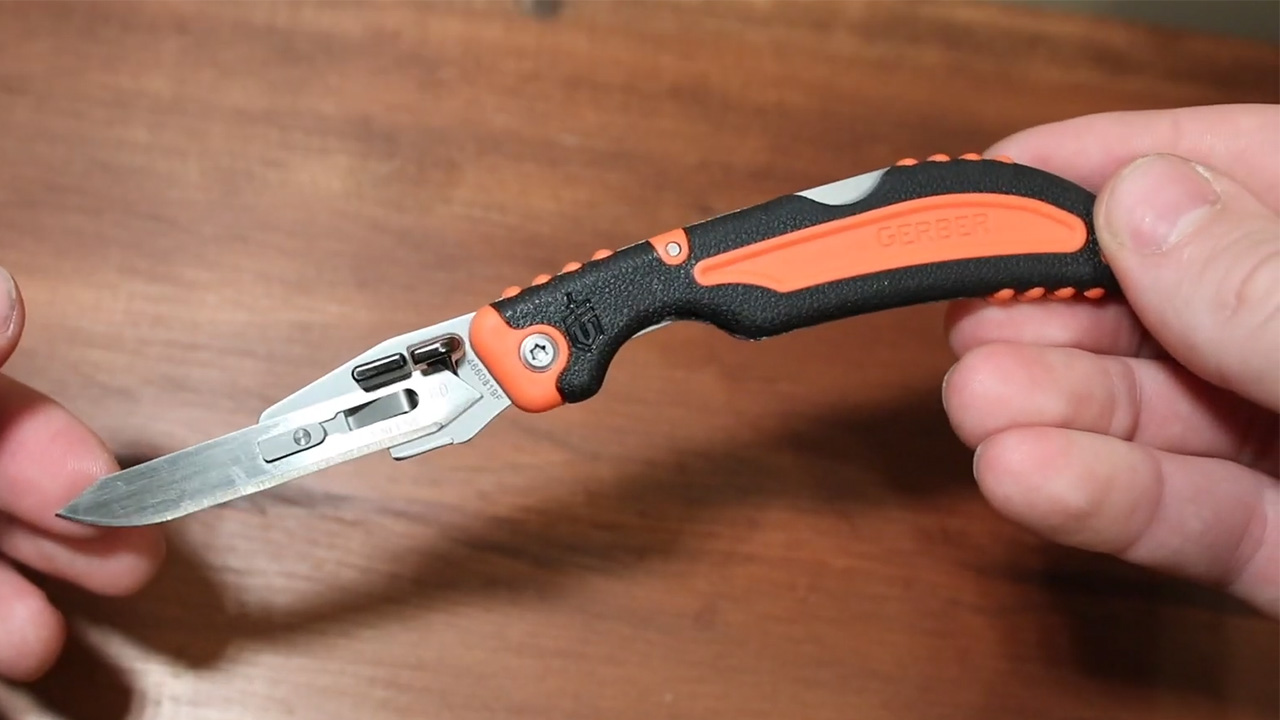
For a compact, packable tool that still gives you the replaceable-blade advantage, this one is a common choice. It’s easy to carry, quick to deploy, and gives you sharp cutting without bringing a full sharpening setup. It’s especially handy as a “backup processing tool” when you already have a primary knife but want something that stays surgical sharp.
The reason it beats a standard blade in certain jobs is the edge quality and ease of maintenance. If your hands are cold and you’re tired, swapping a blade can be safer than trying to touch up a dull knife in a hurry.
Tyto 1.1 (replaceable blade hunting tool)

Tyto tools are built around controlled, efficient processing. The replaceable blade format makes it easy to keep a clean edge, and the overall design is geared toward skinning and breaking down without needing to baby the tool. It’s one of those tools people buy after they’ve had enough of fighting dull edges mid-job.
It beats a standard knife when you want speed and clean cuts, especially on hide and meat. It’s not a “do everything” camp tool, but as a field dressing tool, it’s built for the lane.
Benchmade Altitude

This is a fixed blade, but it’s designed specifically for processing, not “tactical” chores. It’s light, slicey, and shaped for controlled cuts. Hunters like it because it does the actual meat-and-hide work well without carrying extra weight. It doesn’t try to be a pry bar.
It beats a standard “thick outdoor knife” because the geometry is made for processing. You’ll feel the difference when you’re skinning and trimming: less effort, cleaner cuts, and less fatigue in your hand.
Morakniv Hunting Series (like Mora Hunting or Companion in stainless as a processing blade)

Mora hunting-style knives are loved because they cut efficiently and clean easily. The thin grind makes them feel sharp in real work, and the handles stay grippy when things get slick. As a dedicated processing blade, they’re often faster than chunky knives because they slice instead of wedging.
They beat a standard thick-bladed knife on pure cutting efficiency. Just keep them in the “processing” lane. They’re not the tool for joint prying or heavy bone leverage.
Outdoor Edge Zip-Pro (dedicated gut hook tool)
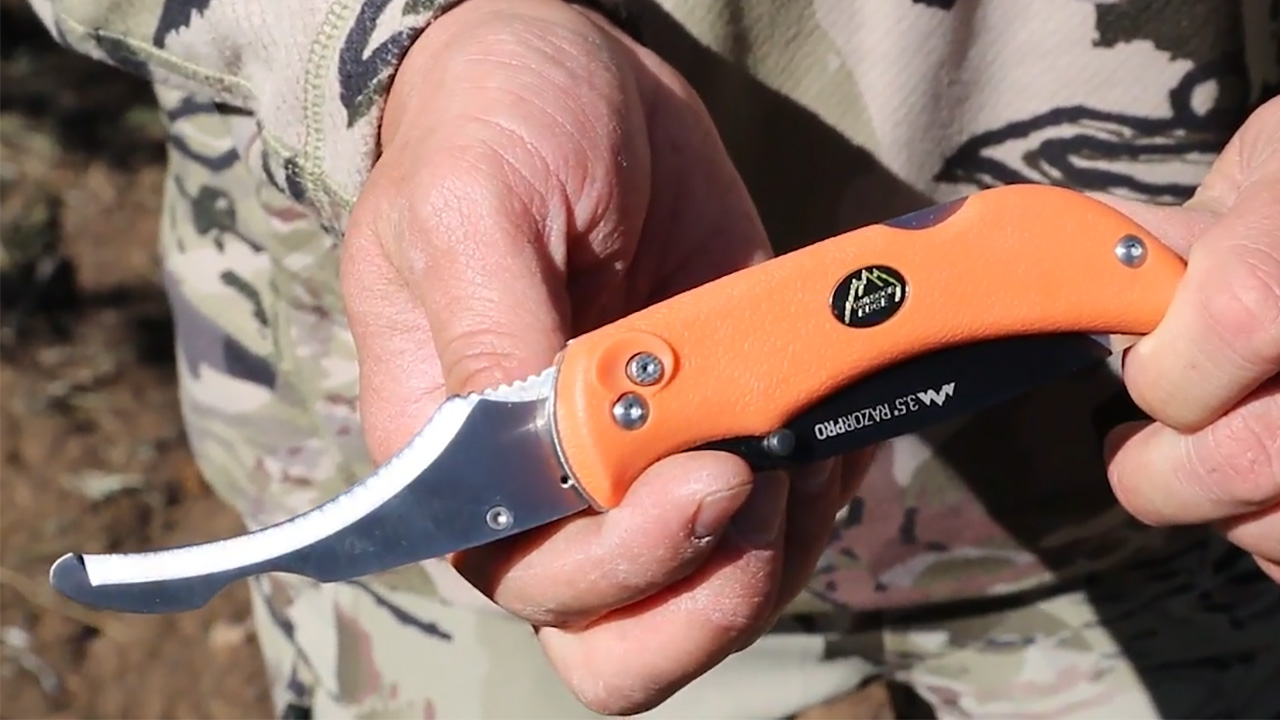
A good gut hook tool is about one thing: opening cleanly without puncturing. The Zip-Pro style tools are built so the cutting edge is protected and guided, which reduces the risk of stabbing into organs when you’re tired or working fast.
A standard knife can do this job, but it takes more discipline. A dedicated zip tool makes it easier to do it cleanly every time, especially for newer hunters or anyone who’s processing in low light or cold weather.
Havalon Evolve or Piranta + extra blades (as a caping kit)

This is less about the exact model and more about the system: a scalpel-style Havalon plus spare blades, kept as a dedicated caping kit. For taxidermy-friendly skinning around eyes, lips, ears, and antlers, it’s hard to beat because it’s so precise.
The reason it outperforms standard blades here is the cut quality. A thicker knife can tear or snag hair if you’re not careful. A scalpel system makes those cuts cleaner with less pressure.
Gerber EAB Lite (utility-knife style, as a hide opener/box cutter)

This sounds simple, but a utility knife style tool can be excellent for certain field tasks: quick hide opening, trimming, and controlled cuts where you don’t want a long blade. The blades are cheap and replaceable, so you don’t care if it gets gritty or dulled.
It beats a standard knife for “dirty jobs” where you don’t want to wreck your main edge. Keep it as a sacrificial cutter for tasks that tend to chew up knives.
Gerber Vital Pack Saw (or similar compact bone/wood saw)

When you need to cut bone cleanly — ribs, pelvis, or skull plate work — a saw often beats a knife because it’s safer and more controlled. The Vital Pack Saw format is compact and pack-friendly, and it handles jobs a knife can’t do without edge damage or risky leverage.
This is a big “work smarter” tool. If you’ve ever tried to force a blade through something it shouldn’t be forced through, you already know why a saw earns space.
Wyoming Saw II (or similar field bone saw)
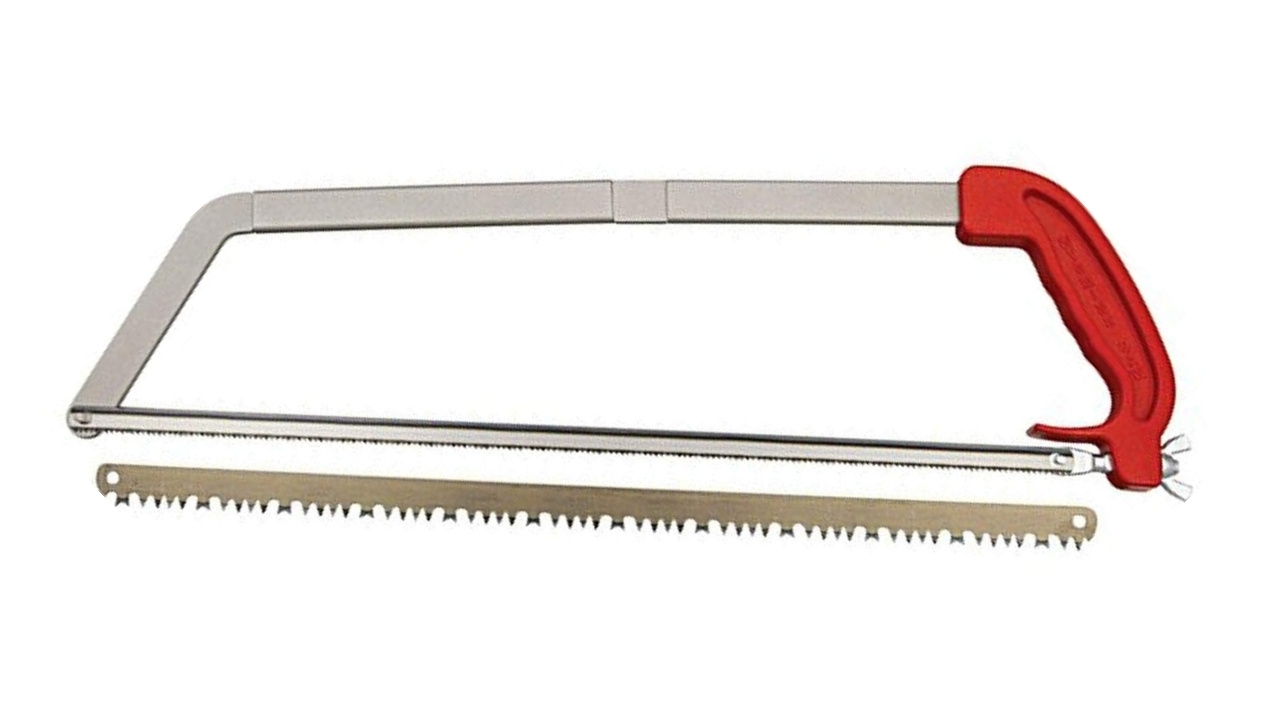
Field bone saws exist for a reason: they cut bone efficiently without destroying your knife edge. If you’re splitting pelvis, taking skull plates, or doing any work where bone is unavoidable, a dedicated saw reduces risk and makes the job cleaner.
It beats a standard knife because it keeps your knife doing knife work. Instead of chipping your edge or twisting a blade in bone, you saw cleanly and move on.
Outdoor Edge Flip n’ Zip (folder with gut hook + blade)

This style of tool is popular because it keeps two jobs separated: opening and general cutting. The gut hook side is safer for opening, and the blade side handles normal trimming. When you’re working fast and your hands are slick, having a dedicated opener reduces mistakes.
It beats a standard knife if you’re the type who sometimes pushes your luck during the opening step. The tool design helps you stay controlled and reduces the “one bad poke ruins your day” problem.
Leatherman Wave+ (for cutting + pliers + small fixes in the field)

This isn’t a field dressing knife, but it’s a field dressing problem-solver. Pliers help with stubborn joints, pulling hide, removing hooks, and gripping when your hands are tired. The blades handle light cutting, and the tool helps with gear fixes that happen right when you’re processing (broken straps, loose hardware, etc.).
It beats a standard knife because it covers the “stuff goes wrong” category. A knife alone doesn’t replace pliers when you need controlled grip on something slick or stubborn.
Benchmade 15100 Meatcrafter

This one’s designed to process meat efficiently. It’s thin enough to slice cleanly, shaped for controlled cutting, and it stays comfortable through long work. If you’re breaking down quarters, trimming, and doing serious processing, a meat-focused blade like this is noticeably easier than using a thick hunting knife.
It beats a standard knife by reducing effort and improving cut quality. Less sawing, less tearing, less fatigue. It’s not the tool you beat on, but for processing and clean meat work, it’s built to win.
Like The Avid Outdoorsman’s content? Subscribe to our newsletter so you never miss an article.
Here’s more from us:


