Photo credit: Amazon
That one simple reason is control when everything is slick. A knife can be “sharp” all day long, but if the handle gets slippery, the blade shape doesn’t track, or the sheath makes you fight to draw/re-sheath with cold hands, you’re one bad move away from stitches. The fixed blades below get trusted because they stay predictable when you’re tired, hands are wet, and you’re working around hide, fat, and joints.
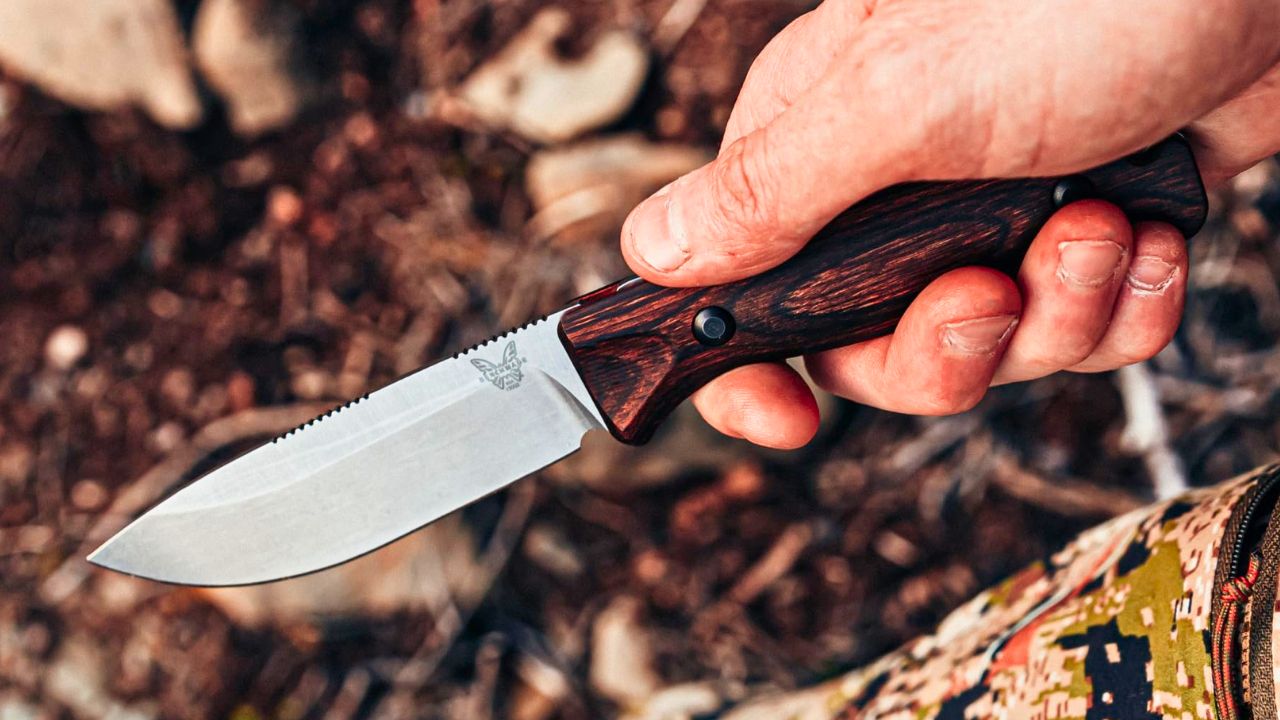
Benchmade Hidden Canyon Hunter

This one earns trust because it feels locked-in even when your hands aren’t. The shorter blade gives you control for caping and tight work, and the handle shape tends to keep your grip consistent so you’re not constantly choking up and re-gripping mid-cut. It’s the kind of knife that doesn’t force you to “baby” it. You can do careful cuts around shoulders and backstraps without feeling like the tip is wandering, and you can also open a pelvis or work through connective tissue without the handle trying to twist. For serious hunters, that predictability is the whole game—especially late in the day when you’re moving fast and don’t want surprises.
Benchmade Saddle Mountain Skinner
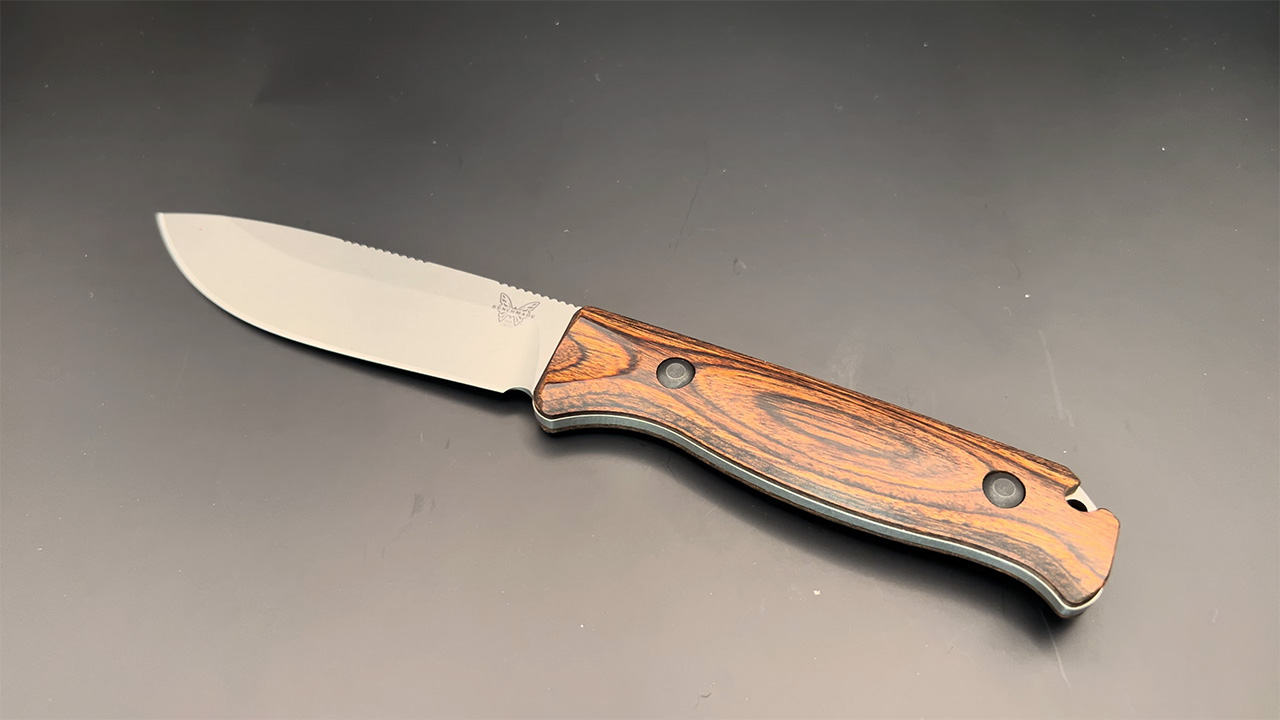
If you like a bigger, more confident blade in the field, this is the type that stays steady when it matters. The blade profile is built to separate hide and work long sweeping cuts without digging in deeper than you intended, and the handle gives you a secure purchase when things get greasy. A lot of hunters trust a knife like this because it’s easy to keep the angle right while you’re pulling hide and cutting at the same time. It’s also the kind of size that works well for quartering and breaking down without feeling undergunned. When you’re cold and working quick, a knife that “tracks” where you point it is worth more than fancy specs.
ESEE-4

This is a no-drama field knife that gets picked because it’s tough and easy to control. The handle fills your hand, the spine gives you leverage, and it’s a knife you can use hard without babying. Hunters trust it because it’s not just a “skinner,” it’s a real camp and processing tool that can do dirty jobs: splitting a pelvis, trimming rib meat, making kindling, cutting cord, and still coming back to game work without feeling awkward. When your hands are wet, the grippy handle texture matters, and ESEE tends to get that part right. If your hunting knife has to do more than one job, this is a common pick for a reason.
ESEE-3
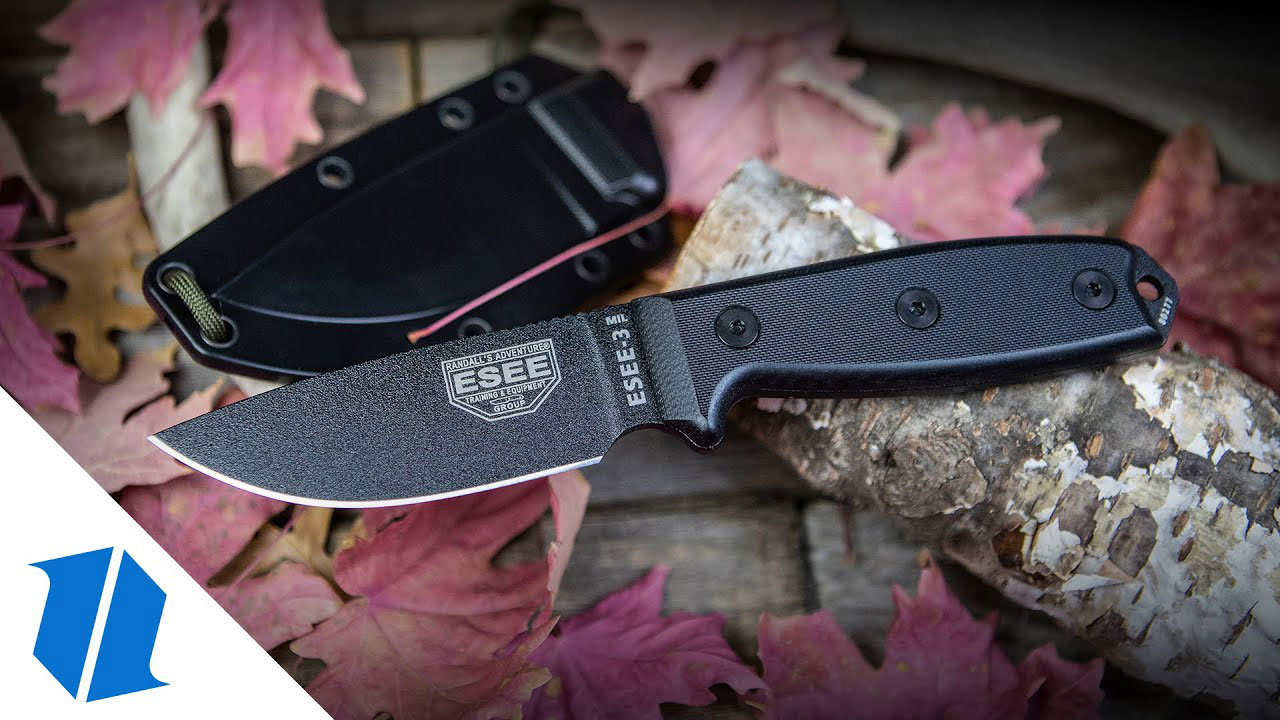
Same general idea as the ESEE-4, just handier for people who want a slimmer, faster knife for actual cutting work. The lighter feel is a big deal when you’re doing fine work like caping, cleaning around joints, and keeping your cuts tight. It also carries easy and doesn’t feel like a brick on your belt. Hunters trust it because it stays controllable with a “point and cut” feel, and it doesn’t turn into a slippery mess when it’s covered in fat. It’s also a knife you won’t be scared to use hard, which matters—because a lot of hunting knives look great until you actually ask them to work around bone and cartilage.
Bark River Bravo 1.25

This one is trusted because it’s comfortable for long sessions and it doesn’t beat your hand up. If you’ve ever processed an animal and realized your hand is cramping halfway through, you understand why handle comfort is not a “nice to have.” The Bravo-style handle fills the palm, stays stable when wet, and encourages a secure grip without a death squeeze. It’s also a knife that can cross over into camp chores without feeling fragile. Hunters who like a knife that can do heavy cutting and still feel precise tend to like this pattern, because it gives you control through the whole stroke instead of feeling like the blade wants to lever or twist when you hit tougher material.
Bark River Gunny

The Gunny is one of those knives people trust because it’s “just right” for real field work—big enough to be useful, small enough to stay precise. It’s a comfortable size for breaking down deer without feeling like you’re carrying a short sword, and it’s especially handy for hunters who do their own caping or want to keep cuts clean for mounting. Control is the whole story here: it doesn’t feel tip-heavy, the grip stays consistent when wet, and it’s easy to make accurate cuts around hide and connective tissue. A lot of hunters end up trusting knives like this because they reduce mistakes—when the knife is predictable, you don’t rush or force cuts.
Buck 113 Ranger Skinner

This is an old-school, proven shape that keeps showing up because it’s hard to mess up with. The skinner profile works well for hide removal, and the knife is sized in a way that feels natural in the hand for most hunters. You can get long, clean cuts without digging too deep, and it’s easy to steer around problem spots like armpits and neck. For serious hunters, “trust” often means “I know exactly how this knife behaves,” and the 113 has that familiarity factor. It’s also a knife that’s easy to hand to someone else in camp without worrying they’ll hurt themselves because the blade is too long or too pointy for the job.
Buck 105 Pathfinder

The 105 is trusted because it’s a practical all-around fixed blade that still feels controlled when you’re actually cutting meat. It’s long enough to be useful for general processing and camp chores, but not so big that it gets awkward when you’re doing tighter work. The handle shape and overall balance tend to make it easy to keep the edge where you want it, even if you’re tired and working by headlamp. Hunters who don’t want a “specialty” knife often land on something like this because it can do the whole day: field dress, quarter, trim, and then do the boring chores around camp without switching tools.
Gerber Vital Fixed Blade

This one gets trusted for one reason: it stays sharp without drama because you can swap blades, and the grip stays secure when things get messy. A lot of hunters don’t love the idea of replaceable blades until they’re halfway through a job and realize they’re still cutting clean with almost no effort. The control piece matters too—the handle is built to lock your hand in, and the blade shape is made for hide and tissue rather than prying. It’s also a good “backup” knife to keep in a pack because it’s light and practical. When hunters say they trust it, what they usually mean is they trust it to keep cutting without turning the job into a sharpening session.
Outdoor Edge RazorMax (or similar Razor series)

Same trust factor as other replaceable-blade systems: clean cuts, low effort, and you always know what edge you’ve got. Where this shines is the slick-hand problem—when you’re tired and your hands are covered, you want a knife that doesn’t require extra pressure. Extra pressure is where slips happen. A razor system lets you make controlled, light strokes that stay predictable. The handle designs are usually built to stay grippy, and the overall package is meant to be carried and used in the field without fuss. Hunters who process multiple animals a season often trust a system like this because it makes the “work” part feel easier and safer.
Havalon (fixed-blade model like the Talon / other fixed options)

Havalon earned a reputation with hunters because it’s surgical-feeling when you’re caping and doing precision cuts. In a fixed-blade version, you get the same “clean and controlled” benefit with more stability than a folder. The reason serious hunters trust it is control through detail work: face cuts, around antlers, inside legs, and tight spots where you don’t want to gouge hair or hide. The other trust factor is consistency—when a blade gets dull, you solve it quickly and keep moving. If you do a lot of careful work (or you’re the guy everyone asks to cape), this style of knife is trusted because it reduces the chance of a slip caused by forcing a dull edge.
Morakniv Garberg

The Garberg gets trusted because it’s simple, grippy, and solid—especially for hunters who want a knife that can do game work and camp work without complaint. The handle is easy to hold onto with wet hands, and the knife is built to take abuse without feeling delicate. In real hunting terms, that means you can cut, trim, and break down without thinking about babying your blade. It’s also a knife you won’t hesitate to use for non-glamorous jobs (kindling, cutting rope, digging a little, whatever), and a lot of hunters value that because their “hunting knife” inevitably turns into a general-purpose tool in the field. Trust comes from knowing it will still work when you need it.
Spyderco Bow River

This one gets trusted because it’s comfortable for cutting and it doesn’t feel squirrelly in your hand. The handle shape gives you a secure hold without hot spots, and the blade profile is practical for skinning and general processing. Hunters who like a lighter fixed blade often trust something like the Bow River because it carries well and still gives you a full grip—so you’re not pinching a tiny handle while doing real work. The control factor shows up when you’re making long cuts along hide or trimming meat close to bone. The knife feels like it wants to cut where you point it, not drift or wedge, and that’s what keeps it in the “trusted” pile.
Ka-Bar Becker BK16 (or BK2 if you want heavier)

Becker knives get trusted because they’re built for hard use and they’re easy to keep under control with a real grip. For hunting, that matters because a lot of “hunting knives” are great until you hit a job they weren’t designed for—then they twist, slip, or feel fragile. A Becker gives you confidence for the rough moments: splitting through tougher cartilage, breaking down around joints, and doing camp work after the animal’s handled. The handle and balance also tend to keep your hand planted, which is the whole theme here. Serious hunters often trust these because they’d rather carry a knife that can handle a little abuse than one that only feels good on perfect cuts.
CRKT Minimalist Bowie (or Drop Point)

This is the “disappears on your belt but still works” fixed blade. Hunters trust it as a second knife because it’s easy to carry and surprisingly controllable for small tasks—opening the body cavity, starting cuts, trimming, and doing quick work without pulling out your main blade. The grip is the key: it locks into the fingers and stays put when things get slick. It’s not the knife you choose to quarter an elk with, but it’s the knife you’ll actually have on you when you need it because it carries so easily. That’s the kind of trust that matters in the field: if it’s always there and it’s safe to use, it earns its spot.
Like The Avid Outdoorsman’s content? Subscribe to our newsletter so you never miss an article.
Here’s more from us: