Photo credit: Haberdoedas/Unsplash.com
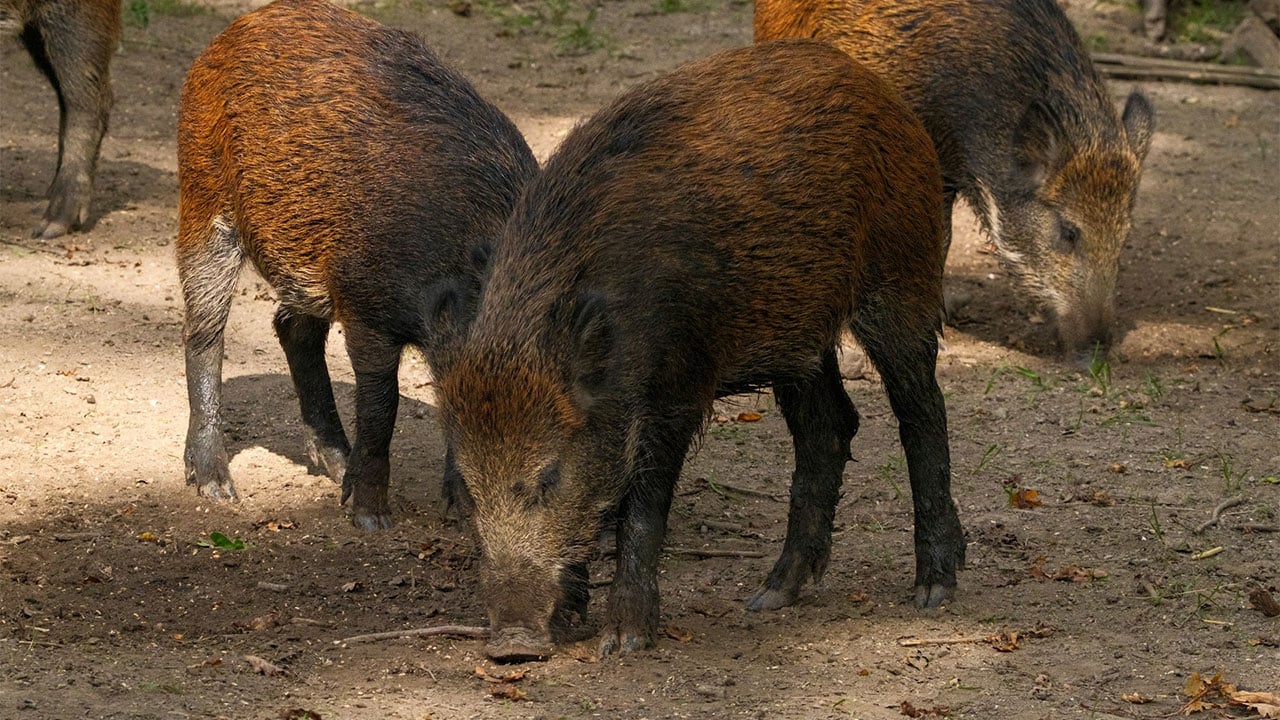
Feral hogs aren’t a “fun extra critter” anymore in a lot of places. They’re tearing up hay fields, food plots, pastures, levees, creek banks, and anything watered and soft. USDA points to billions in ag damage and control costs tied to feral swine, and they’ve got an entire national program built around stopping spread and reducing damage.
What I’m seeing more and more is landowners getting picky—not because they hate hunters, but because hog pressure turns into real money. So the rules change: written permission only, tighter access windows, mandatory trapping first, no “random buddies,” no shooting around cattle, no night rigs unless you’re vetted, and “if you educate them, you’re done here.”
Texas

Texas is ground zero for hog problems, and they’re showing up in more suburban spots too, which adds a whole new layer of “don’t mess around.” Some areas are leaning on coordinated trapping because bad backyard attempts can educate hogs fast, and Texas law treats them as invasive with no hunting license required to kill them outside federal lands—so a lot of people can do a little damage, quickly.
That’s exactly why many landowners are tightening access. More are requiring signed waivers, limiting who can shoot at night, and pushing “trap first, shoot second” so the sounder gets removed instead of scattered. If you want Texas access now, showing up with a plan (and proof you can run traps or work with a trapper) is often what gets you in.
Oklahoma

Oklahoma landowners have been dealing with the same cycle: somebody “hunts hogs” casually, bumps them, and the property gets worse. So you’re seeing more owners move to rules built around control, not recreation—scheduled sits, strict lanes, and a hard preference for trapping whole sounders.
On the legal side, Oklahoma has been moving harder against live hog movement—bills and rules center on making it unlawful to transport/import/release live feral swine, with narrow exceptions (research or specific control methods). When the state is cracking down on movement, landowners follow suit: “no hauling, no keeping them, no ‘we’ll turn them loose somewhere else.’”
Arkansas

Arkansas is one of those states where hog damage has been big enough that the conversation keeps shifting toward more aggressive control tools. The Arkansas Department of Agriculture has proposed rule changes tied to feral hog control—one recent headline item is a framework around regulating warfarin-based toxicant use (licensing/training/records/restrictions).
When official control options get that serious, landowner rules usually get stricter too. More properties are shifting to “approved people only,” requiring proof you’re not just going to plink at singles, and pushing coordinated trapping. The vibe is less “come shoot a hog” and more “help us actually reduce them, or don’t come.”
Louisiana

Louisiana landowners are dealing with heavy hog pressure, and the state has been very clear about one thing: live transport and holding are tightly regulated. LDWF spells out that transporting live feral hogs is illegal unless you’re registered as an authorized transporter, and holding live hogs also requires registration.
That kind of rule set changes landowner behavior fast. Owners don’t want any part of “catch-and-move,” so they’ll often require: trapped hogs get dispatched on-site, no exceptions. You also see more owners banning “dog hunting” on smaller properties because it tends to scatter hogs and create neighbor drama. They want removal, not chaos.
Mississippi

Mississippi hogs hit crops, food plots, and bottomland hard, and that’s where landowner rule changes usually show up first. A lot of places are moving from “shoot them whenever” to controlled access: designated nights, designated shooters, and “don’t bring extra people I don’t know.”
And because USDA and Farm Bureau types keep hammering the point that hogs are a massive ag cost problem nationally, landowners are treating it like a business problem now, not a hunting perk. If you want permission in MS, the guys getting invited are usually the ones who’ll run cameras, pattern them, and trap a whole group—then shoot what’s left.
Alabama

Alabama is a good example of how hog damage pushes states—and landowners—toward night control. Alabama created a nighttime feral swine & coyote hunting license tied to landowner permissions/permits, which signals how tied hog control is to property damage concerns.
On the ground, landowners are using that same mindset: if you want to hunt at night, you’re getting vetted. A lot of owners now require written permission, want to know exactly where you’ll be, and don’t want spot-and-stalk night wandering near homes, equipment, or livestock. It’s not personal—it’s liability, and it’s them trying not to make the hogs smarter.
Georgia

Georgia’s wildlife folks are blunt that feral hogs cause extensive damage, and they also point out what landowners already know: sport hunting alone rarely controls hog populations. That message has filtered into landowner policies: more properties are shifting away from “bring your rifle anytime” and toward planned trapping and removal.
Georgia also has strict rules around live hog release/transport—illegal release outside escape-proof fencing, with penalties. That drives landowners to clamp down on anyone who talks about “moving them” or running sloppy trap setups. If you’re asking permission, you’re better off talking whole-sounder trapping and clean removal, not “we’ll shoot a few and see what happens.”
Florida

Florida’s a year-round hog state, and on private property, hog hunting can be very permissive with landowner permission. But landowners have still been tightening rules because the damage is nonstop and bad approaches don’t fix it. You’ll see more “trap-only” policies on some properties, or “shooting only after we’ve got them baited and on camera.”
Also, Florida has been actively working through rule changes for trapping and hunting on managed lands, with formal updates approved for 2025–2026 seasons. When agencies are fine-tuning trapping rules, private landowners take notes and do the same thing: make it structured, reduce chaos, and keep people accountable.
South Carolina

South Carolina landowners are increasingly treating hog access like a contract: written permission, clear boundaries, and zero tolerance for people who “make it worse.” That usually means: no blasting at running hogs from the truck, no chasing them across property lines, and no hunting them during times that conflicts with deer leases or farm work.
The bigger trend is landowners shifting from “sure, go hunt” to “prove you can remove them.” With hogs, removal is the only thing that matters long term, and a lot of SC owners have learned that the hard way. The guys who keep getting called back are the ones who trap clean and don’t educate the sounder.
North Carolina

NC isn’t Texas, but hog problems are real enough in pockets that landowners are changing how they grant access. More are limiting it to a small group of trusted people and pushing rules like “no night hunting unless I’m comfortable with your setup,” or “no thermal unless you’re using it responsibly around houses and livestock.”
A big shift you see here is landowners protecting their deer management too. Hogs tear up food plots and attract pressure, but landowners don’t want hog hunting turning into an all-season circus that ruins deer patterns. So access gets narrower: fewer people, more coordination, more emphasis on trapping and targeted removal.
Tennessee

Tennessee has been in the mix for aggressive hog management conversations for years, and you’re seeing more landowners adopt “control mindset” rules: trap first, limit shooters, and no random guests. If you’ve got a property that’s been hammered, you stop wanting a parade of guys “hog hunting” and start wanting somebody who’ll actually reduce numbers.
Also worth noting: hog management is getting attention even in protected-land contexts—some management frameworks and pilot planning have involved states like Tennessee. When the broader management world is treating hogs like a serious invasive problem, landowners follow that tone.
Missouri

Missouri landowners dealing with crop damage and torn-up ground are increasingly copying what works elsewhere: coordinated trapping and limited shooting pressure. If your neighbor’s place gets hammered and your place doesn’t, it’s usually because your neighbor lets people free-for-all shoot and you don’t. That reality drives rule changes fast.
You’ll also see more “no dog hunting” rules and more requirements around access timing (like not running hogs during peak deer movement). Landowners want hogs reduced, but they don’t want hog control to wreck the rest of their hunting plan.
New Mexico

New Mexico has had feral swine issues in parts of the state, and where they show up, landowners tend to clamp down quickly because the damage stands out in dry country. Water sources, irrigated areas, and farms get hit hard, and owners don’t want people “trying stuff” that spreads hogs or pushes them onto neighbors.
So the rule shifts usually look like: limited access, strict boundaries, and a preference for trapping or coordinated removal. In states where hogs are less widespread, landowners get even more protective, because they don’t want to be the property that becomes “the hog place” for the whole area.
California

California’s wild pig situation is different, but it still drives “rules and structure” thinking. California requires wild pig harvest reporting in its license system, including county/month reporting requirements. When a state is tracking pigs tightly, landowners tend to be cautious about who they allow and what they allow—especially around depredation scenarios.
Many landowner rule changes here are about paperwork and permission: written authorization, clear depredation boundaries, and “don’t create a mess I have to explain later.” California also lays out depredation permit pathways and “immediate depredation upon encounter” rules, which landowners pay attention to when pigs are tearing up property.
Hawaii

Hawaii is its own world with feral pigs, and landowners and agencies treat them as a serious environmental and property issue. You even see legislative pushes aimed at expedited permitting to authorize control on private land, because the normal process can be slow.
When permitting and control are a constant topic, landowner rules get tight. More places require you to coordinate, follow specific methods, and respect fencing and trap systems. In other words: no freelancing. If you want to help with pigs in Hawaii, it’s usually about plugging into an actual plan, not showing up with a rifle and “seeing what you can do.”
Like The Avid Outdoorsman’s content? Subscribe to our newsletter so you never miss an article.
Here’s more from us: