Photo credit: Tony Campbell/Shutterstock.com
When you’ve hunted long enough, you’ve seen the difference between cartridges that anchor animals and cartridges that only create headaches. Most bad hits don’t come from the rifle; they come from rounds that simply don’t carry enough energy, penetrate consistently, or hold their trajectory the way hunters assume they will.
Some of these cartridges have loyal followings, but field results show a pattern: more tracking jobs, more lost blood trails, and more wounded game than anyone wants to admit.
.17 HMR

The .17 HMR is fun on the range, but it’s caused more lost game than clean kills whenever hunters try to stretch it beyond varmints. The tiny bullet expands fast and sheds energy almost instantly. On small predators it works fine, but on anything bigger, it lacks the penetration you need for a reliable finish.
The wind is another issue. Even a mild breeze pushes the .17 off course, and at hunting distances that drift leads to poor hits. It’s a great round for plinking or pest control, but it’s earned its reputation for wounding animals when misused.
.22 LR

Hunters still try to make the .22 LR work on game it was never intended for. While it’s accurate and quiet, it doesn’t deliver the energy needed for quick, humane kills on larger animals. Even perfect shots can result in long tracking jobs, and marginal shots rarely end well.
The bullet’s slow velocity also limits penetration, especially through bone or muscle. You can take small game cleanly with proper placement, but using it on anything beyond that is a common reason for wounded animals and lost opportunities in the field.
.22 Magnum

The .22 Magnum looks stronger on paper than it performs on bigger game. It offers more velocity than the .22 LR, but the bullet construction still isn’t ideal when you’re dealing with thicker hide or heavier bone. Expansion happens early, and penetration often isn’t deep enough for a quick finish.
Wind drift also plays a role, sending lightweight bullets off target at ranges many hunters consider reasonable. It’s fine for smaller critters, but pushing it further has led to more wounded animals than clean recoveries.
.17 WSM

The .17 WSM promises velocity, but that speed comes with complications. The fast, light bullets fragment easily, leaving shallow wounds on animals bigger than varmints. Hunters sometimes mistake its flat trajectory for usable killing power, and that leads to poor results in the field.
The round is also extremely sensitive to wind. A slight gust shifts the bullet enough to turn a good shot into a bad one. It shines on small targets, but it has no business being used on larger game where consistency matters.
5.7x28mm
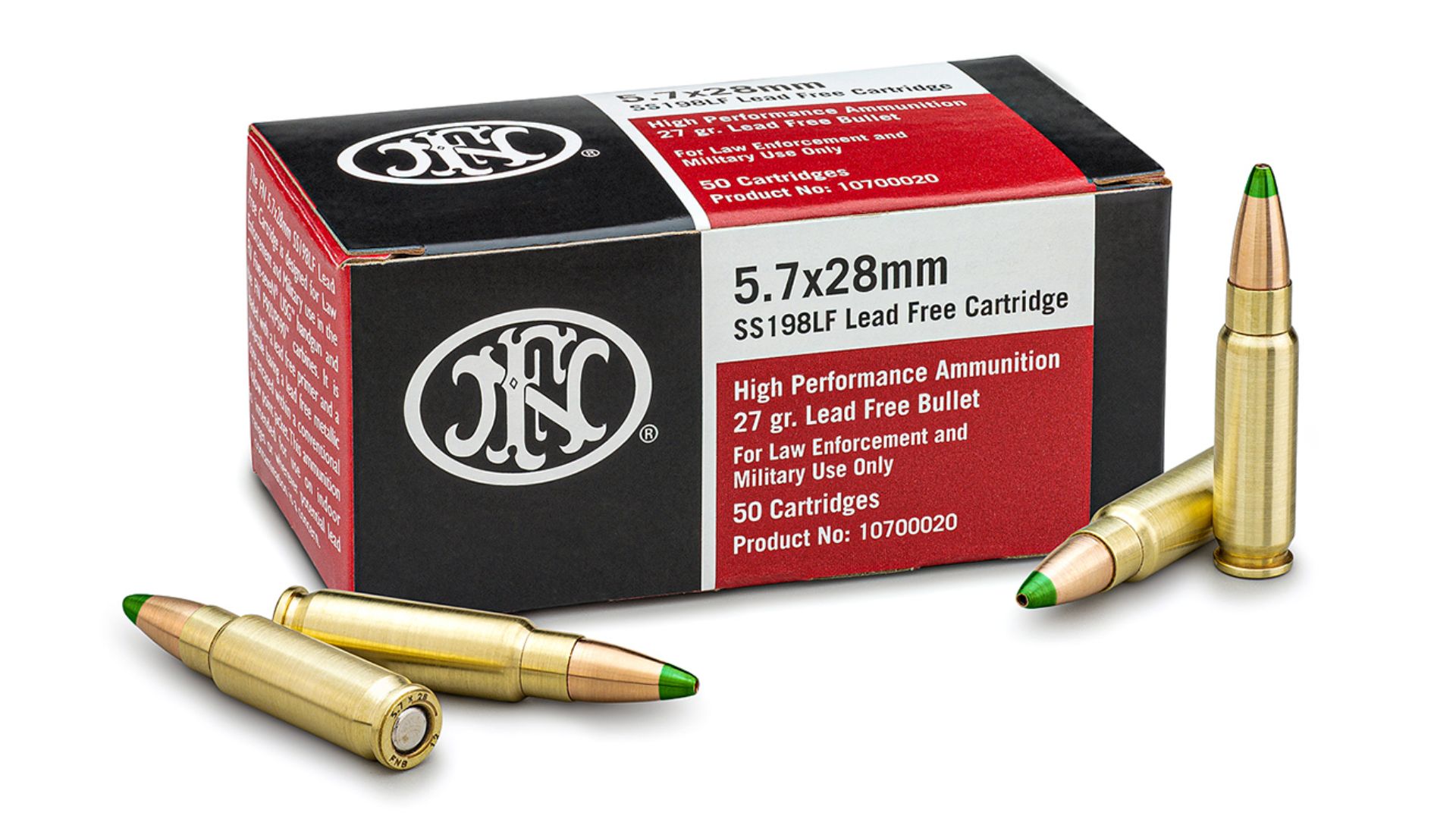
The 5.7x28mm gets attention for its velocity, but it’s caused more wounded game than people admit. The bullet is light, sleek, and designed for specific roles, not for penetrating thick tissue. Expansion is unreliable, and many loads behave more like FMJs on impact.
Even when the shot placement is right, the wound channel is often too narrow to be effective on medium-sized animals. Hunters who try it in the field usually learn the hard way that speed alone doesn’t equal clean kills.
.410 Bore Slugs

A .410 slug can work at very close range, but the margin for error is razor thin. The slug is extremely light compared to larger-gauge options, and it loses steam quickly. Even a short-range shot that’s slightly off-center can result in long tracking jobs.
Penetration can vary dramatically depending on the load and the animal’s angle. Many young hunters start with a .410 because of its light recoil, but the cartridge has been responsible for far more wounded game than clean recoveries.
.357 Magnum (from Rifles on Deer)

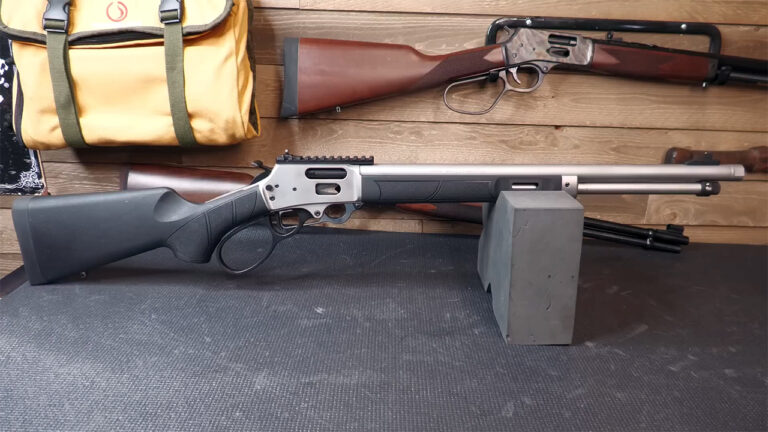
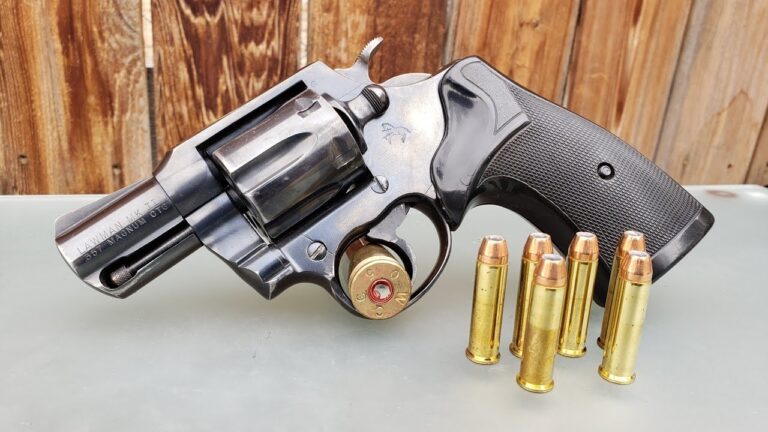
The .357 Magnum can take deer cleanly from a rifle, but only at close distances and with the right loads. Too many hunters stretch it further than it should go, and the bullet simply doesn’t carry the energy needed for consistent penetration at longer ranges.
Heavier game absorbs the hit without the dramatic reaction some shooters expect. When velocity drops below the threshold needed for expansion, you end up with pass-through wounds that don’t cause fast bleed-out. Misuse, not malice, is the root of its wounding track record.
.300 Blackout Subsonic

Subsonic .300 Blackout rounds are quiet and cool to shoot, but they’ve caused a lot of poorly recovered animals. The bullets rarely expand at subsonic speeds, and the low energy limits penetration on bigger game.
Hunters often assume the caliber works the same with all loads, but subsonics operate in a completely different class. The impact resembles bowhunting energy but without the broadhead-sized wound channel. That combination is a recipe for unrecovered animals when used on deer-size targets.
7.62×39 Soft Points

The 7.62×39 can work on deer, but soft points from budget imports often perform unpredictably. Some mushroom too quickly and fail to penetrate; others barely expand at all. Both extremes lead to wounded game and difficult tracking jobs.
Accuracy is another concern. Many rifles chambered for the round don’t provide the precision needed for ethical hunting beyond short distances. When you pair inconsistent bullet performance with loose groups, clean kills become far less certain.
.30 Carbine

The .30 Carbine has a cult following, but it struggles on medium-sized game. The round doesn’t deliver enough energy past short distances, and the lightweight bullet doesn’t penetrate deeply unless everything lines up perfectly.
Shots through the shoulder often fail to break bone, and angled shots result in shallow wounds. Hunters who try it on deer often report the same story: the animal ran farther than expected, and recovery wasn’t guaranteed.
.25 ACP

The .25 ACP is clearly not a hunting cartridge, yet some still attempt to use it for small game. Its tiny bullet fails to create an effective wound path, and penetration is extremely limited. Even perfect placement doesn’t compensate for the lack of energy.
Animals often run off with minimal blood trails, making recovery nearly impossible. Its use in the field has contributed to far more wounded critters than clean kills.
.32 ACP

Like the .25, the .32 ACP has been misused by hunters chasing convenience or nostalgia. While it’s stronger than the .25, it still doesn’t deliver the punch needed for reliable kills on anything but the smallest animals.
Penetration is shallow, and expansion rarely happens in a meaningful way. Many hunters have learned—after a long track—that these pocket rounds simply aren’t suited for the field.
9mm Luger (on Deer)

The 9mm can take a deer under perfect conditions, but it’s responsible for many wounded animals because those conditions rarely exist. The bullet doesn’t carry enough energy at distance, and handgun velocities limit expansion.
Many shots pass straight through without creating a meaningful wound channel. Even well-placed hits can result in long chases unless the animal is very close and the load is carefully chosen. It’s far from a reliable hunting round.
.44-40 Winchester (Soft Lead Loads)

The .44-40 has history behind it, but soft lead loads routinely underperform on bigger game. Expansion happens early, and the bullet often doesn’t reach the vitals on a quartering shot. Modern hunters push it farther than the original designers ever intended.
You can take deer at close range, but the round has wounded plenty when hunters stretch the distance or rely on soft, old-style bullets that flatten too quickly.
.223 Remington (With Varmint Bullets)
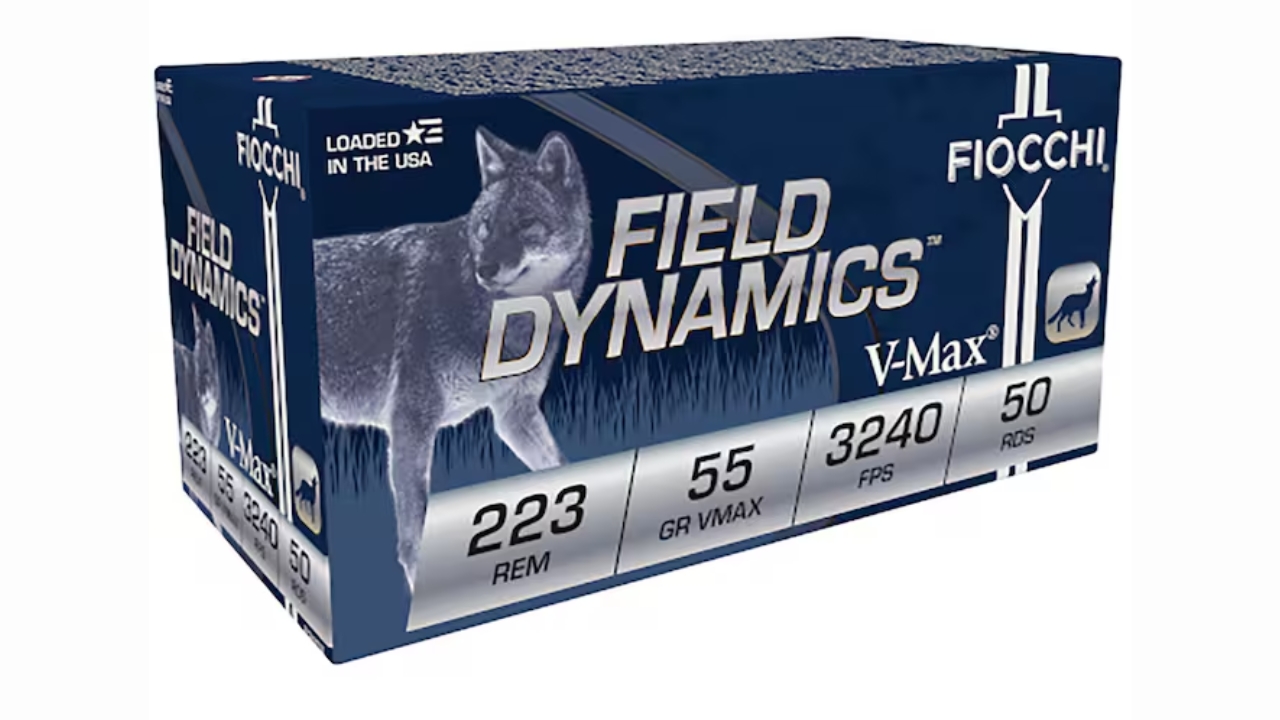
The .223 Remington is deadly when paired with the right bullet, but varmint loads are notorious for creating wounded game when used on deer. Those bullets fragment on impact, producing shallow wounds that look devastating on the surface but fail to reach the vitals.
When hunters grab whatever is on the shelf without checking bullet construction, the results often show up as lost blood trails. The caliber isn’t the problem—poor ammunition choice is.
Like The Avid Outdoorsman’s content? Be sure to follow us.
Here’s more from us: