Photo credit: 1776 or Bust/YouTube
Some pistols hit the market with big claims, slick ads, and promises that sound good enough to pull in new buyers. But the real test comes after a few thousand rounds, a couple hard training days, and everyday carry wear that exposes shortcuts in materials or design. When a pistol starts loosening up, losing accuracy, or breaking small parts long before its warranty expires, experienced shooters notice quickly. These guns don’t fail in spectacular fashion — they unravel piece by piece, leaving owners frustrated and unsure what to trust next.
A reliable pistol should get smoother with use, not weaker. When you’ve spent enough time on the range, you learn which models hold up and which ones start shedding parts long before they should.
Taurus PT140 Millennium

The Taurus PT140 Millennium gained early attention for offering a compact .40 S&W carry gun at an attractive price. But over time, many shooters found the polymer frames suffered premature wear, especially around the locking block and dust cover. Holster pressure and recoil stress revealed weak points long before most pistols would show similar fatigue.
The trigger system was another problem area. Components loosened and smoothed unevenly, leading to inconsistent pulls that hurt accuracy. While Taurus improved later generations, the PT140’s early issues gave it a reputation for wearing out faster than a carry gun should.
SIG Sauer Mosquito

The SIG Mosquito was marketed as a rimfire trainer that mimicked the feel of larger SIG pistols, but its internal parts simply didn’t hold up. Many shooters experienced excessive slide wear, especially around the rails, long before the round count reached typical rimfire expectations. The zinc alloy construction didn’t age well under high-volume use.
The pistol was also notoriously picky with ammunition. Because many owners ran bulk .22 LR through it, the Mosquito cycled harshly and broke components faster. Extractors and firing pins showed accelerated wear, making the pistol unreliable as a long-term trainer.
KelTec PF-9

The KelTec PF-9 earned praise for being slim, lightweight, and affordable, but those same traits contributed to its short service life. The frame rails and locking surfaces wore quickly, especially for owners who shot it frequently instead of carrying it lightly. Recoil impulse was sharp, and the polymer frame flexed more than most shooters preferred.
Pins and springs were common failure points. Several users reported walking pins and loose components after moderate range time. While the PF-9 filled a niche, it didn’t hold up for those expecting longevity from a primary carry gun.
SCCY CPX-1

Early SCCY CPX-1 pistols suffered from durability issues, especially in the safety system and slide components. Shooters frequently reported cracked slides or peening around the breech face when pushed beyond light, occasional shooting. The materials simply weren’t designed for heavy training cycles.
The trigger group also showed premature wear. Long, heavy pulls smoothed out unevenly, leading to inconsistent reset and occasional malfunctions. SCCY improved later models, but the original CPX-1 earned a reputation for aging quickly under real use.
Kimber Solo

The Kimber Solo looked premium and carried a high price tag, but many owners discovered the internals wore out long before they should. The Solo ran hot and ran hard, and cycling stresses caused premature wear in the barrel lug area and slide rails. Some pistols lost accuracy noticeably within a few thousand rounds.
Its extremely tight tolerances created another problem. When parts began to settle or loosen, the gun’s reliability dropped rapidly. Many shooters retired their Solos long before the warranty period simply because the pistol no longer functioned consistently.
Remington R51 (Gen 1)

The first-generation Remington R51 suffered from rapid wear in areas that should have lasted far longer. The unique Pedersen action required precise manufacturing, and when tolerances weren’t perfect, components battered themselves quickly. Slide peening and cracked locking surfaces appeared early for many owners.
Even magazines contributed to premature aging. Feeding inconsistencies caused harsher cycling, accelerating wear on the breech block and rails. While later revisions improved some issues, the original R51 earned its place as a pistol that fell apart before proving itself.
Jimenez JA Nine

The JA Nine earned a reputation for wearing out sooner than almost any other centerfire handgun. The zinc-alloy slide and frame components lacked the durability needed for sustained shooting. Repeated recoil cycles quickly revealed stress points that steel-framed pistols would shrug off.
Small parts like firing pins and extractors also failed early, often without warning. Even shooters who maintained their pistols carefully found themselves replacing components far more often than expected. The gun simply wasn’t built for long-term reliability.
Taurus PT709 Slim

The early PT709 Slim pistols developed multiple durability concerns that showed up well before most carry guns needed attention. Owners noticed premature locking block wear and barrel hood peening after moderate training. These small issues grew rapidly with continued range time.
Trigger components also wore unevenly, which led to light strikes and inconsistent resets. While Taurus addressed many problems in later revisions, the initial batches established the model as a pistol that aged quickly under normal shooting.
KelTec P11

The KelTec P11 offered an affordable, lightweight option for concealed carry, but its durability didn’t match long-term expectations. The polymer frame flexed significantly under recoil, and internal metal inserts showed stress earlier than most pistol owners would tolerate.
Its double-action trigger system also suffered from rapid wear. Springs weakened, pull weight changed over time, and components lost their crisp engagement. High-mileage shooters often retired the gun quickly because it simply wasn’t built for sustained training.
Zastava CZ99
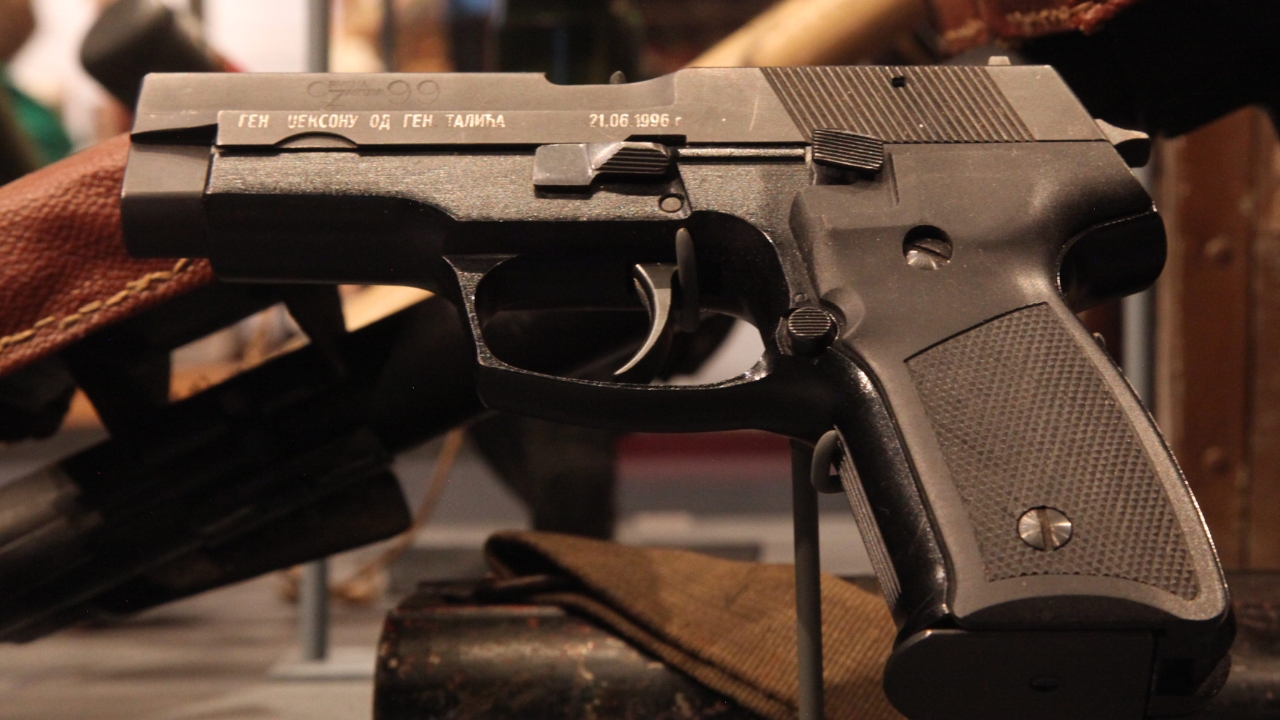
Some early-import CZ99 pistols showed premature wear in the slide stop notch and barrel lockup surfaces. The hard-use expectations of many buyers clashed with quality-control variations that led to inconsistent durability.
Magazines were another weak point. Poorly hardened feed lips and followers contributed to harsher-than-normal cycling, accelerating wear on internal components. Shooters who practiced heavily found their pistols loosening up long before they should have.
Hi-Point C9

The Hi-Point C9 is inexpensive and functional for casual use, but it was never built for high-mileage durability. The heavy slide generates significant stress on internal springs, and repeated firing eventually stretches or weakens them faster than with traditional designs.
While the pistol can run reliably within its intended limits, shooters who push thousands of rounds through it often see accelerated wear in the firing pin channel, extractor, and sear engagement surfaces. It simply wasn’t designed for heavy training workloads.
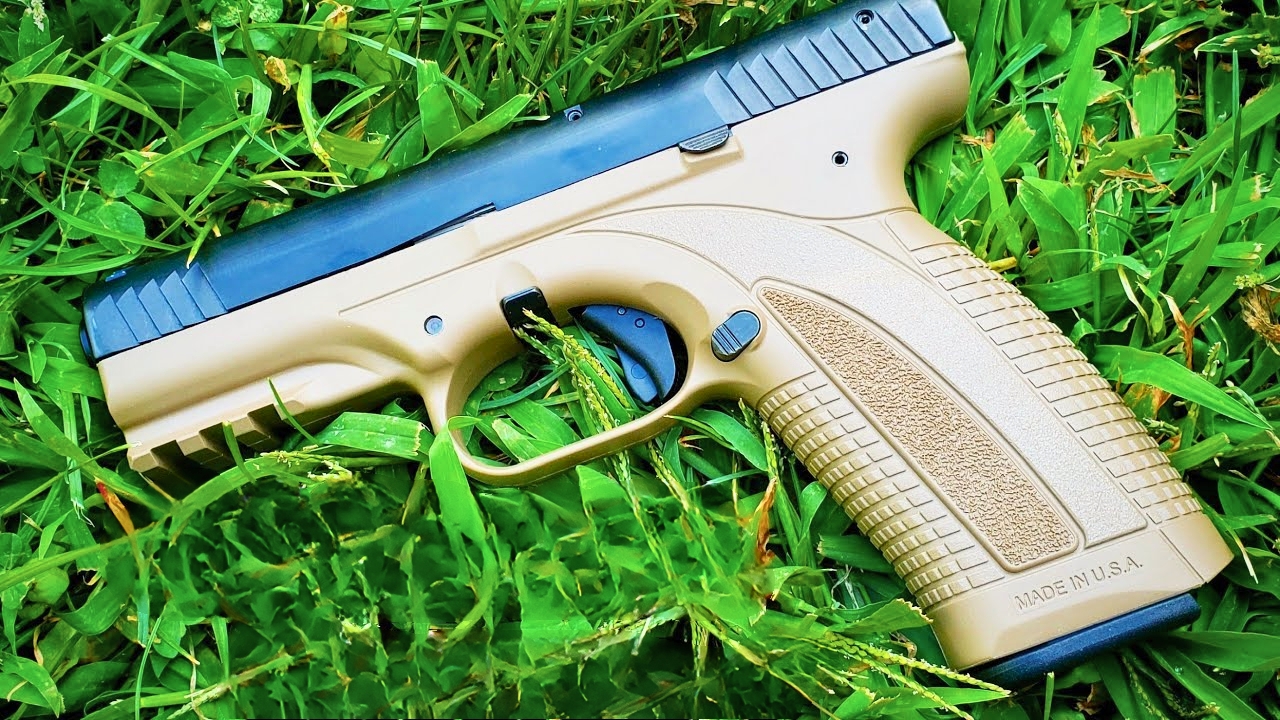
Caracal F

Before its recall, the Caracal F showed durability problems in the locking surfaces and slide construction. Some pistols developed cracks under moderate use, revealing metallurgical inconsistencies that couldn’t be ignored.
Even before the catastrophic failures, many shooters noticed barrels and rails wearing faster than expected. Once the recall hit, it confirmed what early owners already suspected — the design and materials weren’t holding up long-term.
Jimenez J.A.380

Much like its larger sibling, the J.A.380 suffered from rapid wear due to its zinc-based construction. Slides loosened on frames, and locking surfaces deformed far earlier than they should have for a defensive firearm.
The small parts inside the fire-control group also struggled with durability. Springs weakened, pins shifted, and engagement surfaces rounded off with use. Most shooters retired these pistols before the warranty period simply because they lost confidence in them.
SCCY CPX-2 (early runs)

Early CPX-2 pistols experienced the same wear patterns as the CPX-1, especially in slide rails and internals. The aluminum components inside the hammer-fired system wore down quickly with frequent shooting sessions.
Recoil-induced stress caused other issues like walking pins and worn-out springs. Shooters who ran these pistols in regular training saw them age rapidly compared to more robust designs.
KelTec P3AT

The KelTec P3AT played a huge role in starting the modern pocket .380 trend, but durability was never its strong suit. The pistol showed noticeable frame wear after repeated shooting, and the tiny internal components simply weren’t built for thousands of rounds.
Recoil impulse was surprisingly harsh for such a small gun, which accelerated wear even further. Many owners found themselves retiring their P3ATs long before the warranty expired because the pistol loosened up too quickly.
Like The Avid Outdoorsman’s content? Subscribe to our newsletter so you never miss an article.
Here’s more from us: