Photo credit: jeffshootsstuff/YouTube
Some firearms disappear slowly enough that nobody panics at first. They sit around for years, get replaced by newer models, or fall out of fashion while buyers assume there will always be another one somewhere.
Then the clean examples dry up. Parts get thinner. Prices start creeping. Suddenly, the gun that used to feel ordinary is the one everyone wishes they had grabbed when it was easy.
Ruger Deerfield Carbine
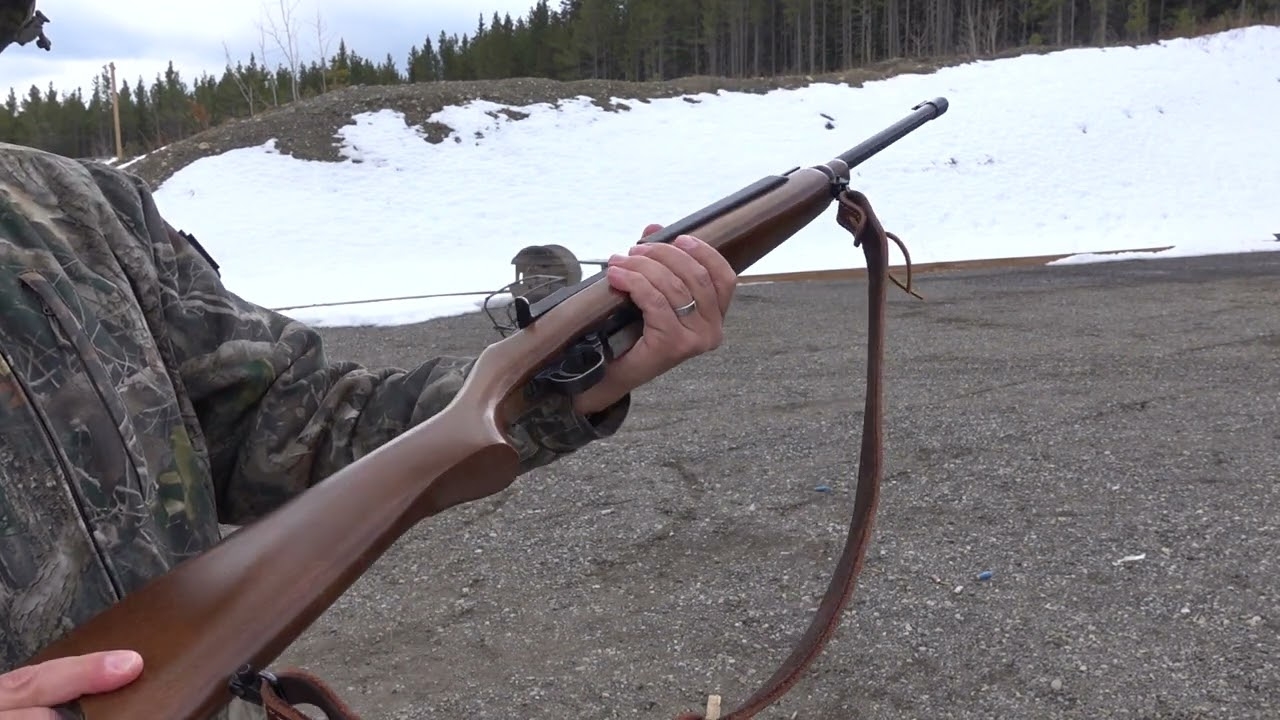
The Ruger Deerfield Carbine was never the loudest rifle in the rack, but it filled a useful lane. A semi-auto .44 Magnum carbine made sense for thick woods, hogs, deer, and anyone who wanted quick handling without stepping into a full-size rifle cartridge.
For a long time, people treated it like an oddball Ruger. Now clean examples are not something you trip over every weekend. The Deerfield has enough practicality and enough weirdness to keep demand alive. Buyers who ignored it because it seemed too specific are finding out specific guns can become tough to replace.
Remington Model Seven
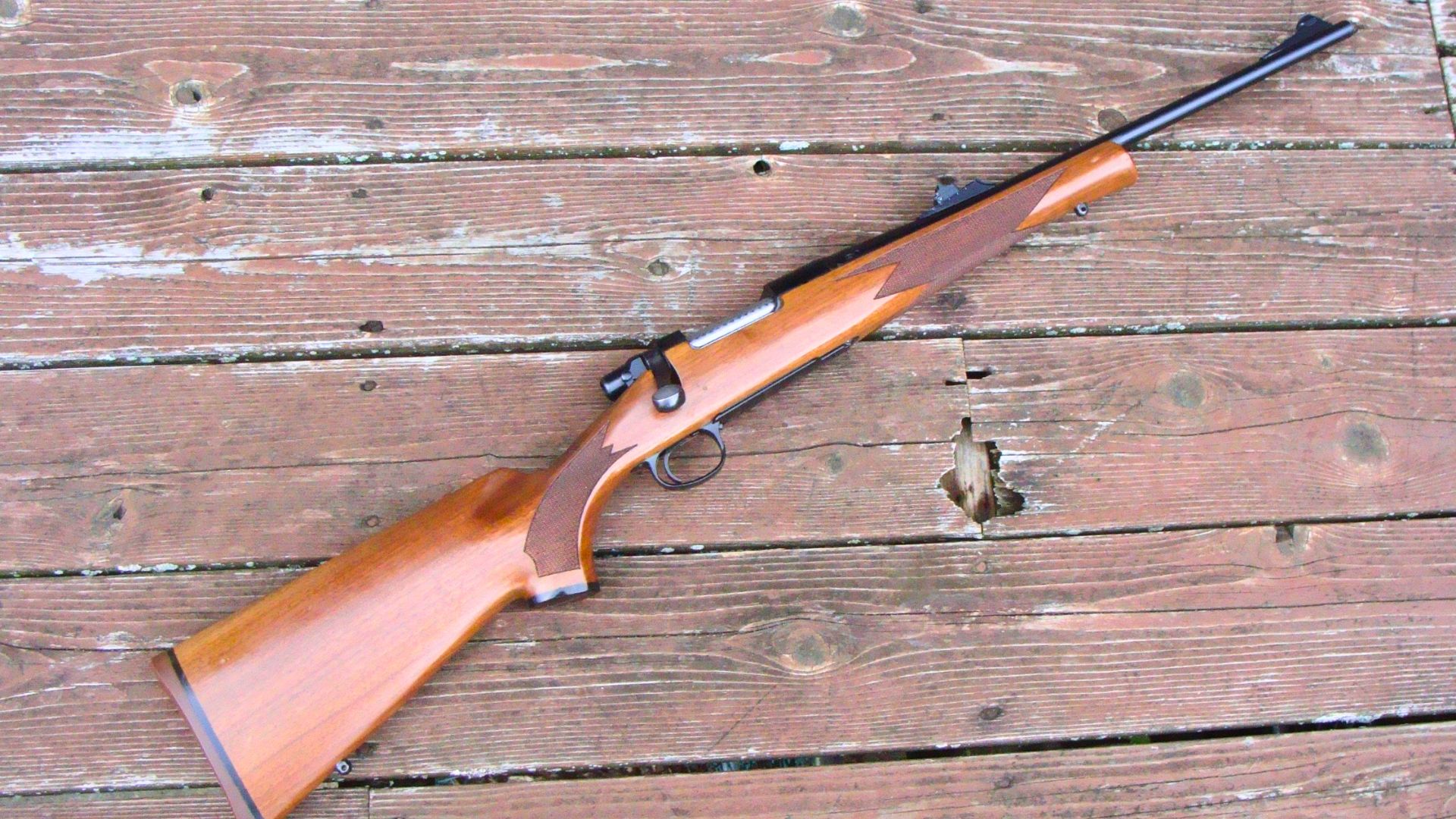
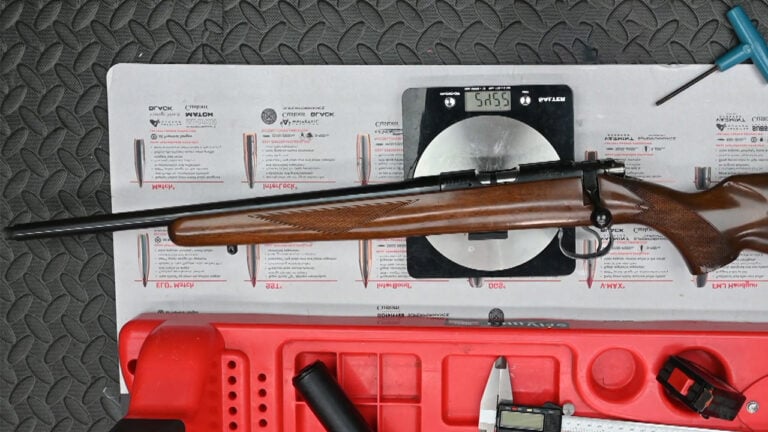
The Remington Model Seven used to be a common answer for hunters who wanted a shorter, lighter bolt gun without going full mountain-rifle expensive. It was handy, quick to shoulder, and easier to carry than many full-size deer rifles.
Now certain older Model Seven rifles are much harder to find in nice shape than people expected. They were working rifles, so plenty got hunted hard. The good ones in desirable chamberings get attention fast. It quietly became one of those rifles that looks simple until you start trying to replace it.
Browning BPS Upland Special
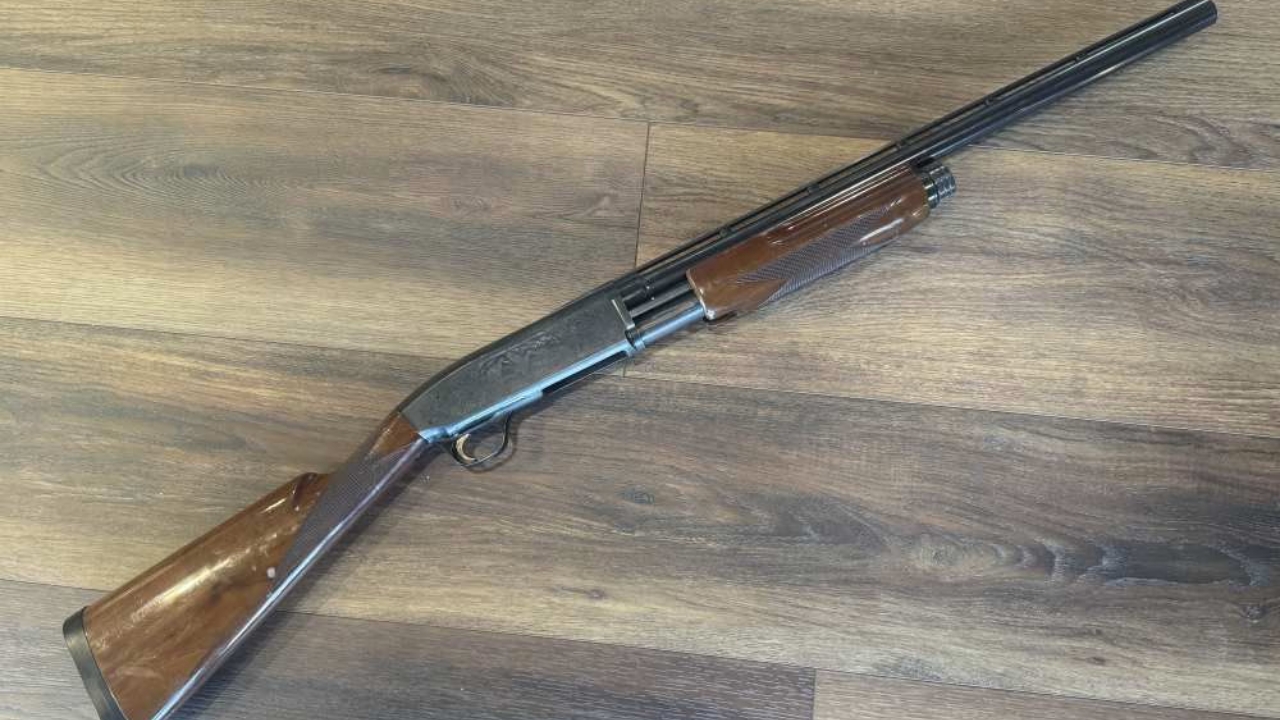
The Browning BPS Upland Special is the kind of shotgun people did not always appreciate until it got scarce. It had the bottom-eject setup, tang safety, short barrel, straight grip, and handy field balance that made it feel different from ordinary pump guns.
It was not a tactical shotgun, and it was not trying to impress the wrong crowd. It was a bird gun with real purpose. Now buyers who want that exact configuration learn quickly that not every BPS is the same. The Upland Special has become harder to find because it solved a specific problem well.
Beretta 86 Cheetah
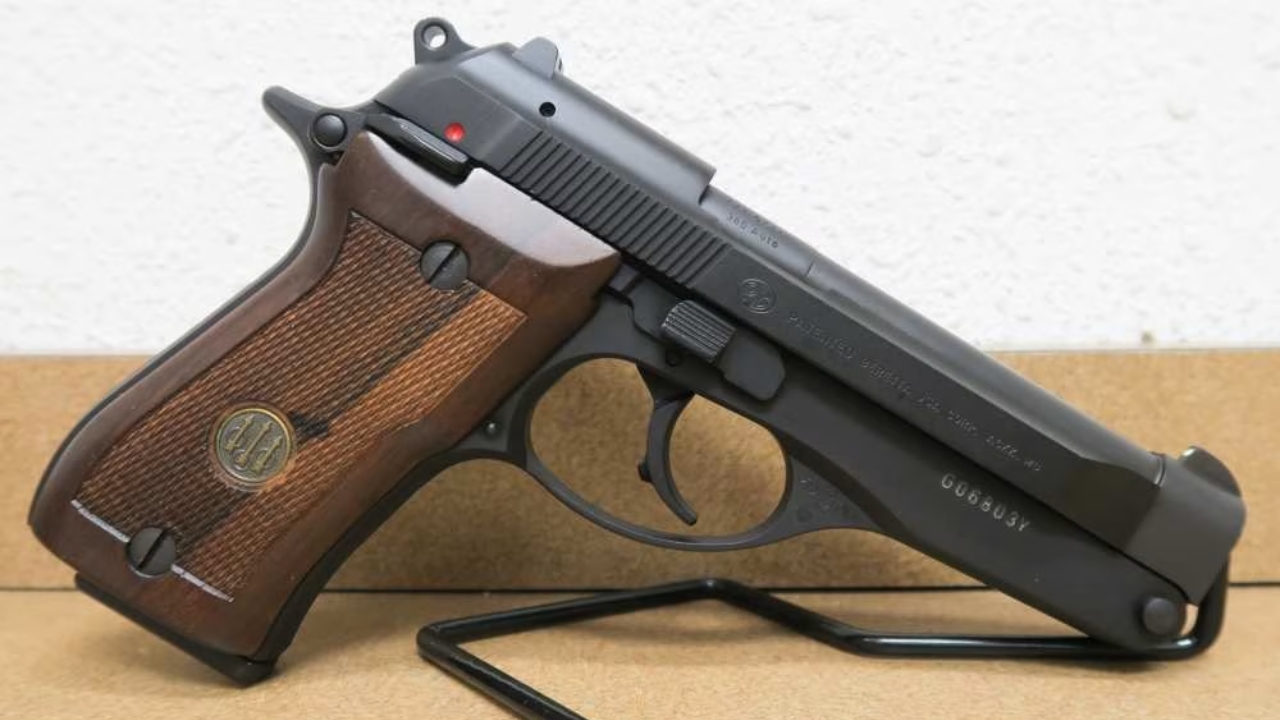
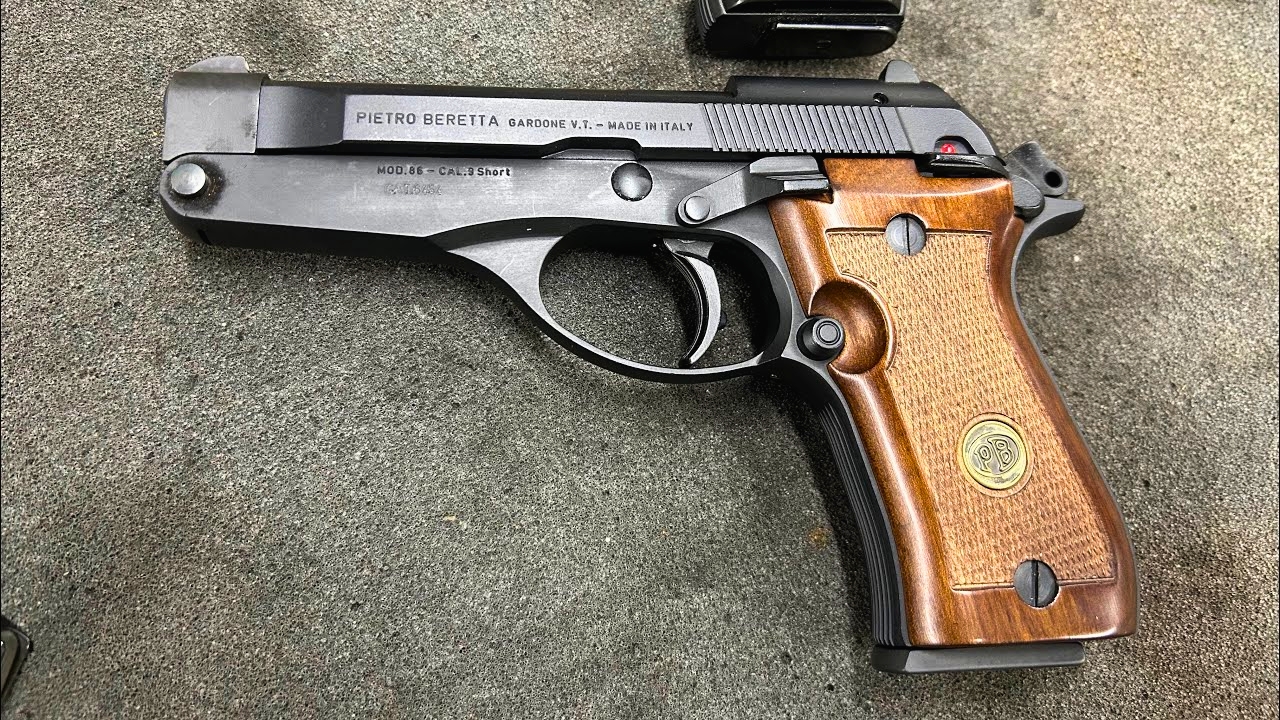
The Beretta 86 Cheetah looked like just another classy .380 until people realized how uncommon the tip-up barrel version really was. The Cheetah line has always had fans, but the 86 stands apart because of that barrel system and old Beretta feel.
For shooters with hand-strength concerns, collectors, or anyone who appreciates clever pocket-pistol design, the 86 makes a lot of sense. That is exactly why they do not sit around cheap and ignored anymore. It quietly moved from interesting compact pistol to one people actively chase.
Smith & Wesson Model 457
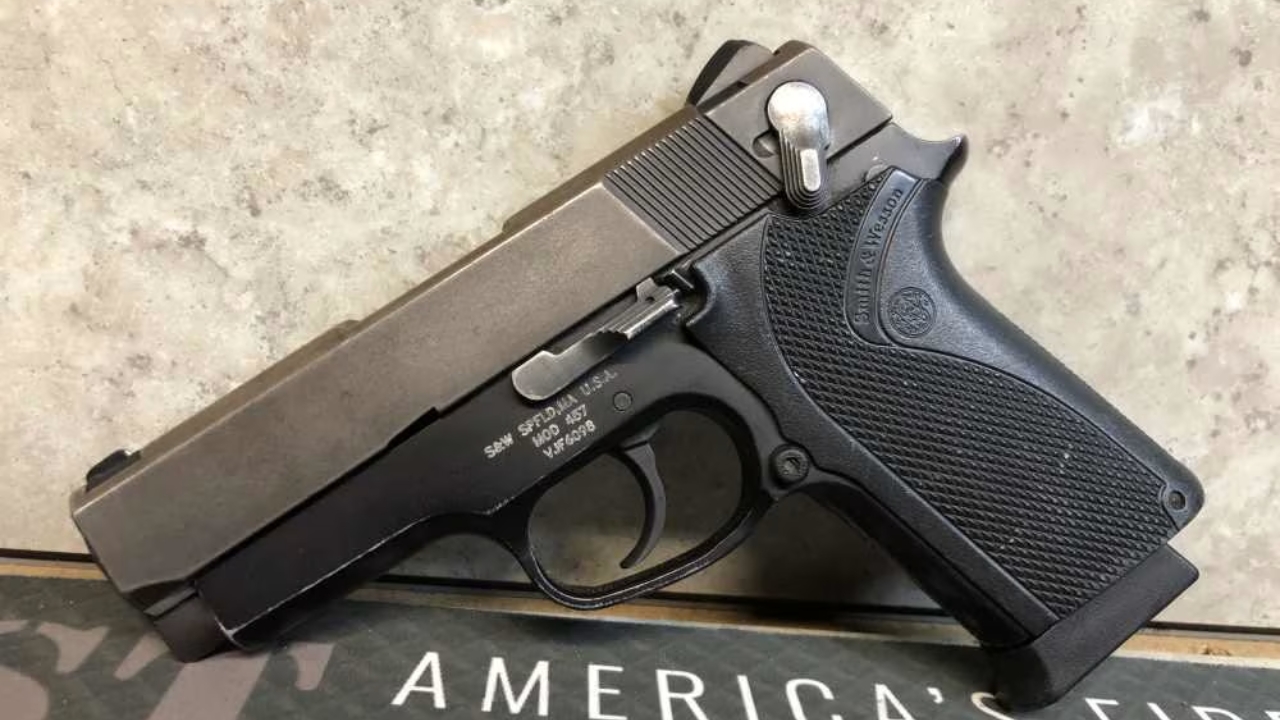
The Smith & Wesson Model 457 never had the same fame as the big third-gen duty pistols, but that is part of why people missed it. A compact alloy-frame .45 with old-school Smith controls seemed ordinary when polymer carry guns started taking over.
Now it feels more interesting. The 457 is short, practical, and tied to an era of handguns that many shooters appreciate more every year. It is not as refined as some higher-end Smith autos, but it has personality and real carry-gun history. Clean examples are getting tougher to stumble into.
Winchester Model 100
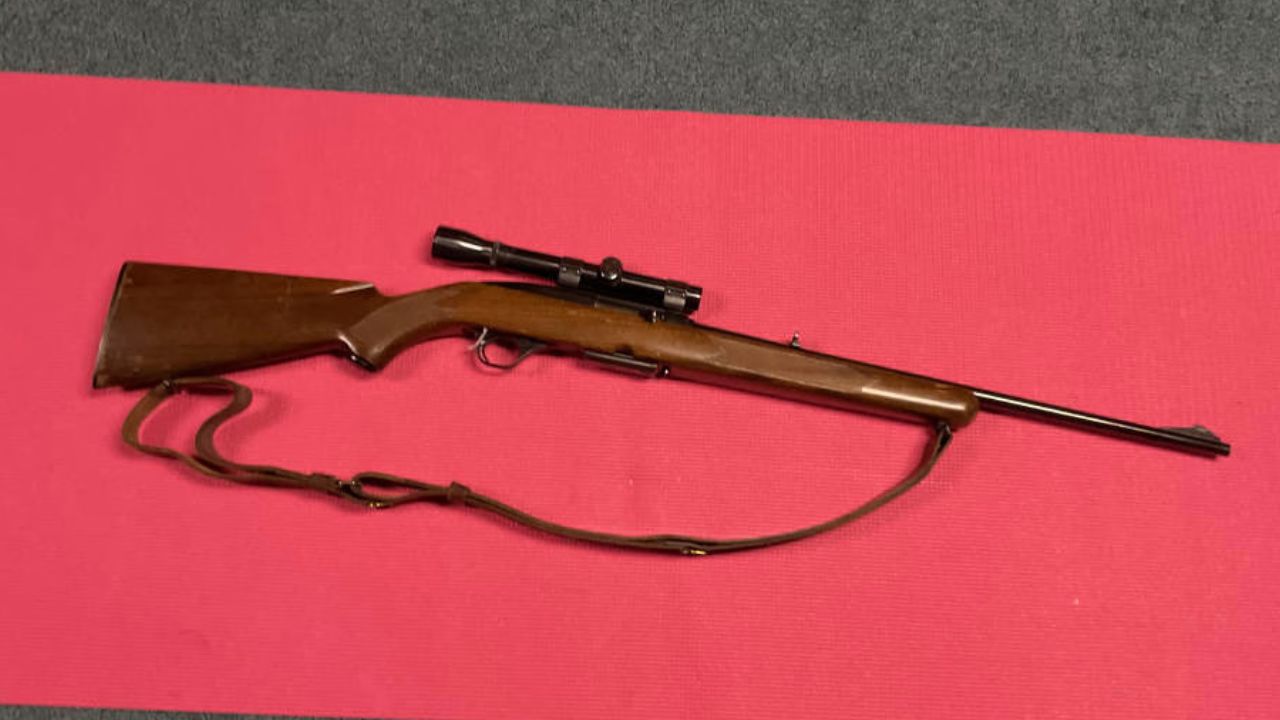
The Winchester Model 100 was once a fairly normal semi-auto hunting rifle. It gave deer hunters a familiar sporting profile with fast follow-up capability, and plenty of them went into the woods instead of safes. That is part of why good ones are not everywhere now.
They were used like tools, and many show it. Finding a clean Model 100, especially in the chambering and condition you want, can take patience. It quietly became harder to find because it lived in that practical middle ground: not exotic enough to protect, but interesting enough that people want them now.
Ruger Police Carbine
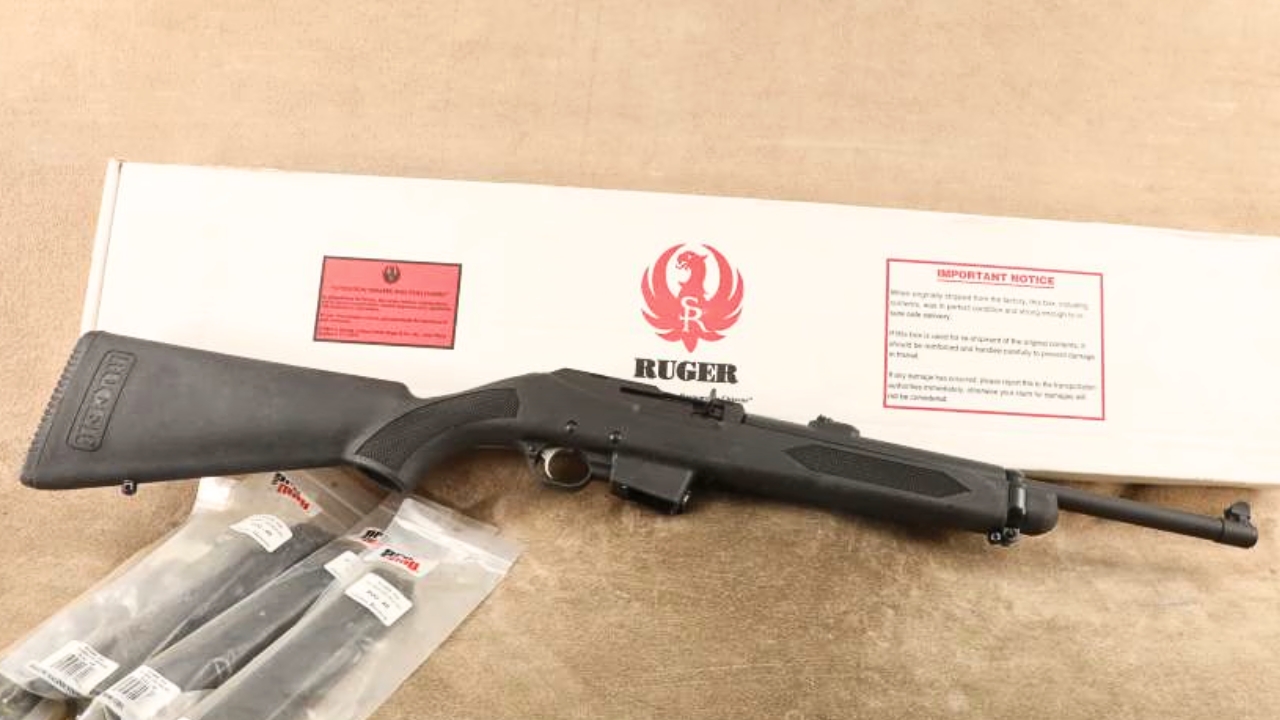
The Ruger Police Carbine seemed plain when pistol-caliber carbines were not as hot as they are now. A rugged little 9mm or .40 S&W carbine that took Ruger pistol magazines was practical, but it did not always look exciting in the old market.
That changed once PCCs became popular again. The Police Carbine has that early, overbuilt Ruger feel and a usefulness that aged well. It is not sleek like today’s options, but it is sturdy and different. Buyers who passed when they were cheap now find out they are not nearly as easy to replace.
Marlin Camp Carbine
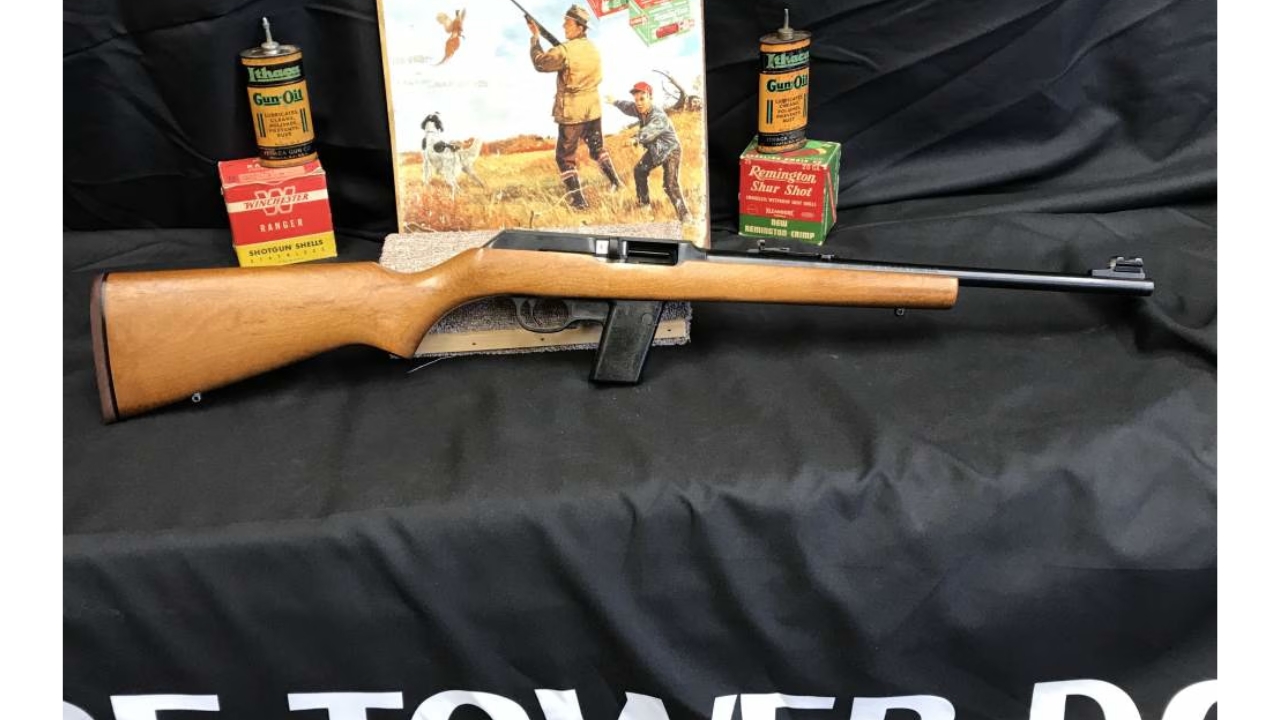
The Marlin Camp Carbine spent years being treated like a handy little range gun instead of something people needed to chase. Chambered in 9mm or .45 ACP, it was simple, useful, and easy to enjoy without much explanation.
Now clean Camp Carbines bring more attention than many expected. Pistol-caliber carbines came roaring back, and older examples with character suddenly looked better. The .45 version especially has a following. It is one of those guns people ignored because it seemed casual, only to learn casual guns can vanish fast.
Ithaca Deerslayer

The Ithaca Deerslayer was built for a specific kind of hunter. If you hunted shotgun-only deer country, a smooth, accurate slug gun mattered. The Deerslayer gave hunters that with the slick Model 37 bottom-eject action and a purpose-built feel.
Outside that world, people did not always pay attention. That is why they can be harder to find than expected now, especially clean older examples or desirable variants. These were hunting guns, and they got used hard. When a good one shows up, the people who understand them usually do not wait long.
Colt Lawman Mk III
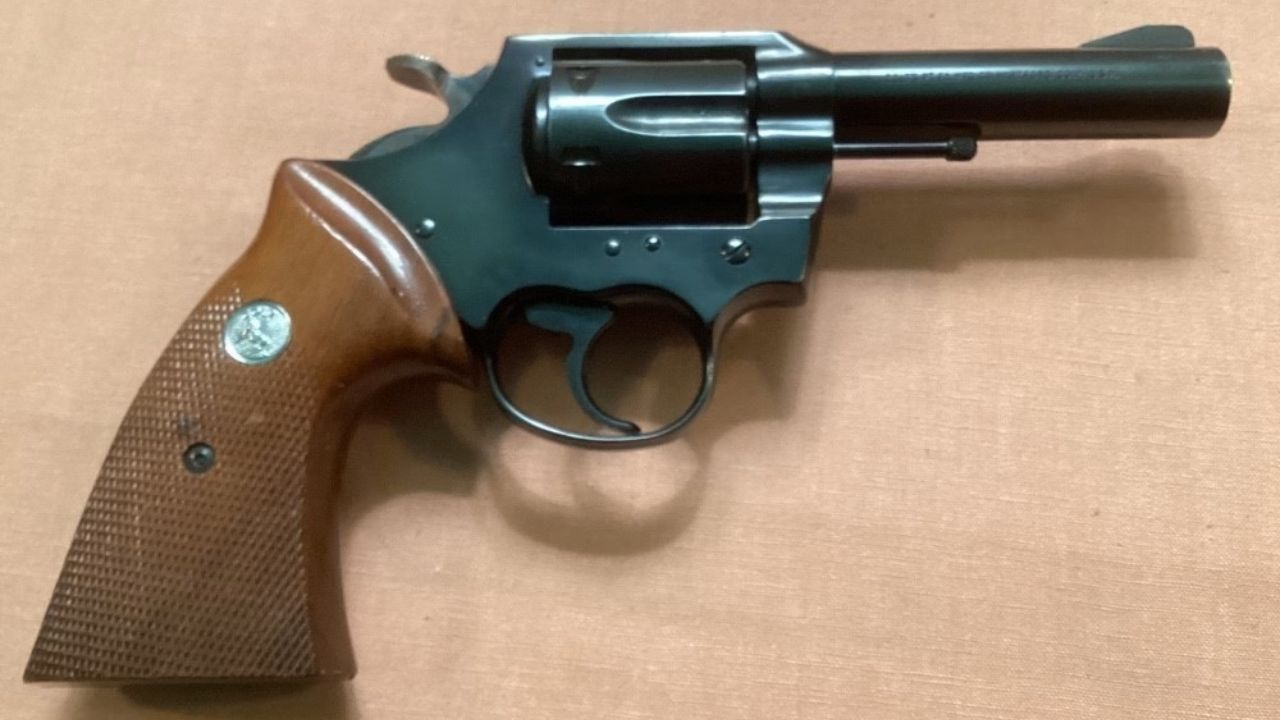
The Colt Lawman Mk III lived in the shadow of flashier Colt revolvers for years. It was not a Python, and that made some buyers treat it like the less exciting option. That was fine when prices were softer and examples were easier to find.
Now people have started paying closer attention to the other Colt double-actions. The Lawman offers real .357 utility, classic Colt looks, and a name that does not feel generic. Clean examples are not sitting everywhere anymore, mostly because buyers finally realized they were sleeping on a serious revolver.
Savage Model 24V
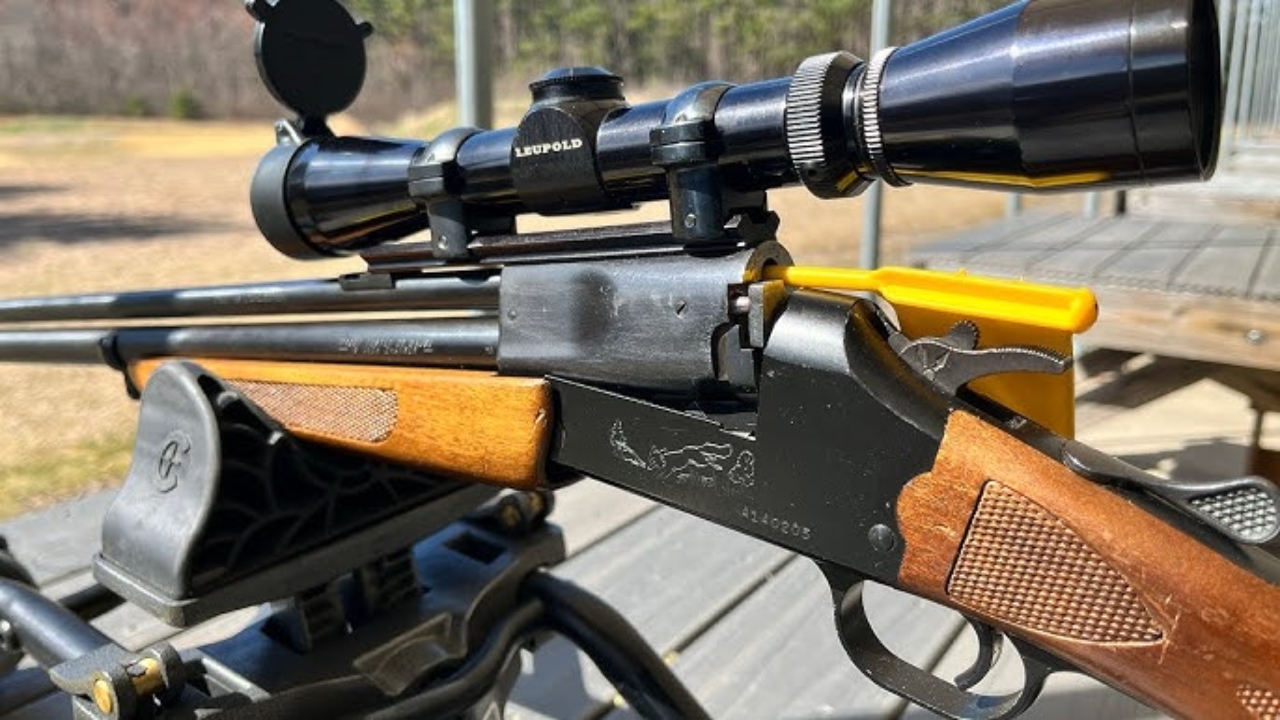
The Savage Model 24V was a practical combo gun before everyone started treating practical old guns like collectibles. A centerfire rifle barrel over a shotgun barrel made it useful for small game, predators, farm work, and truck-gun duty in places where that made sense.
These were not always pampered. They bounced around camps, barns, and closets, which makes nice ones harder to find today. The Model 24V quietly became desirable because it does something most modern firearms do not. It gives you two useful tools in one simple, old-school package.
CZ 83
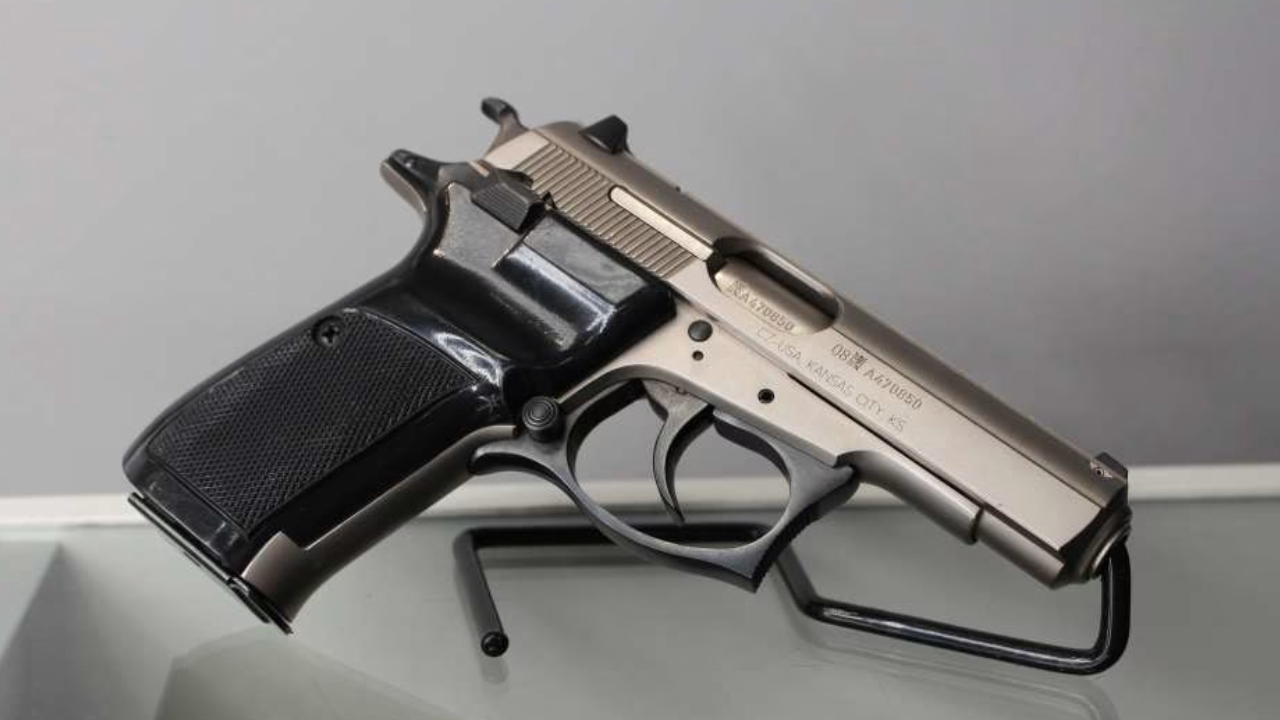
The CZ 83 used to be easy to overlook as another surplus-style compact pistol. It was chambered in .380 ACP, .32 ACP, or other variants depending on market, and it did not have the modern carry-gun profile people were chasing.
Now it stands out more. The fixed barrel, comfortable grip, ambidextrous controls, and solid build make it more appealing than its old reputation suggested. Clean examples, especially in desirable chamberings, are not always easy to find. It quietly became one of those pistols people appreciate after the supply starts thinning.
Remington 788

The Remington 788 was supposed to be the cheaper rifle, and that reputation stuck for a long time. It had a plain look, rear locking lugs, and budget positioning, so plenty of hunters underestimated it when they could still find them easily.
Then people noticed how well many of them shot. The 788 became one of those rifles that owners defended because range results were hard to argue with. Good examples in sought-after chamberings are not sitting around like unwanted budget guns anymore. It quietly earned a following the market eventually caught up to.
H&R Handi-Rifle

The H&R Handi-Rifle was once everywhere because it was affordable, simple, and useful. A single-shot break-action rifle did not seem like something anyone would miss badly. It was the kind of gun people bought for kids, farms, deer stands, and rough use.
Now that they are gone, the appeal is easier to see. They were handy, safe to teach with, and available in a wide spread of chamberings. Clean examples, especially in certain calibers, can be surprisingly hard to find. The Handi-Rifle was basic, but basic has a way of aging well when nobody makes the same thing anymore.
Browning Double Auto
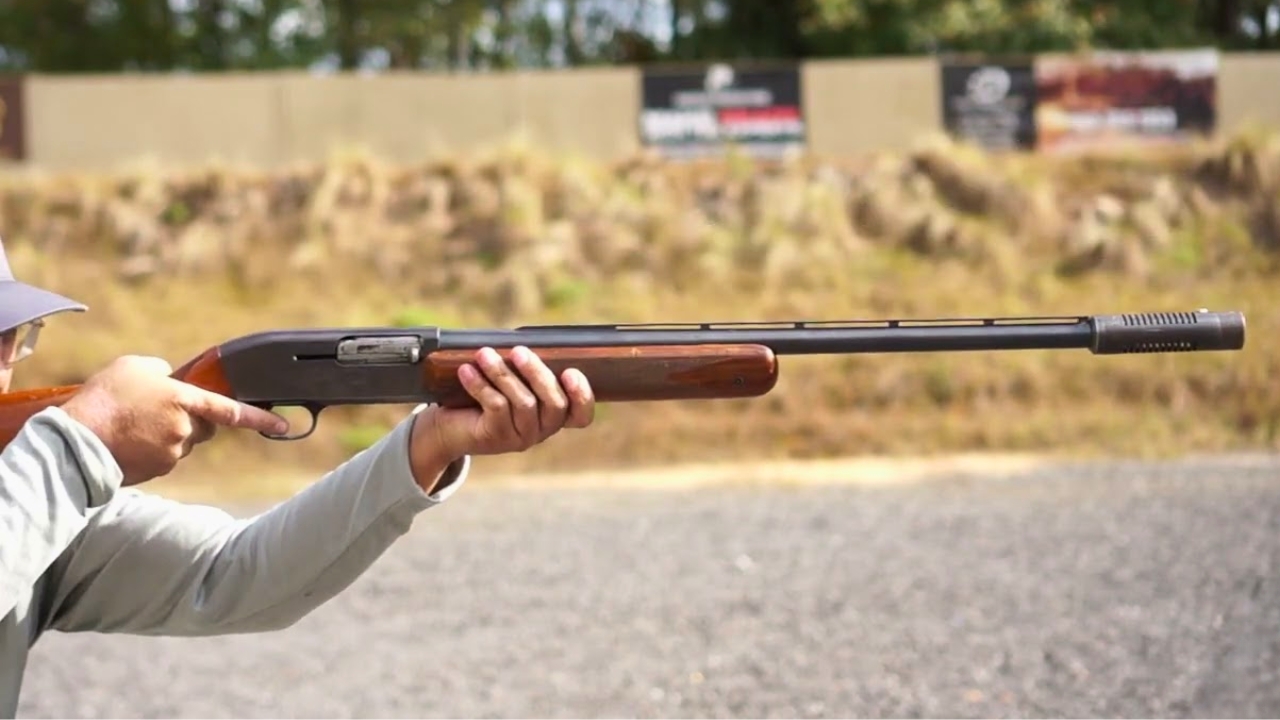
The Browning Double Auto was always unusual, and that probably kept some shooters from understanding it. A two-shot semi-auto shotgun sounds limited until you pick one up and feel how light, quick, and lively it can be.
It was never going to replace higher-capacity shotguns, but it had a charm all its own. Now nice Double Autos are not as easy to find as casual buyers expect, especially if you want a clean example in the right finish. It quietly became harder to find because the people who like them tend to hang onto them.
Like The Avid Outdoorsman’s content? Subscribe to our newsletter so you never miss an article.
Here’s more from us: