Photo credit: TFB TV/YouTube
Some guns do not look urgent while they are still affordable. That is the trap. They sit on used racks, show up at shows, or float around online just often enough that buyers talk themselves into waiting. Maybe the model feels too common. Maybe it seems too niche. Maybe the price feels a little high for something they assume will still be there next month. Then the market changes tone. The clean examples dry up, the collector crowd gets louder, and the same gun people once passed over casually turns into something they suddenly have to hunt hard and justify financially.
That is what this list is about. These are the guns people did not take seriously enough while the deals were still easy. They were not always impossible to find. In many cases, they were just good, overlooked, and a little too easy to postpone. Then enough buyers woke up at the same time. These are the guns people started chasing only after the easy deals were long gone.
Remington 600

The Remington 600 used to sit in that awkward little zone where buyers thought it was more quirky than urgent. It was short, distinctive, and a little odd-looking, which made plenty of shooters admire it without feeling much pressure to buy. That is often how compact older rifles get missed. People assume the unusual ones will always have a small audience and a soft market.
Then enough buyers started realizing how much they liked handy rifles with real character. The 600 stopped feeling like an oddball and started feeling like a smart pickup people should have made when nobody was paying enough attention. That is why so many buyers now chase them with a lot more energy than they once would have admitted. They finally noticed the rifle after the easy prices were already part of the past.
Smith & Wesson 469

The 469 spent too long being treated like just another older compact auto. Buyers respected it, sure, but a lot of them still looked at it as the sort of handgun they could revisit later once they got more serious about old Smiths. That relaxed attitude made sense when the used market still treated these pistols like background inventory rather than real finds.
Then the compact third-generation Smiths started building broader appreciation. People realized they were not merely old carry pistols. They were solid, shootable, metal-frame handguns from a period the market had started missing. By then the easy deals were mostly gone. The people who once walked right past a 469 because it looked too ordinary are the same ones now chasing decent examples and realizing ordinary was the wrong read.
Browning BDM

The BDM was easy to ignore because buyers did not quite know where to place it. It was not the Browning most people were looking for, and for years it lived in that weird space between underappreciated and underwanted. That made it very easy to postpone. A buyer could notice one, think it was mildly interesting, and still keep moving without feeling like he had made any real mistake.
That comfortable indifference did not last. Once enough shooters started revisiting discontinued, well-made pistols that had slipped through the cracks, the BDM suddenly looked a lot smarter than the market had treated it. That is how the chase begins. A gun that once felt optional starts feeling like something buyers should have grabbed when nobody else was in a hurry. By the time they admit that, the easy deals are already over.
Winchester 1400

The Winchester 1400 spent years as the kind of shotgun people liked without prioritizing. It was a respectable older semi-auto with a familiar name, but not one that seemed likely to cause regret if a buyer waited. That is exactly why so many buyers waited. It felt too normal to be dangerous.
Then the market for older sporting semiautos got more serious. Buyers began rethinking shotguns that had once been treated as merely decent field pieces, and the 1400 stopped feeling so casual. A clean one now lands differently because people finally noticed that older Winchester shotguns were not just hanging around forever in the shape they remembered. That is the pattern here: years of easy shrugging followed by a late, more expensive scramble.
Savage 1907
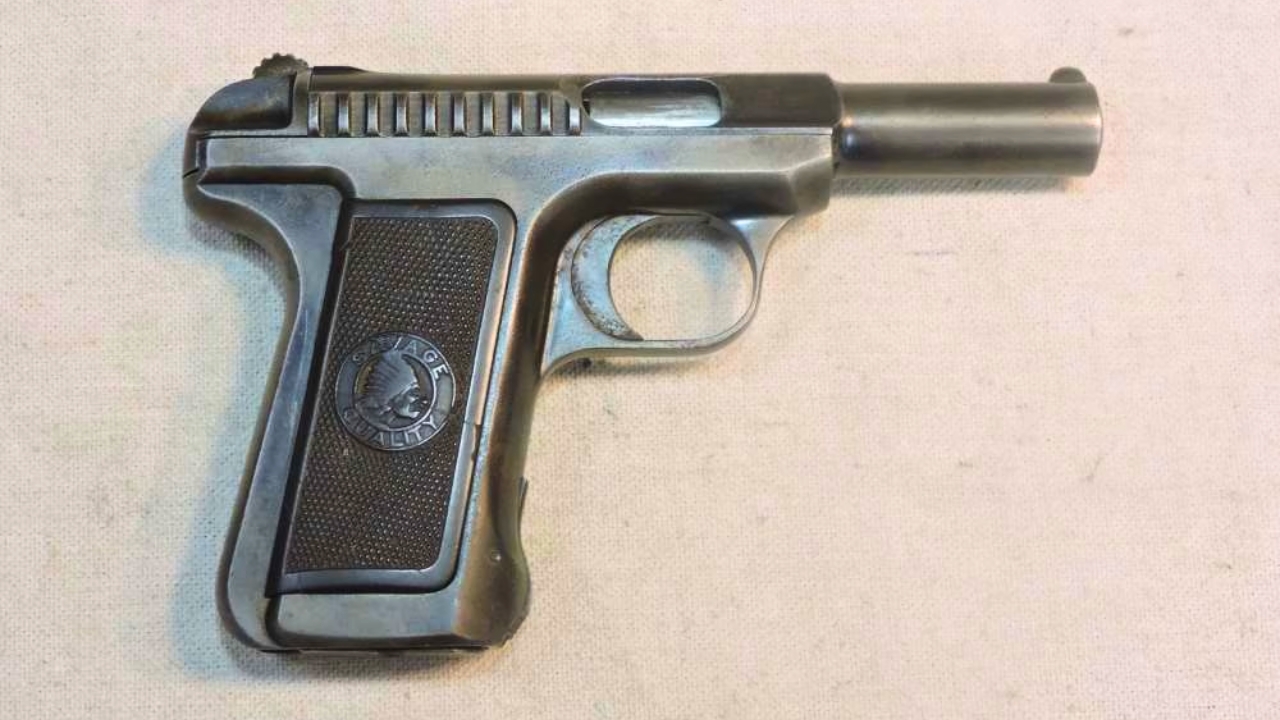
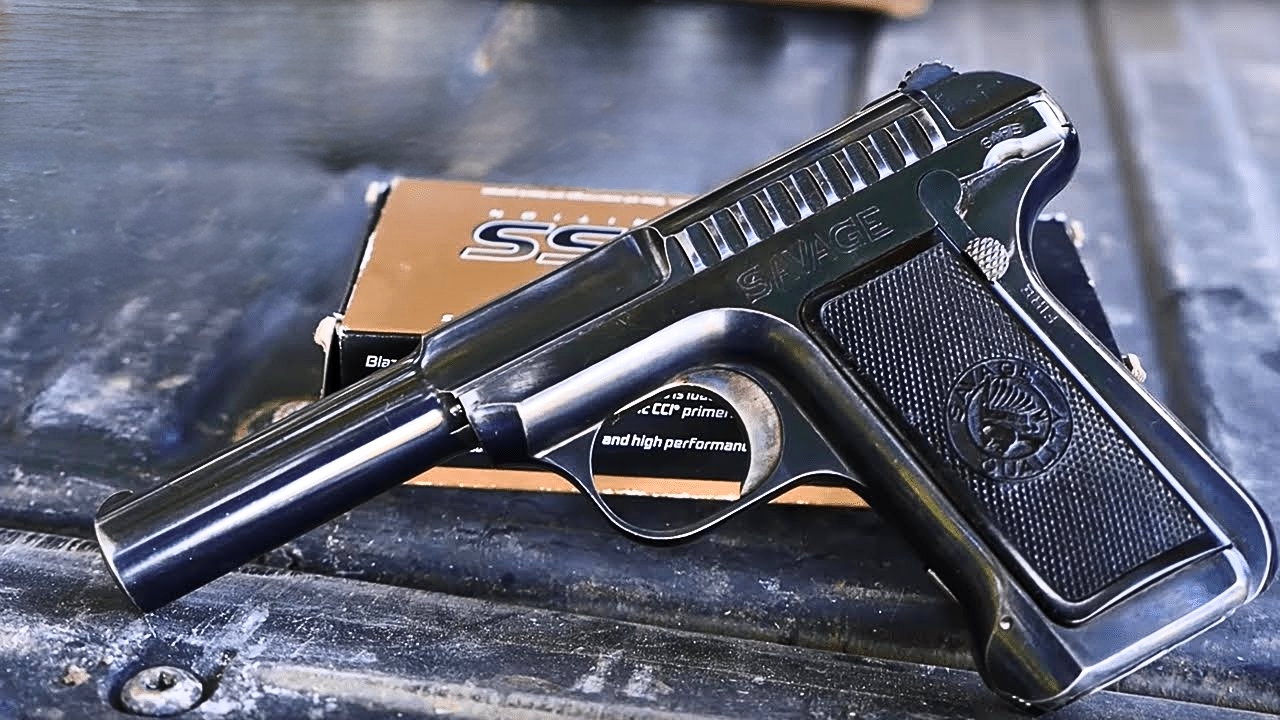
The Savage 1907 is one of those pistols buyers used to dismiss as a neat old oddity rather than something worth real urgency. It had history, yes, but it also felt like the kind of old auto that would always live in the “interesting but not pressing” category. That made it easy to leave behind while buyers chased louder, more famous early pistols.
That changed once more collectors and historically minded buyers started appreciating just how much early-automatic-handgun interest had deepened. The 1907 stopped being the pistol you nod at and maybe come back for later. It became the pistol you wish you had taken more seriously when it still felt like a side-path purchase instead of a genuine chase piece.
T/C Venture

The Thompson/Center Venture was exactly the sort of rifle practical buyers always assumed would remain available at sensible money. It was accurate, honest, and useful, but because it was built around function instead of flash, people treated it like it could wait. A lot of rifles get missed that way. “Good practical rifle” sounds safe right up until the market starts revaluing what practical actually meant.
Once the line was gone and shooters started looking back at which bolt guns had quietly overdelivered, the Venture’s whole reputation improved. That is when the regret starts. Buyers were not chasing hype when they first ignored it. They were ignoring something genuinely solid because they assumed that kind of solid would always be around. It rarely works out that way.
Beretta 81BB

The 81BB used to feel like one of those cool little old Berettas you could always buy later if the mood struck. It was stylish, yes, but many buyers still treated it more like a pleasant curiosity than something that needed to be prioritized. Compact old pistols often get pushed to the back of the mental shelf that way. People figure they can always circle back once they have handled the “more important” guns first.
Then the market starts treating metal-frame compacts more seriously, and suddenly the easy confidence evaporates. The 81BB became the sort of handgun buyers only fully appreciated once it stopped feeling so casual to buy. That is always the late-chase problem. The gun did not become more charming overnight. Buyers simply figured that out later than they should have.
Weatherby Weathermark

The Weathermark spent years in the dangerous “nice practical hunting rifle” lane. It had weather resistance, field credibility, and enough quality to satisfy serious hunters, but it did not arrive with the kind of drama that forces fast buying decisions. That made it easy to postpone while buyers shopped for flashier or more romantic rifles.
Then enough hunters looked back and realized how much sense rifles like this had always made. Weather-ready rifles with real field worth do not stay cheap forever once the market starts appreciating them as working tools instead of merely current-production options. Buyers who once treated the Weathermark like something they would revisit later often found themselves revisiting it only after the friendlier prices had vanished.
Ruger Speed-Six

The Speed-Six was long overshadowed by louder revolver names, which made it easy for buyers to ignore. It looked like a sturdy old Ruger, and for many years that was exactly how the market priced it. Useful, respected, maybe even underrated, but not the kind of revolver that forced action from ordinary buyers.
Then the older-service-revolver market got smarter. Once more shooters and collectors started valuing strong, practical revolvers that had actually earned their reputation, the Speed-Six began getting the attention it had missed earlier. That is when buyers realized they had waited too long. A gun like this can only be “quietly underappreciated” for so many years before the quiet part ends.
Browning Gold Hunter

The Gold Hunter lived in that awkward shotgun space where people knew it was good but still thought there would always be another one. It was a serious field semi-auto, well liked by the people who used them, but not often treated like a must-buy while the market was still calm. That is a classic way to end up chasing too late.
Once more buyers started looking back at older hunting semi-autos that had actually proven themselves, the easy used-market comfort around guns like the Gold Hunter started disappearing. These shotguns were not built around hype. They were built around field performance, and once enough people remembered that, the chase got harder. The buyers who delayed because they thought there would always be one around are now the ones looking least relaxed.
Ruger Frontier Rifle
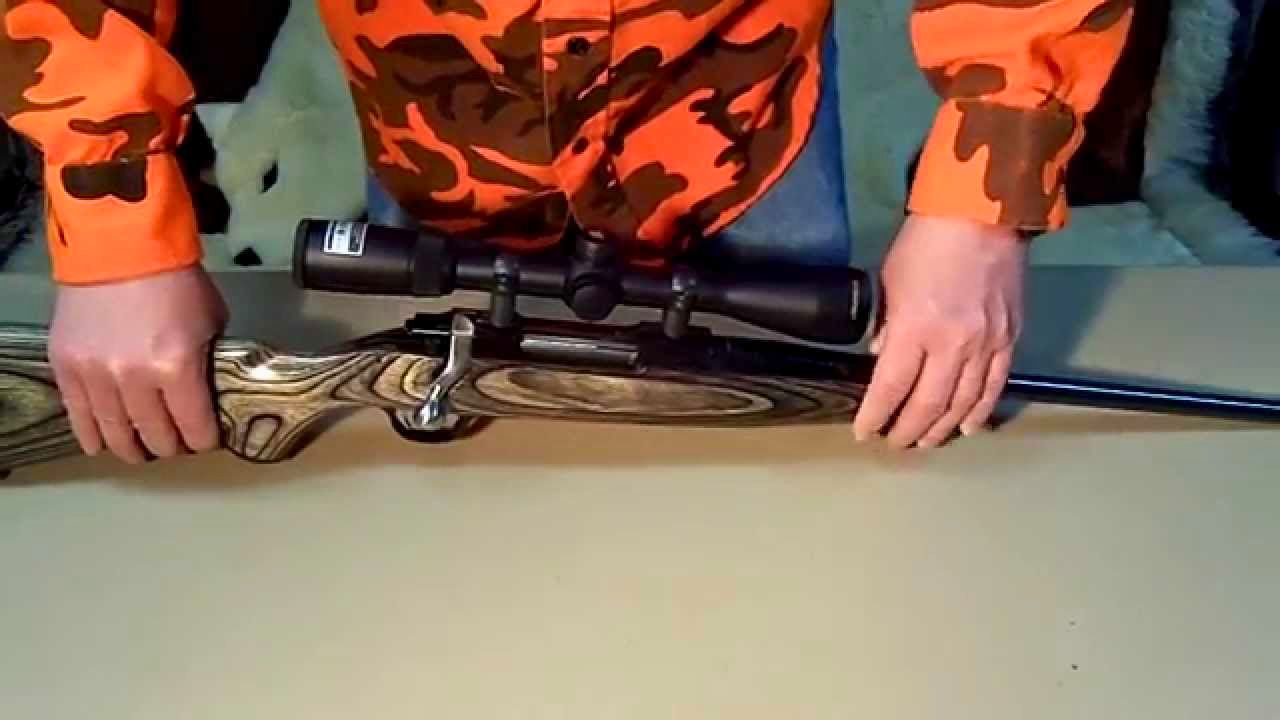
The Frontier Rifle always felt like a clever side-road choice rather than an urgent one. Buyers liked the compactness, liked the concept, and still often treated it like something they could always come back to if they ever decided they wanted one badly enough. That is exactly the sort of reasoning that turns into regret with rifles that do not have many true replacements.
Once the market figured out that the Frontier was more than a novelty, the old casual prices stopped making sense. The easy deals disappeared first, then the easy availability. That is why the chase feels so frustrating now. The rifle was visible the whole time. Buyers just misread the importance of acting while it still felt optional.
Star Firestar

The Firestar used to be the pistol people noticed just long enough to say, “That’s neat,” before moving on. It was heavy for its size, old-school in feel, and easy to dismiss as something compact-pistol fans could always revisit later. That later became much less kind once more buyers started appreciating older all-steel compacts that actually felt serious in the hand.
The Firestar is exactly the sort of gun people chase too late because it never looked urgent enough to demand action. It had to wait for the market to revalue substance over first impressions. Once that happened, the buyers who had spent years walking past them suddenly found themselves competing for the same type of pistol they once treated like low-stakes background inventory.
CZ 557

The CZ 557 spent too long being treated like a calm, sensible rifle instead of a finite good thing. Buyers liked the walnut-and-blue-steel sporting feel, appreciated the overall quality, and still often let it slide because it did not create panic. That is what happens with rifles that feel too reasonable. People admire them like they have all the time in the world.
Then they do not. Once the line was gone and people started looking around for similarly grounded sporting rifles, the 557 took on a much different kind of appeal. It stopped being the nice rifle people meant to buy later and started being the rifle they now had to hunt for with much worse timing. That is usually when the market lesson lands hardest.
Beretta AL391 Urika

The AL391 Urika was never ignored by everyone, but a lot of buyers still treated it like a shotgun they could circle back to without much pressure. It was respected, useful, and proven, which ironically made it seem too stable to become a problem later. People often underestimate how quickly respected field guns become harder to buy well once production moves on and nostalgia deepens.
That is what happened here. Buyers who once took the Urika’s quality for granted now have to chase it in a different market, one where the best examples are no longer sitting around waiting politely. The shotgun kept its value in the one way that matters most: people who actually used one kept remembering how right it felt. That is exactly the sort of memory that makes late buyers pay more than they ever thought they would.
Colt Sauer sporting rifle
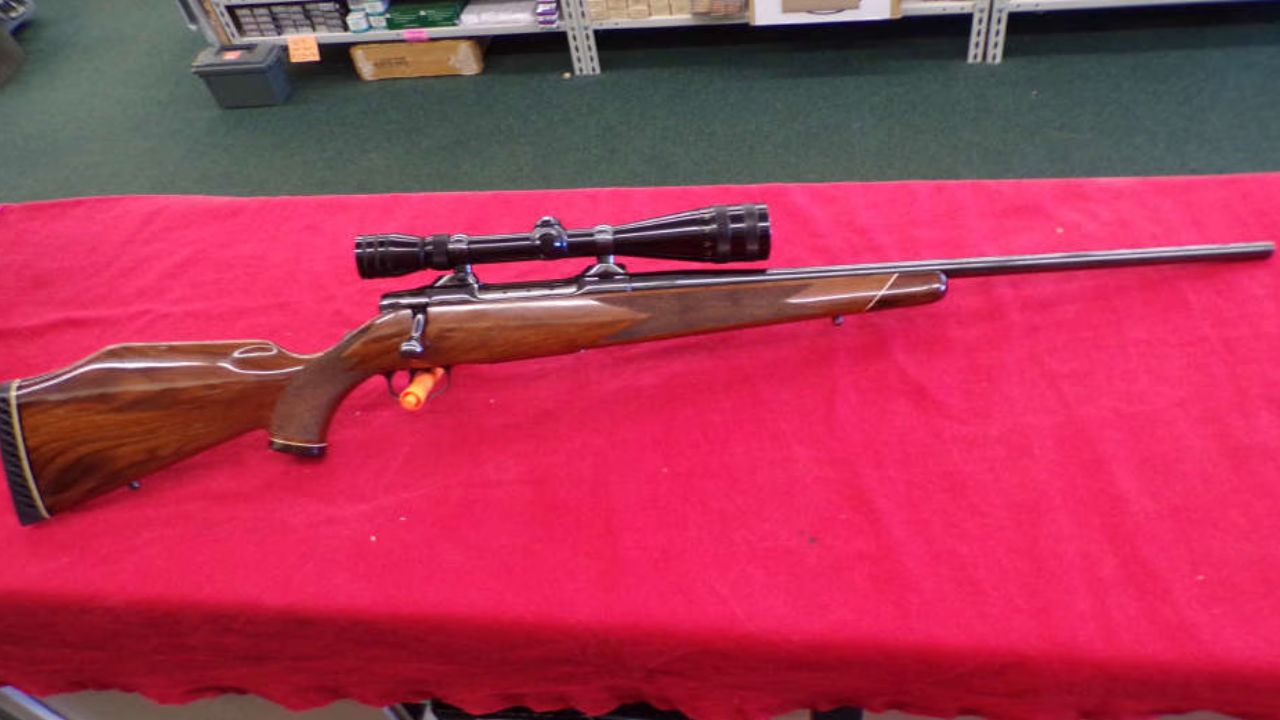
The Colt Sauer always felt just obscure enough to postpone. Buyers noticed the name combination, thought it was interesting, and then often moved on because the rifle seemed like something they could always research later if curiosity got stronger. That is a dangerous place for a good rifle to live. Obscure and high-quality is often the exact mix that turns into expensive regret once enough buyers finally decide they should have paid attention earlier.
That is where this rifle sits now. People who once passed because they were unsure are often the same people now chasing because they finally understand what they were looking at. The problem is that understanding usually arrives after the easy examples and easy prices have already thinned out. That is the classic late chase: the rifle becomes clear only after it stops being simple to get.
Like The Avid Outdoorsman’s content? Subscribe to our newsletter so you never miss an article.
Here’s more from us: