Photo credit: Savage Arms
Savage has always had a slightly different place in the rifle world. It is not usually the brand people buy to show off deep walnut, old-money polish, or fancy engraving. Savage built its reputation another way: by making rifles that shot better than their price tags suggested and by giving regular hunters features that used to feel reserved for custom rifles.
That is why Savage has such a loyal following. The company figured out several things before other rifle makers fully caught up. It understood accuracy sells. It understood triggers matter. It understood left-handed shooters were tired of being ignored. It understood budget rifles did not have to shoot like budget rifles. And maybe most important, it understood that regular hunters care about performance more than gun-counter romance.
Savage Figured Out That Accuracy Could Sell Budget Rifles
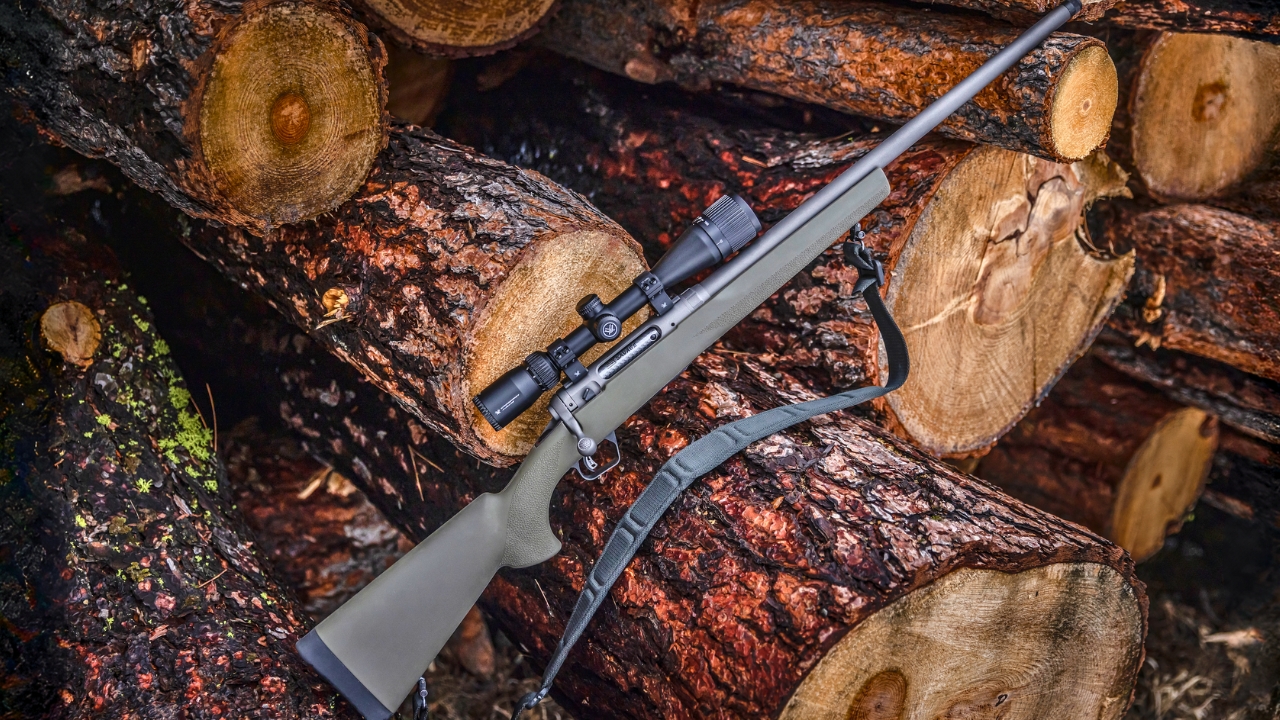
For a long time, plenty of affordable rifles came with low expectations. If they shot okay, that was considered good enough. Savage helped change that. The company built a reputation around rifles that often grouped better than people expected for the money. That mattered because hunters and newer shooters started realizing they did not have to spend premium-rifle money to get a bolt gun that could hold its own at the range or in deer camp.
Savage leaned into that reputation hard. The rifles were not always the prettiest, and nobody sensible confused them with high-end custom guns. But they often shot well, and that became the whole point. A hunter can forgive a plain stock faster than he can forgive a rifle that will not group. Savage figured that out early and made accuracy part of the brand’s identity. Once regular shooters started seeing the results on paper, the old assumptions about “cheap rifles” got a lot weaker.
The Model 110 Proved a Working Rifle Could Last for Generations

The Savage Model 110 is one of the biggest reasons the brand still matters. Introduced in 1958, the 110 became one of America’s longest-running bolt-action rifle platforms, and Savage itself describes it as the longest continuously produced bolt-action rifle in America. That kind of run does not happen by accident. A rifle has to keep making sense across changing calibers, hunting styles, optics, stock designs, and buyer expectations.
The 110 worked because it was practical from the start. It was built to give hunters a strong, affordable, accurate bolt gun, and that mission never really went away. Savage kept updating it instead of treating it like a museum piece. New triggers, new stocks, new chamberings, left-hand versions, mountain rifles, varmint rifles, precision models, and hunting models all came out of that same basic idea. The 110 proved a working rifle could evolve without losing what made people trust it.
Savage Took Left-Handed Shooters Seriously Early

Left-handed shooters have spent decades being handed right-handed rifles and told to deal with it. Savage was one of the companies that figured out earlier than most that this was a real market, not a tiny inconvenience. The Model 110 line included left-handed options, and the platform became known for giving southpaw shooters more choices than they were used to seeing from major rifle makers.
That built trust in a way spec sheets do not fully explain. A left-handed hunter who finally gets a rifle that runs the way his body naturally works remembers that. It means faster follow-up shots, cleaner handling, and less awkward movement in the stand or on a hillside. Savage did not need to make a big dramatic speech about it. It simply offered rifles that fit more shooters. That kind of practical respect goes a long way with people who are tired of being treated like an afterthought.
The Barrel Nut Made Savage Rifles Easier to Work With
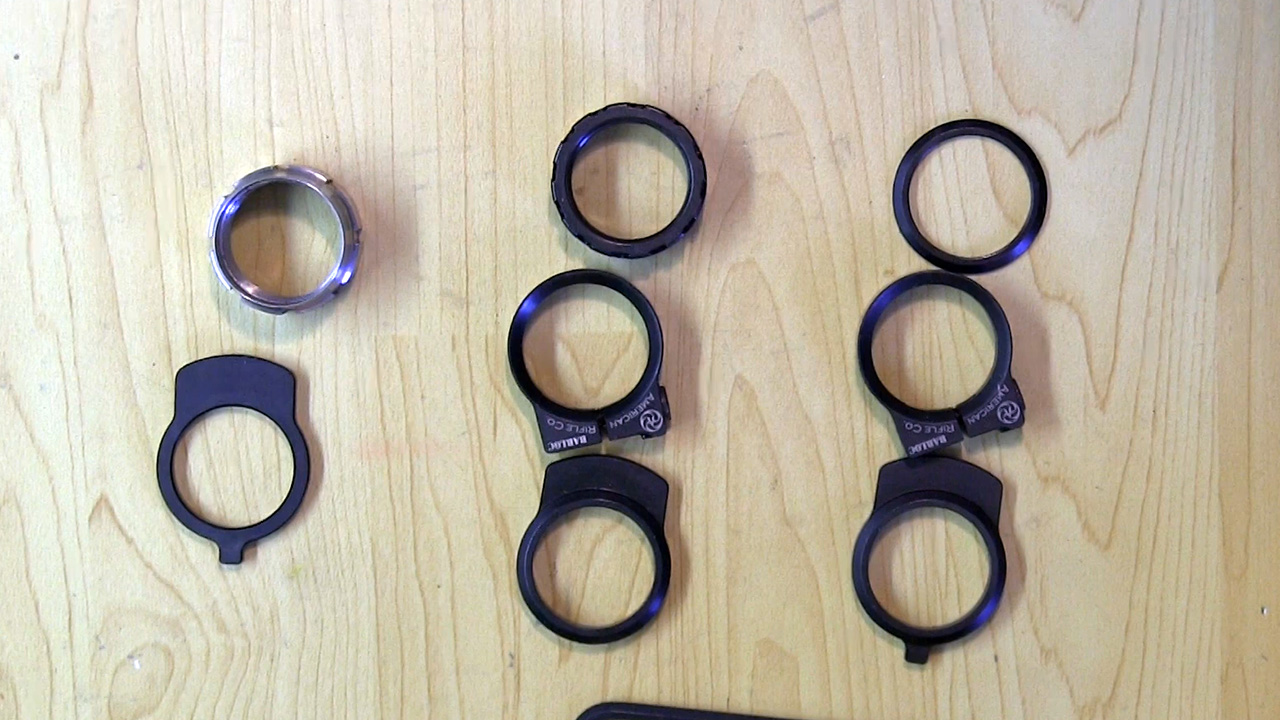
Savage’s barrel nut system became one of the company’s most important behind-the-scenes advantages. It allowed headspacing to be set in a way that made manufacturing more efficient and also made barrel swaps more approachable for gunsmiths and capable home builders. That was a big deal. A lot of rifle owners never change a barrel, but the people who do noticed how friendly the Savage system could be compared with more traditional setups.
This is one of those things Savage figured out before a lot of shooters understood why it mattered. The system helped the company build accurate rifles efficiently, and it gave the platform a reputation among tinkerers. A Savage could be a hunting rifle one year and become a different project later. That does not mean everyone should start wrenching on rifles without knowing what they are doing, but the design made the platform easier to support, modify, and keep alive.
Savage Understood That Triggers Could Make or Break a Rifle

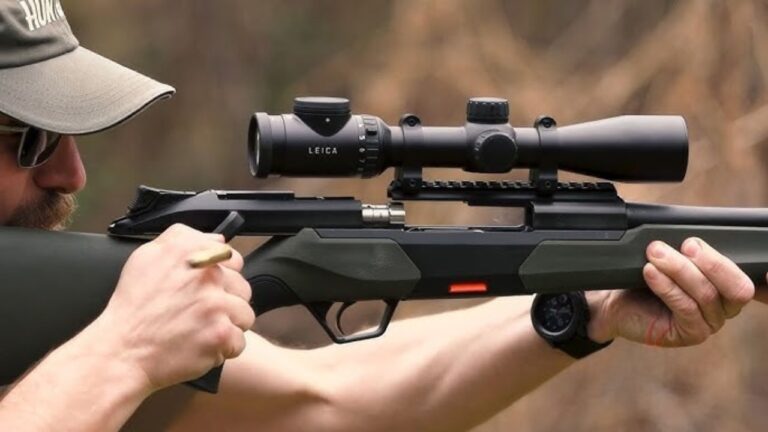
A rifle can have a good barrel, solid bedding, and decent glass, but a bad trigger will still make it frustrating. Savage understood that better than a lot of companies in the affordable rifle market. The AccuTrigger changed the conversation because it gave factory rifle buyers a crisp, user-adjustable trigger with a built-in safety blade. Savage says the Model 110 received the AccuTrigger in 2003, and every 110 since has come with it from the factory.
That mattered because shooters had gotten used to replacing factory triggers if they wanted a rifle to feel right. Savage gave them something better right out of the box. It was not a custom benchrest trigger, but it was a major step forward for hunting rifles at reachable prices. The AccuTrigger made people judge competing rifles differently. Once buyers realized an affordable rifle could come with a good trigger, they started asking why other companies were still shipping heavy, gritty ones.
The AccuTrigger Forced Other Brands to Pay Attention

The AccuTrigger did not only help Savage sell rifles. It forced the broader rifle market to respond. After Savage made an adjustable factory trigger a major selling point, other companies had to get more serious about their own trigger systems. Ruger, Mossberg, Winchester, Tikka, and others all had to pay attention to the fact that buyers were now asking about trigger pull before they ever got to the cash register.
That is the kind of change that proves Savage was ahead of the curve. For years, factory triggers on hunting rifles were often treated like something the buyer could fix later. Savage made the trigger part of the rifle’s value from day one. That helped regular hunters shoot better without immediately spending money on aftermarket parts. It also gave new shooters a cleaner learning experience. A better trigger will not make a bad shooter great, but it absolutely helps a decent rifle show what it can do.
Savage Figured Out Stock Fit Was Not One-Size-Fits-All

Savage kept pushing the idea that fit matters. The AccuFit system gave shooters adjustable length of pull and comb height on certain rifles, which helped regular hunters get behind the scope more naturally. That sounds obvious now, but for years, factory rifles came with stocks that fit “average” shooters and left everyone else to adapt. If the comb was too low, the scope picture was awkward. If the length of pull was wrong, the rifle never felt settled.
Savage saw the problem and built a practical answer into factory rifles. This mattered for young shooters, smaller-framed hunters, bigger guys, women, and anyone running modern optics that sit higher than old low-mounted scopes. A rifle that fits better is easier to shoot well. Savage understood that accuracy is not only about barrels and ammo. It is also about whether the shooter can mount the rifle consistently and get a clean sight picture without fighting the stock.
Savage Made Affordable Long-Range Rifles Feel Realistic
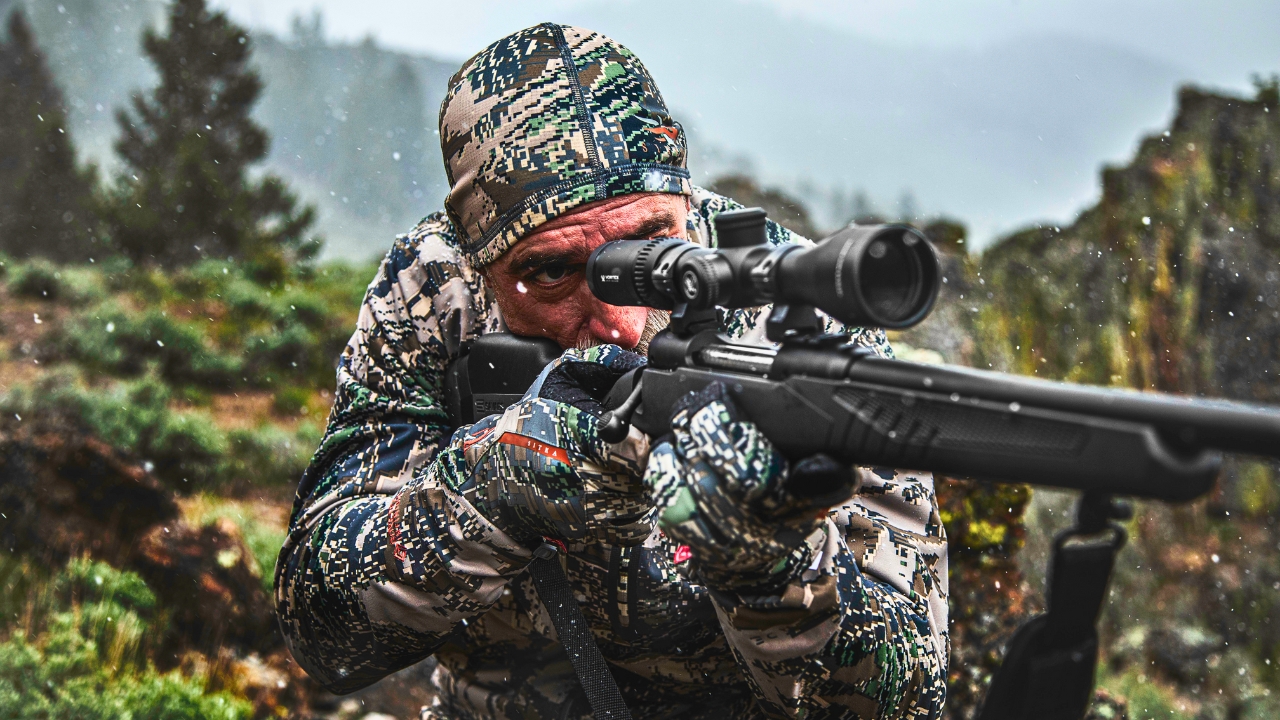
Savage was early to understand that regular shooters wanted a way into long-range shooting without ordering a full custom rifle. The company built heavy-barreled varmint rifles, tactical-style rifles, and later precision-focused models that gave shooters real accuracy potential at prices that did not feel completely out of reach. Before factory precision rifles became a crowded category, Savage had already earned a reputation among people who wanted to stretch distance on a budget.
That mattered because long-range shooting can get expensive fast. Rifles, optics, bases, rings, bipods, ammo, bags, chronographs, and range time all add up. Savage gave shooters a way to spend less on the rifle and still have a platform that could perform. Not every Savage precision-style rifle was refined, but many of them shot. That gave the brand credibility with varmint hunters, paper shooters, and entry-level long-range guys who cared more about groups than bragging rights.
Savage Knew Varmint Shooters Wanted Heavy-Barrel Accuracy

Varmint hunters were a natural fit for Savage. Coyotes, prairie dogs, groundhogs, and other small targets expose a rifle’s weaknesses fast. Savage leaned into heavy-barreled rifles that could handle more shooting and deliver the kind of accuracy varmint hunters wanted. The company offered rifles in practical varmint chamberings like .223 Remington, .22-250 Remington, and others, giving shooters options that made sense for real predator and varmint work.
This helped Savage build a reputation beyond deer rifles. A deer hunter may only fire a couple of shots in a season, but a varmint shooter might spend a whole day testing a rifle’s consistency. If a gun strings badly, heats up too fast, or will not group with good ammo, the owner finds out quickly. Savage rifles earned trust in that world because many of them punched above their price. That kind of use proves more than a pretty catalog photo ever could.
The Model 99 Was Ahead of Its Time

The Savage Model 99 was one of the smartest lever guns ever built. It was hammerless, sleek, and used a rotary magazine on many versions instead of a traditional tubular magazine. That mattered because it allowed the use of pointed bullets in a lever-action rifle, avoiding the safety problem of pointed bullets sitting tip-to-primer in a tube magazine. The Model 99 family ran from the old Model 1899 era into the late 20th century, and the design still has a cult following.
That rifle showed Savage was not afraid to think differently. Winchester and Marlin owned the classic lever-action image, but Savage took another path. The Model 99 gave hunters faster handling than a bolt action with ballistics that could stretch farther than many traditional lever rounds. It was not as iconic in the cowboy sense, but it was arguably more forward-thinking. Savage figured out long ago that lever guns did not have to be trapped by old ammunition limitations.
Savage Helped Keep the .300 Savage in the Conversation
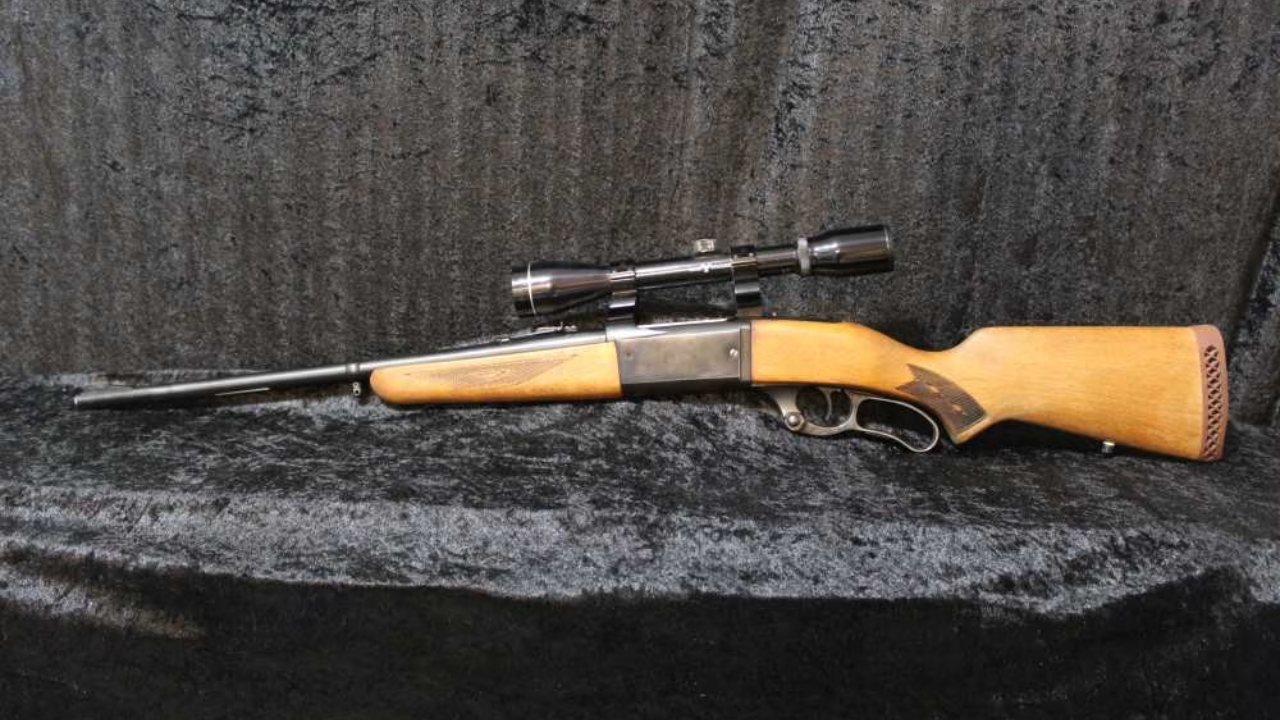
The .300 Savage is one of those cartridges that gets overlooked now, but it mattered. It offered solid .30-caliber hunting performance in a shorter action and became strongly tied to the Model 99. It was designed to give hunters useful power in a compact package, and for years it handled deer and similar game just fine. The cartridge also influenced later thinking around short-action .30-caliber performance.
Savage fans still respect the .300 Savage because it represents the company’s practical side. It was not about chasing the biggest case or loudest magnum. It was about giving hunters enough performance in a rifle that carried and handled well. That is very Savage. The company has often done its best work when it focuses on real hunters instead of bragging rights. The .300 Savage may not dominate shelves today, but it still shows how far ahead the company could be when it matched rifle design and cartridge design together.
The Axis Made the Entry-Level Rifle Market More Competitive

The Savage Axis became a major part of the budget bolt-action conversation after its launch in 2010. Savage has described the Axis as a rifle that went through a long journey from its original launch to the updated 2024 line, with many variations landing in the hands of Savage shooters along the way.
What the Axis did was simple: it gave new hunters and budget-conscious buyers a rifle that could get them into the field without spending much. Early Axis rifles were plain, and some shooters did not love the stock or feel. But the rifles often shot well enough to make people pay attention. That forced other budget rifles to get better. When affordable rifles can deliver real hunting accuracy, the whole entry-level market improves. Savage helped make that happen by refusing to treat low price as an excuse for poor performance.
Savage Understood Youth Rifles Needed to Be Real Guns
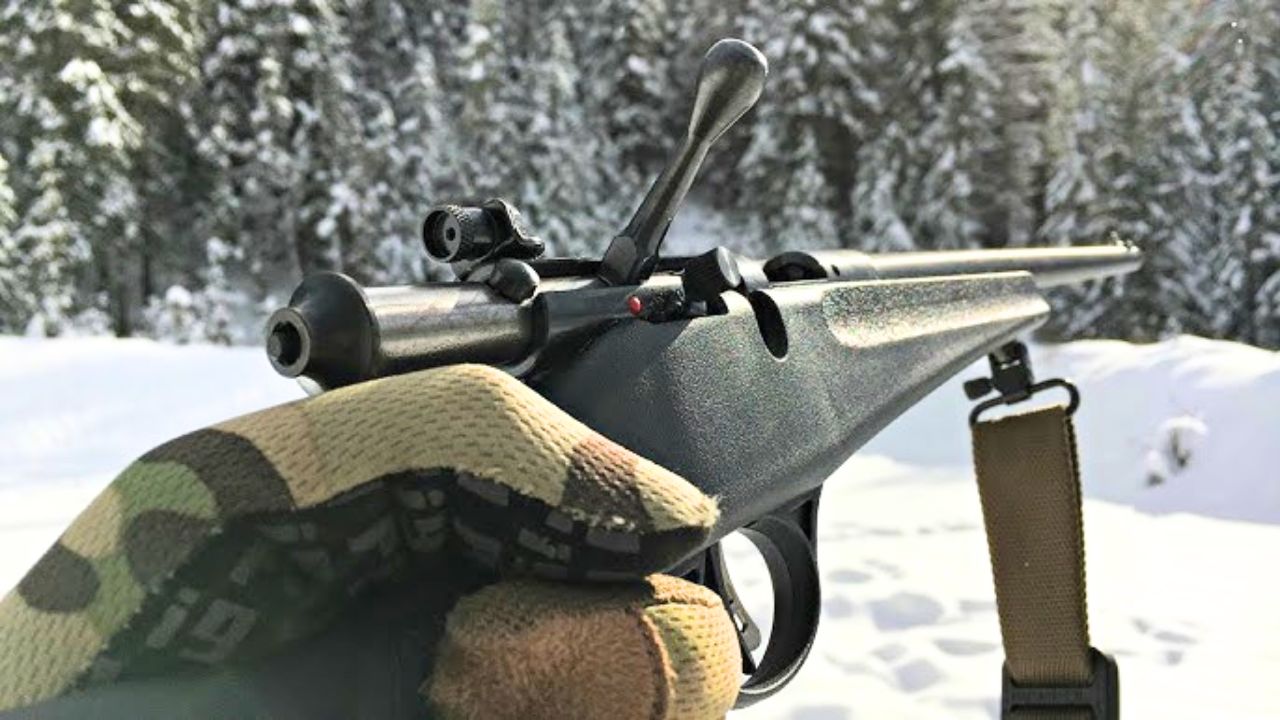
Savage has also done well by taking youth and beginner rifles seriously. The Rascal, introduced in 2012 according to Savage’s company timeline, gave young shooters a small, simple .22 LR designed around their size instead of expecting them to struggle with an adult rifle cut down as an afterthought.
That matters because first rifles leave a mark. A kid who learns on a gun that fits, functions safely, and feels manageable is more likely to build good habits. Savage understood that a youth rifle should not be junk. It should be simple, safe, and confidence-building. The Rascal helped the company reach families, 4-H kids, new shooters, and parents who wanted a reasonable way to introduce rimfire shooting. That kind of product builds brand loyalty early, and it does it for the right reason.
Savage Survived by Cutting Back and Getting Serious

Savage’s history was not all smooth. The company went through hard years, including bankruptcy in the late 1980s. What makes the story interesting is how the brand came back by focusing on what it could do well. Instead of trying to be everything at once, Savage leaned into bolt-action rifles, accuracy, affordability, and practical innovation. That focus helped rebuild trust.
Shooters respect that more than companies probably realize. A brand that survives a rough chapter by getting serious about its core products earns a different kind of credibility. Savage did not win people back with fancy image work. It did it by making rifles that shot well and by adding features that actually helped the shooter. The AccuTrigger, the 110 line’s evolution, and later stock systems all came out of a company that seemed to understand it had to prove itself on performance.
Savage Made Performance More Important Than Polish

The main thing Savage figured out before a lot of rifle makers was that many shooters would choose performance over polish if the rifle proved itself. A Savage might not have the prettiest stock, the smoothest bolt, or the deepest finish in its price class. But if it grouped well, had a good trigger, and filled the freezer, a lot of hunters were willing to overlook the rest.
That mindset changed the rifle market. It put pressure on other companies to stop leaning only on tradition or appearance. Shooters started asking harder questions. How does it shoot? How is the trigger? Can I adjust the stock? Can I get it in left-hand? Can I afford to buy it and still have money for decent glass? Savage answered those questions earlier and better than many brands. That is why serious rifle guys still respect the name, even when they know the guns are not always pretty.
Like The Avid Outdoorsman’s content? Subscribe to our newsletter so you never miss an article.
Here’s more from us: