
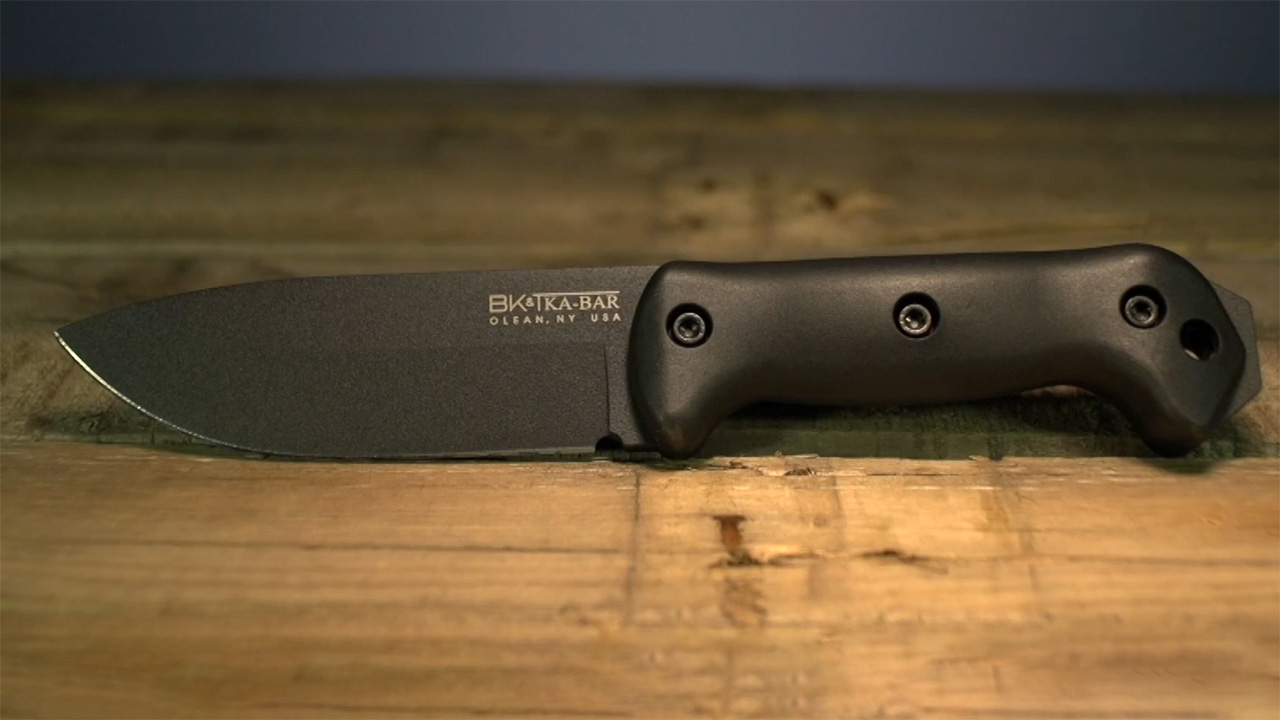
Photo credit: KA-BAR/Youtube
Batoning is one of those tasks that exposes weak knives fast. If the tang is narrow, the heat treat is off, the handle hardware is cheap, or the spine is too thin, you’ll find out the hard way — usually when the blade starts twisting in the split or the handle starts shifting. A good batoning knife doesn’t have to be huge, but it does need a real full tang (or a proven hidden tang design), stout spine, solid handle attachment, and enough blade geometry to split instead of wedge and bind. These are 15 fixed blades that have a reputation for taking batoning abuse without loosening up or failing.
Ka-Bar Becker BK2 Campanion
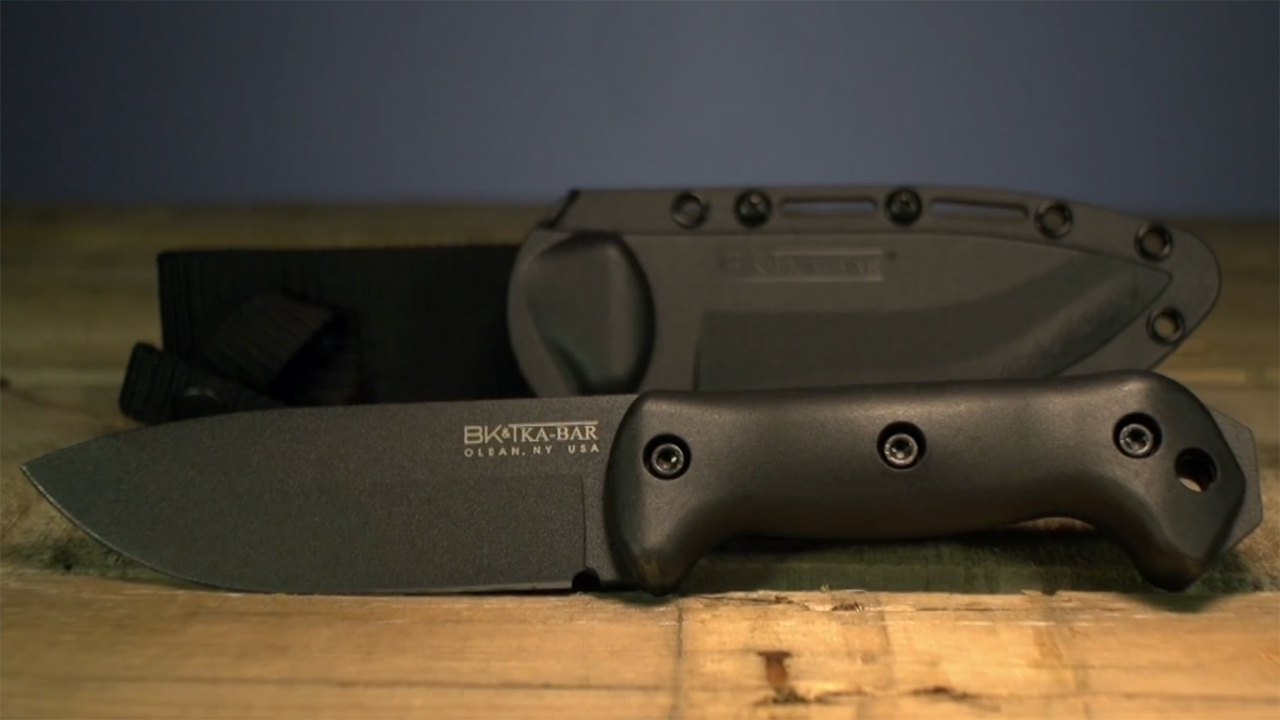
The BK2 is basically the “yeah, go ahead and beat on it” knife. It’s thick, full tang, and built like it expects to be hammered through stubborn wood. When you baton, the spine takes repeated impacts, and the BK2’s thickness and overall mass help it drive through knots without flexing or feeling like it’s getting shocked apart. It’s also heavy enough that it doesn’t feel fragile when you’re working in cold weather and your swings are less controlled than you’d like.
The other reason it survives batoning is the simple, bombproof construction. Handle scales are straightforward, hardware is robust, and the knife tolerates dirt and neglect better than most. It’s not a slicey, delicate knife — and that’s fine. If your priority is “I need a fixed blade I can baton with and not worry,” this is one of the most proven answers.
Ka-Bar Becker BK7

The BK7 is a great middle ground between “camp knife” and “small machete,” which makes it excellent for batoning thicker pieces without feeling like you’re maxing out your blade length. The spine is stout, the tang is real, and the knife has enough reach to split longer sections cleanly. When you’re batoning, blade length matters because a short blade can bind more easily in thicker wood, especially if you’re splitting knots or wet rounds.
It also handles repeated impacts well because the design is simple and tough. It’s not built around fancy handle materials or light weight. It’s built around durability. If you’re doing camp processing — splitting kindling, breaking down deadfall, making quick feather sticks after — the BK7 stays stable and doesn’t feel like it’s going to loosen up after a weekend of being used like a tool.
Ontario RAT-5
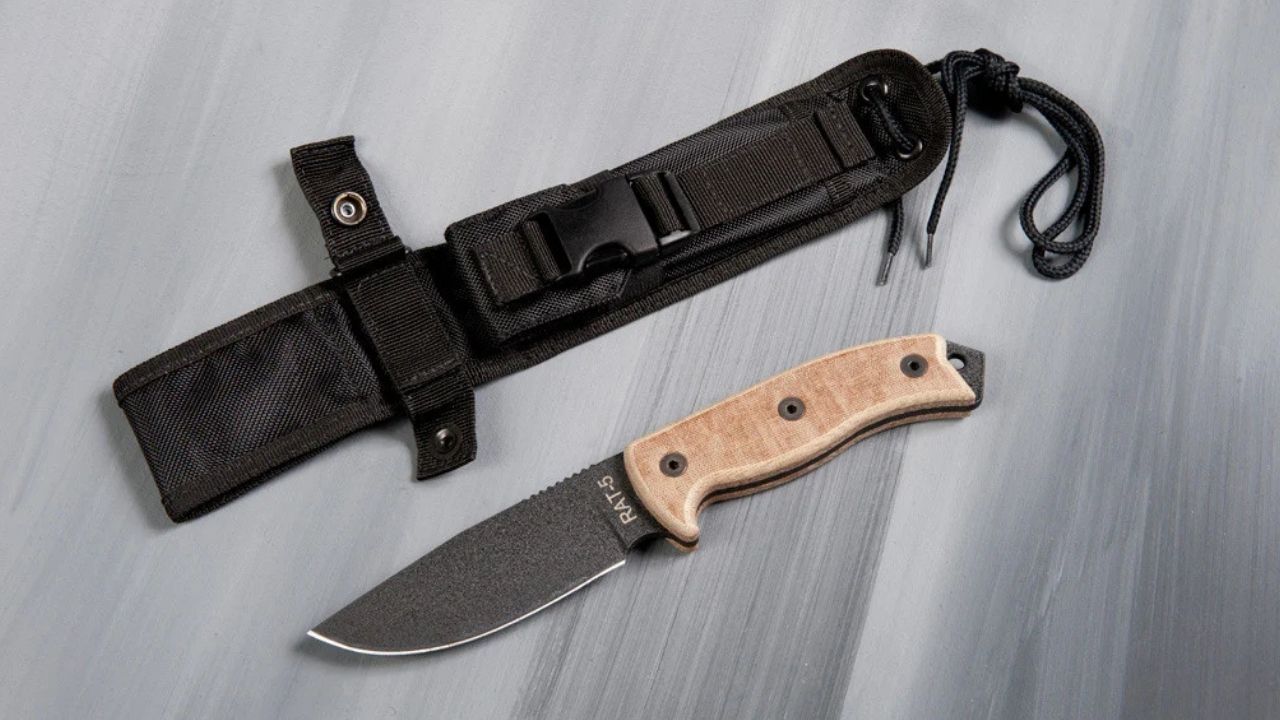
The RAT-5 is one of those knives that quietly earned respect because it does hard work without drama. It’s full tang, has a spine that can take a beating, and it’s sized right for batoning the kind of wood most people actually baton — wrist-thick branches up to medium rounds for kindling. It doesn’t feel like a display knife. It feels like a working knife that expects contact with dirt, moisture, and rough handling.
What matters with batoning is not just “will it survive,” but “will it stay tight.” The RAT-5’s construction tends to hold up because the knife isn’t trying to be ultralight or thin. It has enough thickness to resist twisting forces when the split starts to bind. If you want a tough, affordable blade you can baton with all season without babying it, this one has a strong track record.
Ontario SP-5 Survival Bowie

Ontario’s SP line is known for being overbuilt and uncomplicated, and the SP-5 has enough blade length and spine thickness to make batoning easier, not harder. Longer blades help you split without wedging up so fast, especially if you’re working on bigger pieces of wood. When you baton with a short blade, you can end up striking close to your hand and getting awkward. The SP-5 gives you room to work.
The handle and tang setup are also designed for abuse. This isn’t a knife built around finesse — it’s built around “it will still be fine after you do dumb camp chores with it.” If you want a camp knife that can baton wood, chop in a pinch, and generally take rough treatment without loosening up, the SP-5 is a practical, proven option.
Condor Bushlore

The Bushlore is popular because it’s simple, comfortable, and capable — and it can baton far better than people expect for a more traditional bushcraft-style knife. It’s built to handle wood processing, and that includes splitting smaller rounds and making kindling without the handle shifting or the blade feeling fragile. The blade geometry is friendly for carving, but it still has enough backbone to take batoning when you need it.
The main reason it holds up is that it’s not trying to be a paper-thin slicer. It has enough thickness to tolerate impact and twisting. Batoning doesn’t just stress the edge — it stresses the whole knife when the split binds, and this design tends to stay stable. If you want a wood-focused field knife that can baton regularly without turning into a loose mess, the Bushlore deserves the attention it gets.
Condor Terrasaur

The Terrasaur is one of the better “hard-use budget” fixed blades for people who actually want to baton and not worry about ruining a fancy knife. It’s full tang, durable, and built around a practical outdoor shape that works for kindling, notching, and general camp chores. The spine is baton-friendly, and the overall build feels like it was designed for repeated impacts and rough treatment.
Another big advantage is how easy it is to use and maintain. A knife that’s meant to get dirty and wet and still function is exactly what you want when you’re batoning wood. This one is also easy to sharpen and doesn’t punish you for actually using it. If your goal is a reliable “use it hard” fixed blade that doesn’t loosen up when you baton, the Terrasaur is a smart, realistic pick.
Terävä Jääkäripuukko 140

This knife has a strong reputation among people who actually process wood because it’s built with a no-nonsense Scandinavian “field tool” mindset. The blade is tough, the spine takes batoning well, and it’s the kind of knife that feels stable when you drive it into a split and start hammering. A lot of knives feel fine until the wood pinches hard, then you see flex or handle movement. The Jääkäripuukko is made to tolerate that kind of stress.
What also matters is the handle design. It’s comfortable, but it’s not slick, and it doesn’t feel like it’s going to rotate when you’re pounding through stubborn grain. If you’re in wet conditions, or you’re working with knotty wood that wants to twist your blade sideways, that handle stability matters. This is a legit “baton and keep moving” knife.
Terävä Skrama 240
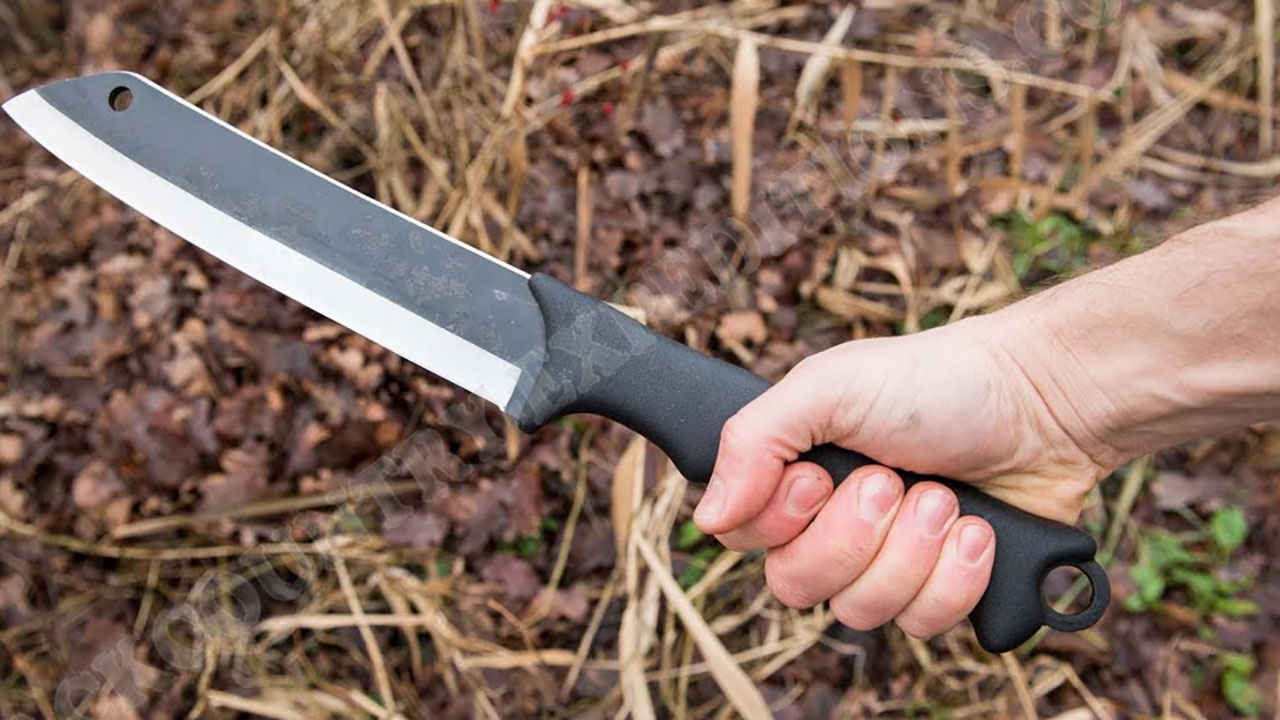
If you want a dedicated wood-processing tool that still feels like a knife, the Skrama 240 is a monster for batoning. The blade length gives you room to split thicker pieces more safely, and the overall design is built for the kind of camp work that breaks lighter knives. Batoning a larger round is always easier with more blade in the wood, because you’re not binding up immediately. The Skrama gives you that advantage.
It also stays tight because it’s designed with heavy use in mind, not showroom appeal. People use these hard — splitting, chopping, notching — and the knife keeps doing its job without developing that “something feels loose now” vibe. If you’re serious about processing firewood at camp and you want one tool that can baton all day without feeling pushed to the limit, this is one of the best values in the category.
Morakniv Companion Heavy Duty

The Companion HD surprises people because it’s affordable and light, but the heavy-duty version is built tougher than the standard one, and it can baton small-to-medium wood better than many “tactical” knives that cost more. It’s not the blade you choose for pounding through thick knots all weekend, but for splitting kindling, making feather sticks, and breaking down camp wood, it’s a very capable tool if you use it within reason.
The key is understanding the job. For the size wood most people baton — wrist-thick branches, smaller rounds for starting fires — the Companion HD can do the work without the handle loosening or the blade failing. It’s also easy to keep sharp, which matters because batoning often leads to more edge work afterward. If you want a budget-friendly fixed blade that can handle real camp wood processing without falling apart, this one is hard to beat.
SOG Pillar

The Pillar was built as a hard-use fixed blade, and it shows in the way it handles impact tasks like batoning. It’s full tang, sturdy, and the spine is made for being struck. The handle gives you control even when you’re sweaty or wet, and the overall design doesn’t feel delicate. When you’re batoning, you want a knife that doesn’t give you “this is too nice for this” hesitation — the Pillar is the opposite of that.
What makes it a strong batoning knife is how stable it stays under side loads. Batoning often creates twisting force when the split binds and the wood grabs the blade. A knife that feels rigid and secure in that moment is safer and more effective. The Pillar tends to stay confidence-inspiring through repeated abuse, which is why it’s a favorite for people who want one fixed blade to do hard camp work.
Buck Selkirk

The Selkirk is one of Buck’s more “camp ready” fixed blades, and it’s built to handle wood processing without feeling like it’s going to loosen up. It has a stout spine, a practical blade shape, and a handle that gives good control when you’re striking and splitting. Batoning is often more about grip security than people admit, because if your hand shifts during impacts, the whole process gets sketchy fast. The Selkirk’s handle design helps keep you planted.
It’s also a knife that feels meant for normal outdoors use — not fragile, not fussy. If you’re building a fire in damp conditions and you need reliable kindling, being able to baton down to dry inner wood matters. The Selkirk is a good example of a knife that’s designed to do those chores without drama, and without turning into a loose, rattly mess.
Benchmade Puukko

Benchmade’s Puukko is built around controlled outdoor work, and while it’s not an oversized chopper, it’s a strong batoning option for splitting kindling and smaller rounds. The blade has enough strength for impact work, and the handle stays secure even when wet, which is a big part of safe batoning. A lot of “nice” knives have handles that look good but don’t give you great traction when things get damp. This one tends to stay usable.
It also shines because it’s easy to control. Batoning isn’t always about splitting huge chunks — it’s often about precise fire prep: splitting down to dry wood, making smaller sticks, and keeping your cuts clean. The Puukko’s design supports that kind of work without feeling flimsy. If you want a refined but still hard-use fixed blade that can baton regularly without loosening up, it’s a strong pick.
Fällkniven S1

If you want a fixed blade that’s known for toughness and stability in rough work, the S1 is built for it. It has the size and backbone to baton wood confidently, and it’s designed to hold up under abuse where lesser knives start feeling questionable. Batoning can create weird loads when the blade binds — you want a knife that doesn’t feel like it’s flexing or stressing at the handle junction. The S1’s overall construction is meant for serious field use.
Another big plus is how it handles wet, cold, and dirty conditions. Batoning usually happens when you’re building fire in less-than-perfect weather, which means your hands are cold, you’re rushed, and the wood is stubborn. This is the kind of knife you can keep pushing without feeling like you’re gambling. It’s not cheap, but it has the reputation of being a long-term tool, not a seasonal toy.
Schrade SCHF36

The SCHF36 is a budget fixed blade that gets mentioned a lot because it’s full tang, thick, and surprisingly willing to take abuse. It’s the type of knife people buy to beat up on purpose — batoning, chopping small wood, and doing rough camp work — because the cost doesn’t make them flinch every time the spine gets hit. And for batoning, that mindset matters, because hesitation is how you start making sloppy strikes.
Where it earns its place is staying intact through repeated impacts. It’s not a premium knife with perfect fit and finish, but it’s built in a way that generally keeps going when you use it hard. If you want a “good enough to baton a ton of wood” fixed blade without spending big money, the SCHF36 is one of the more proven budget options that doesn’t immediately loosen up or fall apart.
LionSteel M7

The M7 is built as a robust fixed blade that’s comfortable for real work, and it can baton wood reliably because it’s designed with strength and stability in mind. The handle ergonomics are a big part of it. When you’re batoning, you’re gripping hard and taking impacts — a handle that stays locked in, without creating hot spots, keeps you safer and more effective. The M7’s design tends to feel secure in the hand even during longer wood-processing sessions.
It also has the structural confidence you want when you’re driving a knife through a split and the wood starts fighting back. Batoning isn’t glamorous, but it’s a real test of a knife’s build. The M7 holds up because it’s not built as a thin, delicate slicer. It’s built to be a field tool that can take real stress and stay tight.
Like The Avid Outdoorsman’s content? Subscribe to our newsletter so you never miss an article.
Here’s more from us:


