
Photo credit: sootch00/Youtube
Gun trends have a short memory. A certain stock style gets hot, a cartridge has its moment, everyone wants a specific carry size, or some new feature suddenly makes older guns look behind the times. Then the excitement cools off, and the guns that were actually useful keep sitting there with nothing to prove.
That’s usually how the better firearms age. They don’t need to win every trend cycle. They just need to work, shoot well, and stay relevant after the market moves on to the next loud thing. These firearms aged better than the trends around them.
Browning BPS
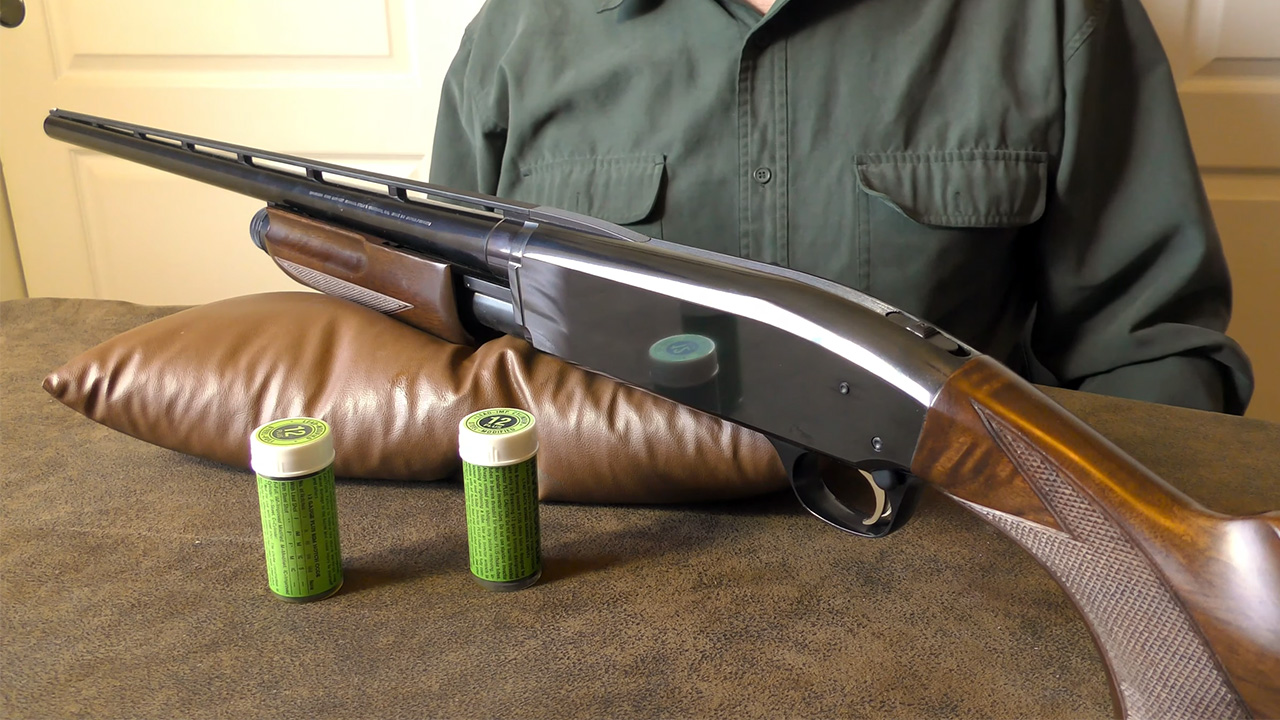
The Browning BPS aged better than a lot of shotgun trends because it never depended on looking flashy. It’s a solid pump shotgun with bottom ejection, a tang safety, and a steel receiver that gives it a more substantial feel than many lighter pumps. It was never the loudest shotgun in the rack, but it earned loyalty from hunters who actually used it.
The bottom-eject design made it friendly for left-handed shooters, and the build quality helped it feel like more than a basic pump. Tactical shotguns, ultra-light pumps, and budget imports have all had their moments, but a good BPS still feels serious. It may be heavier than some hunters prefer, but that weight also helps it feel durable. Some trends fade because they were mostly styling. The BPS aged well because it was built around function.
Ruger SP101
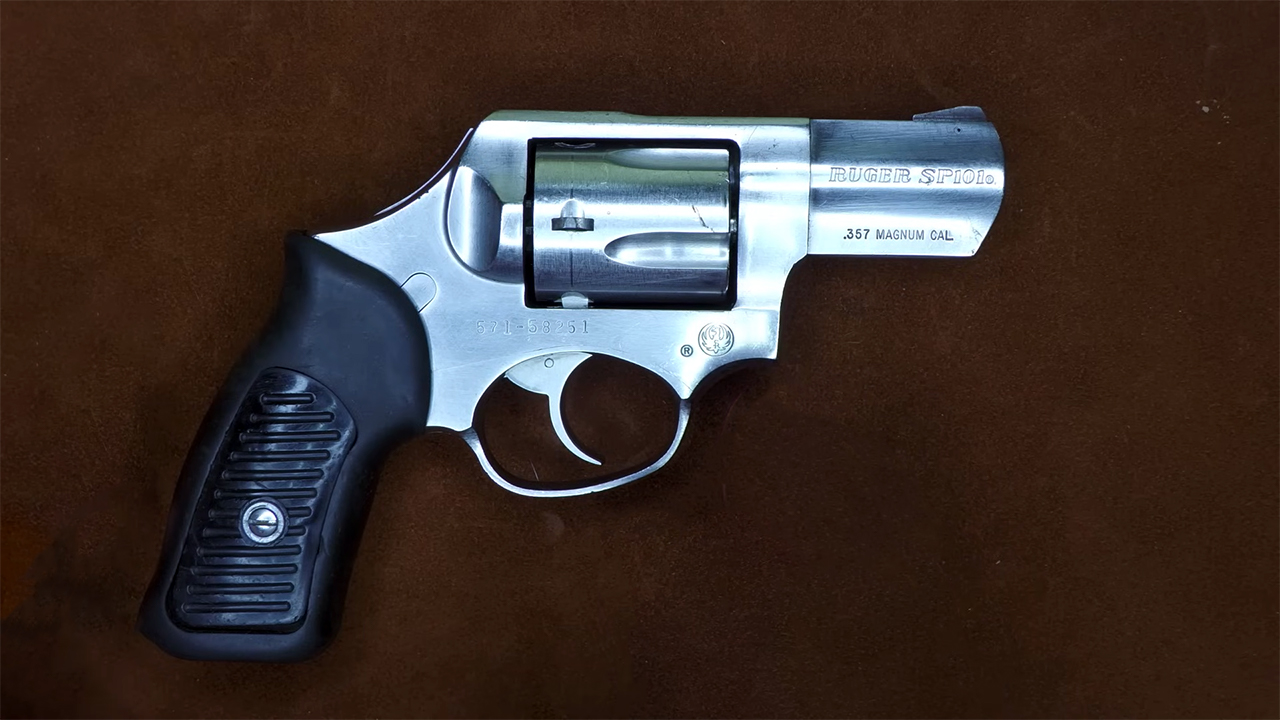
The Ruger SP101 has aged better than the tiny-gun trend because it never tried to be the smallest revolver possible. It is heavier than many snubnose carry guns, and that can look like a drawback if the only goal is minimum weight. But once you actually shoot small revolvers, the SP101 starts making more sense.
That extra weight helps manage recoil, especially with .38 Special and moderate .357 Magnum loads. The revolver feels strong, simple, and built for steady use instead of occasional emergency practice. Ultralight snubs are easier to carry, but many are miserable to shoot well. The SP101 aged well because it understands the tradeoff. A carry gun still needs to be shootable, and this little Ruger gives owners more confidence than its size suggests.
Remington 700 Mountain Rifle

The Remington 700 Mountain Rifle aged better than a lot of lightweight rifle trends because it had a clear purpose before “mountain rifle” became a marketing category. It was light, trim, and easy to carry, but it still felt like a real hunting rifle instead of a hollow experiment built around a scale number.
The slim barrel and lighter stock made it useful for hunters who walked more than they sat. It wasn’t built for long strings at the range, and it didn’t need to be. It was built to carry well and make the first shot count. Modern lightweight rifles can be excellent, but plenty feel too sharp, too flimsy, or too specialized. A good 700 Mountain Rifle still feels like a simple answer to a real hunting problem.
Beretta 390
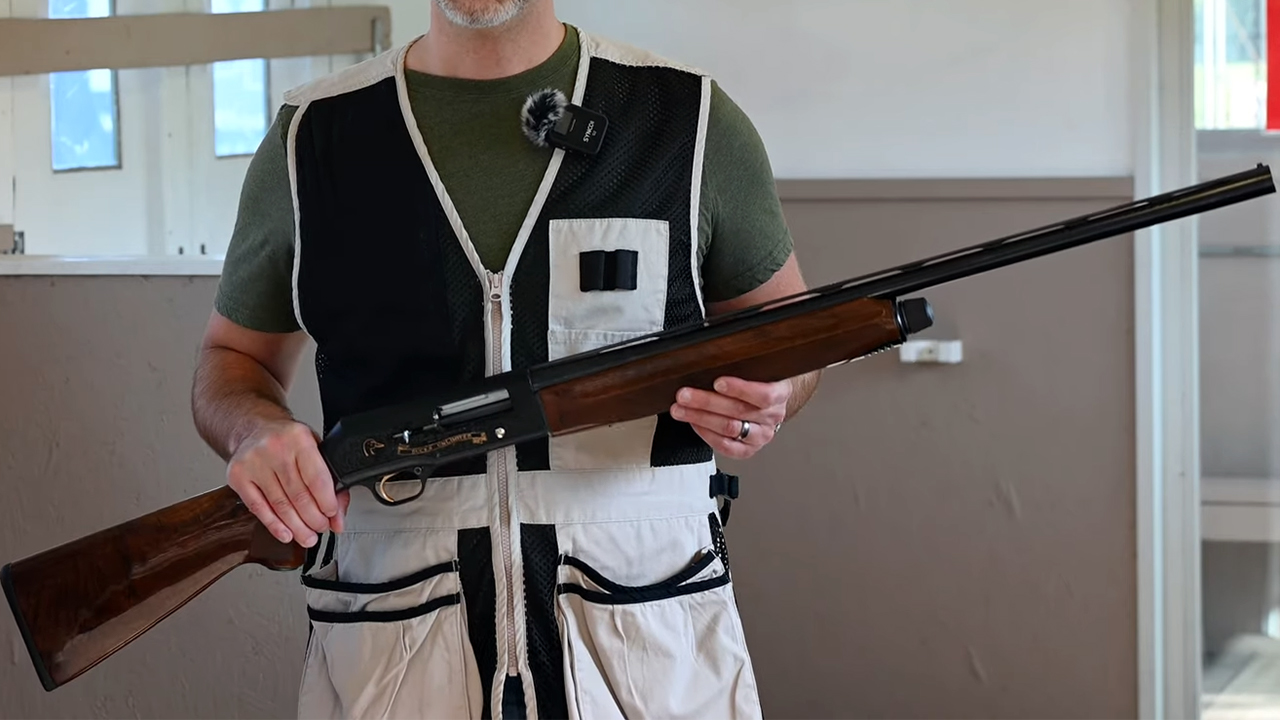
The Beretta 390 aged better than many semi-auto shotgun trends because it earned trust before every shotgun needed oversized controls and aggressive styling. It’s a gas-operated semi-auto with a reputation for soft recoil, reliability, and good field manners. It doesn’t need to look modern to feel useful.
Hunters and clay shooters appreciated the 390 because it worked across a lot of real shooting. It was comfortable during long days, pointed naturally for many people, and held up well when maintained properly. Newer shotguns have more features, more specialized versions, and more dramatic finishes, but the 390 still feels like a shotgun built around shooting rather than selling. That kind of design ages well because the job never changed.
Smith & Wesson 6906

The Smith & Wesson 6906 aged better than the compact pistol trends around it because it offered a practical balance before everyone was chasing the same polymer formula. It was an alloy-framed, compact, double-stack 9mm with DA/SA controls and a stainless slide. For years, it was just an old service-style compact.
Now, it looks smarter than many expected. The 6906 carries reasonably well, shoots softer than many smaller pistols, and has a level of metal-frame confidence that modern lightweight carry guns don’t always match. Capacity is modest by current standards, and parts support takes more attention than current-production guns. But as a compact pistol that balances carry and shootability, it aged better than a lot of trendier pistols that came and went.
Ruger No. 1
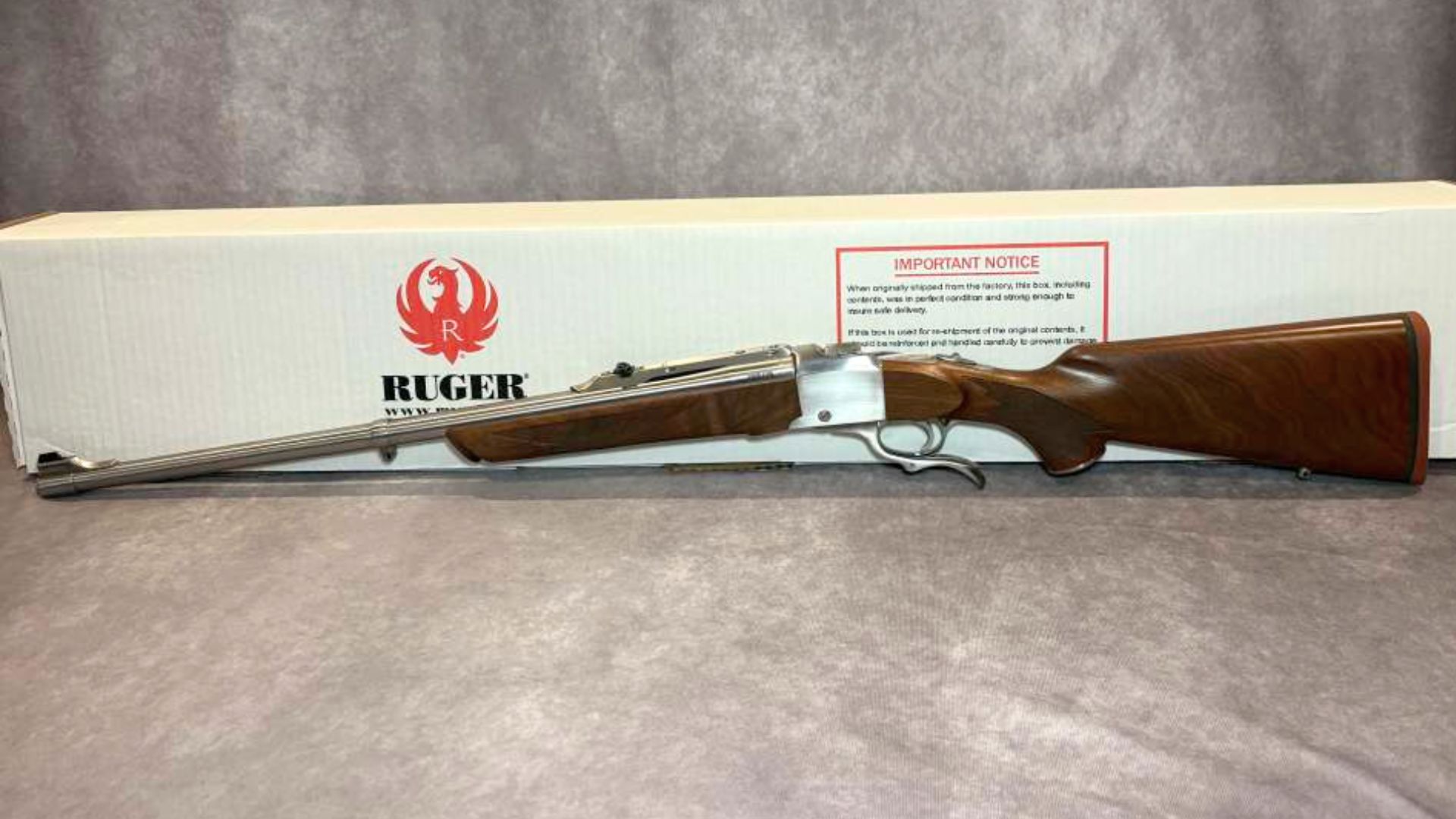
The Ruger No. 1 aged better than plenty of rifle trends because it never tried to compete with them. It is a single-shot falling-block rifle in a world that keeps chasing speed, capacity, and modularity. That should make it irrelevant, but it doesn’t. If anything, the No. 1 feels more special now.
The rifle has strength, character, and a deliberate hunting style that modern repeaters don’t duplicate. It is compact for its barrel length, chambered over the years in all kinds of interesting cartridges, and built around the idea that one good shot matters. That won’t appeal to everyone, but it has aged beautifully for hunters and shooters who want something with identity. Trends usually chase convenience. The No. 1 aged well by refusing to.
CZ 452
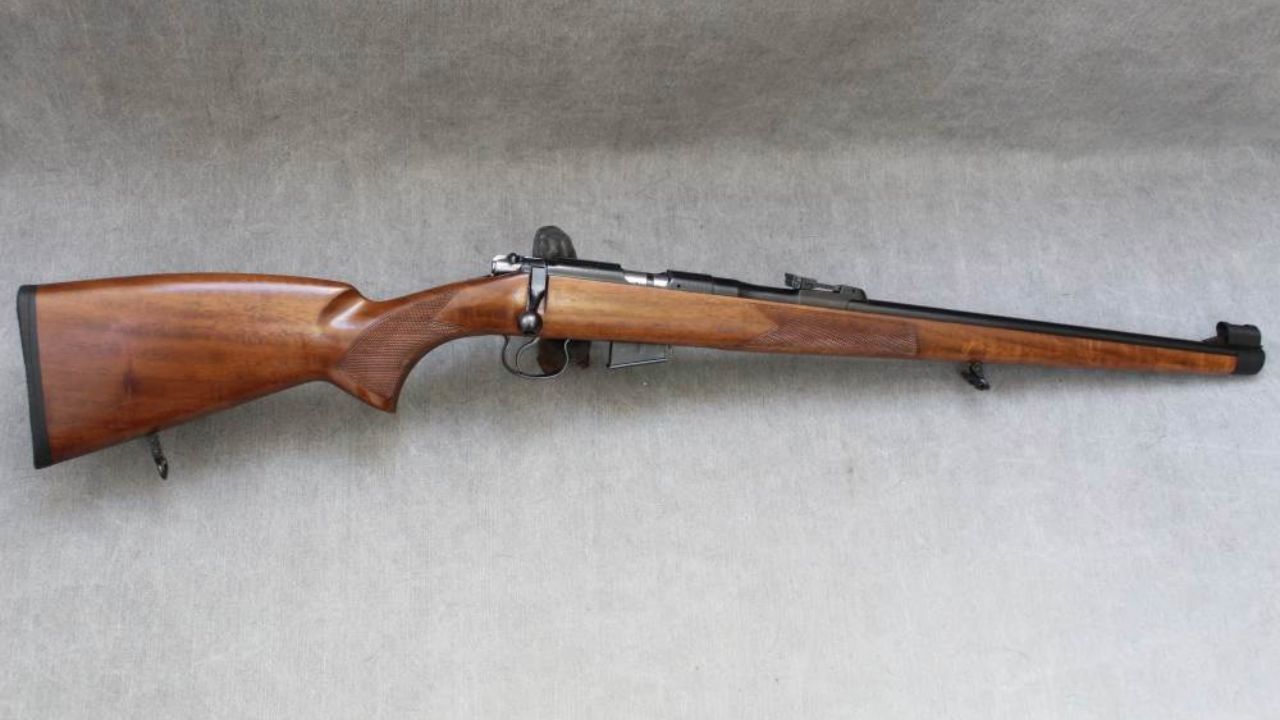
The CZ 452 aged better than a lot of rimfire trends because it was built like a real rifle. While the market kept bouncing between cheap semi-autos, tactical .22s, and heavy precision trainers, the 452 kept earning respect as a classic bolt-action rimfire with good accuracy and solid construction.
The action is simple, the trigger can be very good, and the rifle has a level of quality that makes cheap rimfires feel disposable. It works for small game, target practice, and anyone who appreciates a .22 that doesn’t feel like a toy. The newer CZ 457 improved some practical details, but the 452 still has a loyal following for good reason. It aged well because good rimfire rifles don’t stop being useful.
Colt Officer’s ACP
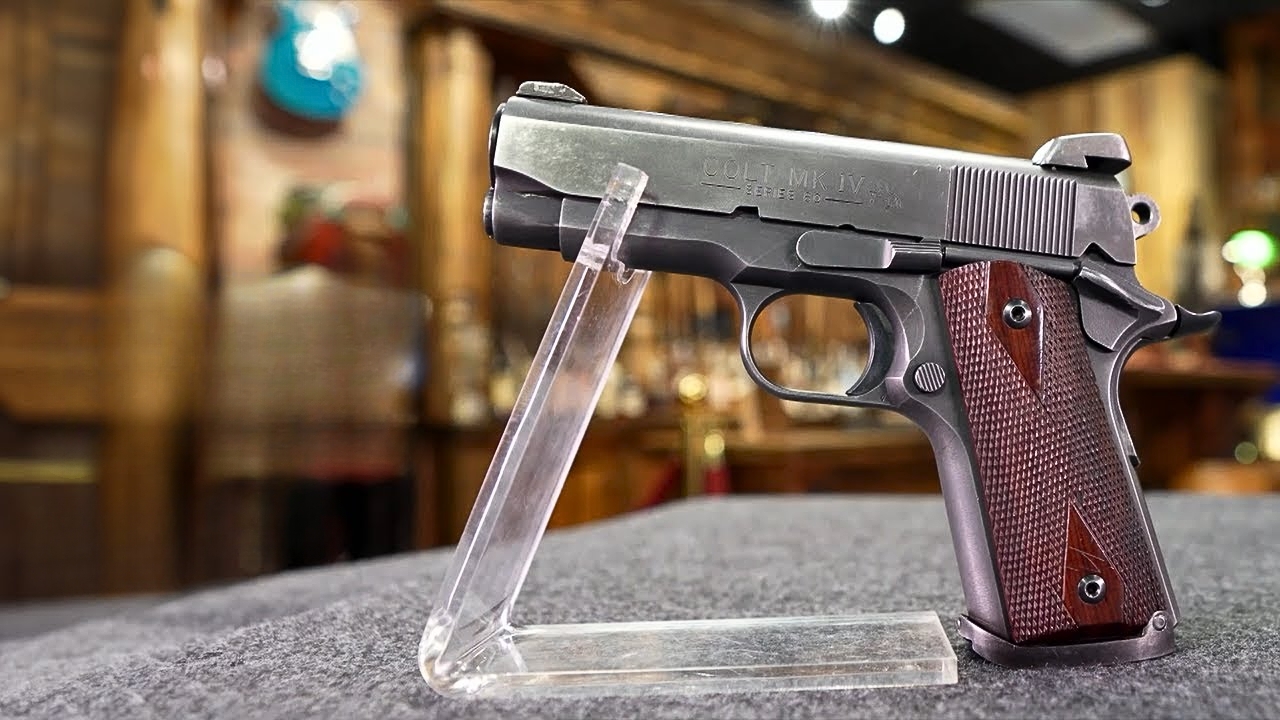
The Colt Officer’s ACP aged better than some compact 1911 trends because it helped define the idea of a shortened 1911 for carry before the market got flooded with every possible variation. It was not perfect, and compact 1911s always demand careful testing and good maintenance. But the concept had staying power.
The appeal is simple: a real 1911 feel in a smaller package. The trigger, slim grip, and familiar controls gave 1911 shooters something they could carry more easily than a full-size Government Model. Later compact carry pistols beat it on capacity, weight, and simplicity, but they don’t always offer the same feel. The Officer’s ACP aged well because it still appeals to people who value the 1911 experience over the latest carry trend.
Winchester Model 70 Classic Stainless
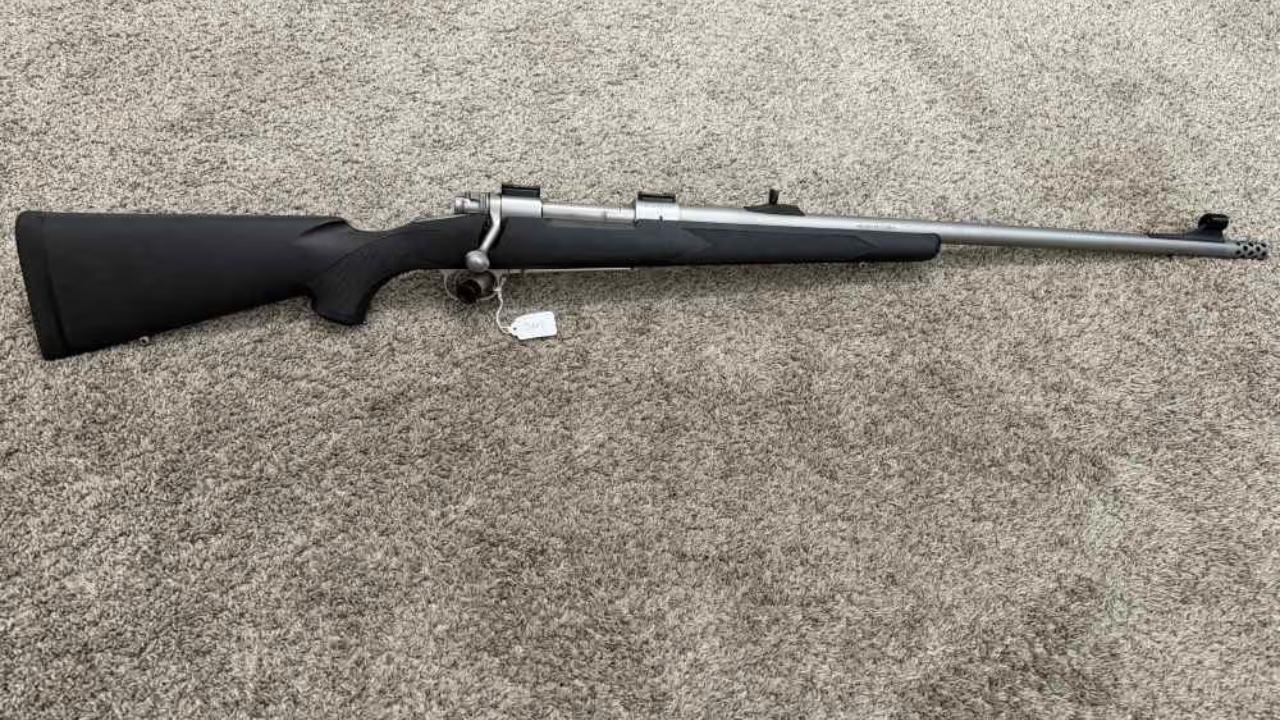
The Winchester Model 70 Classic Stainless aged better than many weather-rifle trends because it combined old field confidence with practical materials. Controlled-round feed, a three-position safety, stainless construction, and a synthetic stock gave hunters a rifle that could handle rough conditions without feeling like a cheap plastic tool.
A lot of newer rifles are lighter and more affordable, but not all of them feel as trustworthy. The Classic Stainless has substance. It feels like a rifle built to hunt hard and last, not one built to meet a trend for a few seasons. In wet climates, cold weather, or rough country, that matters. Weather resistance is useful. Weather resistance paired with a proven hunting action is even better.
HK USP
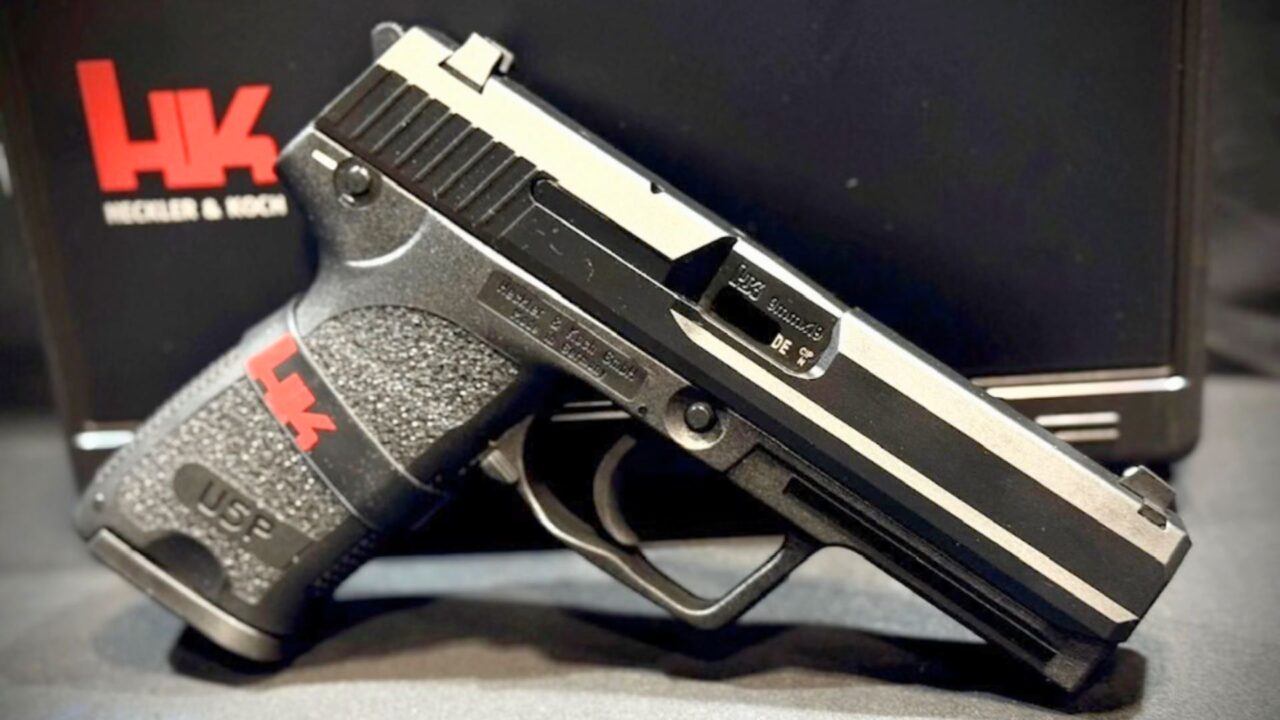
The HK USP aged better than the polymer pistol trends around it because it was built like durability mattered more than fashion. It is chunky, expensive, and not as ergonomic as many modern striker-fired pistols. Those things are true. They also don’t erase why the USP still has respect.
The pistol feels serious. It handles recoil well, offers multiple trigger/control variants, and has a reputation for hard use that newer pistols still get compared against. While the market chased slimmer frames, lighter slides, and lower prices, the USP kept its overbuilt identity. It may not be the most comfortable pistol for every hand, but it aged well because confidence ages better than trendiness.
Marlin 1895 Guide Gun
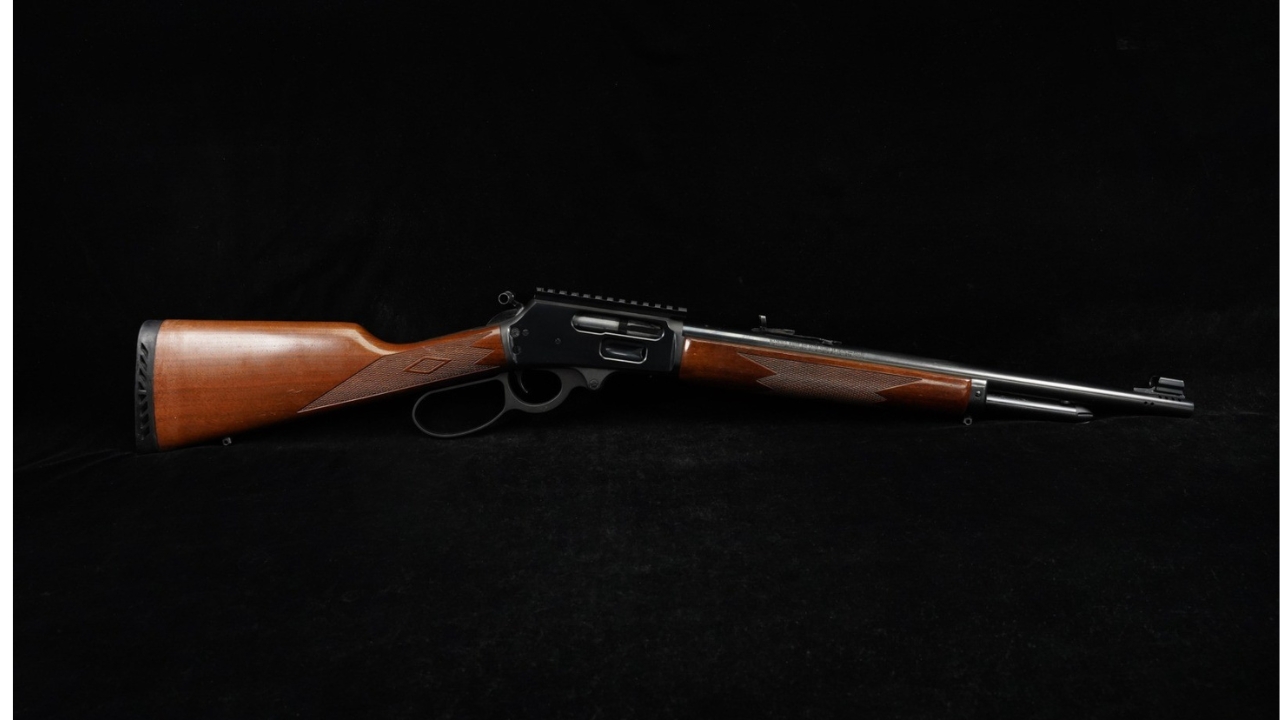
The Marlin 1895 Guide Gun aged better than the tactical lever-action trend because it already had the useful part figured out. It was short, handy, powerful, and chambered in .45-70 Government. It didn’t need rails and wild furniture to make sense in thick cover, bear country, or rough field use.
The Guide Gun gave hunters a compact big-bore lever-action that carried easier than its power suggested. It kicked, sure, especially with heavy loads, but it also delivered close-range authority in a package that felt practical. Modern lever guns can be useful too, but some lean too hard on styling. The old Guide Gun aged well because it was already built around the real reason people wanted a hard-hitting lever rifle.
Walther PPQ M2

The Walther PPQ M2 aged better than many striker-fired pistol trends because it got one thing extremely right: the trigger. Before every new pistol had to be optics-ready, modular, and aggressively textured, the PPQ earned attention by simply being very easy to shoot well.
The grip was comfortable, the trigger was excellent, and the pistol had a smooth, refined feel compared with many polymer competitors. The PDP later took Walther’s line in a more optics-forward direction, but the PPQ still holds up as a pure shooter. It doesn’t need every current feature to remain respected. A pistol with great ergonomics and a great trigger ages well because those things never stop mattering.
Browning BLR Lightweight

The Browning BLR Lightweight aged better than a lot of modern hunting trends because it solved a real problem instead of chasing attention. It gave lever-action fans modern cartridge capability with a rotating bolt and detachable magazine. That meant pointed-bullet cartridges like .243 Winchester, .308 Winchester, and 7mm-08 Remington could live in a lever gun.
That idea still makes sense. The BLR handles quickly, carries well, and offers fast follow-up shots without trapping hunters in traditional tube-magazine ballistics. It’s more complex than a classic lever gun, but the complexity has a point. While many newer rifles are just minor twists on the same bolt-action formula, the BLR remains genuinely different. It aged well because its purpose is still clear.
Smith & Wesson 625

The Smith & Wesson 625 aged better than big-bore handgun trends because it offers power with control. Chambered in .45 ACP in many versions and often used with moon clips, it gives shooters a smooth, accurate revolver that reloads faster than most wheelguns. It never needed magnum blast to be interesting.
That’s why it stayed respected. The 625 is comfortable to shoot, accurate, and extremely useful for range work, competition, and anyone who likes big-bore revolvers without punishing recoil. While huge magnums and tiny carry guns both had their moments, the 625 kept doing something different. It made .45 ACP feel calm and precise in a revolver. That kind of shooting experience ages well.
Savage 99F
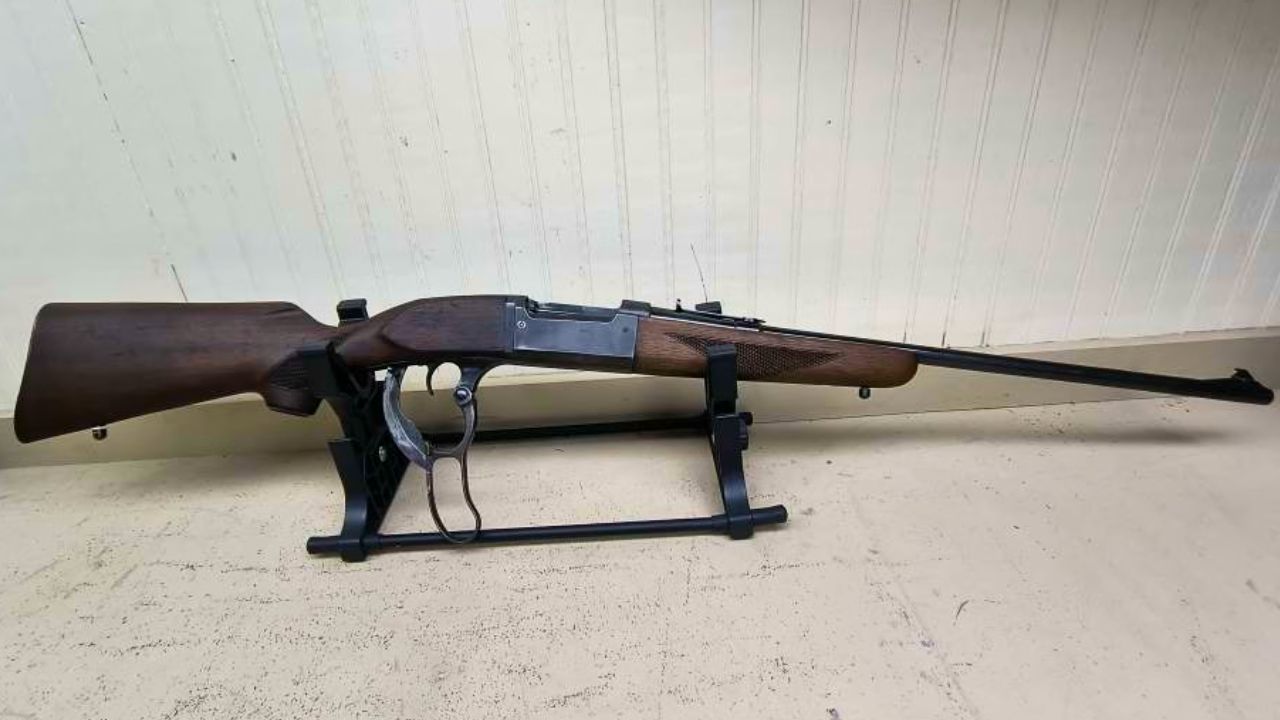
The Savage 99F aged better than plenty of deer-rifle trends because it balanced quick handling with real cartridge performance. It was lighter and handier than some other Model 99 variants, while still giving hunters the benefits of the rotary or detachable magazine system depending on version. That meant pointed bullets and modern cartridges could work in a lever-action package.
A good 99F still feels like a smart woods and mixed-country rifle. It carries well, cycles fast, and has more reach than traditional .30-30 lever guns in the right chambering. It’s more complicated than simpler rifles, so condition matters, but the design remains impressive. It aged well because it wasn’t chasing nostalgia. It was solving real hunting needs before the trends caught up.
Like The Avid Outdoorsman’s content? Subscribe to our newsletter so you never miss an article.
Here’s more from us:


