Photo credit: Scott Osborn/Unsplash.com
Public land hunting has always had crowds in the obvious places, but a couple things have made it feel worse in the last few years: more hunters traveling, more “how-to” intel online, and more access bottlenecks that funnel everyone into the same trailheads and drainages. onX has even published work specifically about how the outdoor experience is changing (including crowding and access challenges).
This list isn’t saying these states are “bad” to hunt. It’s saying the pressure can be brutal because tags are popular, access is tight, or the public land that’s actually huntable ends up acting smaller than it looks on a map.
Colorado
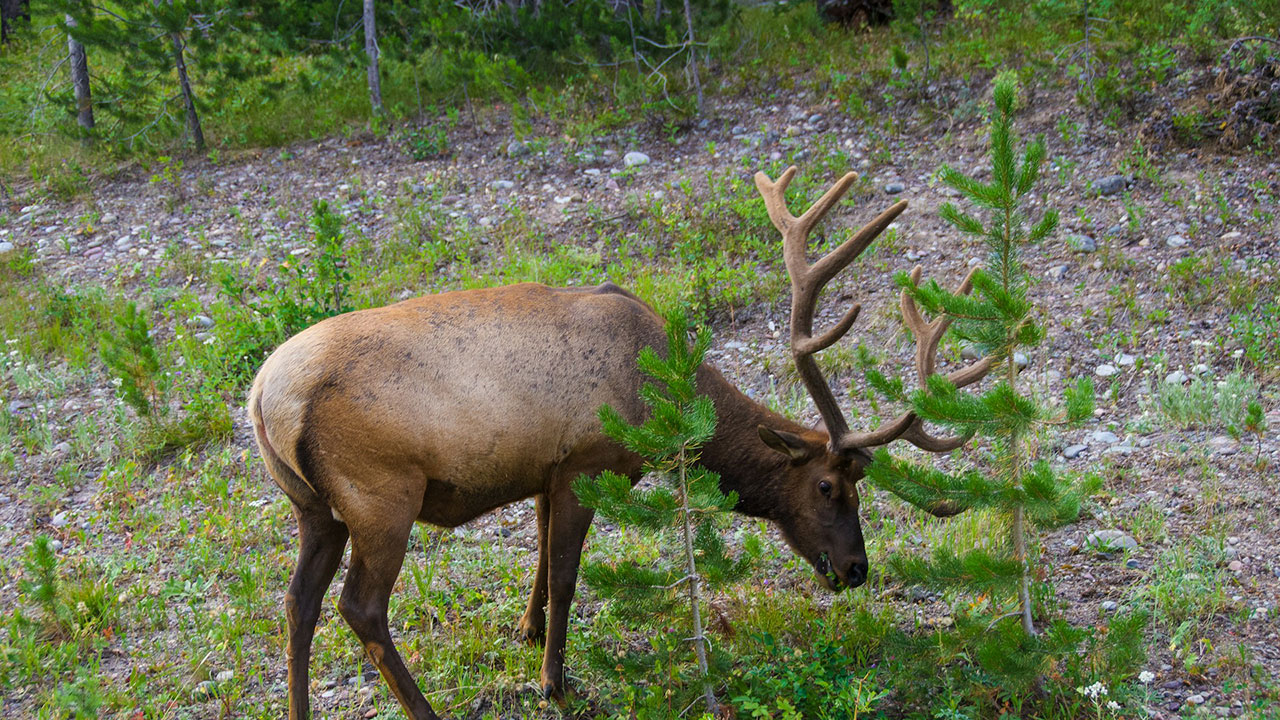
Colorado is the definition of public-land opportunity… and that opportunity draws a pile of people. Over-the-counter and easy-draw elk country is famous for being crowded at access points, especially early season and around roads. In places like the Gunnison Basin, crowding and tag structure have been a hot topic for years, to the point that units and season structures have been debated and adjusted as pressure increased.
The real pressure problem in Colorado is predictability. Everybody knows where the trailheads are, everybody knows what units are “gettable,” and a lot of folks hunt the same handful of basins. You can still get away from people here, but you usually pay for it in miles, elevation, or ugly cover.
Idaho
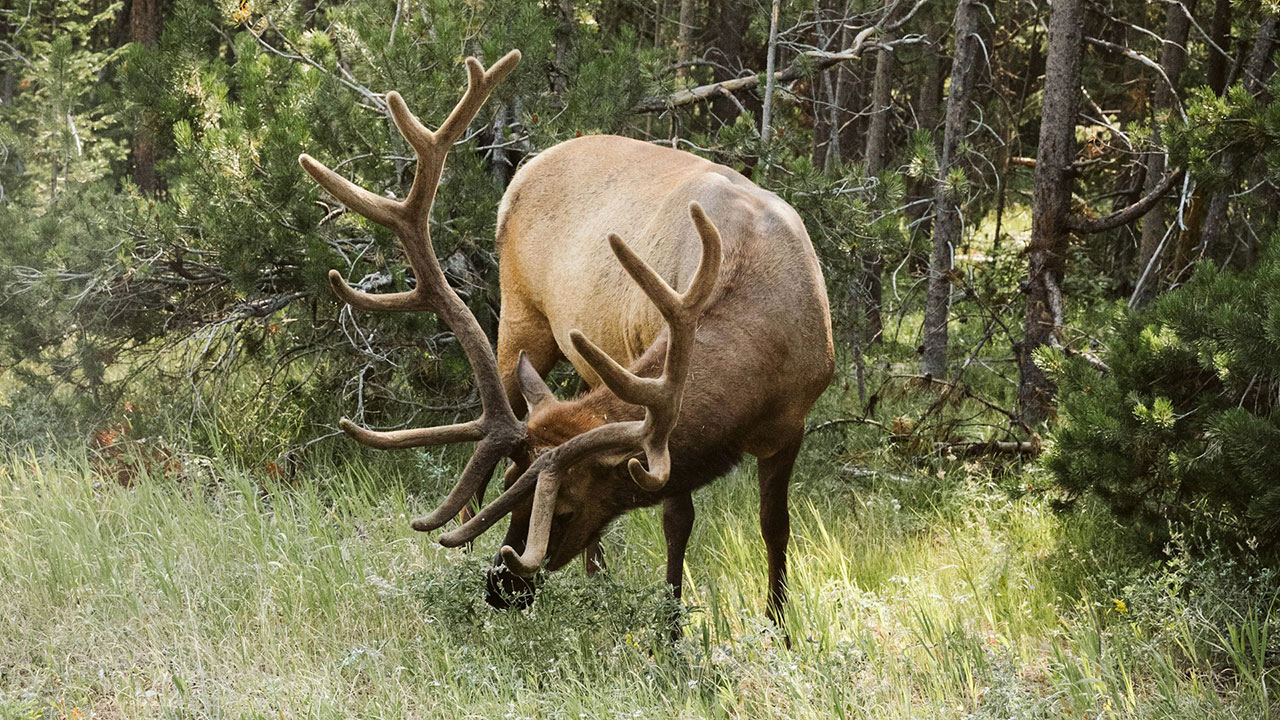
Idaho has a long history of DIY public-land hunting, and it’s exactly why pressure concentrates so hard. When access routes, tag opportunities, and travel planning collide, the popular zones get hammered—especially anywhere that’s “known” as a solid elk spot. Idaho has also been shifting how nonresident OTC deer/elk tags work, moving to a draw system for 2026, which is basically an admission that demand and fairness issues were getting out of control.
Even with tons of land, Idaho can feel tight because the huntable parts aren’t evenly distributed. Big chunks are steep, roadless, or limited by private inholdings. That funnels people into the same practical entry points.
Montana

Montana has tons of country, but it also has serious pressure where access is straightforward. The state’s Block Management program exists for a reason: it opens private and isolated public lands to hunters, and landowners can still restrict numbers and timing. That tells you the system is constantly balancing “let people hunt” with “don’t overload it.”
Montana pressure can be sneaky. You might have a whole valley that looks wide open, but everyone is using the same roads, the same creek crossings, and the same public parcels that actually connect. When the weather turns, trucks stack up fast. It’s an incredible state—just don’t confuse “big map” with “low pressure.”
Wyoming

Wyoming is a pressure cooker in the places that are accessible and taggable. For elk, nonresidents must draw (no OTC nonresident elk), and Wyoming allocates nonresident tags between a regular and special draw. That draw reality concentrates effort: people spend years planning, then show up and hunt hard because the tag isn’t casual.
Wyoming also has giant, open landscapes that make pressure feel worse. In wide country, you can glass other hunters from a mile away, and animals often react to pressure by shifting to private or nastier terrain. Great hunting state—just expect competition on the easiest-to-reach public ground.
Utah

Utah’s general-season elk structure creates built-in pressure. Even Utah’s own hunt boundary info flat-out notes that “any bull” units generally receive above-average hunting pressure. Add in OTC tag sale days and the fact that a lot of people can plan this hunt without years of points, and you get crowding where access is simplest.
Utah pressure often looks like “every road has a camp.” The cure is usually hiking away from roads and being willing to hunt less obvious cover. If you want low pressure in Utah, you typically pay with either points, luck, or work.
Arizona

Arizona is famous for trophy units, but pressure shows up hard in OTC-style opportunities too—especially when a state offers OTC/nonpermit archery options with harvest limits by unit/species. When hunters can buy in and go, you get a wave of participation that stacks up around the same water sources, glassing knobs, and access roads.
Arizona pressure also spikes because the terrain forces patterns. Deserts and broken canyons don’t have infinite “good” entry points. If the nearest road gives you the only realistic way into a basin, everybody ends up walking the same line at daylight.
New Mexico

New Mexico can feel crowded even though it’s a draw state in many cases, because when tags are limited, hunters hunt like every day matters. Add the amount of public land that’s checkerboarded with private, and pressure gets funneled into the same clean access routes. If you’ve ever watched four trucks roll up to the same two-track at 4:30 a.m., that’s the pattern.
New Mexico also has a “hot intel” problem. The units that are known for good animals get planned and scouted heavily. When a state has fewer tags, the hunters who draw them tend to be committed—and committed hunters create pressure fast in small areas.
Nevada

Nevada is big and dry, and pressure tends to cluster around water and the few areas that consistently hold animals. Even if you don’t see a crowd at every trailhead, the effective pressure can be intense because everyone ends up glassing the same ridgelines and checking the same guzzlers.
Nevada also has an access reality: a lot of the land is remote, and the folks willing to go deep are often very capable. That means even “far” spots aren’t automatically quiet. If there’s a known access road and a known basin, somebody is usually in it.
Oregon

Oregon pressure depends on the side of the state, but it can get rough anywhere access is easy and animals are consistent. Timber country concentrates people because roads are everywhere, and a lot of hunters don’t want to hike far when they can still cover ground with wheels. That creates road-hunting pressure that pushes game into pockets, thick cuts, and nasty canyons.
The other Oregon issue is weekend stacking. Public parcels near population centers get pounded. If you’re hunting close to town, expect company. If you want quiet, you usually have to commit to longer drives and more vertical.
Washington
Washington has a ton of hunters and a lot of public land, but pressure lands hard near the I-5 corridor and anywhere with easy access. Like Oregon, road networks and timber country can turn into “every turnout has a truck.” The huntable ground may be large, but the usable ground on a given day can be small once you factor in private blocks, gates, and terrain.
Washington pressure also shows up in the style of hunting. When visibility is limited and cover is thick, people hunt edges—clearcuts, roads, and benches—so you get stacking in predictable zones.
California

California pressure isn’t just about hunter numbers—it’s about access. A San Francisco Chronicle investigation highlighted “landlocked” public land parcels in California that are legally public but effectively inaccessible without permission through surrounding private land. When public land becomes a checkerboard you can’t legally reach, the pressure intensifies on the pieces you can reach.
California also has a “small windows” problem. Seasons, travel, and workable areas compress hunting effort into the same times and places. If you’ve got one decent public parcel within reasonable driving distance, you’re rarely the only person who knows it.
Pennsylvania

Pennsylvania is a pressure state because hunting culture is deep and participation is heavy. Even mainstream hunting coverage has called out how crowded opening day of gun season can be in Pennsylvania. With so many hunters and a lot of public ground that’s close to roads, you see classic pressure patterns: trucks lined along access roads, quick walks, and heavy early-season disturbance.
If you hunt PA public land, you learn timing fast. Midweek, late season, and weather days can feel totally different than that first rush. But if you show up on the obvious days, expect to hunt people as much as deer.
Wisconsin
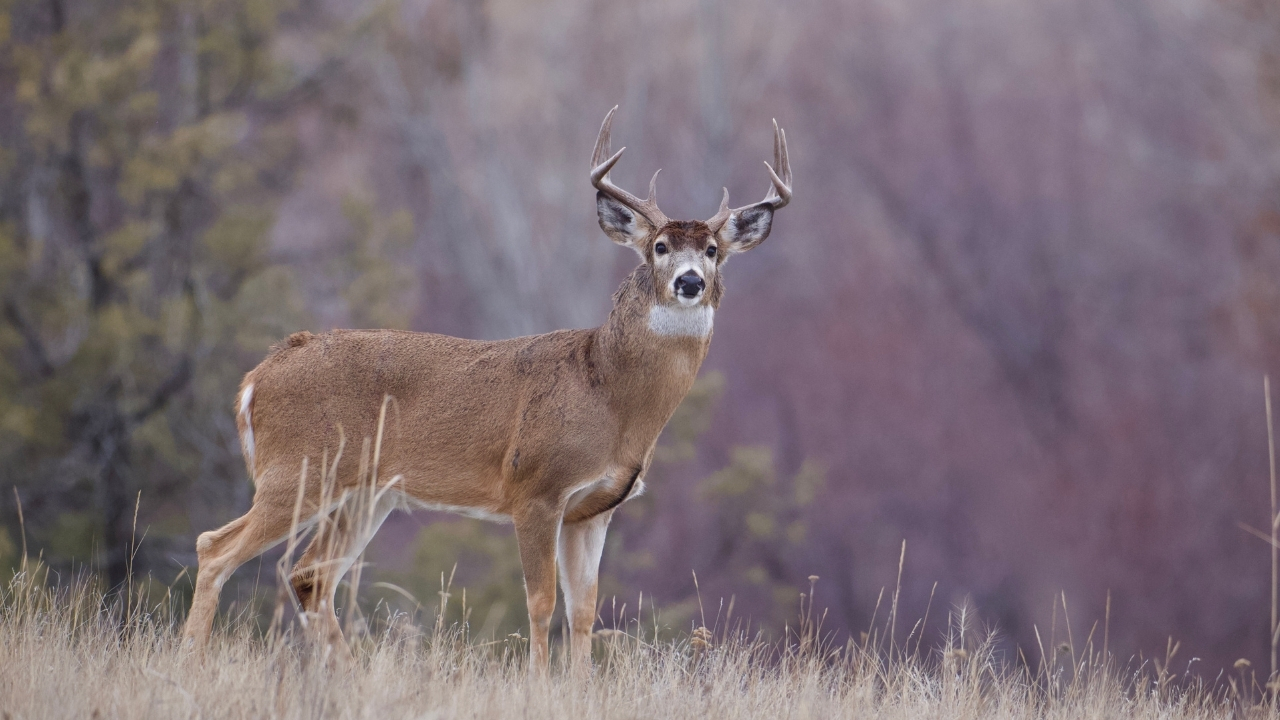
Wisconsin isn’t a “Western elk crowd” state, but public-land pressure can be intense because the huntable parcels near population centers get hammered—especially during gun deer season. The public land often isn’t one big block; it’s chunks. And small chunks absorb pressure like a sponge. When everyone can get to the same parking lot in 20 minutes, it fills up.
The other Wisconsin pressure issue is predictability. Marsh edges, ag transitions, and known bedding islands get hunted every year. You can absolutely kill deer on pressured public in Wisconsin—you just have to accept you’re rarely alone in the “easy” spots.
Michigan

Michigan public-land pressure can be nasty for the same reason: lots of hunters, lots of accessible parcels, and a strong tradition of hunting close to home. In many areas, the pressure isn’t “backcountry crowds”—it’s “everybody is within 300 yards of a road because that’s how the land lays out.”
Michigan also has high-competition rut zones on public that get hit hard. If you want lower pressure, you’re usually looking at less convenient access, wetter ground, thicker cover, or hunting times most people skip.
Minnesota
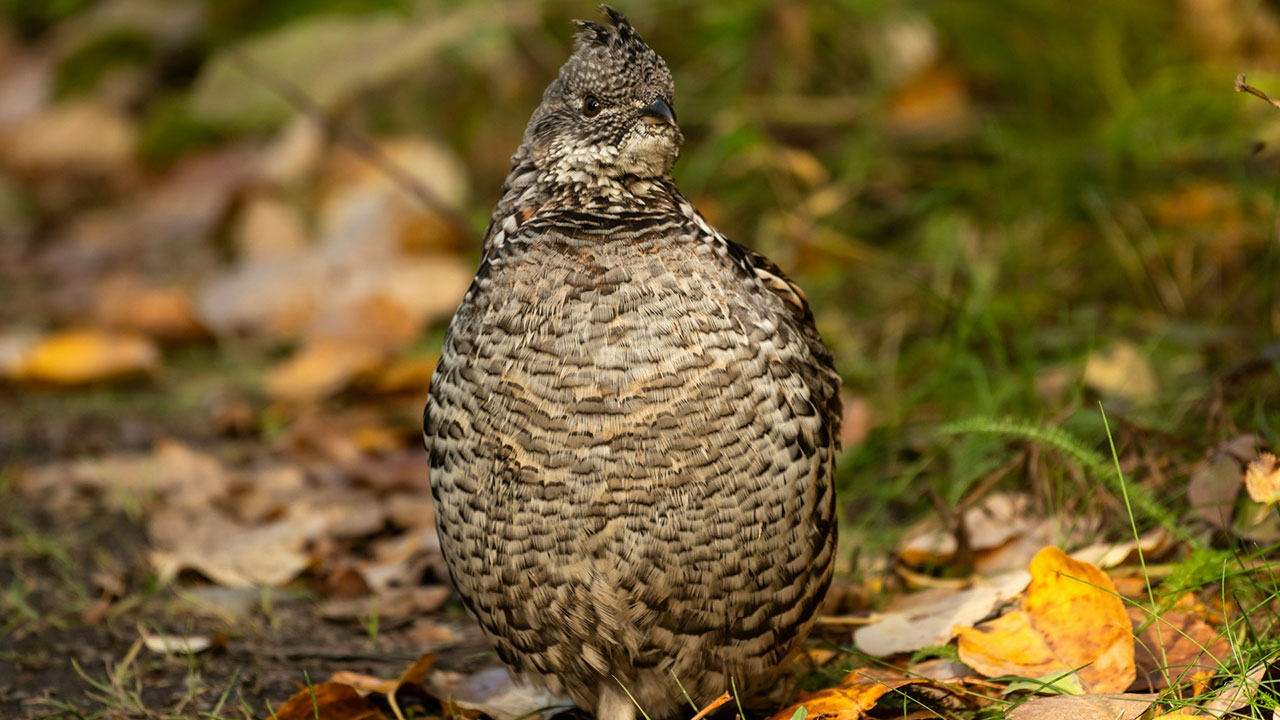
Minnesota public-land pressure spikes in the places that are easiest to hunt and the easiest to reach, especially in the deer woods. Like Michigan and Wisconsin, the pressure often comes from proximity: if it’s close to a metro area, it gets hunted hard. If it’s a known state forest parcel with a few obvious trails, those trails get walked constantly.
The upside is Minnesota has big country if you’re willing to deal with water, thick cover, and mosquitoes. The downside is most people aren’t, which means the “nice” access areas get pounded year after year.
Like The Avid Outdoorsman’s content? Subscribe to our newsletter so you never miss an article.
Here’s more from us: