Photo credit: The Avid Outdoorsman
The hunters said they were trying to do everything right. According to the Reddit post, they were elk hunting in Colorado and using GPS to make sure they stayed on public land. That kind of checking matters out West, where property boundaries can be complicated and one wrong step can turn a legal hunt into a trespassing problem.
They believed they were in the clear. Their GPS showed they had stayed on public land. They had not crossed onto private ground, at least according to what they were seeing in the field.
Then a game warden got involved.
The original Reddit post can be found here: https://www.reddit.com/r/legaladvice/comments/e6tqf1/co_trespassing_charge_with_intent_to_hunt/
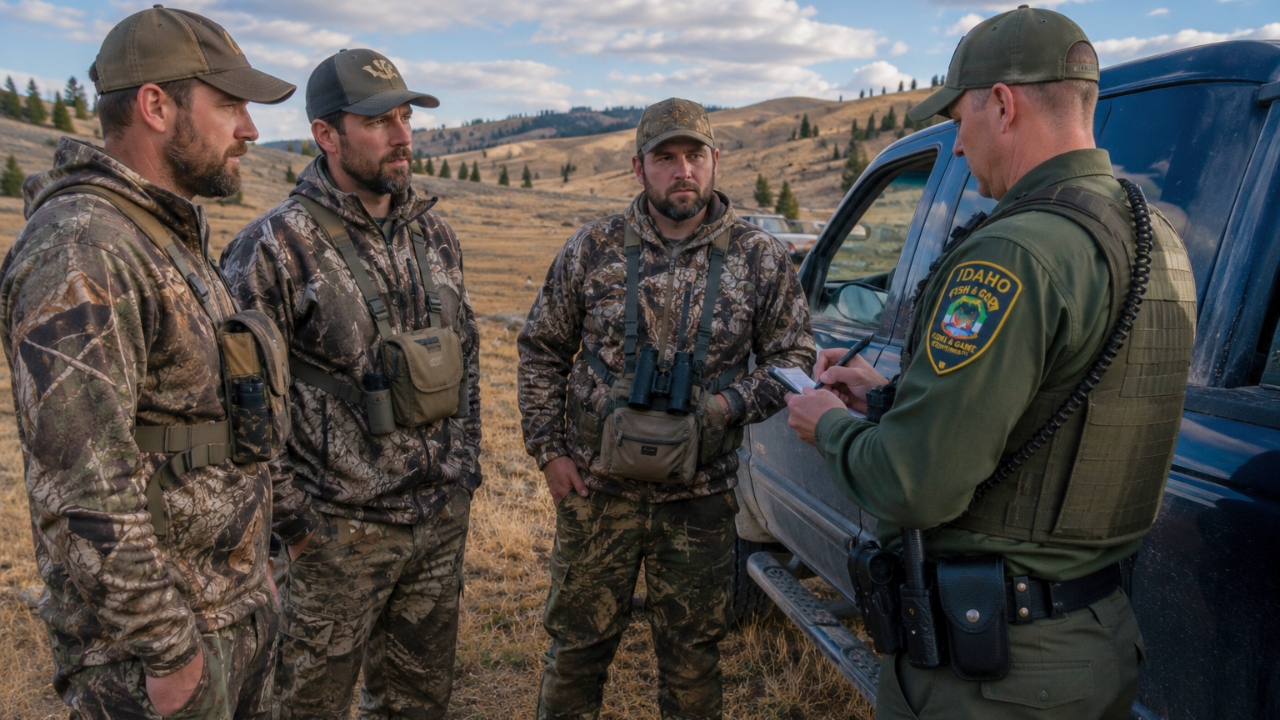
According to the post, an outfitter claimed they had trespassed. The hunters said the game warden spoke with the outfitter and then issued them a ticket for trespassing with intent to hunt. That left them frustrated because they believed the GPS evidence showed they had done nothing wrong.
That is the kind of accusation that can ruin more than a hunt. A hunting-related trespass charge can mean fines, court, license consequences, and the kind of legal headache nobody wants after a trip that was supposed to be about filling a tag. It can also make hunters feel like they are being punished for a boundary they tried hard to respect.
The outfitter angle made the situation feel even more tense. Public land hunting already has enough friction between DIY hunters, outfitters, landowners, and access disputes. If a commercial outfitter believes someone crossed into private ground, that complaint may carry weight with local officials. But from the hunters’ perspective, the outfitter’s word should not override their GPS tracks if those tracks show they stayed legal.
The post raised a bigger question about modern hunting tools. Hunters often rely on mapping apps, GPS units, and digital property layers to avoid trespass. Those tools are useful, but they are not always perfect. Boundaries can be off, landowner data can be outdated, and a phone screen may not be treated as the final legal authority if a dispute goes to court.
Still, the hunters felt they had proof. They wanted to know how to fight the ticket, whether their GPS data could help, and what they needed to bring to court. That is where the situation shifted from hunting advice to legal preparation.
They were not just defending a route through the woods. They were defending their reputation as hunters who tried to stay on public land and still got cited.
Commenters told the hunters to preserve all GPS data immediately. That included tracks, waypoints, screenshots, timestamps, and any app data showing where they were during the hunt. Several said not to rely on memory or recreate the route later. The original data mattered.
Others suggested getting official maps from the county, Bureau of Land Management, or state wildlife agency. A hunting app may help in the field, but commenters said the hunters would want authoritative property records if they planned to challenge the ticket.
A number of people said they should not treat the ticket casually. Even if it felt unfair, ignoring it or trying to explain it informally could backfire. The advice was to appear in court, bring documentation, and consider hiring an attorney familiar with wildlife or hunting violations.
Some hunters in the thread warned that GPS evidence can help but may not automatically win the case. The accuracy of the device, the boundary data, and the exact location of the alleged trespass would all matter. If the citation was based on a disputed line, the court may need more than a phone app screenshot.
Others focused on the outfitter. They said if the complaint came from someone with a financial interest in controlling access or pressure around the area, the hunters should be prepared to calmly explain that and stick to evidence rather than emotion.
The post ended with the hunters facing a frustrating kind of fight. They believed they had stayed on public land. The game warden had still written the ticket. Now the hunt was over, but the real work had become proving where they had actually stood.
Like The Avid Outdoorsman’s content? Subscribe to our newsletter so you never miss an article.
Here’s more from us: