Photo credit: 1957Shep/YouTube
Some guns were sitting right there. They were in pawn shops, estate-sale racks, surplus bins, gun-show aisles, and used cases for prices that seem ridiculous now. People passed because the guns looked outdated, too common, too strange, or not worth tying up money in at the time.
Then the market changed. Production stopped, surplus dried up, collectors got interested, and hunters started missing the kind of guns they once ignored. These are the firearms that make people say the same painful thing years later: they should have bought one when they had the chance.
SKS
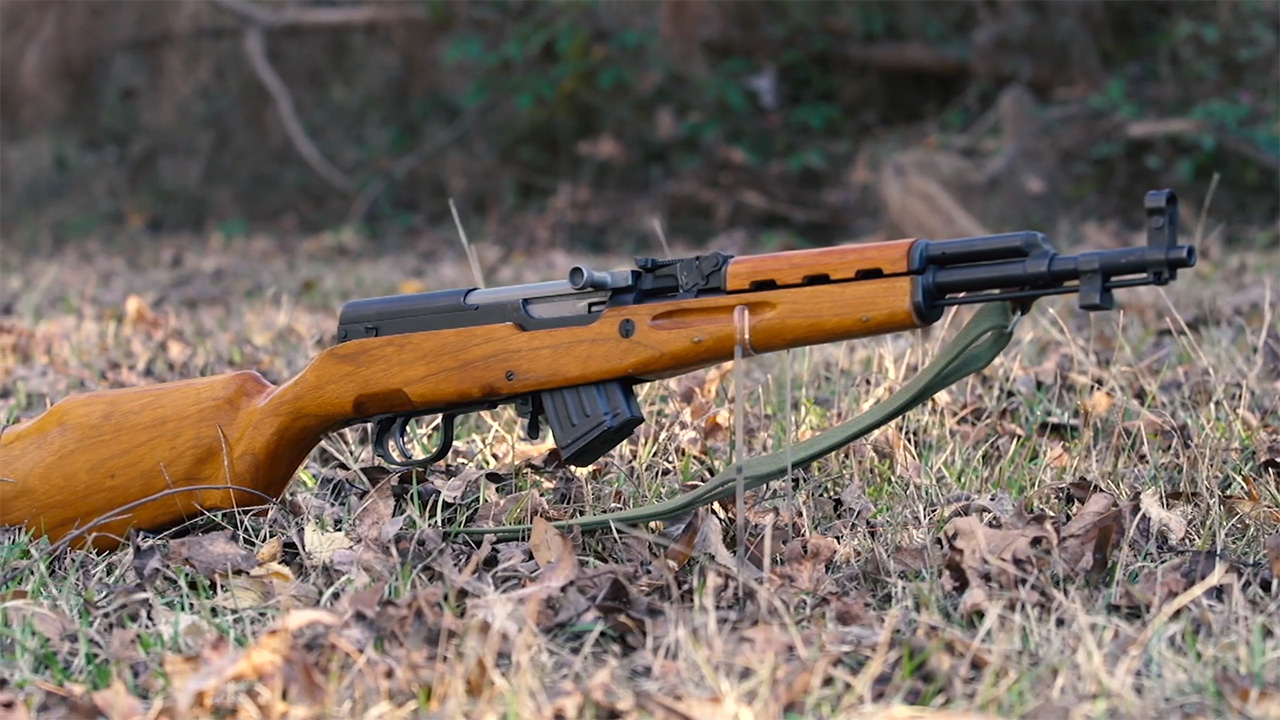
The SKS may be the ultimate regret gun for people who remember when they were cheap. For years, they were treated like basic surplus rifles that sat below AKs in desirability. Many shooters saw them as rough, common, and useful only because the price was low.
That attitude looks painful now. As imports slowed, surplus dried up, and demand rose, the SKS became far more expensive than people expected. The rifle is still simple, rugged, and fun to shoot, but the days of casually buying one for little money are gone. Anyone who passed over clean examples back then probably remembers exactly where they saw them.
Mosin-Nagant 91/30

The Mosin-Nagant 91/30 was once the rifle people bought because it was almost too cheap not to. Many were covered in cosmoline, packed in crates, and sold as rough military surplus with plenty of jokes attached. Shooters mocked the long barrel, stiff bolts, and crude feel.
Those jokes do not feel as funny now that prices are much higher. The Mosin is still not refined, but it has history, power, and collector appeal that grew once bargain supply dried up. People who walked past them because they assumed they would always be cheap learned a hard lesson. Surplus only feels endless until it is gone.
Marlin 336
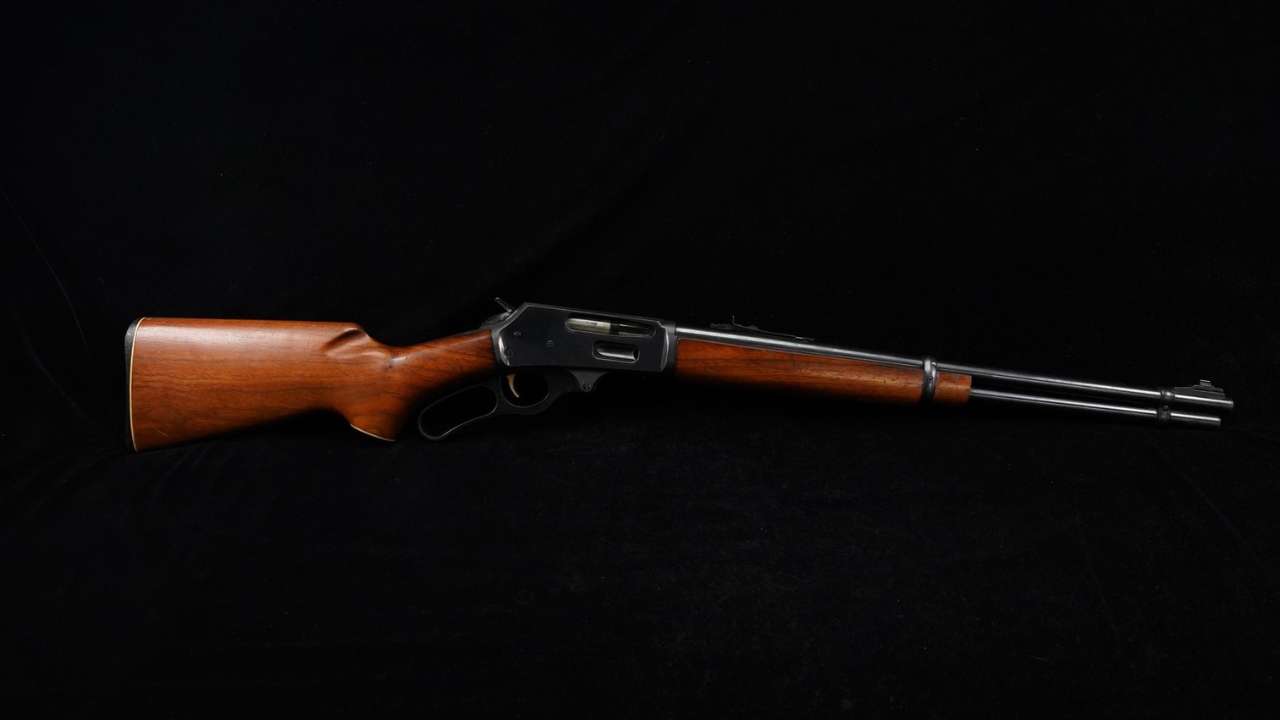
The Marlin 336 was once a common deer rifle that plenty of hunters took for granted. Used examples sat in racks because many buyers were chasing bolt actions, magnum cartridges, and flatter-shooting setups. A .30-30 lever gun looked old-fashioned beside the rifles getting attention.
Now clean older Marlins are not the casual bargains they used to be. Hunters started valuing JM-stamped rifles, walnut stocks, and handy lever guns again. The 336 still works beautifully in thick woods, which only adds to the regret. Passing over one when prices were lower feels worse every time a nice used example shows up with a much higher tag.
Winchester Model 94
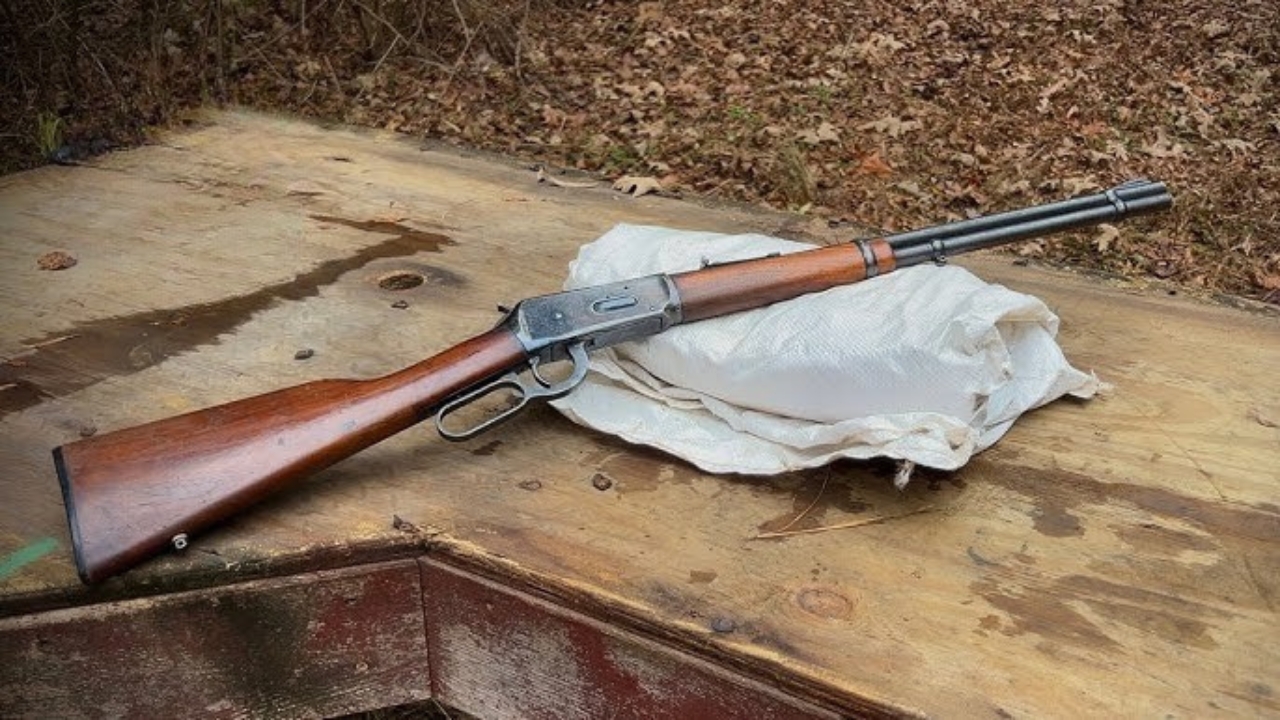
The Winchester Model 94 was so common for so long that many people assumed there would always be another cheap one. Because of that, they passed on rifles that would be much harder to replace later. Some dismissed .30-30 carbines as outdated or too limited for modern hunting.
The used market changed that conversation. Older Model 94s, especially desirable pre-1964 rifles, gained real collector interest. Even later examples became more appealing as hunters returned to classic lever guns. What once looked like just another old deer rifle now looks like a missed opportunity for anyone who kept walking.
Remington 870 Wingmaster
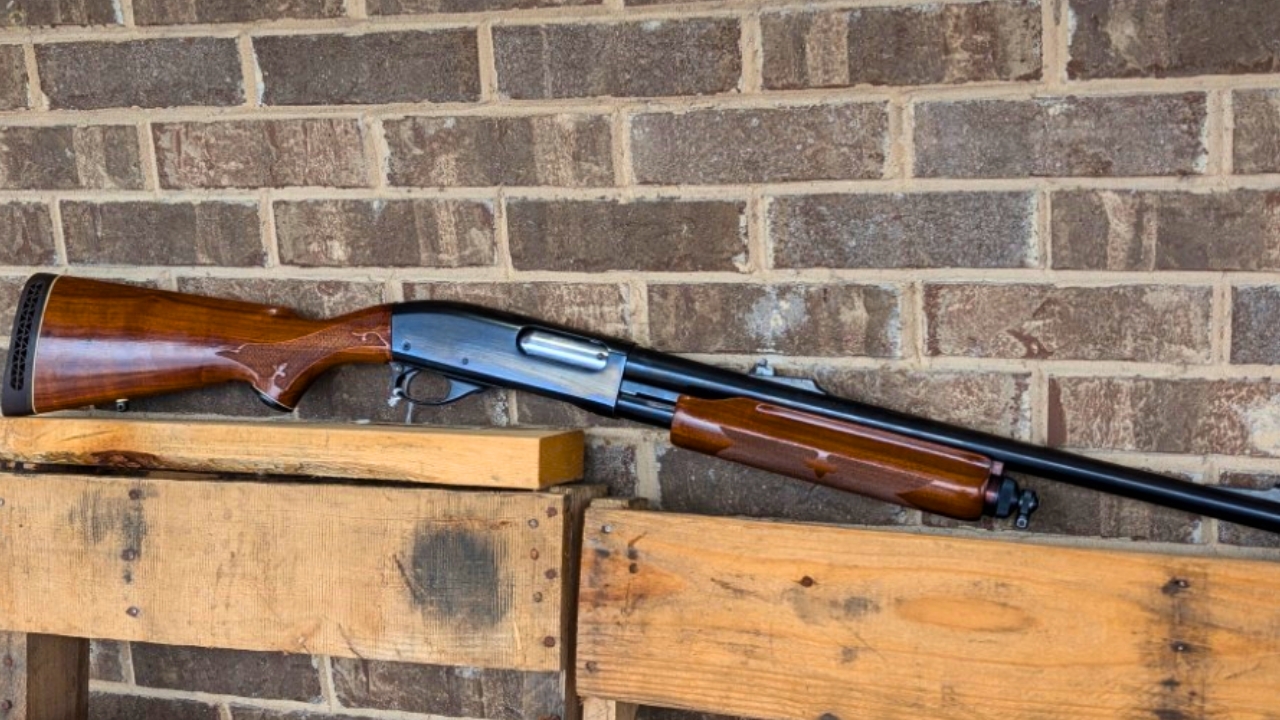
The Remington 870 Wingmaster used to be easy to overlook because pump shotguns were everywhere. Many buyers treated them like basic utility guns and did not separate older Wingmasters from rougher, cheaper versions. Some people skipped them in favor of newer semi-autos or tactical-looking pumps.
That was a mistake. Older Wingmasters have smooth actions, better finish work, and a field feel that many modern budget pumps cannot match. Clean examples have become more desirable as shooters notice the difference. The regret comes from realizing these were not just used shotguns. They were well-built working guns hiding in plain sight.
Browning Hi-Power
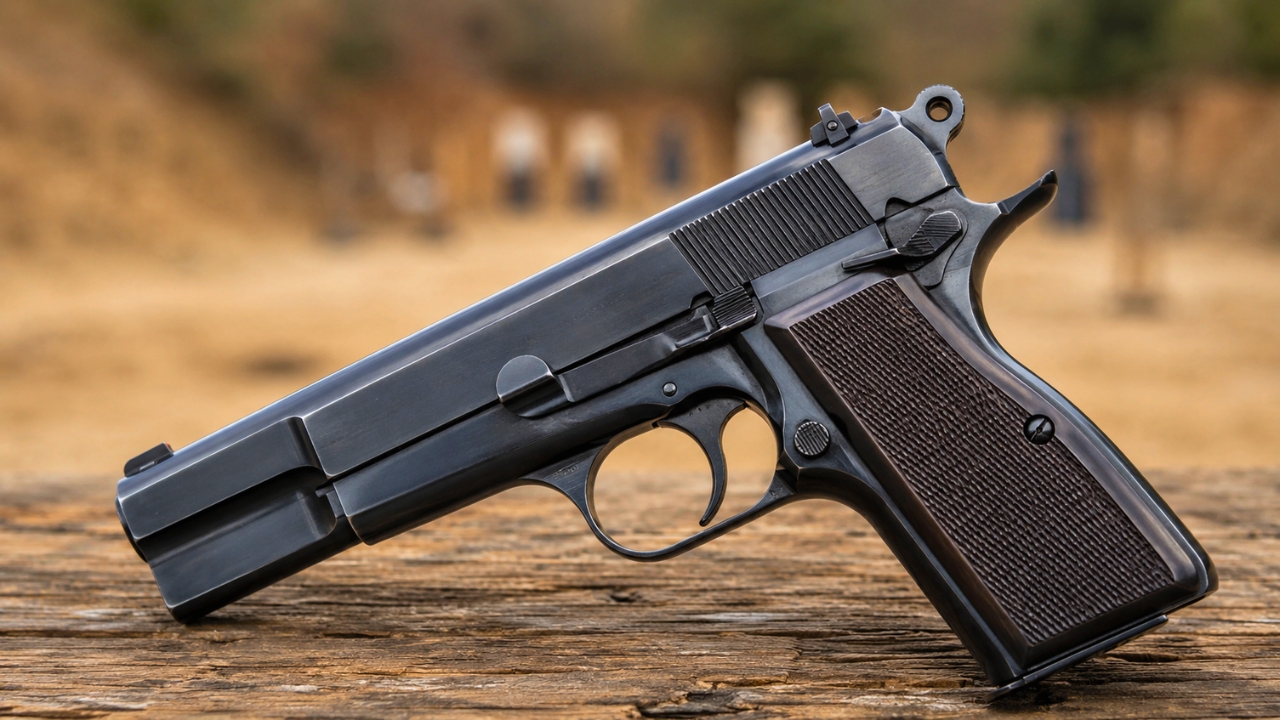
The Browning Hi-Power was passed over by plenty of shooters who thought modern pistols had left it behind. It was single-action, often had small sights, and offered less capacity than newer double-stack pistols. Some buyers saw it as a classic, but not one they needed right then.
That delay became expensive. Original Hi-Powers became harder to find, and demand climbed as people rediscovered the pistol’s handling, history, and slim feel. The same gun that seemed old-fashioned now brings serious interest from shooters and collectors. Passing on one when prices were lower is the kind of mistake people remember clearly.
Smith & Wesson 5906
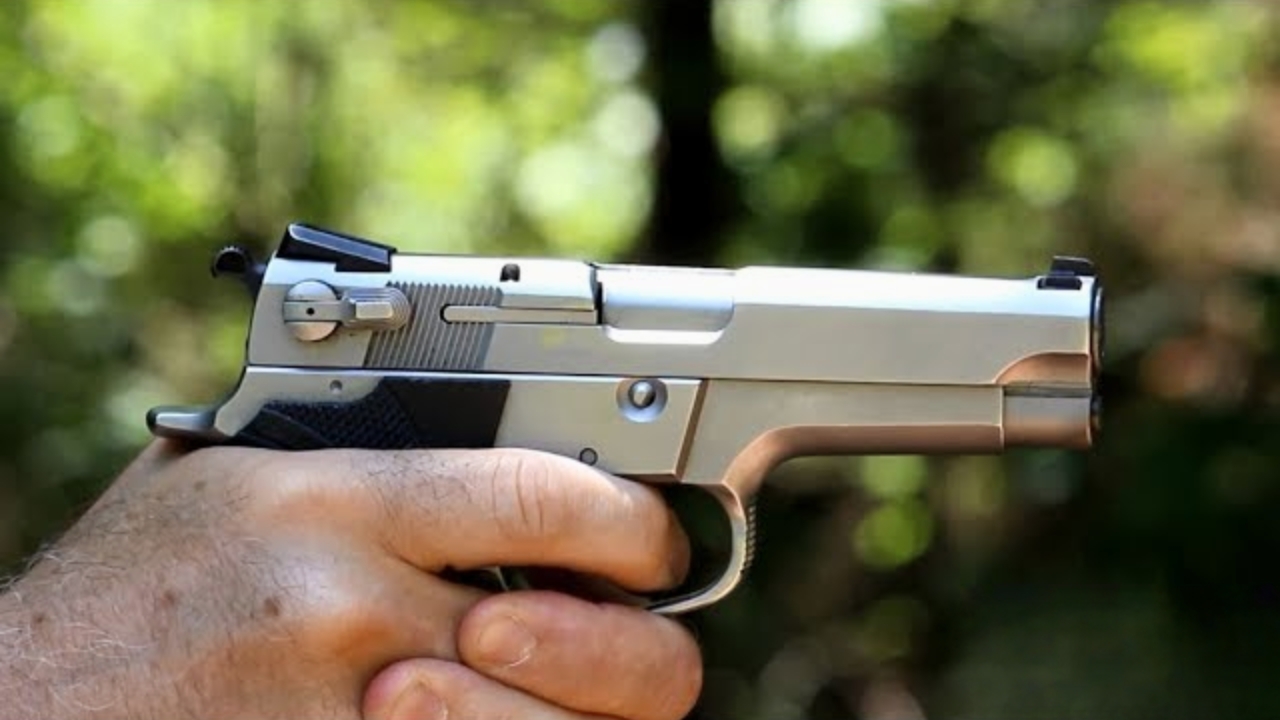
The Smith & Wesson 5906 sat in used cases as a heavy old police pistol for years. Polymer striker-fired guns made it look outdated, and police trade-ins helped keep prices low. Some shooters ignored them because they wanted lighter pistols with simpler triggers.
Now that looks shortsighted. The 5906 is reliable, soft-shooting, durable, and built like a serious service pistol. Clean examples are no longer the cheap trade-ins people once walked past. The same weight that made buyers doubt it now makes it feel solid and desirable. A lot of people regret not grabbing one when they were still easy to find.
Ruger Security-Six

The Ruger Security-Six was long treated as a practical .357 Magnum revolver rather than a collectible one. Buyers often preferred Smith & Wesson or Colt, and Ruger’s working-gun image kept prices reasonable. Passing on one did not feel like a big deal at the time.
It feels different now. Older Ruger revolvers have gained a much stronger following, and the Security-Six has become one of the models people wish they had appreciated sooner. It is strong, handy, and lighter than some later full-lug .357s. When nice examples show up today, they do not feel like overlooked bargains anymore.
Colt Detective Special

The Colt Detective Special was easy to skip when small semi-autos and lightweight revolvers were taking over the carry conversation. It was an old .38 Special snub, heavier than newer pocket guns, and tied to a different era. Some buyers thought they could always find another old Colt later.
That assumption did not age well. Clean Detective Specials became more desirable as Colt revolvers climbed in collector appeal. The six-shot cylinder, classic styling, and old Colt craftsmanship all matter more now than they did when prices were lower. Passing on one back then feels like missing a small revolver that only got harder to replace.
Remington Nylon 66

The Remington Nylon 66 was passed over because it looked odd. The synthetic stock, lightweight feel, and unconventional styling made some shooters think it was cheap or strange. Traditional wood-stocked .22 rifles seemed more respectable to a lot of buyers.
Now the Nylon 66 has exactly the kind of personality people miss. It is light, reliable, fun, and different from almost anything else in the rimfire rack. Clean examples have become harder to find, especially in desirable colors and condition. People who ignored them when they were cheap now understand that weird can become valuable when the gun actually works.
H&R Handi-Rifle
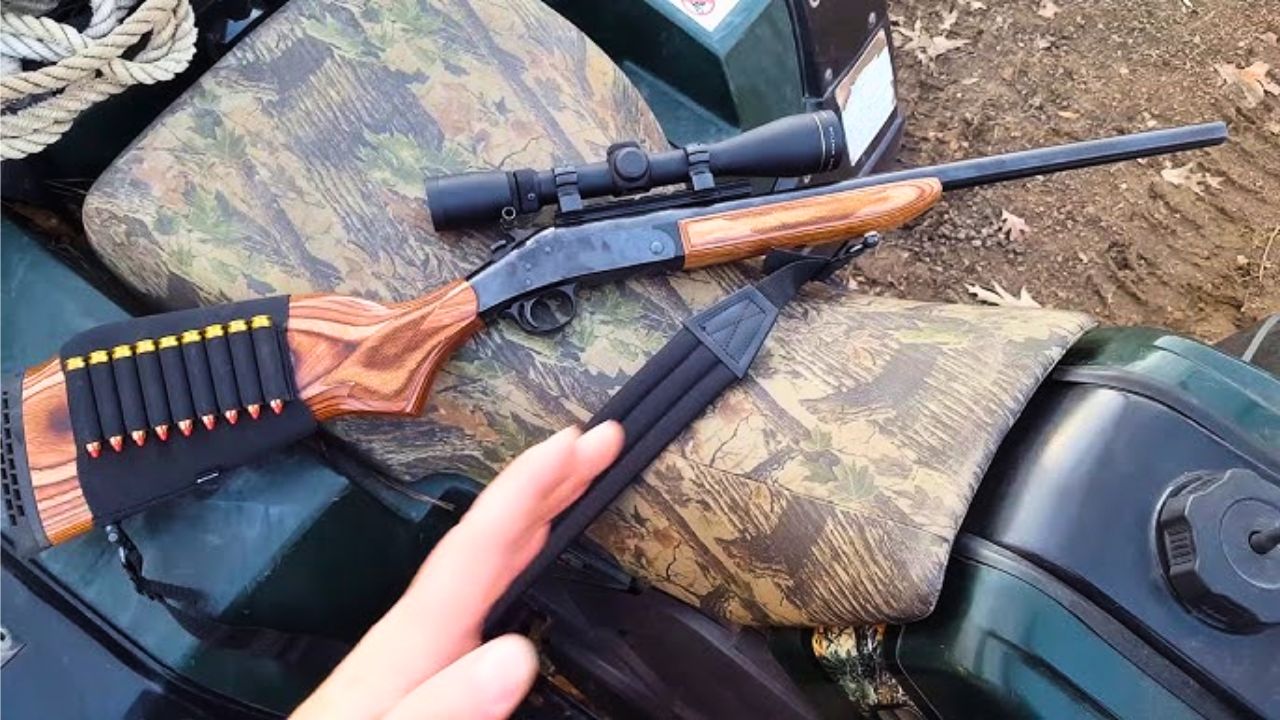
The H&R Handi-Rifle was once passed over because it seemed too plain. A single-shot break-action rifle did not excite buyers looking for bolt guns, lever guns, or semi-autos. Many hunters saw it as a budget option and assumed it would always be around.
Then production ended, and certain chamberings became surprisingly desirable. Hunters started missing compact, simple rifles that were easy to carry and affordable to use. The Handi-Rifle filled a role that newer guns do not always address. Passing on one when they were cheap now feels like ignoring a practical tool that quietly disappeared.
Beretta 81 Cheetah
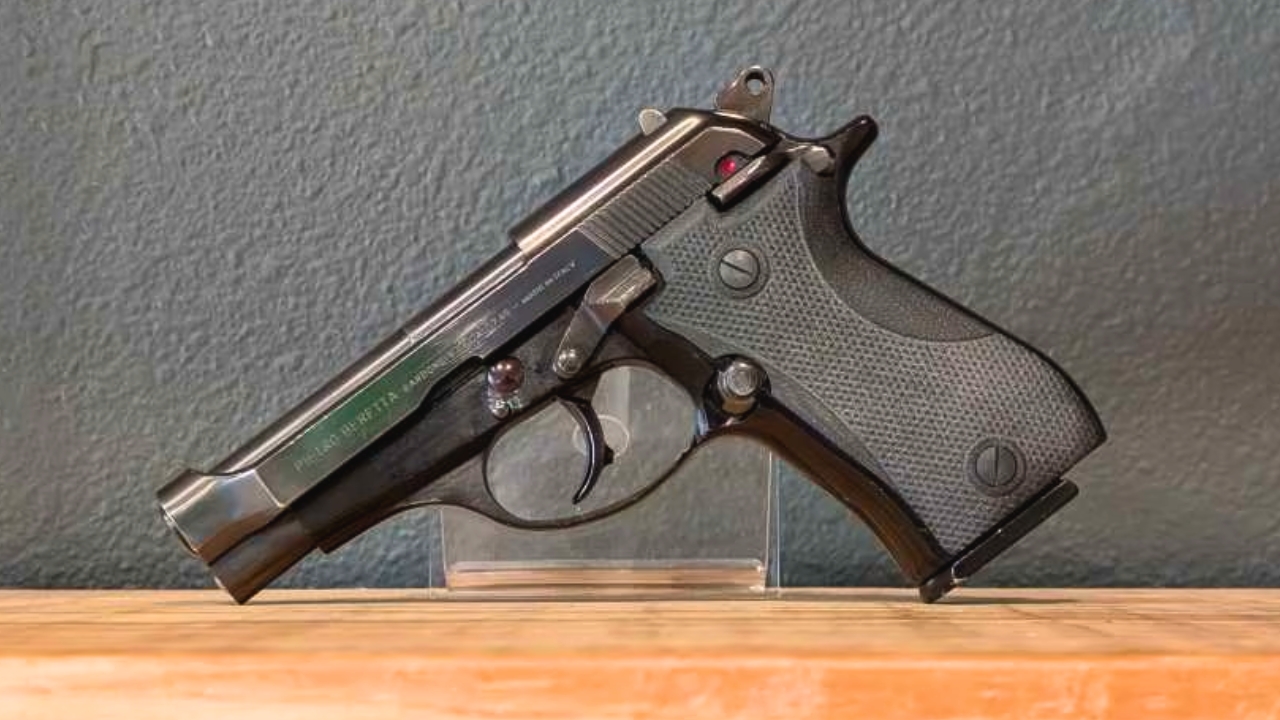
The Beretta 81 Cheetah was overlooked because .32 ACP did not impress many American shooters. When surplus examples were available, some buyers laughed at the chambering or thought the pistol was too large for the cartridge. It seemed like a nice gun in a caliber people did not take seriously.
Then shooters actually handled and fired them. The Beretta 81 is soft-shooting, well-made, accurate, and enjoyable in a way that cheap pocket .32s are not. Once surplus supply tightened, prices and interest rose. The people who passed because of the caliber often ended up wishing they had bought one anyway.
Star BM
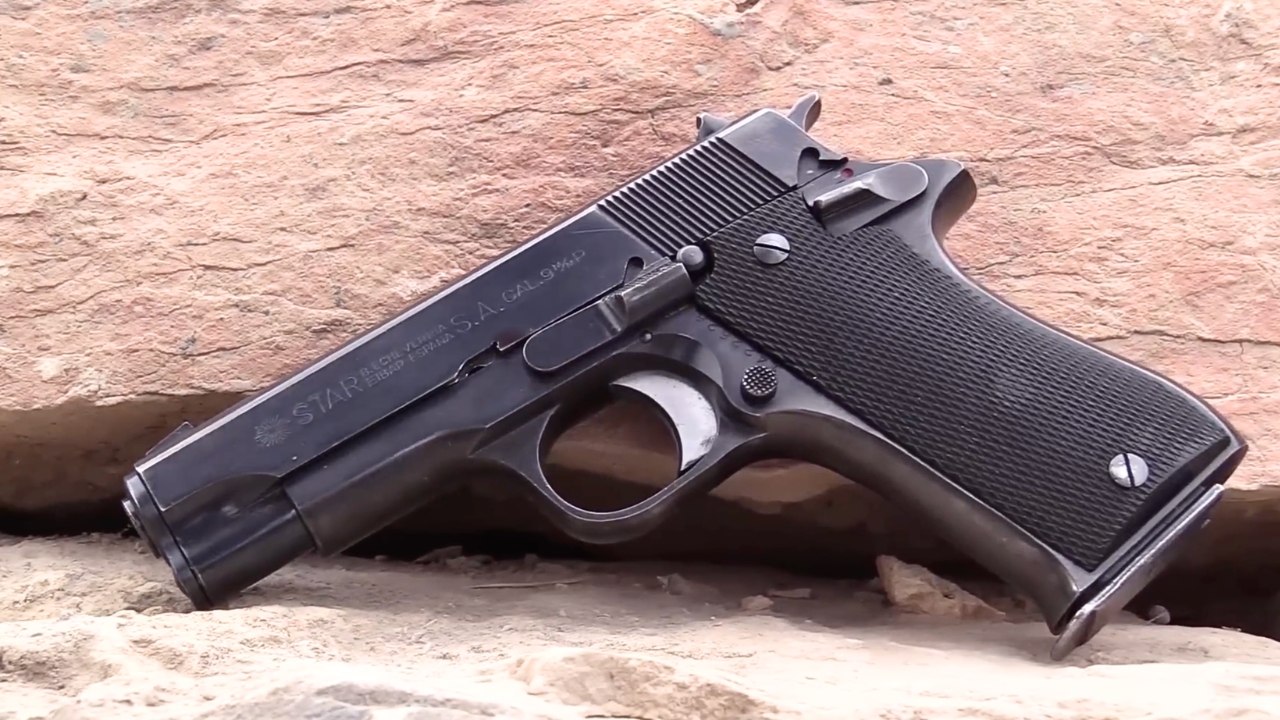
The Star BM was another surplus pistol that looked easy to ignore when prices were low. It came from a brand many shooters did not know well, and parts support concerns made some buyers hesitant. Others saw it as a curious Spanish 9mm without much long-term value.
The regret came later. The Star BM is slim, all-steel, pleasant to shoot, and more interesting than many expected. Once import supplies dried up, the old bargain pricing disappeared. It still has limitations, but the people who passed on clean examples now realize it was one of the more enjoyable surplus pistols of its price range.
Savage Model 99

The Savage Model 99 was passed over by people who did not understand what made it special. It was not as instantly familiar as a Winchester 94 or Marlin 336, and casual buyers sometimes ignored it because it looked different. Many hunters also moved toward bolt actions and left older lever rifles behind.
That was a bad call for anyone who likes distinctive hunting rifles. The Model 99 offered lever-action handling with more modern cartridge options and clever engineering. Clean examples in desirable chamberings are not casual bargains anymore. Passing over one years ago now feels like ignoring one of the smartest lever rifles ever made.
Browning Auto-5
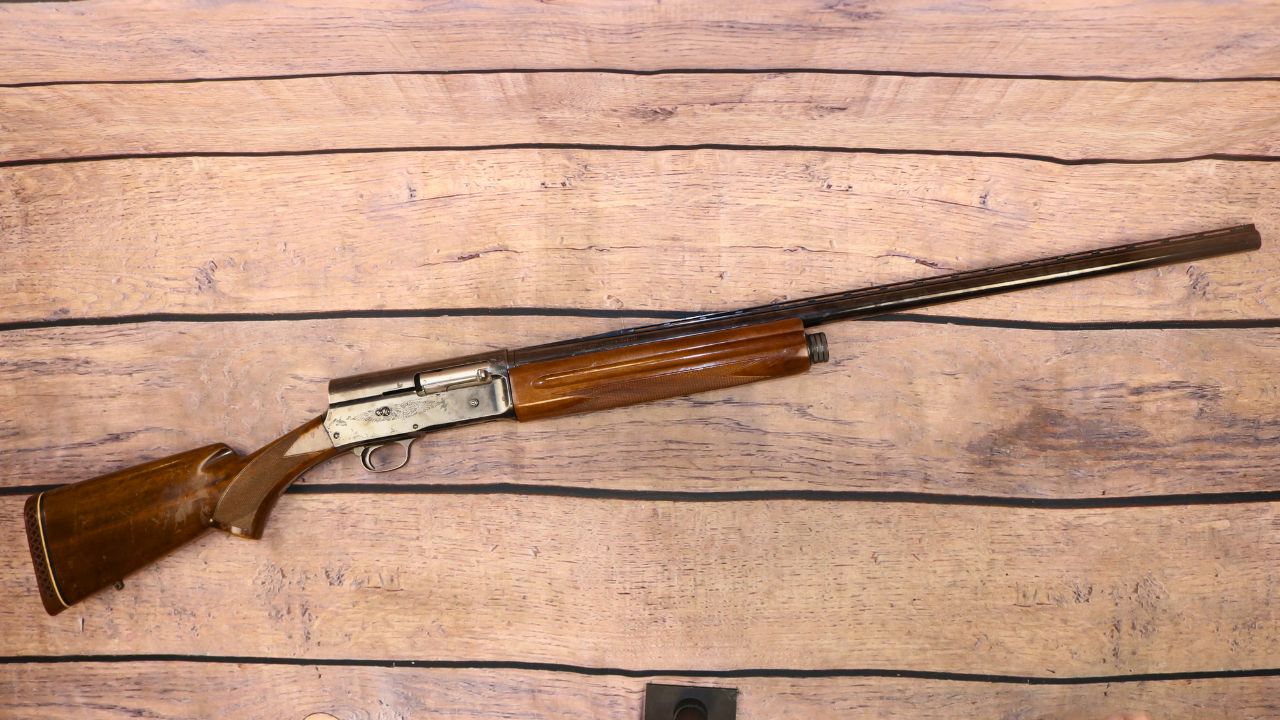
The Browning Auto-5 spent years being treated by some shooters as an old humpback shotgun that had been surpassed. Newer gas-operated semi-autos were softer, lighter, and more modern. Some buyers saw the long-recoil action as outdated and walked away from used examples.
Today, that decision can sting. A good Auto-5 has history, character, durability, and a field feel that newer shotguns do not duplicate. It stands out visually and mechanically, which only adds to the appeal. Clean examples, especially in desirable gauges and configurations, are no longer the easy buys they once were. The hype moved on, but the regret stayed.
Like The Avid Outdoorsman’s content? Be sure to follow us.
Here’s more from us: