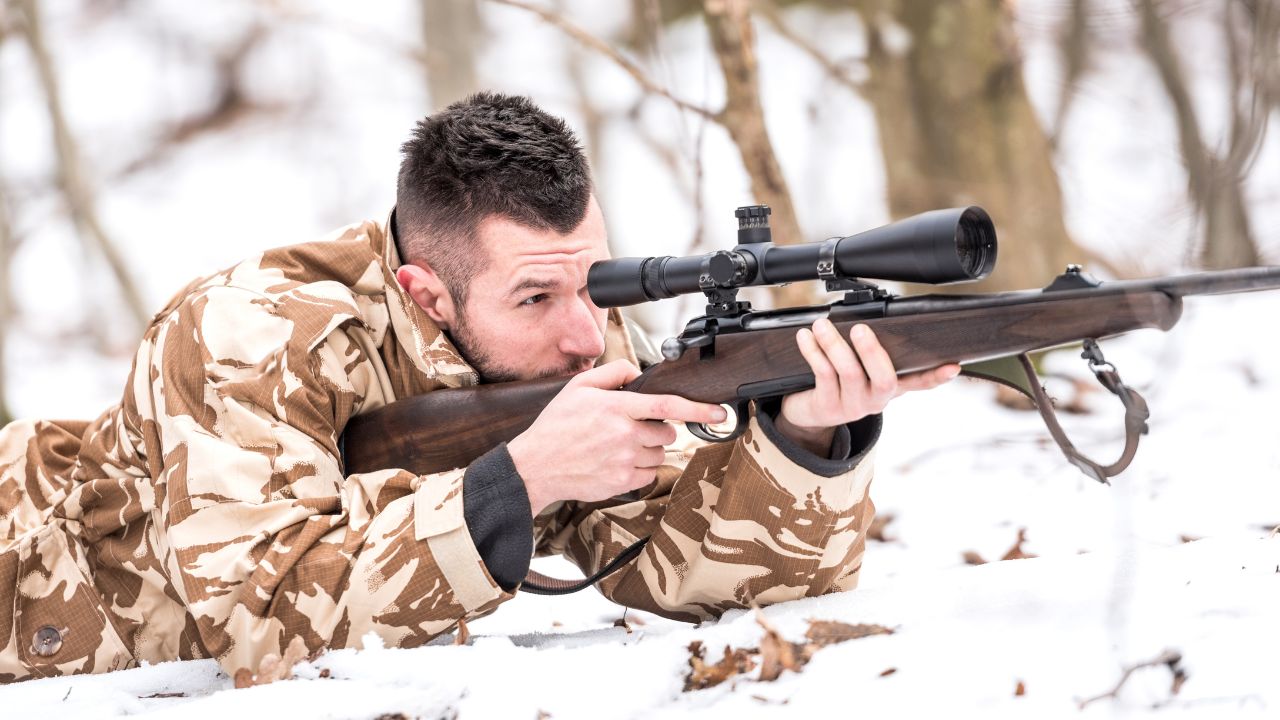
Photo credit: bogubogu/ShutterStock.com
Cold weather exposes weaknesses in firearms faster than almost anything else. Oil thickens, tolerances shrink, and springs lose efficiency when the temperature drops. Some guns power through it without issue, while others lock up or fail to cycle after only a few magazines in freezing conditions. If you’ve ever spent a morning in the deer stand or on a winter range day, you know the frustration of a firearm that ran fine in summer but starts choking once frost hits the barrel. The guns below have earned a reputation for struggling when the mercury dips. Whether it’s design flaws, overly tight tolerances, or poor material choices, they become unreliable when conditions get rough. If you depend on your firearm year-round, knowing which models can’t be trusted in the cold will save you time, ammo, and maybe a lot more.
Remington 742 Woodsmaster

The Remington 742 Woodsmaster is a semi-automatic deer rifle that gained popularity decades ago, but anyone who has tried running one in frigid weather knows its shortcomings. The action tends to gum up when oils thicken, and its relatively delicate gas system struggles with inconsistent cycling once temperatures drop. Combine that with a design that already wears its locking lugs quickly, and you have a recipe for jams in cold conditions.
Hunters report failures to feed and stuck bolts after only a handful of rounds on frosty mornings. Many have learned to bring a backup rifle when heading into the woods late in the season. While the 742 can be reliable under ideal circumstances, the cold amplifies its weaknesses. If you plan to hunt in freezing weather, this rifle is better left in the safe.
Remington 597 (.22 LR)
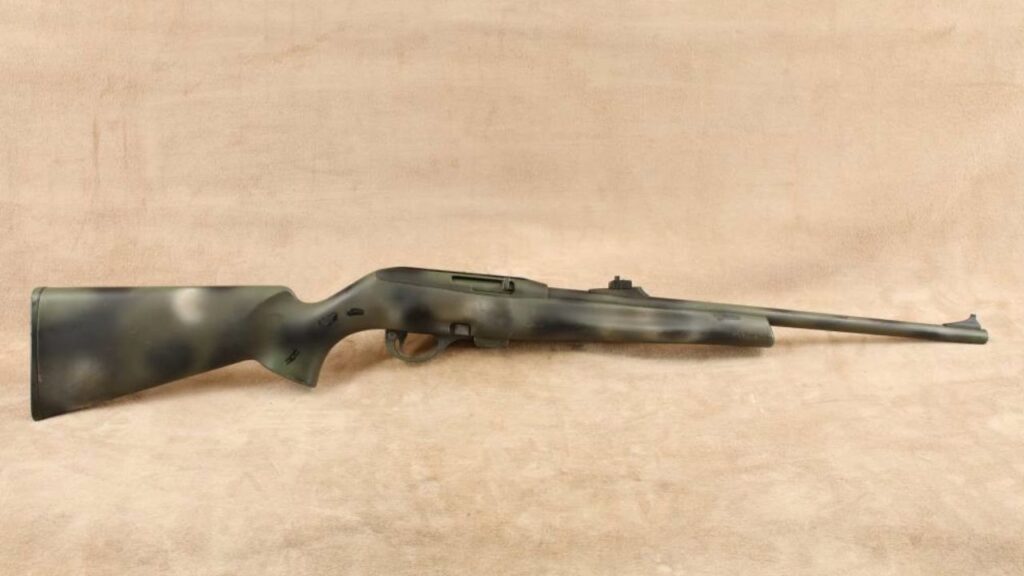
The Remington 597 was designed as a semi-auto rimfire for plinking and small game, but its reputation in cold weather is shaky. The rifle’s action, already sensitive to ammo choice, becomes even more temperamental once the temperature dips. Thickened lubricants combine with the magazine’s finicky feed lips to create failures to feed and stovepipes.
Shooters often notice that what cycles fine in warm weather starts hanging up or failing to eject when conditions get icy. Rimfire ammunition itself doesn’t always ignite consistently in the cold, and the 597 doesn’t do much to compensate. Many hunters who once carried this rifle for winter squirrel or rabbit hunting have switched to more reliable designs. If your goal is dependable cold-weather performance, the 597 can be frustrating.
Winchester Model 100
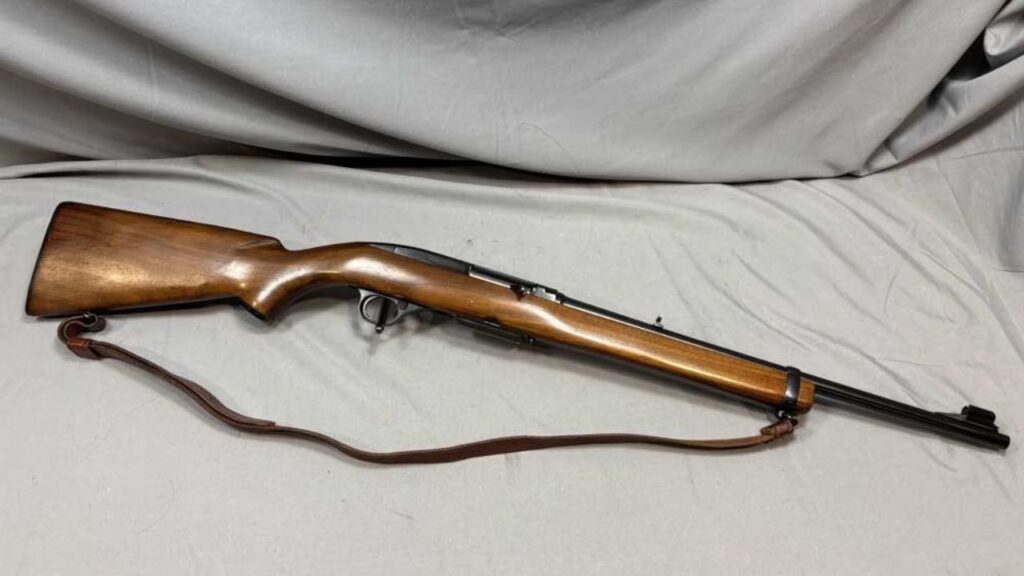
The Winchester Model 100 is another older semi-auto that shows its limits when the weather gets frosty. Its gas system, never the most forgiving design, becomes sluggish as temperatures fall. Combined with a tendency for the bolt to stick when metal contracts, this rifle can quickly turn into a single-shot when you need it most.
Reports from cold-weather hunters often mention failures to extract and feed after only a few shots. While the rifle has historical appeal and can perform acceptably in mild conditions, it simply doesn’t handle freezing temperatures well. If you want a Winchester for the deer woods in January, a lever-action will serve you much better than the Model 100.
Remington 552 Speedmaster
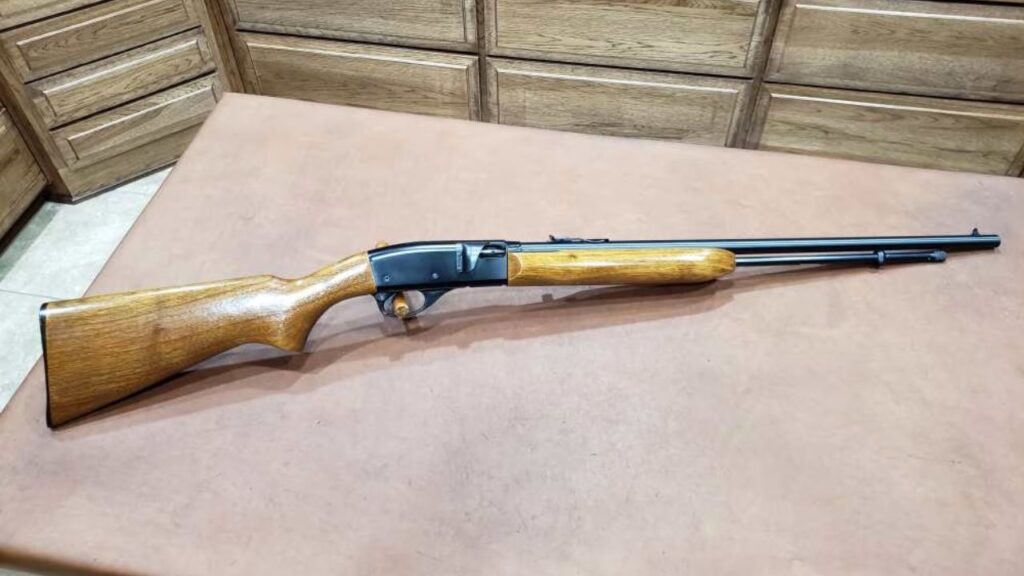
The Remington 552 Speedmaster is a classic semi-auto .22 that has been around for decades, but like many rimfires, it can be finicky in the cold. Its design relies heavily on clean, properly lubricated parts to cycle reliably, and cold weather thickens oil and slows everything down. This leads to failures to feed or weak ejections that leave you clearing jams more than shooting.
Rimfire ammunition adds another layer of inconsistency when the temperature drops, and the Speedmaster’s design doesn’t forgive it. While many shooters enjoy this rifle during summer plinking sessions, it often earns curses during late-season small game hunts. If you need a .22 that will work in subzero conditions, a bolt-action is a smarter choice than this aging semi-auto.
M1 Carbine
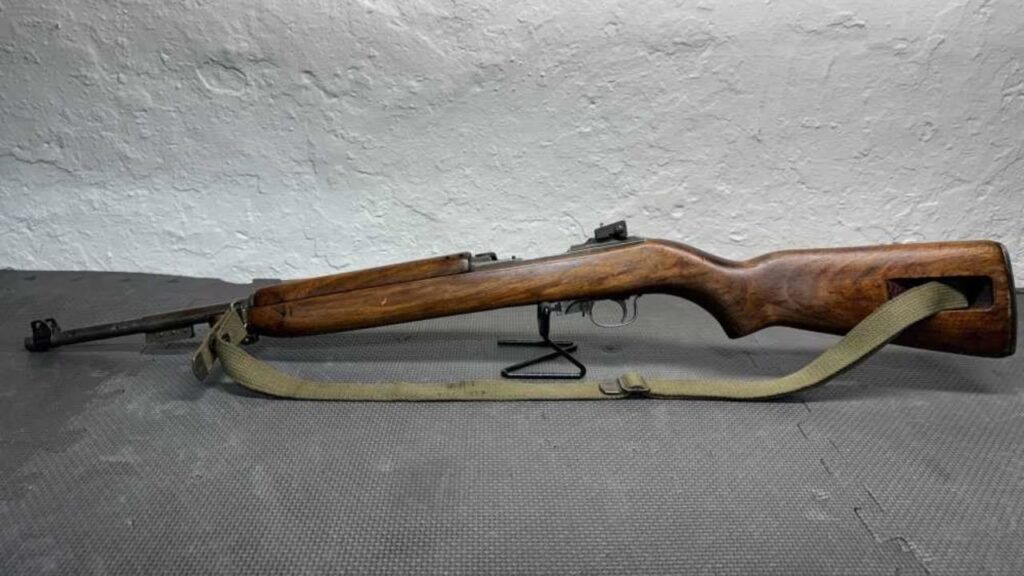
The M1 Carbine served admirably in World War II and Korea, but cold-weather performance was never its strongest quality. Its short-stroke piston system struggles when lubricants gum up, and the rifle’s lighter recoil spring doesn’t always drive the action fully in freezing conditions. Veterans reported malfunctions during winter campaigns, and civilian shooters see the same issues today.
Failures to feed, sluggish bolts, and weak ejection become common once the temperature dips below freezing. While the rifle is historically significant and still enjoyable to shoot, it isn’t a platform you’d want to rely on for serious cold-weather hunting or defense. The M1 Carbine’s strengths lie in warmer climates, not on frosty ranges.
Remington R51 (first generation)
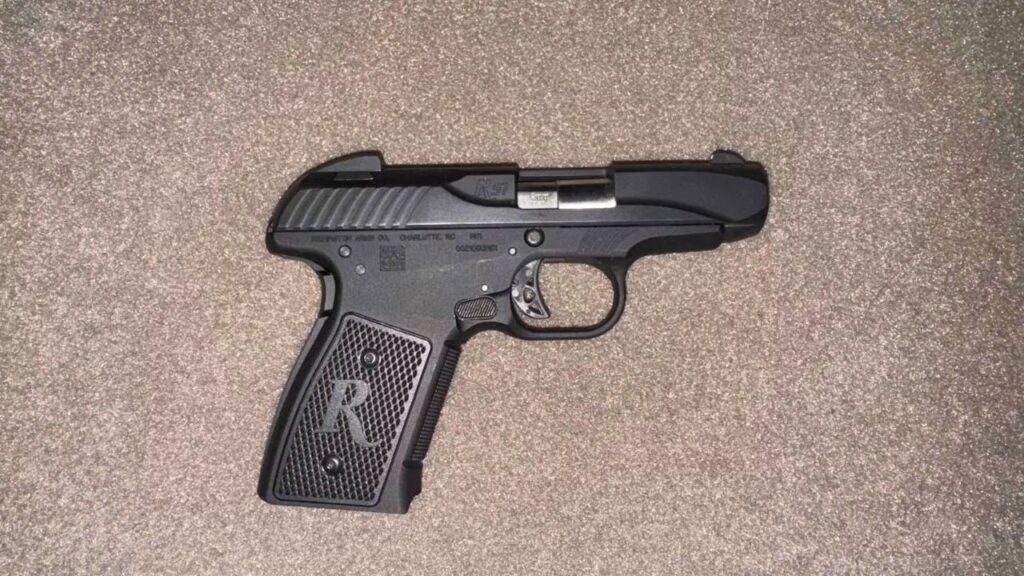
When Remington reintroduced the R51, it looked promising, but early models quickly developed a reputation for failures across the board. Cold weather only made things worse. The hesitation-lock design was extremely sensitive to lubrication, and when oil thickened in low temperatures, the pistol often failed to return to battery or cycle properly.
Shooters who carried the R51 in cold climates found themselves clearing jams more than firing shots. Even in later improved versions, the pistol still isn’t known for excelling in rough conditions. For a carry gun that might see freezing temperatures, the R51 is not a trustworthy option. Reliability under stress is what matters, and this pistol struggled to deliver that when the weather turned harsh.
Desert Eagle (.44 Magnum and .50 AE)
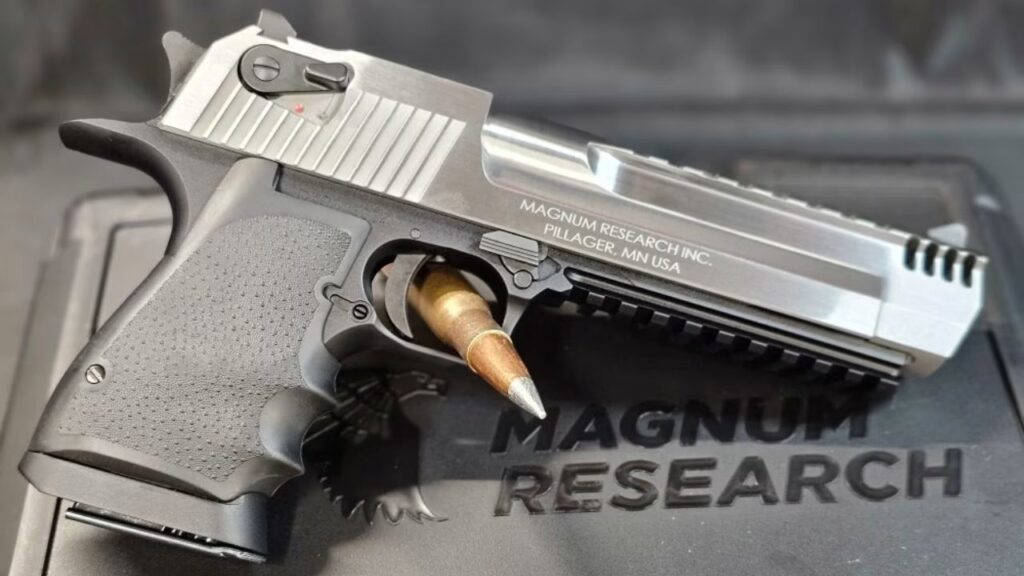
The Desert Eagle is an iconic handgun, but it’s also a heavy, gas-operated semi-auto that hates the cold. Its tight tolerances and reliance on clean-burning ammo mean it already struggles with consistency. Add in thickened oil and sluggish gas operation in freezing temperatures, and jams become a constant problem.
Hunters who carry a Desert Eagle for novelty or hunting backup in the winter often find themselves with a malfunctioning sidearm after only a few shots. Failures to feed and extract are the most common complaints. While it’s an impressive piece at the range in fair weather, it’s not a pistol you can trust when the air is icy and conditions are demanding.
Ruger SR-22 pistol
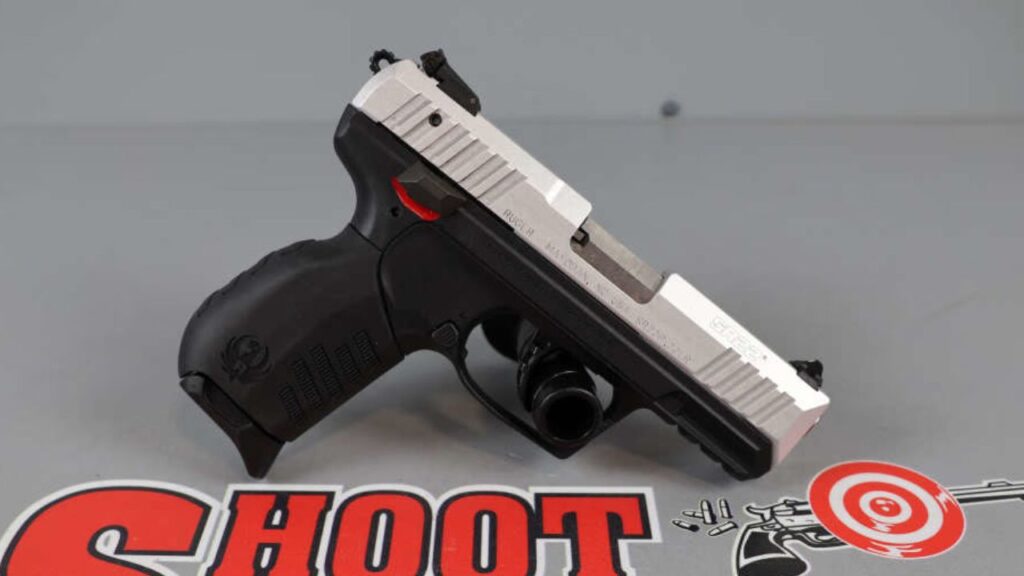
The Ruger SR-22 is a popular rimfire handgun, but like many semi-auto .22s, it doesn’t handle cold weather well. The short slide and lightweight springs that work fine in warm weather often fail to cycle properly when the air is freezing. Thickened lubricants and inconsistent rimfire ignition only make the problem worse.
Owners frequently report failures to eject or cycles that feel sluggish once the pistol is exposed to cold. It’s still a fun little trainer when temperatures are mild, but if you expect reliability in the winter, you’ll be disappointed. For cold-weather rimfire work, a revolver is a safer bet than the SR-22.
FN Five-seveN
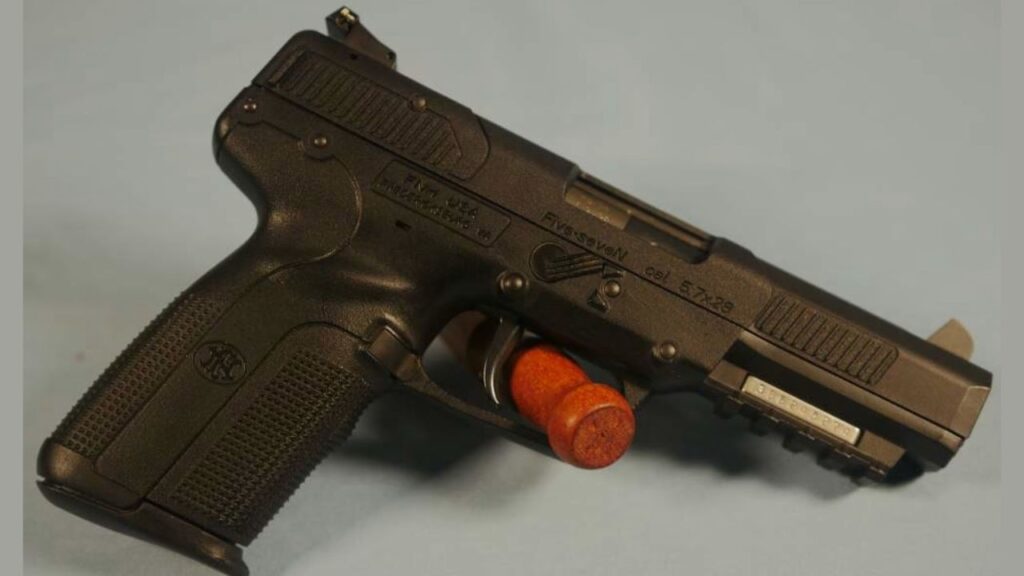
The FN Five-seveN is known for its unique caliber and light recoil, but in freezing weather it often falters. The lightweight slide and high-pressure cartridge rely on precise timing, and cold temperatures disrupt that balance. Reports from shooters include failures to eject, sluggish cycling, and rounds failing to chamber correctly.
The 5.7x28mm cartridge is already sensitive to environmental factors, and when combined with the pistol’s design, the cold amplifies inconsistencies. While it’s accurate and flat-shooting under ideal conditions, it’s not a sidearm that inspires confidence in icy weather. If you expect to carry or train in freezing temperatures, the Five-seveN isn’t a model you want to bet on.
Kimber 1911 (tight-tolerance models)
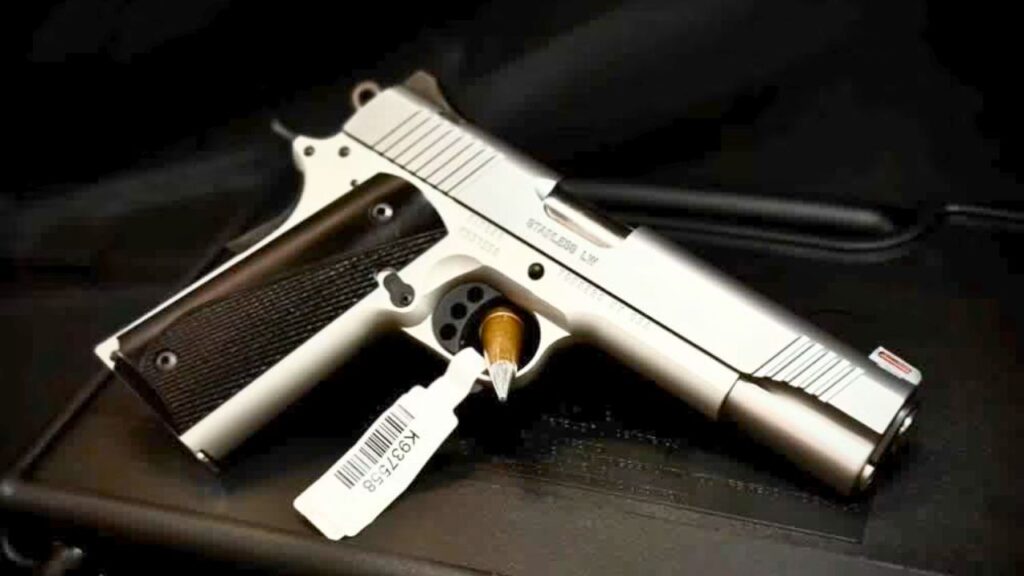
Kimber makes attractive 1911s with tight slide-to-frame fit, but those same tolerances can cause problems in the cold. Metal contracts, lubricants thicken, and suddenly the smooth cycling you had in the summer turns into sluggish operation. Many shooters report failures to feed or return to battery when running these pistols in freezing weather.
Other 1911s with looser tolerances tend to fare better, but Kimber’s precision fitting doesn’t forgive environmental stress. If you like 1911s and plan on shooting in the cold, choose one that prioritizes reliability over match-grade lockup. Kimber models may shine on the range in controlled conditions, but in freezing weather, they too often choke.
Beretta 92FS (with heavy lubrication)
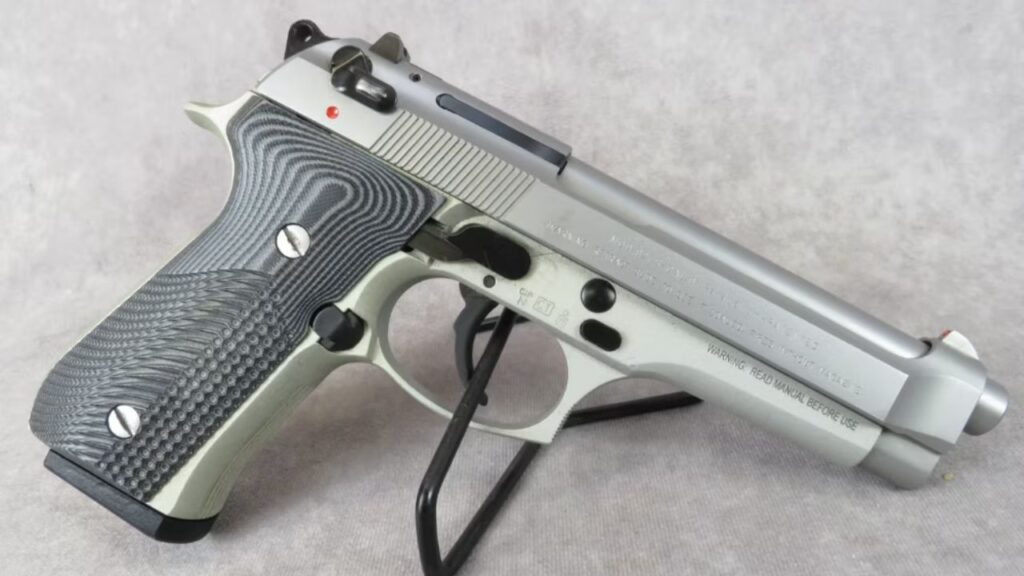
The Beretta 92FS is generally a reliable service pistol, but in extreme cold it can jam if over-lubricated. The large open-slide design collects debris, and when oil thickens in freezing air, the slide doesn’t always cycle as it should. Soldiers and shooters in cold environments have reported sluggish actions and failures to return to battery under those conditions.
The pistol itself is solid, but it demonstrates how lubrication and temperature interact. With minimal oil and the right maintenance, the 92FS can perform better, but if you carry one heavily lubed into subzero weather, you’re likely to see issues. It’s a reminder that even proven pistols can stumble if conditions push them outside their comfort zone.
SIG P210 (originals)
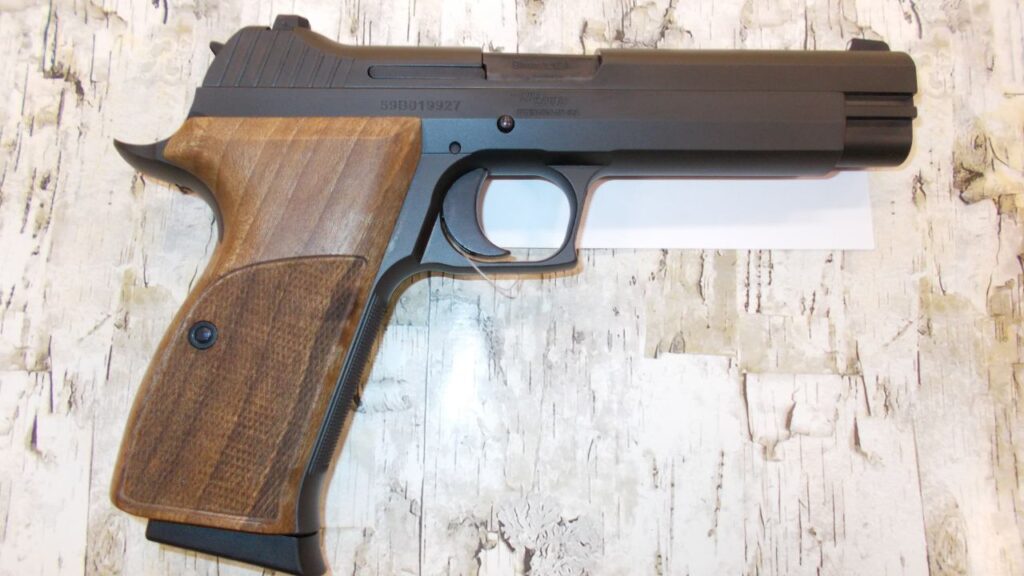
The original Swiss-made SIG P210 is renowned for accuracy, but its very tight tolerances make it vulnerable in the cold. The slide-to-frame fit is so precise that when temperatures drop and metal contracts, the action becomes sluggish. Add in thickened oil, and malfunctions aren’t uncommon in freezing environments.
Shooters who take the P210 into cold weather often find failures to feed or sluggish cycling after only a few magazines. It’s a pistol that was designed for precision, not rough conditions, and the cold highlights that trade-off. While it’s a fine firearm for range work in good weather, it’s not one to trust when winter makes everything harder.
*This article was developed with AI-powered tools and has been carefully reviewed by our editors.