Photo credit: sootch00/Youtube
A good home-defense handgun does not have to be expensive or fancy. It does not need a competition trigger, custom slide cuts, or a name that impresses anyone at the range. It needs to be reliable, safe to store responsibly, easy to access legally by the right person, simple to operate under stress, and shootable enough that the owner can train with it regularly.
That last part matters more than people admit.
Some handguns sound intimidating but are hard to control. Some are too small to shoot well. Some are too powerful for indoor use. Some are too finicky to trust. Others may work fine as range toys, collectibles, or niche carry guns, but they do not belong at the center of a serious home-defense plan. These are the handguns that usually create more problems than they solve.
Desert Eagle .50 AE

The Desert Eagle in .50 AE looks like the kind of handgun that would end an argument immediately. It is huge, loud, famous, and chambered in a cartridge that makes people at the range turn around. That intimidation factor is exactly why some people imagine it as a home-defense gun.
In reality, it is a poor fit for that role for most owners. It is heavy, large, expensive to practice with, and slower to handle than a normal defensive pistol. The blast indoors would be extreme, and follow-up shots are harder than with a manageable 9mm, .38 Special, or similar defensive option. A home-defense handgun should help the owner make fast, controlled, accurate decisions under stress. The Desert Eagle mostly brings spectacle, and spectacle is not a plan.
Taurus Judge
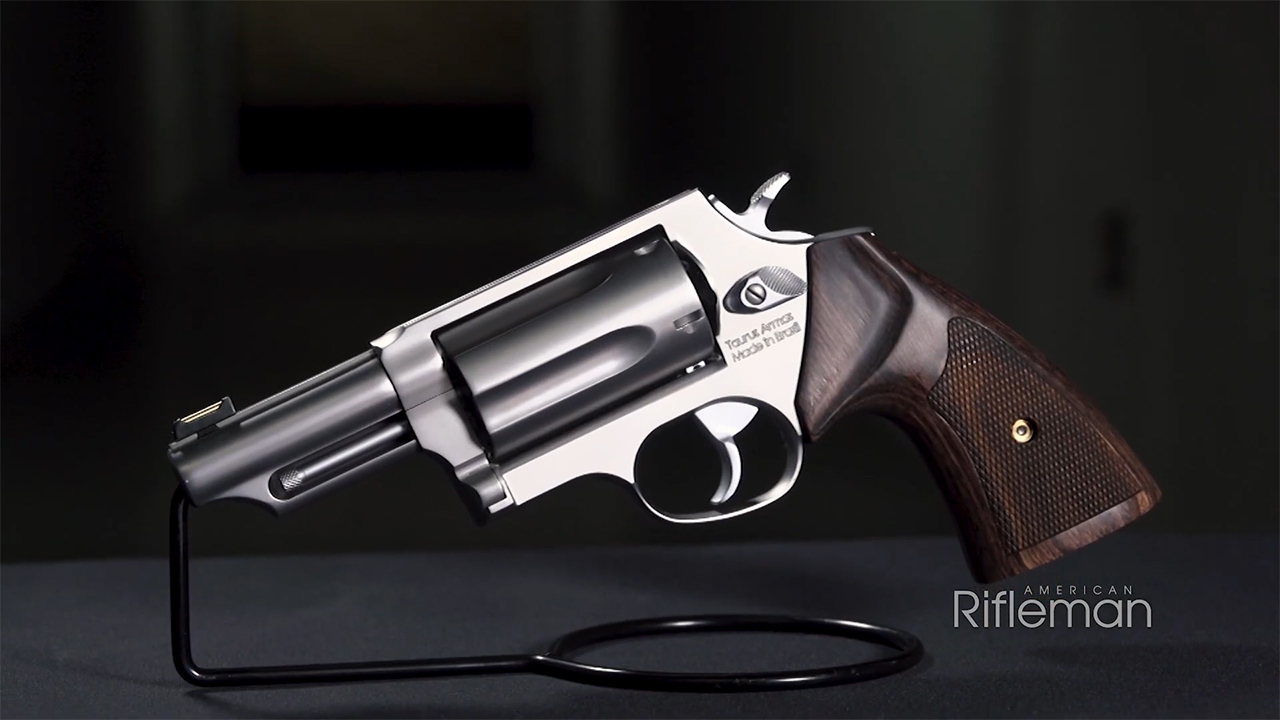
The Taurus Judge has probably sold more home-defense daydreams than almost any revolver. The idea of .410 shotshells in a handgun sounds simple and comforting. People imagine a forgiving pattern and shotgun-like power in a bedside revolver.
The truth is more complicated. A short-barreled .410 handgun does not perform like a real shotgun, and patterns vary heavily by load and distance. The revolver is bulky, limited in capacity, and not always as easy to shoot accurately as buyers expect. With .45 Colt, it still needs proper aim and practice. The Judge can be fun and interesting, but a serious home-defense plan should not be built around assumptions about spread. The target should decide, not the sales pitch.
Smith & Wesson Governor
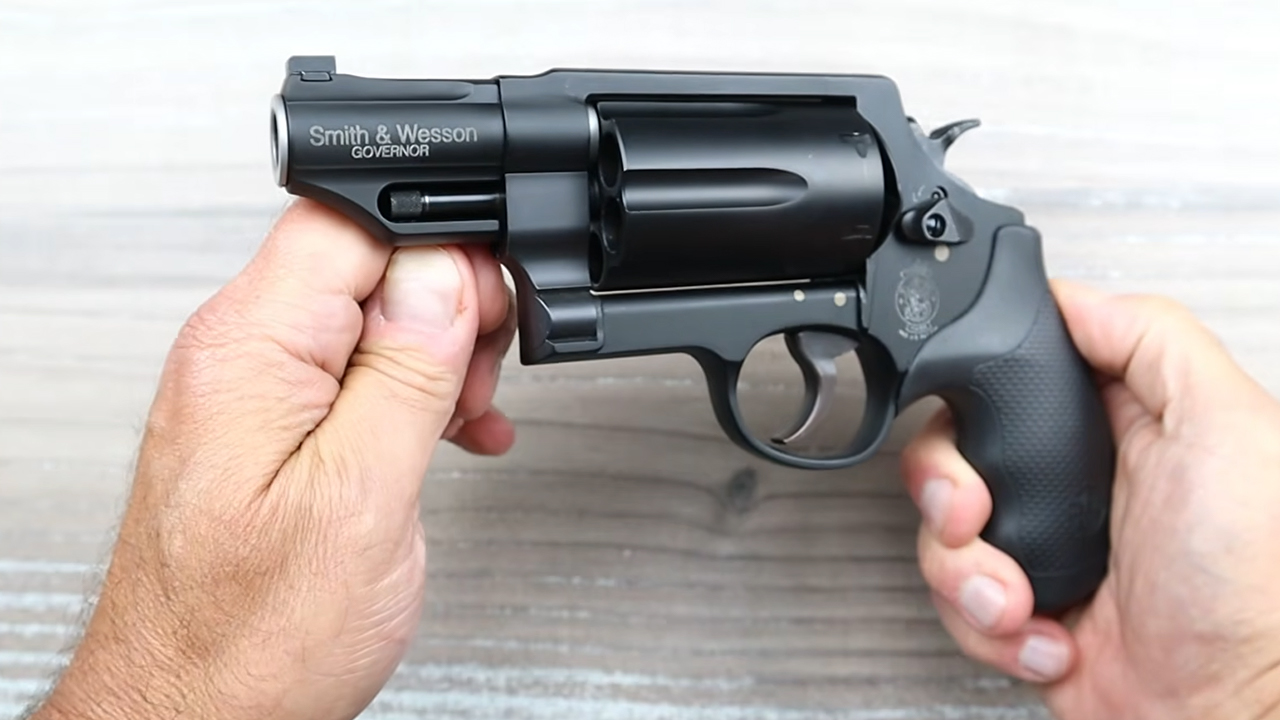
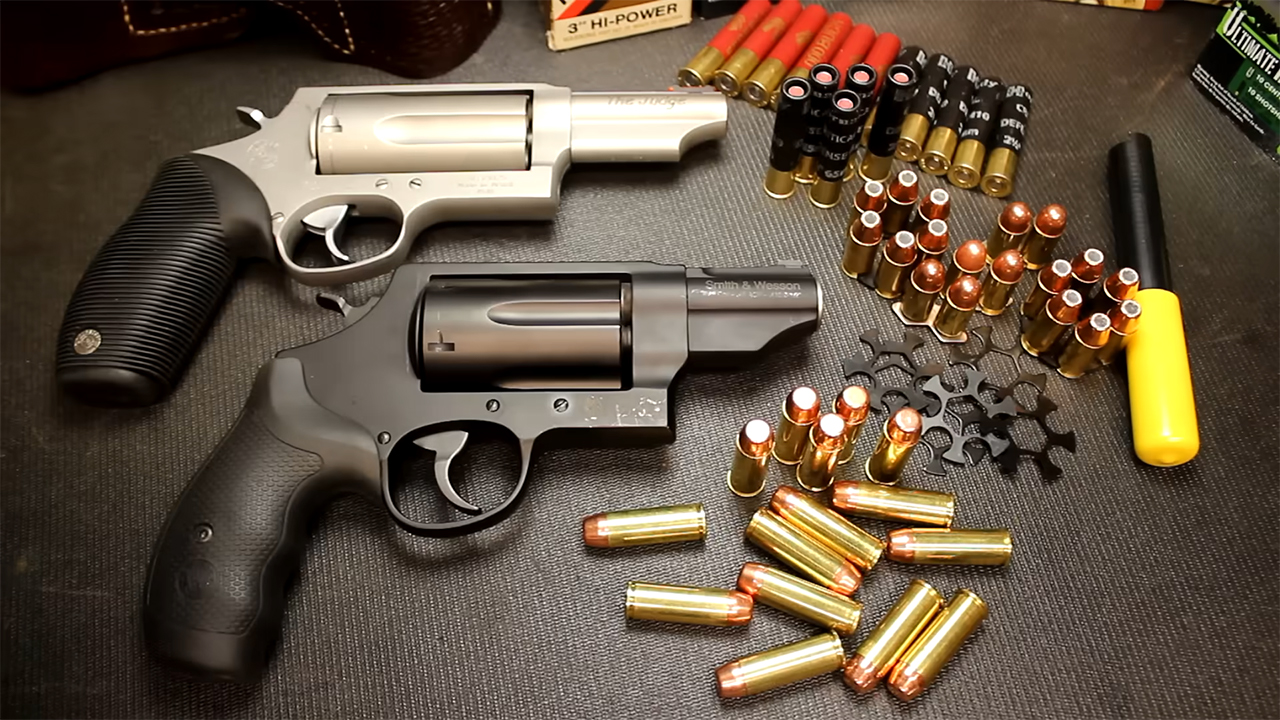
The Smith & Wesson Governor has the same basic problem as the Judge, even though it comes from a respected manufacturer. It offers .410, .45 Colt, and .45 ACP flexibility, which sounds useful at first. A buyer may feel like they are covering multiple bases with one revolver.
But home defense rewards clarity more than novelty. Different loads can hit to different points of impact, pattern differently, and recoil differently. The owner has to choose one load, test it, and understand its limits. Once that happens, the “versatility” may matter less than expected. A simpler full-size 9mm pistol, a quality .38 or .357 revolver loaded appropriately, or a real shotgun may make more sense. The Governor is interesting, but interesting is not the same as ideal.
North American Arms Mini Revolvers

North American Arms mini revolvers are clever, tiny, and extremely easy to carry. They have a role as deep concealment or last-ditch backup guns for people who understand their limitations. Home defense is not where they shine.
The sights are tiny, the grip is tiny, and the controls require careful manipulation. Reloading is slow, capacity is extremely limited, and accurate shooting under stress is difficult. In a home-defense situation, the owner usually has the option of choosing something larger, more controllable, and easier to aim. A mini revolver may be better than nothing in the narrowest sense, but it should not be the planned tool when better options can be staged safely and responsibly.
Bond Arms Derringers
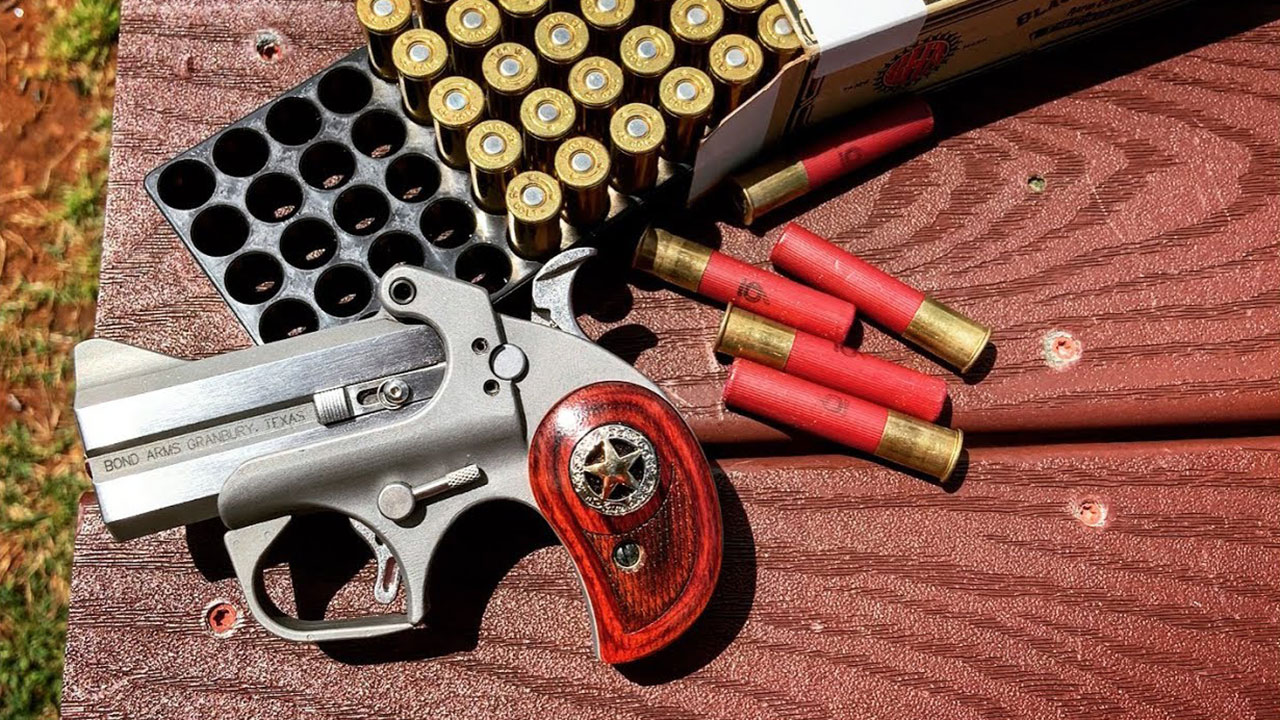
Bond Arms derringers are solidly made and full of personality. They can be chambered in serious cartridges and feel much more substantial than cheap derringers. That can make them seem like compact, powerful defensive tools.
The problems show up quickly. Two shots, slow reloads, short sight radius, heavy trigger feel, and stout recoil all work against the owner. A home-defense handgun should give the user enough capacity and control to solve a chaotic problem, not force them into a two-shot gamble. Derringers can be fun range guns or niche carry pieces. For home defense, they ask too much from the shooter and give too little back.
Micro .380 Pocket Pistols

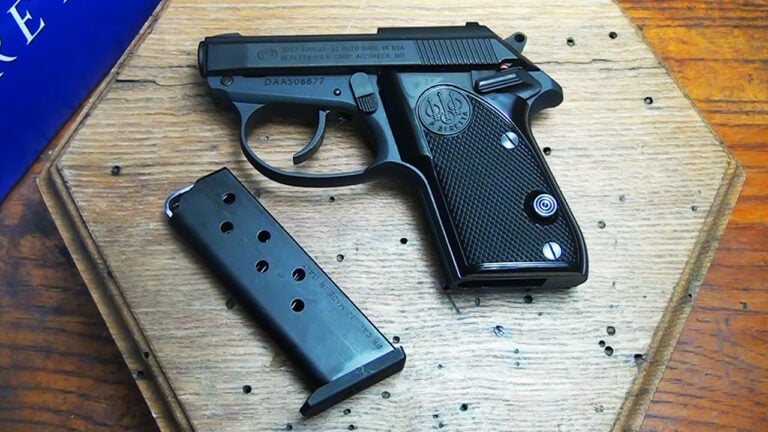
A micro .380 pistol can be a useful carry gun because it is easy to hide when larger guns are not practical. That does not mean it is the best choice for the nightstand. At home, concealment usually matters far less than shootability.
Tiny .380s are harder to grip, harder to aim, and often snappier than people expect. Many have small sights, long triggers, and limited capacity. Those compromises exist so the gun can disappear in a pocket. In a home-defense plan, those compromises are unnecessary. A larger pistol in 9mm, .38 Special, .357 Magnum with appropriate loads, or another manageable defensive caliber is usually easier to use well. The pocket gun belongs in a pocket role, not as the main house gun.
Lightweight .357 Magnum Snubnose Revolvers

A lightweight .357 Magnum snubnose sounds powerful and simple. That is the hook. It is small, reliable in the revolver sense, and chambered for a respected defensive cartridge. Some people think that makes it perfect for a bedside drawer.
The problem is controllability. Full-power .357 Magnum from a featherweight snub is loud, bright, and punishing. Indoors, the blast can be overwhelming. Many owners end up using .38 Special or .38 +P because they can actually control it, which may be a reasonable choice. But if the gun’s main selling point is a cartridge the owner hates practicing with, it is not the best home-defense choice. A heavier revolver or a larger semi-auto usually makes more sense.
Single-Action Revolvers
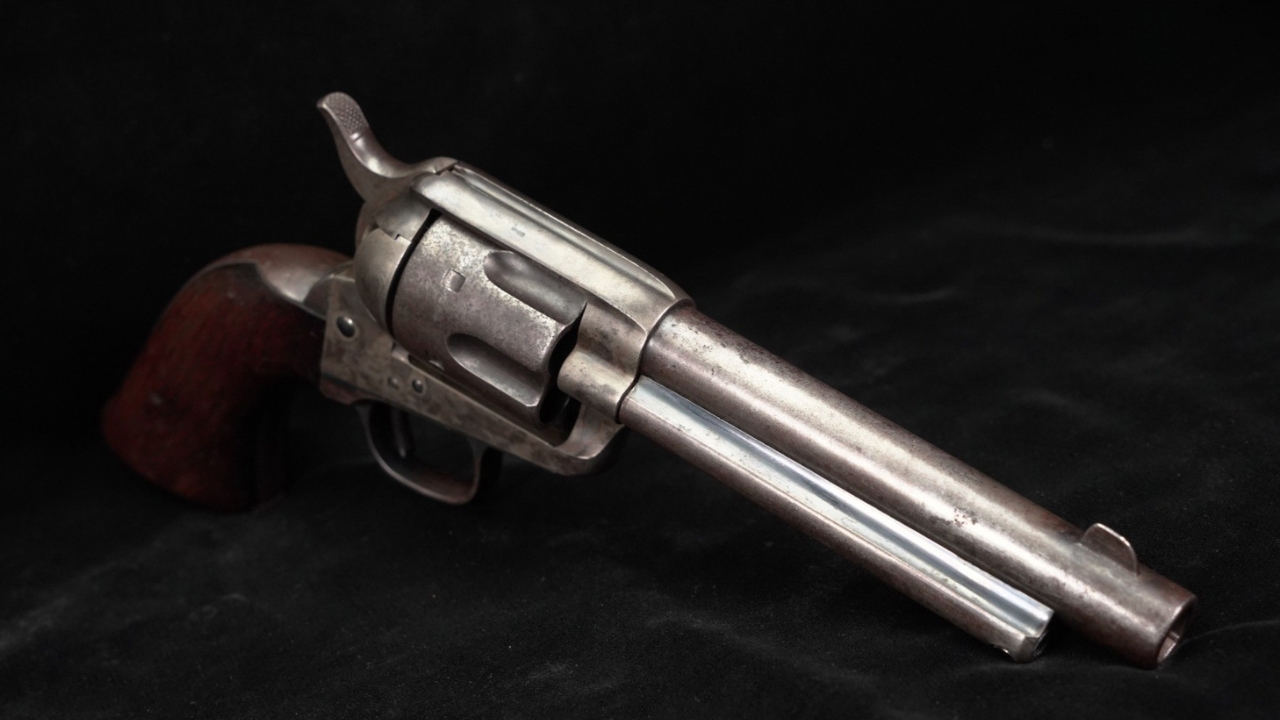
Single-action revolvers are wonderful firearms in the right context. They are excellent for range use, hunting, field carry, and traditional shooting. A Ruger Blackhawk, Vaquero, or Colt-style single-action can be accurate, strong, and deeply enjoyable.
For home defense, they are usually a poor choice. The shooter has to cock the hammer for every shot, reloads are slow, and capacity is limited. Under stress, those disadvantages matter. A skilled single-action shooter may run one well, but most people are better served by a double-action revolver or semi-auto pistol that is simpler to operate quickly. Home defense is not the place to choose romance over efficiency.
Cheap 1911s That Have Not Been Proven

A 1911 can absolutely serve in a defensive role if it is reliable, properly maintained, and the owner trains with it. The issue is the cheap or untested 1911 that looks serious but has not earned trust.
The 1911 platform depends heavily on magazines, extractor tension, feed geometry, recoil springs, and ammunition choice. A budget example may run ball ammunition at the range but stumble with hollow points. It may need break-in, tuning, or better magazines before it is trustworthy. None of that belongs in a home-defense plan until the gun has been thoroughly tested. A defensive handgun should not be a project with nightstand ambitions.
Ultra-Light .44 Magnum Revolvers
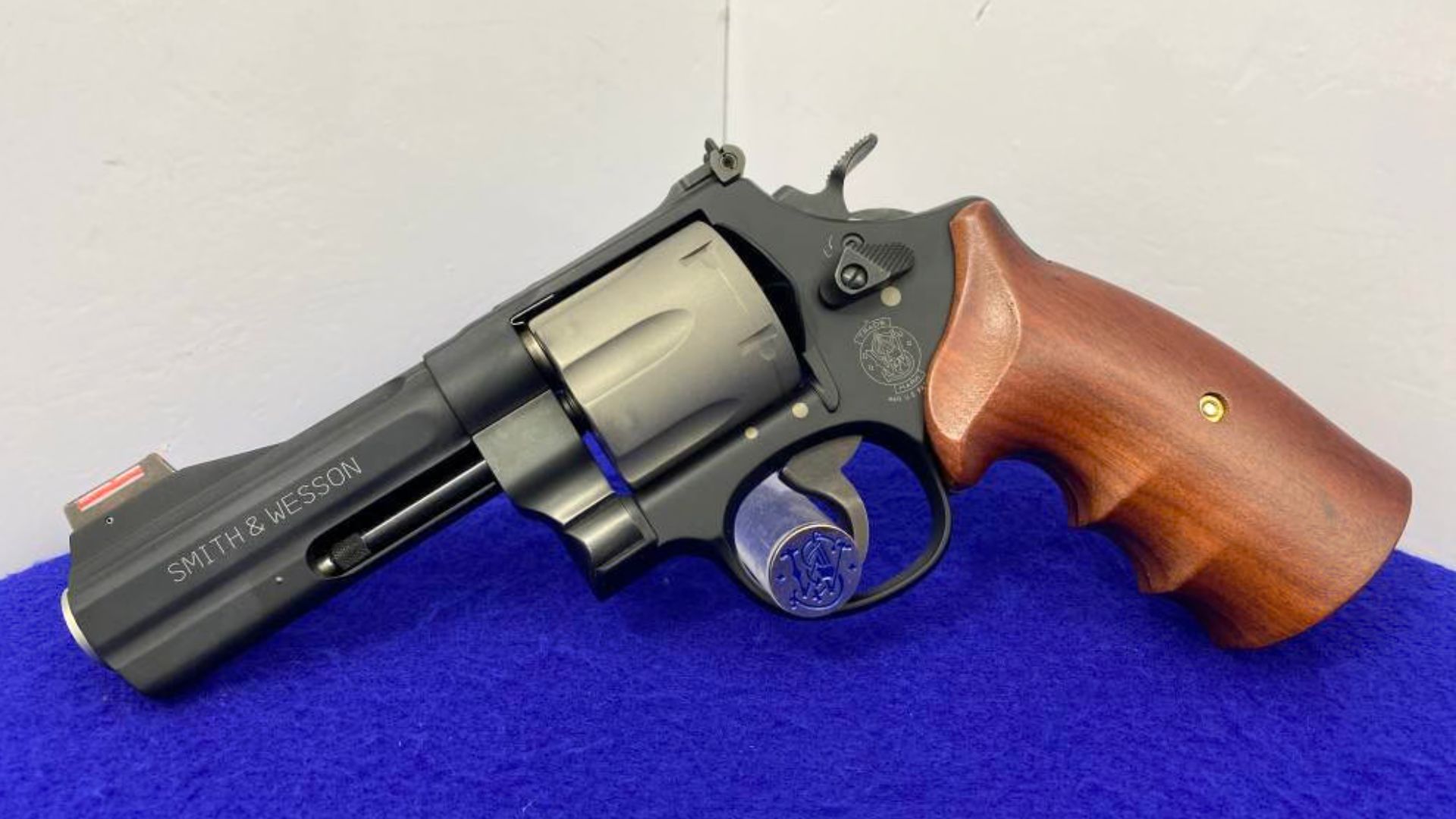
An ultra-light .44 Magnum revolver sounds like a serious answer to serious threats. In reality, it is usually a specialized backcountry carry gun, not a practical home-defense handgun. It exists so someone can carry big power without dragging around a heavy steel revolver.
Inside a home, the drawbacks are severe. Recoil is brutal with full-power loads, muzzle blast is intense, and follow-up shots are difficult. The cartridge is far more than most home-defense situations require, and the platform makes practice unpleasant for many owners. A heavy .44 can be manageable for experienced shooters, but a featherweight .44 is a different animal. It belongs in the woods for people who know why they need it, not as the default bedside gun.
Rimfire Pistols as the Main Plan

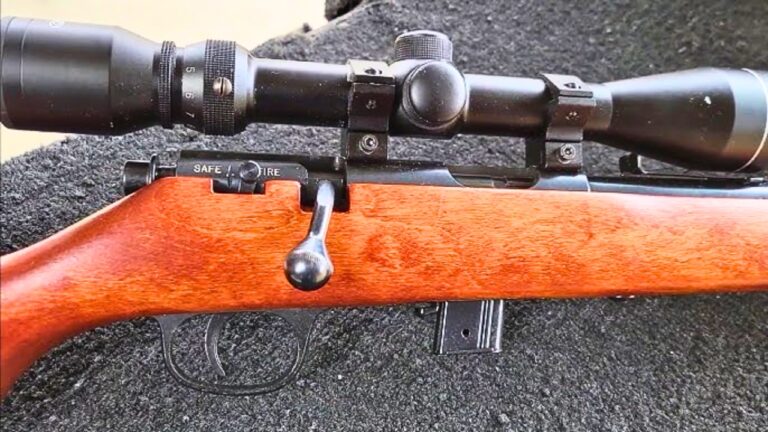
A .22 LR or .22 Magnum pistol can be easy to shoot, and that matters. For recoil-sensitive owners, a rimfire may seem like a reasonable home-defense choice. It is certainly better than a gun someone cannot control at all.
But rimfire cartridges bring reliability and terminal-performance concerns compared with centerfire defensive calibers. Rimfire ignition is generally less dependable than centerfire, and the cartridges offer limited power. A quality rimfire may be part of a training plan or a last-resort option for someone with serious physical limitations, but it should not be the default if the owner can handle a reliable centerfire handgun. Home defense calls for the most dependable tool the person can use well.
Over-Customized Competition Pistols
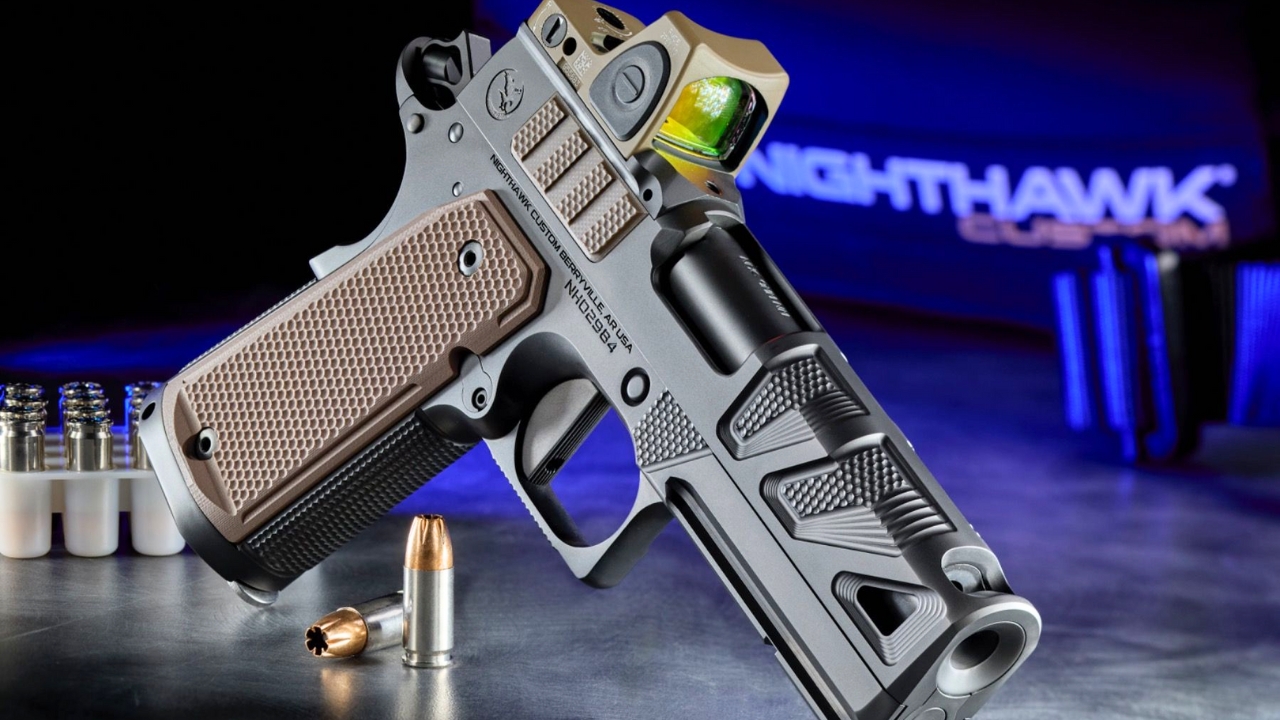
A competition pistol can be accurate, fast, and impressive on the range. That does not automatically make it a good home-defense handgun. Some competition guns are tuned around light triggers, light recoil springs, specific ammunition, extended controls, magwells, compensators, or optics setups that make sense for matches but may not be ideal for defensive use.
The concern is reliability and handling under stress. A gun tuned to run soft with match loads may not love defensive ammunition. A very light trigger may be harder to manage safely when startled awake. Large magwells and compensators may complicate storage, holster fit, or maneuverability. A home-defense gun should be simple, proven, and safe. Race-gun energy is not automatically defensive readiness.
Old Pocket .25 ACP Pistols
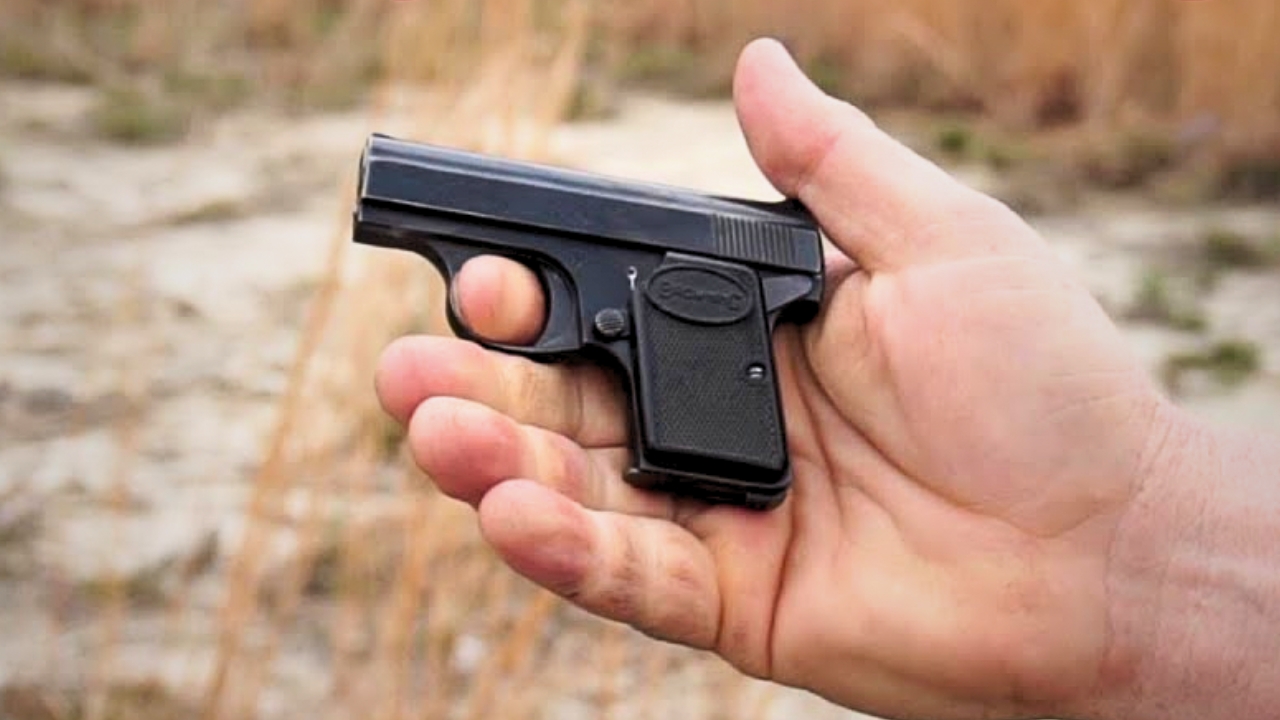
Old .25 ACP pocket pistols have charm. Some are beautifully made, historically interesting, and easy to admire as mechanical objects. They also come from an era when defensive options were far more limited than they are now.
As a home-defense plan, they fall short. The cartridge is weak by modern standards, sights are usually tiny, grips are small, and many examples are decades old with uncertain reliability. Parts and magazines may be difficult to source. If someone owns one as a collectible or family keepsake, that is understandable. But when choosing a handgun for protecting a home, there are far better modern options that are easier to shoot, easier to support, and more capable.
Unreliable Budget Pistols
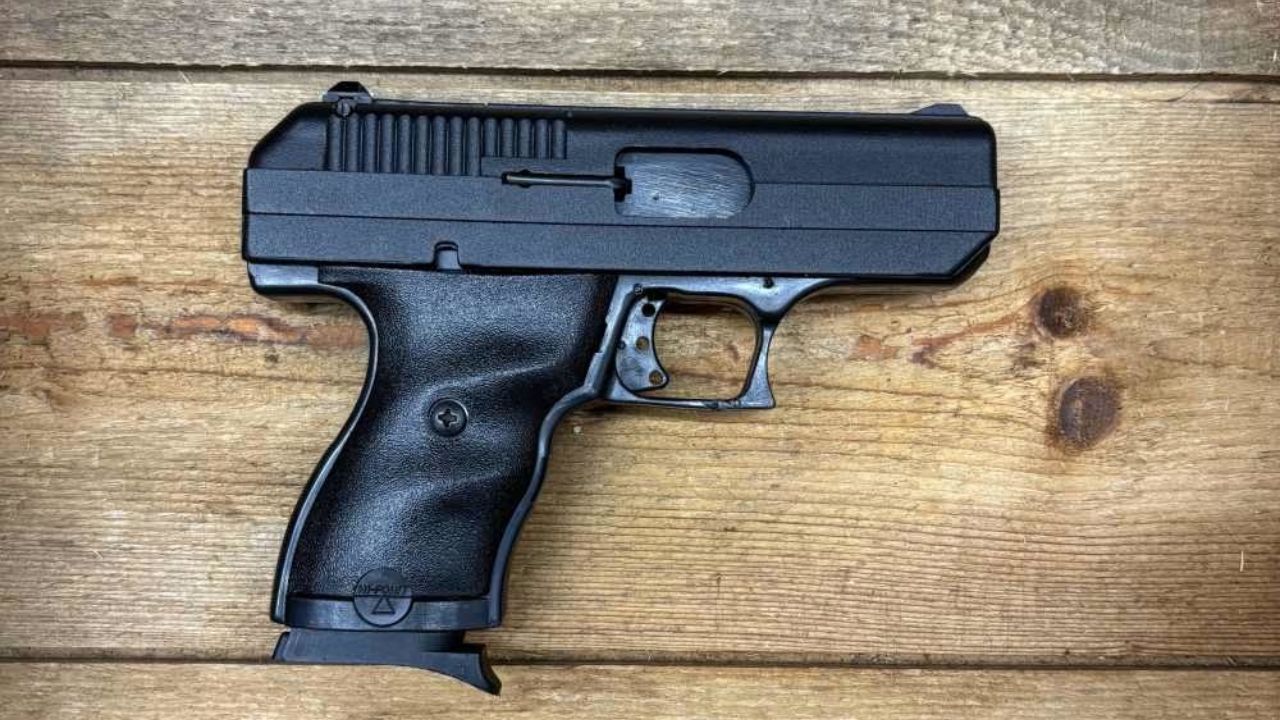
Not every budget pistol is bad. Some affordable handguns are reliable, practical, and excellent values. The problem is the unreliable budget pistol that an owner keeps making excuses for because money is tight or because they want it to work.
A home-defense handgun has to run. If it regularly fails to feed, fails to eject, drops magazines, light-strikes primers, or only works with one exact load, it does not belong in the plan. The owner may be able to fix it, replace magazines, test ammunition, or send it for service. Until then, it is not ready. Saving money at purchase does not matter if the gun cannot be trusted when everything is on the line.
Hand Cannons Bought for Intimidation
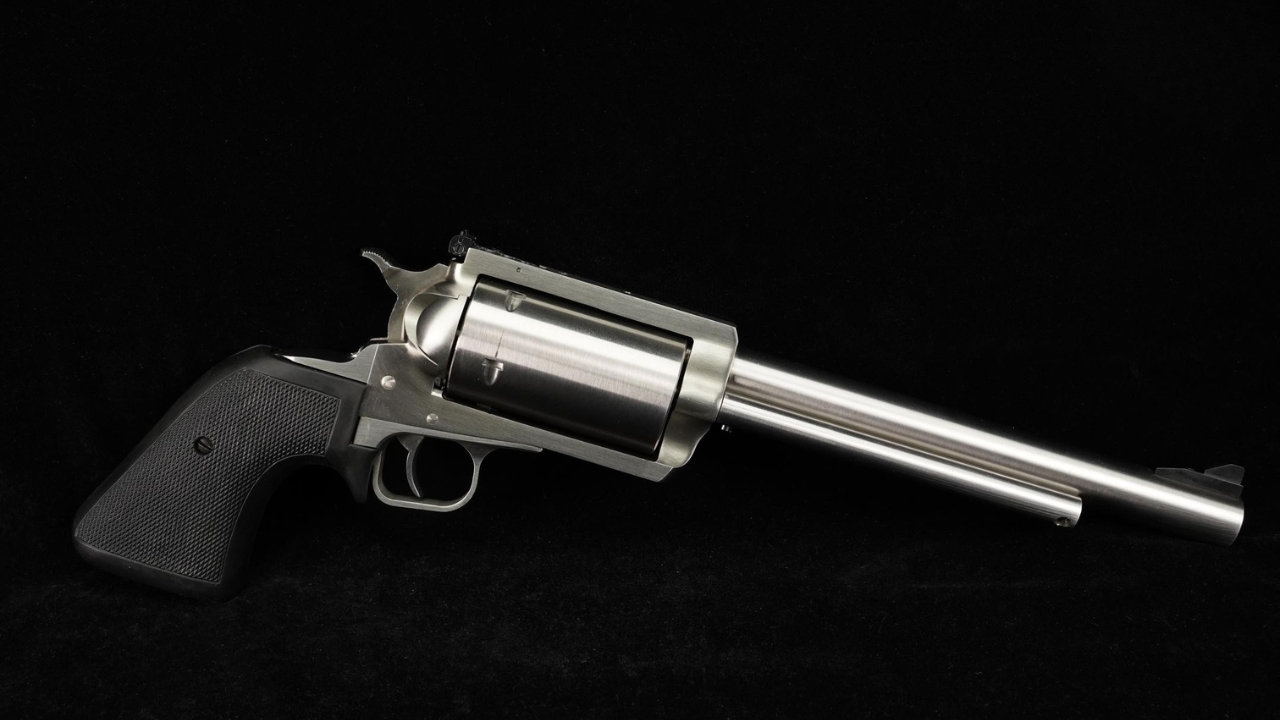
Some people choose a home-defense handgun because it looks terrifying. Giant revolvers, oversized semi-autos, novelty magnum pistols, and dramatic big-bore handguns can feel reassuring because they project power. That is a bad way to choose defensive equipment.
A home-defense gun should be selected for control, reliability, safe storage, ammunition performance, and the owner’s ability to use it under stress. Intimidation is not a feature if the gun is too heavy, too loud, too hard to shoot, or too expensive to practice with. The best defensive handgun may look boring. That is fine. Boring guns that work beat dramatic guns that make the owner flinch.
Any Handgun the Owner Cannot Store Safely
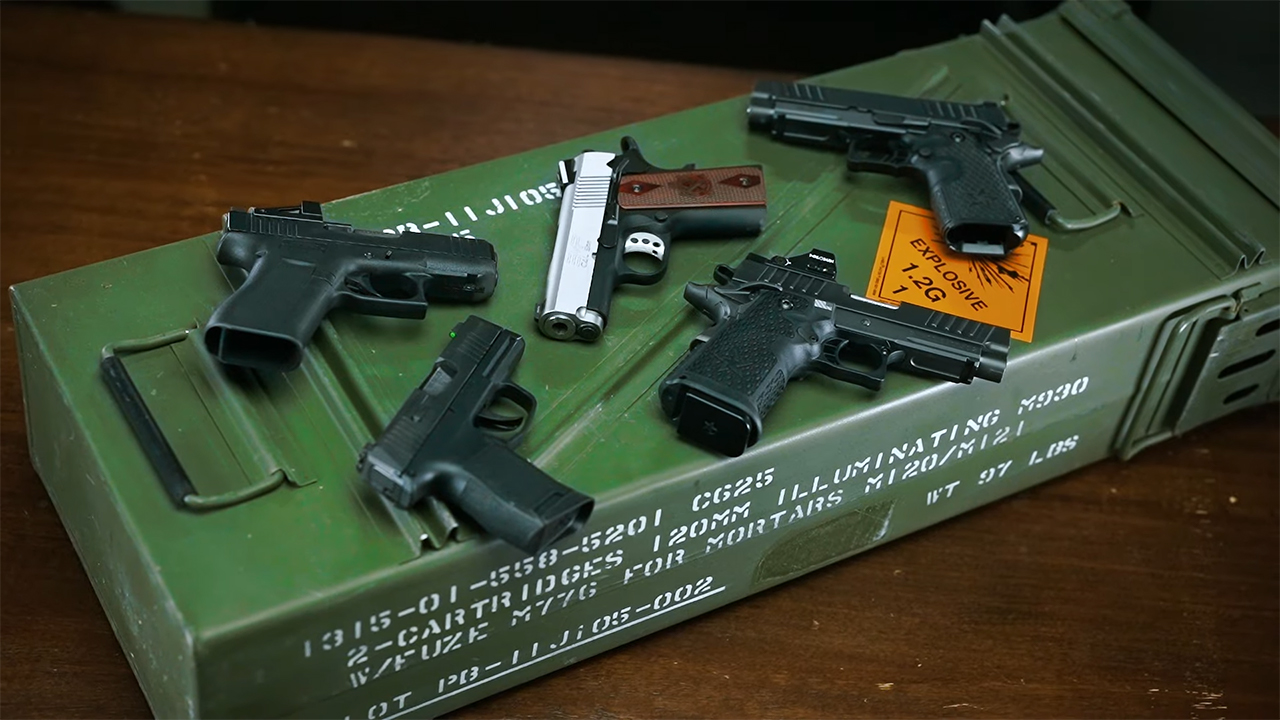
The handgun that least belongs in a home-defense plan is any handgun the owner cannot store safely. This matters even more in homes with children, visitors, or anyone who should not have access. A loaded defensive handgun has to be secured from unauthorized hands while still being accessible to the responsible adult who may need it.
That usually means a serious storage plan, not a vague hiding spot. Quick-access safes, responsible habits, training, and household rules matter. A perfect pistol stored carelessly becomes a danger. A modest pistol stored responsibly and practiced with regularly is far better. Home defense is not just about what gun sits in the house. It is about whether the whole plan is safe, legal, and realistic.
Like The Avid Outdoorsman’s content? Be sure to follow us.
Here’s more from us: