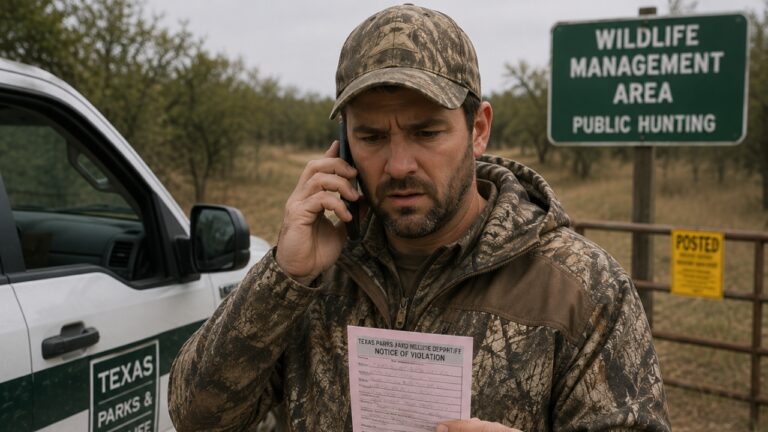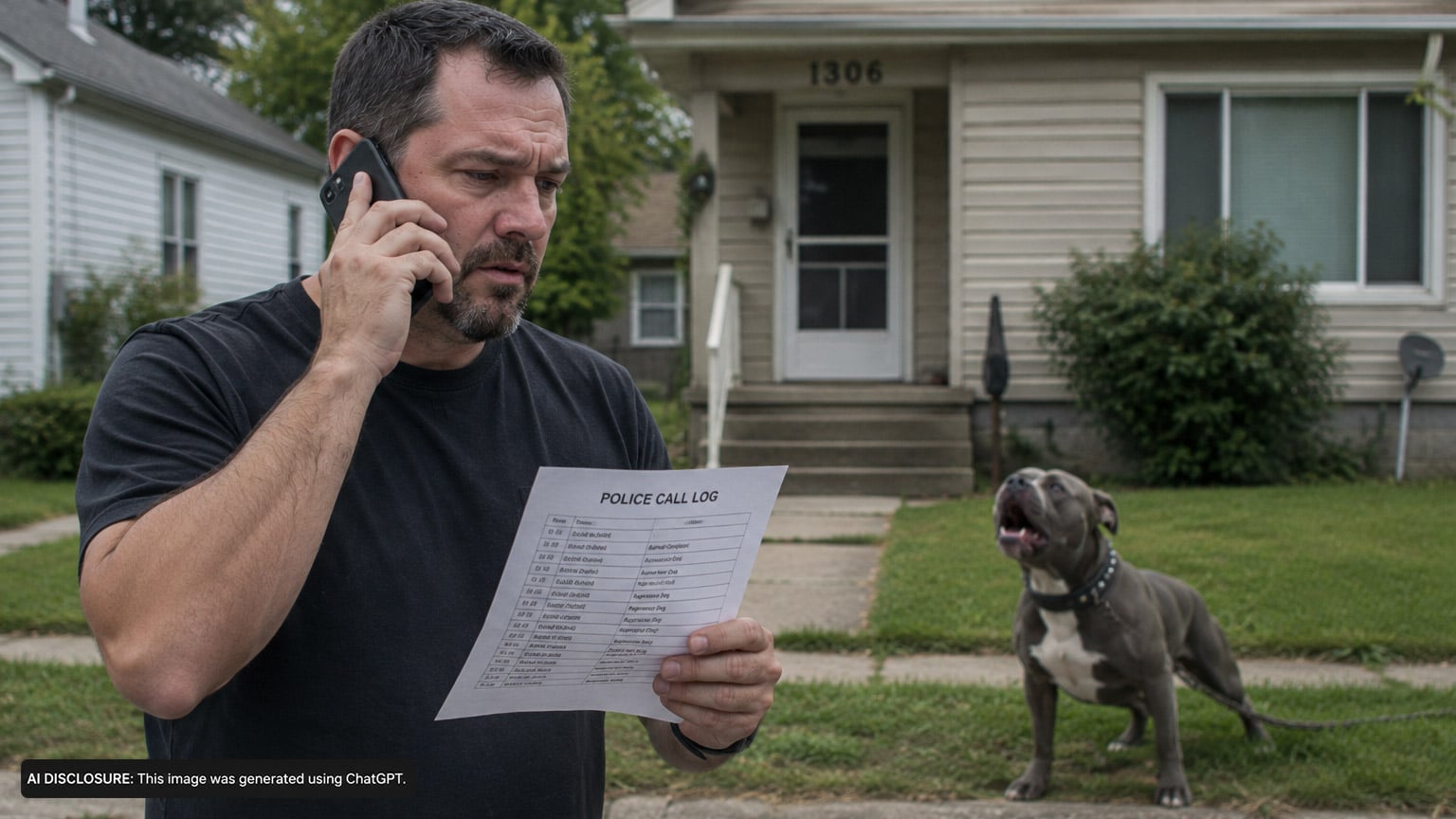
Photo credit: AI-generated image created using ChatGPT. Illustrative only
Most folks who live a little ways out of town understand the unwritten deal: you take care of your place, your animals, and your people—and you expect your neighbors to do the same. When that breaks down, it doesn’t just get annoying. It gets dangerous in a hurry.
In Michigan, one homeowner says he spent months trying to get help with an aggressive dog that kept running loose, only to end up shooting it when it charged him. The full account was laid out in the original post, and it reads like the kind of slow-burn neighbor problem that can spiral into a full-on safety crisis.
A loose dog problem that kept getting kicked down the road
According to the homeowner, his neighbors were pit bull breeders and “frequently let their dogs run loose.” He says he didn’t just make a couple frustrated phone calls and give up—he and his family filed FOIA requests and pulled incident records showing animal control and police had been to their house more than twenty times each over the issue.
That detail matters, because repeated calls and repeated responses tell you everyone knew there was a pattern. This wasn’t a one-off dog slipping a collar. It was a recurring threat that kept showing back up at the same address.
When an officer watched it happen and nothing changed
One of the most telling moments in the account is when the homeowner says he “forced an officer to come into my home and watch what happened when I opened my back door.” When he opened the door, he says the dog charged from the neighbor’s property right up to his back door as he shut it.
In a rural mindset, that’s the kind of demonstration you do when you’re tired of being treated like you’re exaggerating. But he says the response was still minimal: the officer simply told the neighbors to put the dog inside. No meaningful follow-through. No lasting fix.
Animal control took the dog—then handed it right back
The homeowner says animal control did confiscate the dog at one point. But, in his telling, it was released back to the neighbors “within hours.” Whether that was due to policy, lack of space, paperwork issues, or something else, the end result was the same for the person being charged on his own property: the dog was back in play almost immediately.
Then came a moment that would make just about any landowner’s blood run cold. On what he says was his last call to animal control, he was told they would no longer respond—and that he should “contain the animal” himself. He tried to file a formal complaint about that advice and says he was told it was “common advice,” though he claims others he spoke with—including police—said it wasn’t standard.
That’s where these situations go from frustrating to impossible. If the agencies who are supposed to handle a roaming aggressive dog won’t come out anymore, you’re left with three options: never use your own yard, confront neighbors who already aren’t acting right, or be prepared to defend yourself if it comes at you.
The day it turned into a self-defense shooting
On June 2, the homeowner says the dog charged him and he knew he wasn’t going to make it back inside in time. He shot the dog, and it died in his backyard near his back porch. He also says the neighbors were not home at the time, and that he called police immediately after the shooting.
From an outdoorsman’s perspective, this is the ugly side of “handled it yourself.” Nobody wants to shoot a dog. But when an aggressive animal is closing distance and you’re out of room, the decision gets made for you. The safety piece that often gets missed in casual conversation is backdrop and location—he describes this happening near a back porch, which is exactly the kind of tight environment where you don’t have time to think through much besides immediate survival and not sending a round somewhere it shouldn’t go.
After the dog was dead, the real trouble showed up
The homeowner says the neighbors arrived at the same time as police. Then, he claims, the neighbors started breaking out windows in front of officers. Police issued a citation to appear in court, but he says no arrest was made due to COVID restrictions.
After that, he describes a continued run of property damage—“the rest of our downstairs windows”—and even alleges the neighbors had friends try to run him over with a vehicle. He says he got pictures of the vehicle, the plate, and the people, but was told police couldn’t do anything because the plate was not registered.
He also states that if he leaves his house, neighbors threatened to decapitate him and burn his house down, and that he has video of the threats. In his telling, police said threats weren’t enough to make an arrest. Whether that reflects a misunderstanding, a local policy choice, or simply the limits of what officers can do in the moment, the practical reality for him was the same: he says he felt trapped in his own home.
Where people tend to focus in situations like this
When a problem like this gets laid out end-to-end, most outdoorsmen zero in on a few practical things right away: documentation, physical security, and legal separation between the dog incident and the neighbor retaliation. The homeowner already did one of the big ones—paper trails. FOIA records, repeated calls, and video are the kinds of boring details that matter later.
The other focus is getting your home hardened without escalating conflict. Cameras that can’t be easily tampered with, lights, and making sure you’ve got clear recordings of faces, vehicles, and timestamps are the kind of steps that don’t win arguments but do win cases. And if a situation is at the point where you “can’t leave your house,” most folks will also push the idea of a restraining order or protective order, because it creates a clearer legal line when someone crosses it again.
Trying to sue the city and county—and the hard reality of “they didn’t help”
The homeowner said he wanted to sue the city and the county, arguing that negligence by police and animal control “allowed this to happen,” and he was trying to figure out what type of attorney he needed. That’s a common instinct when you’ve begged for help, built a record, and still ended up having to handle the danger yourself.
But there’s a practical lesson here for anyone living where loose dogs and bad neighbors are a real possibility: “They didn’t do anything” can be infuriating, but it doesn’t always translate cleanly into a winning lawsuit. Government agencies often have protections, specific notice requirements, and narrow windows for claims. On the other hand, the allegations of property damage, threats, and attempted vehicle assault point toward a different track—going after the individuals responsible—where documentation and prompt reports can matter just as much.
What doesn’t change is the core takeaway for rural homeowners: start documenting early, keep your reports consistent, and don’t assume the system will step in before you’re forced to make a hard call. When an aggressive animal is running loose and the owners won’t control it, the clock is ticking—and you might be the only one standing between your family and a bad outcome.
Like The Avid Outdoorsman’s content? Be sure to follow us.
Here’s more from us: