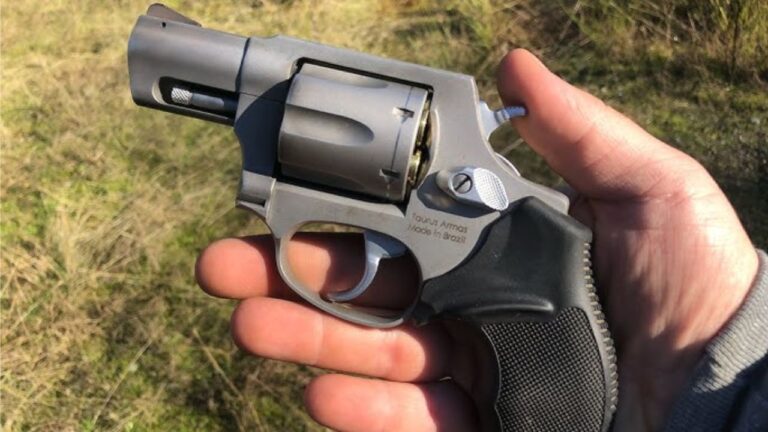
Photo credit: Carolina EDC reviews/YouTube
Some guns get buried by their own hype. They come out with too much noise, too many hot takes, too many instant opinions, and too many people trying to crown or kill them before the market has even had time to breathe. That usually makes honest judgment harder, not easier. The loudest guns often end up underrated for a while simply because people get tired of hearing about them.
Then the noise dies down. The trend-chasers move on. The backlash cools off. And suddenly people start looking at the gun for what it actually is instead of what the internet said it was supposed to mean. That is when some firearms finally get the respect they should have had from the start. Here are 15 guns that often ended up looking better once the hype cycle got out of the way.
Beretta PX4 Storm

The PX4 got more respect once people stopped judging it by its looks and started judging it by what it actually does on the range. Early on, a lot of shooters dismissed it because it looked strange and did not fit the usual “serious pistol” image they wanted. That kept plenty of people from seeing the real strengths of the gun.
Once the hype and the mockery both faded, the pistol’s actual value became clearer. It shoots softly, holds up well, and feels more refined in use than its awkward first impression ever suggested. It did not become a different pistol later. People just finally stopped being distracted by the surface.
Smith & Wesson M&P 2.0 Compact

The M&P 2.0 Compact got more respect after the early striker-fired brand wars cooled off. At first, a lot of conversation around it felt like brand tribalism more than honest shooting talk. People either pushed it too hard or dismissed it because it was not their preferred plastic pistol.
Once that noise settled, more shooters started admitting it was one of the stronger all-around compact service pistols on the market. It shot well, carried well, and held up under real use. The gun did not need the drama. It just needed time for people to stop arguing and start noticing what was in front of them.
Ruger American Predator

The American Predator got more respect once buyers stopped treating it like another budget rifle that happened to shoot okay. Early attention around it often centered on price first, which made people assume it had to be more compromise than rifle. That kept plenty of shooters from giving it full credit.
Over time, the tone changed. Owners kept reporting real accuracy, practical usefulness, and the kind of no-fuss ownership people actually value. Once the hype around “cheap rifles that shock you” cooled off, the Predator started being respected less as a surprise and more as a genuinely smart rifle.
HK VP9

The VP9 got more respect after the first wave of “best striker ever” excitement burned off. That early hype created just as much backlash as praise, which usually happens when a gun enters the market with too much noise attached. People were tired of hearing about it almost before they had enough time with it.
Once the volume came down, the actual pistol stood up better. Good ergonomics, strong practical shootability, and a very usable overall package gave it staying power. It did not need to be the greatest thing ever made to earn respect. It only needed to be what it really was, and that turned out to be plenty.
CZ P-10 C
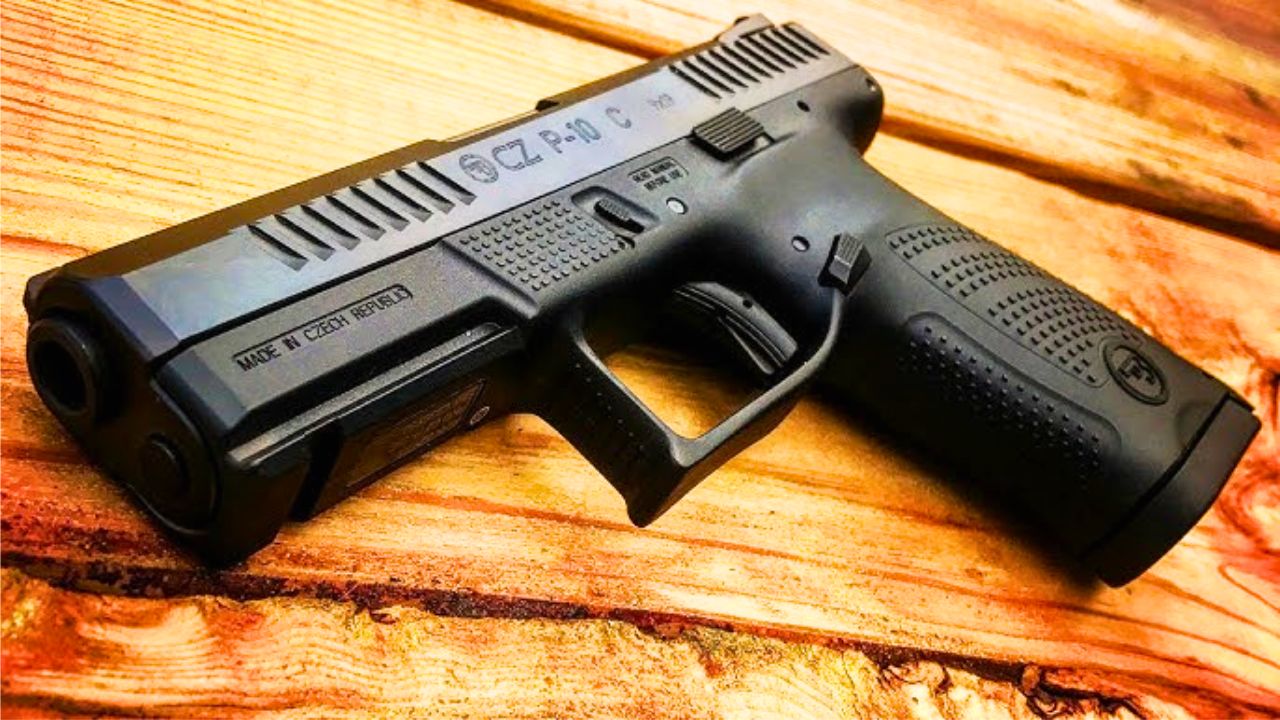
The P-10 C was another pistol that got tangled up in the “Glock killer” cycle, which is almost always a bad way to launch a serious handgun into the world. That kind of labeling creates instant overreaction on both sides and makes it harder for the pistol to be judged honestly.
Once that marketing-style framing faded, more shooters started appreciating the gun as its own thing. It turned out to be a very competent compact striker pistol with strong ergonomics and real practical value. The respect came after the hype because the gun needed people to stop turning it into an argument first.
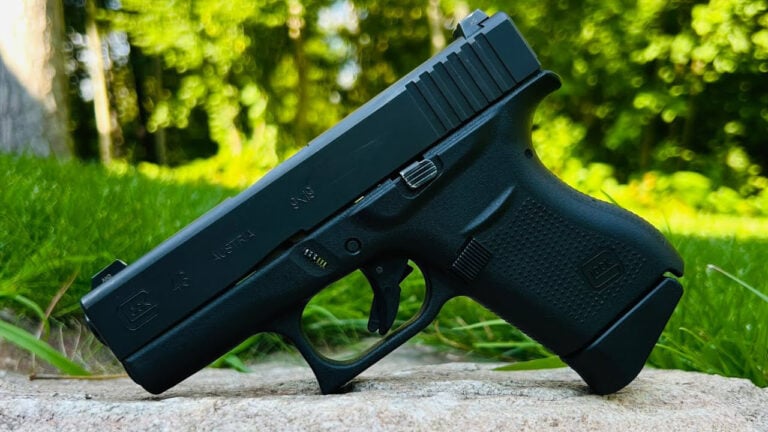
Glock 43X

The 43X got more respect after the market stopped treating it like either a disappointing low-capacity compromise or the ultimate answer to carry. Early on, opinions were too extreme in both directions. That usually means a gun needs time to settle into its real place.
Once that happened, the 43X started looking a lot more reasonable. It offered a slim profile, simple handling, and enough practical appeal that many owners kept coming back to it even after trying the newer, louder alternatives. The pistol became easier to respect once people stopped demanding that it be either perfect or pointless.
Beretta 1301 Tactical
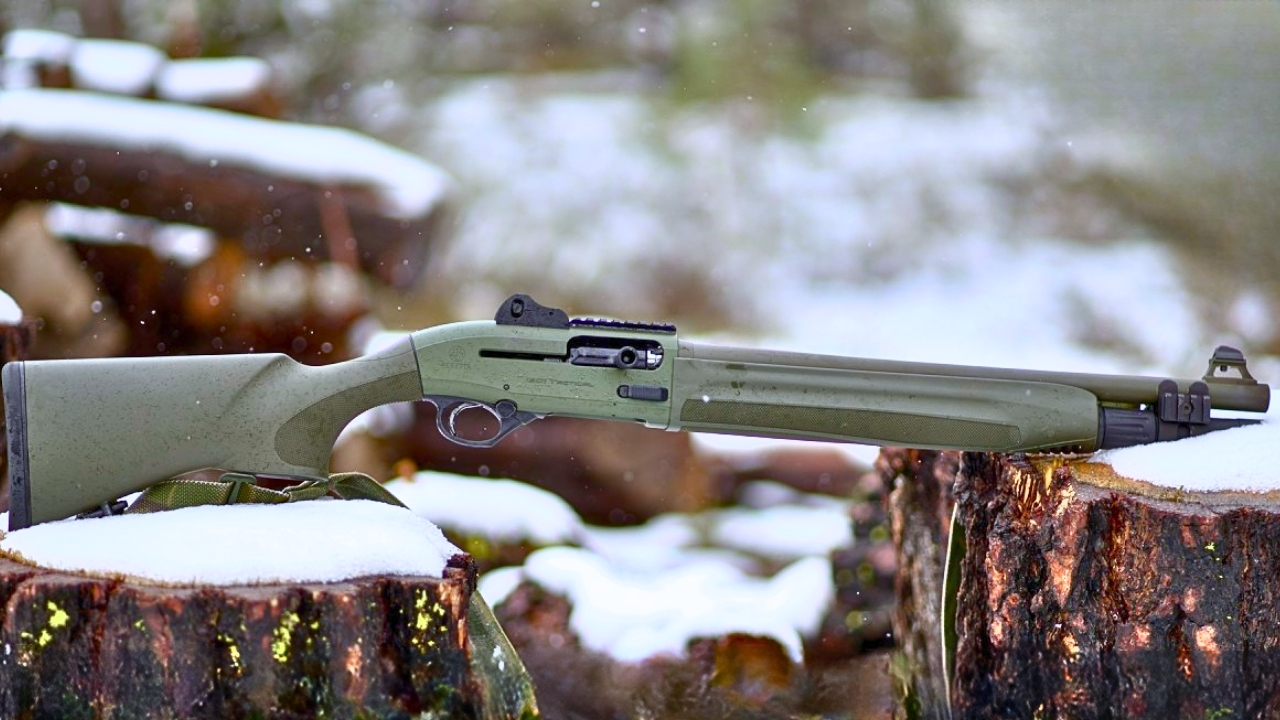
The 1301 Tactical got more respect once it moved past the “hot tactical shotgun of the moment” phase. Early excitement was so intense that it almost made the gun harder to evaluate fairly. Some people bought in too fast, while others dismissed it because they were tired of hearing about it.
Then enough time passed for the results to speak. The shotgun remained fast, reliable, and very usable, which is what really matters. Once the initial fever broke, a lot more shooters were willing to admit that the 1301 had earned a lot of what the early fans were shouting about.
SIG Sauer P365

The P365 got more respect after the launch drama stopped dominating every conversation about it. Early problems and huge attention made it easy for people to write the whole gun off or, on the other side, defend it too aggressively. Neither reaction was very helpful.
Once the pistol matured and the market had time to calm down, the real accomplishment became harder to deny. It changed what people expected from small carry guns and stayed genuinely useful beyond the first wave of hype. After the shouting faded, the respect got more honest.
Canik TP9 SFx

The TP9 SFx got more respect once people stopped talking about it like a budget miracle and started treating it like a real range pistol with genuine strengths. The early “you won’t believe what you get for the money” energy created the kind of hype that often makes serious shooters skeptical by default.
After the excitement normalized, the pistol’s actual appeal held up better than some expected. It remained a very shootable, very practical range-focused handgun, and that gave it a second life in terms of respect. Once it stopped being a surprise, it started being taken more seriously.
Ruger LCP Max

The LCP Max got more respect after the initial flood of pocket-gun arguments cooled off. Early discussion often turned into exaggerated claims one way or the other, with people either treating it like the final word on small carry guns or dismissing it because tiny pistols always come with compromises.
After enough real use, the conversation got more grounded. It remained a highly practical deep-carry option with real strengths for the role. That kind of respect is stronger than hype because it comes from people who actually carried the thing instead of just reacting to the announcement.
Winchester XPR

The XPR got more respect after people stopped expecting it to be a spiritual continuation of older Winchester glory and started judging it as a straightforward modern hunting rifle. That early expectation gap hurt it, because buyers often wanted it to mean more than it was trying to mean.
Once the emotion settled, it became easier to appreciate. It was a practical hunting rifle that could serve real hunters well without pretending to be a premium nostalgia piece. Sometimes that kind of honest role gets more respect later than it does when the launch expectations are still hanging over it.
FN 509

The 509 got more respect once it stopped being framed only as a duty-pistol answer to other brands’ fan bases. Early on, a lot of conversation around it was comparative and tribal instead of practical. That can flatten how people see a gun.
Once it had time to stand on its own, more shooters started respecting its durability, serious feel, and no-nonsense usefulness. It never needed to dominate the culture to earn long-term credibility. It just needed time for the initial argument to move on.
Marlin Dark Series rifles
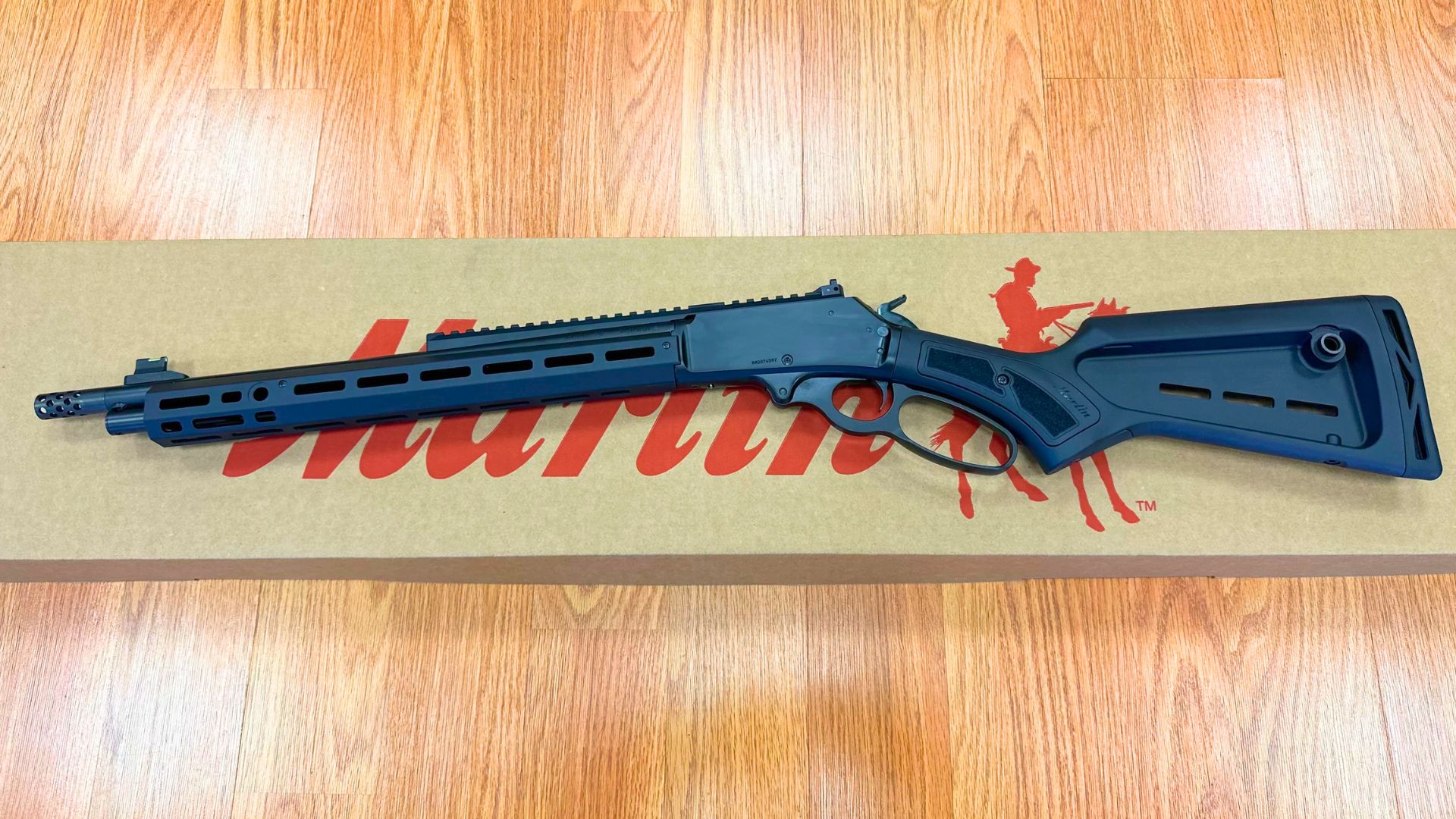
The Dark Series got more respect after the first blast of “tactical lever gun” reactions wore off. Some people loved the concept too hard too fast, while others dismissed it as trend bait the second they saw it. That is what happens when a classic pattern gets dressed differently.
Once people lived with them more, the rifles started earning steadier respect. For certain uses, the setups made a lot more sense than the early knee-jerk reactions suggested. They were not the answer to everything, but they were also not the joke some people wanted them to be. Time made that clearer.
Walther PDP

The PDP got more respect after the first wave of “best trigger, best striker, best everything” chatter faded into the background. That kind of praise almost guarantees pushback, and a lot of shooters were slower to appreciate the gun because they were tired of hearing those claims.
After enough use, the overstatement died down and the actual strengths stayed visible. Good shootability, strong ergonomics, and real capability kept it relevant. Once the gun no longer needed to win a shouting match, it started getting more mature respect.
Ruger PC Carbine
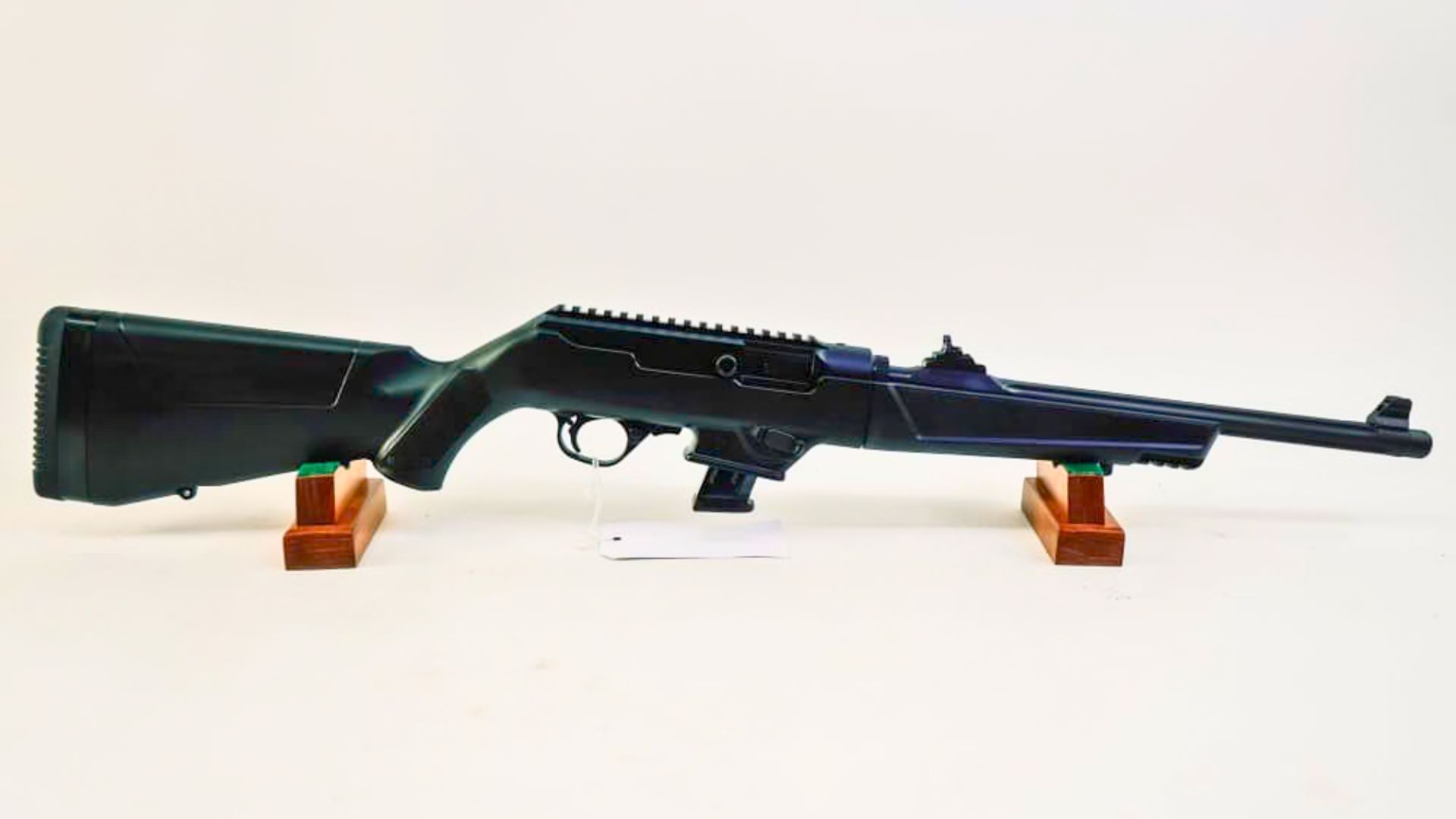
The PC Carbine got more respect after people stopped treating it like either a boring utility gun or a temporary pistol-caliber fad. It entered a noisy market with a concept some people instantly underestimated because it seemed too practical to be exciting.
Then owners kept using them and kept liking them. The rifle’s reliability, simplicity, and plain usefulness gave it a stronger long-term reputation than the first-wave reactions suggested. Sometimes a gun gets more respect simply because it refuses to stop making sense after the trend energy fades.
Mossberg 590A1 Retrograde

The Retrograde version got more respect once buyers moved past the initial “retro marketing” eye-roll and started remembering that solid shotguns in traditional form still have a lot of appeal. Early reactions often focused too much on the style and not enough on the fact that the base gun was already serious.
Once the novelty framing cooled off, the package started looking a lot more honest. It was still a real 590A1, still rugged, and still useful. The style only stopped getting in the way once the hype wore off, and that is usually when a gun earns more lasting respect.
Like The Avid Outdoorsman’s content? Subscribe to our newsletter so you never miss an article.
Here’s more from us: