Photo credit: Justin Opinion/Youtube
Some guns don’t get appreciated while they’re still easy to buy. They look plain, feel familiar, and sit in that dangerous category of “I can always get another one.” Then companies change designs, quality shifts, prices climb, or the replacement model comes out feeling like it was built more for margins than shooters.
That’s when the old gun starts looking different. Not because it magically got better, but because the newer version didn’t live up to what people hoped. These are the guns that looked replaceable until replacements got worse.
Remington 1100

The Remington 1100 was so common for so long that a lot of shooters treated it like any other semi-auto shotgun. It sat in duck blinds, dove fields, trap ranges, and closets across the country. Plenty of people sold one thinking a newer semi-auto would be lighter, easier to maintain, or more modern in all the right ways.
Then they found out the old 1100 had something a lot of newer shotguns don’t quite match. It’s soft-shooting, smooth, and points naturally. The gas system makes long range sessions easier on the shoulder, and a well-kept 1100 has a feel that newer budget semi-autos often lack. It may need proper cleaning and the right parts kept fresh, but shooters who traded one away often realized they gave up a shotgun that fit them better than its replacement.
Browning A-Bolt

The Browning A-Bolt never made as much noise as some classic hunting rifles, but it built a strong following for good reason. It was slick, accurate, and nicely finished without feeling overdone. A lot of hunters bought them as practical deer rifles and didn’t realize how much they liked that short bolt lift and clean handling until they tried moving on.
Later rifle lines have their own strengths, but plenty of A-Bolt owners still argue the older gun had a better feel. The bolt throw was fast, the rifles often shot well, and the overall package felt polished in a way that’s not always easy to find now. A clean A-Bolt doesn’t feel like an outdated rifle. It feels like one of those designs that got a lot right before the market started chasing cheaper production and louder features.
Smith & Wesson 3913
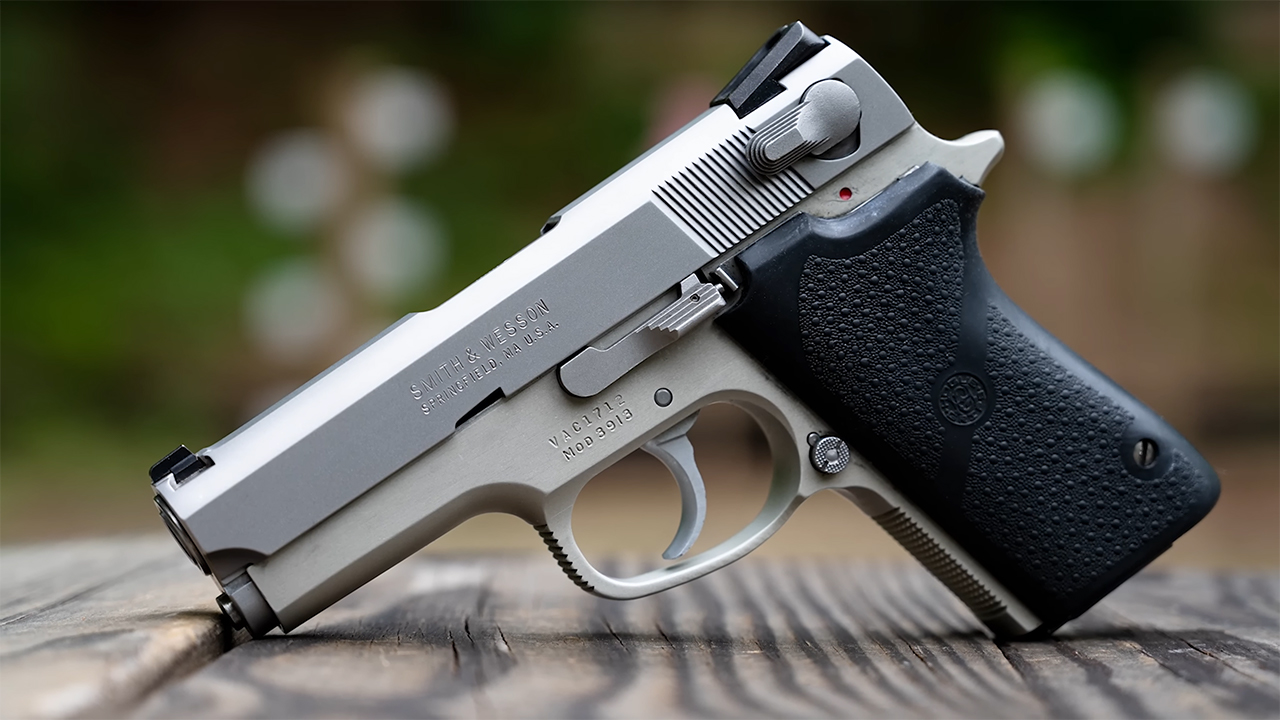
The Smith & Wesson 3913 looked replaceable once small polymer carry pistols started taking over. It was a single-stack 9mm with an alloy frame, traditional double-action trigger, and old-school controls. On paper, newer compact pistols beat it on weight, capacity, and simplicity.
But the 3913 still has a loyal following because it carries flat and shoots better than many tiny modern guns. The grip feels slim without feeling useless, and the pistol has enough weight to calm recoil. It also has that older Smith & Wesson metal-gun quality that people miss once they’ve handled too many disposable-feeling replacements. It may not win a spec-sheet fight today, but as a practical carry pistol with real shootability, it aged better than expected.
Winchester 1300

The Winchester 1300 was often viewed as a basic pump shotgun, especially next to the Remington 870 and Mossberg 500. It didn’t always get the same loyal campfire defense. But shooters who used one hard knew that its rotary bolt and fast-cycling action gave it a different feel.
When Winchester’s shotgun lineup changed and the 1300 disappeared, people started paying more attention. The gun was light, quick, and easy to run fast. The “Speed Pump” nickname wasn’t just marketing for owners who had the timing down. Newer budget pumps can work fine, but many don’t feel as lively or smooth as a good 1300. What once looked like just another pump shotgun now looks like one people shouldn’t have brushed aside.
Ruger M77 Mark II
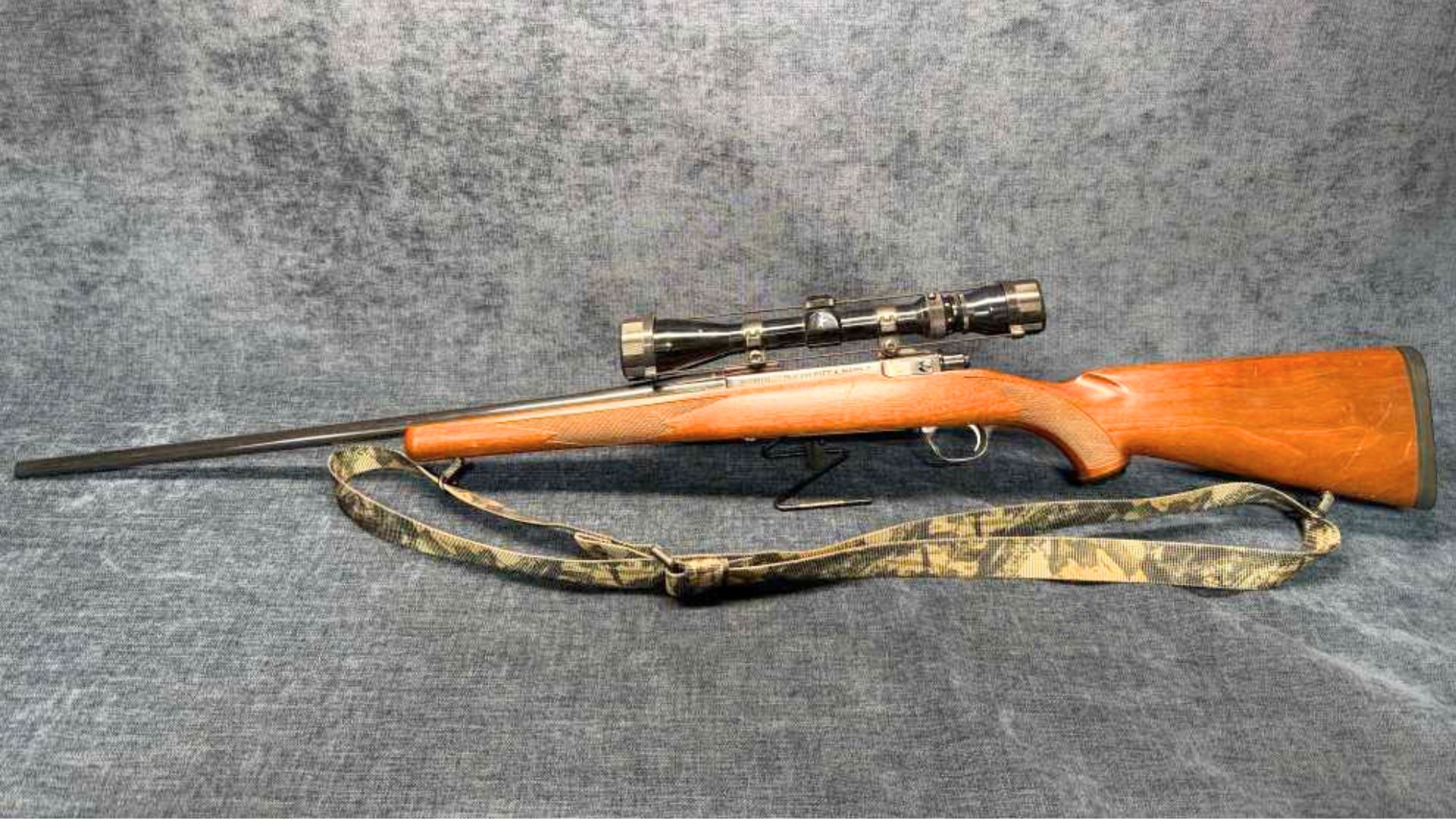
The Ruger M77 Mark II was never perfect, but it had a ruggedness that many hunters respected. Controlled-round feed, a solid receiver, a strong extractor, and that classic Ruger toughness made it feel like a rifle built for bad weather and hard use. Some shooters moved on because the triggers weren’t always great and newer rifles promised better accuracy out of the box.
Still, once you handle enough modern lightweight rifles, the M77 Mark II starts looking better. It feels solid. It carries like a real hunting rifle. It doesn’t come across as fragile or overly cost-cut. The newer rifle market has plenty of accurate options, but not all of them feel as durable. Hunters who let one go sometimes realize they replaced a tough field rifle with something that groups well but doesn’t inspire the same confidence.
Colt Lawman MK III
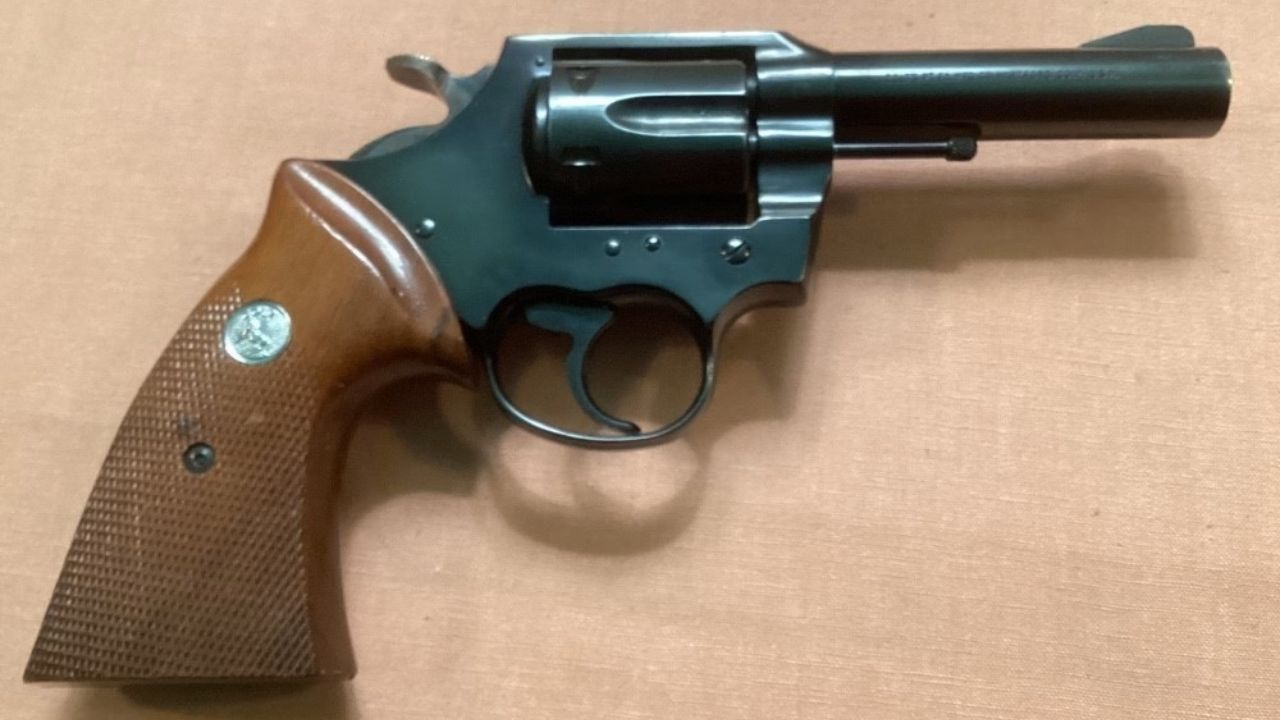
The Colt Lawman MK III used to sit in the shadow of flashier Colt revolvers. It wasn’t a Python, and it didn’t have the same collector appeal for a long time. That made some owners think of it as a replaceable working revolver, especially when revolvers were easier to find at reasonable prices.
Now the Lawman looks a lot more interesting. It has strong lockwork, good balance, and a practical duty-gun feel that makes it useful instead of delicate. The finish and polish may not match Colt’s top-shelf revolvers, but that’s part of the appeal. It was meant to be carried and shot. As modern revolver prices climbed and quality became more uneven across the market, the Lawman turned into one of those older Colts people wish they had kept.
Benelli M1 Super 90

The Benelli M1 Super 90 was once the practical inertia semi-auto that serious shotgun users understood, even if casual buyers didn’t always see the magic. It was lighter and simpler than many gas guns, and it built a reputation for running hard in hunting, defensive, and competition settings.
When later Benelli models and other inertia guns took over the conversation, some shooters moved away from the M1. A lot of them eventually missed it. The M1 had a clean, purposeful feel without extra bulk. It ran well when properly fed, carried nicely, and handled recoil in a way experienced shooters could manage. Newer shotguns may offer comfort systems, updated controls, and modern finishes, but the old M1 still feels like a serious working gun.
Ruger P89
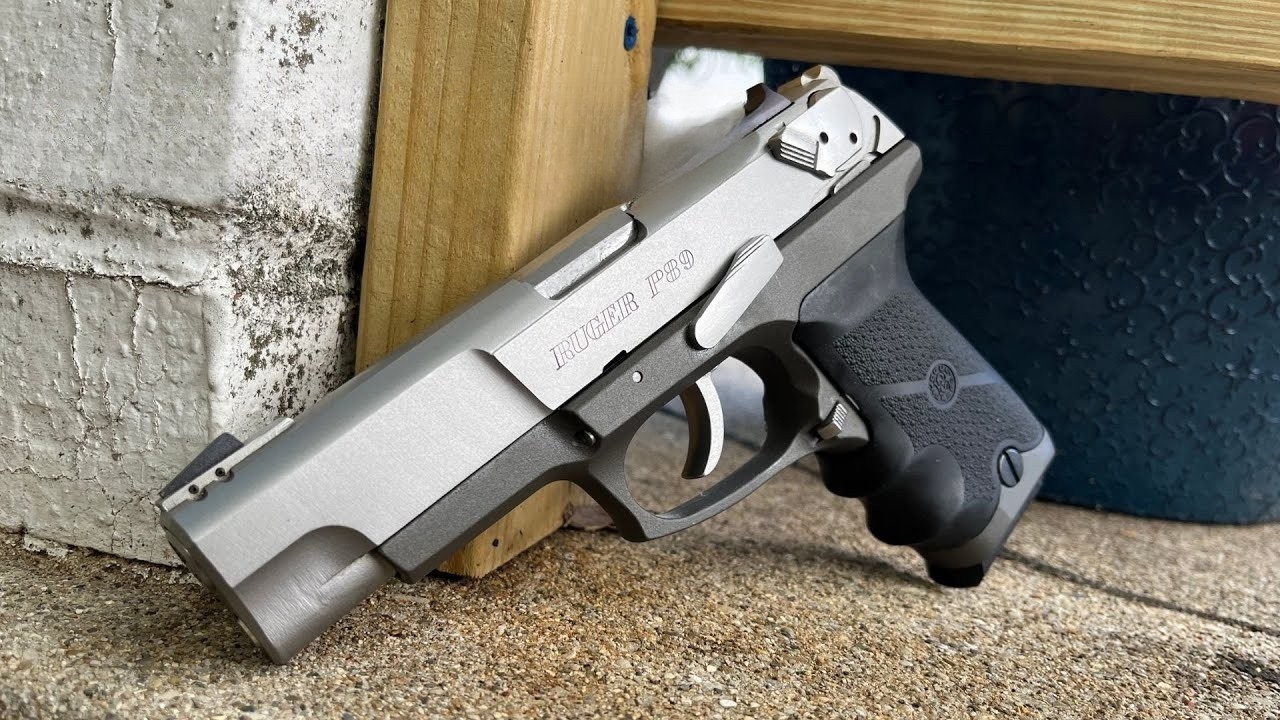
The Ruger P89 looked replaceable almost from the start because it was big, blocky, and not exactly graceful. Nobody confused it for a refined European service pistol. It was the kind of gun people bought because it was affordable and tough, then sometimes sold because they wanted something sleeker.
That decision aged poorly for a lot of owners. The P89 has a reputation for durability that many newer bargain pistols would love to have. It’s not light, the trigger is not match-grade, and the grip can feel chunky. But it runs, handles abuse, and keeps working with very little drama. Newer pistols are easier to carry and often easier to shoot fast, but the P89 reminds people that reliability and toughness never really go out of style.
Marlin Glenfield Model 30A
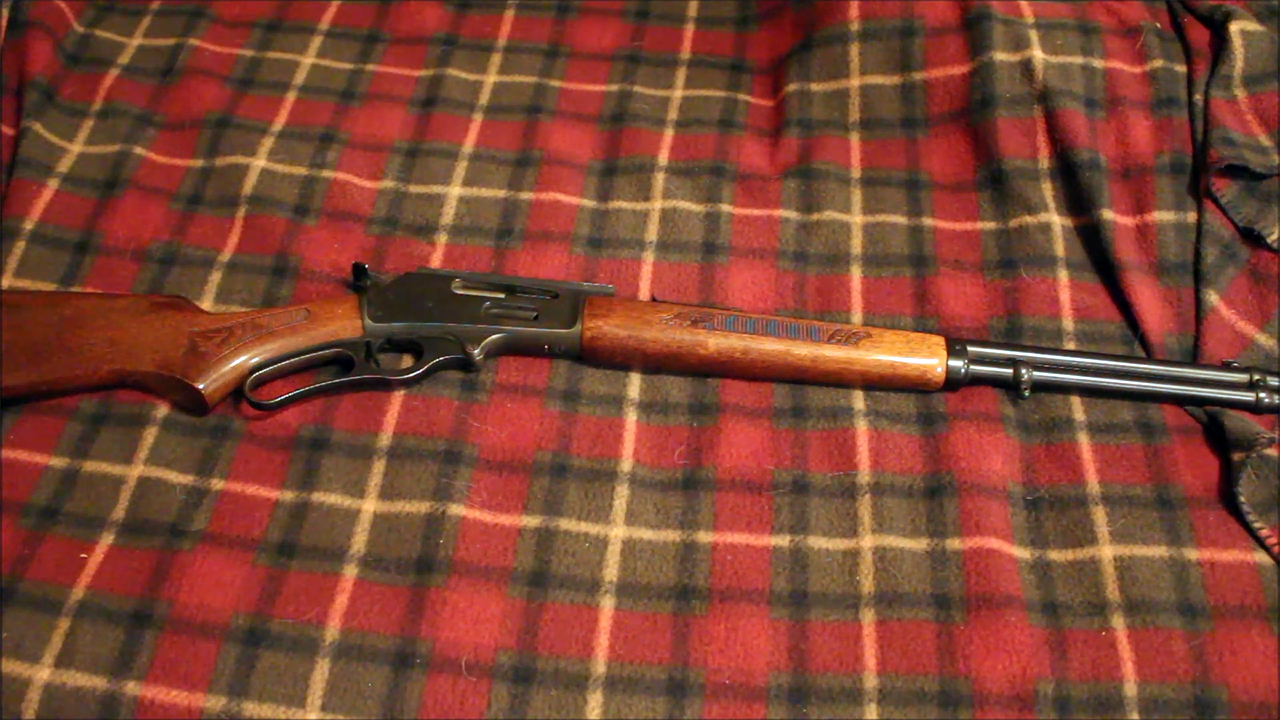
The Glenfield Model 30A was the plain-Jane version of the Marlin 336 family, often sold through department stores and treated like a regular working deer rifle. The birch stock and simpler finish made it easy for people to see it as a lower-tier gun. A lot of hunters used them hard and didn’t think twice about selling or trading one.
Now those rifles look like better buys than many people expected. Under the simpler trim, the 30A still had the heart of a Marlin lever-action. It carried well, worked in thick woods, and chambered the proven .30-30 Winchester. As lever-gun prices climbed and new production became harder to judge at times, even the “budget” Glenfields started earning more respect. They were never fancy, but they were useful in all the ways that count.
Beretta 1201FP

The Beretta 1201FP never got the same mainstream attention as the Benelli tactical shotguns, but it shared enough DNA to be taken seriously. It was light, fast, and built around an inertia system that made it a hard-running defensive shotgun. For years, though, some people saw it as an oddball Beretta that could be replaced by something newer.
That got harder to say once people started comparing it to cheaper tactical semi-autos. The 1201FP is quick-handling and simple in a way many modern shotguns aren’t. It kicks more than some gas guns, but it also feels lively and direct. Owners who sold one often miss the speed and quality. Replacement shotguns may come with more rails and bigger controls, but they don’t always have the same proven feel.
Remington Model 760
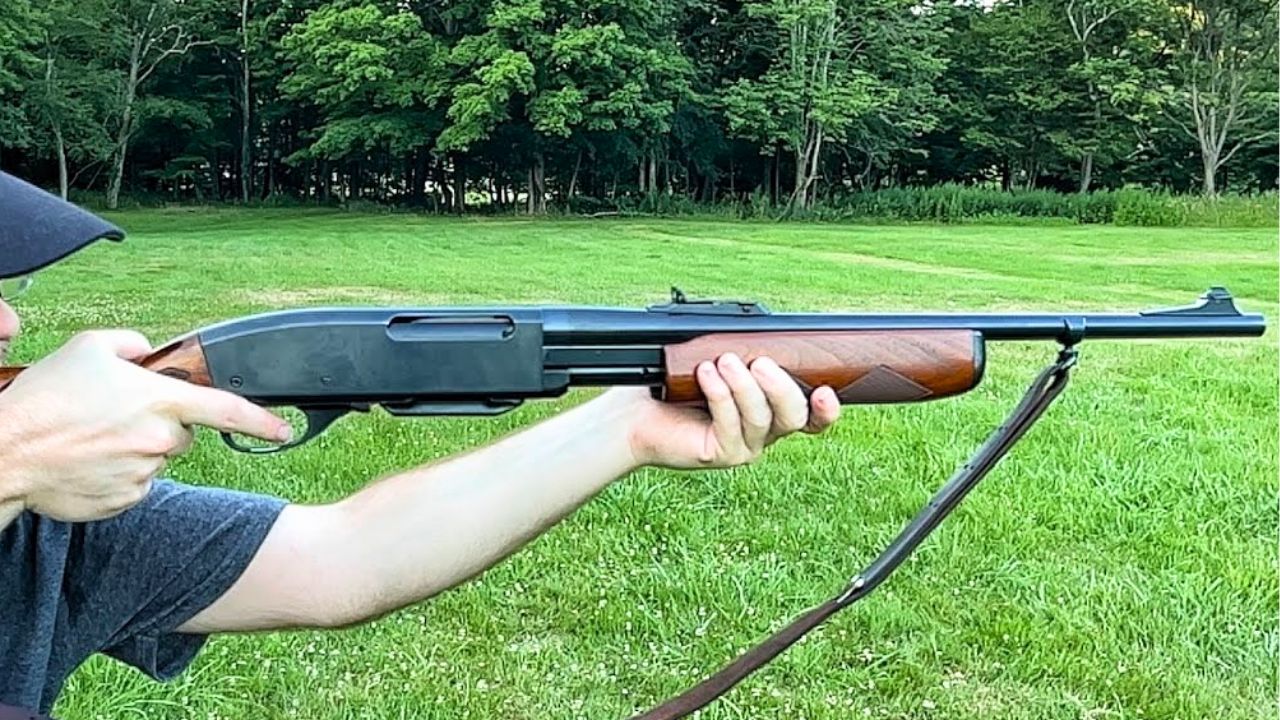
The Remington Model 760 pump rifle was treated as a regional deer rifle for a long time. In places where hunters liked pump guns, it made perfect sense. Elsewhere, it was easy to dismiss as old-fashioned or strange compared with bolt-actions. Some owners moved on thinking a modern bolt gun would do everything better.
Then they remembered what the 760 offered. It gave fast follow-up shots, familiar pump handling, and serious hunting chamberings in a rifle that carried well in the woods. It wasn’t built to impress benchrest shooters. It was built for deer drives, timber, and quick shots from awkward positions. Newer rifles may be lighter and more accurate on paper, but the 760 still fills a field role that many replacements don’t handle as naturally.
Smith & Wesson 4506
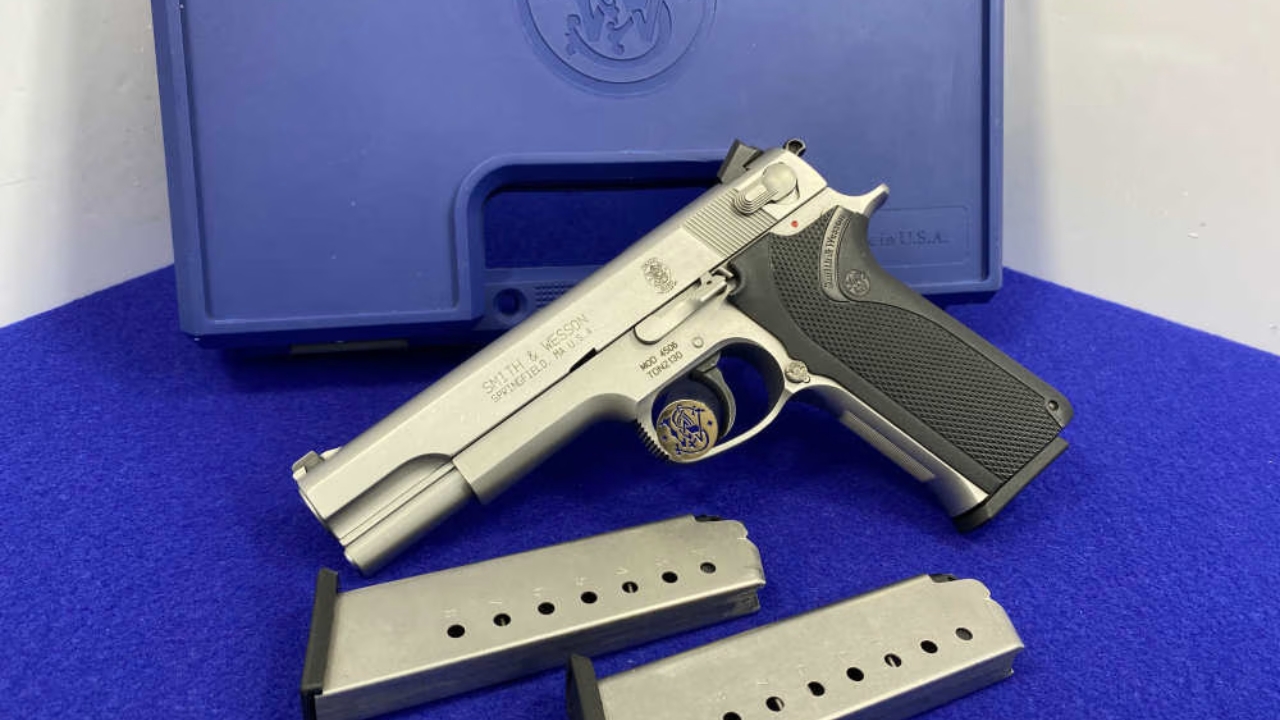
The Smith & Wesson 4506 is a big stainless .45 that came from a time when duty pistols were expected to feel like tools, not accessories. It became easy to overlook once polymer .45s and higher-capacity designs became more common. A heavy DA/SA .45 seemed like something the market had moved past.
But the 4506 has become more respected because it feels nearly indestructible. It handles .45 ACP recoil well, points with authority, and has the kind of build quality that makes newer pistols feel a little thin by comparison. It’s not a gun most people want to carry all day concealed. That’s fine. As a range pistol, home-defense gun, or piece of service-pistol history, it has a presence that modern replacements don’t always match.
Browning BPS

The Browning BPS has always been a little different. Bottom ejection, tang safety, solid build, and a smooth action made it stand apart from the usual pump-shotgun crowd. But because it wasn’t always the cheapest or most talked-about option, some buyers treated it like any other pump gun.
As newer pumps got rougher and lighter in all the wrong ways, the BPS started looking better. It feels dense, well-made, and balanced. The bottom ejection works well for left-handed shooters, and the tang safety is easy to use in the field. It may be heavier than some alternatives, but that weight helps it feel controlled. Owners who traded one away often found that a cheaper replacement didn’t feel cheaper by a little. It felt cheaper by a lot.
CZ 452
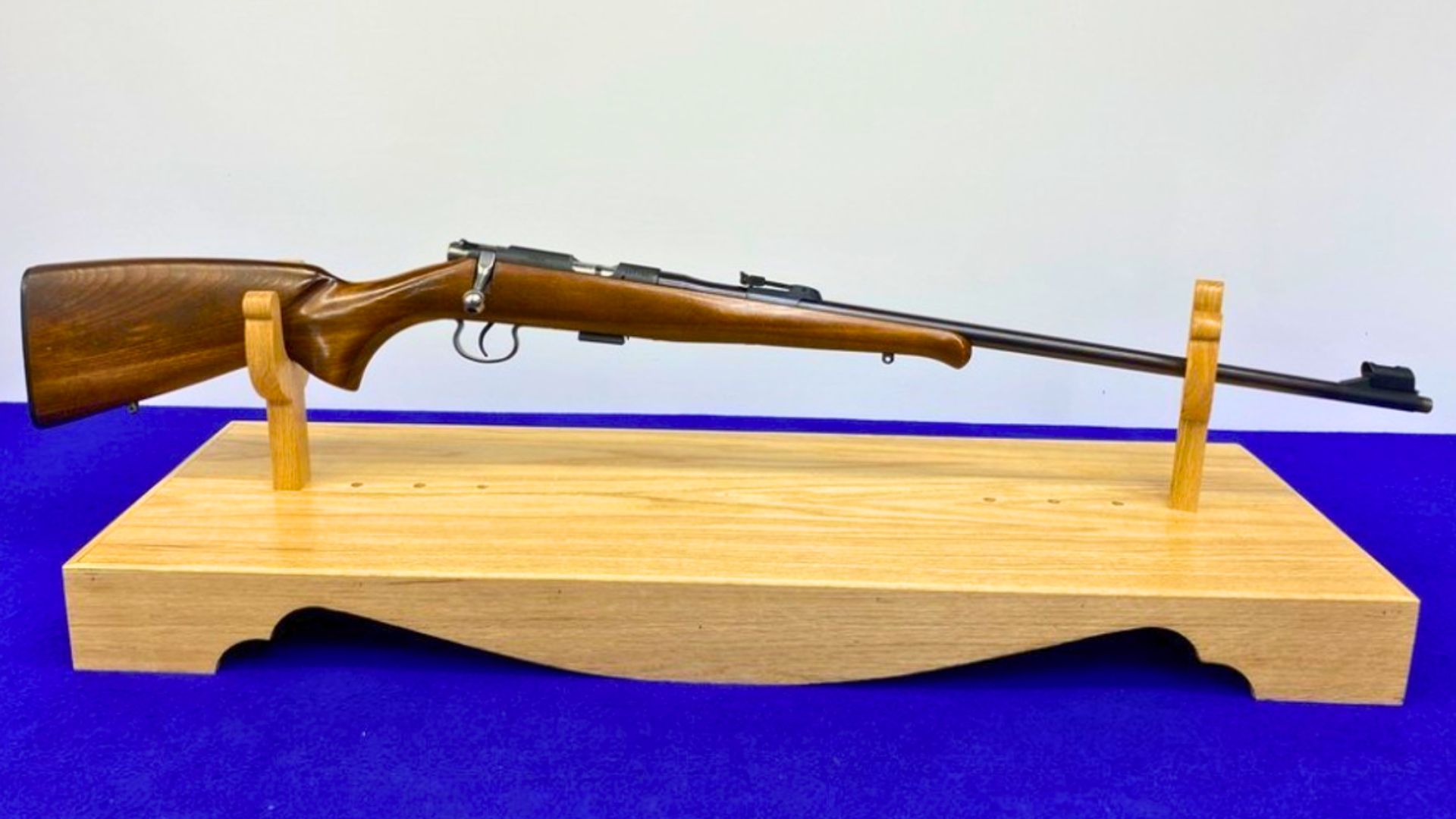
The CZ 452 was one of those rimfire rifles that quietly delivered more quality than its price suggested. It had a real steel-and-wood feel, good accuracy, and a simple bolt-action design that made it useful for target work, small game, and serious rimfire practice. For a while, people could find them at prices that now look very friendly.
Later CZ rimfires are good rifles, but the 452 still has a special following. It feels traditional without being delicate, and many examples shoot extremely well. The trigger may need a little attention depending on the rifle, but the basic package is excellent. Owners who sold one thinking another .22 bolt gun would replace it often learned that not every rimfire has the same character or consistency.
Franchi AL 48

The Franchi AL 48 was easy to overlook because it was a lightweight long-recoil shotgun in a market that kept moving toward gas guns and newer inertia systems. Some shooters saw it as old-fashioned. Others appreciated it as a light, lively bird gun that carried beautifully.
Once you try replacing that feel, the AL 48 gets more respect. It is slim, quick to shoulder, and easy to carry across fields all day. It has its quirks, like any long-recoil design, but it also has a handling quality that many modern shotguns miss. A heavier semi-auto may kick less, but it won’t necessarily carry better. For upland hunters especially, the AL 48 proved that lightweight and useful can matter more than modern features.
Like The Avid Outdoorsman’s content? Subscribe to our newsletter so you never miss an article.
Here’s more from us: