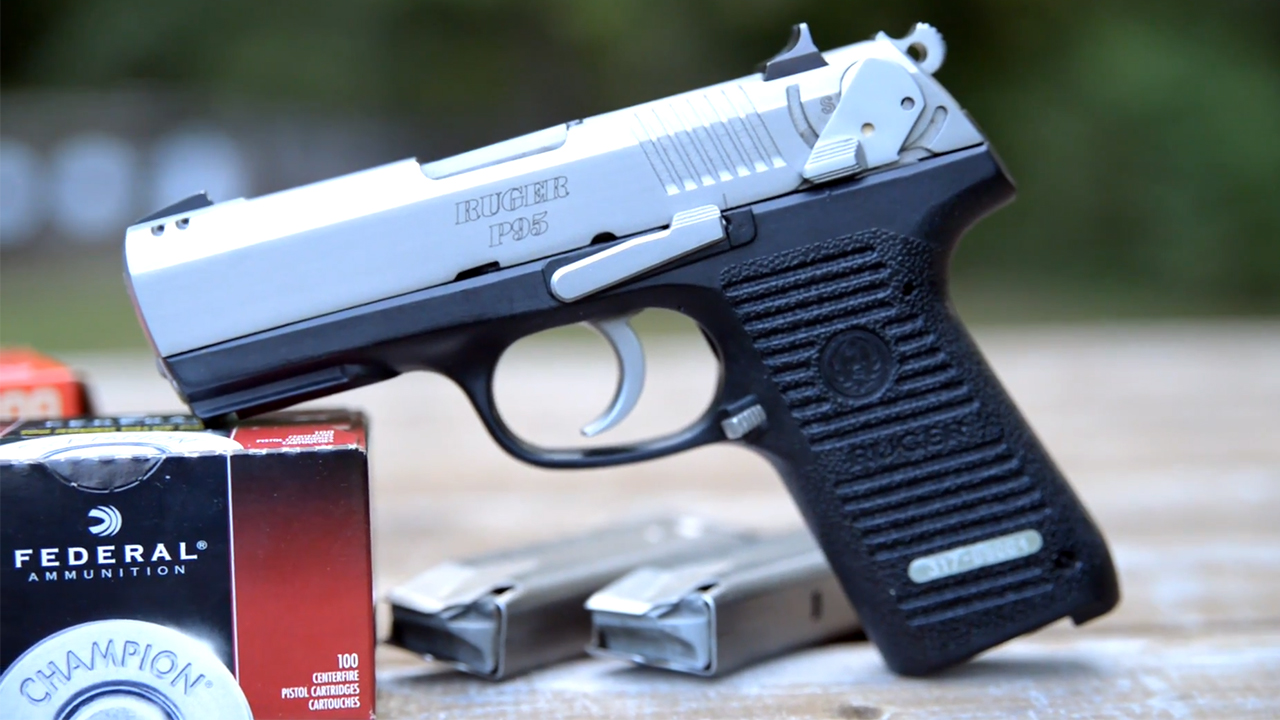
Photo credit: Buffalo's Outdoors/Youtube
Some guns don’t feel special on day one. They don’t have collector buzz, premium finish, or the kind of design that makes people gather around the counter. They look average, maybe even forgettable, and it’s easy to assume they’ll be replaced once something better comes along.
Then years pass. The gun keeps working. It keeps shooting straight, carrying well, cycling cleanly, or filling a role nobody else in the safe handles quite as naturally. That’s when average starts looking a lot more like dependable.
Ruger P95
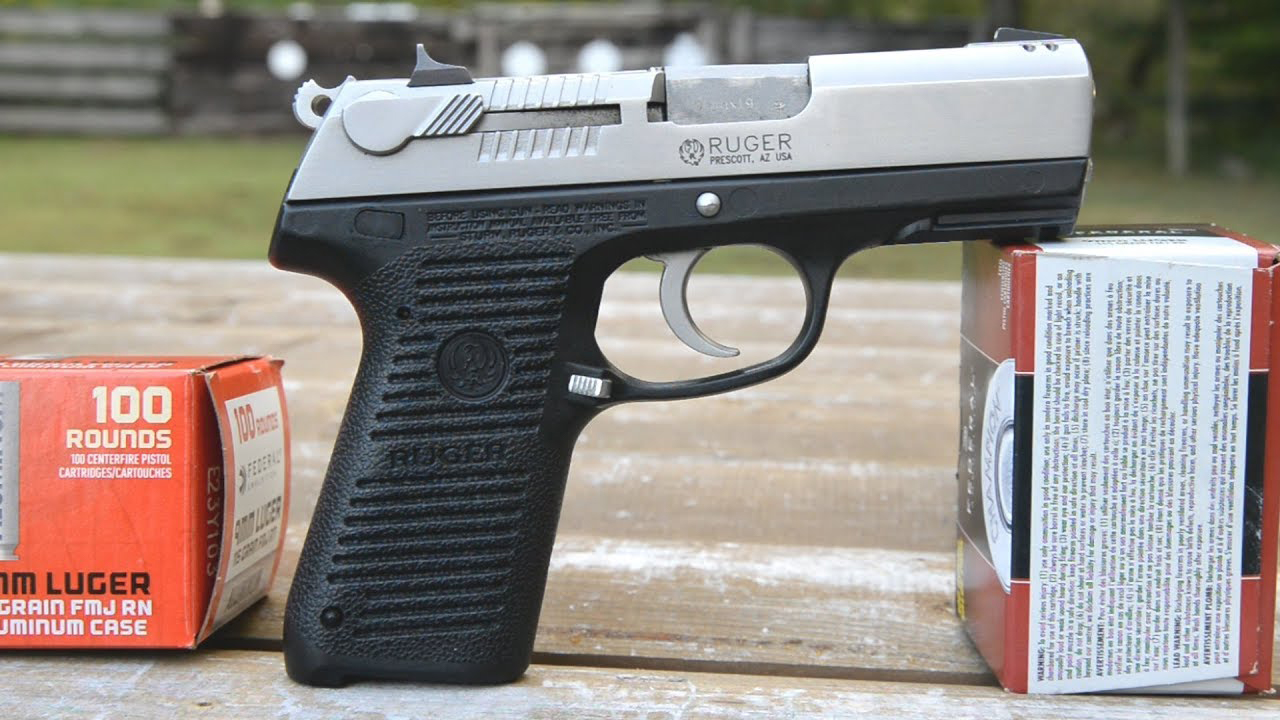
The Ruger P95 looked average even when it was current. It was chunky, plain, and not especially graceful compared with sleeker service pistols. The polymer frame did not make it feel refined, and the styling never made anyone mistake it for a high-end handgun.
Years of use changed how many owners saw it. The P95 gained respect by being tough, reliable, and easy enough to shoot well. It handled 9mm recoil without much drama, ran with basic maintenance, and gave regular shooters an affordable pistol they could trust. It was never the prettiest option, but it kept working long after flashier guns had problems. That kind of loyalty only comes after time.
Marlin Model 60

The Marlin Model 60 looked like an average semi-auto .22 because that’s exactly what it was meant to be. Tube-fed, simple, affordable, and common, it didn’t have the aftermarket world of a Ruger 10/22 or the classic feel of a lever-action rimfire.
But owners put years on them and realized how useful they were. The Model 60 was accurate enough for small game, fun enough for plinking, and friendly enough for new shooters. It didn’t need to become a project to earn its place. It just needed ammo and a little care. A basic .22 that keeps getting used year after year stops feeling average pretty quickly.
Winchester 1300
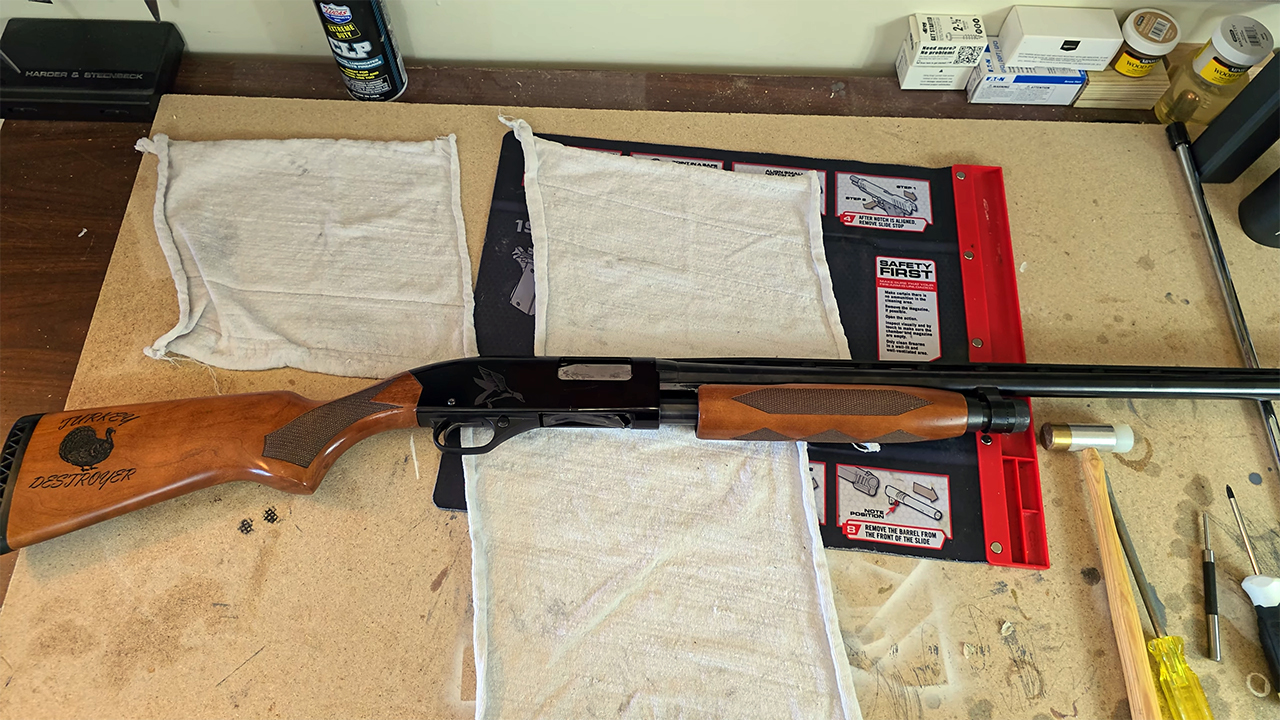
The Winchester 1300 often looked like a normal pump shotgun sitting beside more famous names. It didn’t have the old prestige of the Model 12 or the massive popularity of the Remington 870 and Mossberg 500. To a lot of buyers, it was just another pump.
Owners who used them for years usually knew better. The 1300 had a fast action, carried well, and handled field use without making a big deal out of itself. It worked for birds, deer, turkey, and home-defense setups depending on configuration. Once someone learned the feel, it became hard to dismiss. Average at the counter can become trusted after enough seasons.
Smith & Wesson 915
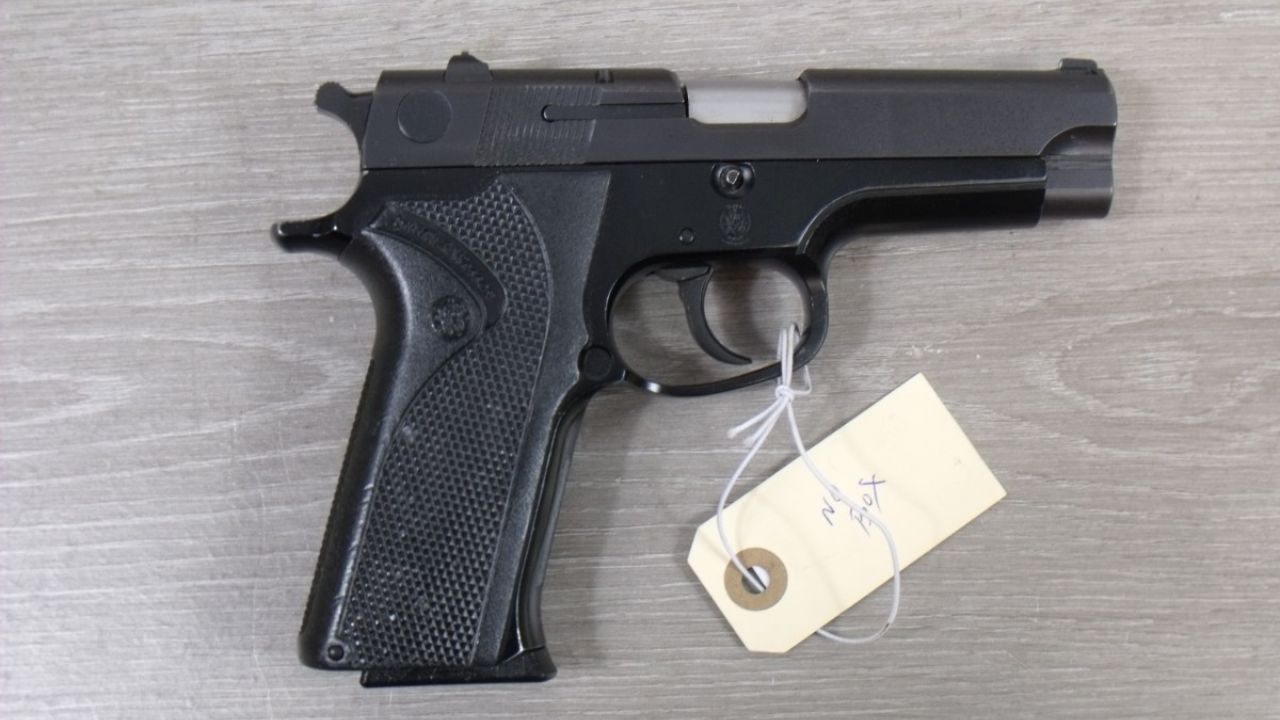
The Smith & Wesson 915 looked like the budget-minded third-generation Smith that it was. It lacked some of the polish and features of higher-end models, and once polymer pistols took over, it looked even more ordinary. It was easy to overlook.
Years later, the 915 looks better because it still has the bones of a solid metal-frame service pistol. It’s a DA/SA 9mm with practical capacity, decent reliability, and a more substantial feel than many newer bargain guns. It may not be collectible in the same way as nicer third-gen Smiths, but owners who put time on them often found plenty to respect. A plain service pistol that runs well ages better than expected.
Savage 110
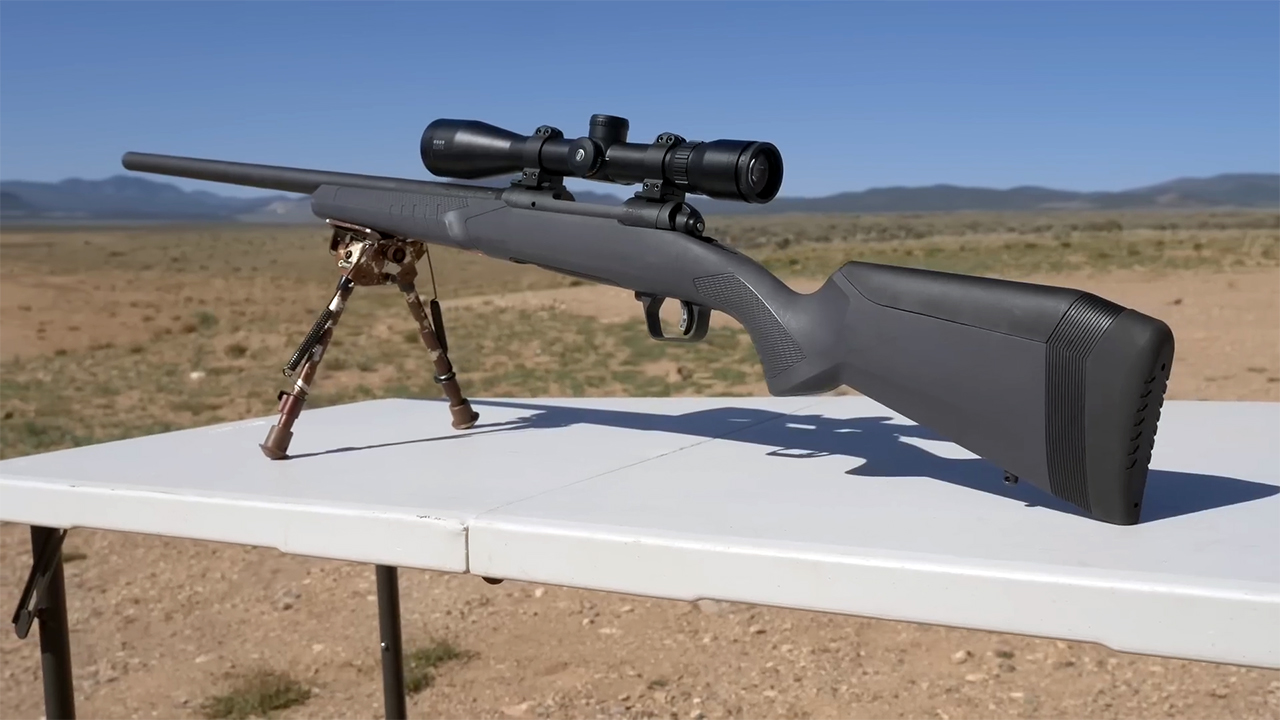
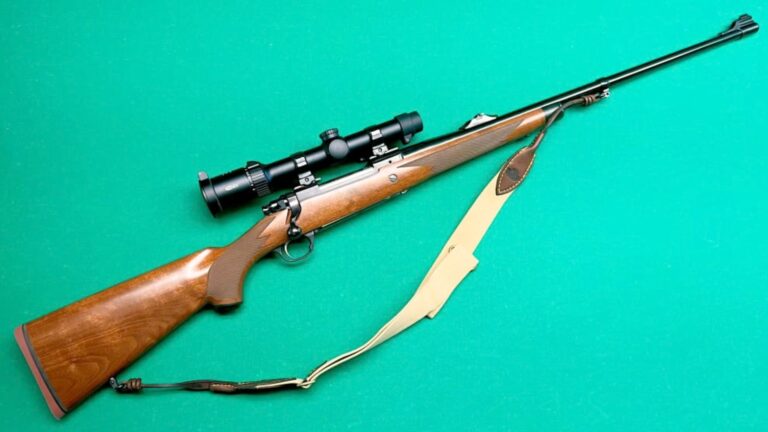
The Savage 110 has always had a workmanlike look. It was not the prettiest bolt-action rifle on the rack, and older versions especially could feel plain beside more polished sporters. For years, many hunters saw it as a practical rifle rather than something to get excited about.
Time did the 110 a lot of favors. The design kept evolving, the AccuTrigger helped the line stand out, and many rifles earned a strong reputation for accuracy. Owners who put years on a 110 often realized it was a rifle they could trust even if it never looked fancy. It held zero, shot well, and handled hunting seasons without much drama. That makes “average” feel like the wrong word.
Beretta 303
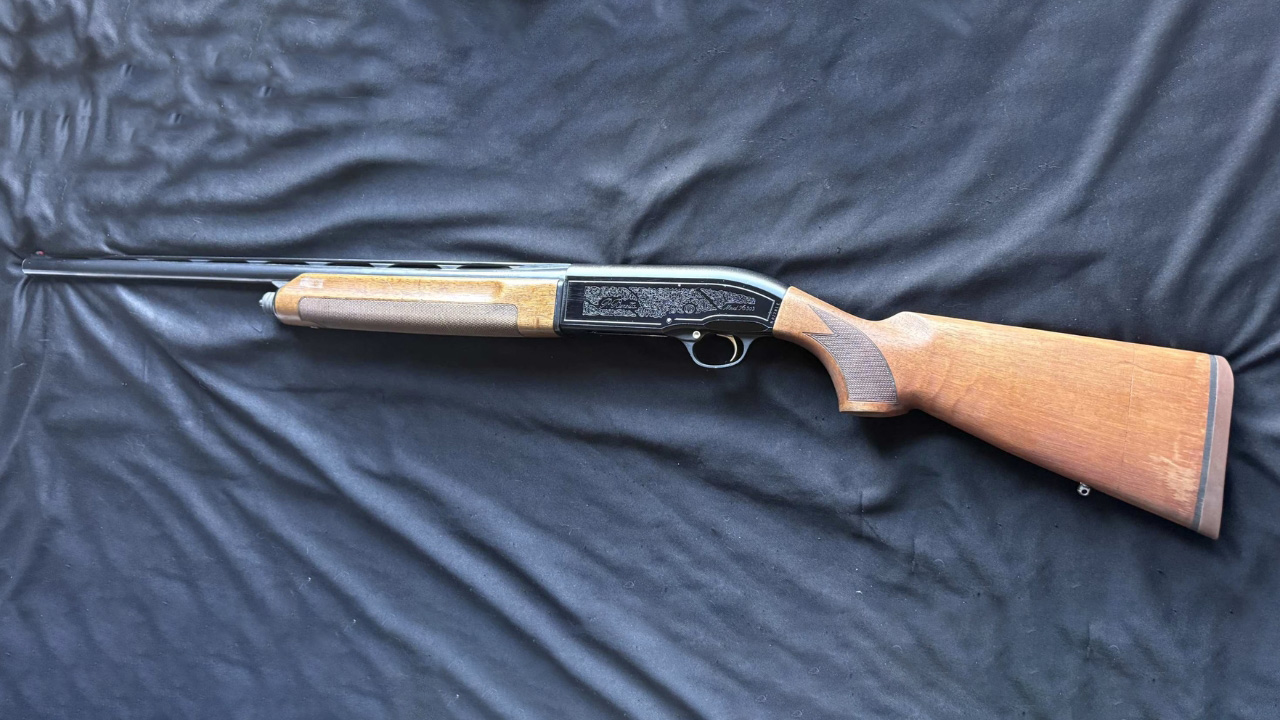
The Beretta 303 looked like a normal gas semi-auto shotgun until shooters put enough shells through one to understand it. It wasn’t as famous as some older classics, and newer Beretta models eventually took over the conversation. But the 303 quietly built loyalty through use.
It shot softly, pointed naturally for many hunters, and worked well when maintained properly. Dove fields, clays, upland hunts, and general shotgun work all fit its personality. After a few long shooting days, an owner starts caring less about whether it’s the newest model and more about how good it feels. The 303 became more respected because it kept making people shoot comfortably.
Ruger Security-Six
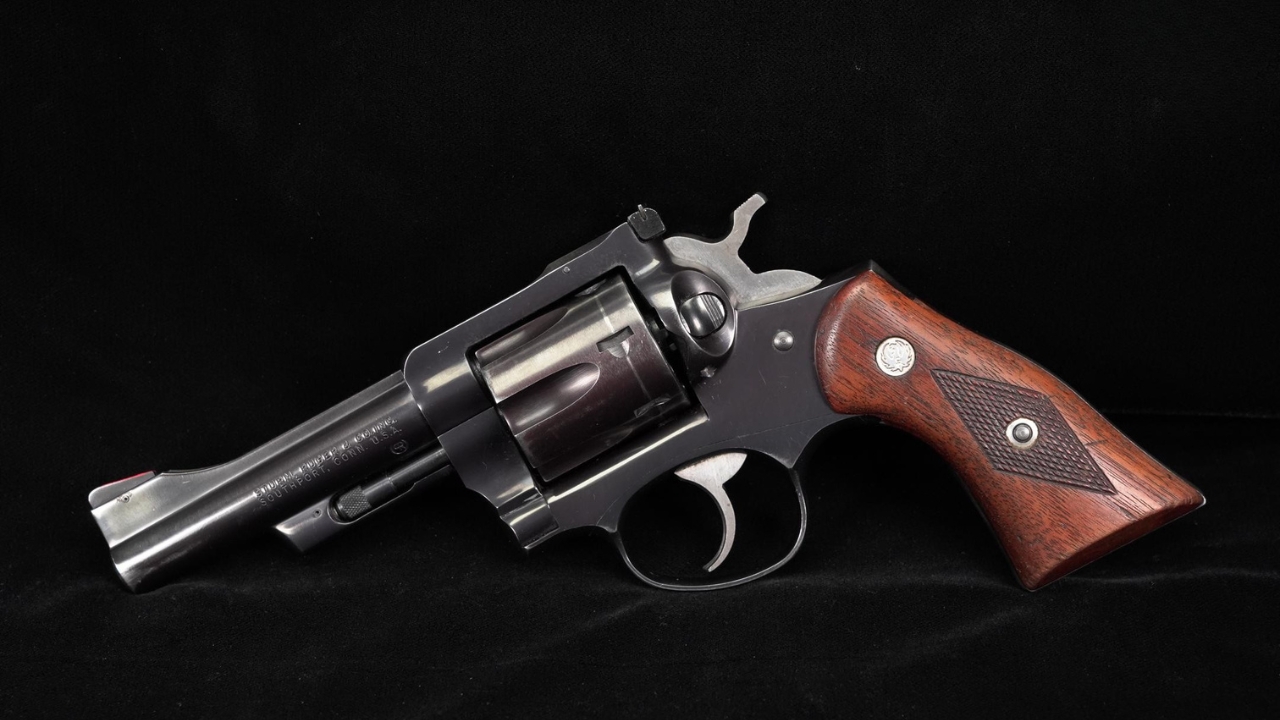
The Ruger Security-Six looked like a plain working revolver compared with Smith & Wesson’s more refined options. It didn’t have the same polished trigger feel or classic collector pull. It looked rugged, basic, and maybe a little rough around the edges.
Years of use proved the point of that design. The Security-Six was strong, practical, and easier to carry than the larger GP100 that came later. It handled .38 Special comfortably and .357 Magnum with confidence. Owners who used them as woods guns, range guns, or home-defense revolvers often came away loyal. It didn’t need to look expensive. It needed to keep working, and it did.
Remington Model 783

The Remington 783 had a hard time overcoming first impressions. It looked like a budget rifle, and Remington’s earlier 770 had already made some hunters suspicious of the company’s low-cost bolt guns. On the shelf, the 783 seemed average at best.
Owners who actually hunted with them often found a more useful rifle than expected. The trigger was usable, the action was stronger than the 770’s reputation suggested, and many rifles shot well enough for deer season. It was not a Model 700, and it never had that kind of pride behind it. But after years of reliable hunting use, the 783 could become a rifle that owners trusted more than they expected.
Glock 26
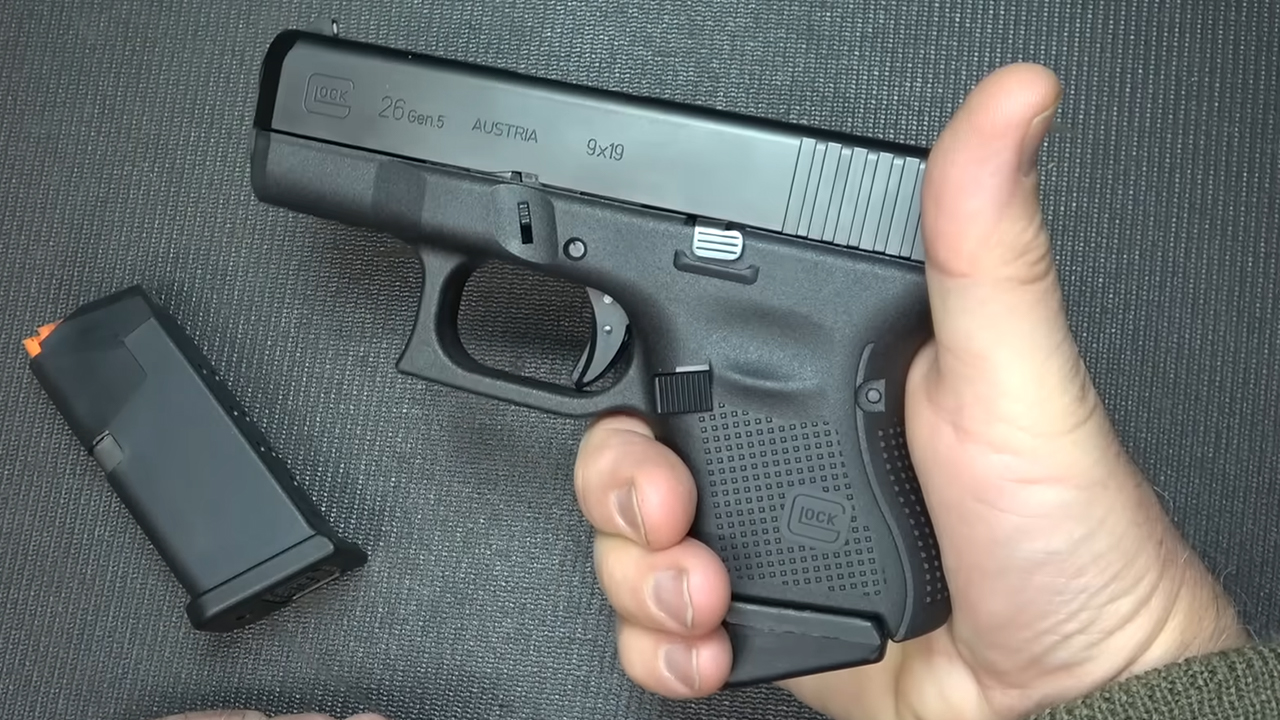
The Glock 26 looked odd to plenty of shooters at first. Short grip, chunky frame, plain styling, and no graceful lines at all. It was easy to see it as an awkward little version of a better full-size pistol. Then owners carried and shot them for years.
That’s when the design started making sense. The Glock 26 is reliable, surprisingly accurate, and able to use larger Glock magazines. It carries smaller than a compact but shoots better than many tiny carry pistols. The short grip takes learning, but once owners figure it out, the little Glock earns trust. It looked average because it wasn’t trying to impress anyone. It was trying to work.
Mossberg Patriot

The Mossberg Patriot looked like another affordable hunting rifle from a brand better known for shotguns. It didn’t have the legacy pull of Remington, Winchester, Ruger, or Savage in the bolt-action world. A lot of hunters probably saw it as an average budget option.
Years of use helped some owners see it differently. The Patriot offered practical chamberings, workable triggers, and enough accuracy for deer, predators, and general hunting. It was never a premium rifle, and the basic versions felt like the price suggested. But a rifle doesn’t need to be premium to become trusted. When it keeps grouping well and filling tags, average starts sounding unfair.
Browning Buck Mark
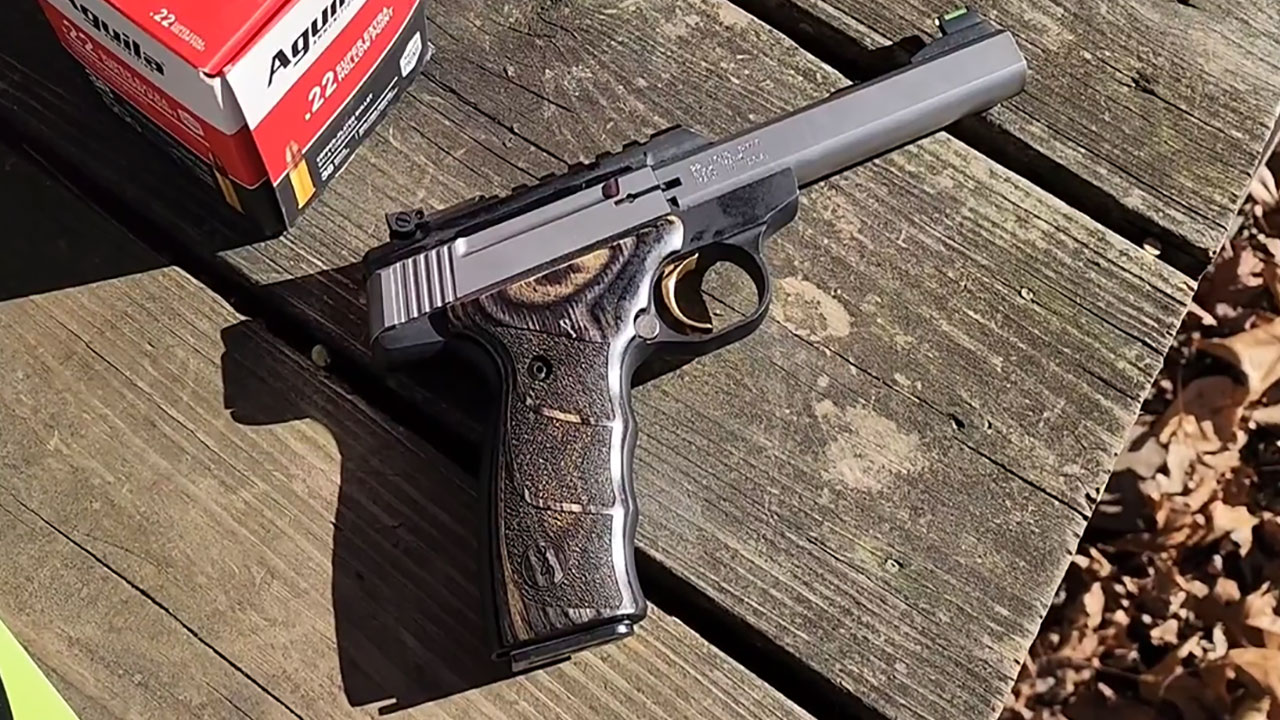
The Browning Buck Mark has always looked like a normal .22 pistol, especially beside flashier tactical rimfires or the endless Ruger Mark-series aftermarket. It didn’t always get the loudest attention, but owners who kept shooting them knew the value.
The Buck Mark has a comfortable grip, good trigger, and strong practical accuracy. It works for new shooters, experienced shooters, plinking, and fundamentals. After thousands of rounds, the pistol starts feeling less like a casual rimfire and more like one of the most useful handguns in the safe. A .22 that keeps making practice enjoyable is far from average.
Weatherby Vanguard Series 2

The Weatherby Vanguard Series 2 looked like the sensible Weatherby rather than the exciting one. It didn’t have Mark V prestige, glossy Weatherby styling in its plain versions, or extreme lightweight marketing. It looked like a solid rifle at a fair price.
That turned out to be the strength. The Howa-built action was sturdy, the Series 2 trigger was a real improvement, and many rifles shot extremely well. Hunters who put years on them often appreciated the weight, reliability, and accuracy more with each season. It may not have been the glamorous Weatherby, but it was the one a lot of people trusted when it mattered.
Taurus Model 85

The Taurus Model 85 looked like a budget snubnose revolver, and for many buyers, that was the entire appeal. It was less expensive than a Smith & Wesson J-frame and simple enough for people who wanted a basic .38 Special revolver. It also carried the skepticism that comes with Taurus.
Still, plenty of owners put years on their Model 85s and found they worked fine for the role. They were compact, easy to carry, and simple to operate. The triggers were not always refined, and quality could vary, so testing mattered. But a good one could earn real trust. After years of service, a plain little revolver starts being judged by what it did, not what the logo cost.
CZ 527 American
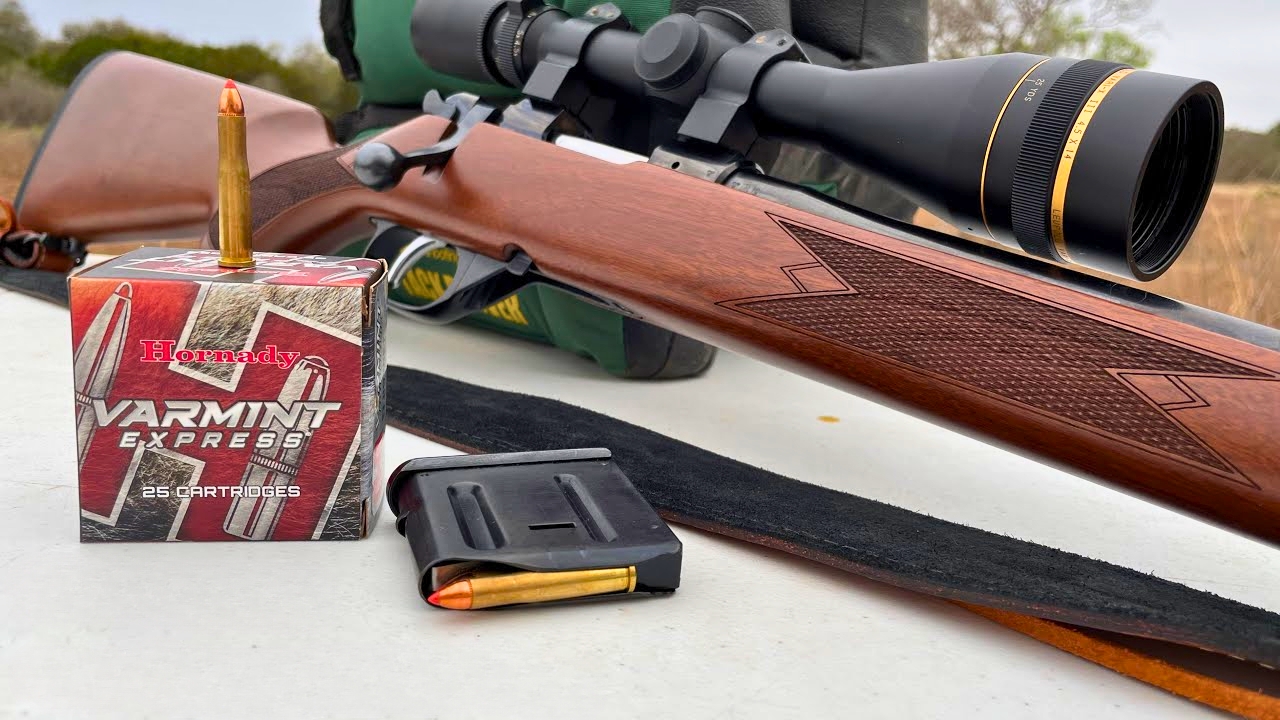
The CZ 527 American looked like a modest little bolt-action when it was still in production. It didn’t have the bold looks of precision rifles or the old-world style of bigger CZ hunting rifles. But it had a mini-Mauser-style action, good accuracy potential, and a charm that became clearer with use.
Owners who put years on them often grew attached. In chamberings like .223 Remington, .204 Ruger, and 7.62×39 depending on configuration, the 527 became useful for varmints, predators, range work, and small deer or hogs where legal and appropriate. It carried easily and felt more interesting the longer people owned it. Once discontinued, it became even harder to dismiss.
Henry H001

The Henry H001 looked like a simple, affordable lever-action .22. It didn’t have the polish of higher-end rimfires or the history of older classics. It was just a smooth little rifle built for fun, practice, and new shooters.
That simple formula aged beautifully. Owners put years of plinking, small-game hunting, and family range days on these rifles, and the H001 kept making sense. The action is smooth, recoil is nonexistent, and the rifle is easy for almost anyone to enjoy. Some guns become special because they are rare. The H001 becomes special because people keep reaching for it.
Like The Avid Outdoorsman’s content? Be sure to follow us.
Here’s more from us: