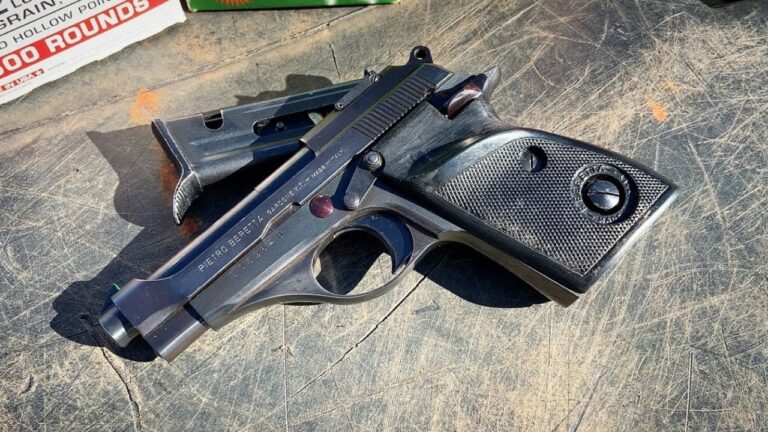
Photo credit: The Armory Life/YouTube
Some guns earn a bad name for real reasons. A rough early production run, a bad batch of magazines, a design that’s picky about ammo, or a trigger that feels like dragging a cinder block through gravel can sour people fast. Then the internet takes over, and suddenly a whole model line is “trash,” even if plenty of owners are quietly stacking rounds and filling tags with one that runs fine.
A second chance doesn’t mean ignoring problems. It means understanding what the gun actually is, what it needs to run well, and what changed over time. A lot of these “worst reputation” guns aren’t cursed—they’re misunderstood, set up wrong, or judged by the weakest examples. If you go in with open eyes, some of them turn into surprisingly solid shooters.
Ruger Mini-14

The Mini-14 caught heat for years because early rifles weren’t known for tight groups, especially once they warmed up. That reputation stuck, even though the rifle was always handy, reliable, and fast to carry. In the field, those traits matter more than benchrest bragging, and plenty of hunters have proven that a Mini will put bullets where they need to go inside realistic distances.
Newer Minis have improved barrels and generally shoot better than the old stories suggest. You also get a rifle that balances well, rides in a truck easily, and doesn’t feel awkward in brush. Feed it decent ammo, use good magazines, and keep expectations realistic, and a Mini-14 can be a practical “grab-and-go” rifle that’s better in real life than the reputation says.
Remington 700 (post-setup reality)

The 700’s name gets dragged around for different reasons depending on who you ask—some people had a bad trigger experience, others had a rifle that was poorly set up, and plenty blame the gun for issues caused by loose mounts or bad bedding. The truth is you can’t treat any hunting rifle like a mystery box. If the basics aren’t right, you’ll get weird results.
When a 700 is inspected, set up correctly, and maintained, it can be a steady, accurate hunting rifle that holds zero and shoots consistently. The platform is easy to mount optics on, and it tends to respond well to proper torque and quality rings. It’s not perfect and it’s not immune to lemons, but the “always bad” narrative doesn’t match how many hunters keep using them successfully.
Taurus G2/G3 series

Taurus spent years earning a reputation for inconsistent quality, and that shadow still hangs over newer guns that are objectively better than the old stories. The G2 and G3 lines get dismissed by people who stopped paying attention a decade ago. You’ll still hear blanket statements, but a lot of those statements ignore how many of these pistols run fine and shoot well for the money.
The key is buying smart and testing your gun like an adult. Run a real break-in, use quality magazines, and confirm reliability with the ammo you plan to carry. The ergonomics are beginner-friendly, recoil is manageable, and the guns are easy to operate. They’re not prestige pistols, but they can be solid shooters that deserve evaluation based on performance, not internet baggage.
Hi-Point C9 and carbines

Hi-Point gets laughed at because it’s bulky, ugly, and unapologetically budget. That’s the reputation, and it’s not going away. But the reason these guns keep showing up is simple: a lot of them actually run, and they often run longer than people expect. They aren’t refined, but field reliability isn’t always about refinement.
If you accept the tradeoffs—weight, clunky ergonomics, low-end fit and finish—you can end up with a gun that goes bang consistently. The carbines especially have a track record of surprising people at the range. Keep them clean, stick with decent ammo, and don’t expect a match trigger. For someone who wants an affordable range gun or a simple home-defense option and will test it properly, they can be better than the jokes suggest.
Kel-Tec SUB-2000

The SUB-2000 gets knocked for feeling cheap, having awkward ergonomics, and being picky depending on generation and setup. A lot of that criticism is fair. It’s a folding pistol-caliber carbine built to be light and compact, not to feel like a $1,500 rifle. People pick it up, hate the feel, and label it junk without spending time learning what it does well.
In the field, its strength is portability and practicality. It stows small, carries easily, and shares magazines with common pistols in many configurations. If you set it up with sights or an optic solution that works for the folding design, keep it lubricated, and use magazines it likes, it can run reliably and shoot plenty accurate for its role. It’s a niche tool, and as a niche tool it makes sense.
Mossberg Patriot

The Patriot gets a bad rap because some examples feel rough, the stocks can feel hollow, and the overall vibe is “budget bolt gun.” That leads people to assume it won’t hold up or shoot well. The reality is many of them do shoot well, and a hunting rifle doesn’t have to feel luxurious to be effective when the moment comes.
If you go over the basics—proper action screw torque, decent rings, and a scope that can handle recoil—you can end up with a rifle that holds zero and stacks honest groups for hunting. The Patriot is a working rifle, and it’s priced like one. It’s not a pride-of-ownership showpiece, but it can be a reliable deer rifle that deserves judgment on real performance, not on how “premium” it feels in a store.
Springfield XD

The XD line catches heat because it isn’t trendy anymore, and because some shooters treat it like the “wrong” choice compared to the current striker-fired favorites. That’s more culture than reality. Plenty of XDs have seen hard use and kept running, and many owners shoot them well because the grip angle and controls work for their hands.
The grip safety also gets mocked, but for some people it adds confidence during holstering and handling, especially early on. The pistols tend to be reliable with common ammo, and they’re easy to maintain. You still need to test magazines and confirm function like you would with any defensive handgun. If you stop listening to fashion takes and focus on whether the gun runs and shoots for you, an XD can earn a second look.
Beretta APX (original and A1)

The APX got labeled as “meh” because it entered a crowded market and didn’t have the same hype machine behind it. Some early chatter focused on the chunky styling and the fact that it wasn’t a household name in the striker world. That kind of reputation can stick even when the gun itself is solid.
In practice, the APX series is often reliable, easy to control, and straightforward to operate. The A1 updates helped the optics-ready conversation and refined the package, but even the original was built as a duty-style pistol meant to run. If you give it good magazines, keep it clean, and train with it, it can be a steady performer that’s priced more like an underdog than a premium brand. That’s not a bad place to shop.
SIG Mosquito

The Mosquito is infamous for being picky, and a lot of owners have stories about malfunctions with cheap bulk ammo. That reputation is deserved in the sense that you can’t treat it like a rimfire that eats anything. But “picky” isn’t the same as “useless,” and plenty of people get them running well once they stop feeding them the worst ammo they can find.
Use quality .22 LR, keep it clean, and pay attention to spring selection if your model includes options. Rimfire pistols live and die on ammo, lubrication, and magazine condition. When those variables are handled, the Mosquito can be a fun trainer that lets you work on trigger control and sight tracking without burning centerfire ammo. It’s not the best rimfire pistol made, but it can still do the job if you treat it correctly.
Walther P22
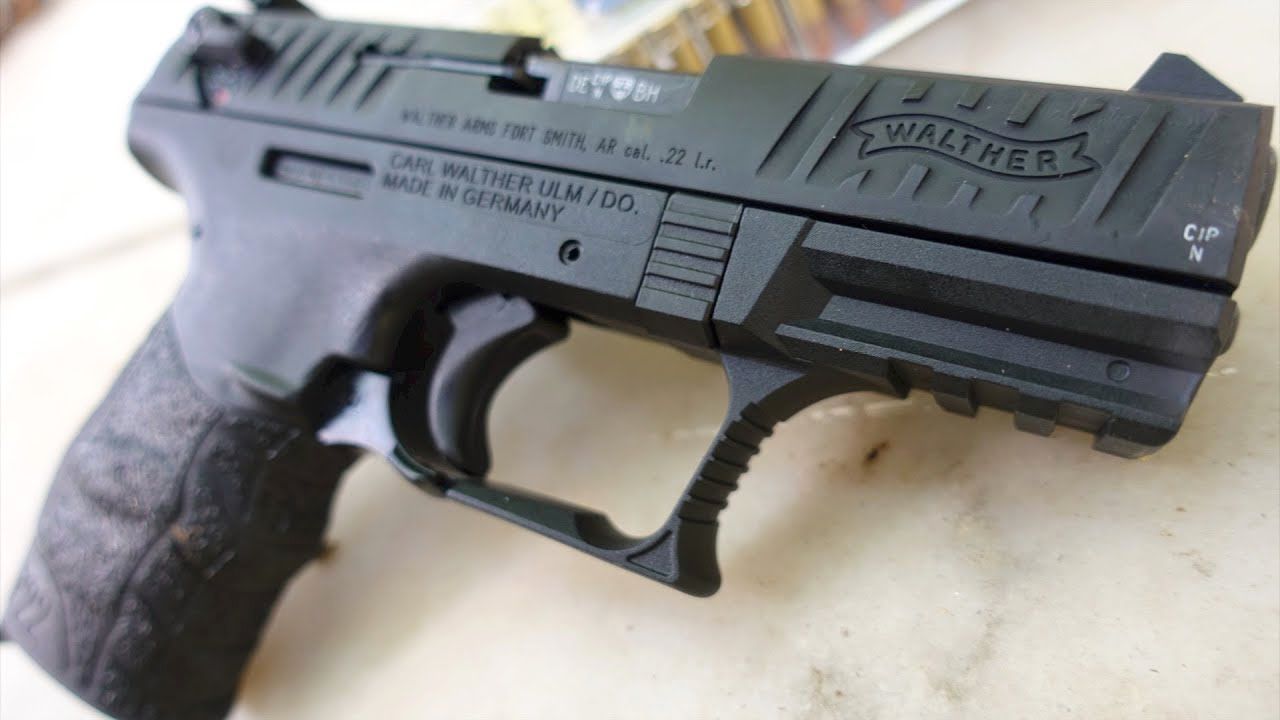
The P22 has been dragged for years because some examples are ammo-sensitive and because the platform is small, light, and easy to limp-wrist if your grip is weak or inconsistent. Rimfires already run dirtier than centerfire pistols, and small rimfire pistols magnify every little issue. That combination creates a lot of frustrated owners and a loud reputation.
If you keep it clean, use ammo it likes, and run it with a firm grip, many P22s will behave well enough for casual practice and plinking. It’s also a comfortable way to introduce new shooters to handguns without the blast and recoil of centerfire. Treat it as a light trainer, not as a duty-grade machine, and it can be enjoyable and useful. A second chance here means realistic expectations and proper ammo.
Ruger LCP (and other micro .380s)
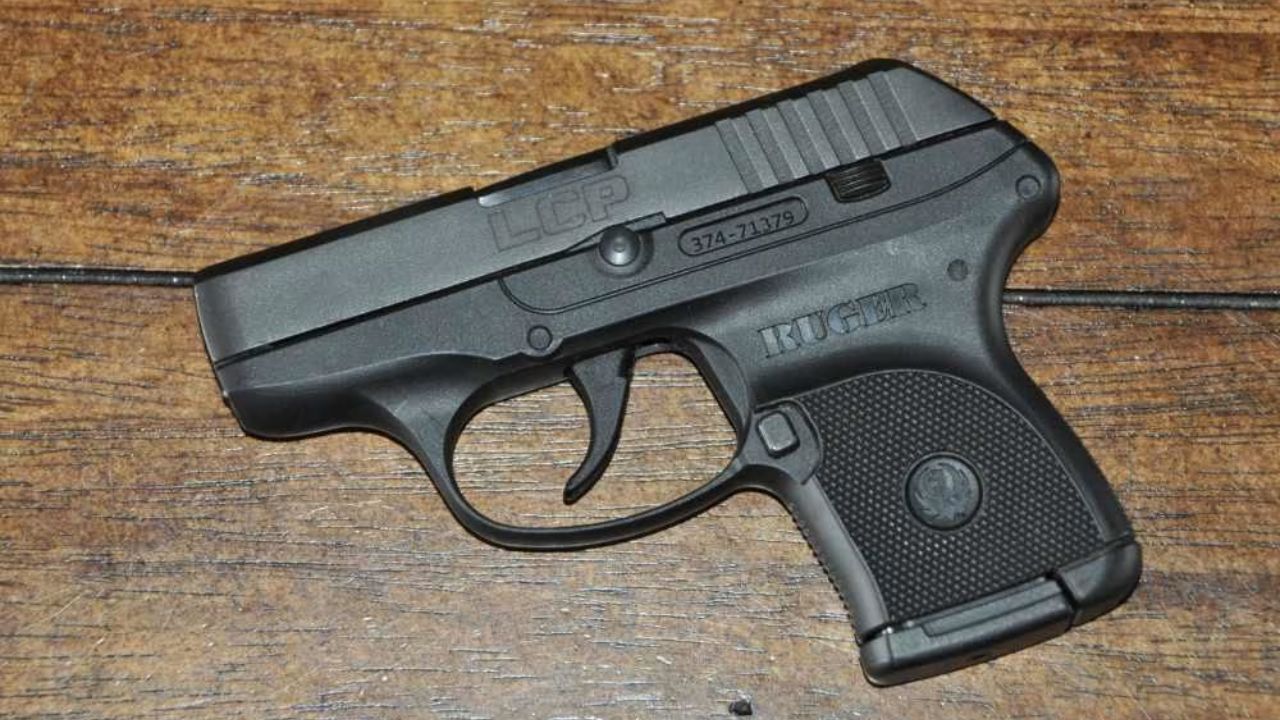
Tiny .380s get a rough reputation because they’re snappy, hard to shoot well, and unforgiving of sloppy technique. People buy one for convenience, then hate practicing with it, then declare the gun “bad.” The truth is the gun is doing exactly what a tiny, lightweight pistol does. The mistake is thinking small automatically means easy.
When you accept the role—deep concealment and close-range defense—and you train accordingly, the LCP can be a dependable tool. It carries when bigger guns get left at home, and that matters. Smooth the edges with a holster that works, run quality defensive ammo, and practice enough to manage the short sight radius and brisk recoil. It’s not a range toy, but it can be a reliable carry gun if you do your part.
1911-style pistols (budget tier)
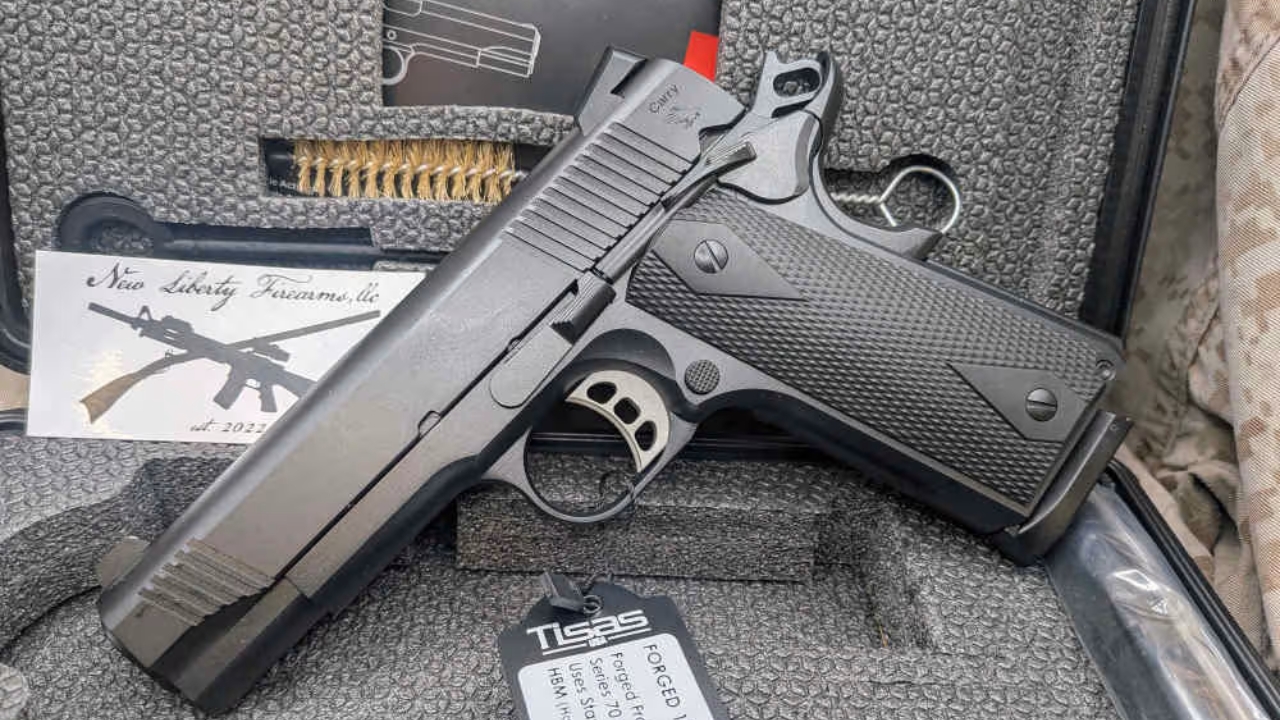
The 1911 gets blamed for everything from feeding issues to weird reliability myths, and some of that blame lands on cheap versions built with loose tolerances and questionable magazines. When somebody buys a bargain 1911, runs mystery mags and bargain ammo, and never checks extractor tension, they can end up with a frustrating experience. Then the whole platform gets condemned.
A well-built 1911 with quality magazines and proper setup can be reliable and extremely shootable. The trigger helps you learn clean presses, and the ergonomics still work for a lot of hands. The “second chance” here is being honest about tiers. Don’t expect the cheapest example to run like a duty gun without attention. If you choose a reputable maker, feed it good mags, and maintain it, the 1911 can be a serious shooter, not a problem child.
Remington 870 Express

The 870 Express caught a rough reputation during periods when fit, finish, and corrosion resistance weren’t what hunters expected. Some people saw rust quickly or had rough chambers that caused extraction issues with cheap shells. Those stories traveled far, and they weren’t imaginary. But the underlying design is still one of the most proven pump systems ever made.
If you inspect the gun, address any roughness, and protect the metal properly, an Express can still be a reliable hunting shotgun. Keep it clean, run decent ammo, and don’t ignore maintenance in wet seasons. Many issues blamed on the platform are really finish and QC issues, not the design itself. When you treat it like a working shotgun and not a safe queen, a good 870 still does what it’s always done.
Marlin “Remlin” era lever guns

Marlin’s reputation took hits during the transition years when some rifles had inconsistent fit and finish. You’ll hear people talk like every rifle from that era was a disaster, which isn’t accurate. There were rough examples, yes, and buyers had reason to be cautious. But plenty of those rifles shoot well, cycle fine after a little smoothing, and have put a lot of venison in freezers.
A second chance here is about evaluating the individual rifle. Check timing, feeding, and overall build quality. If it’s a good one, it can be a great hunting lever gun that carries well and runs fast in the woods. Lever guns don’t need to be perfect-looking to work perfectly. If you find a solid specimen, you can end up with a very usable rifle that got unfairly lumped in with the worst stories.
Ruger American (early “budget rifle” stigma)

The Ruger American line has caught plenty of snob-grade criticism because it’s affordable and looks plain. People pick it up, feel the light stock, and decide it must be inaccurate or fragile. Then they’re surprised when it shoots well and holds zero through real hunting use. The “bad reputation” here is less about failures and more about people confusing price with performance.
In the field, a Ruger American often shines because it’s light, handy, and accurate enough to make shots feel easy. The key is the same as always: quality rings, correct torque, and a scope that won’t quit. Treat it like a tool, not a trophy, and it does the job. If you’ve dismissed it based on feel alone, it’s one of the easiest rifles to re-evaluate honestly.
Ruger P95 (and similar “chunky” duty 9mms)

Older duty-style pistols like the Ruger P95 get mocked because they’re chunky, not pretty, and not built around modern trends. People call them outdated and move on. But a lot of those pistols earned their following the same way good tools always do: they keep running. The reputation problem is mostly aesthetic and cultural, not functional.
In real use, a P95 can be reliable, durable, and surprisingly easy to shoot well. The weight helps recoil, the controls are straightforward, and the gun doesn’t feel delicate. You won’t get modern optics mounting or sleek concealment, but you can get a pistol that eats common ammo and shrugs off neglect better than many “nicer” guns. If you want a dependable beater handgun that still performs, these deserve a second look.
Like The Avid Outdoorsman’s content? Subscribe to our newsletter so you never miss an article.
Here’s more from us: