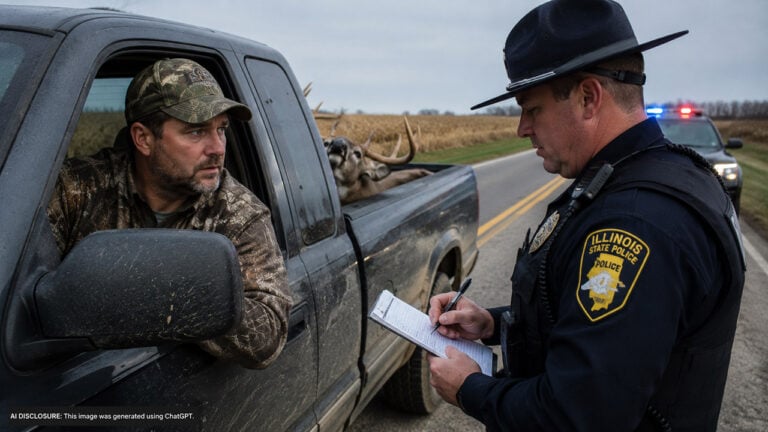
Photo credit: AI-generated image created using ChatGPT. Illustrative only
When guns go missing from a family home, it doesn’t just feel like a property crime. For most outdoorsmen, it’s a safety issue first—because those firearms didn’t just walk off, and you don’t know whose hands they’re in.
In a case shared in the original post, a man’s father had firearms and roughly $50,000 in cash stolen out of the house. A houseguest was blamed, prosecuted, and ultimately convicted, landing in jail for the theft. Then, after the fact, the son went through his dad’s estate and found the guns and the cash hidden there—suggesting the person sitting in jail might not have stolen anything at all.
The missing guns and cash put a target on the wrong person
The story starts like a lot of rural thefts do: a home where valuable things exist—firearms and a large amount of cash—and someone outside the immediate family has access. At some point, the guns and the money were discovered missing, and suspicion fell on a houseguest staying with the father.
That suspicion hardened into a criminal case. The houseguest was convicted of stealing the firearms and the $50,000 and was incarcerated. Whether the conviction came from physical evidence, testimony, a plea, or something else isn’t spelled out in the source material, but the end result is clear: the justice system treated it as solved.
Estate cleanup turned into a gut-check discovery
Time passed, and the father’s estate became the focus. Anyone who’s handled an estate knows how it goes: drawers you never opened, boxes in closets, old bags in the corner of a basement. People hide things in odd places—sometimes for “security,” sometimes from habit, sometimes because they forget.
During that process, the son found the items everyone thought were stolen: the firearms and the cash, hidden in the estate. That single discovery flips the whole story around. If the guns and money never left the home, the houseguest’s “theft” starts looking a lot like a wrongful conviction.
A convicted felon can’t just grab the guns and “do the right thing”
The son who found the stash wasn’t in a position to handle it cleanly on his own. He’s a convicted felon, and he acknowledged that he can’t touch the evidence. For gun owners, that point matters: possession rules can be strict, and “I was just trying to help” doesn’t always keep you out of trouble.
There’s also the practical reality that these weren’t just heirloom items sitting in a safe. They were the key pieces of evidence tied to another person’s conviction. Moving them, selling them, or even handling them casually could compromise whatever chance the incarcerated person has at clearing their name.
The real-world problem: evidence, chain of custody, and safety
Out in the real world, the minute you discover something like this, you’re dealing with three problems at once. First is safety: firearms found in an estate need to be secured so nobody unauthorized—kids, visitors, opportunistic family members—can get to them. Second is legality: a prohibited person handling guns can create new charges fast.
Third is evidence. If those firearms and that cash were the basis for a theft conviction, then their location and condition matter. Where they were found, how they were stored, and who had access to the hiding spot could all be important. A sloppy “cleanup” can muddy that water, even if nobody means to.
The post’s central tension is that the son wants to correct what looks like a major injustice, but he’s also trying not to step on a legal landmine. That’s a tough spot—because doing nothing leaves an innocent person in jail, but doing the wrong thing can make the situation worse for everyone.
What people tend to focus on in situations like this
When outdoorsmen talk through a scenario like this, the advice usually gets blunt and practical. Don’t handle the firearms if you can’t legally possess them. Don’t try to be your own investigator. And don’t start calling the convicted person or their family with “good news” before you’ve protected the evidence and gotten proper guidance.
The other thing folks focus on is documentation. If you find property that was supposedly stolen, the details matter: what you found, exactly where you found it, and who else was present. That’s not about being dramatic—it’s about making sure the facts don’t get twisted later, especially when a conviction is already on the books.
The cleanest path forward is to bring in the right adult supervision
The most responsible play in a case like this is to involve an attorney and law enforcement through proper channels, so the discovery gets recorded and handled without a prohibited person taking possession. That can mean having a lawful third party secure the firearms without the son touching them, then contacting the appropriate officials so the evidence is collected correctly.
Because the houseguest is already convicted and jailed, this isn’t just “returning stolen property.” It’s potential exculpatory evidence—something that could support an appeal, a motion for a new trial, or other post-conviction relief. That’s lawyer territory, and it’s also why preserving the scene and keeping the chain of custody clean matters so much.
There’s also a hard personal lesson here for anyone with a gun safe and a little cash tucked away: if you hide valuables and don’t tell anyone, you might be setting up the next guy for a nightmare. A forgotten stash can turn into accusations, arrests, and years of fallout. Good records and secure, known storage beat “secret spots” every time.
At the end of the day, the story isn’t just about missing guns or a big pile of cash. It’s about how fast assumptions become convictions—and how careful you have to be when you stumble onto the truth later, especially if you’re not legally allowed to handle what you found.
Like The Avid Outdoorsman’s content? Be sure to follow us.
Here’s more from us: