Photo credit: STICKS AND STONES/Youtube
Some guns make a strong case at the counter. The specs look right, the price feels reasonable, the reviews sound confident, and the whole thing seems like a smart buy. Then real ownership starts. Range time exposes the trigger. Carry exposes the size. Hunting exposes the weight. Parts availability exposes the gamble.
Not every disappointing gun is junk. A lot of them work fine for the right owner. The problem is that “fine” can feel a whole lot different after months of living with the thing. These are the guns that looked smart until owners actually lived with them.
Remington R51

The Remington R51 looked like it might be a clever carry pistol when it came back. It had a slim profile, low bore axis, unique Pedersen-style hesitation lock system, and a design that seemed different from the usual striker-fired crowd. On paper, it sounded like Remington was bringing something fresh to the compact 9mm market.
Then owners started living with the reality. Early production problems, rough function, recalls, and reliability complaints damaged the pistol’s reputation badly. Even later guns had a hard time winning back trust. A carry pistol has to be boringly dependable, and the R51 asked too many owners to be patient with problems they never should have had. It looked smart because it was different. It became frustrating because different doesn’t matter if confidence is gone.
Kimber Solo
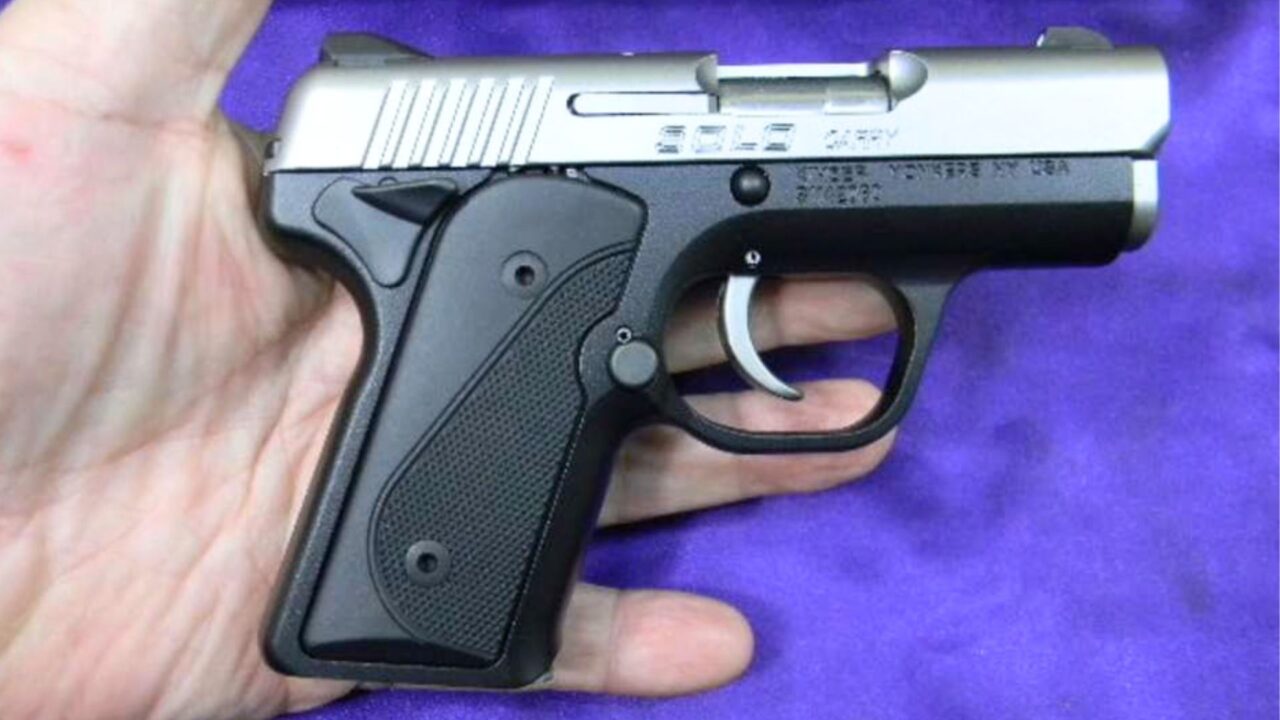
The Kimber Solo seemed like a classy answer to the micro 9mm problem. It was small, sleek, metal-framed, and much better-looking than the blocky little carry pistols around it. For buyers who wanted a tiny 9mm with some style, the Solo looked smart at first glance.
Living with one could be a different story. The pistol developed a reputation for being ammunition-sensitive and less forgiving than owners wanted. Kimber recommended certain premium loads, and that alone made some buyers nervous. A defensive pistol that needs a narrow diet and a perfect grip to stay trustworthy can wear out its welcome fast. Some owners had good examples, but many learned that a carry gun needs reliability more than polish.
Taurus Curve
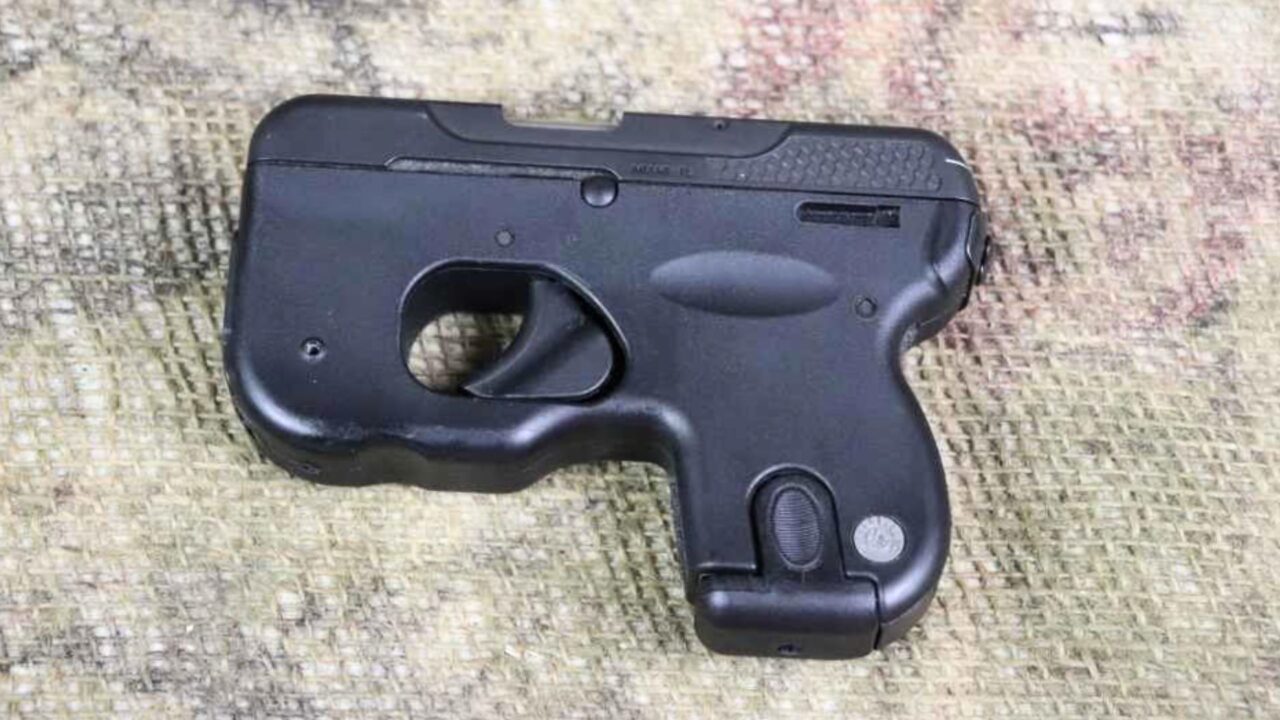
The Taurus Curve looked like a bold idea when it launched. A curved .380 designed to fit the body, with a built-in light and laser on some versions, sounded like a futuristic answer to deep concealment. It was different enough to get attention immediately.
The problem was that living with the Curve exposed the tradeoffs. The unusual shape made holster choices strange, the sighting system was limited, and the handling never felt natural to a lot of shooters. A defensive pistol can be unconventional, but it still has to be easy to shoot well under stress. The Curve looked clever in a display case. Once owners tried to train with it like a real carry gun, the smart idea started feeling too clever for its own good.
Springfield Armory XD-E

The Springfield XD-E looked like it had a useful lane. It offered a slim carry pistol with hammer-fired DA/SA operation at a time when nearly everything small was striker-fired. For shooters who liked a thumb safety, second-strike capability, and a traditional trigger system, it seemed like a smart alternative.
In practice, it was a harder sell. The trigger system gave it personality, but not everyone loved the pull. The pistol was also competing against smaller, lighter, higher-capacity options that were easier for many people to shoot and carry. The XD-E wasn’t a bad gun, but owners sometimes found it solved a problem they didn’t actually have. It looked smart for DA/SA fans until daily carry made its size, trigger, and capacity feel less convincing.
Mossberg 715T
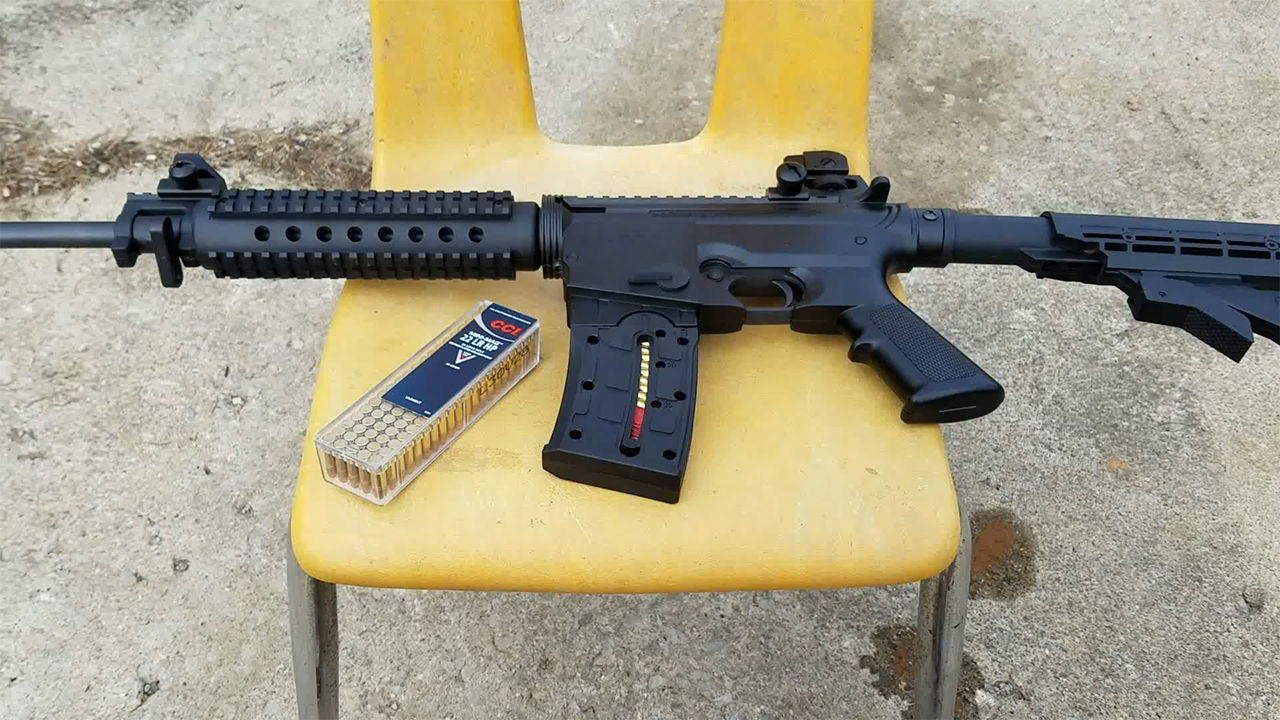
The Mossberg 715T looked like a fun buy for anyone who wanted an AR-style .22 without spending much money. It had the tactical look, the familiar shape, and the appeal of cheap rimfire shooting. For newer shooters especially, it seemed like an inexpensive way to get that modern rifle feel.
Living with one often made the flaws more obvious. Underneath the AR styling was a rimfire action wrapped in a bulky shell, and the rifle could feel less solid than it looked. Some owners dealt with feeding issues, awkward maintenance, or disappointment once the novelty wore off. A .22 rifle should be simple, reliable, and fun. The 715T looked exciting, but a plain Ruger 10/22 or Marlin Model 60 often made more sense after the first few range trips.
Remington 770
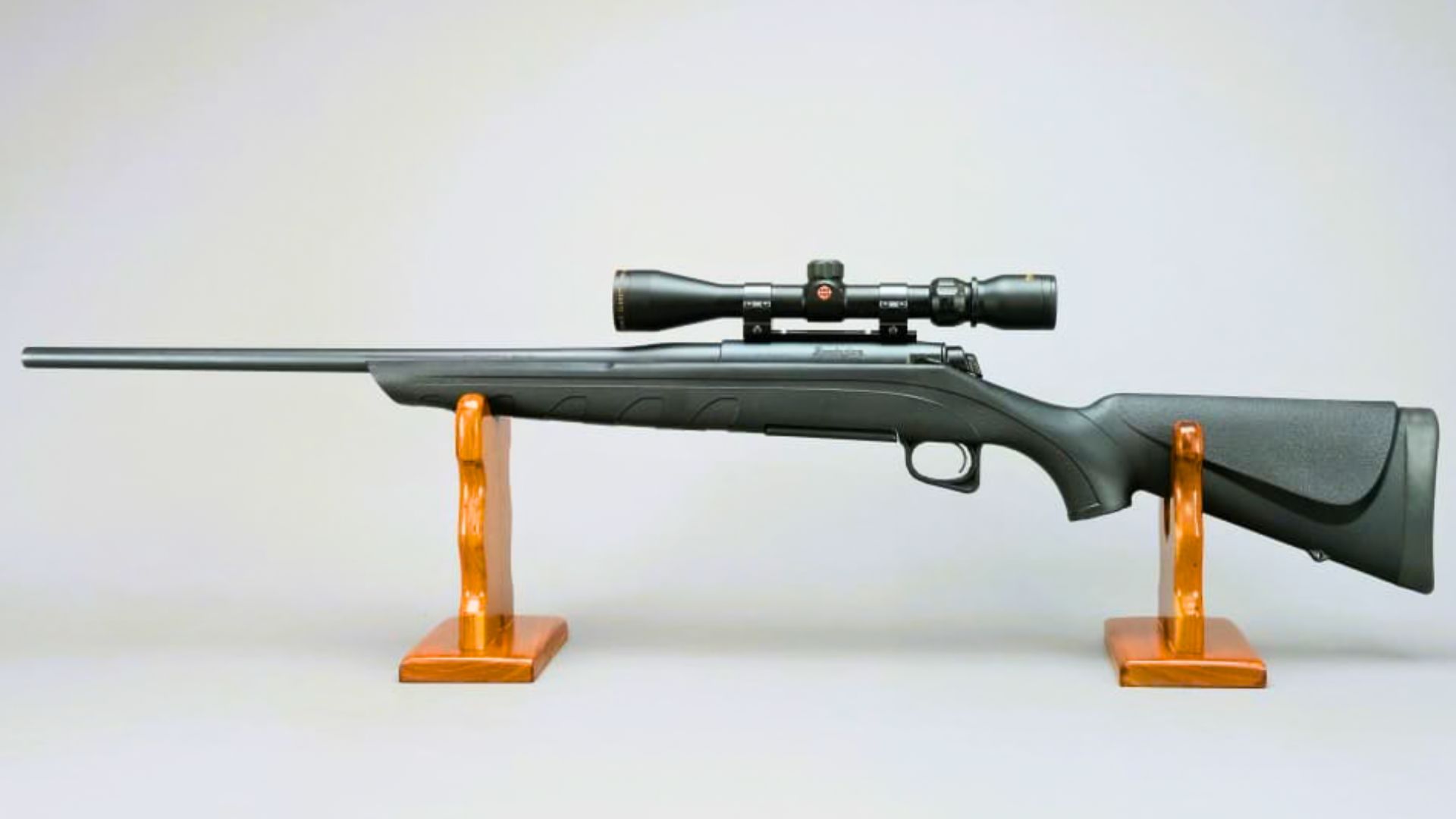
The Remington 770 looked smart to buyers who wanted a scoped hunting rifle package at a low price. It came ready to hunt, carried the Remington name, and seemed like an affordable way to get into a deer rifle without building a setup from scratch. For someone shopping on a tight budget, that had obvious appeal.
The longer owners lived with it, the more the rough edges showed. The bolt could feel sloppy, the stock felt cheap, and the overall rifle lacked the confidence people expected from older Remingtons. Some rifles shot acceptably and killed deer, but few owners loved the experience. A budget rifle can be plain and still satisfying. The 770 often felt cheap in ways that made buyers wish they had saved a little longer.
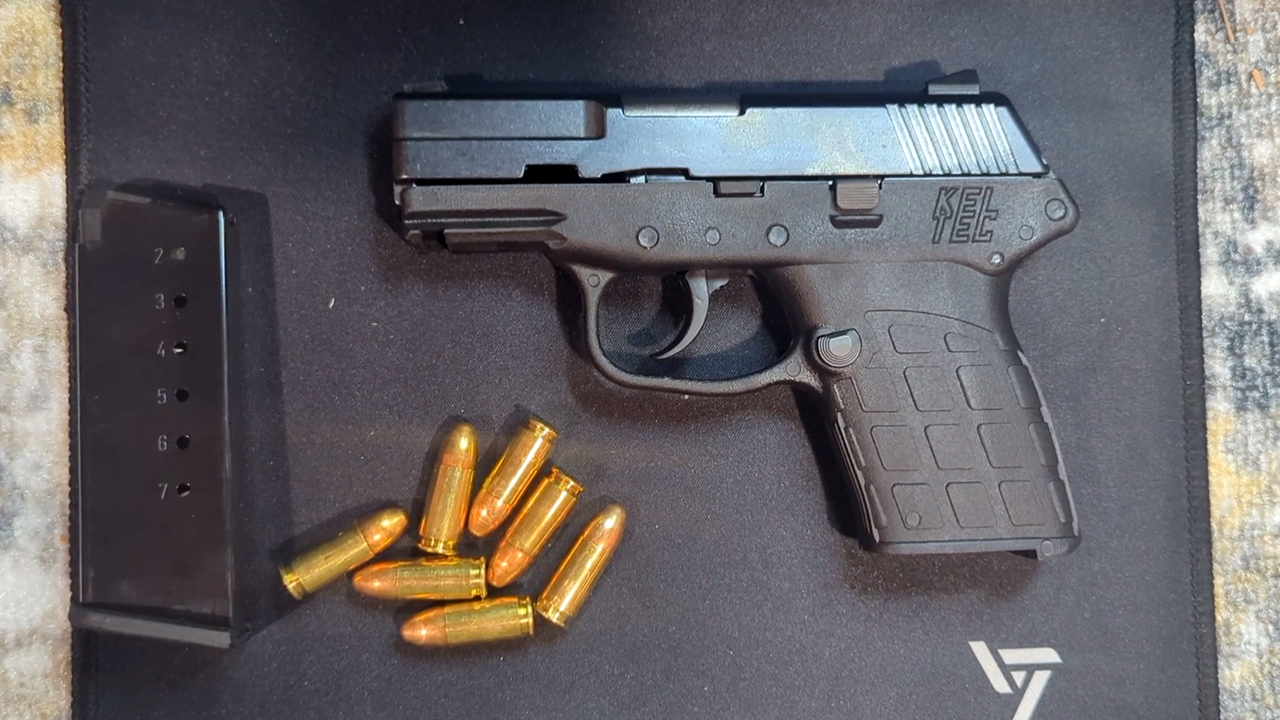
KelTec PF-9
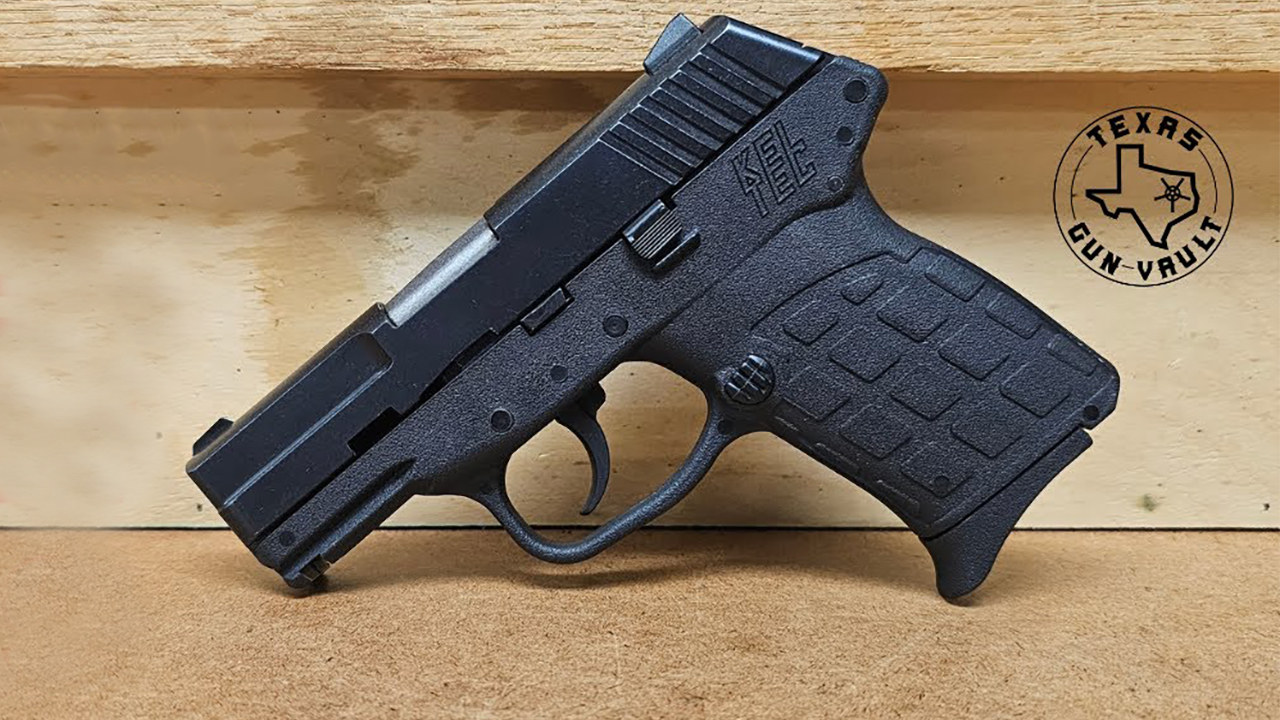
The KelTec PF-9 looked smart because it was thin, light, affordable, and chambered in 9mm before slim 9mm carry pistols became as common as they are now. For concealed carry, especially on a budget, that combination made a lot of sense.
Then owners started carrying and shooting it regularly. The PF-9 could be sharp under recoil, the trigger was not exactly pleasant, and the overall feel reminded shooters they had bought a very lightweight budget pistol. It filled a role, and some people trusted theirs, but it was rarely a gun people enjoyed practicing with. A carry pistol that hurts to shoot can quietly discourage training. That’s where the PF-9 started looking less smart over time.
SIG Sauer Mosquito
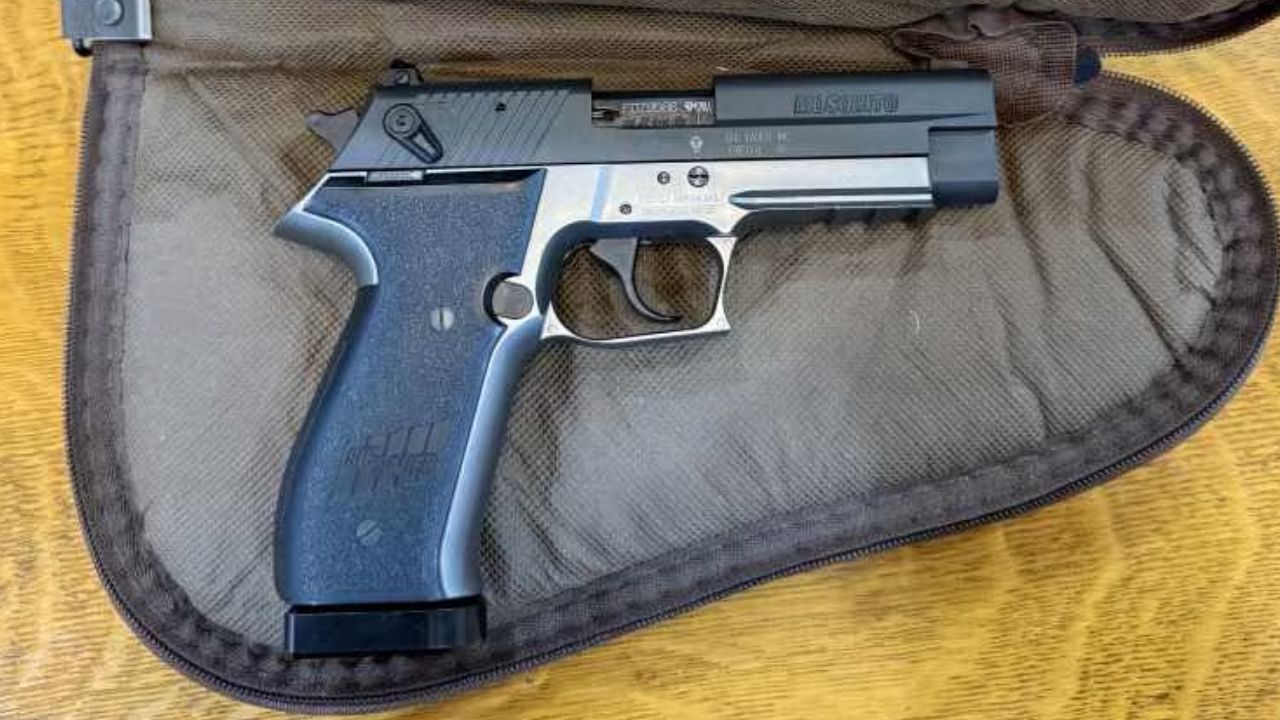
The SIG Mosquito seemed like a great idea. A rimfire pistol with SIG styling, lighter recoil, cheaper ammunition, and trainer appeal should have been an easy win. Buyers liked the idea of practicing with a .22 that felt more like a defensive pistol than a classic target rimfire.
Ownership often proved less satisfying. The Mosquito gained a reputation for being picky with ammunition and less reliable than shooters expected from a SIG-branded pistol. Rimfire semi-autos can always be load-sensitive, but the Mosquito frustrated plenty of owners who wanted easy, cheap practice. A .22 trainer should make range time smoother, not turn every session into troubleshooting. It looked smart until reliability became the main lesson.
Beretta Nano

The Beretta Nano looked like a thoughtful early entry into the slim 9mm carry market. It was compact, smooth-sided, striker-fired, and snag-free. Beretta also gave it a modular chassis-style design, which seemed forward-thinking at the time. For deep concealment, it had a lot going for it.
Living with it exposed some drawbacks. The trigger was heavy for many shooters, the grip was short, and the lack of a slide stop lever bothered people who trained heavily. Some owners also found it snappier or harder to shoot well than they hoped. The Nano wasn’t useless, but the carry market moved quickly. Once better-shooting slim 9mms arrived, the Nano’s smart-looking minimalism started feeling like too many compromises.
Remington 887 Nitro Mag

The Remington 887 Nitro Mag looked like a rugged, weatherproof pump shotgun built for hard hunting. Its ArmorLokt coating and bold design made it seem like a modern replacement for hunters who wanted a shotgun that could handle ugly duck blinds and rough weather.
The reality was more complicated. The 887 developed a reputation for bulk, awkward feel, and reliability complaints, and it never came close to replacing the trust hunters had in the 870. Some owners had working guns, but the shotgun didn’t inspire the same confidence. A waterfowl pump can be ugly and still loved if it runs hard. The 887 looked tough, but too many hunters found it less satisfying than the older designs it was supposed to improve on.
SCCY CPX-2
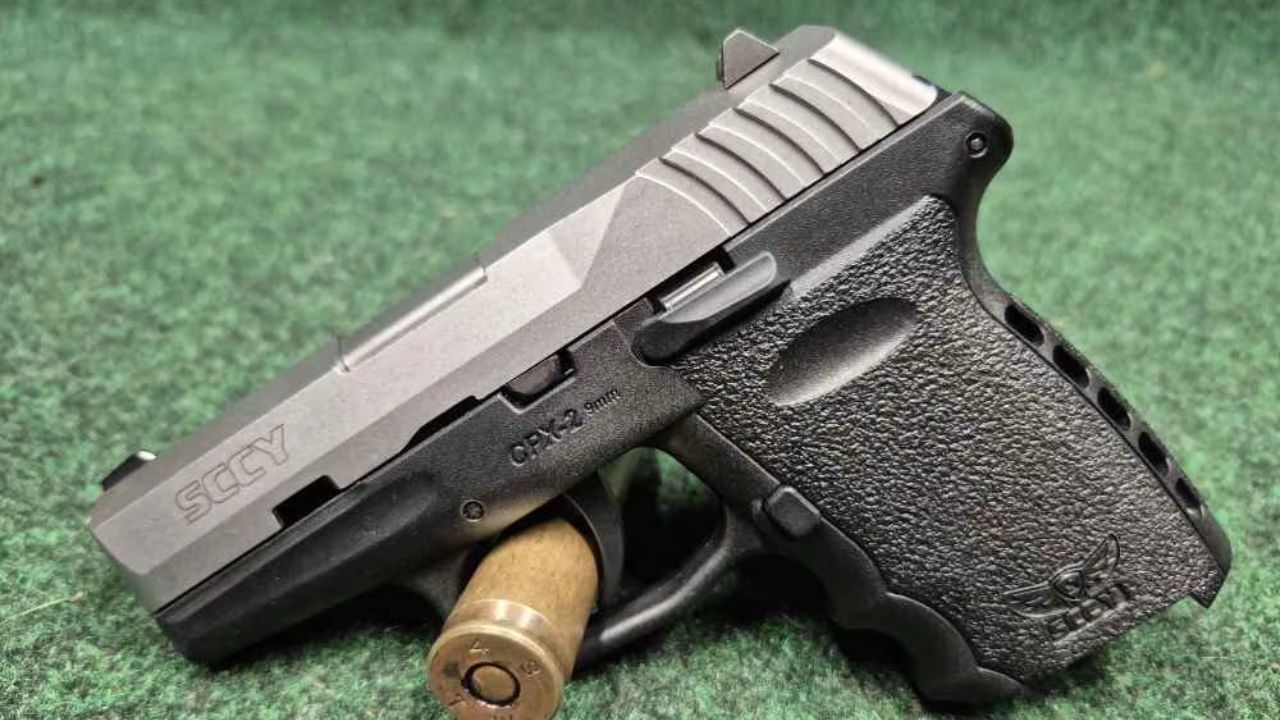
The SCCY CPX-2 looked smart to budget-minded carry buyers. It was inexpensive, compact, chambered in 9mm, and backed by a warranty that gave nervous buyers some confidence. For someone who needed an affordable defensive pistol, it seemed like a reasonable answer.
Living with it could reveal why price is only part of the equation. The long, heavy trigger took real work, recoil could feel snappy, and overall refinement was limited. Some owners had reliable examples and liked them for basic carry. Others found the pistol harder to shoot well than slightly more expensive options. The CPX-2 looked smart when the budget was tight, but owners often learned that saving a little more could buy a much better shooting experience.
Winchester Wildcat
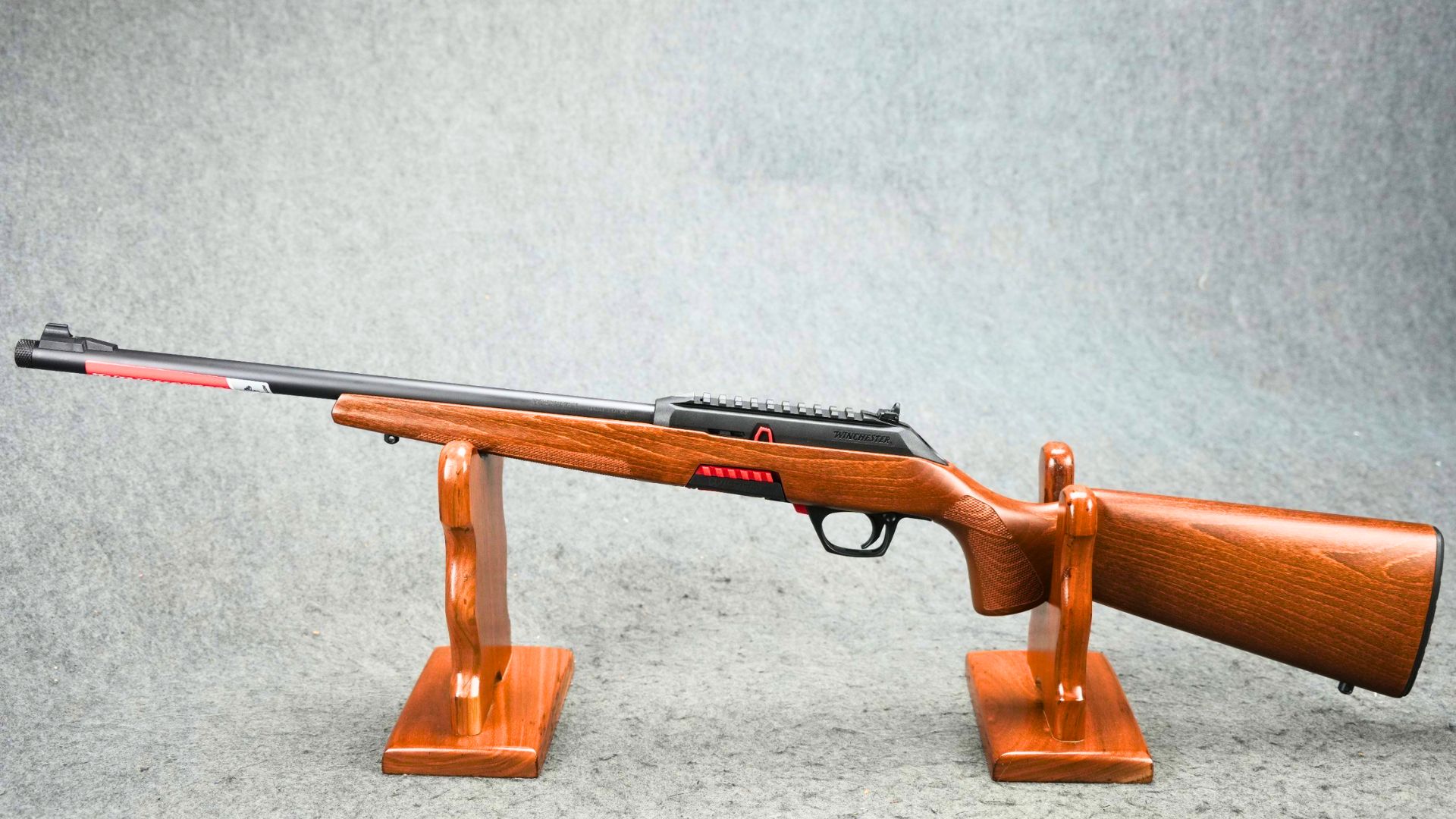
The Winchester Wildcat looked like a smart modern rimfire because it was lightweight, affordable, easy to clean, and compatible with Ruger 10/22 magazines. That magazine compatibility alone made a lot of shooters pay attention. It seemed like Winchester had found a practical way into the semi-auto .22 market.
Some owners liked it, but others found it felt a little too light and plastic-heavy for long-term satisfaction. The easy takedown system was clever, but the rifle didn’t always deliver the solid feel people wanted from a keeper rimfire. It’s not a bad .22, but living with one can make shooters realize they value weight, balance, and old-fashioned sturdiness more than they thought. Smart features don’t always equal lasting affection.
Smith & Wesson Bodyguard 380
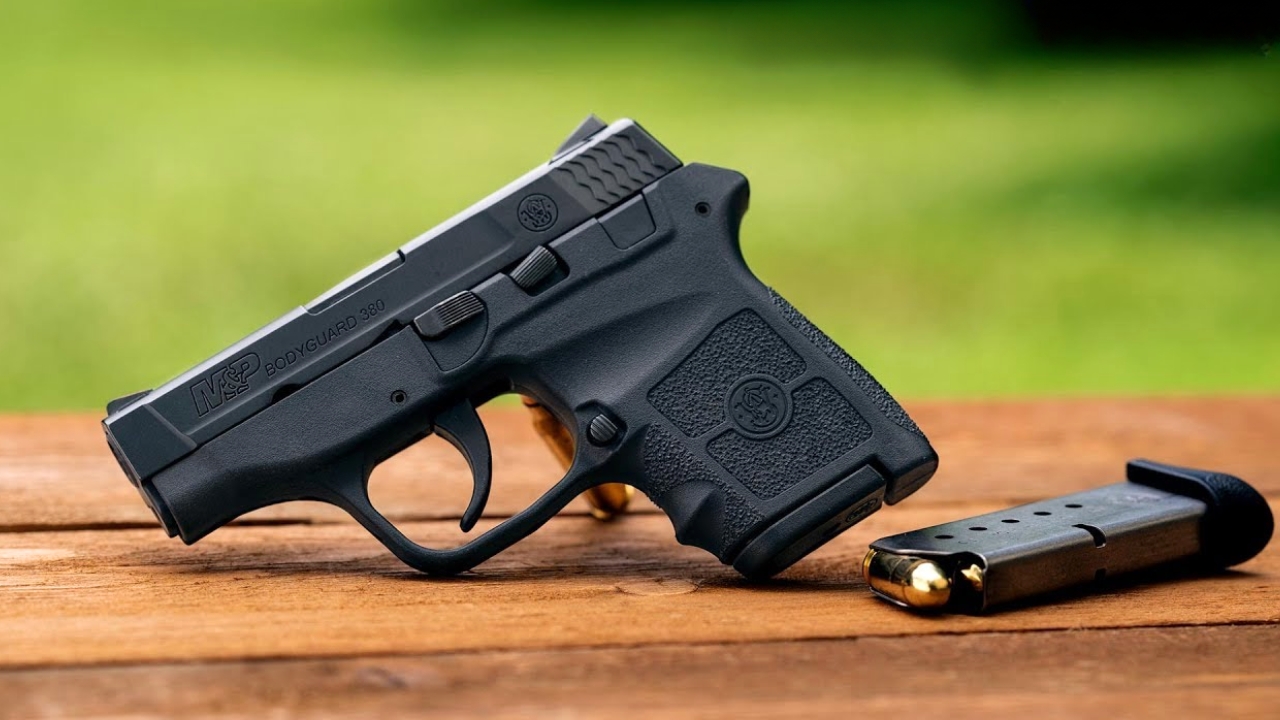
The Bodyguard 380 looked like a smart pocket pistol. It was small, light, easy to conceal, and available with an integrated laser on earlier versions. For deep carry, it checked a lot of boxes, especially for people who wanted something that could disappear in a pocket holster.
The problem came during practice. The trigger was long and heavy, the sights were tiny, and the pistol could be difficult to shoot well beyond close distances. That’s not unusual for pocket .380s, but it still matters. A gun that is easy to carry but hard to shoot can create false confidence. Many owners eventually moved toward slightly larger .380s or slim 9mms that were easier to control. The Bodyguard looked smart until training exposed the tradeoff.
Rossi Circuit Judge
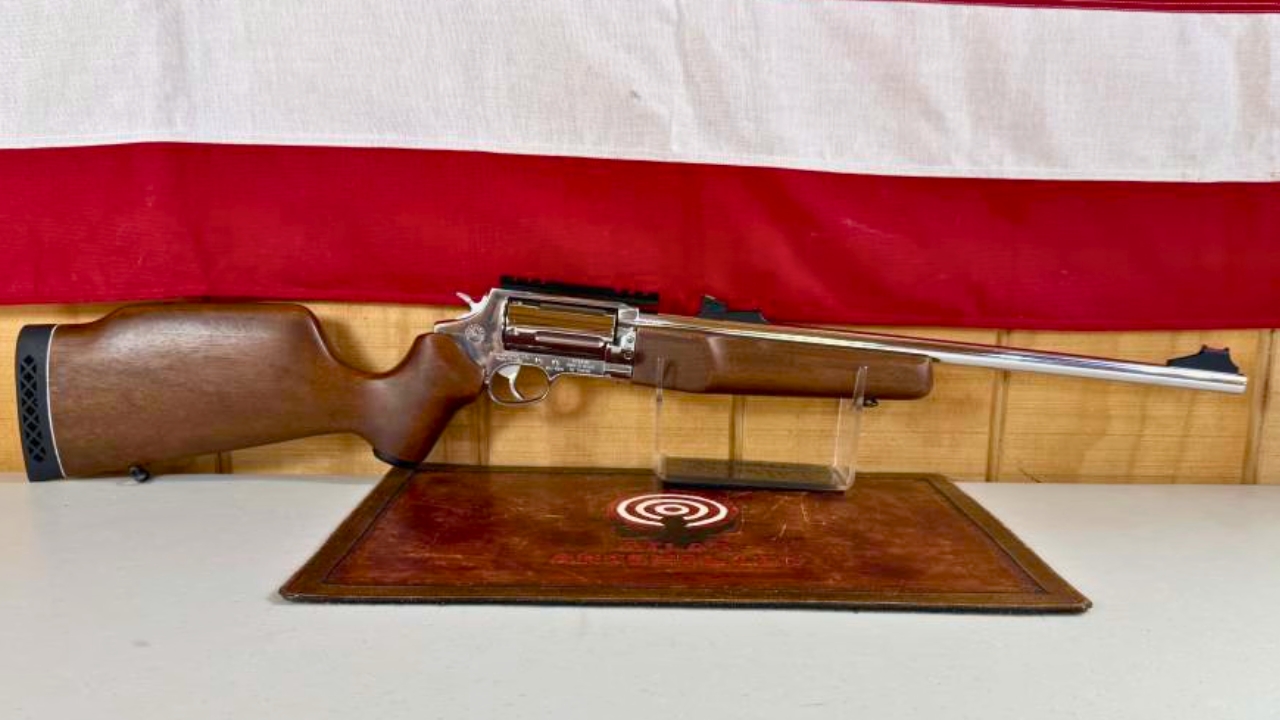
The Rossi Circuit Judge looked like a fun and versatile idea. A revolving carbine that could fire .45 Colt and .410 shells sounded useful for small game, pests, and general camp use. It had enough novelty to draw attention, and the dual-caliber pitch seemed practical.
Living with it made some shooters question the concept. Revolving carbines have cylinder-gap blast concerns, .410 performance can be more limited than people expect, and the whole package can feel awkward once the novelty fades. It’s fun in the right context, but not always as useful as buyers hoped. A dedicated .410 shotgun or .45 Colt lever gun may do the same jobs better. The Circuit Judge looked smart because it promised versatility. In use, that versatility came with a lot of asterisks.
Desert Eagle .50 AE

The Desert Eagle in .50 AE looks smart to exactly one part of the brain: the part that wants the biggest, loudest handgun at the range. It’s iconic, powerful, and undeniably attention-grabbing. For buyers who want a statement piece, it has plenty of appeal.
Actually living with one is different. It’s huge, heavy, expensive to feed, picky about grip and ammunition compared with simpler handguns, and wildly impractical for most real handgun roles. That doesn’t mean it’s bad. It’s a blast when it runs and absolutely has collector and range-toy appeal. But a lot of owners eventually realize they bought an experience more than a useful pistol. It looked smart when the excitement hit. It felt less smart when ammo costs and practicality showed up.
Like The Avid Outdoorsman’s content? Subscribe to our newsletter so you never miss an article.
Here’s more from us: