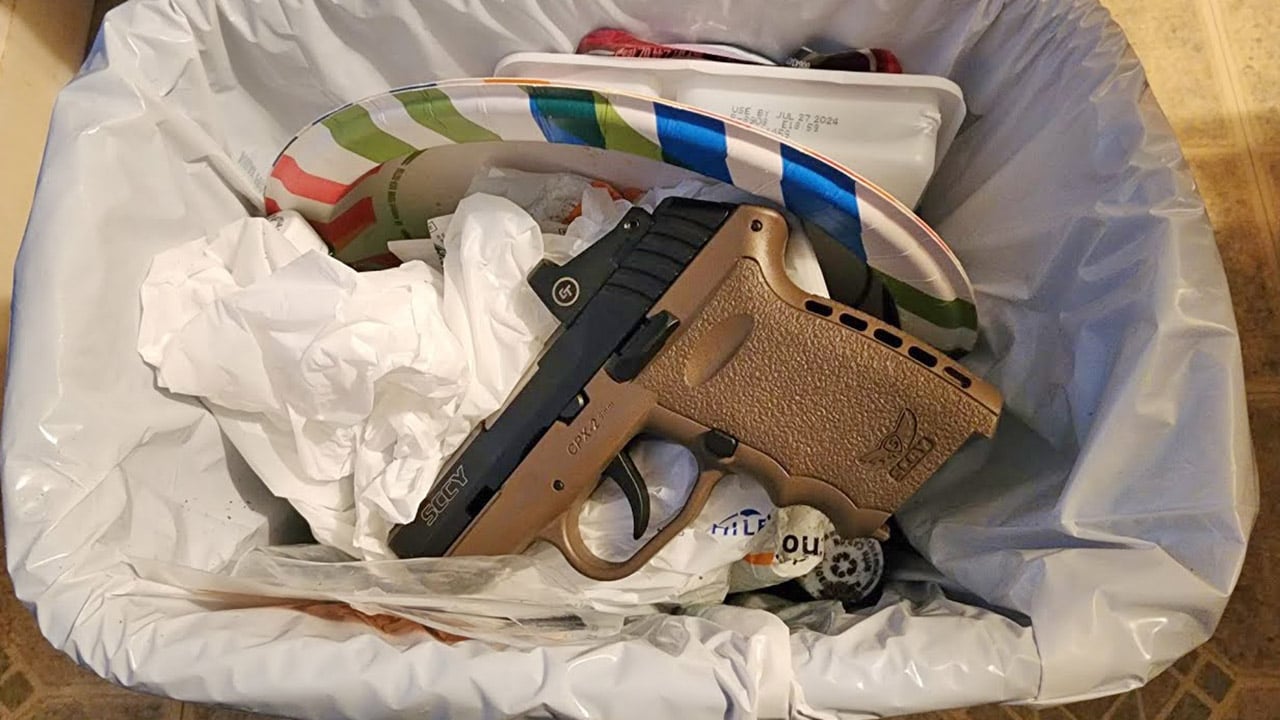
Photo credit: 573 reviews/Youtube
The first time I watched a decent shooter turn into a set of shaky hands, it wasn’t in a fight and it wasn’t on the internet. It was during a cold, wet training day when hearts were already up and fingers were already numb. Add a timer, a little movement, and a couple “no-shoot” targets, and suddenly the stuff that felt fine on a calm range lane started showing its teeth.
That’s when I started changing what I carried. Not because I needed the newest hotness, but because stress has a way of exposing little problems that don’t matter… until they really do. Below are 20 pistols I quit carrying after seeing how they tend to behave when the pace picks up and the pressure isn’t theoretical.
1. Taurus PT111 Millennium G2
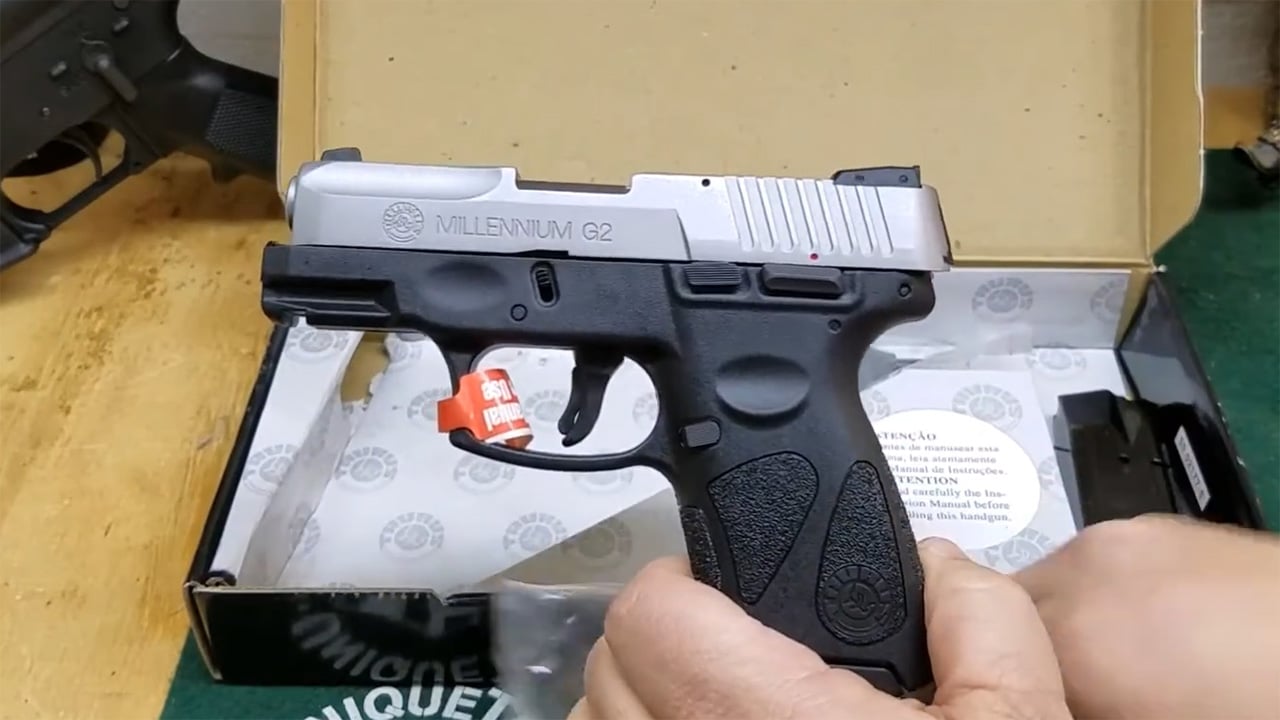
I get why this one sold so many units. It’s small, light, usually affordable, and it points pretty naturally for a lot of hands. On a slow range day, you can talk yourself into it.
Under stress, I saw two things: inconsistent triggers from gun to gun, and a “feel” in the gun that made fast follow-up shots sloppier than they should’ve been. When you’re trying to keep shots accountable while moving, a mushy break and vague reset can turn into riding the trigger wrong or snatching shots low. That’s not a moral failure; it’s the gun adding friction at the worst time.
2. SCCY CPX-2
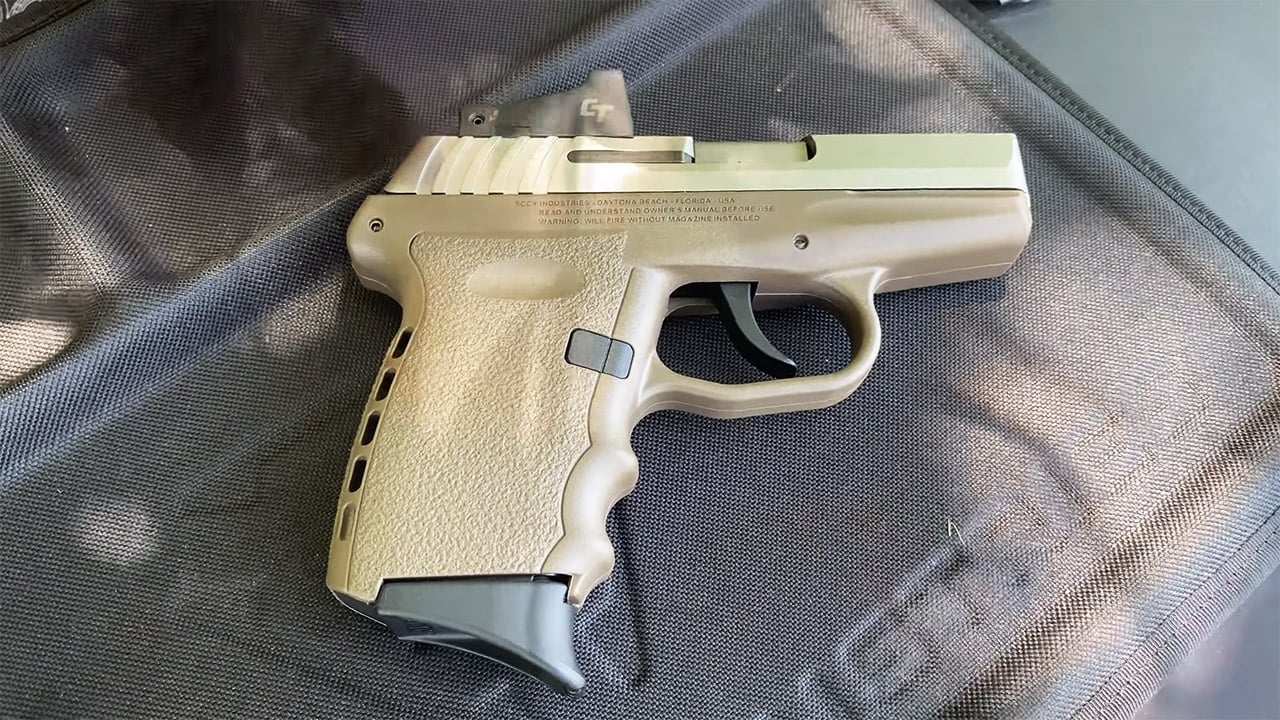
The long, heavy pull is the whole idea here, and for some folks that’s comforting. The problem is that the pull is long and heavy whether you’re calm or you’re gassed out with sweat in your eyes.
I watched decent shooters “milk” the grip hard and throw rounds because they were trying to manage that pull fast. It’s doable, but it takes more dedicated practice than most owners are going to put in, and the tiny sights don’t help when your vision narrows down to a front post that feels like a pencil tip.
3. Ruger LCP (.380 ACP)

There’s a reason these live in pockets all over America. They disappear, they’re light, and they’ll be with you when something bigger would’ve been left on the dresser.
But stress testing made the tradeoff loud and clear: tiny grip, tiny sights, and snappy recoil in a package that punishes sloppy trigger control. If you carry one, you better be honest about your realistic distances and your practice. Mine became a “deep concealment only” option, not a default carry.
4. SIG Sauer P238

This one hurts, because the P238 is accurate for its size and the ergonomics are downright pleasant. It also runs great for a lot of owners.
What changed my mind was watching how often thumb safeties get missed under pressure when the shooter isn’t a true 1911-style carrier. Cold hands, gloves, awkward draw angles from a truck seat—those are real-world things. If you’re not religious about that manual safety, you can lose time and brain bandwidth you don’t have to spare.
5. Kimber Micro 9

When they’re right, they’re easy to like. Slim, good-looking, good sights on many models, and they carry flat.
When the pace sped up, I saw enough little hiccups and enough finicky behavior with ammo and magazines that I stopped trusting it as my “everywhere” pistol. I don’t need a carry gun that makes me wonder if today is the day it decides to be sensitive.
6. Walther PPK/S (.380 ACP)
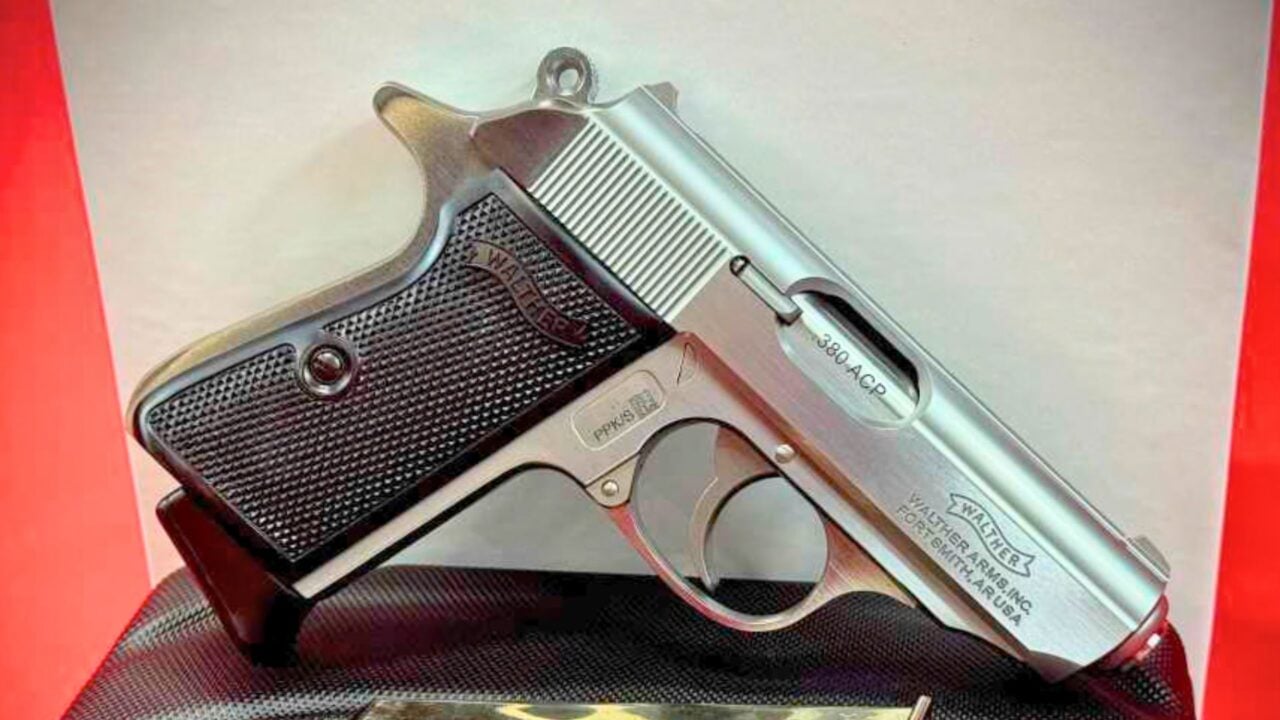
Classic. Cool. Nostalgic. And it will bite the mess out of some hands if your grip is a hair too high. Ask me how I know.
Under stress, the DA/SA transition and that heavy first pull can turn the first shot into the “flyer shot,” especially if you don’t shoot it constantly. Add the sharp recoil impulse for the size and it becomes a gun you admire more than you run.
7. Smith & Wesson Bodyguard .380
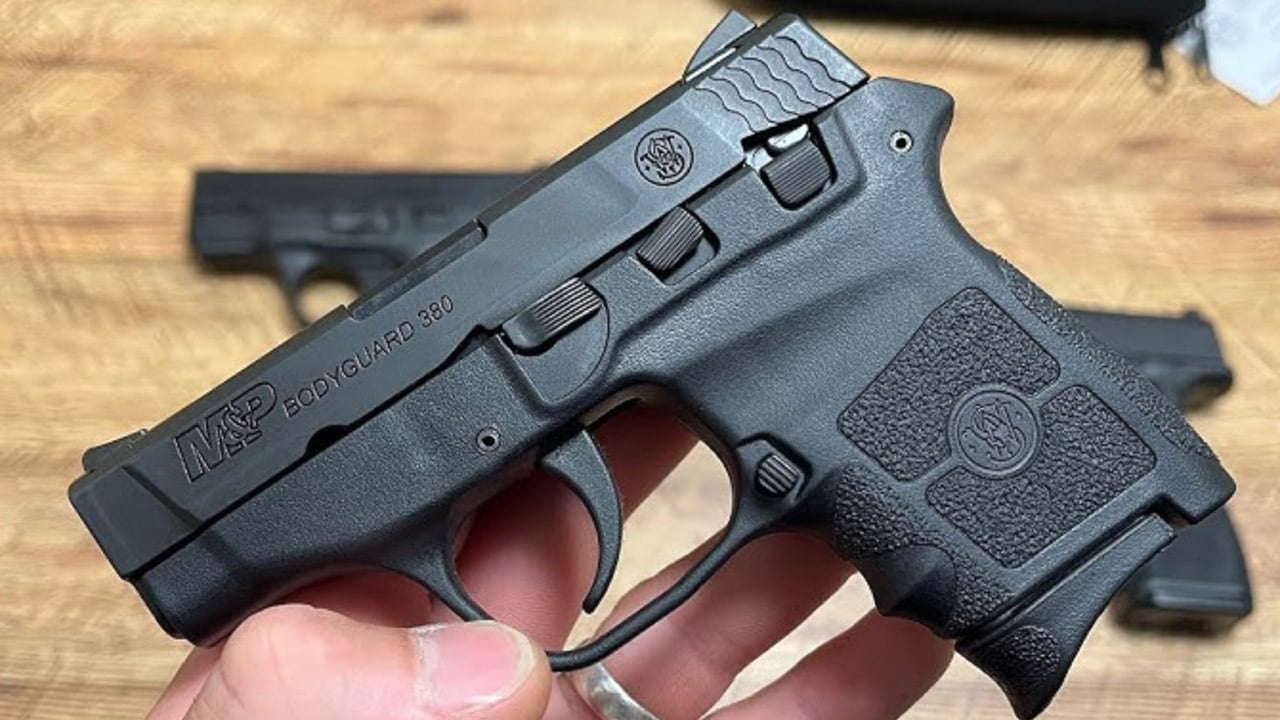
It’s another one built around being easy to carry, not easy to shoot. That’s a legitimate purpose.
But on timed drills, the trigger and the tiny frame made it harder than it needed to be to keep rounds where they belonged. The gun didn’t fail; it just demanded more precision than most folks can deliver when their breathing is up and their hands are cold.
8. Taurus Spectrum
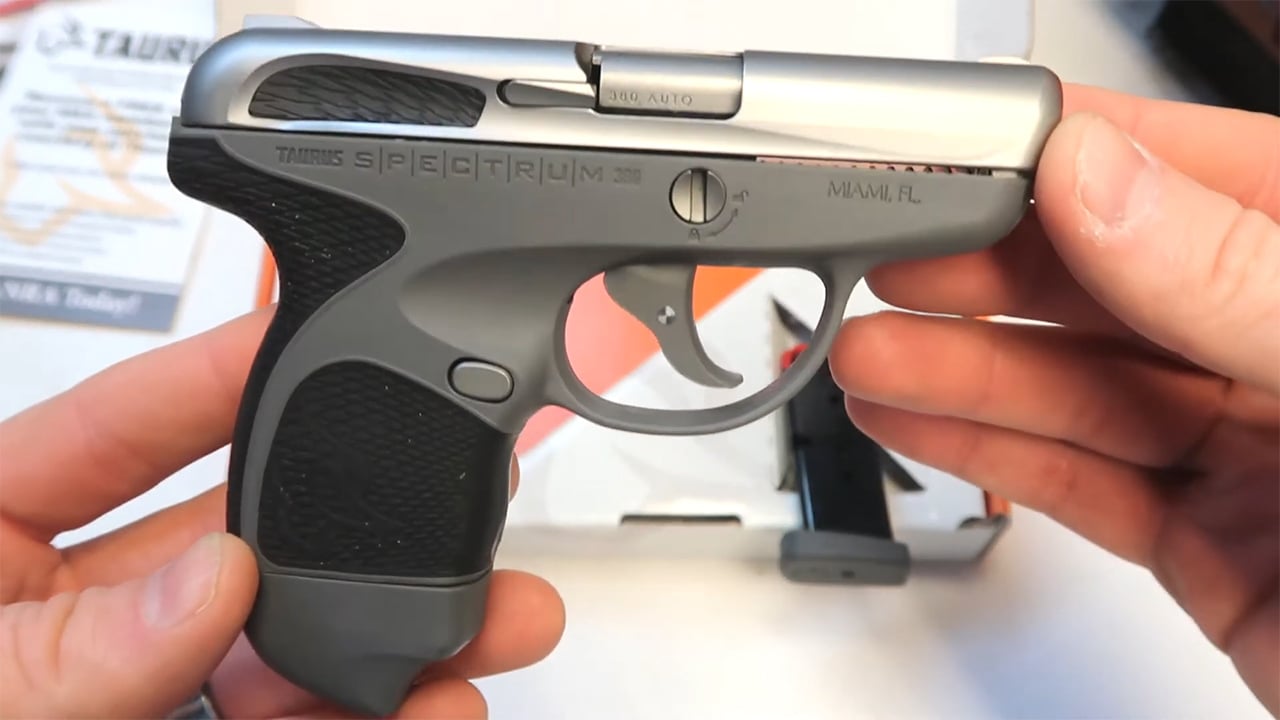
It felt like a great idea: soft edges, easy in the pocket, modern styling. The problem is I don’t carry a pistol for styling.
I saw enough odd little reliability complaints across the board and enough “this mag is picky” behavior that I quit treating it like a serious tool. Pocket guns already ride the edge of compromise. I’m not adding more variables.
9. Remington RM380
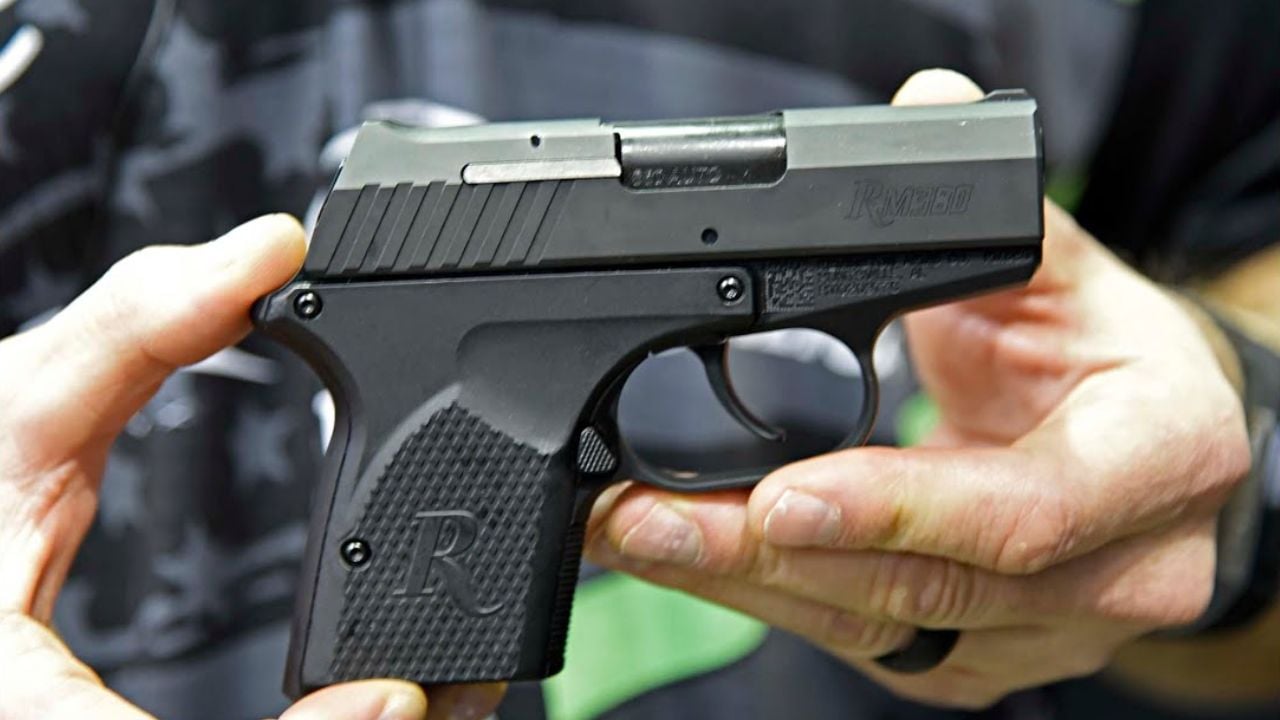
The RM380 is one of those “better than you think” pistols, and I’ve seen them run fine. It’s also a small .380 with a long pull, and that’s a combination that can be rough under a timer.
On stress strings, shooters tended to get behind the gun fast, and accuracy fell apart quicker than with slightly larger options. It’s not that it can’t work. It’s that the margin gets thin fast when you’re not perfectly steady.
10. Glock 43
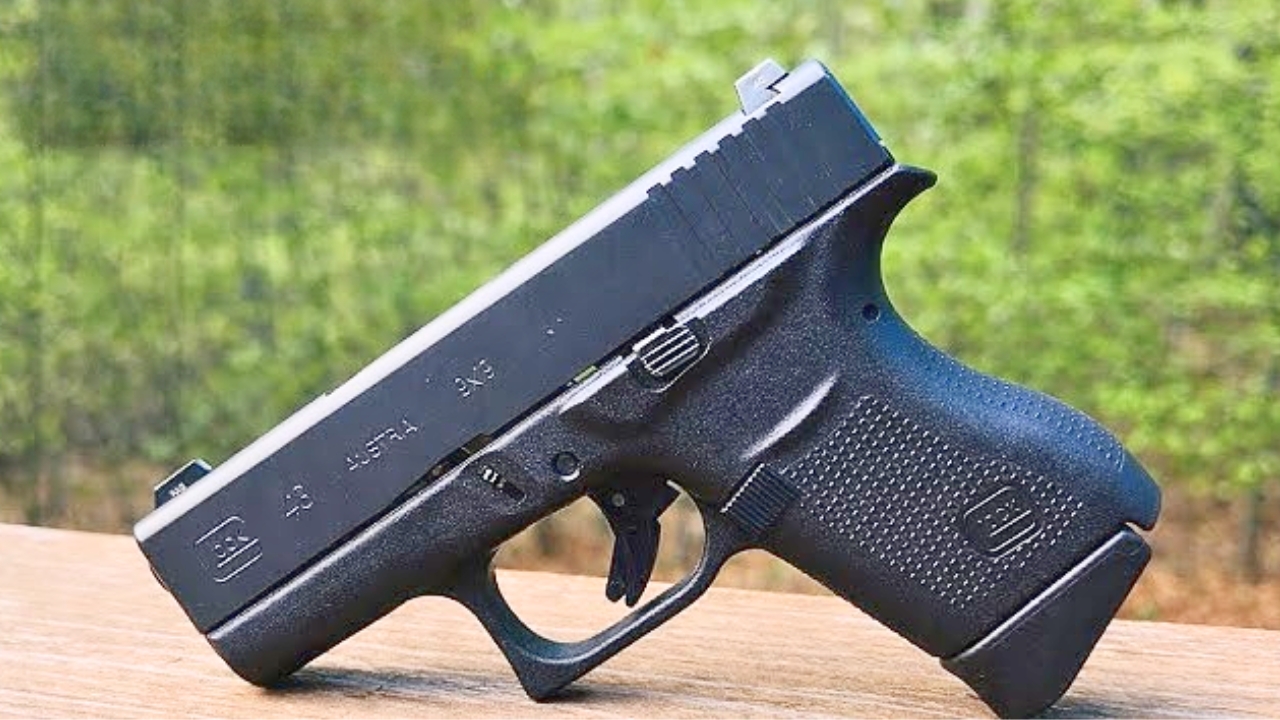
I know, I know. Plenty of folks carry one daily and do just fine. I carried one too.
For me, the 43 was right on that line where it carried great but shot “just okay” when things got fast. With a small grip, some shooters start crushing the gun and dragging shots as they try to manage recoil. I moved to slightly larger frames that still conceal well but are easier to run hard without thinking about it.
11. Springfield Armory XD-S (9mm)
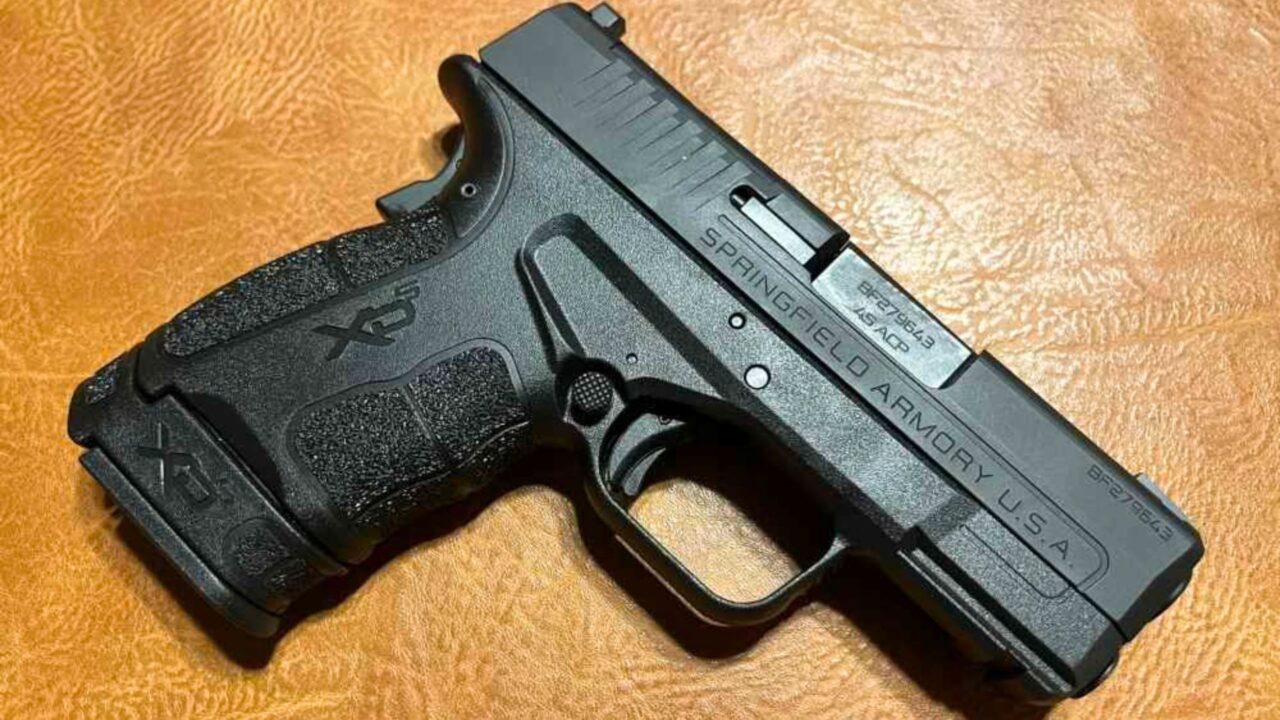
They’re slim, easy to conceal, and the grip safety feels like an extra layer of security to some folks.
Under stress and awkward grips—like drawing seated or with a compromised hand position—I’ve seen grip safeties not get fully depressed. It doesn’t happen every time. It only has to happen once at the wrong moment to change how you feel about a carry gun.
12. Kahr PM9

Kahr makes a smooth, revolver-like pull that a lot of shooters like. The PM9 carries like a dream for its caliber.
What showed up under real pace was how that long pull, combined with a small frame, can make people overwork the trigger and lose the sights. Also, Kahrs tend to reward a firm, consistent grip and good maintenance habits. If you’re the type who “sets it and forgets it,” there are easier pistols to live with.
13. Beretta Nano

It’s snag-free and simple, and it feels like a purpose-built concealed carry pistol. The problem for me was always the interface between human and machine.
The sights and the overall handling didn’t shine when the drill demanded speed. It’s not a bad pistol, but it’s not one that makes an average carrier look better under stress. My carry guns need to help me, not merely exist.
14. Ruger LC9 (original hammer-fired model)

This was a big deal when it hit, and it made sense at the time: thin 9mm, easy to carry, respectable brand.
The long trigger pull is the headline, and it’s exactly what made me move on. Under pressure, long-pull, small-gun shooting can turn into low-left hits (for right-handed shooters) and a lot of “why did that one go there?” moments. I’d rather carry something with a cleaner break and a reset I can actually feel.
15. Smith & Wesson M&P Shield (original 1.0)

This one isn’t here because it’s junk. It’s here because I realized I could do better for my own hands and my own shooting.
On stress drills, the original trigger and the short grip could make my cadence inconsistent. The 2.0 and newer options improved a lot, and I’m not telling anyone to dump a Shield that works for them. I’m saying my personal carry moved toward guns I could run faster with fewer “grip corrections” mid-string.
16. SIG Sauer P320 (early configuration)

The P320 platform has a ton going for it: modularity, capacity, good ergonomics for many shooters. I’ve shot several that were excellent.
I stopped carrying early versions because I don’t have room in my head for controversy when I’m picking a daily tool. Even if your individual gun is fine, confidence matters. Under stress, doubt is its own kind of malfunction.
17. Springfield Armory Hellcat (standard model)

The Hellcat is a little powerhouse, and the capacity-to-size ratio is hard to argue with. It’s a serious pistol, not a novelty.
But when we started running longer strings and pushing speed, that tiny grip made it easier for some shooters to lose their purchase and start “typing” the trigger. With the right setup it’s great. For me, a slightly larger gun concealed the same and bought me better control when I was breathing hard.
18. Glock 19 (Gen 3, with slick grip)
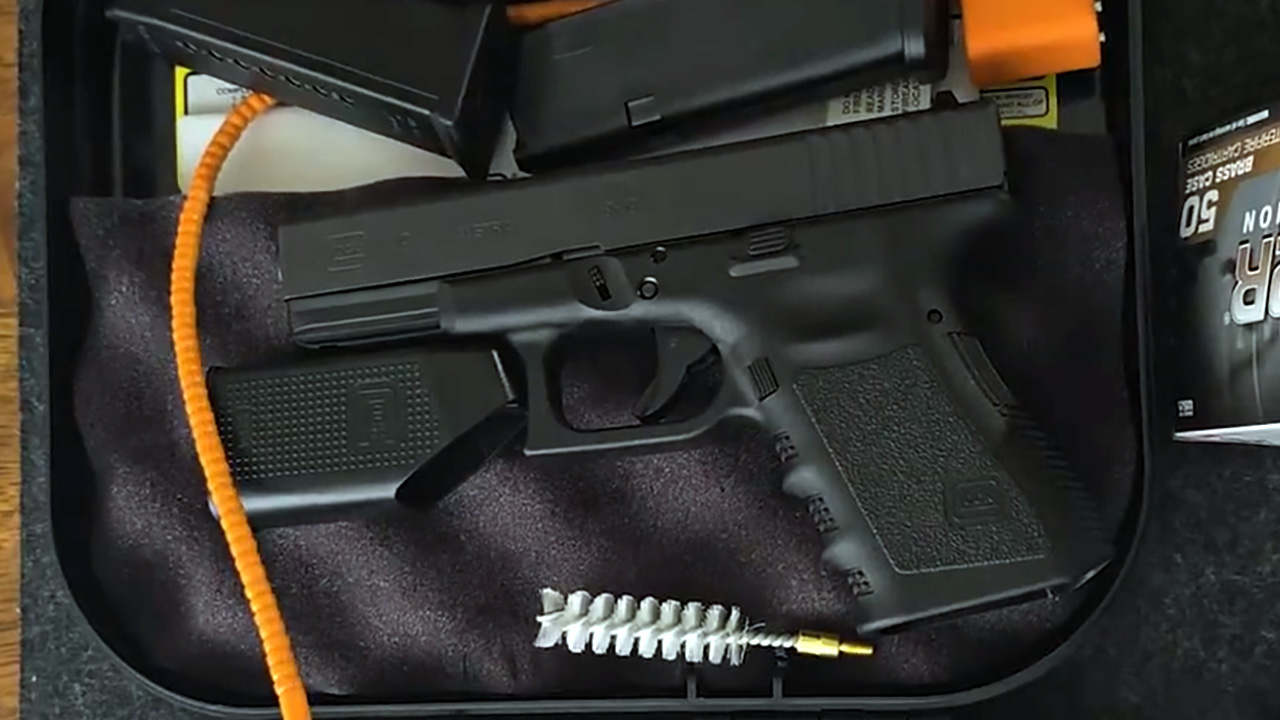
Yeah, the famous one. And it’s still one of the best all-around pistols made. Mine just taught me a lesson about reality.
In rain, sweat, and cold, the older slicker texture can turn into a bar of soap if you don’t have the right hands for it. Under stress, you grip harder, your support hand gets a little sloppy, and the gun shifts. Newer textures, grip tape, or different generations solve it, but that particular setup stopped being my go-to.
19. FN FNX-45
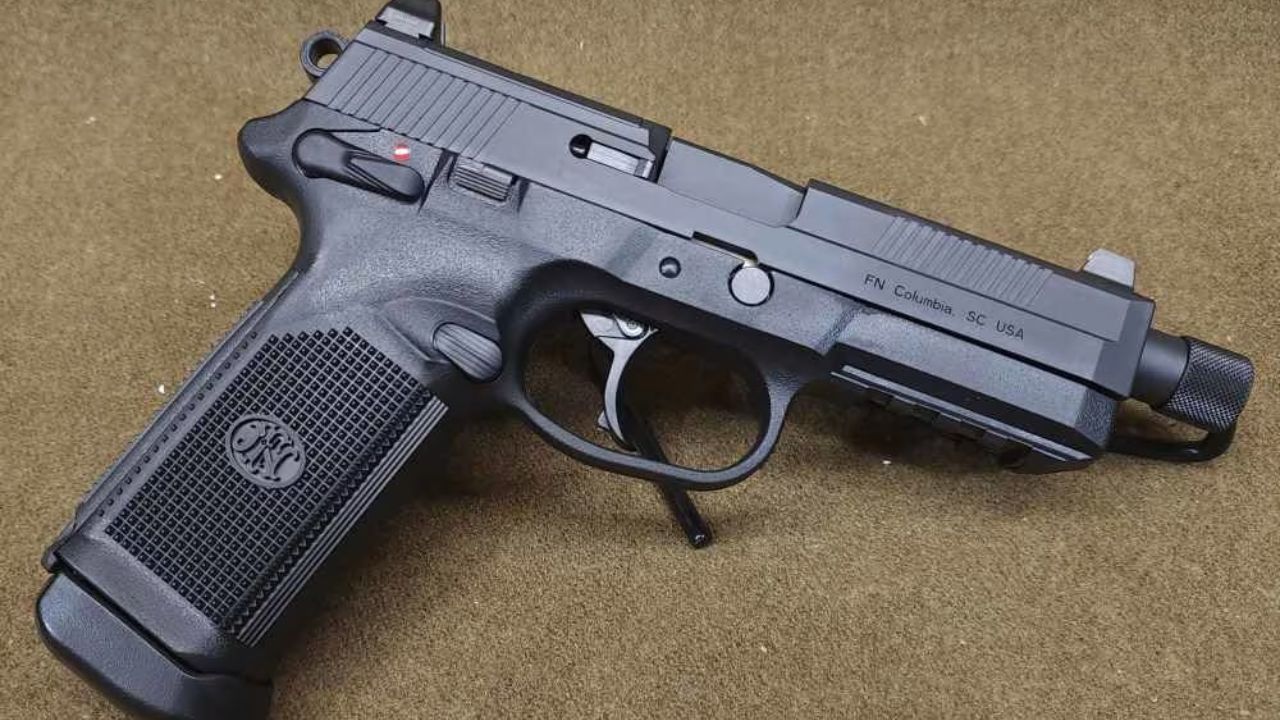
Big bore, big capacity, and built like a service pistol. As a bedside gun, it can make a lot of sense.
As an everyday carry gun, it’s a lot. Under stress, big .45s tend to show you who has their recoil management squared away and who’s just been punching paper slowly. Add the bulk and weight, and I found myself leaving it behind more than I wanted to admit. A carry gun that gets left behind is a safe gun, not a carry gun.
20. Desert Eagle Mark XIX

I’ve owned one. I’ve shot them. They’re a riot. They also have no business being a serious carry choice for normal life.
Under stress, huge recoil, huge blast, and a gun that demands a very specific grip and ammo profile is the opposite of what you want. It’s a range toy and a conversation piece, and I’m fine with that. But it’s not something I’m betting my hide on when my hands are shaking and the clock is running.
Stress doesn’t make you a different shooter. It turns the volume up on whatever you already do—good and bad—and it shines a spotlight on gear that requires perfect conditions. Carry what you can run fast, accurately, and repeatedly, with the least drama, in the worst weather you’ll actually be out in. The boring choice usually wins, and I’ve gotten comfortable with that.
Like The Avid Outdoorsman’s content? Subscribe to our newsletter so you never miss an article.
Here’s more from us: