Photo credit: NRApubs/Youtube
Every few years somebody walks into a shop with a brand-new polymer pistol, a red dot cut, and a stack of marketing promises. Then they go to the range and realize something painful: their buddy’s beat-up old handgun from the disco era is printing tighter groups with plain iron sights and a trigger that feels like it’s been polished by time.
The 1970s weren’t “better” at everything. You had weird design choices, heavy steel, and plenty of guns that rusted in gloveboxes. But a handful of pistols from that decade were built around good barrels, good lockup, and triggers that were meant to be shot, not just carried. Here are 20 that still have a way of embarrassing the newer versions when the target gets serious.
1. Browning Hi-Power (Mk I era)
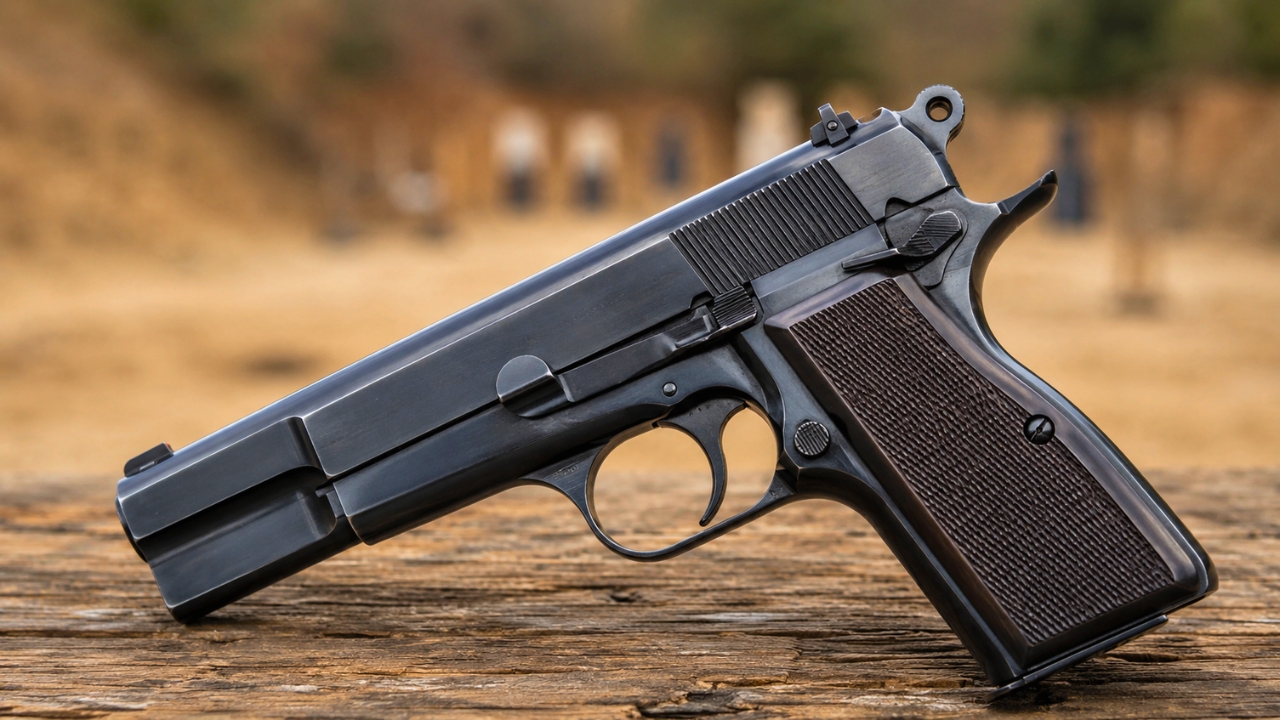
A good Hi-Power points like it’s reading your mind. The grip shape is still one of the best ever put on a fighting pistol, and when you find one with a clean bore and tight slide-to-frame fit, it’ll flat-out shoot.
Modern “inspired by” replacements often add bulk, change the feel, and ship with triggers that don’t have the same break. The original’s downside is real: small controls, the old-school bite if you’ve got meaty hands, and sometimes a magazine safety that drags the trigger. Still, a sorted Hi-Power will hang with just about anything on a 25-yard line.
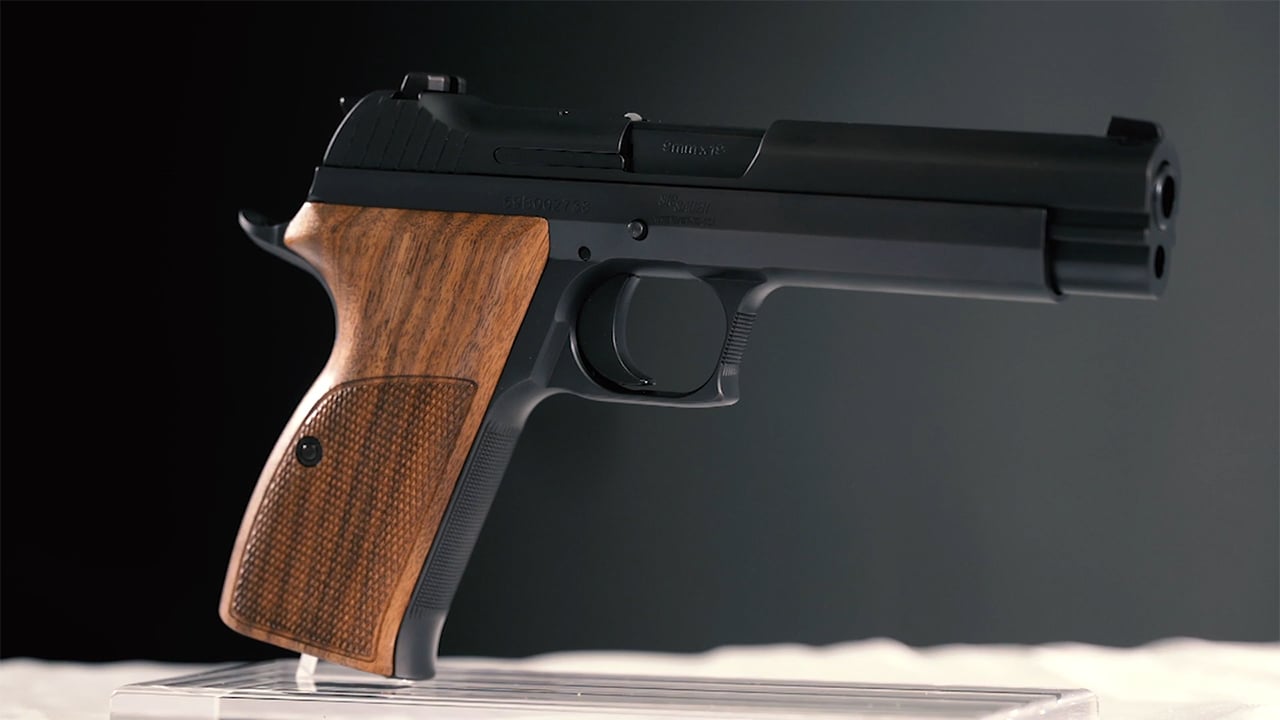
2. SIG Sauer P210 (early commercial production)
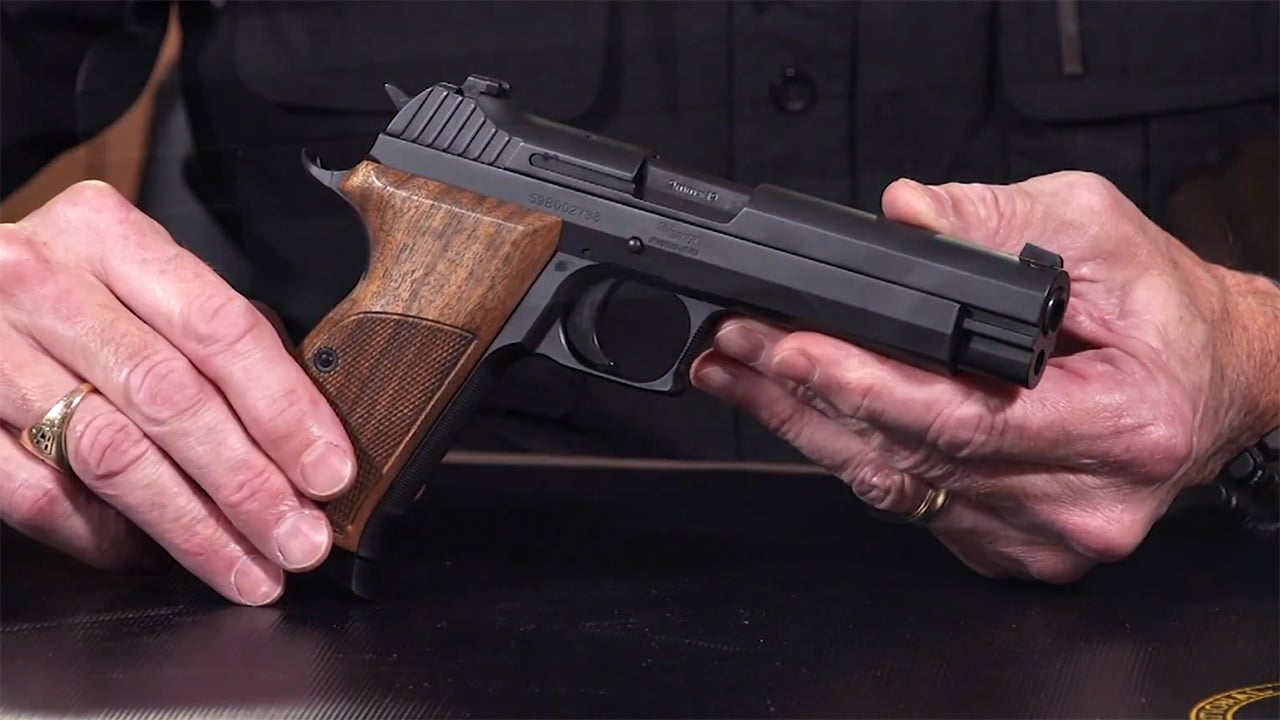
If you’ve never shot a P210 that’s in good shape, it’s hard to explain. It feels like the slide is riding on oiled glass, and the trigger makes you think you’re better than you are.
Modern “updated” versions can be excellent, but plenty of newer guns chase features over that old-world fit and barrel-to-slide relationship. The P210 isn’t light, it isn’t cheap, and it isn’t a casual carry piece. It’s a bullseye gun that happens to be a service pistol, and that’s why it still wins.
3. CZ 75 (pre-B / early production)
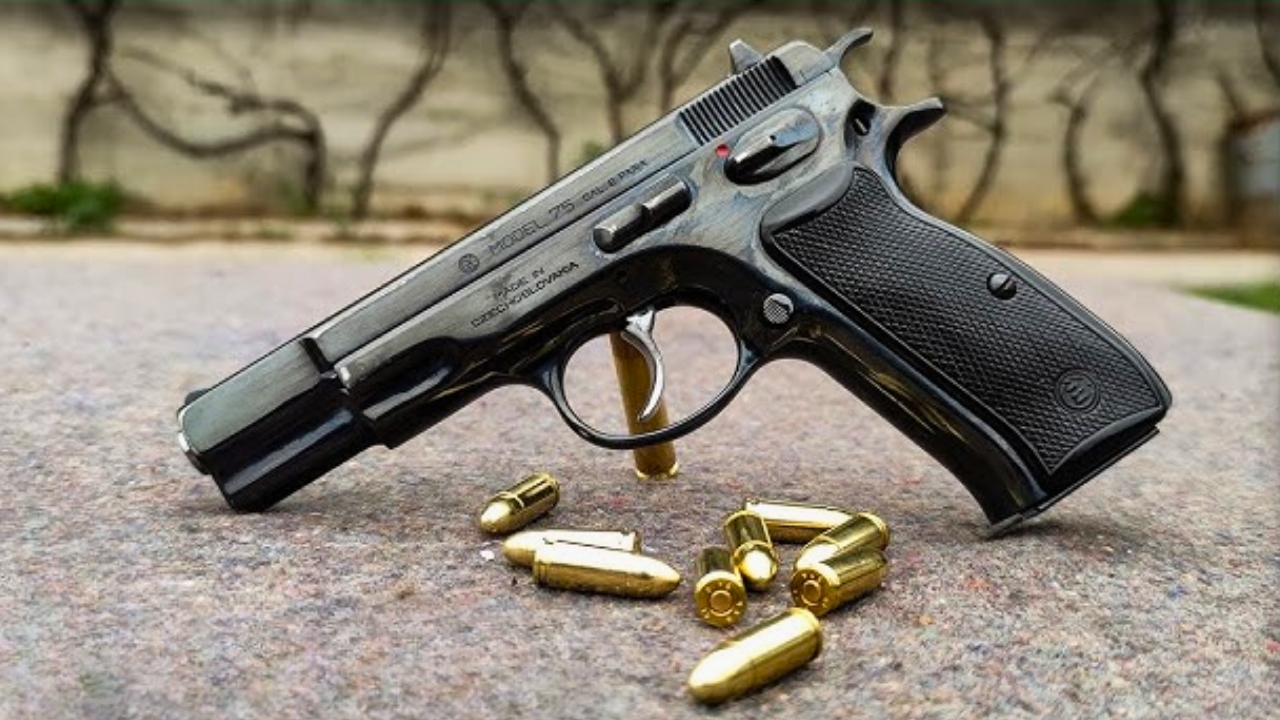
The early CZ 75s have a smoothness that’s hard to fake. The low slide rails and the way the gun sits in your hand make it easy to track sights and call shots.
Newer versions are reliable workhorses, but they’re often built to meet broader production demands and accessory expectations. The older ones, when not shot loose, can feel more “alive” in slow fire. Parts support today is strong, magazines are easy, and it’s one of the few classics that still makes sense to actually run.
4. Heckler & Koch P7 PSP

The P7 is one of those pistols that makes you wonder why the world went a different direction. Fixed barrel. Low bore axis. Real mechanical accuracy. The squeeze-cocker is odd until it isn’t, and then it’s just fast and safe in a very practical way.
Nothing modern really replaces it because nothing modern is quite like it. The closest replacements tend to be lighter and higher capacity, but they don’t shoot like a P7 when you’re trying to stack rounds. Downside: it heats up, and the manual of arms isn’t for everyone. If you know, you know.
5. Smith & Wesson Model 39-2
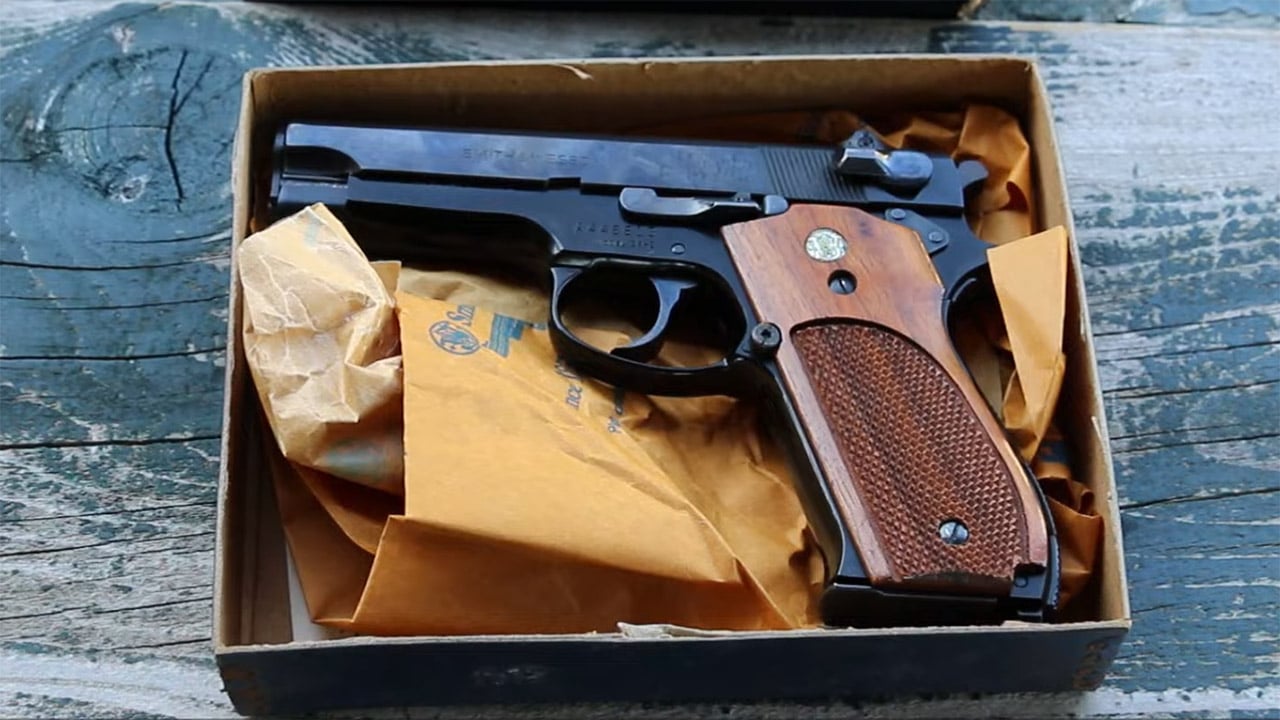
The 39-2 is an old single-stack 9mm that a lot of folks dismiss as “dated.” Then you shoot one with a good barrel and a clean trigger, and it’s just easy to do honest work with it.
Modern thin 9mms carry better, no doubt. But many of them have snappier recoil, shorter sight radius, and triggers that feel like a stapler. The 39-2 is slim, points naturally, and rewards a steady grip. It’s not a high-round-count trainer unless you keep springs fresh, but it can still outshoot plenty of plastic.
6. Smith & Wesson Model 59

The Model 59 was early in the double-stack 9mm world, and it shows in the grip. It’s not everybody’s favorite handful. But accuracy-wise, a decent 59 can surprise you, especially in slow fire.
Modern replacements give you better texture and better sights, but the old Smith has a certain predictability in the trigger once you learn it. Magazines are around, parts can take some hunting, and you’ll want to inspect one carefully. When you get a good one, it shoots straighter than its reputation.
7. Smith & Wesson Model 41

If rimfire pistols were trucks, the Model 41 would be the old work rig that still starts every morning and still hauls more than the new half-tons. It’s built for accuracy, not fashion.
Modern .22 pistols are fun and cheap to run, but they often have looser tolerances and triggers that need help. The Model 41’s trigger is what people chase with aftermarket parts on newer guns. Keep it clean, feed it ammo it likes, and it’ll make you look good.
8. Colt Gold Cup National Match (Series 70)

A proper Gold Cup is a reminder that Colt used to ship pistols aimed at people who actually shot targets. The sights are usable, the trigger can be excellent, and the gun just settles in on a bullseye.
New production 1911s can be great, but a lot of modern “enhanced” models come with extra stuff that doesn’t help you shoot smaller groups. The Gold Cup isn’t a mud gun and it isn’t a hard-use duty pistol. It’s a range gun that still does its job better than many newer, pricier 1911s.
9. Colt Government Model (Series 70)
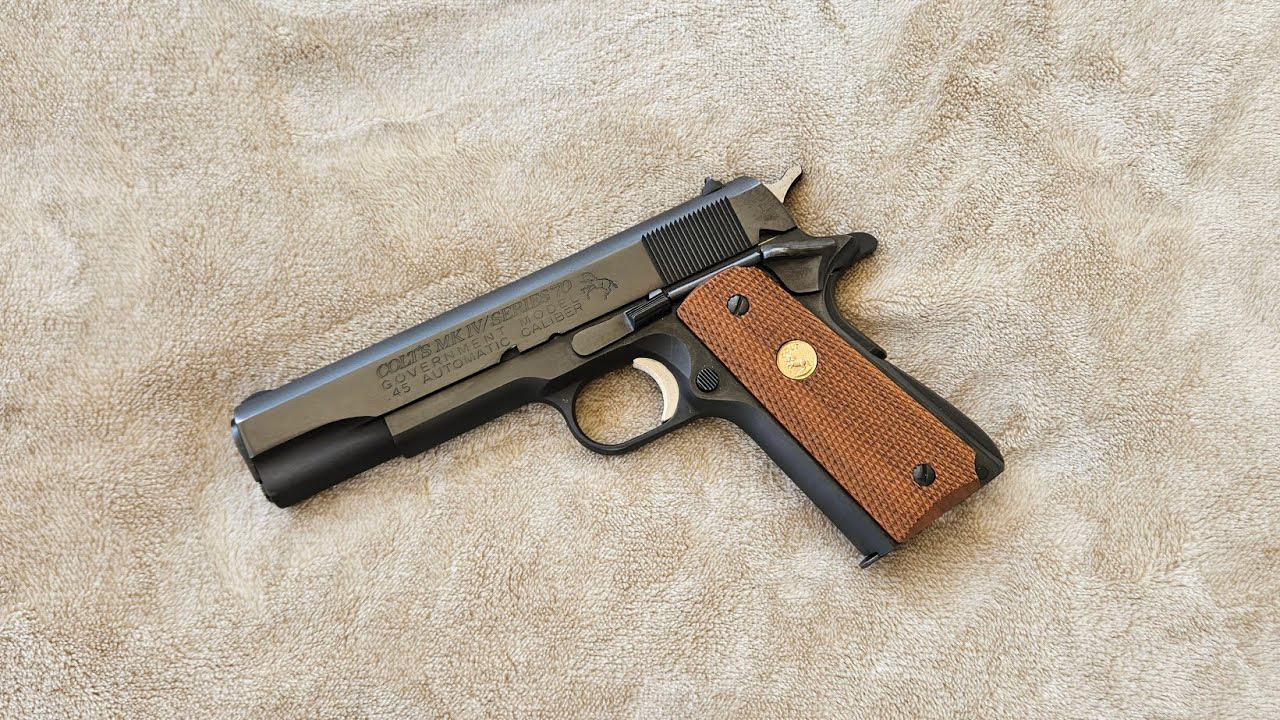
Not every Series 70 is a laser, but the good ones have a feel that’s hard to replace. The lockup and barrel fit can be surprisingly consistent, and that long sight radius with a clean trigger is still a recipe that works.
Modern replacements sometimes lean into tightness that looks good on a spec sheet but feels gritty until it’s worn in. The older Colts can be “right” without being over-tight. You’ll see wear, you’ll see honest use, and you’ll still see groups that make you stop talking.
10. Ruger Mark II (early production)
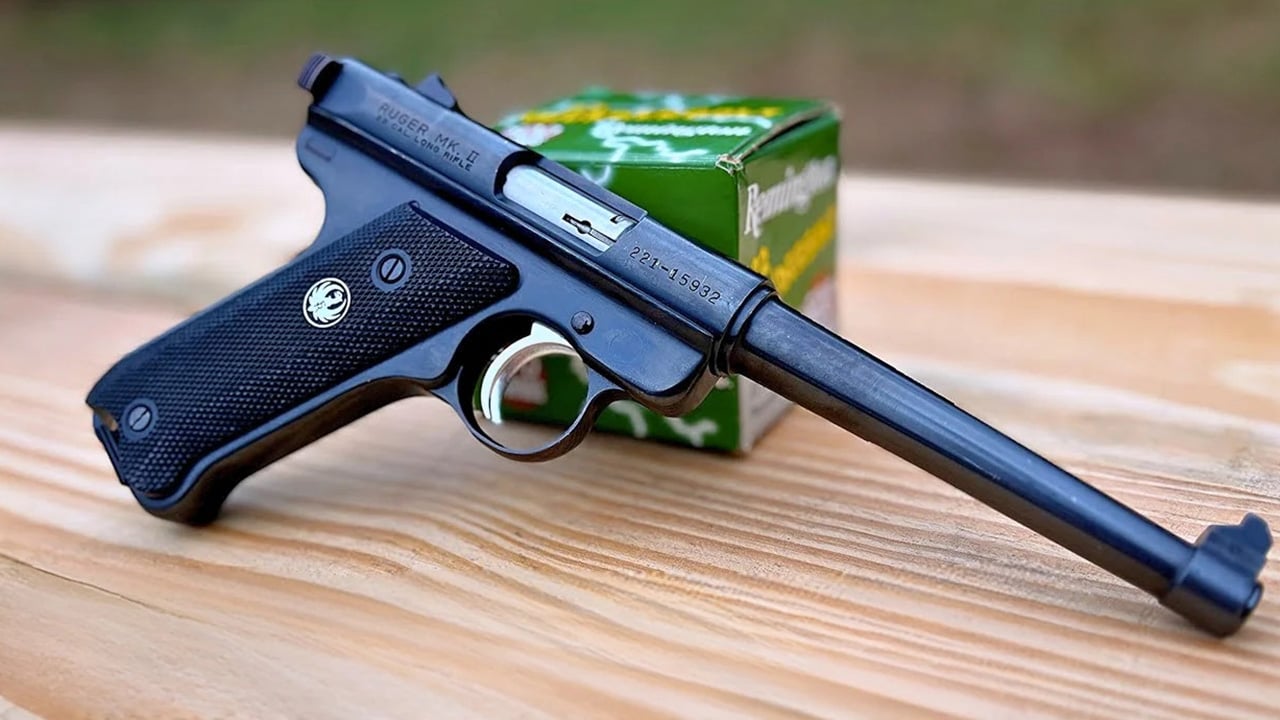
Yes, it’s famous for being a pain to reassemble until you’ve done it a few times. Ask me how I know. But the Ruger Mark series earned its reputation with accuracy, and the early Mark IIs are no exception.
Modern rimfire pistols often chase lighter weight and easier takedown. That’s fine. The old Ruger just shoots, and it keeps shooting even after it’s lived in a tackle box for a decade. Magazines are everywhere, parts are everywhere, and it’s still one of the best “practice for cheap” pistols ever made.
11. Walther PPK/S (’70s production)

The PPK/S isn’t a beginner-friendly pistol, and it isn’t pleasant with hot ammo. But the fixed barrel and decent sights for its size can make it shoot better than you’d expect if you do your part.
Modern pocket guns are lighter, hold more, and kick less in some calibers. They also tend to have short, mushy triggers and tiny sights. The old Walther is not forgiving, but it’s capable. It’s a “carry a little, practice a lot” kind of gun.
12. Beretta 92 (early pattern / pre-92F era)

Early 92s have that Beretta smoothness that makes double-action feel manageable. Once you’re in single-action, it’s easy to keep the front sight honest through a full magazine.
Modern replacements may add rails and aggressive sights, but the core of the design was already solid. The older guns often have a slicker trigger from use and a balance that newer, heavier-featured versions don’t always match. It’s big, yes, but it shoots like it’s on rails.
13. Beretta 84 Cheetah

The Beretta 84 is one of the most shootable .380s ever made. It’s not tiny, and that’s the point. The grip fills your hand, the sights are usable, and recoil is mild enough to run it fast and accurate.
Modern micro-.380s are convenient, but most of them are not fun. They’re “carry a lot, practice a little” guns for too many owners. The 84 makes you want to shoot it, and that usually translates into better hits when it matters.
14. SIG Sauer P220 (early West German production)

The P220 is boring in the best way. It’s a full-size .45 that doesn’t act like it’s trying to hurt you, and many of the older ones have triggers that feel like they’ve been gently worked in for decades.
Modern .45s often chase capacity, light weight, or “tactical” features. The old P220 just keeps punches in the same place on the paper. Single-stack mags are still around. The gun is large for concealed carry, but as a camp-sidearm or nightstand pistol, it’s tough to argue with.
15. SIG Sauer P225 (early production)
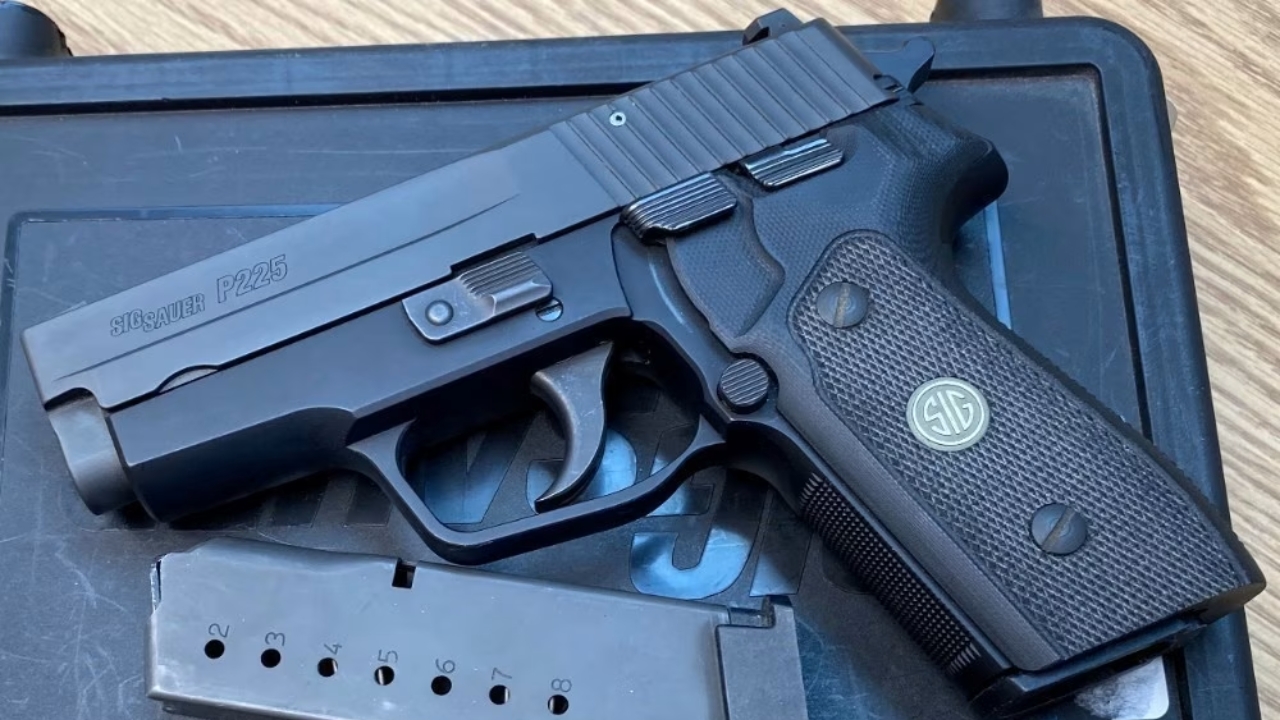
The P225 is one of those pistols that makes you wonder why we ever decided thicker was always better. It’s slim, it balances well, and it shoots like a bigger gun because it basically is one, just on a single-stack diet.
Modern compact 9mms are lighter, sure, but they’re also often snappier and harder to shoot well at speed. The P225 is a steadier platform. If you find one with good night sights or are willing to run standard dots, it’s a practical shooter even now.
16. Star Model B (9mm Largo / 9mm Para variants)

Star pistols don’t get enough respect because they aren’t a “cool brand” anymore. The Model B is a 1911-ish layout with its own personality, and many of them shoot far better than their price tag suggests.
The modern replacement for a lot of folks is some budget striker gun. Those can be reliable, but they’re not always pleasant or precise. Stars can have parts and magazine challenges, so you buy one with your eyes open. When you get a good one, it’s a sleeper.
17. Colt Python (’70s production)
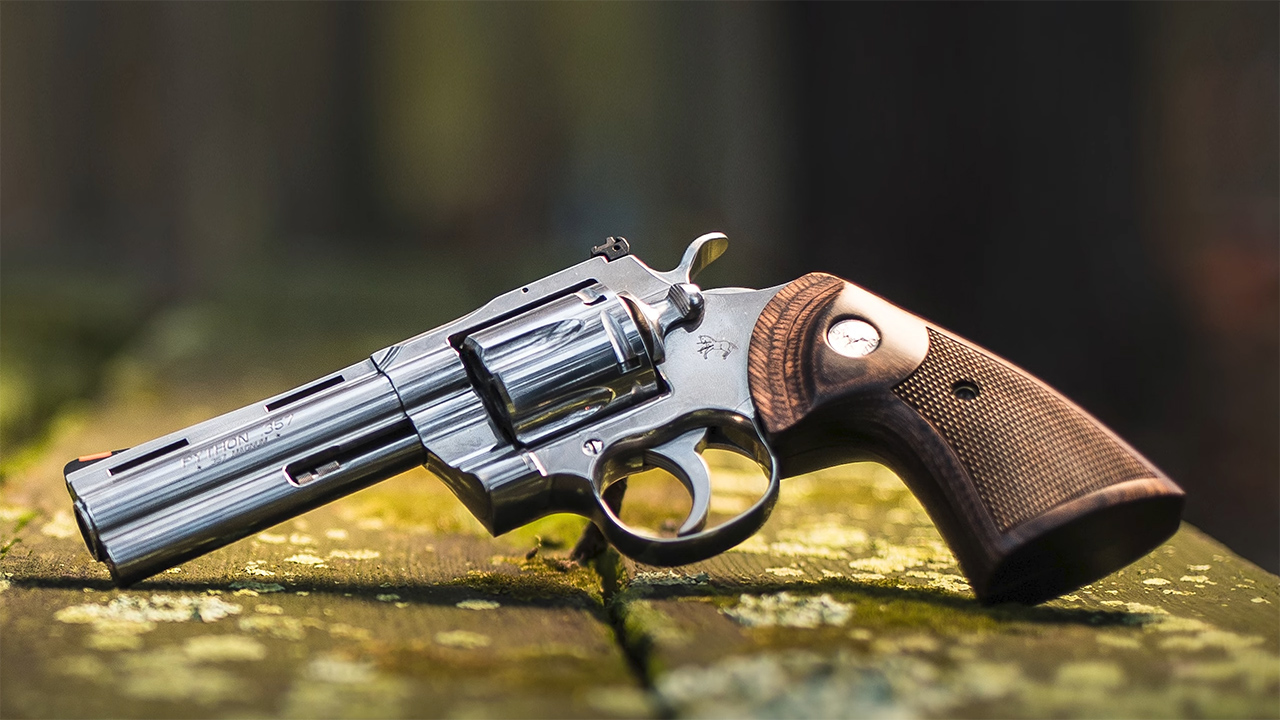
This is where revolvers remind everybody what a good trigger really is. A healthy Python’s double-action pull can feel like it’s on ball bearings, and accuracy is usually excellent if the timing and lockup are right.
Modern revolvers are strong and serviceable, but many don’t have that same hand-fitted feel. The Python isn’t a rough-country tool unless you don’t mind wear on a pricey gun. But for pure shooting enjoyment and precision, it’s still a standard.
18. Smith & Wesson Model 19 (pinned & recessed era)
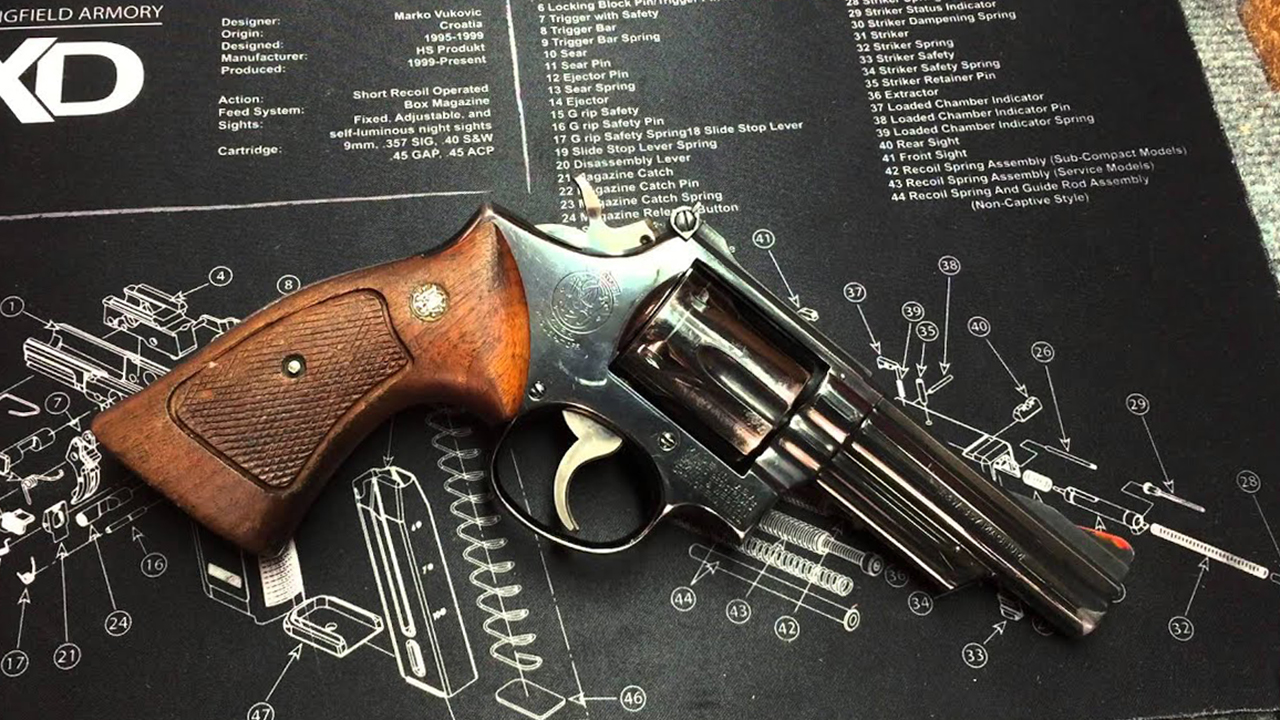
The Model 19 is what a lot of folks think a .357 should feel like: balanced, quick on target, and not shaped like a brick. With .38s it’s a tack driver, and with sensible .357 it’s plenty of gun.
Modern replacements can be lighter, which sounds good until you touch off full-power loads. The Model 19’s weight helps you shoot well. You do need to respect the gun—steady diet of hot magnums isn’t what it was built for. Treated right, it’ll still punch neat holes.
19. Smith & Wesson Model 14 (K-38 Target Masterpiece)
If you want to see what you can really do with irons, shoot a Model 14. It’s not flashy. It’s not trendy. It’s just accurate, with a sight picture that makes sense and a trigger that makes you slow down and do it right.
Modern “target” revolvers exist, but they’re often heavier, pricier, or built around different roles. The Model 14 is a training tool disguised as a revolver. Feed it .38 Special and spend an afternoon on a bullseye target. You’ll learn things.
20. Ruger Security-Six

The Security-Six is the revolver that gets overlooked until somebody actually shoots one. It’s strong, simple, and usually accurate enough to make you forget you were shopping for something newer.
Modern replacements might have better factory sights or different grips, but the old Ruger has a “won’t quit” feel that fits camp life. It’s not a collector’s showpiece most of the time, and that’s kind of the point. You can carry it, get it dusty, and still trust it to print where you aim.
None of this means you should dump your modern pistol and start haunting pawn shops. New guns are lighter, easier to mount optics on, and often more corrosion-resistant, which matters if you’re in and out of a boat, a deer stand, or a sweaty truck seat all summer. But if you’ve got one of these older shooters sitting in the back of the safe, don’t be too quick to trade it off for the next “improved” model. Sometimes the improvement is mostly on the brochure, and the target tells the truth.
Like The Avid Outdoorsman’s content? Subscribe to our newsletter so you never miss an article.
Here’s more from us: