Photo credit: CVA/Youtube
Every fall, right about the time the first cold front rolls through, you start seeing the same thing at gun counters and on local classifieds: barely-used guns with “shot one box” or “took it deer hunting once” in the description. Most of them aren’t bad guns. They’re just the wrong tool for the way most folks actually hunt—cold hands, thick brush, long sits, steep hikes, and one real shot when your heart’s thumping.
Here are 20 models that routinely get “one season and gone” treatment, and the honest reasons why. If one of these is already in your safe, don’t panic. Some are keepers if you set them up right. Others… I get why they get traded.
1. Remington Model 770
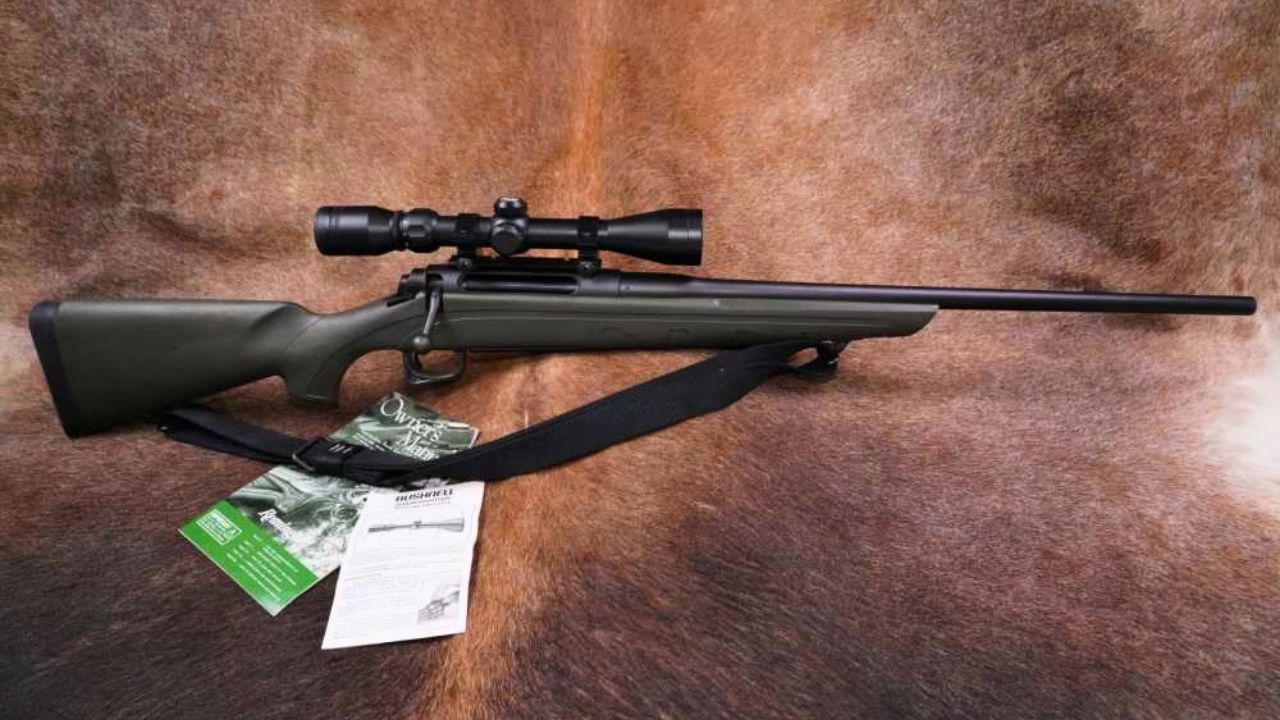
The 770 is the classic “grab it at the big-box store the week before opener” rifle. It usually comes with a scope, it’s inexpensive, and it’ll often shoot well enough to tag a deer inside normal ranges. Then you work the bolt a few times in the cold and realize it feels like it’s full of gravel.
The bigger issue is long-term confidence. Hunters start wondering about parts, magazine fit, and whether it’ll hold zero after a season of bouncing around in a truck. Plenty of them work, but enough feel rough that owners swap to something smoother once they’ve got a little more budget.
2. Mossberg Patriot (synthetic combo packages)

The Patriot can be a solid shooter, but the combo-package version is where the honeymoon ends fast. The included scope and rings are often the weak link, and nothing will sour a new hunter quicker than chasing a wandering zero all season.
I’ve watched guys blame the rifle, trade it, then later learn it was the glass or mounts. Still, when the first season is full of “I swear I had him,” the rifle is usually the first thing to go.
3. Savage Axis (early-generation packages)

The Axis is the definition of “ugly but effective,” and I mean that as a compliment. The issue is that early Axis rifles, especially the budget packages, can feel flimsy in the stock and a little clunky in the bolt. The accuracy is often there, but the feel isn’t.
After one season, a hunter who’s been carrying it through brush and climbing into stands starts wanting something that points nicer and balances better. The Axis gets traded toward a Savage 110, Ruger American, or a nicer used rifle.
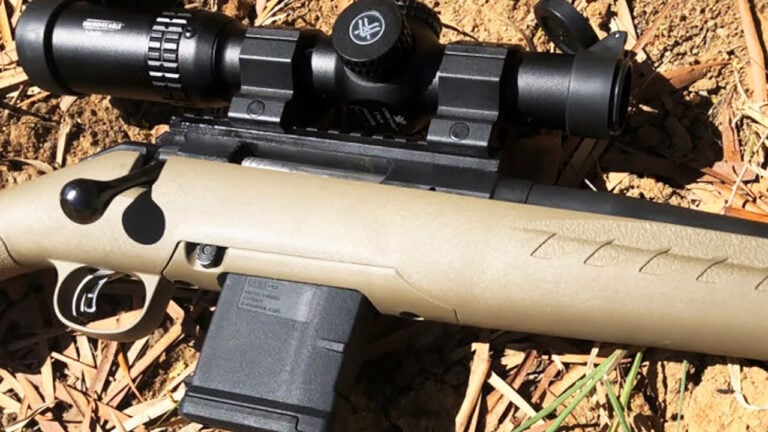
4. Ruger American Rifle (first rifle, then the upgrade itch hits)

This one might surprise some folks because the Ruger American flat-out kills deer and usually shoots great. The reason it gets traded isn’t failure. It’s that it’s so common as a starter rifle that it becomes the stepping stone.
After a season, hunters decide they want a smoother action, better stock, hinged floorplate, or just something with more “heirloom” feel. The Ruger did its job, then got turned into a down payment on a Tikka, Browning, or a nicer Ruger.
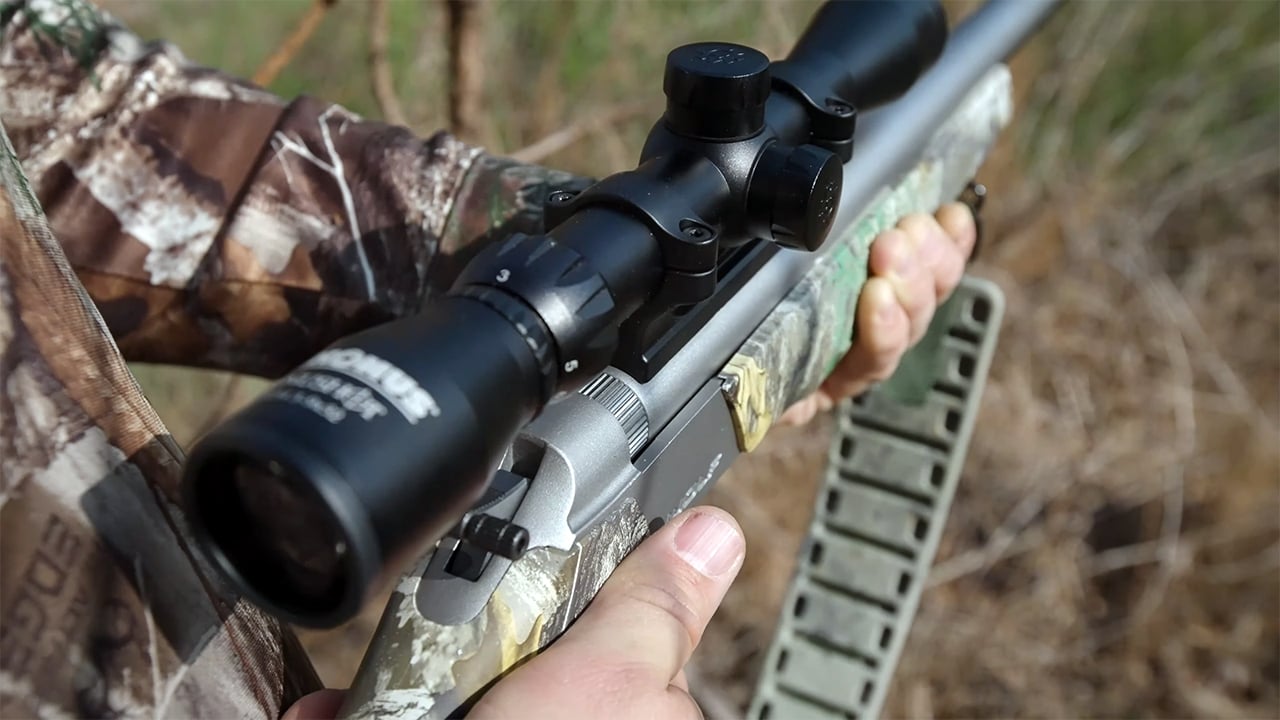
5. CVA Wolf V2
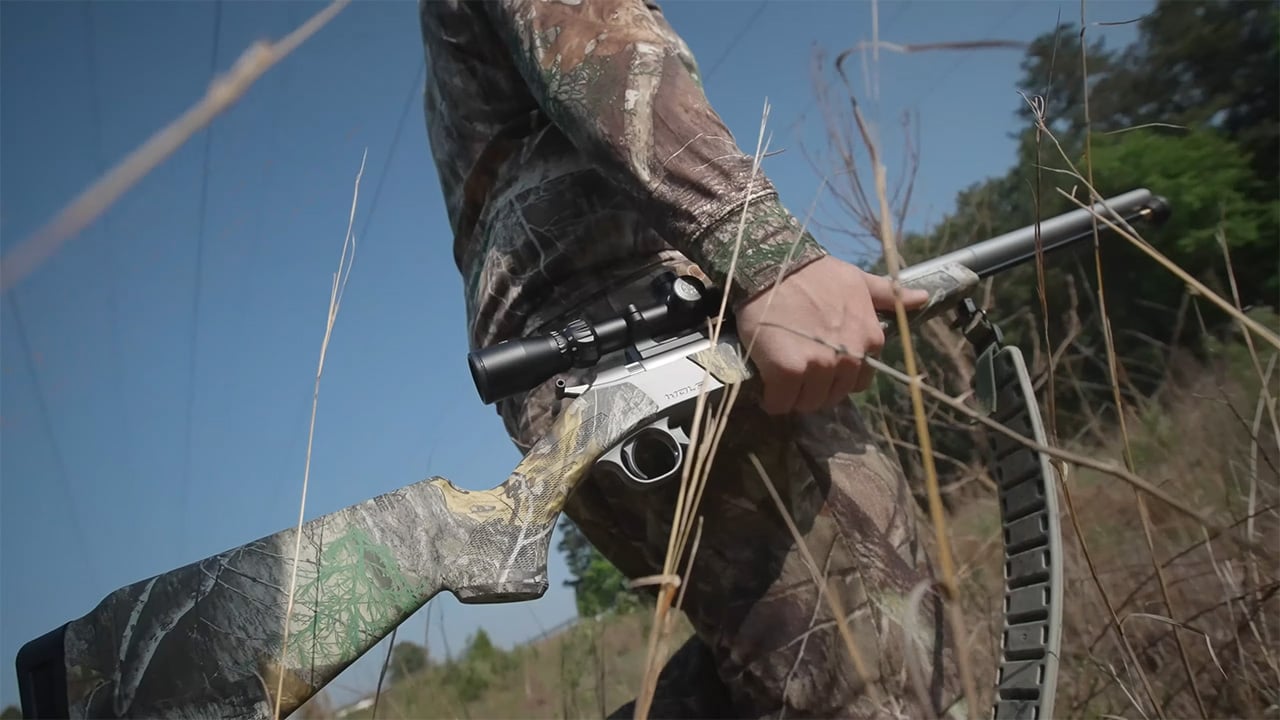
Lots of hunters buy a budget inline muzzleloader to get into a special season, and the Wolf V2 does that. Then reality sets in: muzzleloader hunting is fun, but it’s also a whole extra lifestyle. Cleaning, loading routines, and finding the right powder/bullet combo isn’t for everybody.
If a guy bought it thinking it would feel like shooting a rifle with a different primer, he’s usually selling it by winter. The ones who stick with muzzleloaders tend to jump up to a higher-end CVA or a Thompson/Center.
6. Traditions Buckstalker
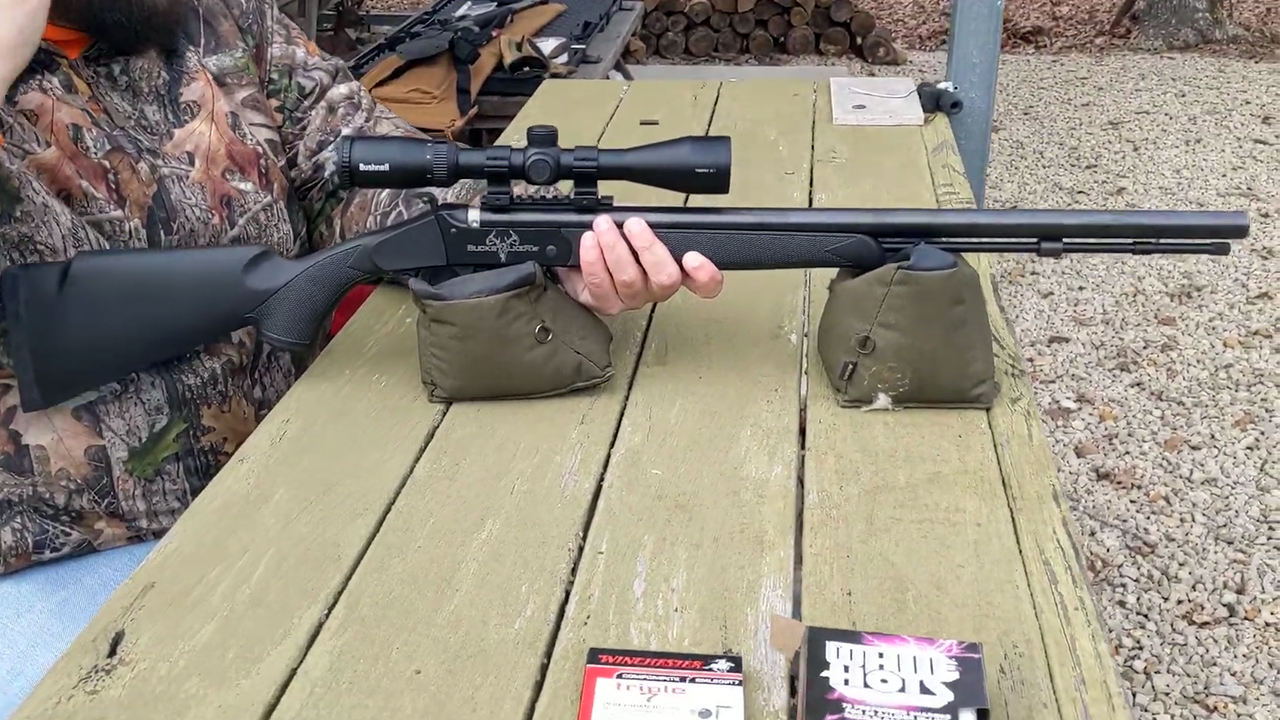
The Buckstalker will put venison in the freezer, but the “first-season trade” happens for the same reason as many entry muzzleloaders: owners underestimate the maintenance and the learning curve. A couple damp mornings and one rough cleaning session can change a man’s attitude.
Also, fit matters on muzzleloaders. If the stock doesn’t sit right on your shoulder, recoil feels worse than it needs to, and accuracy suffers. That’s when folks decide they’re either upgrading or going back to centerfire.
7. Hatfield USA 12 Gauge Semi-Auto
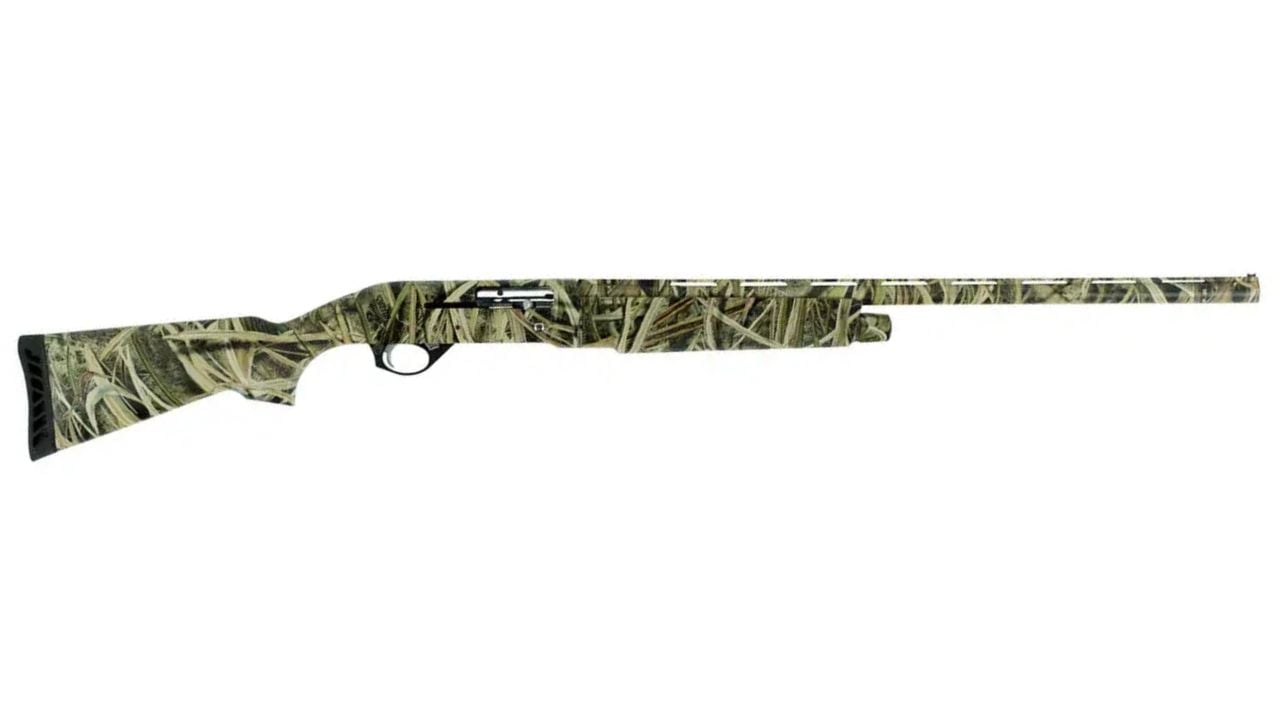
Budget semi-auto shotguns are tempting for waterfowl because everybody wants that fast second shot. The problem is that cheap semi-autos can be picky about loads, especially when it’s cold and wet and you’re shooting mixed shells.
When a gun short-strokes on geese or fails to cycle in the blind, confidence goes out the window. Hunters trade them for used workhorses like a Remington 1100/11-87, a Beretta, or a Benelli if they’ve got the coin.
8. Turkish-made “tactical” 12 gauges (Panzer Arms M4, etc.)
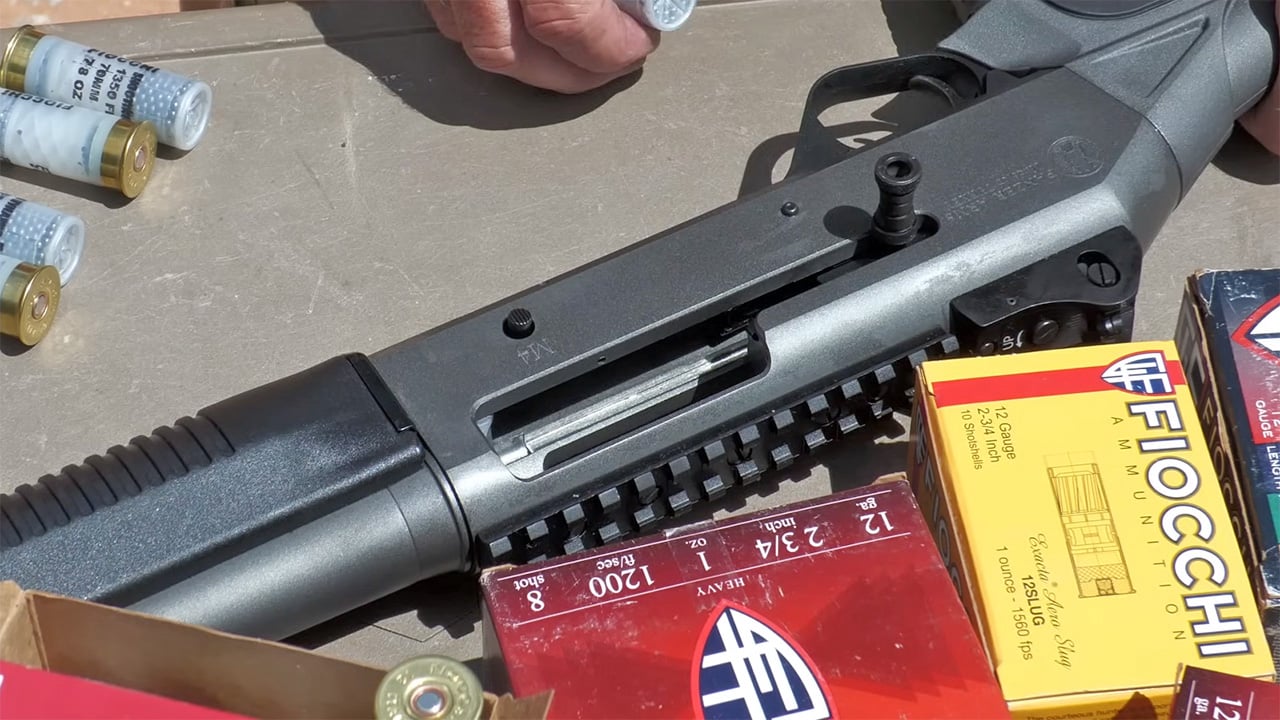
These get bought for the look and the price. Some run fine, some don’t, and that inconsistency is the problem. When you’re hunting, you don’t want to wonder if the gun is going to act up when it’s covered in dust, cattail fuzz, or sleet.
Another thing: support and parts. If you’re not the kind of person who enjoys chasing down oddball springs and magazines, the novelty wears off fast. After one season, a lot of these get traded for a plain pump gun that just works.
9. Remington V3 (great shooter, but not everyone loves the gas gun life)

The V3 shoots soft and points well, and plenty of guys swear by it. But a gas-operated semi-auto asks you to stay on top of cleaning, and if you’re the kind of hunter who treats a shotgun like a shovel, it may start acting sluggish.
Also, V3s tend to be a little longer-feeling in hand compared to inertia guns. After a season of hiking uplands or climbing in and out of layout blinds, some hunters decide they want lighter and simpler.
10. Stoeger M3000
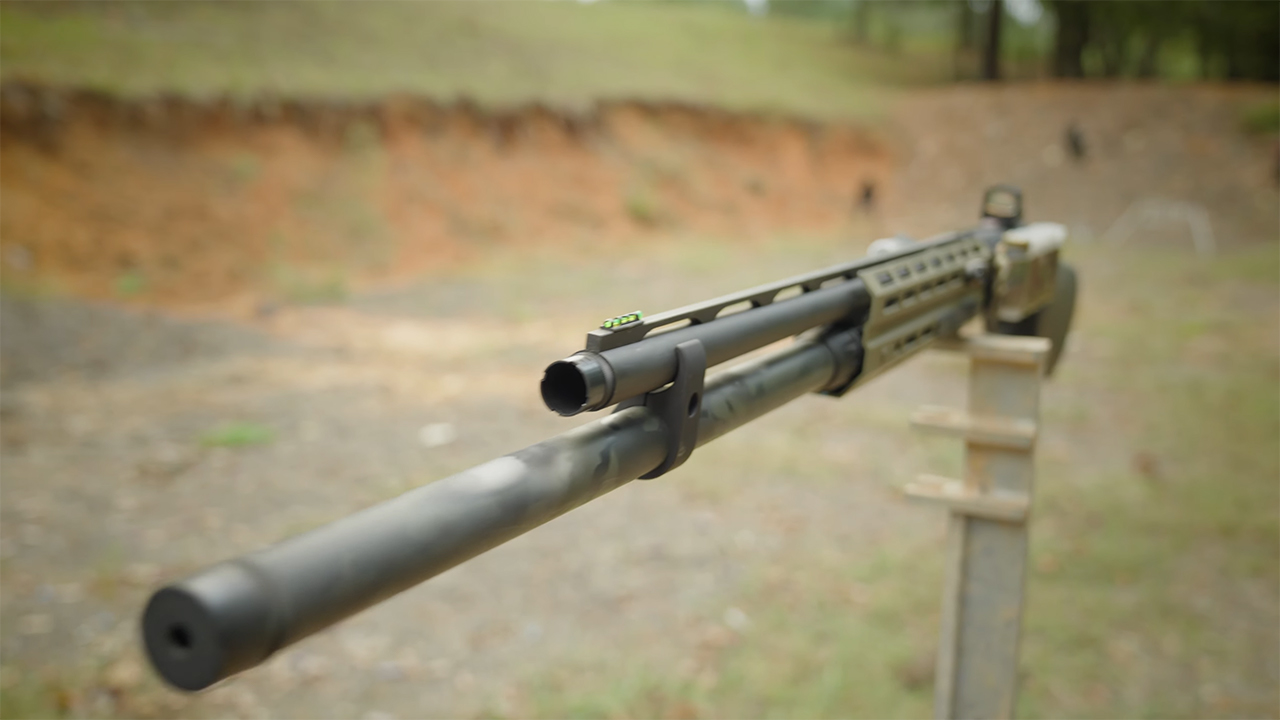
Stoeger’s inertia guns can be a lot of shotgun for the money. The trade-away story usually starts with fit and finish and ends with frustration over cycling light loads or the gun feeling stiff until it’s properly broken in.
If a hunter bought it expecting Benelli feel at half price, that expectation gap shows up quick. Still, plenty run hard for years. The ones that get dumped early are often owned by folks who don’t want to tinker or troubleshoot.
11. Mossberg 930 (waterfowl edition or budget semi-auto setups)
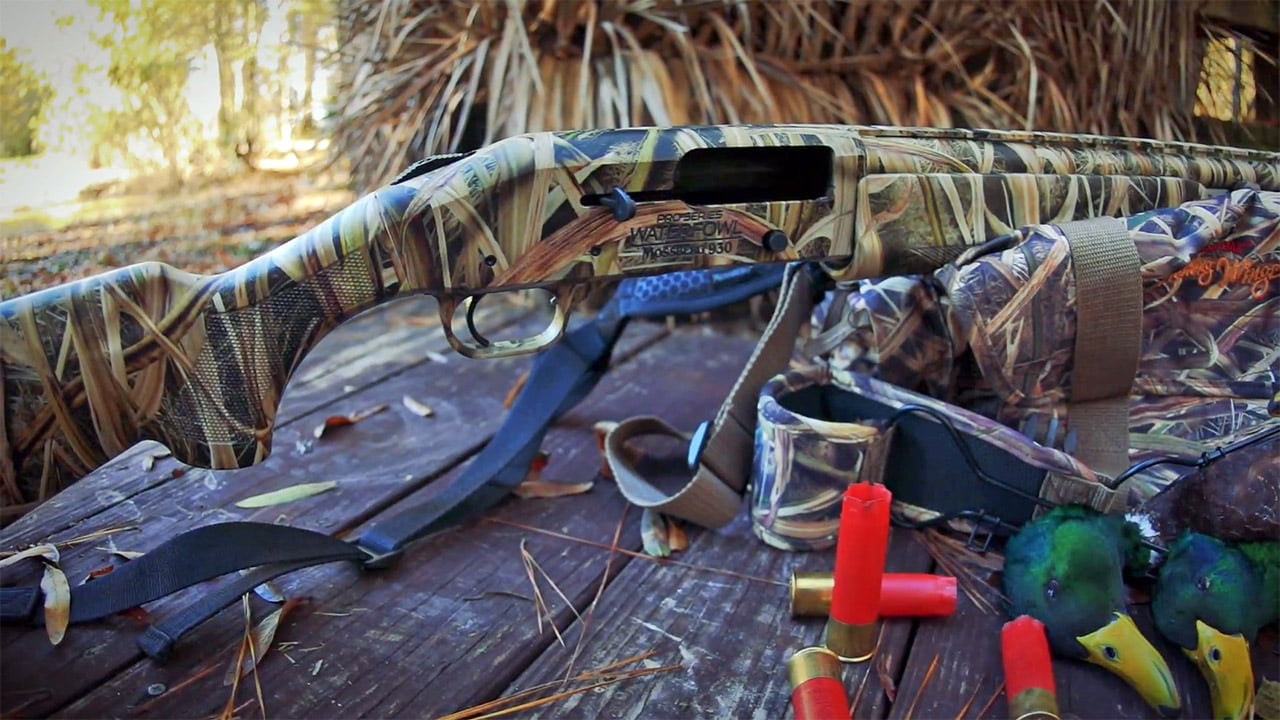
enance gets ignored. Cold weather and dirty actions don’t mix, and a single bad morning in a flooded timber hole can make a guy swear off it.
What happens next is predictable: it gets traded for an inertia gun, or the hunter jumps to a Beretta gas gun with a more refined feel. The 930 isn’t automatically bad. It’s just less forgiving of neglect than folks want to admit.
12. Winchester SXP (because it feels fast… until it doesn’t)
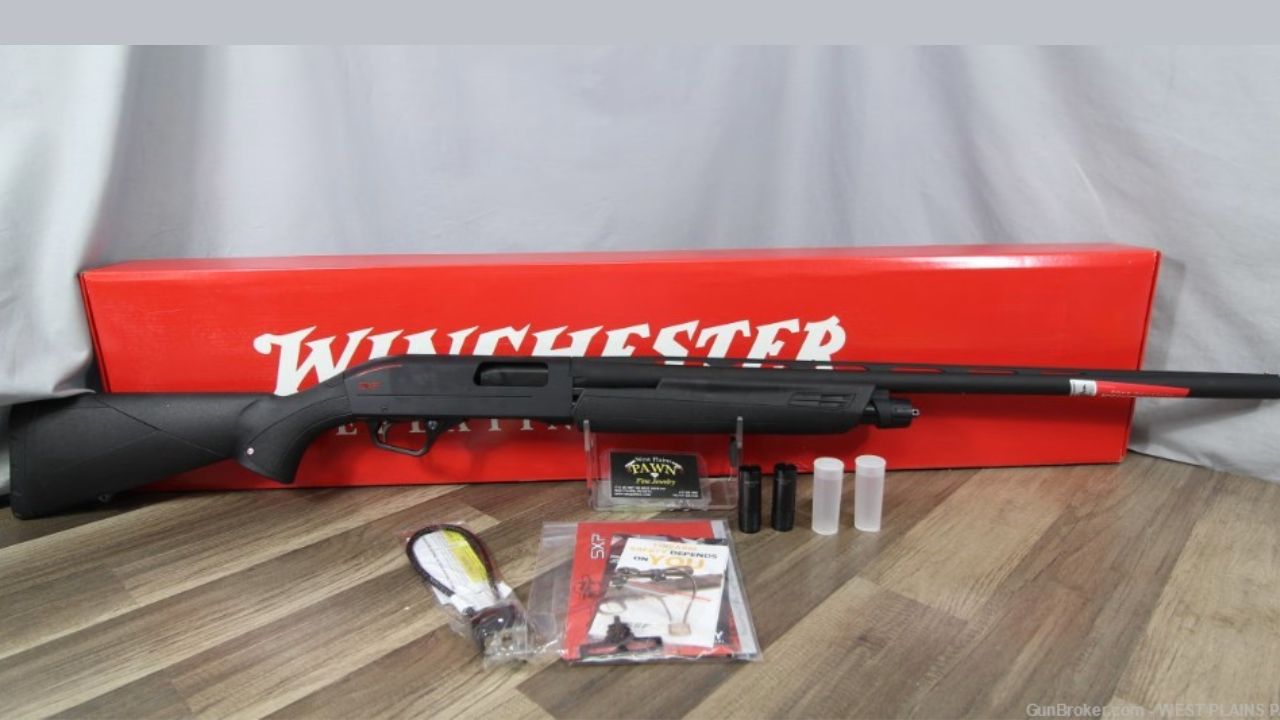
The SXP has that “speed pump” reputation, and it is slick when you’re running it with intention. But some hunters never quite bond with the feel of it. The forend and action timing can feel different than an 870 or 500, and that throws people off under pressure.
A pump gun is all about muscle memory. If you don’t practice, you’ll short-stroke anything. After one season of missed follow-up shots, the SXP sometimes gets blamed and moved along.
13. Rossi Circuit Judge
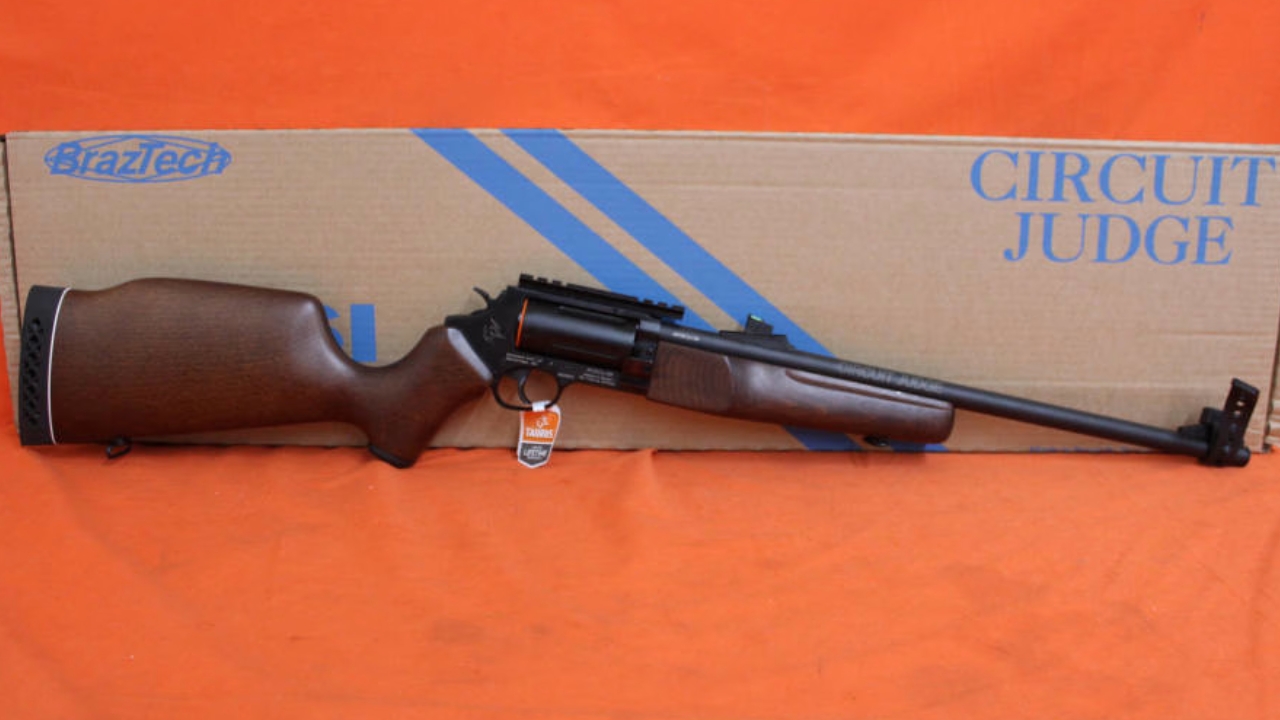
On paper, a revolving rifle that shoots .410 and .45 Colt sounds like the ultimate camp gun. In real life, it’s heavy for what it is, the trigger can be rough, and the accuracy isn’t always what folks hope for—especially with .410 loads past close range.
A lot of hunters buy it for “just in case” chores, then realize it’s neither a great shotgun nor a great rifle. It’s a fun niche gun, but niche is exactly why it gets traded after the novelty wears off.
14. Henry AR-7 Survival Rifle
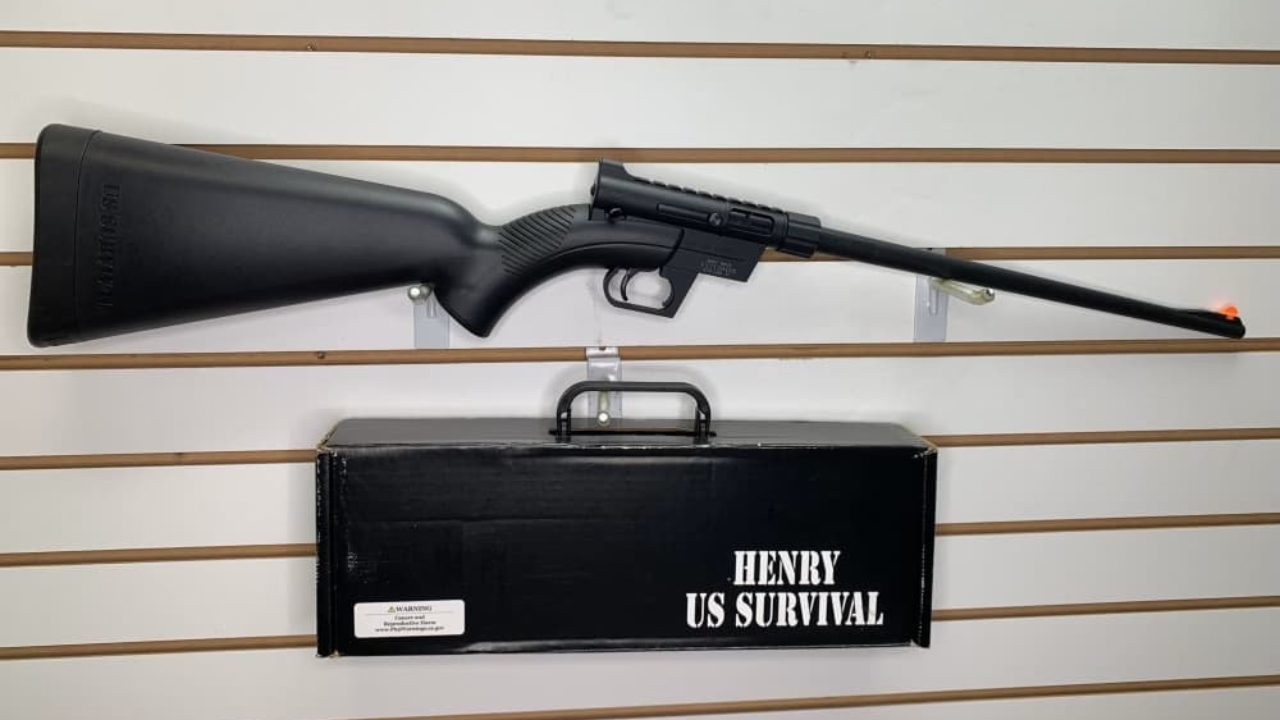
This is another one that looks perfect sitting on the shelf. It packs down, it floats, it’s light, and it’s .22 LR—what’s not to like? Then you actually shoot it, and the sights, trigger, and overall feel remind you it was built to be compact first, comfortable second.
Hunters who want a woods .22 usually end up preferring a Ruger 10/22, a Marlin, or a bolt gun with better ergonomics. The AR-7 ends up being “cool” more than “used,” and that’s why it moves on.
15. Ruger Mini-14 (older thin-barrel Ranch Rifles)
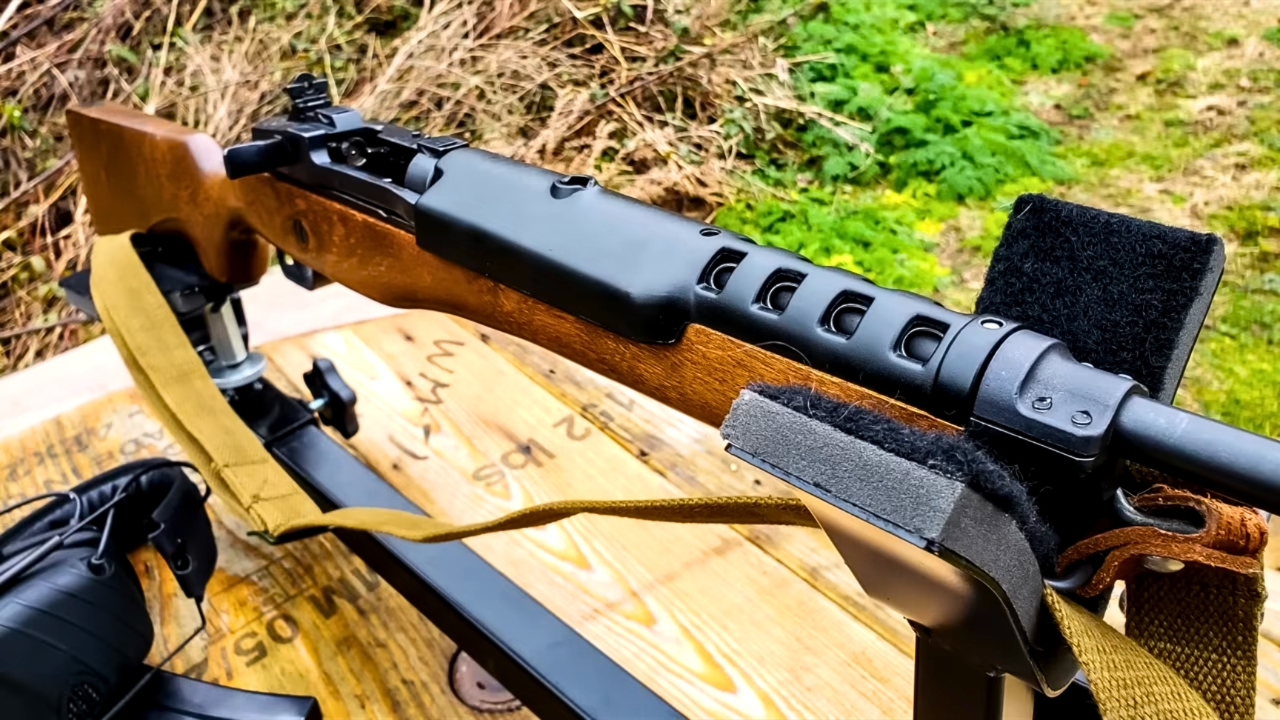
I like Minis, but I’m not going to pretend older ones didn’t have their quirks. Folks buy them thinking they’re getting a handy ranch rifle that prints tight groups like an AR. Then they run a few strings and watch groups open up as the barrel warms.
Magazines can also be a pain if you aren’t sticking with quality ones. After one season of coyotes or hogs where accuracy matters, owners either upgrade to a newer Mini or trade into an AR with easier accessories and cheaper mags.
16. Kimber Montana (the “too light to enjoy” mountain rifle)

This one hurts, because the Kimber Montana is a legitimate backcountry rifle. It’s also light enough that some hunters don’t enjoy shooting it, especially in .308, .30-06, or the magnums. A light rifle is a joy to carry and a chore to sight-in.
If the owner doesn’t practice because it’s unpleasant, the rifle gets blamed for “not shooting well.” After one season, it gets traded for something heavier and calmer on the bench. The irony is the Montana was doing exactly what it was built to do.
17. Weatherby Vanguard (when “solid” starts feeling like “heavy”)
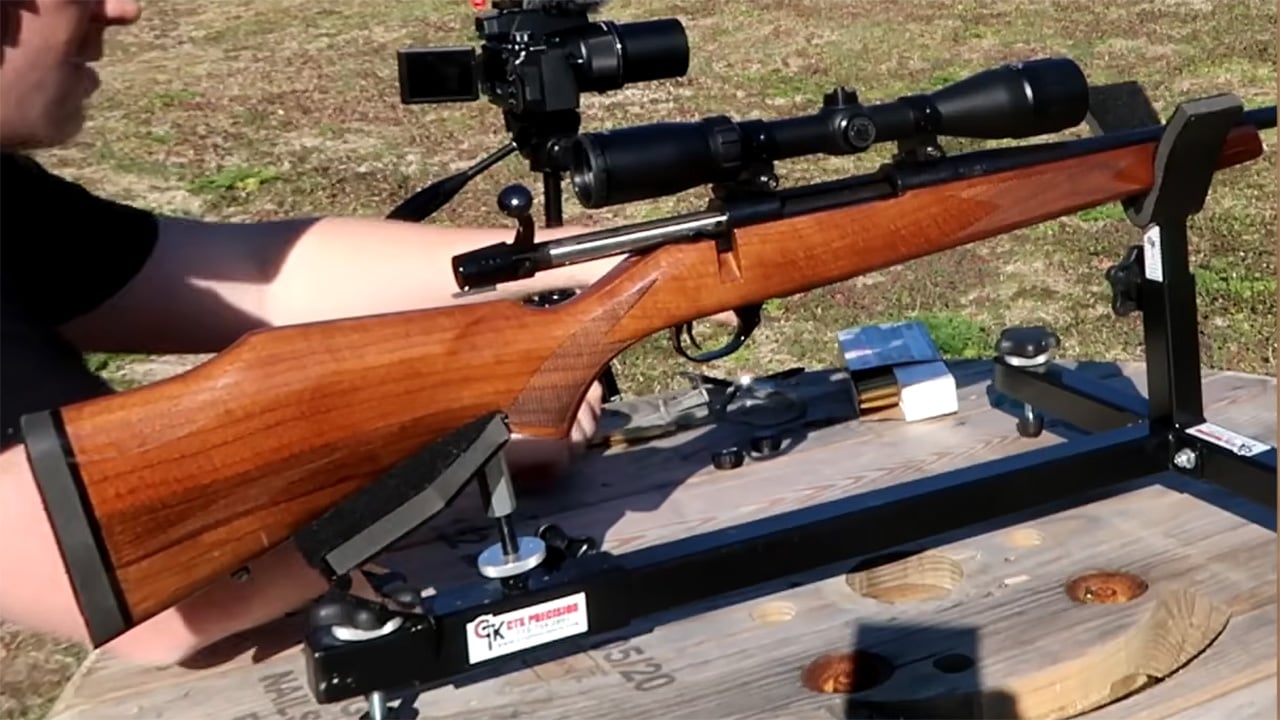
The Vanguard is a dependable, accurate rifle with a lot going for it. The issue is that it’s not a featherweight, and once you add a big scope and a bipod because you saw it online, you’ve got a fence post on your shoulder.
After a season of still-hunting or climbing ridges, hunters start dreaming about a handier rig. They trade the Vanguard not because it failed, but because they finally learned what weight feels like after five miles.
18. Remington 11-87 (older, bargain used buys)

RedRockTrading/GunBroker
A used 11-87 can be a steal, and it can also be a project. Hunters grab one thinking they’re getting a classic semi-auto on the cheap. Then they find out what O-rings, gas ports, and old springs look like after a few decades of unknown maintenance.
If it runs, it runs great. If it doesn’t, a first-time owner can get tired of chasing gremlins. That’s when they trade it for a newer gun with fewer variables.
19. Taurus Judge (because it’s not the woods answer folks hope for)
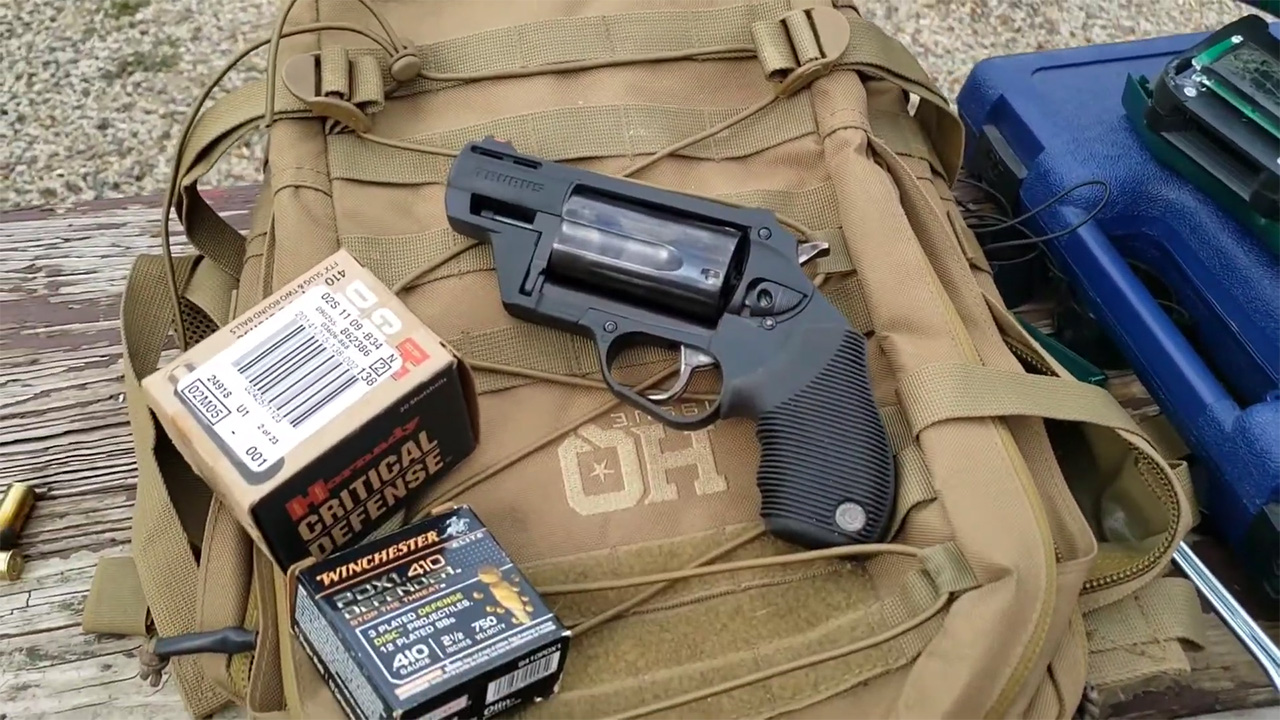
Every year somebody buys a Judge for “snakes and camp” and then tries to make it do everything. The .410 out of a handgun is loud, bulky, and not nearly as magical as the marketing makes it sound. The gun itself is also big for what you get.
After one season of carrying it around and realizing it’s awkward in a holster and limited in realistic range, many owners move to a lighter revolver, a small 9mm, or just carry a real shotgun when snakes are the concern.
20. Springfield Armory M1A (because it’s a romance rifle until you live with it)
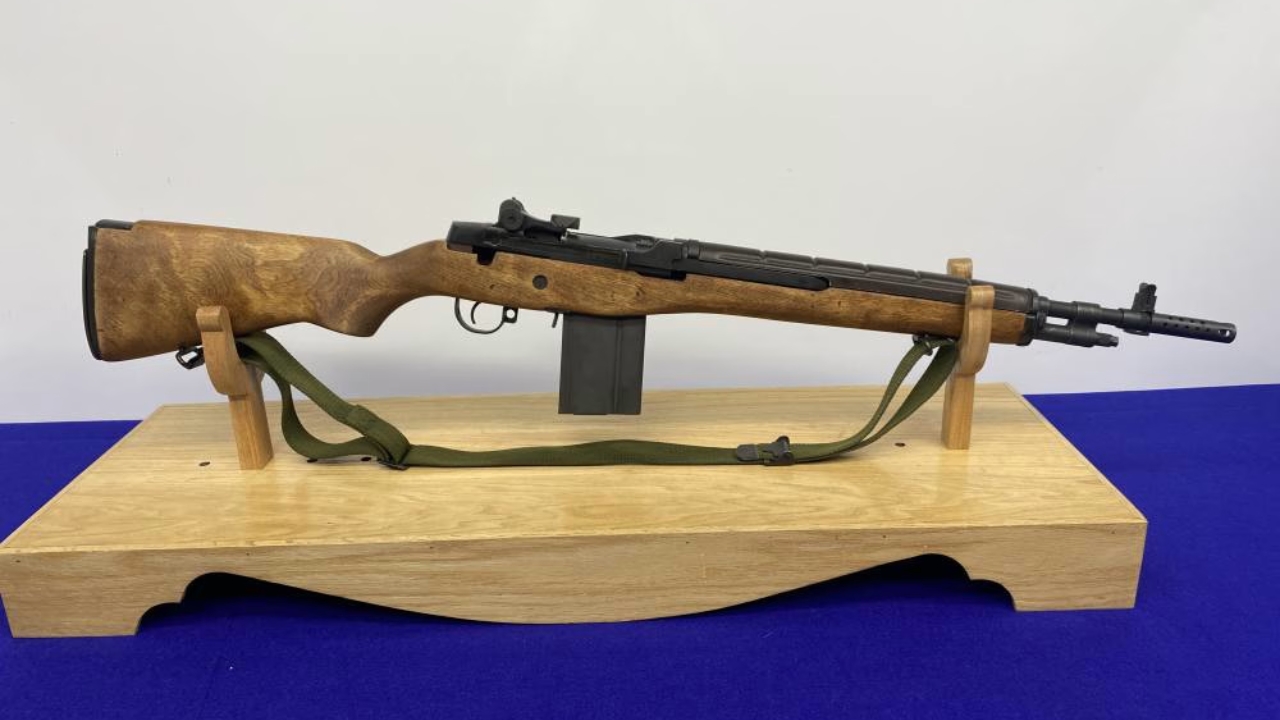
The M1A has a pull all its own. It looks right, feels right, and it scratches that classic rifle itch. Then you start pricing magazines, optics mounts, and trying to make it do modern rifle jobs, and it gets expensive and fussy fast.
For hunting, it’s also longer and heavier than most folks want in the woods. After a season of lugging it and fighting for a clean scope setup, a lot of hunters trade into a lighter bolt gun or an AR-10 pattern rifle that’s easier to accessorize.
The funny part about “first-season trades” is that most of them aren’t really about the gun being junk. They’re about expectations meeting reality in the cold and dark. If you’re shopping used right now, this list can be a gold mine—just be honest about what kind of hunting you actually do, and pick the tool that makes that easier, not harder.
Like The Avid Outdoorsman’s content? Subscribe to our newsletter so you never miss an article.
Here’s more from us: