Photo credit: SPN Firearms/YouTube
Every season there’s a fresh batch of “reliable carry guns” that run like a sewing machine… right up until you try to shoot them fast, clean, and on demand. Some pistols feed anything, shrug off lint, and keep clicking in the cold. They also punish your hands, fight your grip, or make you work way harder than you expected to keep rounds where they belong.
This isn’t a knock on any one brand. It’s just the reality that reliability and shootability are two different things. Here are 20 pistols I trust to go bang, but I wouldn’t hand to a new shooter and expect tight groups or easy follow-up shots.
1. Smith & Wesson J-Frame Airweight (642/442)

These little revolvers have probably lived in more coat pockets and tackle bags than most folks want to admit. They’re simple, they don’t care about magazine springs, and they’ll sit loaded for years without drama. For what they are, they’re dependable.
They’re also hard to shoot well. The grip is short, the sights are minimal, and that long double-action pull makes you earn every hit. Add +P ammo and you’ll see why so many folks “carry it a lot, shoot it a little.”
2. Ruger LCP (original .380)

The original LCP is a classic “always gun.” It disappears in a pocket holster, runs surprisingly well with decent ammo, and it doesn’t mind being a little dirty. As a deep-concealment tool, it filled a real need.
But it’s snappy, the grip is tiny, and the sights are barely there. Past conversational distance, it takes real concentration to keep it from wandering. If you don’t practice, your speed and accuracy fall apart fast.
3. Ruger LCP II
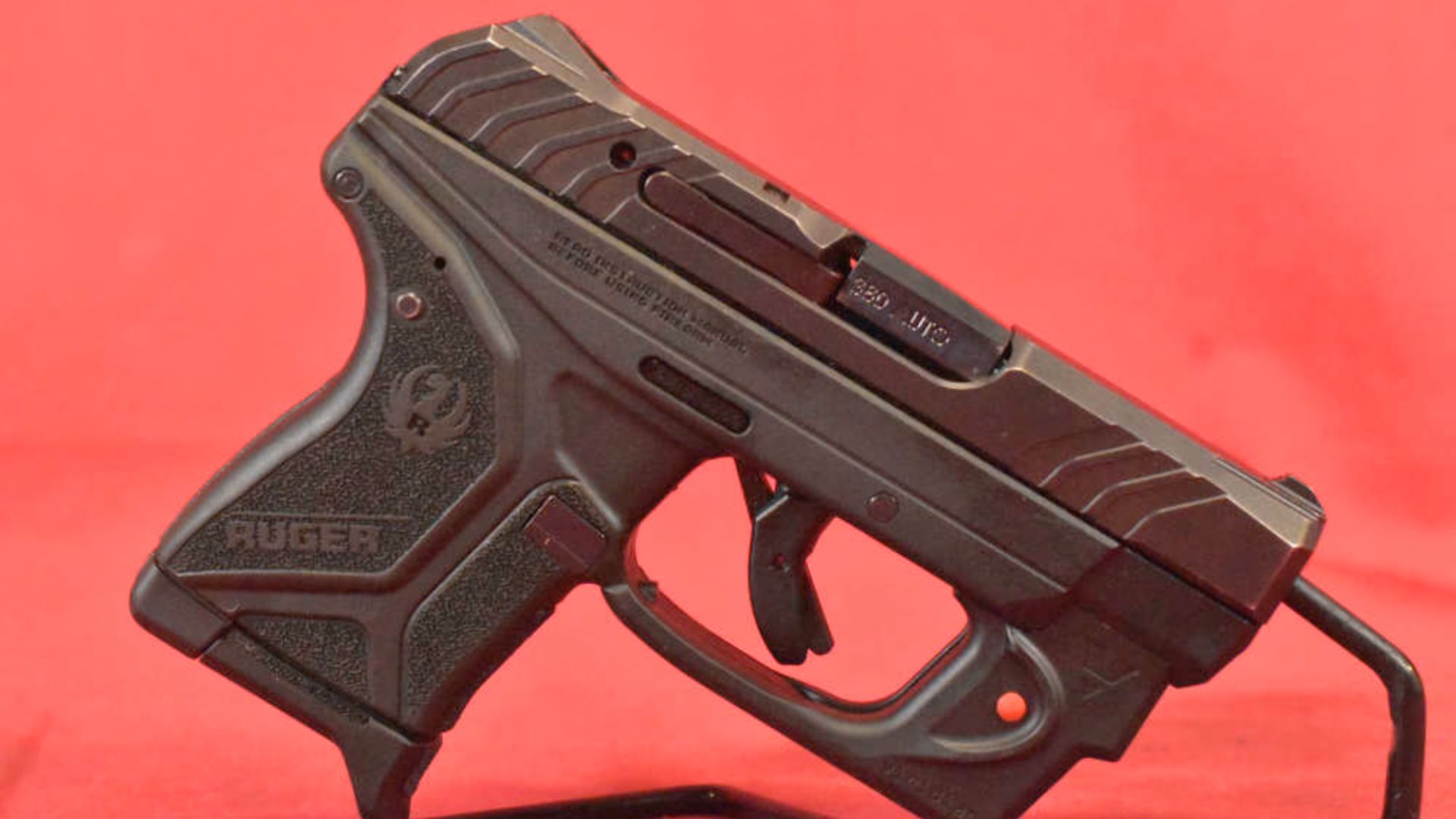
Ruger improved the trigger and made the gun friendlier overall. Most of them run great, magazines are everywhere, and it’s still one of the easiest pistols to actually carry every day without changing your wardrobe.
Still, it’s a very small, very light .380. That means you’re managing recoil with two fingers and a prayer, and the short sight radius doesn’t forgive sloppy fundamentals. It’s better than the original, but it’s not “easy.”
4. Kel-Tec P-32
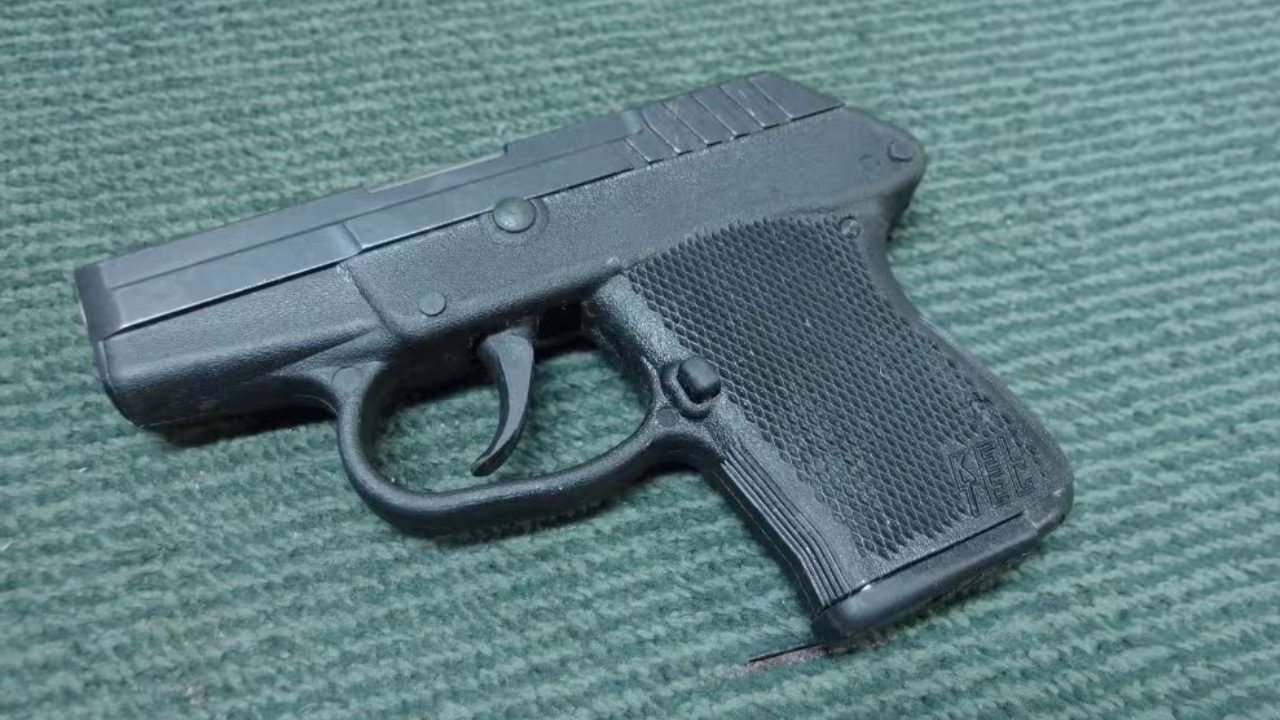
The P-32 is one of those oddball pistols that just keeps going. It’s light enough you forget it’s there, and in my experience it’ll run if you keep it reasonably clean and use good magazines. For a true pocket gun, it has a place.
The tradeoff is shootability. The grip is skinny, the sights are basic, and the trigger isn’t doing you favors. It’s a gun you carry because you will carry it, not because it’s fun at the range.
5. Kel-Tec PF-9

The PF-9 earned a reputation as a budget 9mm that could be carried all day. Plenty of them are boringly reliable with ball and common defensive loads. It’s thin, simple, and it points fine.
Then you shoot it. The recoil impulse is sharp, the grip can feel like a two-by-four, and long practice sessions get old quick. Most shooters can keep it “minute of bad guy,” but clean drills at speed are work.
6. Glock 43

The Glock 43 is one of the most trustworthy slim 9mms ever sold. It doesn’t require special treatment, it’s easy to maintain, and parts and mags are simple to find. It’s a working person’s pistol.
But the little single-stack format gives you less to hang onto. With hot ammo, it can get snappy, and the shorter grip makes consistent draws and consistent recoil control harder than with a compact double-stack. It’s not unshootable, just less forgiving.
7. Glock 26
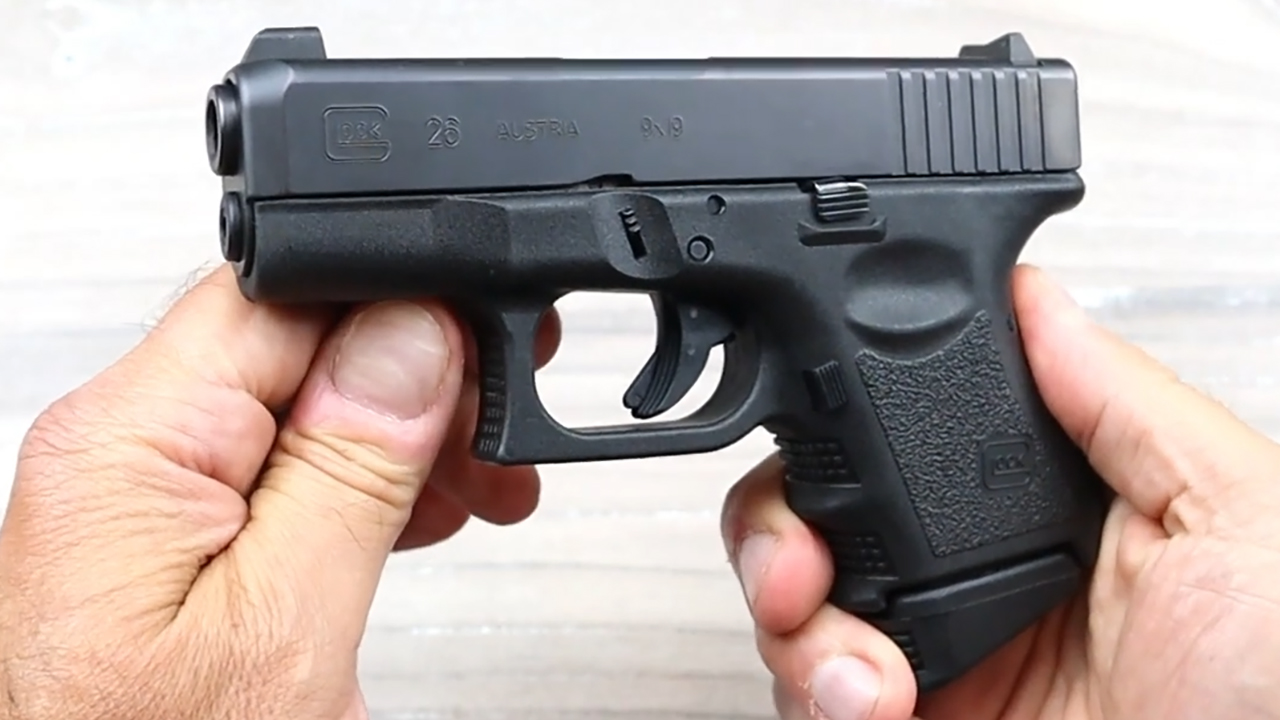
This one sounds weird because the G26 is famous for shooting “bigger than it is.” And it does, compared to a true micro. It’s also ridiculously reliable, and it’ll digest a steady diet of cheap range ammo without complaint.
What trips people up is the short grip and how easy it is to get your hands out of position under speed. If your pinky is floating and your grip is inconsistent, your groups open up fast. Many folks end up adding extensions, which helps, but changes the whole carry feel.
8. SIG Sauer P365 (standard micro-compact)

The P365 changed the market, and for good reason. When you get a good one and you maintain it like any serious carry gun, it tends to run. It carries flat, it holds real capacity, and it’s easy to live with.
It’s still a small gun doing big-gun work. The grip is short, the sight radius is short, and recoil management takes attention. Some shooters do great with it. Others shoot it “fine” slow and struggle when the timer comes out.
9. Springfield Hellcat
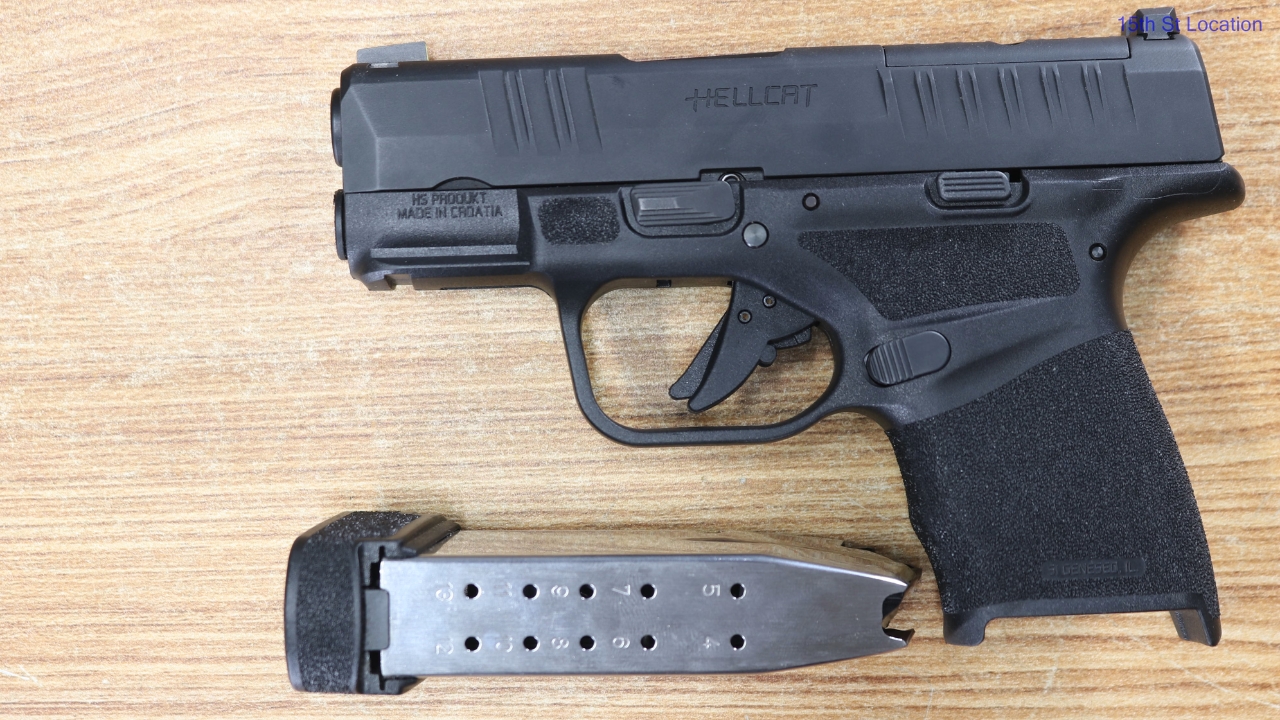
The Hellcat is another micro that’s generally dependable and built for carry, not for show. It’s tough, it’s compact, and the magazines are common enough now that you’re not hunting unicorns.
Where it gets tricky is how it feels in recoil. The gun has a quick, lively snap that can make dot tracking or fast front-sight work harder than you’d expect. It’s one of those pistols that rewards a firm grip and punishes lazy hands.
10. Smith & Wesson M&P Shield (9mm, original)

The original Shield is one of the most carried pistols of the last decade, and that didn’t happen by accident. They run, they’re thin, they’re simple, and holsters are everywhere. If you want “no drama,” the Shield has delivered for a lot of folks.
But plenty of shooters never quite shoot it as well as they shoot a thicker compact. The grip is narrow, the recoil is sharper than a mid-size, and the shorter sight radius shows every bit of anticipation. It’s accurate enough; it just takes more work to prove it.
11. Kahr PM9

Kahr built a reputation on slim, easy-to-carry pistols with a smooth, revolver-like trigger. When they’re in their happy place, they can be extremely reliable and surprisingly accurate for their size. They also carry like a dream.
The long trigger stroke is what gets people. It’s not “bad,” but it’s different, and it can slow down good shooters until they learn it. Combine that with a small grip and a light frame, and you’ve got a pistol that demands clean fundamentals.
12. Walther PPK
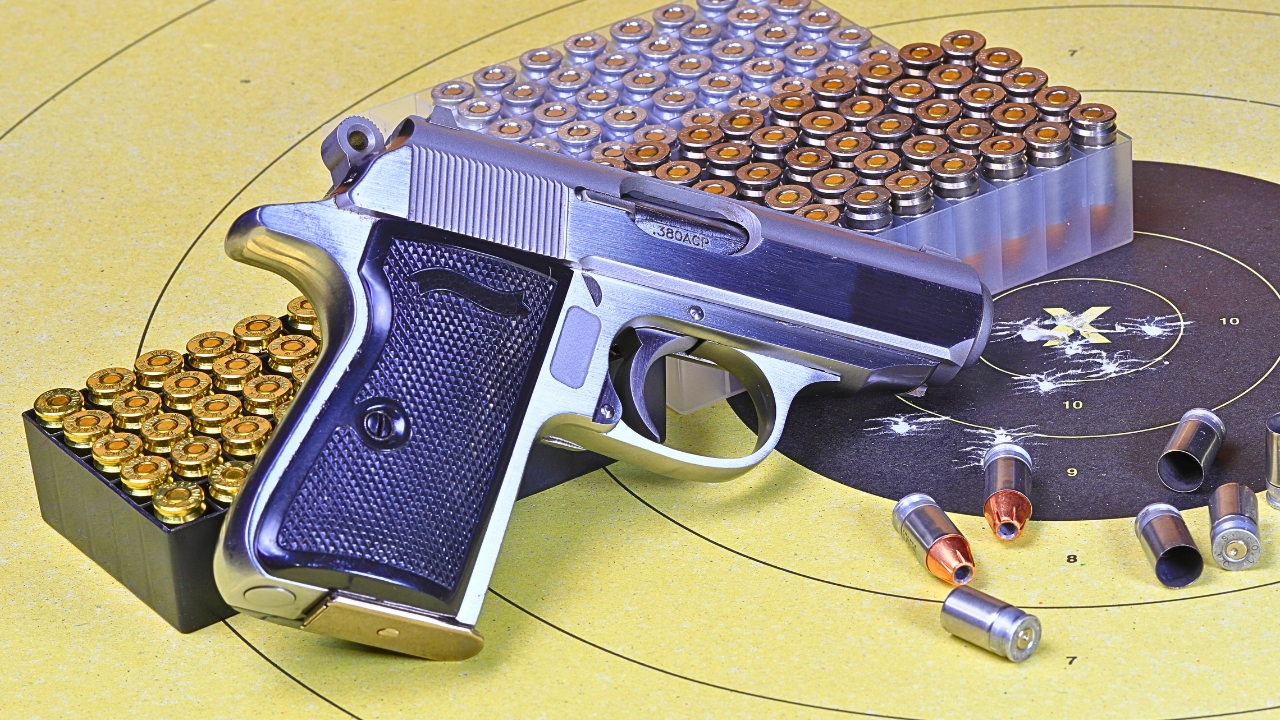
The PPK is a classic, and a lot of them run for decades if you feed them what they like and keep springs fresh. It’s also a real steel gun with a decent heft for its size, which helps in .380.
Still, blowback .380s have a particular kind of snap, and the beavertail situation can be rough if your hands are shaped wrong. The DA/SA trigger transition isn’t easy for everyone either. It’s reliable, but it’s not a “shoot it great right away” pistol.
13. Makarov (9×18)
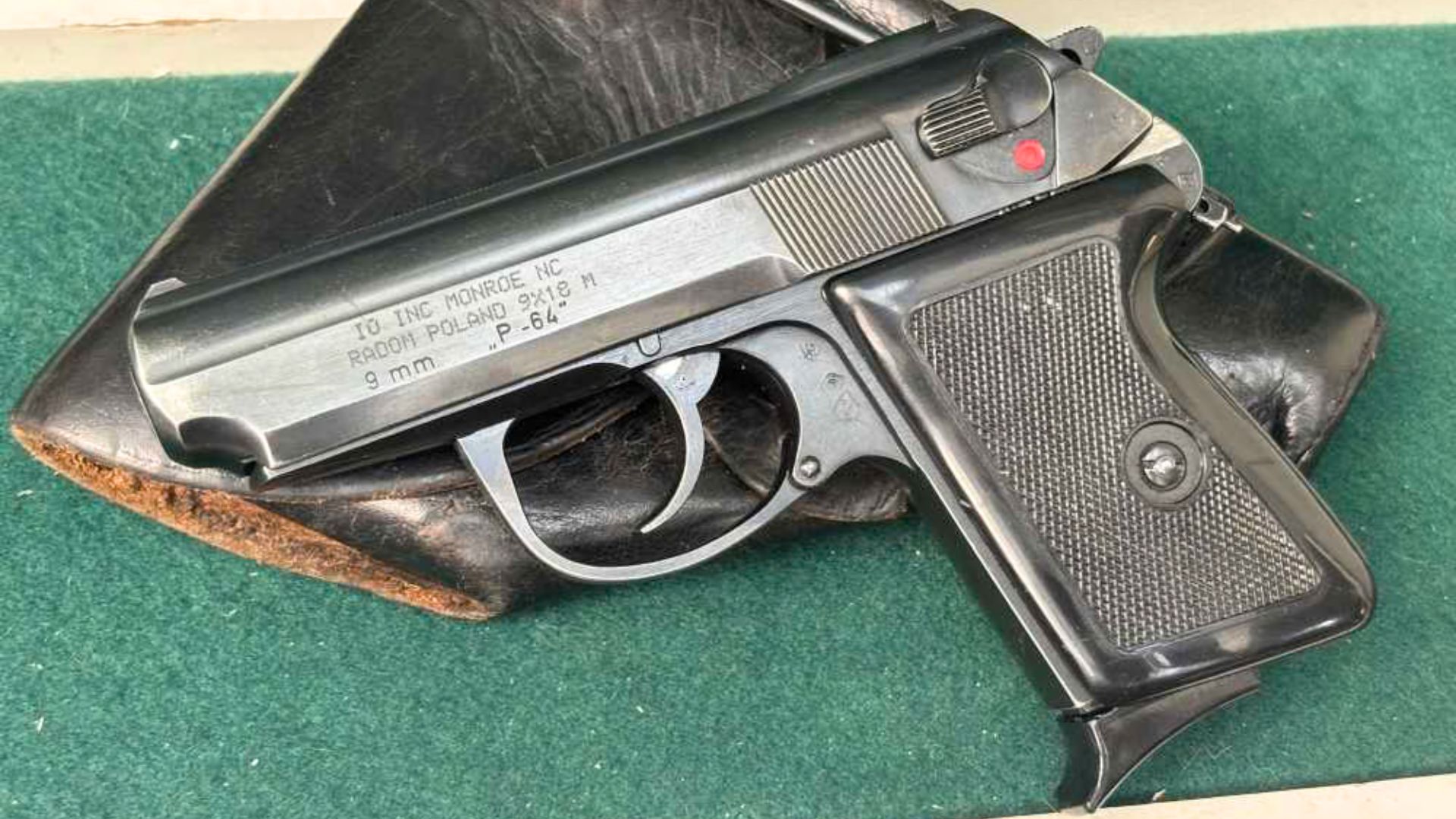
The old Mak is one of those pistols that just keeps running. Loose enough to be forgiving, simple enough to maintain, and built like a tool. If you’ve got good magazines, reliability is usually the least of your worries.
But the sights are small, the grip angle is its own thing, and the double-action pull can be heavy. Ammo availability can also affect practice, and if you don’t practice, you won’t shoot it well. It’s a stout little gun that rewards patience.
14. Ruger SP101 (2.25-inch)

The SP101 is a tank. If you want a small revolver that can live in a truck, get rained on, and still work, this is a strong candidate. It’ll handle magnums all day without shaking itself loose.
That doesn’t mean you’ll shoot it well with magnums. The short barrel, stout recoil, and heavy double-action pull make accuracy under speed tough. With .38s it’s more manageable, but most folks buy it for .357 and then realize why it’s a handful.
15. Smith & Wesson 340PD (ultralight .357)

This one is famous for a reason. It carries like nothing else, and revolver reliability is attractive when you’re thinking about pocket lint, odd positions, and “I just need it to work.” It’s a serious tool for a very specific job.
It’s also miserable with full-power .357 for most shooters. Recoil is not “snappy,” it’s violent, and it can make even experienced folks flinch. Many owners end up carrying .38 +P and practicing with mild loads, which is smart, but it tells you something.
16. Taurus 605 (.357 snub)

When you get a good example, the 605 can be a solid working revolver that’s more affordable than the big names. It’s simple, compact, and it gives you magnum capability in a small package. Plenty of them ride in hunting coats every fall.
Shooting it well is another story. Like other short .357s, it’s a recoil-heavy deal, and the small grips don’t help. The sights and trigger can vary a lot from gun to gun, and that inconsistency makes it harder to build confidence.
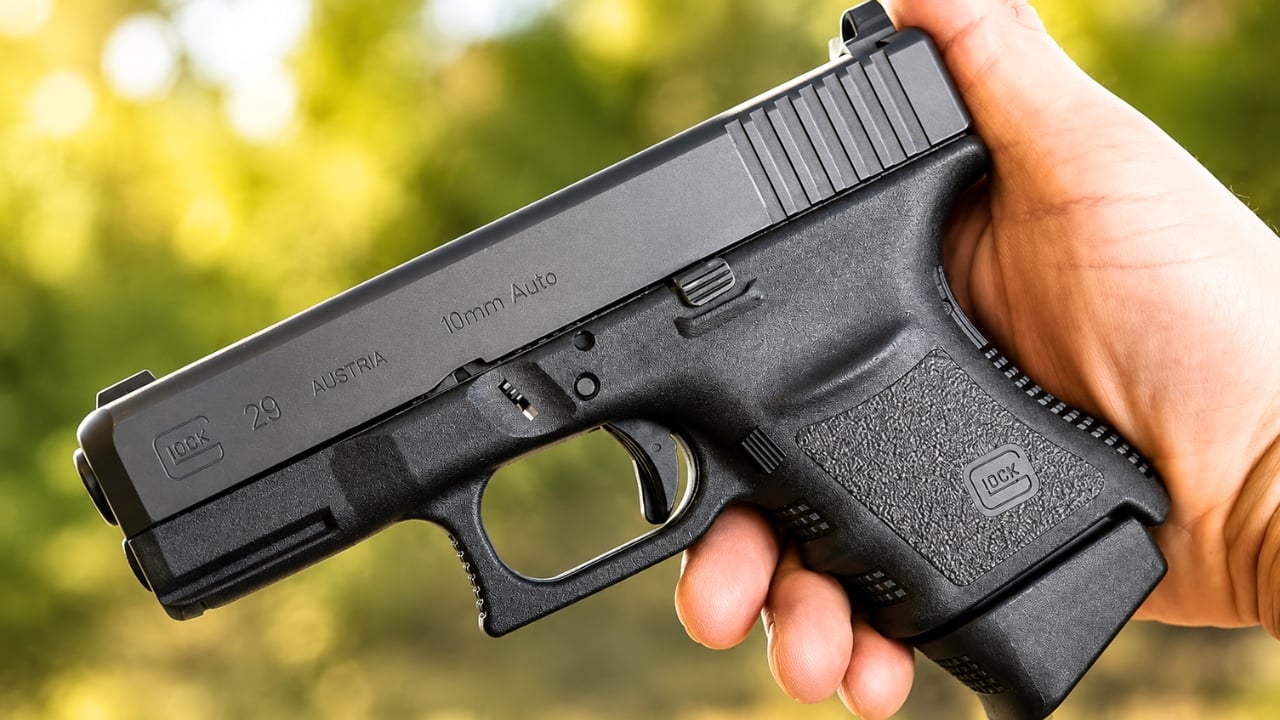
17. Glock 29 (10mm)
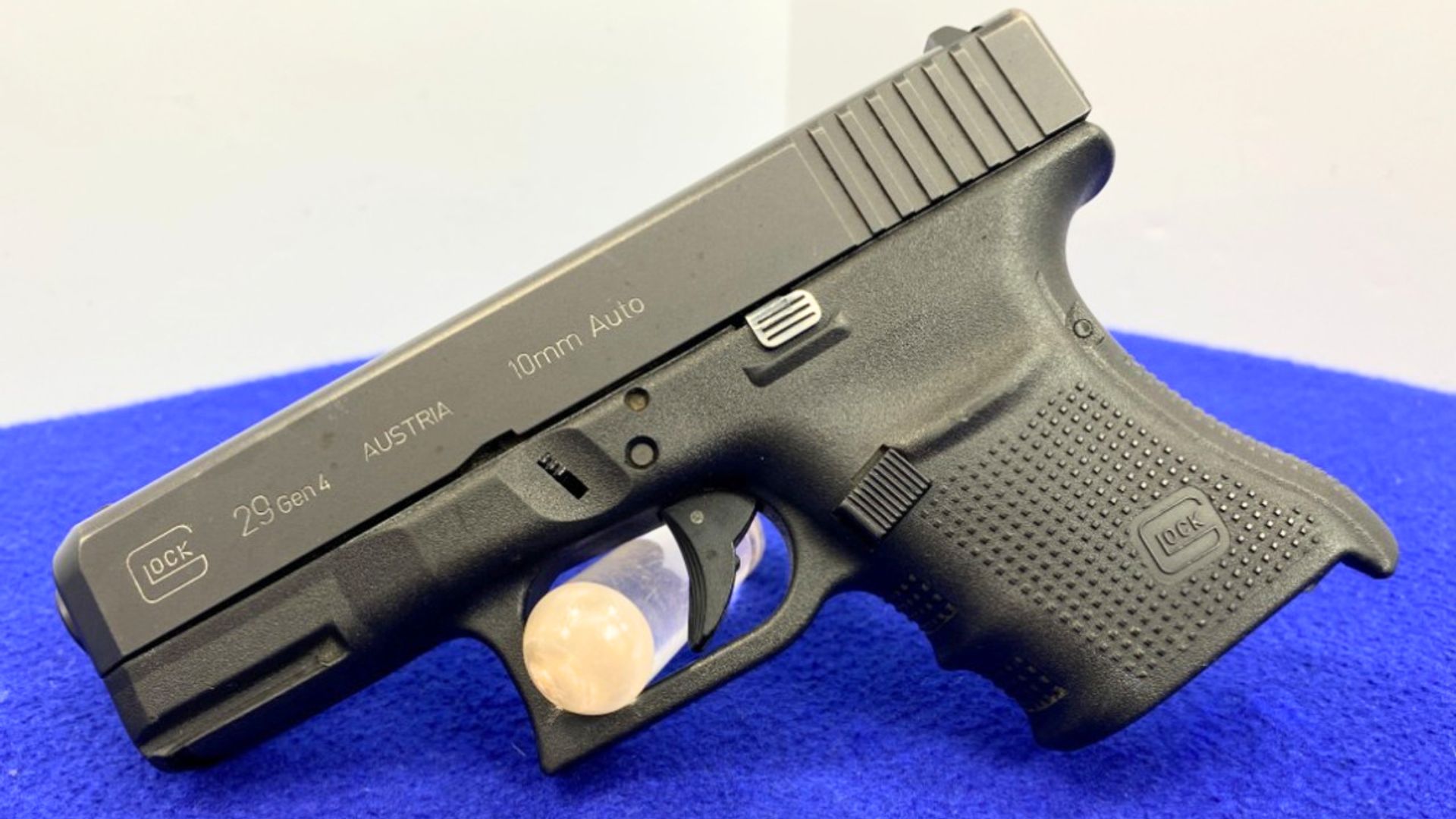
The G29 is a backcountry favorite because it’s compact, high-capacity for the size, and very Glock-reliable. If you want a 10mm that can live through hard use, it’s hard to argue with. Magazines and parts are easy to source.
But it’s a thick little brick with real recoil, especially with full-power loads. Getting fast, accurate follow-up shots takes strength and technique. Some folks shoot it great. A lot of folks shoot it “okay” and then leave it in the safe until hunting season.
18. Smith & Wesson M&P 340 (or 360)

These scandium-frame revolvers are built for carry first. They’re light, corrosion-resistant, and they’ll ride comfortably in places where a heavier gun becomes a nuisance. As a “always with you” revolver, it makes sense.
Lightweight revolvers are unforgiving. The sight picture is small, the trigger is long, and recoil can be abrupt even with .38 +P. If you don’t practice double-action work, you’ll tend to yank shots low and left (or low and right) under pressure. Ask me how I know.
19. Beretta 21A Bobcat (.22 LR)
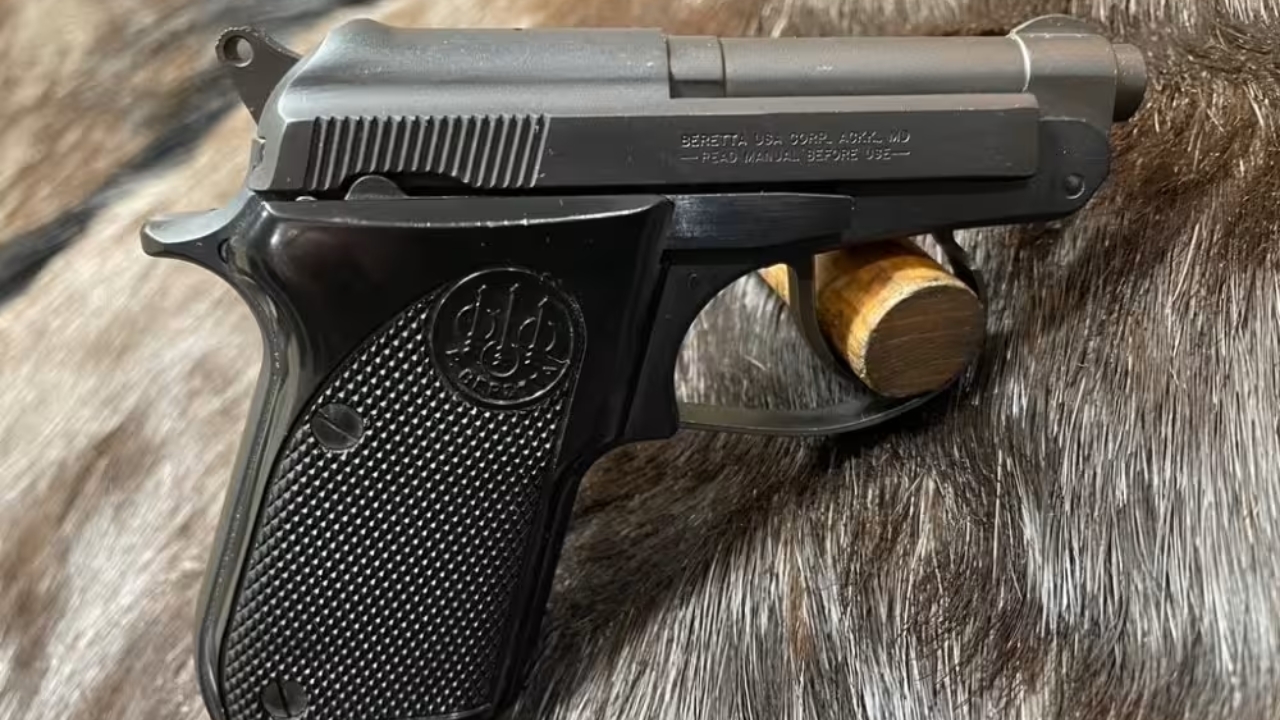
A tip-up barrel .22 is handy, especially for folks with weaker hands, and the little Bobcat is known for being surprisingly durable. With the right ammo, plenty of them run well, and it’s a neat little kit gun for the right person.
But shooting tiny .22 pistols well is harder than it looks. The sights are small, the grip is short, and .22 reliability is always ammo-dependent no matter what anyone says. When you do get a hiccup, it can break your rhythm and your confidence quickly.
20. Bond Arms Derringer (9mm/.45 Colt/.410 models)
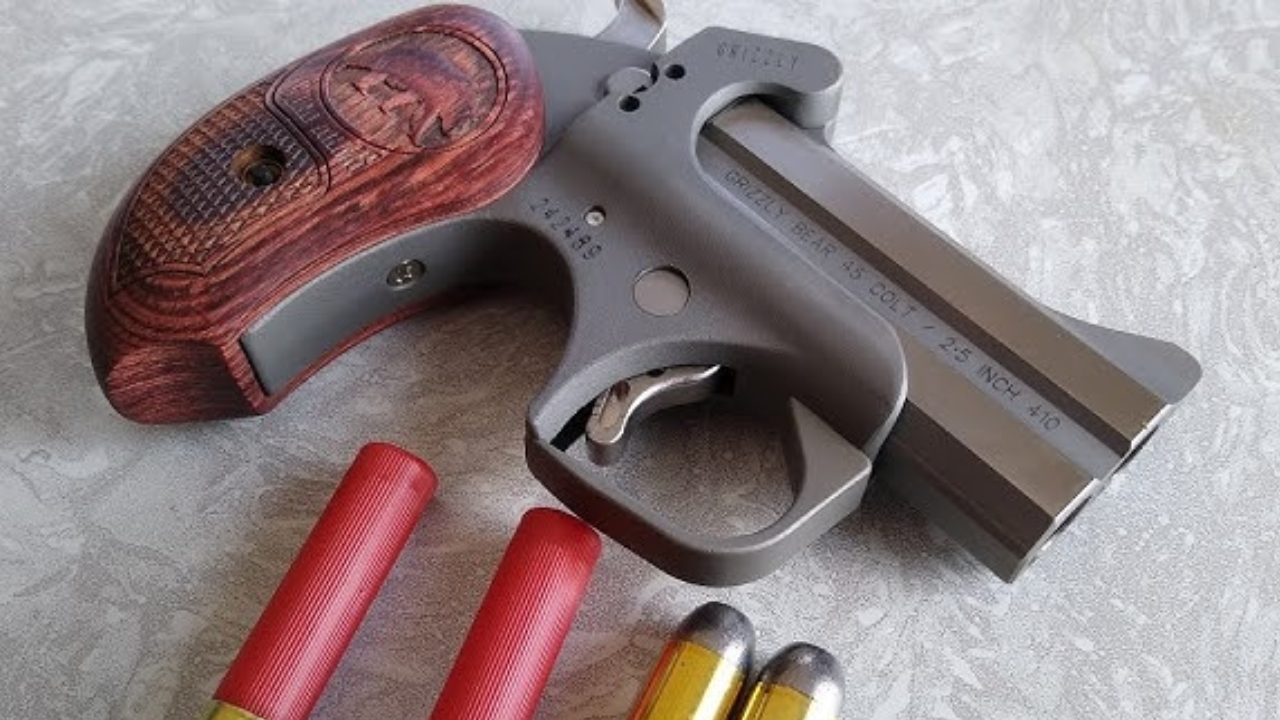
These are built like a chunk of steel, and they’re about as mechanically simple as it gets. If you keep them clean and use ammo they like, they’re generally dependable in the “two shots will happen” sense. They also carry in weird places where other guns don’t.
They’re also tough to shoot well. Heavy trigger, tiny grips, minimal sights, and a recoil impulse that can surprise you depending on the chambering. Two-shot guns make every miss feel expensive, and under stress they’re even harder to run clean.
There’s nothing wrong with carrying a pistol that takes real practice. The mistake is pretending a hard-to-shoot gun will somehow be easy when it matters. If one of these is in your rotation, put in short, regular range sessions, use a safe holster that actually covers the trigger, and be honest about what you can hit quickly. Reliability is a great start, but it’s not the finish line.
Like The Avid Outdoorsman’s content? Be sure to follow us.
Here’s more from us: