Photo credit: Dmitryp-k/Shutterstock.com
A lot of shooters judge slide manipulation in a calm moment. They pick up a pistol at the counter, pinch the slide, and decide it feels easy enough to rack. That test tells you something, but not nearly enough. Real manipulation gets harder when your hands are sweaty, your grip is rushed, the gun is close to your body, or you are clearing a stoppage with actual urgency instead of playing with an unloaded pistol under bright shop lights.
That is where some pistols change character fast. A gun can feel manageable in a slow, controlled press-check and still become awkward when the slide is short, the recoil spring is stout, or the gripping surface gives you less to work with than you thought. This is not always a flaw. It is often the tradeoff that comes with compact size, lighter recoil systems, or a cleaner-looking slide. These are 15 pistols that can seem easy enough to rack until speed and stress expose what your hands are really working with.
Ruger LCP

The Ruger LCP wins people over because it is tiny, easy to carry, and easy to justify as a backup or deep-concealment gun. In a calm setting, you can usually rack it without much drama if you take your time and use good technique. That slow test makes some shooters think the little pistol is easier to manipulate than it really is. The problem shows up when speed matters.
The slide is small, the gripping area is limited, and there is not much room for a sloppy hand placement. When you rush the motion, your fingers can run out of surface fast. That can make quick chamber checks, malfunction work, or emergency manipulations feel much less friendly than the pistol did at first glance. The LCP still fills a real role, but it reminds you that “possible” and “easy under pressure” are not the same thing.
Ruger LCP Max

The LCP Max improves on the original in several ways, and a lot of shooters handle one at the counter and come away thinking it feels surprisingly manageable. That reaction makes sense. The gun is slightly larger, more useful to shoot, and still very compact. But it is still a very small pistol, and that means slide manipulation can look easier in a slow test than it feels once you speed things up.
You are still dealing with a short slide, limited grasping surface, and a compact format that gives you little room for a rushed grip. If your hands are damp, cold, or slightly out of position, the slide can feel more slippery and less forgiving than expected. The LCP Max is a better all-around pistol than many older pocket guns, but it still teaches the same lesson: tiny guns can hide their manipulation demands until you stop handling them like display pieces.
Smith & Wesson Bodyguard 380
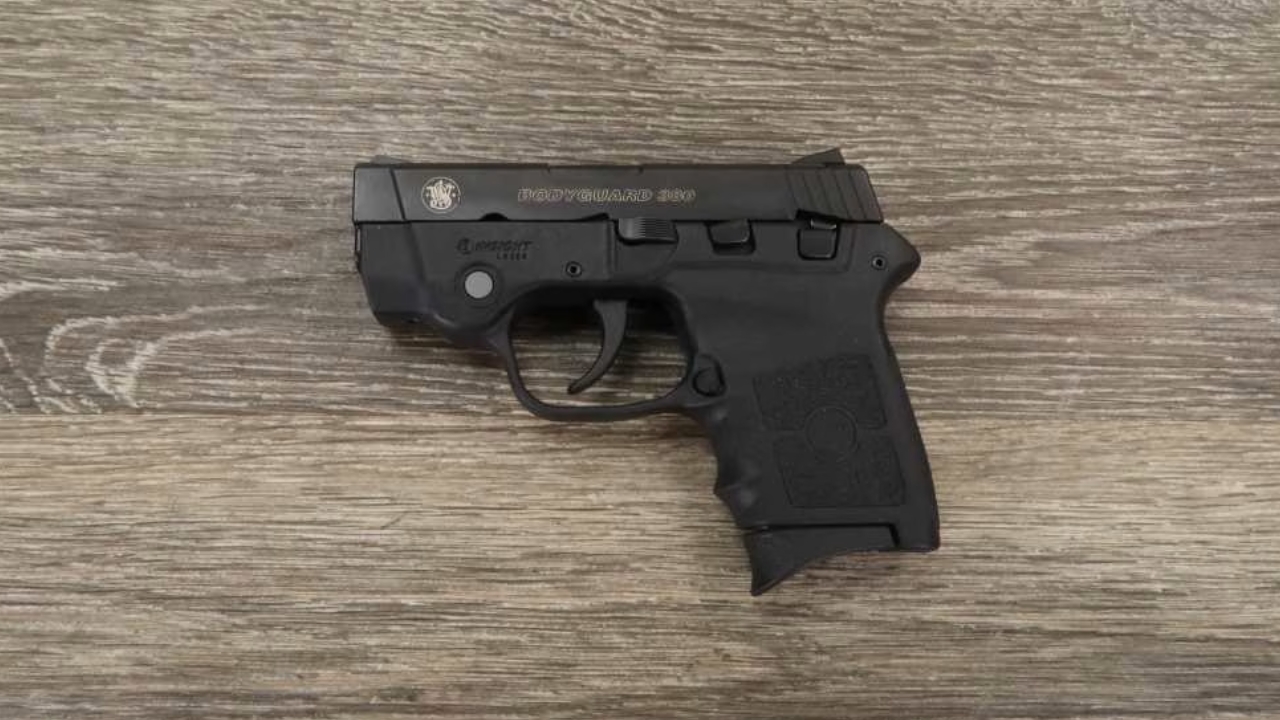
The Bodyguard 380 often seems approachable because it is compact, light, and chambered in a cartridge many people assume will come with easy handling. That first impression can be misleading. When you stand there and slowly rack the slide, it may feel workable enough. But when you try to move the gun quickly, especially with less-than-perfect hand placement, the experience changes in a hurry.
The slide is small, the gripping area is not generous, and the whole pistol gives you less to grab than many buyers expect once they start moving fast. That can make immediate-action work and quick chambering less comfortable than the pistol’s size and chambering might suggest. It is not that the Bodyguard cannot be manipulated. It is that the margin for sloppy or rushed technique is narrow, and that usually becomes obvious only after the easy first impression wears off.
Glock 42
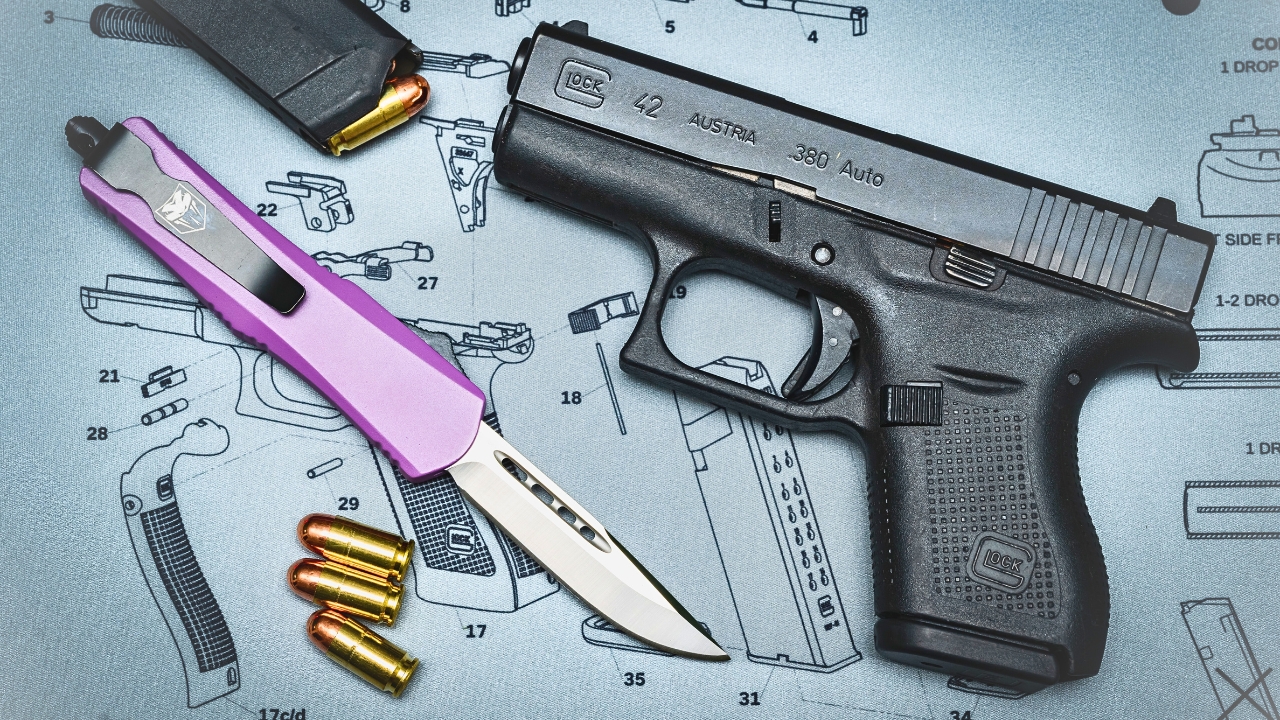
The Glock 42 has a reputation for being one of the more shootable .380 carry pistols, and that is fair. It is larger than a true pocket .380, and many shooters find it friendlier than the smallest guns in the class. That can lead people to assume slide manipulation will be equally forgiving. In a calm environment, the slide often feels manageable. Under speed, though, the compact size still starts showing its limits.
You have more slide than on some micro .380s, but not enough to completely erase the challenges that come with a smaller frame and less real estate. If your grip is rushed or your support hand catches the slide at a weak angle, the gun can feel less cooperative than it did during a slow showroom test. The Glock 42 is a solid carry pistol, but it still reminds you that “easier than tiny pocket guns” does not always mean “easy when the pace jumps.”
Glock 43
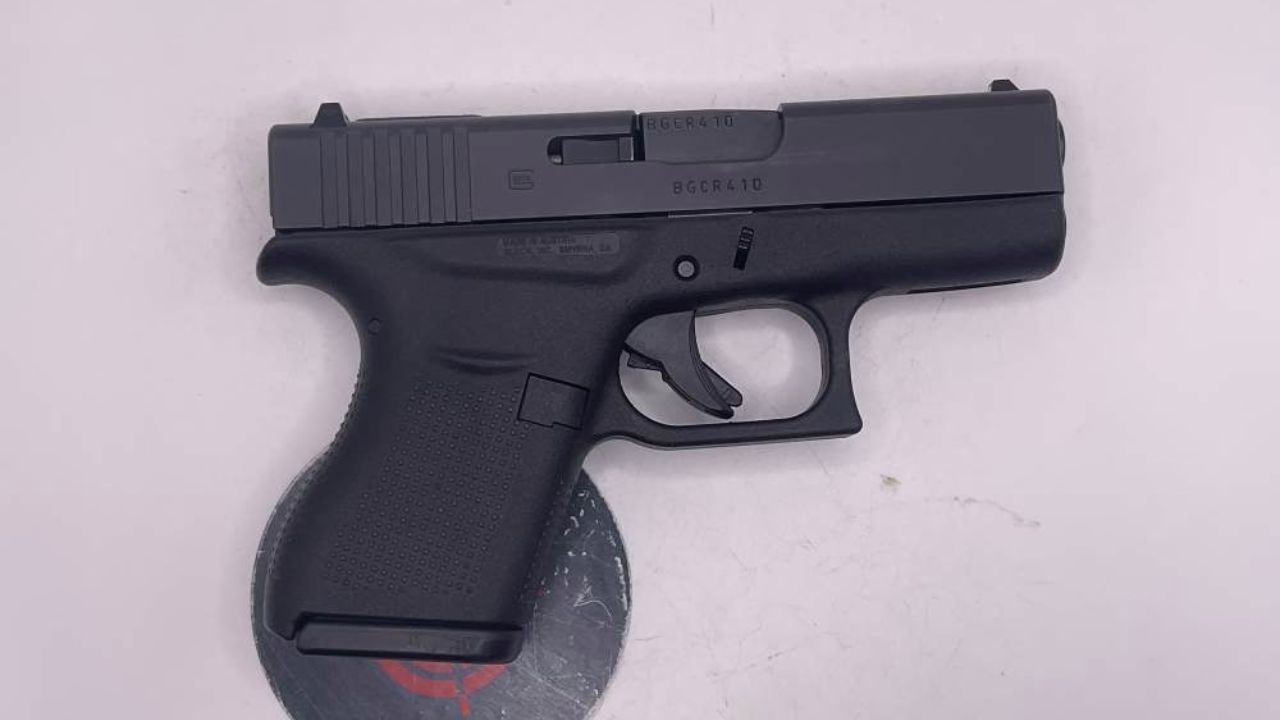
The Glock 43 often feels reassuring because it carries the familiar Glock name in a slim, straightforward 9mm package. Many shooters pick one up, rack it a few times, and think it feels simpler than some other micro 9s. In a slow, deliberate motion, that can be true enough. But once you start trying to manipulate it quickly, the smaller size starts changing the equation.
The slide is still short compared with compact duty pistols, and the reduced gripping surface gives you less room for error. Under stress, that matters. If your hands are slick or you are trying to clear a problem at speed, the gun can feel more abrupt and less forgiving than the calm first impression suggested. The Glock 43 is dependable and useful, but it is also a good example of how a narrow, compact slide can become noticeably less friendly once the clock starts moving.
SIG Sauer P365

The SIG P365 looks like a clever answer to modern carry needs, and that extends to how many people initially judge the slide. In a slow handling test, it often feels easier than older pocket guns because the design is clean and the gun seems well laid out. But when you try to run it with speed, especially during reloads or malfunction work, the small size still demands more precision than many shooters first expect.
The slide is compact, and although the serrations help, you are still working with limited room and a fast, compact package. A rushed grip can leave you with less purchase than you thought you had. That does not make the P365 difficult in absolute terms. It means it can feel deceptively manageable during casual handling, then become noticeably less forgiving when real pace, pressure, and imperfect hand placement enter the picture.
SIG Sauer P365 SAS

The P365 SAS is one of the clearest examples of a pistol that can look smoother and more user-friendly than it feels once speed matters. The whole idea behind it is a snag-reduced carry package, and visually it looks very streamlined. That clean exterior appeals to a lot of buyers. It also means some shooters assume the gun will be effortless to handle. That assumption often starts breaking down during fast slide work.
With reduced external projections and a slicker overall profile, you can lose a little of the tactile confidence people rely on during hurried manipulations. The gun is still workable, but “workable” is not the same as “fast and natural when things get rushed.” If your technique is excellent, you can run it. If your grip is rushed or your hands are less than ideal, the sleekness that looked so attractive online can start feeling like a compromise in real handling.
Springfield Hellcat

The Springfield Hellcat looks aggressive and capable, and a lot of shooters expect that confidence to carry over into easy manipulation. In a slow handling test, it can feel fine. The serrations are there, the slide is not impossible to move, and the gun has the modern styling people associate with practical carry pistols. What changes is how the gun feels when you try to work it quickly instead of neatly.
It is still a very small 9mm, and that means the slide is shorter, the gripping area is tighter, and your hand placement matters more than on a larger pistol. If you rush the motion, the gun can feel more abrupt and less forgiving than it did in the store. The Hellcat remains a capable carry pistol, but like many micro 9s, it can give you a false sense of manipulation ease until you stop handling it like a display sample.
Springfield Hellcat Pro

The Hellcat Pro looks like it should solve the manipulation complaints some shooters have with the smaller Hellcat, and in some ways it does. The longer slide and fuller frame give you more to work with, and in a slow test it often feels easier and more settled than the original model. That makes a lot of sense. But the pistol still lives in the slim carry category, and that keeps some tradeoffs alive.
The thinner slide profile and narrower feel can still make fast manipulations less forgiving than buyers expect after a calm first impression. You have more slide to grab, but not the same kind of broad, confidence-building surface you get on a fuller duty-size pistol. Under speed, that difference matters. The Hellcat Pro is more user-friendly than some smaller pistols, but it can still surprise shooters who assume “larger micro” automatically means “easy when rushed.”
Smith & Wesson Shield Plus

The Shield Plus often feels like a sensible middle ground. It is slim enough to carry comfortably, but large enough that many shooters expect it to behave like a more forgiving compact. In a casual rack test, that expectation can seem correct. The gun often feels straightforward in the hand. Once you start trying to run it fast, though, the slimness that helps concealment can start working against you.
A thinner pistol gives you less to grab, and that becomes more noticeable when you are not taking your time. If your hand placement is a little off or your grip is not aggressive enough, the slide can feel less secure than a thicker pistol of similar length. The Shield Plus is a very practical carry gun, but it still reminds you that thin profiles can make quick slide work feel less certain than the calm first impression suggested.
Glock 48

The Glock 48 gives you a longer slide than many micro pistols, and that leads some shooters to assume slide manipulation will be easy by default. In a calm, deliberate motion, it usually feels more manageable than the smallest carry guns. That is one reason the model appeals to people who want a flatter pistol without going all the way down to pocket-gun dimensions. But the longer slide does not erase the realities of a slim handgun.
The narrow profile still limits how much slide you feel you are really grabbing during fast work. When you try to rack it quickly, especially one-handed against the clock or while correcting a bad grip, the thinner feel can be less confidence-inspiring than a chunkier compact. The Glock 48 is easier to live with than many tiny pistols, but it can still feel more delicate during hurried manipulations than its relaxed first impression suggests.
FN Reflex
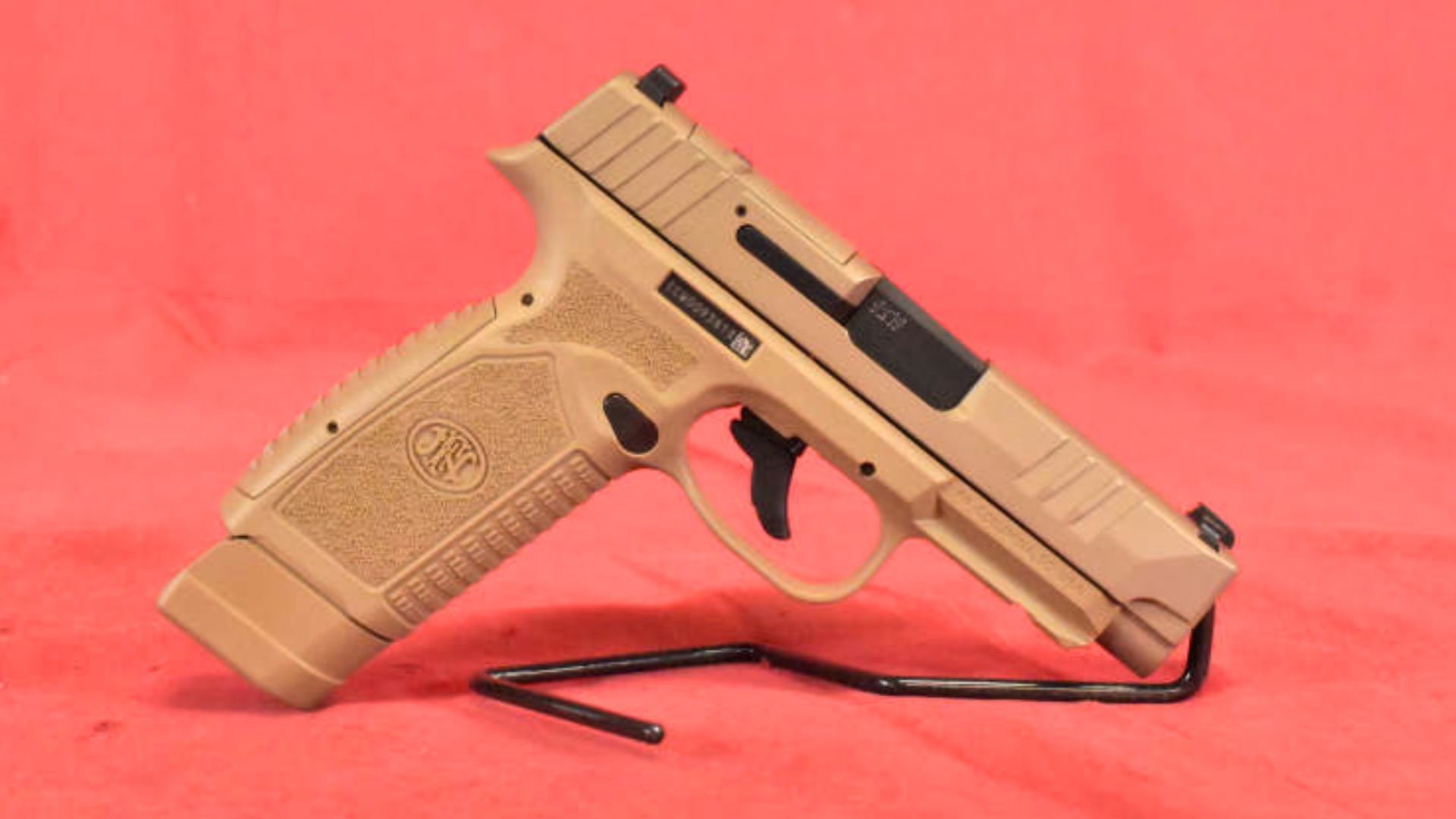
The FN Reflex looks like a premium answer in the micro-carry world, and many shooters handle one expecting the slide to feel polished and easy because the overall design is so clean. In a controlled setting, it often does feel manageable. But once you stop babying the gun and start trying to run it fast, the same micro-compact realities show up here too.
You are still working with a compact slide, limited gripping surface, and very little room for a weak or off-angle hand placement. The pistol may feel good in a slow showroom test, then feel much less forgiving when speed enters the picture. That is not because the design is bad. It is because smaller pistols often hide their manipulation demands until real pace exposes them. The Reflex fits that pattern more than some buyers expect from a pistol that otherwise looks very polished.
Smith & Wesson CSX
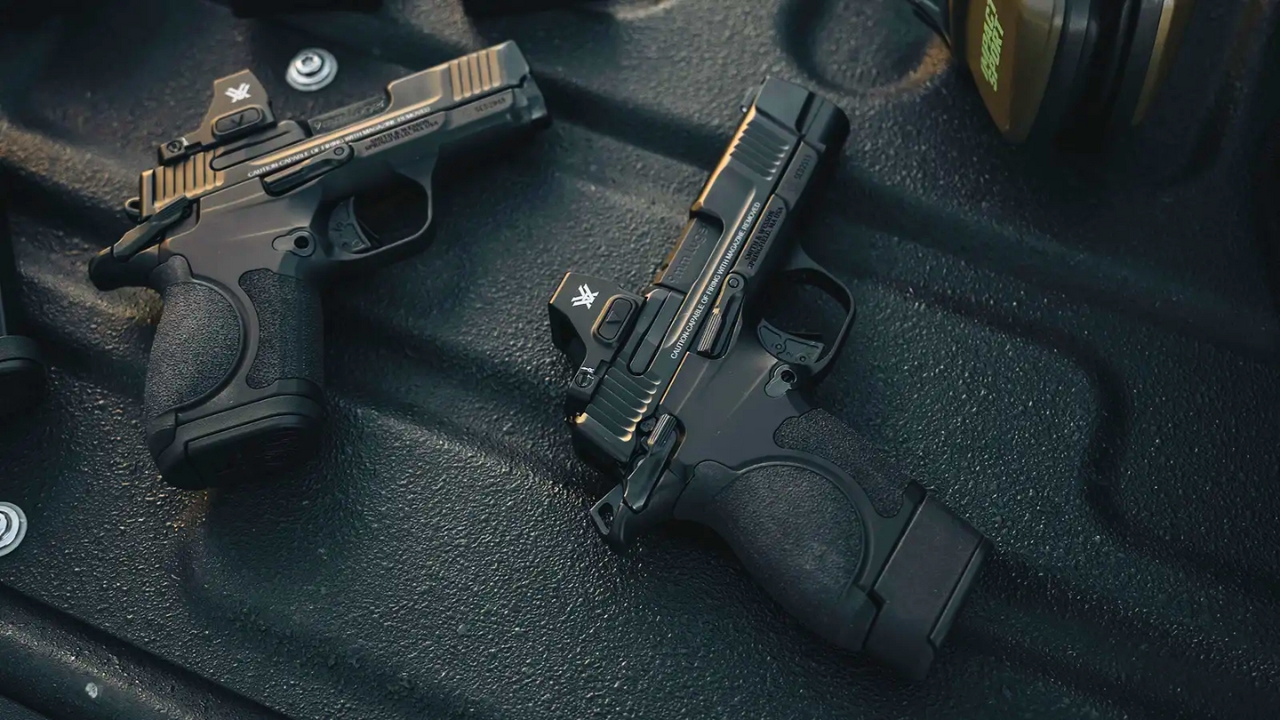
The Smith & Wesson CSX draws attention because it looks refined, compact, and a little different from the usual polymer micro 9 crowd. A lot of shooters pick one up and think it feels slick in a good way. That first impression can be appealing. But once you start manipulating it quickly, the combination of compact dimensions and small-format controls can make the gun feel less natural than it did during a calm first pass.
The slide itself is not impossible, but on a small metal-frame pistol with limited overall size, there is less forgiveness for a rushed hand or a weak grip. In quick manipulation, that can make the pistol feel more demanding than the polished presentation suggests. The CSX still has its place, but it is a strong reminder that a carry pistol can feel sharp and impressive in your hand for five seconds, then ask noticeably more from you when the pace gets real.
Kimber Micro 9

The Kimber Micro 9 looks like a tiny premium pistol, and that elegant appearance can make buyers assume it will handle with the same easy confidence it shows in photos. In a slow, careful rack test, it may seem manageable enough. The issue is that the pistol’s small size still governs what your hands are working with. Once you try to manipulate it quickly, the compact slide and limited purchase become much harder to ignore.
A gun this small gives you less room for a bad grip, less leverage, and less forgiveness when you are trying to move with urgency. That can make speed reloads, chambering, or clearing stoppages feel less natural than the refined first impression suggested. The Micro 9 is attractive and undeniably easy to admire, but it proves a common carry-gun truth: a small, stylish pistol can still become a lot more demanding the second you stop treating it gently.
Beretta Tomcat
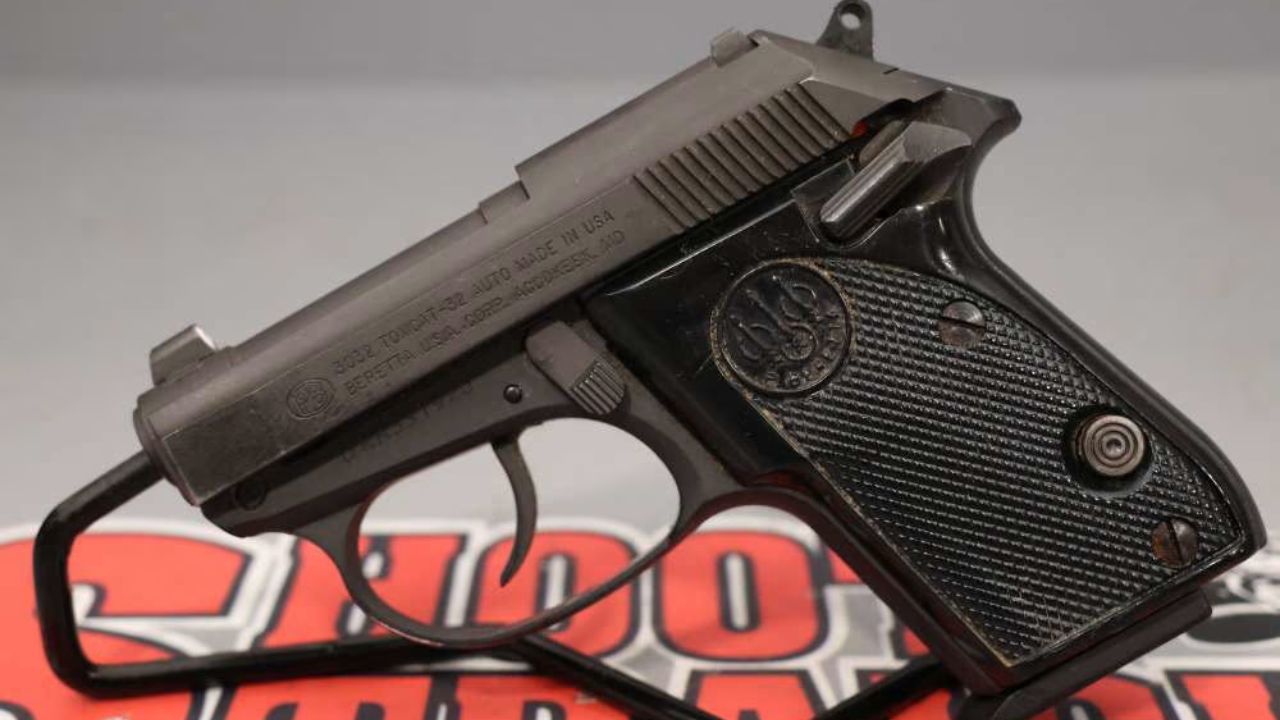
The Beretta Tomcat belongs here because it creates a very specific first impression. Thanks to the tip-up barrel, many shooters assume it solves the whole “easy to rack” problem right away, and in one sense it does. If you load through the tip-up system, you can avoid some slide manipulation entirely. That feature can make the gun seem easier than many tiny pistols when handled casually. But that is not the whole story.
The moment you still need to run the slide with urgency, the pistol reminds you how small it really is. The compact dimensions and limited surface area do not stop being a factor because one feature reduced one part of the problem. If you ever have to work the slide under pressure, it can still feel cramped and less forgiving than that clever first impression suggested. The Tomcat solves one issue. It does not erase all the others.
Walther CCP M2

The Walther CCP M2 is often discussed as an easier-to-rack pistol, and that reputation is not random. In a calm, controlled setting, the slide can indeed feel lighter and more approachable than many pistols in its class. That is exactly why it attracts attention. But “easier” can still be misunderstood if the shooter only evaluates the gun in a slow motion with perfect grip and no time pressure.
Once speed matters, the conversation changes a bit. A pistol that is easier in pure spring force can still feel slower or less secure if your grip slips, your hand lands poorly, or you are trying to run it quickly instead of carefully. The CCP M2 may be more approachable than many alternatives, but it can still remind you that speed exposes more than spring tension alone. A slide can feel lighter and still feel less easy once urgency enters the equation.
Like The Avid Outdoorsman’s content? Subscribe to our newsletter so you never miss an article.
Here’s more from us: