Photo credit: Luiza Kamalova/Shutterstock.com
“Riding the slide stop” is one of those mistakes you don’t notice until the gun embarrasses you. You’ll get mystery failures to lock back, or the gun locks back inconsistently, or your support-hand thumb drags the lever just enough to change how the gun runs. Some pistols have low-profile slide stops that are hard to accidentally hit. Others have big, easy-to-ride levers that sit exactly where modern high-thumb grips want to live.
Here are 15 guns that are notorious for punishing that habit—especially under speed.
Glock 19
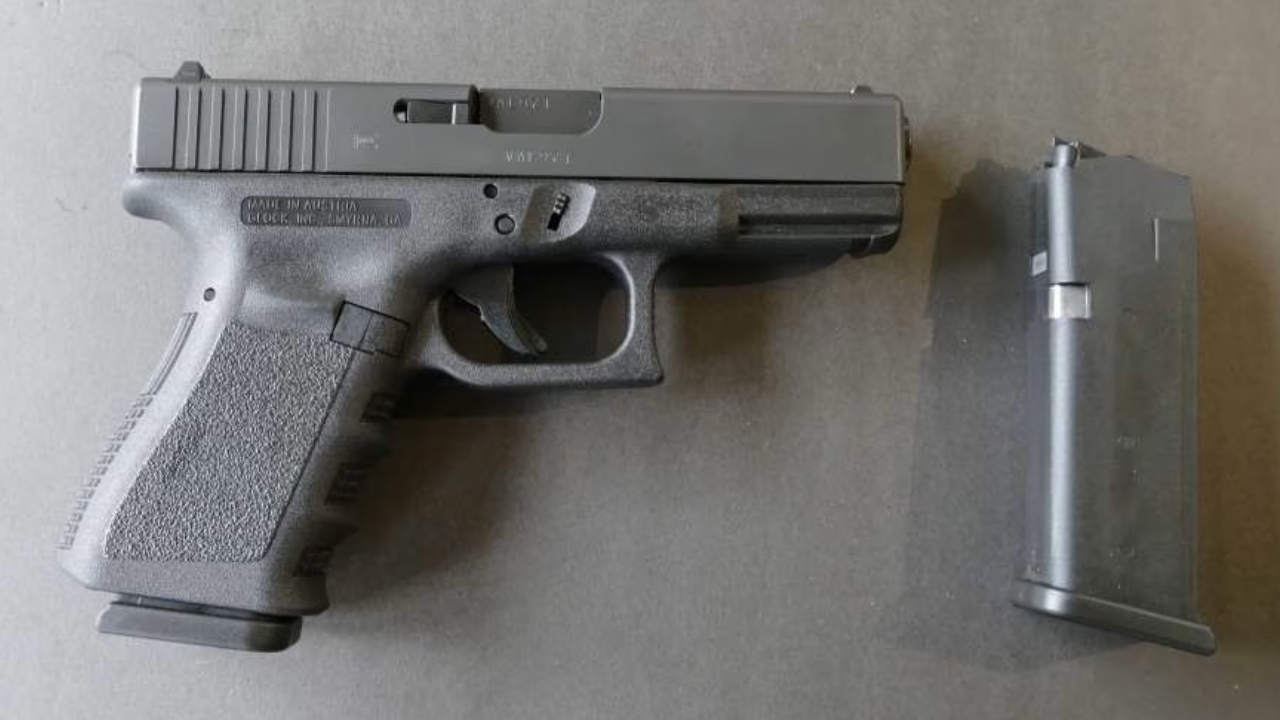
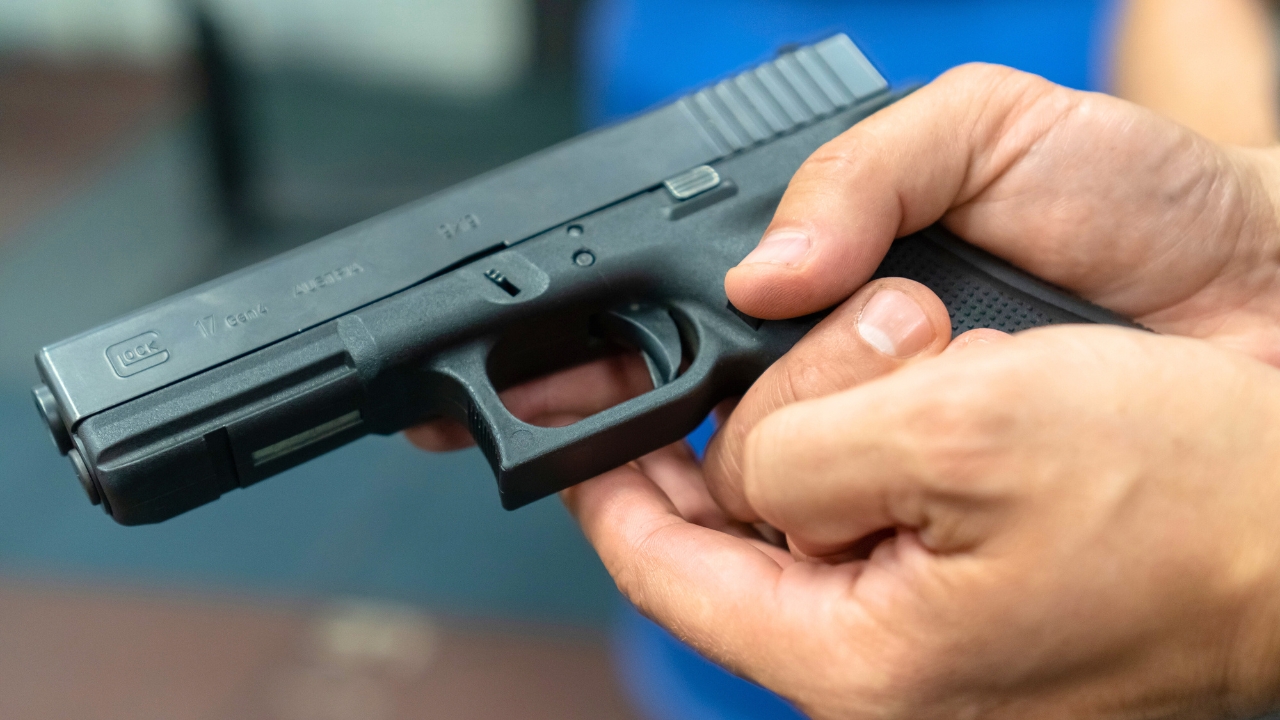
The Glock 19 is a workhorse, but it’s also one of the most common pistols to expose slide-stop riding. With a modern thumbs-forward grip, a lot of shooters park their support-hand thumb right on the lever without realizing it. Then they wonder why the slide won’t lock back. The gun isn’t broken—you’re controlling the lever.
The annoying part is it can be inconsistent. One magazine locks back, the next doesn’t, depending on pressure and hand position. The fix is easy: adjust thumb placement and verify lock-back during practice. If you run the 19 hard, you should know exactly where your support thumb lives and whether it’s touching that lever.
Glock 17

Same story as the 19, sometimes worse because people often drive a more aggressive grip on a full-size gun and really plant that support-hand thumb. Under recoil, the thumb pressure shifts, and suddenly lock-back becomes random. That drives people crazy, especially during training classes where lock-back is part of the drill flow.
The 17 runs fine. It’s just set up in a way where a high grip can ride the lever. If you shoot Glocks, this is one of the first “self-checks” you should do anytime lock-back gets weird: look at your thumb, not your springs.
Glock 45

The 45 is basically a full-size grip with a compact slide, and that full-size grip gives people room to really drive their support-hand thumb forward. If you’re used to using a high grip and you clamp hard, it’s easy to rest on the slide stop without noticing. Then you get the same issue: no lock-back, or inconsistent lock-back, and you start blaming magazines.
The fix is the same across most striker guns: adjust thumb position and repeat the same grip every time. A lot of shooters “float” their support-hand thumb slightly higher so it’s not pressing down on the lever. Once you correct it, the problem usually disappears.
Smith & Wesson M&P 2.0 Compact

M&P slide stops are placed in a way that modern grips can ride them, especially if you have larger hands or you really drive the support thumb forward. Many shooters see inconsistent lock-back and think the gun is failing. Most of the time, it’s the grip. That’s why you’ll see instructors immediately watch your hands when you complain about lock-back on an M&P.
The M&P can also encourage a very high, tight grip because it feels good in the hand. That’s a plus—until your thumb is now the reason the slide won’t lock. If you run an M&P, check lock-back with your normal grip and then with a consciously lowered thumb. You’ll learn fast what’s happening.
CZ P-10 C

The P-10 C is a great shooter, but the lever and frame shape can put your support-hand thumb in the perfect spot to interfere. Some shooters ride it without any clue until they’re doing reload drills and the slide doesn’t lock back. That’s when they start thinking it’s a mag spring issue or follower issue.
Usually, it’s you. The P-10 grip shape makes a lot of people drive the gun hard, and that pushes thumbs into places that cause problems. The fix is simple: get your support thumb slightly higher or slightly more forward without pressing down. Once you dial it in, the gun behaves.
HK P30

The P30 is extremely ergonomic, which can be the problem. People grip it aggressively and naturally plant the support-hand thumb near the lever. Depending on the variant and your grip style, you can create lock-back issues by pressure on the slide stop. It’s not rare for shooters to think something is wrong with the gun when it’s just thumb placement.
HK controls also feel different if you’re switching platforms a lot. That’s where inconsistency creeps in. If your grip changes across reps, your thumb pressure changes too. If you carry a P30, practice with the exact grip you use under stress and verify lock-back intentionally until you know you’re not riding the lever.
SIG Sauer P229

The P229 is a tank, but the slide stop location can absolutely get ridden by a high-thumb grip—especially for shooters coming from 1911-style technique who keep thumbs high and forward. You’ll see inconsistent lock-back and sometimes a general “why does this feel off during reloads” issue because your thumb is interacting with the lever.
This is one of those guns where a small grip tweak solves a “mystery” problem. If your P229 isn’t locking back, don’t start with parts. Start with watching your support thumb during recoil. Many shooters fix it in one range session just by changing where that thumb rests.
SIG Sauer SP2022

The SP2022 is an underrated pistol, but the controls and frame shape can still create thumb interference with the slide stop for some shooters. It’s not universal, but it shows up enough that shooters who run a high grip sometimes get inconsistent lock-back and assume it’s the gun being “finicky.” In reality, the gun is just honest about your hand position.
If you own one, do a quick test: shoot a few magazines with your normal grip, then shoot a few with your support thumb deliberately lifted off the lever area. If lock-back becomes consistent, you’ve found the issue. That’s the fastest way to diagnose this problem without guessing.
FNX-45 Tactical

Big .45s encourage a lot of “hang on tight,” and the FNX-45 Tactical has a control layout that can get ridden with certain grip styles. The gun is large, so people often drive their support hand high and forward to control muzzle movement. That’s exactly the recipe for thumb-on-lever problems. Then the slide won’t lock, and now you’re diagnosing the wrong thing.
This is especially common when shooters add an optic and change their grip slightly without realizing it. Any grip change can move your thumb onto the lever. If you run an FNX, be deliberate: build a grip that controls recoil without leaning on the slide stop.
IWI Masada

The Masada is comfortable and points naturally, and that can lead shooters into a high, aggressive grip. Depending on hand size, it’s possible to ride the slide stop enough to affect lock-back. It won’t happen to everyone, but it’s common enough that it shows up in training when people start pushing speed and consistency.
The Masada is also a pistol people often shoot alongside other platforms. Mixing platforms is where thumb placement gets sloppy. If you carry it, spend enough reps on it alone that your grip becomes automatic. That’s how you avoid the “only fails when I’m going fast” problem.
Springfield Echelon

The Echelon is modern, flat shooting, and easy to grip aggressively. That aggressive grip is where slide stop riding shows up. Some shooters end up with lock-back inconsistency because their support-hand thumb is parked right where it shouldn’t be. It’s not always obvious because the gun still runs—until the end of the magazine, when it doesn’t lock back.
This is a training issue, not a gear issue. If you run an Echelon, build your grip so your thumb is controlling the gun, not the lever. Confirm lock-back during practice and don’t assume your grip is “fine” because it feels strong.
Walther PPQ

PPQs are ergonomic and fast, but the slide stop area can still get ridden depending on your hand position and how you drive your support thumb. Some shooters see inconsistent lock-back and blame mags. In reality, it’s the high grip and thumb pressure. Walthers encourage confident gripping because they feel good in the hand—and that’s exactly when you can accidentally interfere with controls.
If you run a PPQ hard, don’t ignore this. Lock-back matters for consistent reload flow and for diagnosing empty gun status under stress. Fixing thumb placement now saves you a lot of confusion later.
Canik METE SF

Caniks are popular and shoot well, and the METE SF can absolutely expose slide stop riding for shooters with aggressive grips. The lever is accessible, and modern technique puts thumbs in that neighborhood. Under recoil, pressure shifts, and suddenly lock-back becomes inconsistent. This often shows up during class drills where you’re tired and your grip starts drifting.
The best fix is making your grip repeatable and verifying that your support thumb isn’t pressing down. Don’t just “try harder” with grip strength—that can make it worse. You want control without interfering with the lever. Once you dial that in, the gun behaves.
Ruger American Pistol

The Ruger American can run well, but its control layout can be less forgiving with a high-thumb grip. Some shooters ride the lever without realizing it, especially if they’re coming from other guns and their hand placement isn’t consistent. Then they get the classic symptom: “It doesn’t lock back” or “It locks back sometimes.”
If you shoot it a lot, you can train around it quickly. The problem is many owners don’t run enough reps to find the issue until it matters. If it’s your gun, test it under speed, confirm lock-back, and build a thumb position that stays the same every time.
Shadow Systems MR920

MR920-style Glock-pattern pistols are excellent, but they still live in Glock land: slide stop riding is a real possibility with modern grips. The frame geometry and shooter technique often put the support thumb right where the lever lives. If you’re driving hard and your hands are bigger, you can create inconsistent lock-back and chase your tail thinking you need different mags.
The fix is the same as on a Glock: move the thumb. Confirm with controlled testing and don’t assume it’s a hardware problem first. These guns are built for serious use, but your grip still decides whether the slide stop gets to do its job.
Like The Avid Outdoorsman’s content? Be sure to follow us.
Here’s more from us: