Photo credit: Hop/YouTube
Some pistols genuinely do smooth out after a few hundred rounds. Springs settle, friction points polish, and things start feeding and ejecting more consistently. The problem is when a gun gets labeled “break-in required” and what that really means is tight tolerances + picky mags + sensitive timing… and it never becomes the boring, reliable tool you wanted. You end up doing the same routine forever: specific ammo, specific mags, constant cleaning, and still getting random failures you can’t predict.
Here are 15 pistols that have a reputation for being the kind of “break-in” gun that too often stays a “break-in” gun.
Kimber Ultra Carry II

Short 1911s are already less forgiving, and the Ultra Carry II is a classic example of why. Many owners report that the gun can be picky about magazines, extractor tension, and ammo shape, and “just shoot it more” doesn’t always fix those timing quirks. You’ll hear the same story a lot: it improves a bit, then the malfunctions come back the moment you change ammo or the gun gets slightly dirty.
The frustrating part is that you can absolutely get a good one. But if you get a fussy one, you can waste months chasing springs, mags, and minor tuning—only to end up with a pistol that still isn’t boring. A carry gun needs to be boring. If the “break-in” never ends, it’s telling you something.
Kimber Pro Carry II

Same family, same theme: some run great, some stay finicky. People often buy these expecting a “nice 1911” and then find out the gun is sensitive to magazines and extractor setup, especially when it’s compact-ish. The “break-in period” becomes an excuse for inconsistent performance, and the owner ends up diagnosing more than training.
If you want a 1911 that lives as a carry gun, it needs to be dependable across reasonable ammo and normal maintenance intervals. If your Pro Carry only runs one specific mag and one specific load, that’s not a break-in issue anymore. That’s a system that never truly stabilized.
Springfield 1911 Micro Compact
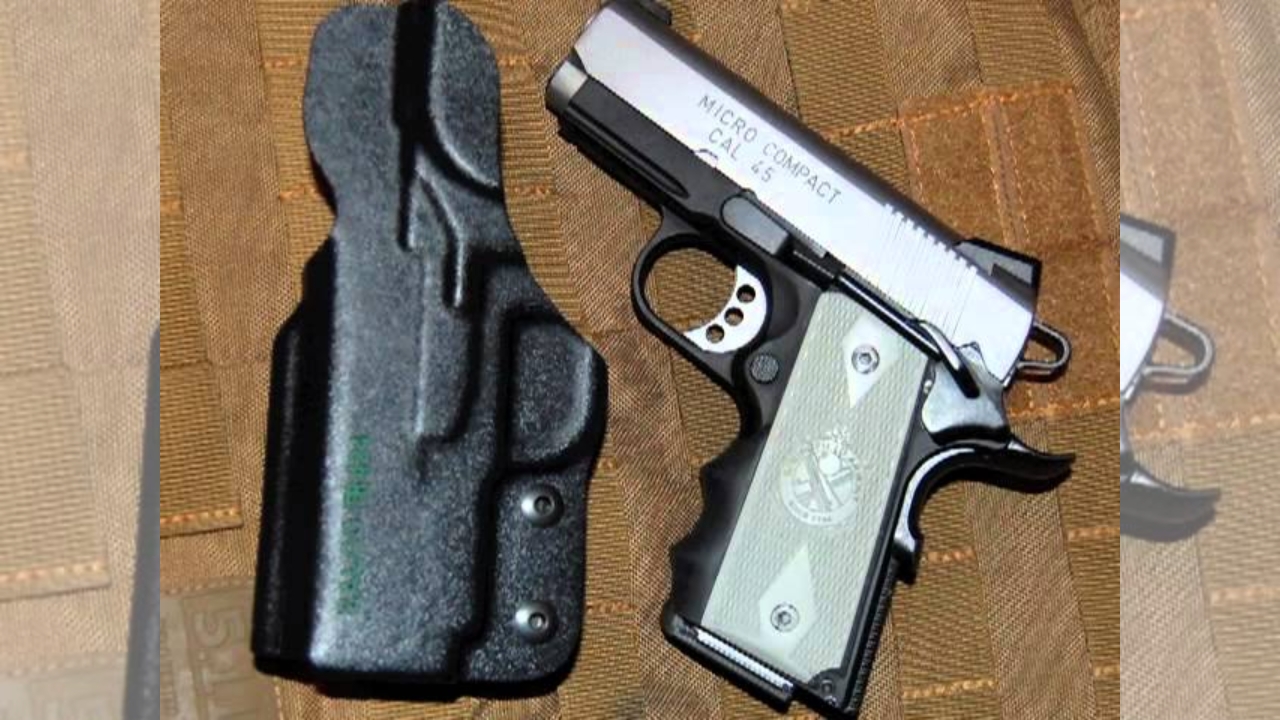
Micro 1911s can be brutally sensitive to timing, and Springfield’s micro-size 1911s have had plenty of owners who swear the gun was “almost there” but never became consistent. It’s the short-slide problem: less slide travel, faster cycle, tighter margin. The gun can run well… or it can stay in that annoying zone where it functions most of the time and fails just enough to ruin trust.
That’s the worst kind of reliability. If you can’t predict it, you can’t build confidence. People will put 500 rounds through it, say it’s improving, then have it choke on a random mag in the next session. That’s what “never really gets there” looks like.
Para-Ordnance Warthog
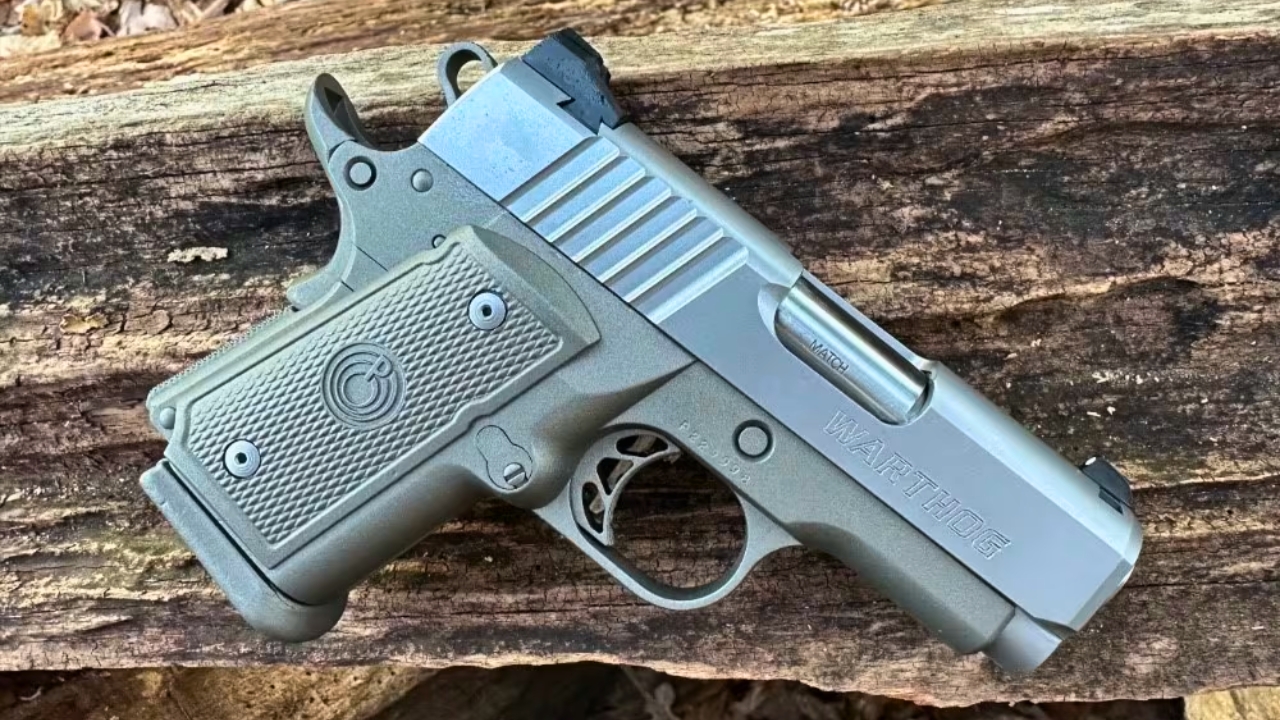
The Warthog is a cool idea—compact .45 capacity in a 1911-ish package—but it’s one of those pistols that can live in tuning-land. Owners often report sensitivity to magazines, feed geometry, and general timing. You can get it to run with the right combo, but the “right combo” can feel like a moving target.
A gun like this can be fun if you enjoy tinkering. As a carry gun, it’s a problem if reliability depends on everything being perfect. If you’re constantly trying new mags, new springs, or new ammo to “finish the break-in,” you’re doing work the pistol should have done already.
Remington R51
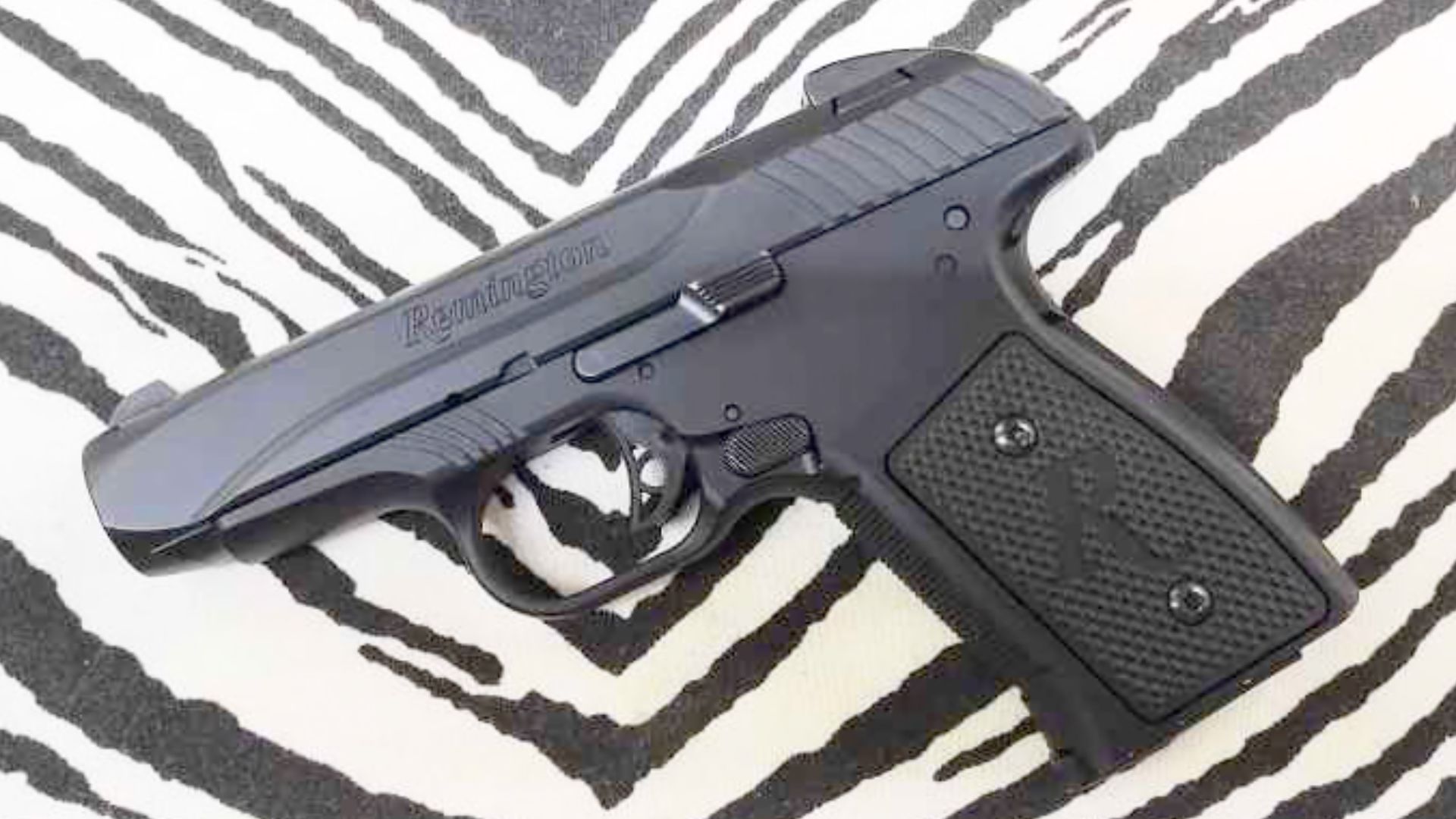
The R51 is famous for being a gun people wanted to love and then learned the hard way. Many examples showed reliability issues that didn’t magically disappear with break-in. Feeding problems, inconsistent cycling, and general “this is not behaving like a modern carry pistol” experiences are common in owner reports over the years.
This is one of those pistols where “break it in” often turns into “maybe it’ll behave if I do X.” If a pistol demands special care just to run normally, it’s not a stable system. It might improve, but a lot of owners never reach the level of boring dependability you want for carry.
AMT Backup (9mm / .45 variants)

AMT Backups are interesting, and some can run, but many are the definition of a pistol that never settles down. Older design quirks, aging springs, magazine variability, and rough internal geometry can make “break-in” meaningless. You can polish and tune and test…and still end up with intermittent problems that show up whenever the gun feels like it.
The other issue is parts and support. If something is off, it’s not always easy to source the right fix. That turns ownership into a project. If you want a dependable carry gun, an older “project pistol” usually isn’t the smart move—no matter how cool it looks.
Walther CCP

The CCP can be a smooth shooter when it’s running, but plenty of owners have found it to be sensitive to ammo and cleanliness in a way that doesn’t go away with “break-in.” You can shoot it more, and sure, some friction points smooth out. But if the gun remains picky about low-powered ammo or starts acting up as it gets dirty, that’s not break-in. That’s the platform demanding a level of care many shooters don’t want in a carry gun.
The worst part is inconsistency. It might run fine for a while and then have a bad day. That’s what kills trust. A carry pistol doesn’t get to have “bad days.”
Taurus PT111 G2 (early runs variability)

The G2 family has tons of owners and plenty of guns that run fine. The issue is variability—some examples never really settle into consistent reliability, especially if magazines aren’t great or if the gun is sensitive to certain ammo profiles. People will call it break-in, because they want it to be break-in. But sometimes it’s just a gun that’s always going to be a little unpredictable.
If you’re lucky, you get one that runs and stays running. If you’re not, you’ll spend time chasing “maybe it’s the ammo,” “maybe it’s the mags,” “maybe it needs more rounds.” If it never becomes boring, don’t keep pretending it will.
SCCY CPX-2

Same story as other budget carry guns: some run, some don’t, and the ones that don’t often live in “break-in” limbo. Owners will report failures early, then partial improvement, then random issues that return. That’s the worst pattern because it makes you think you’re one more tweak away from perfect.
If you’re always diagnosing, you’re not training. SCCYs can be serviceable, but if your example is one of the finicky ones, break-in won’t transform it into a duty-grade tool. At some point you have to call it what it is: not dependable enough for what you want.
Diamondback DB380

DB380s can be very hit or miss depending on the individual gun. The finicky ones don’t just “break in.” They continue to show feeding and extraction issues that make you question whether you can trust it as anything more than a deep carry “maybe” gun. The short cycle and small mass means the gun has less tolerance for weak ammo, dirty conditions, or imperfect magazine performance.
A lot of owners go down the rabbit hole—polish this, swap that, test ammo. If a pistol needs that much effort to behave, it’s telling you it’s not stable. Break-in doesn’t cure design margins.
Ruger LCP II (some examples picky early, some stay picky)

Most LCP IIs are solid, but some owners report early feeding quirks that don’t fully disappear—especially with certain ammo shapes and certain magazines. With tiny .380s, you don’t have a lot of extra slide energy to work with. If the timing is marginal, “break-in” helps a little but doesn’t always fix the underlying sensitivity.
If your LCP II only runs certain ammo or starts getting weird as it gets dirty, that’s not a break-in phase—you’re just living on tight margins. For a gun that’s supposed to be a pocket workhorse, picky behavior gets old fast.
Kahr PM9 (the “200 round break-in” expectation)

Kahr famously talks about break-in, and some Kahrs do smooth out. The issue is when a PM9 stays sensitive even after the recommended round count—still picky about ammo, still showing intermittent failures, still needing a level of maintenance and lubrication that feels excessive for a carry gun. When they’re right, they’re great. When they’re not, they can live in “almost” forever.
The frustrating part is that owners often keep chasing the promise: “It just needs more rounds.” If the gun still isn’t boring after you’ve done the process, it’s time to stop pretending the next box will magically fix it.
Kahr PM40

PM40 is the same Kahr story with less margin, because .40 in a small platform is harder to tune. Some owners see improvement with break-in. Others never get consistent reliability. The gun can be sensitive to grip, ammo, and spring condition, and when those variables stack up, you end up chasing issues instead of training.
A carry pistol should not require you to be a hobby gunsmith. If your PM40 still isn’t consistent after real use and maintenance, the odds are you’re not going to “break-in” your way out of it.
SIG Sauer P238 (some examples magazine/ammo finicky)

Many P238s run great. But some can be fussy about magazine condition, ammo shape, and spring timing, and those issues don’t always vanish with break-in. Small .380 1911-ish guns have the same short-cycle reality: less margin. If you get a finicky one, it can improve a bit and still remain picky enough to be annoying.
When a pistol is “reliable… if,” it’s not actually reliable. If your P238 needs one specific mag and one specific load to behave, break-in isn’t the issue. You’re dealing with a system that never became tolerant enough for real-world carry conditions.
Rock Island Armory 1911 (tight examples that stay tight)

Some RIAs are great values. Some are tight enough that people assume they just need break-in. Sometimes that’s true. Sometimes you end up with a gun that remains stiff, sensitive, and inconsistent unless it’s kept very clean and very well-lubed. That’s not what most people want from a working pistol.
A tight 1911 can be accurate. It can also be less forgiving. If your “break-in” never ends, you’ve basically bought a gun that demands more attention than your average shooter wants to give. For a range toy, fine. For a carry tool, that gets old.
Like The Avid Outdoorsman’s content? Be sure to follow us.
Here’s more from us: