Photo credit: Gun Sam Revolver Ballistics/YouTube
Some calibers sound promising when you read the box or hear someone at the range brag about them. But once you actually start shooting them, the downsides show up fast. Excessive blast, oddball ammo availability, poor terminal performance, and unforgiving recoil all create situations where the caliber causes more trouble than it solves.
Whether you’re hunting, carrying, or just trying to shoot consistently, certain rounds introduce quirks that turn into real problems in the field. When a cartridge makes shooting harder instead of easier, you eventually move on. These are the calibers that tend to create more headaches than benefits.
.17 HM2
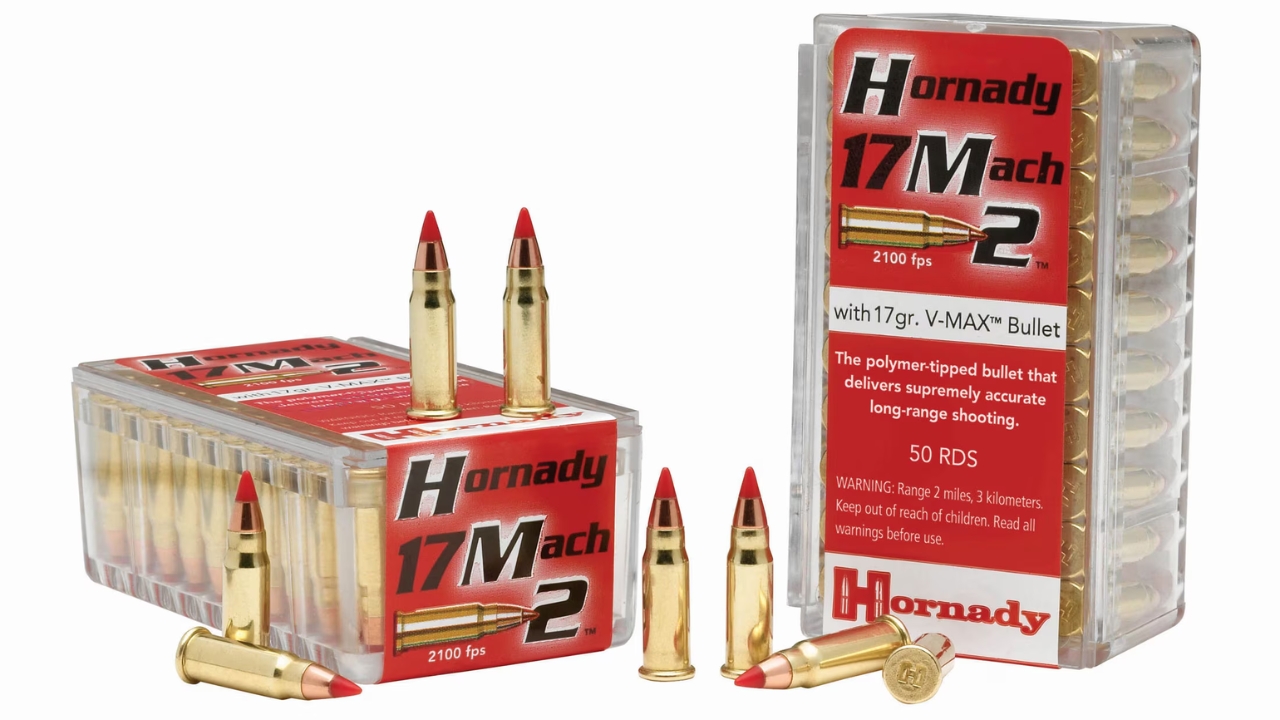
The .17 HM2 is accurate and fun in perfect conditions, but it’s known for being extremely sensitive to ammo variations, chamber cleanliness, and temperature swings. Semi-autos often struggle with cycling, and even bolt guns can show sudden inconsistencies once fouling builds up. Many shooters love the idea of a faster .22 LR, but the reality is a cartridge that demands constant attention. Wind drift is also a problem, and at distance the light bullets lose stability quickly. For a round intended to make small-game shooting easier, it introduces more unpredictable variables than most people want to manage.
.22 Winchester Magnum Rimfire (.22 WRF)
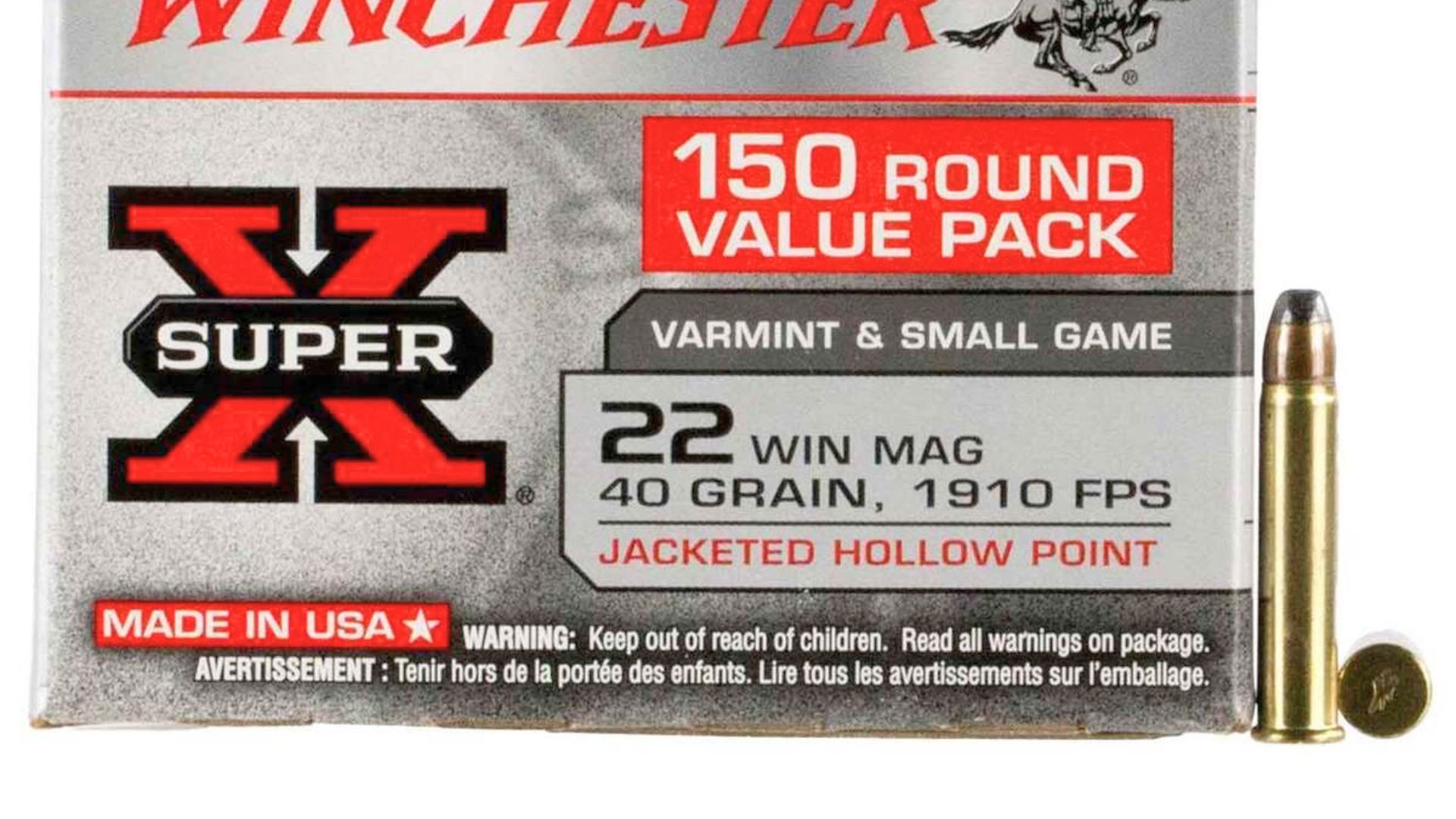
The .22 WRF sits in an awkward middle ground—too niche to be widely stocked, too underpowered to offer meaningful advantages over .22 WMR. Many shooters who pick it up quickly realize the ammo is hard to find, expensive when available, and inconsistent across manufacturers. It also can’t be fired safely in rifles chambered for .22 WMR, limiting rifle options. While it has historical charm, it doesn’t bring anything modern shooters need. Most people who try it end up frustrated by limited performance and limited availability.
.25 ACP

The .25 ACP was once marketed as a step above .22 LR for pocket pistols, but today it offers little real-world benefit. The tiny bullet lacks meaningful penetration, and accuracy tends to fall off quickly due to the short barrels it’s fired from. Ammo is expensive, inconsistent, and rarely improved by modern loads. Many shooters who experiment with .25 ACP find that recoil isn’t softer than .22 LR, yet performance is worse than nearly every centerfire alternative. For most purposes, it creates more limitations than solutions.
.30 Carbine (in handguns)

The .30 Carbine shines in an M1 carbine, but in handguns it becomes loud, hard recoiling, and surprisingly inconsistent. The powder charge was designed for a much longer barrel, so most of that energy becomes flash and blast instead of velocity. Shooters often complain about erratic ejection and spotty accuracy out of revolvers and pistols chambered for it. While it’s an interesting experiment, it doesn’t offer the clean performance you’d expect for carry or field use. The downsides far outweigh any novelty factor.
5.45×39 Surplus Loads
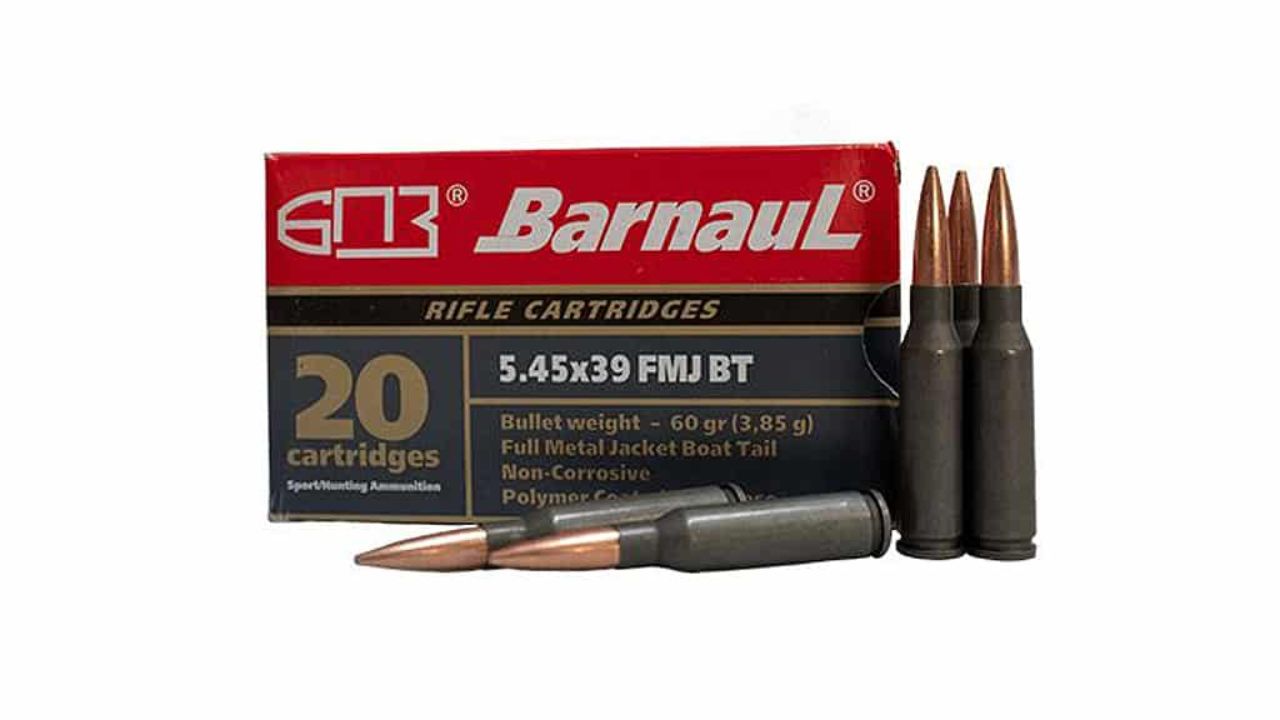
The 5.45×39 round itself isn’t bad, but many shooters rely on corrosive surplus ammunition that creates more problems than it’s worth. Strict cleaning is mandatory, and missed residue can damage rifles quickly. Some AK variants have inconsistent chamber support, making the round more finicky than 7.62×39. Even modern ammo options are limited, and price fluctuations make it unpredictable to shoot long-term. For anyone wanting a simple, low-maintenance rifle setup, 5.45 often introduces needless complications.
.357 SIG

The .357 SIG delivers fast, flat performance, but that bottle-neck design can be tough on pistols. Feeding ramps must be tuned perfectly, recoil springs wear quickly, and premature parts fatigue isn’t uncommon. Ammo availability also swings wildly, and prices stay high. Shooters who test it often like the ballistics but soon realize the upkeep and cost don’t justify the modest performance gains over modern 9mm loads. It solves a problem most shooters don’t have.
10mm Lite Loads / Downloaded Ammo
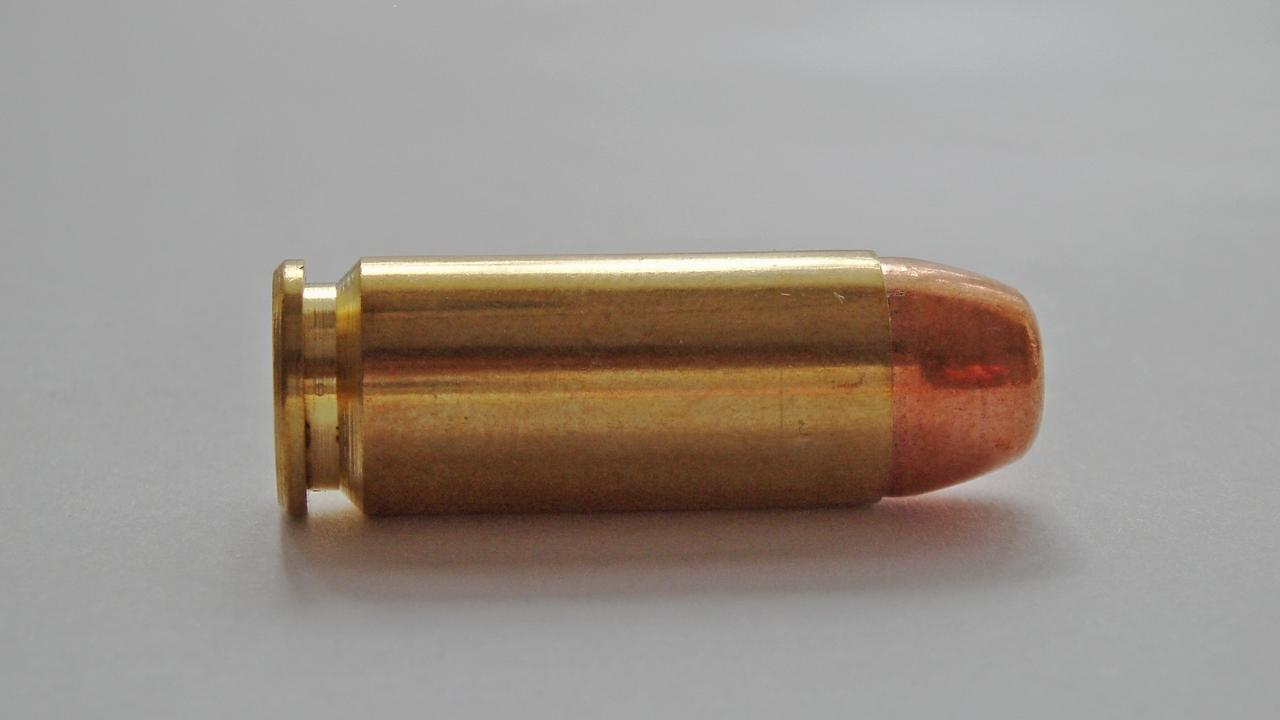
The 10mm Auto is excellent when loaded properly, but many commercial loads are watered down to near .40 S&W levels. This leaves shooters with more recoil than the performance warrants and inconsistent reliability across platforms. Some pistols run full-power loads but choke on light ones, while others do the opposite. That inconsistency creates confusion and frustration. Without a clear standard, 10mm becomes a cartridge that demands constant testing to find what works.
.38 Short Colt
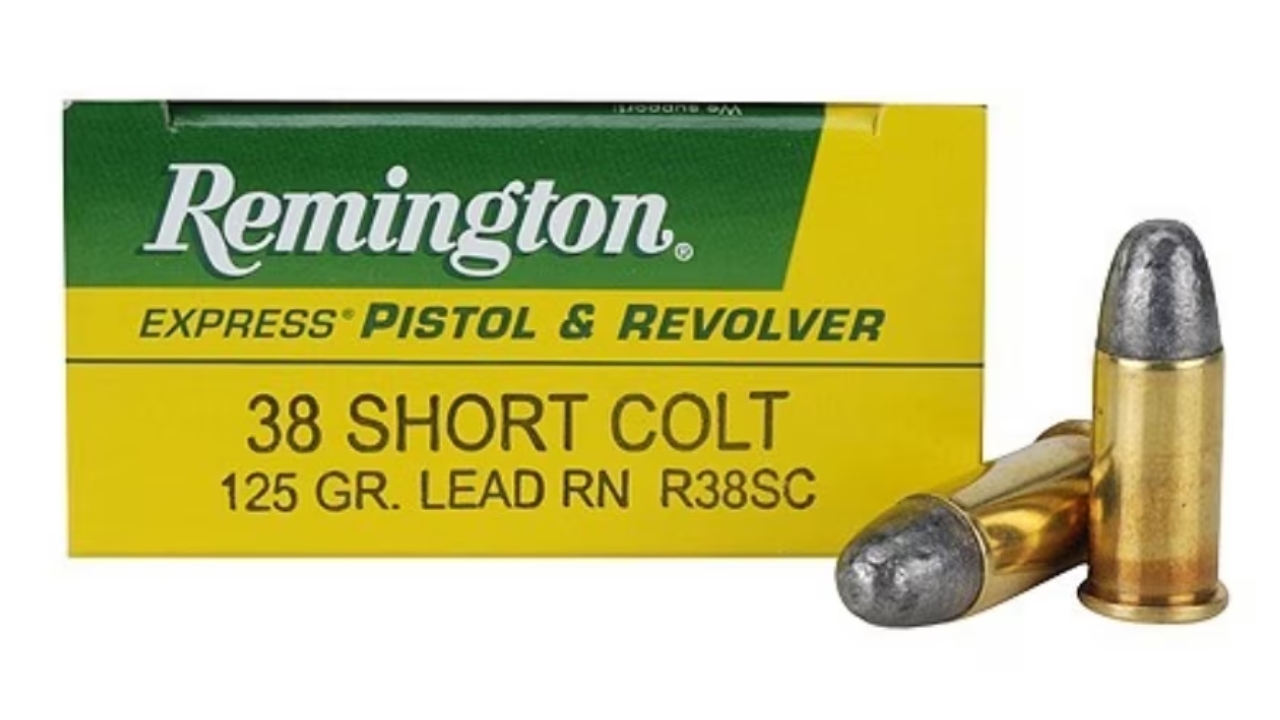
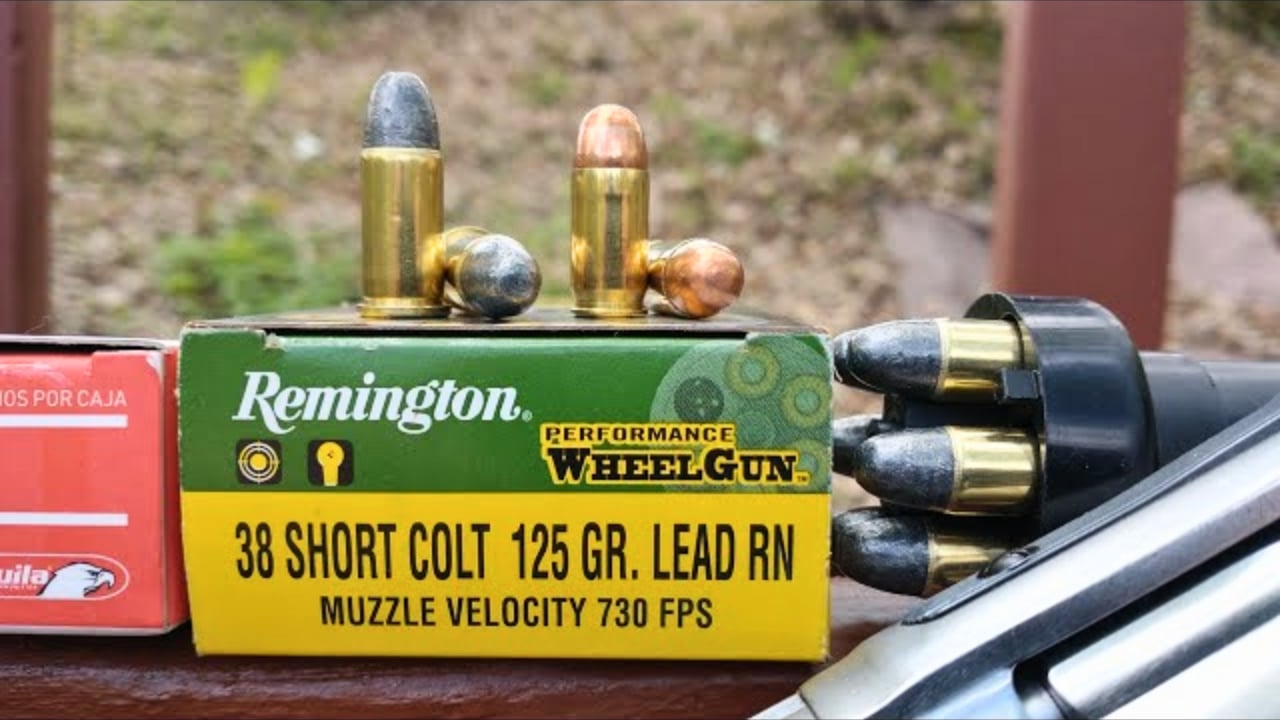
Fun for competition shooters using modified revolvers, the .38 Short Colt doesn’t offer practical advantages for most people. It’s expensive, hard to find, and often delivers inconsistent velocities. Many revolvers don’t handle the shorter case well, leading to carbon rings and reliability issues when switching back to longer cartridges. Unless you’re deep into action shooting, the cartridge introduces more maintenance challenges than meaningful benefits.
.44-40 Winchester

The .44-40 is historically significant, but it can be frustrating for modern shooters. Thin case walls make reloading difficult, and even factory ammo can produce blow-by that dirties actions quickly. Chamber dimensions vary widely across rifles and revolvers, sometimes leading to poor accuracy and extraction issues. While it’s fun in cowboy-action contexts, anyone looking for a practical field round quickly learns it often requires more fuss than it’s worth.
7.62×25 Tokarev
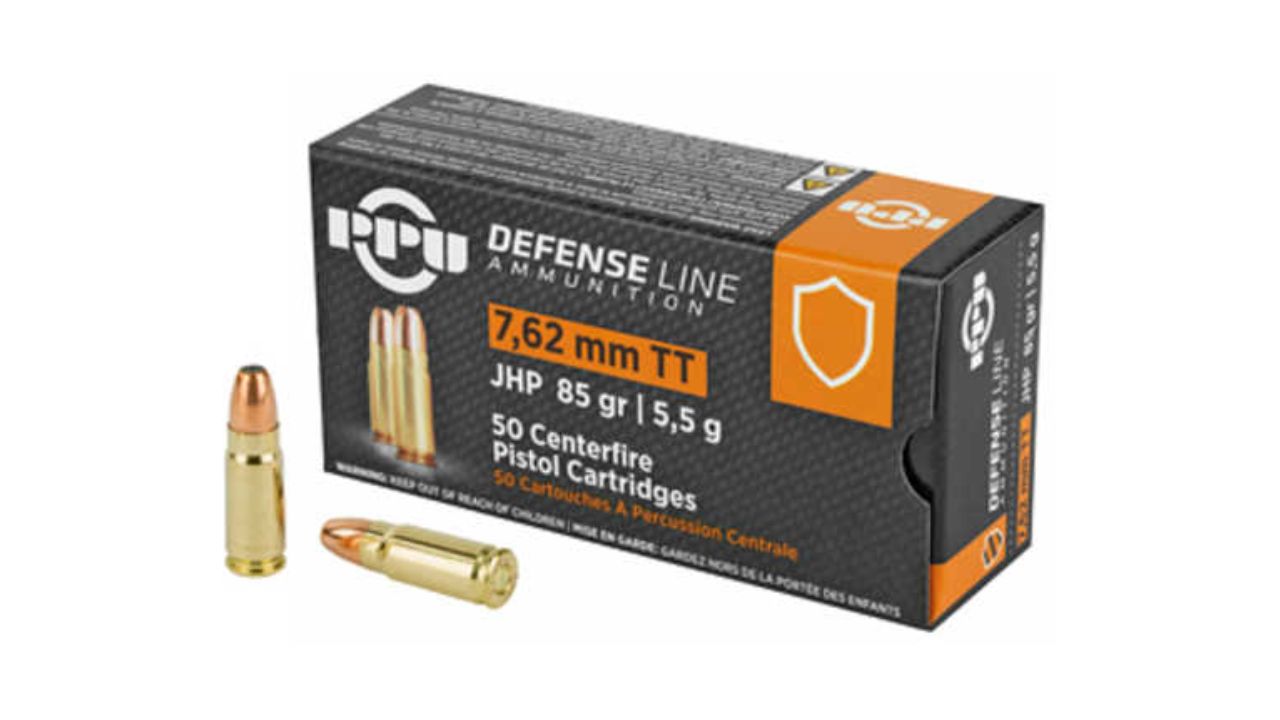
The Tokarev round is fast and flat-shooting, but it also brings extreme muzzle blast, unpredictable surplus ammo quality, and hard recoil in lightweight pistols. Many surplus firearms chambered for it have worn chambers or loose tolerances, which can lead to abrupt reliability swings. Modern loads are expensive and inconsistent. Shooters often enjoy it for novelty but tire of the blast and difficulty sourcing trustworthy ammunition.
.41 Action Express

The .41 AE attempted to bring big-bore performance to 9mm-sized pistols, but magazine and feeding geometry caused persistent inconsistencies. Finding ammo today is difficult and expensive, and even during its heyday, the cartridge struggled with reliability across platforms. Shooters who try it now must chase hard-to-find brass, deal with limited load data, and fight to keep guns running smoothly. It’s an interesting idea that creates more hassle than usable performance.
.32 H&R Magnum

While not a bad round, .32 H&R Magnum sits in an awkward space between .22 Magnum and .327 Federal. Ammo availability is limited, recoil can feel sharper than expected in lightweight revolvers, and terminal performance doesn’t exceed modern .38 Spl loads. Because of that, many shooters end up abandoning it. It’s a cartridge that rides the middle lane without offering enough advantages to justify its quirks.
.410 Shotshell in Handguns
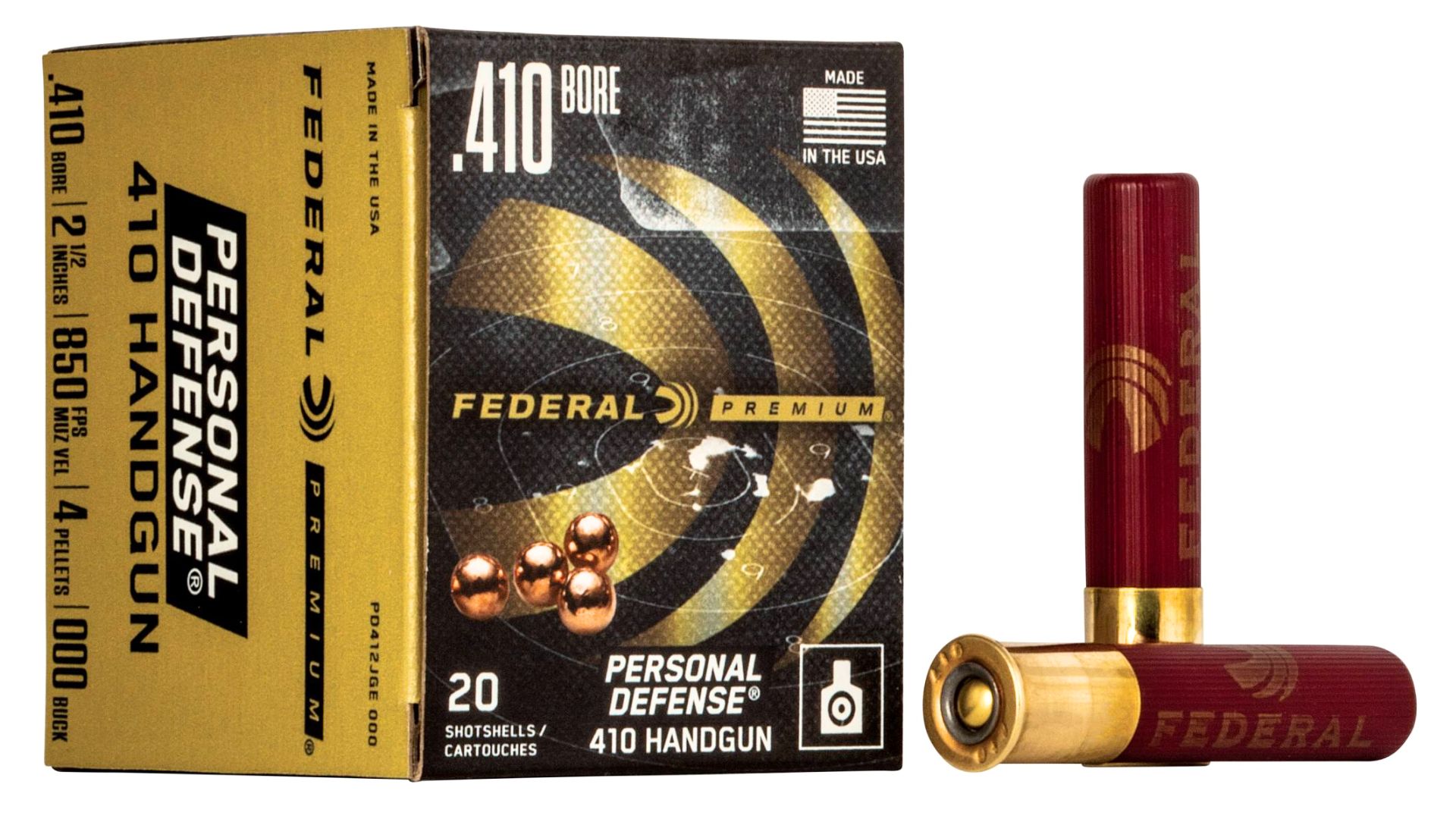
The .410 from a handgun is loud, produces erratic patterns, and delivers questionable penetration. Many loads behave inconsistently depending on barrel length, and recoil can be surprisingly abrupt. Shooters attracted to the “versatility” concept often learn quickly that it’s far less effective than advertised—especially for defensive use. If anything, it’s a round that highlights limitations instead of solving real problems.
5.7×28 (in budget pistols)

The 5.7×28 performs well in well-designed platforms, but budget pistols chambered for it often struggle with feeding consistency and premature slide wear. The round operates at high pressure, and without precise engineering, reliability suffers quickly. Many shooters buy into the promise of low recoil and high velocity, only to discover that ammo cost, barrel wear, and platform sensitivity limit its practicality unless paired with high-quality firearms.
7mm Remington Ultra Magnum

The 7mm RUM is powerful, but it burns barrels extremely quickly and produces recoil that fatigues most shooters. It also demands long actions, heavy rifles, and precise handloading to reach its potential. For many hunters, it complicates the simple task of taking game cleanly. It’s a caliber that promises long-range capability but creates far more logistical challenges than most shooters ever need.
Like The Avid Outdoorsman’s content? Be sure to follow us.
Here’s more from us: