Photo credit: mixup98/YouTube
Some rifles sat around for years because buyers did not think they needed to hurry. They looked too plain, too niche, too old, or too tied to a specific role to feel urgent. That is usually how a lot of regret starts. A hunter or shooter sees one, likes it well enough, and then keeps moving because another one will surely be there next month.
Then shelves start thinning out. The same rifle that once felt easy to pass on suddenly becomes harder to find, more expensive, or both. These are the rifles that seemed easy to ignore until the market made people realize they had been staring at smarter buys than they thought.
Remington 660

The Remington 660 used to feel like one of those odd little carbines that would always be floating around if a buyer ever decided he wanted a compact bolt gun with some personality. It looked handy, sure, but also a little too unusual to feel urgent. A lot of people treated it like a curiosity instead of a rifle worth moving on quickly.
That changed once hunters started appreciating truly handy rifles again. The 660 is short, lively, and much more useful in the field than its old reputation suggested. Once decent examples stopped showing up casually, buyers realized they had been passing on a rifle that made real sense for woods hunting and rough country carry.
Winchester 100
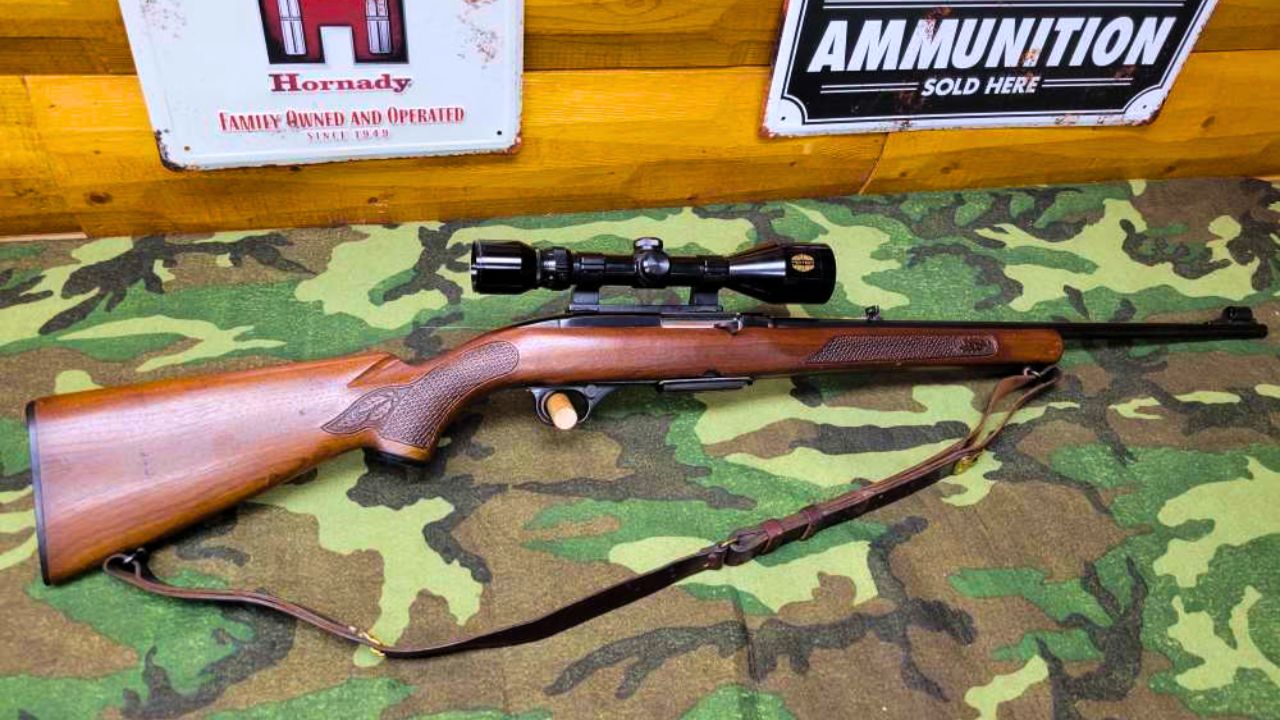
For years, the Winchester 100 sat in that dangerous middle ground where it seemed interesting but never urgent. It was not a classic lever gun, not a bolt-action staple, and not the kind of semiauto rifle people rushed to grab when they saw one. That made it easy to admire, then leave behind for something that felt more obviously desirable.
Then older sporting semiautos started drying up, and the 100 began looking a lot smarter. It has real field manners, a clean profile, and a kind of old-school hunting-rifle charm that stands out more now than it did when racks were fuller. Buyers finally came around, but plenty of them did so after prices already moved.
Ruger Deerfield Carbine
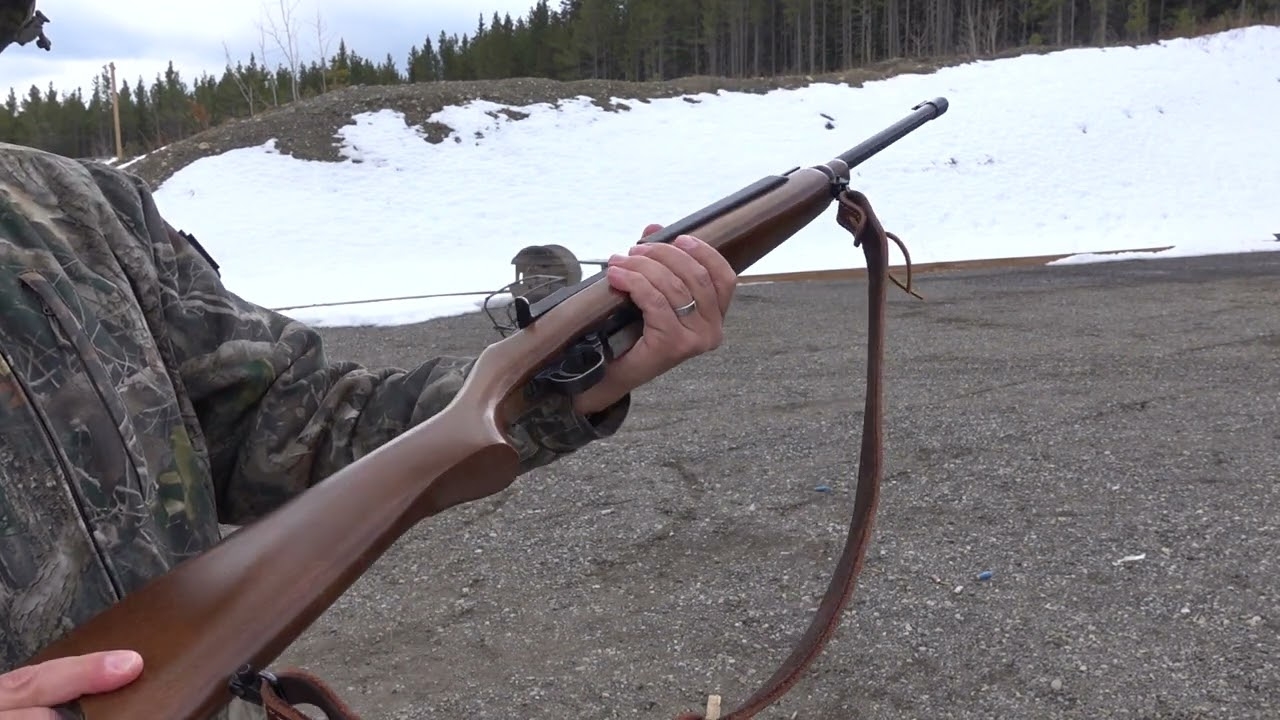
The Ruger Deerfield Carbine was easy to dismiss as a neat little specialty rifle for people with very specific tastes. It never felt like something a buyer had to jump on that day. A lot of shooters assumed they could always circle back later if they ever decided they wanted a short, practical semiauto for close-range deer work.
That later turned ugly. The Deerfield got harder to touch once people realized how much utility and character it packed into that compact package. It carries well, points quickly, and feels different from the sea of more generic rifles. Once shelves got thinner, the same gun that used to seem optional started looking like a missed opportunity.
Savage 340

The Savage 340 was exactly the sort of rifle buyers ignored because it looked too plain to become important. It was a working man’s rifle, not a glamour piece. That kept people relaxed around them. If someone wanted one later, surely another .30-30 or .222 bolt gun would be sitting in another pawn shop or leaning on another gun-show rack.
Then people started noticing how few untouched, honest examples were left. The 340 never became fancy, but it became harder to replace in the kind of condition buyers actually wanted. What once looked like a cheap old bolt gun started looking like a practical piece of American rifle history that had been taken for granted for too long.
Marlin 1894C
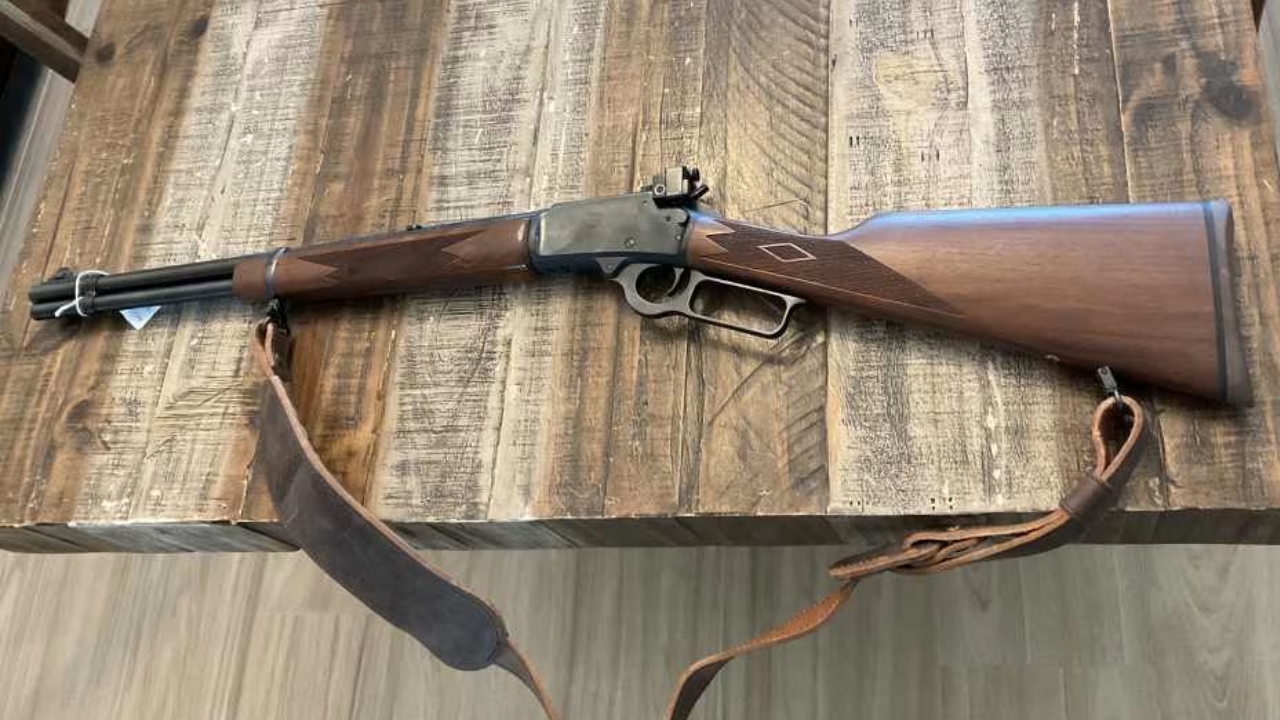
The Marlin 1894C sat quietly in the shadow of louder lever-gun names and bigger-bore hunting talk for a long time. Buyers liked them, but many still treated them like fun little pistol-caliber carbines they could always pick up later if the mood ever struck. That kept urgency low while the market still felt loose.
Then pistol-caliber carbines got hotter, lever guns got scarcer, and buyers started noticing how handy and enjoyable the 1894C really was. The same rifle that once felt like a side purchase began looking like one of the smartest lever guns in the room. By then, shelves were already much less forgiving.
Remington 722

The Remington 722 used to be one of those rifles buyers respected without getting especially excited about. It was accurate, well made, and practical, but it still felt like the less romantic old Remington when flashier or more familiar names were sitting nearby. That made it easy to overlook if you were shopping with your eyes instead of your hands.
Time was good to the 722. Shooters remembered how well they shot, how honest the rifles felt, and how hard it was to find one that had not been messed with. Once enough buyers started looking back at them as more than just “old bolt guns,” the easy supply dried up and the regret started setting in.
Browning BL-22

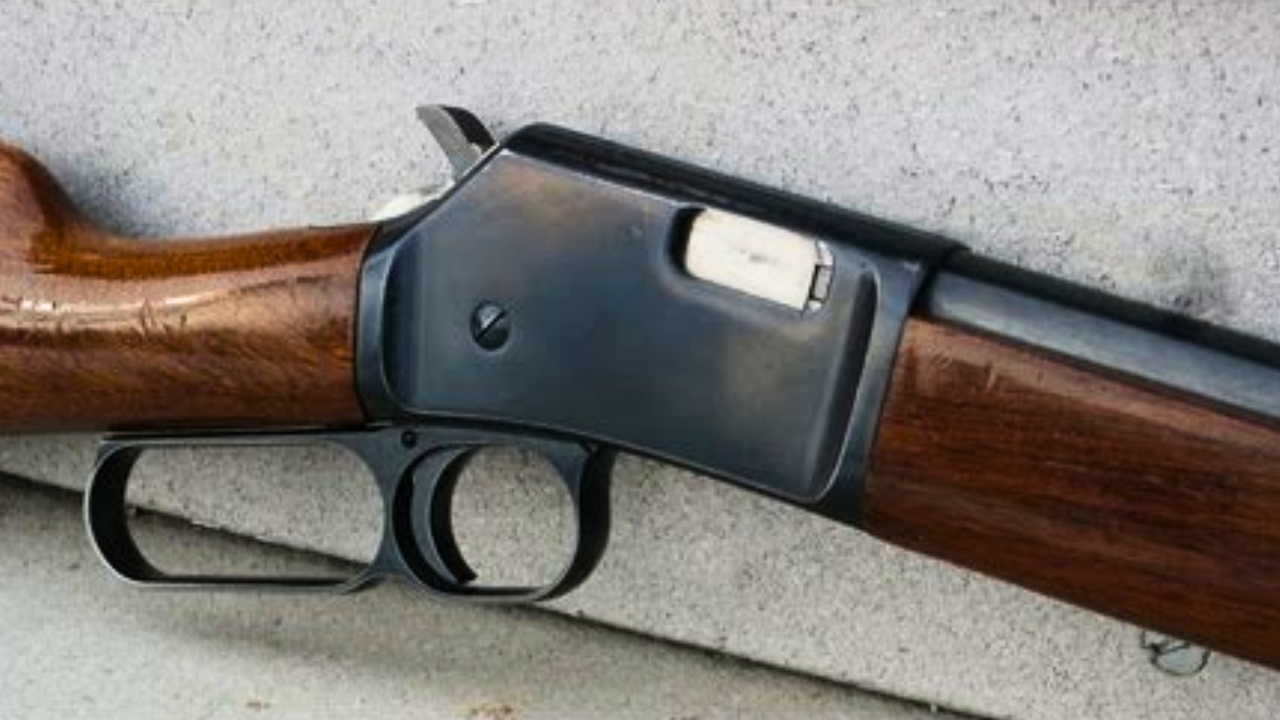
For a long time, the Browning BL-22 was “just” a nice rimfire lever gun to a lot of buyers. That phrase has killed more smart purchases than most people want to admit. Buyers would admire the little Browning, cycle the action, appreciate the quality, and still leave it behind because .22s always seemed easy to buy later.
Then good rimfires stopped feeling disposable. The BL-22 suddenly looked like what it had always been: a very polished, very handy little rifle with more real quality than much of the newer rimfire market. Once people started taking that class of gun more seriously, the shelves quit treating the BL-22 like an afterthought.
Ruger 77/44

The Ruger 77/44 always looked like a rifle for a specific kind of hunter, which made it easy for everybody else to postpone. It felt too specialized to be urgent. Buyers saw a short .44 Magnum bolt rifle and figured they would come back if they ever developed a real need for one. That felt sensible at the time.
Later on, plenty of them figured out what they missed. The 77/44 is compact, easy to carry, and perfectly at home in thick woods or from a truck seat to a deer stand. Once shelves thinned and buyers started chasing practical niche rifles with real field value, the old “I’ll just find one later” logic fell apart fast.
Winchester 190
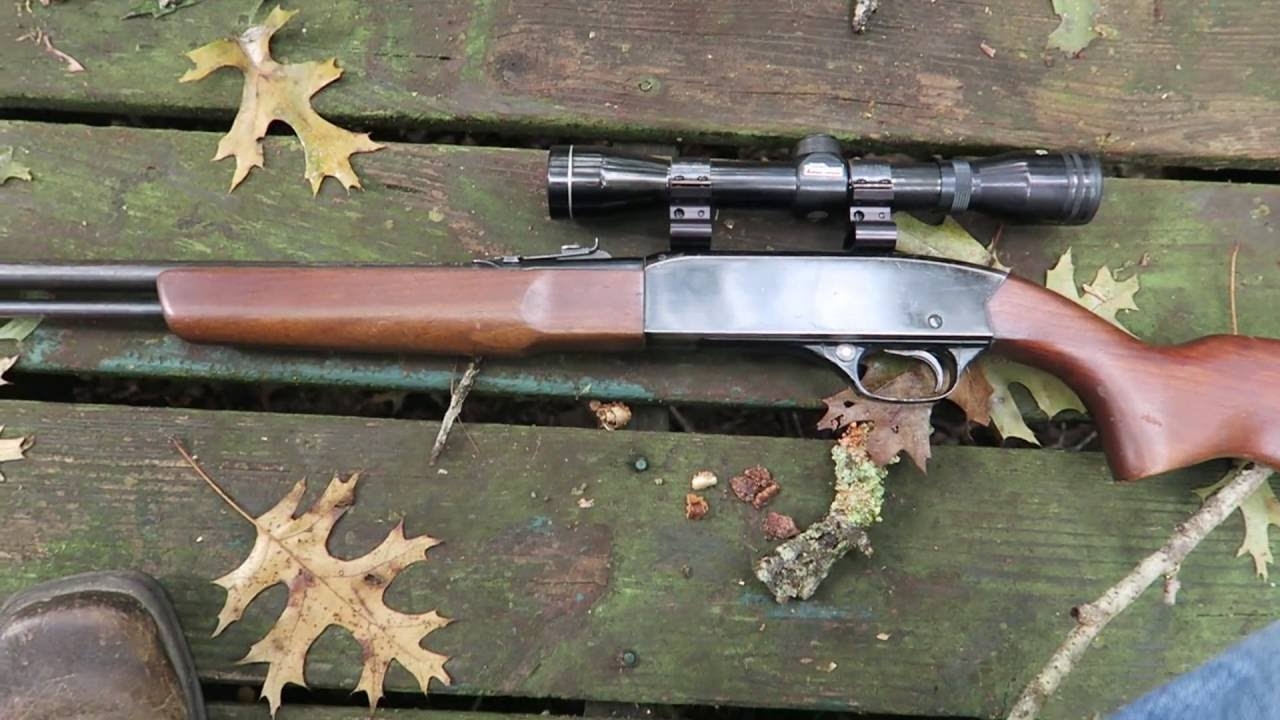
The Winchester 190 spent years being treated like one more ordinary old semiauto .22. It was useful, sure, but not the kind of rimfire most buyers thought they needed to prioritize. That kept a lot of them in the background while people spent money on louder names or more obviously collectible rifles.
That easygoing attitude changed once people started wanting old utility rimfires in clean condition. The 190 began to look less like background stock and more like the kind of simple, honest rifle people should have bought when it was cheap and common. Once the shelves thinned, buyers were forced to admit they had underestimated it.
Mossberg 800A
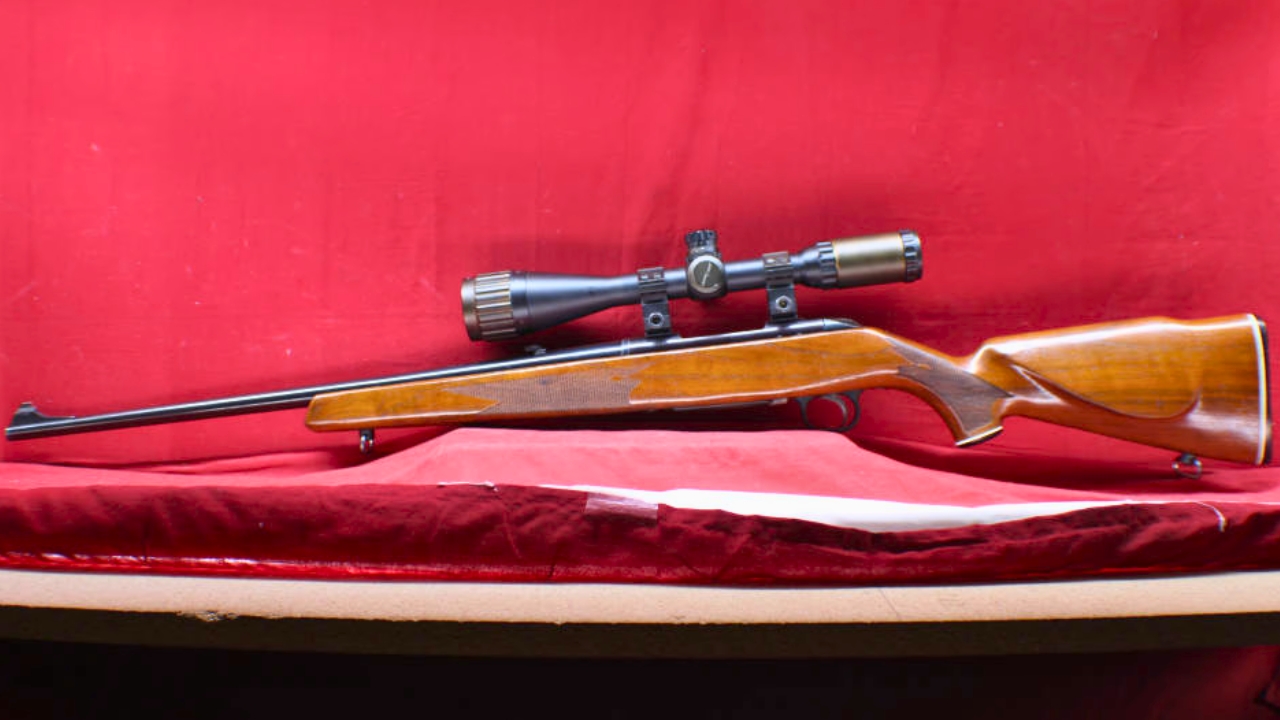
The Mossberg 800A looked too plain to stir much urgency, and that is exactly why people ignored it. It was a practical deer rifle, not a statement rifle. That kept buyers from feeling any pressure to move, even when they liked the feel and liked the price. There would always be another old Mossberg bolt gun somewhere, or so it seemed.
Then the decent ones started disappearing. As more buyers began to appreciate practical old hunting rifles that still felt honest in the field, the 800A got harder to brush off. It never became glamorous, but it became harder to replace, which is often the moment buyers realize they should have grabbed one when the decision was easy.
H&R Ultra Slug Hunter

The H&R Ultra Slug Hunter never looked like a rifle people needed to panic over. It was too purpose-built and too plain to spark much emotional buying. A lot of shooters treated it like the sort of tool they could always come back for if they ever felt like building a dedicated slug setup later. That later got complicated.
Once hunters started remembering just how effective these rifles were in the role they were built for, the easy inventory began to dry up. The Ultra Slug Hunter was never trying to be broad or glamorous. It was trying to be brutally effective in a very specific lane, and once enough buyers woke up to that, the shelves got much thinner.
Remington 552 Speedmaster

The Remington 552 Speedmaster sat around for years as a rifle many people liked but too few prioritized. It was smooth, useful, and familiar, but it lived in a rimfire world full of louder favorites. That made it easy to treat like one of those .22s you could always buy later once you got around to caring more about nice old semiautos.
The problem is that buyers eventually did care more. They remembered the Speedmaster’s handling, the versatility, and the old-school feel that made it more satisfying than many new rimfires. Once that realization spread, cleaner rifles stopped hanging around long enough for leisurely buying decisions.
Savage 99C

The Savage 99C spent years being treated like the practical branch of the Savage 99 family tree, which kept buyers from moving very fast on them. If someone wanted a 99, he often imagined a different version first. That made the detachable-magazine carbines and rifles easy to postpone while people waited for some more romantic variation to turn up.
Then shelves thinned and buyers realized the 99C still had the balance, field feel, and real hunting value that made the platform special in the first place. Suddenly “I’ll hold out for another version” started sounding like a poor strategy. The rifle had always made sense. Buyers just took too long to admit it.
Ruger M96

The Ruger M96 was easy to ignore because it sat outside the normal lanes buyers were used to shopping. It was a lever-action Ruger rimfire or pistol-caliber carbine depending on the version, which made it feel like a curiosity more than a priority. That let people admire them without acting, especially when more mainstream rifles were sitting nearby.
That calm attitude did not survive a tighter market. Once buyers started missing the M96’s handiness and distinctiveness, replacements stopped feeling easy. The same rifle that once seemed like a quirky side road suddenly looked like a clever little Ruger that should have gone home the first time someone had the chance.
Winchester 88 Carbine

The Winchester 88 Carbine often got pushed into the “someday” pile because buyers liked the 88 platform in theory but kept thinking they would eventually find the perfect one later. The carbine versions especially could get treated that way, because they were not always the first variation people pictured when they dreamed up old Winchesters worth prioritizing.
That was a mistake. The 88 Carbine has field handling that makes a lot of rifles feel clumsy, and once buyers started chasing them more seriously, the easy examples got thin. What once felt like a version you could wait on turned into the version a lot of people wished they had grabbed while it was still sitting there quietly.
Like The Avid Outdoorsman’s content? Be sure to follow us.
Here’s more from us: