Photo credit: Studio Peace/Shutterstock.com
Suppressors change the handling of rifles more than most new shooters realize. While they tame muzzle blast and protect your hearing, they also add weight several inches forward of the muzzle. On some rifles, the added mass barely matters because the barrel length or stock design keeps things steady. On others, that extra weight completely alters the balance, making the gun feel nose-heavy and awkward. If you’ve ever shouldered a rifle after threading on a can and felt like the entire gun wanted to tip forward, you know exactly what I mean. Below are rifles that struggle the most with balance once you attach a suppressor, either because of their barrel profile, overall weight distribution, or how they were designed from the start.
Remington 700 Varmint Models
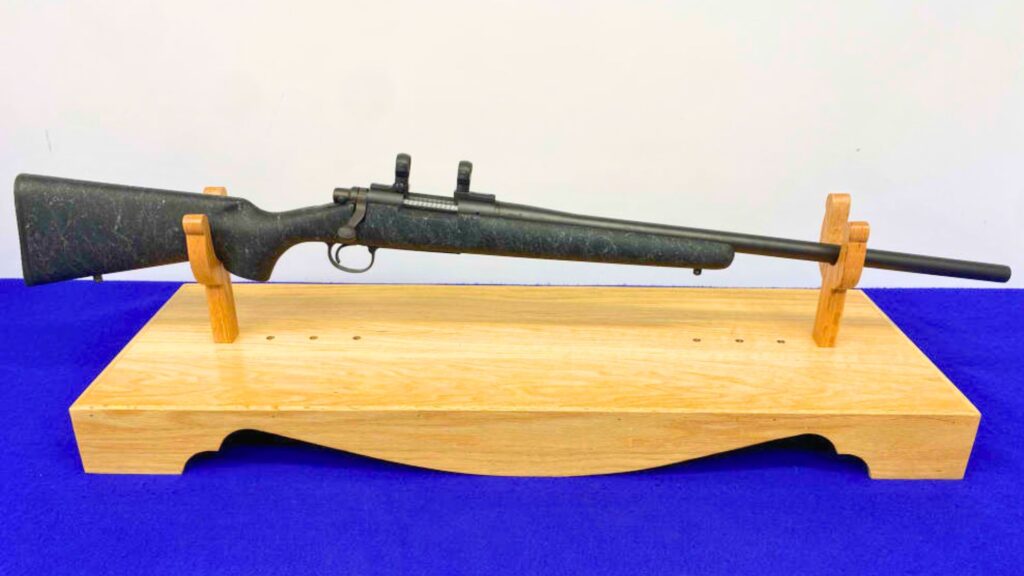
The Remington 700 is a solid bolt action, but the varmint-barrel versions are already front-heavy thanks to their long, thick profiles. Adding a suppressor compounds the issue, dragging the muzzle down and making the rifle feel unwieldy in the field. Hunters who try to carry one all day often notice fatigue setting in faster than with lighter models.
At the bench, balance isn’t as critical, but for practical use, a suppressed varmint-barrel 700 can be frustrating. It’s accurate and durable, but unless you’re shooting prone or from a rest, the weight distribution makes it uncomfortable. Shorter or lighter-barreled 700s handle suppression much better, which is why many hunters avoid threading cans on the heavy varmint versions.
Ruger Precision Rifle
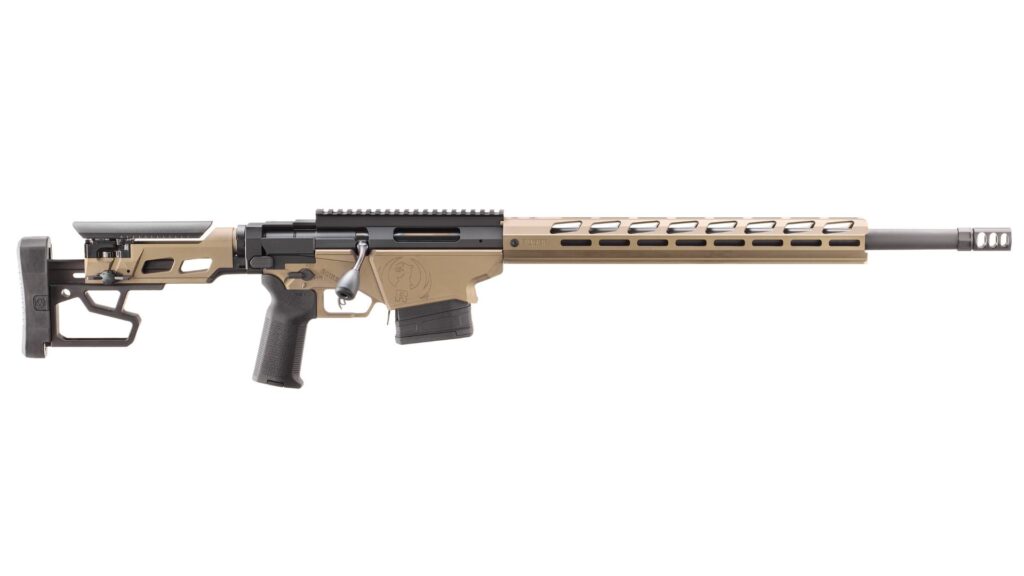
The Ruger Precision Rifle was designed as a chassis gun with long barrels and lots of accessory space, and that makes it nose-heavy once you add a suppressor. Even without one, many shooters note that balance is forward of the magwell. Put a full-size can on the end of a 24-inch barrel, and you suddenly have a rifle that feels like it wants to dip with every movement.
At the range, this isn’t a dealbreaker, but carrying it into the field exposes the issue. The length and balance make it awkward in blinds or when trying to maneuver in tight spaces. If you plan to run a suppressor on a Ruger Precision Rifle, a shorter barrel or lighter can helps, but out of the box it’s one of the rifles that feels most off once suppressed.
Barrett MRAD
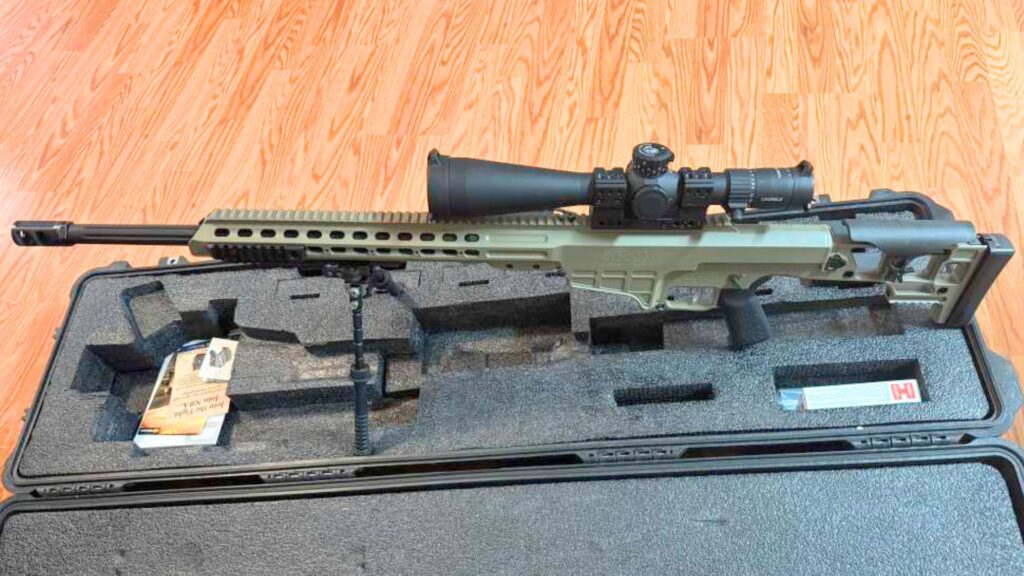
The Barrett MRAD is built for precision, not balance, and that shows once you attach a suppressor. It already has a heavy profile and extended rail system, and the long barrels make it front-loaded. Add a suppressor, and the rifle’s natural weight bias forward becomes even more exaggerated, making offhand shooting difficult.
Operators and civilian shooters alike often note that the MRAD excels from prone or supported positions but becomes clumsy once you move. Suppression adds noticeable drag on the nose, turning what’s already a heavy rifle into something awkward for quick transitions. It’s a superb rifle in its niche, but if you want a balanced suppressed platform, the MRAD isn’t the best choice.
FN SCAR 17

The SCAR 17 is a versatile battle rifle, but its lightweight barrel profile makes it front-sensitive when you add a suppressor. Without a can, it balances fairly well, but once you screw on extra weight, the rifle feels like it tips forward. Combined with the rifle’s recoil impulse, the added muzzle weight can slow recovery between shots.
Plenty of shooters suppress their SCARs, but most notice the change in handling right away. The folding stock and overall design make it portable, but balance isn’t its strongest suit when you tack a suppressor on. It remains reliable, but it’s one of those rifles where the weight shift makes you rethink how long you’ll want to carry it suppressed.
Tikka T3x Varmint
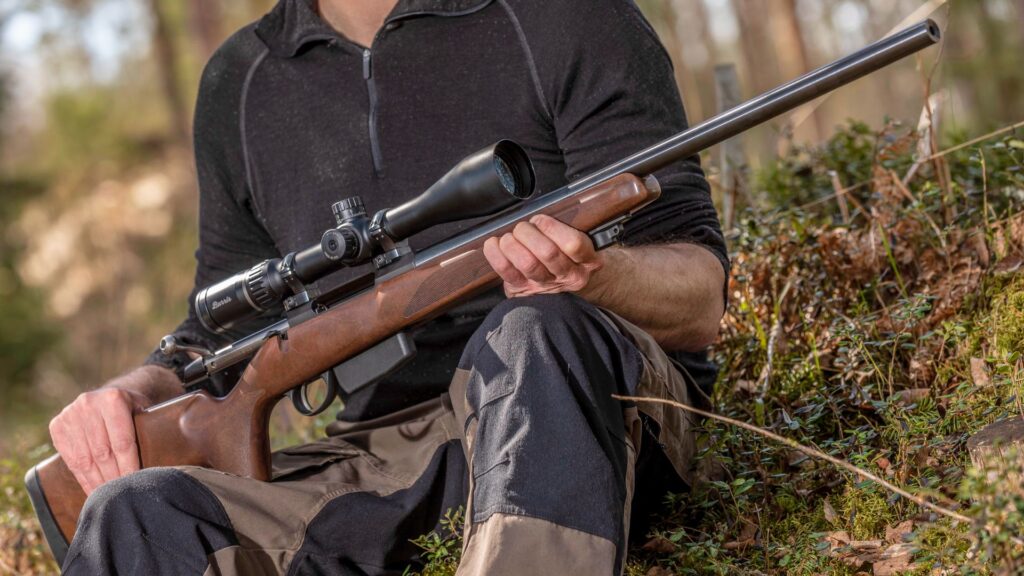
The Tikka T3x Varmint is another precision-oriented hunting rifle with a heavy barrel, and suppressors amplify its front-heavy nature. Long sessions carrying it in the field quickly reveal the imbalance. While it’s tack-sharp accurate, you end up fighting the nose-down feel with every movement.
For benchrest or prone shooting, the added weight doesn’t hurt much, and in some cases the suppressor helps reduce barrel whip. But if you’re hiking miles with it slung over your shoulder, you’ll feel every ounce. Many hunters choose lighter Tikka models for suppressor use, leaving the varmint-barreled T3x for stationary shooting where balance matters less.
Springfield M1A Loaded
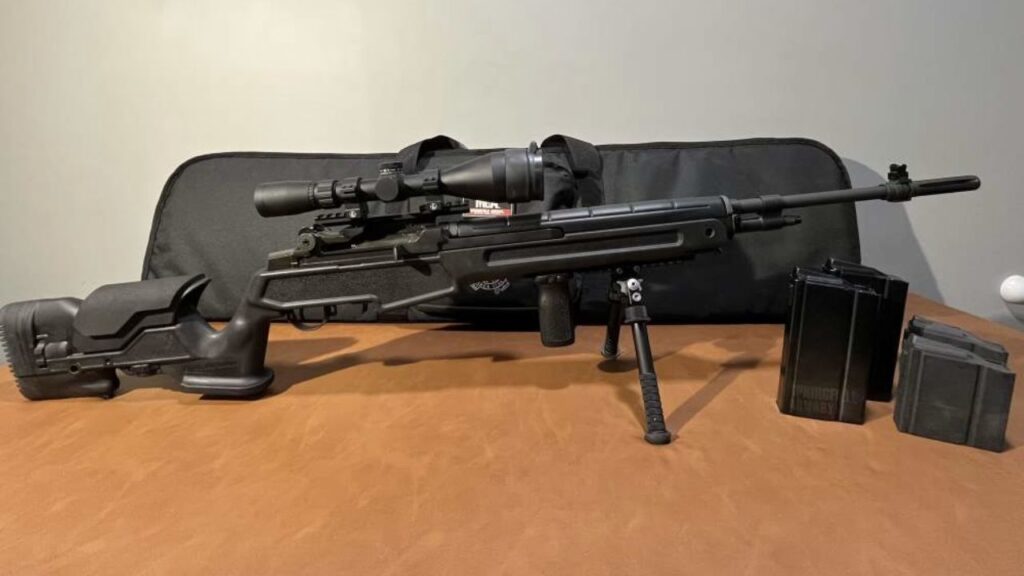
The Springfield M1A Loaded models with longer barrels don’t play well with suppressors in terms of balance. The rifle’s length and forward weight already make it heavy at the front, and a suppressor exaggerates that. Handling becomes clunky, and fast positional shooting is noticeably harder.
While some enjoy suppressing the M1A for recoil control, others find that the added front weight changes the feel too much. In supported shooting, the accuracy is fine, but offhand shots feel like you’re fighting the muzzle. If you’re set on suppressing an M1A, a shorter barrel model mitigates the imbalance, but the full-length rifles become cumbersome.
Remington Model 783 Heavy Barrel
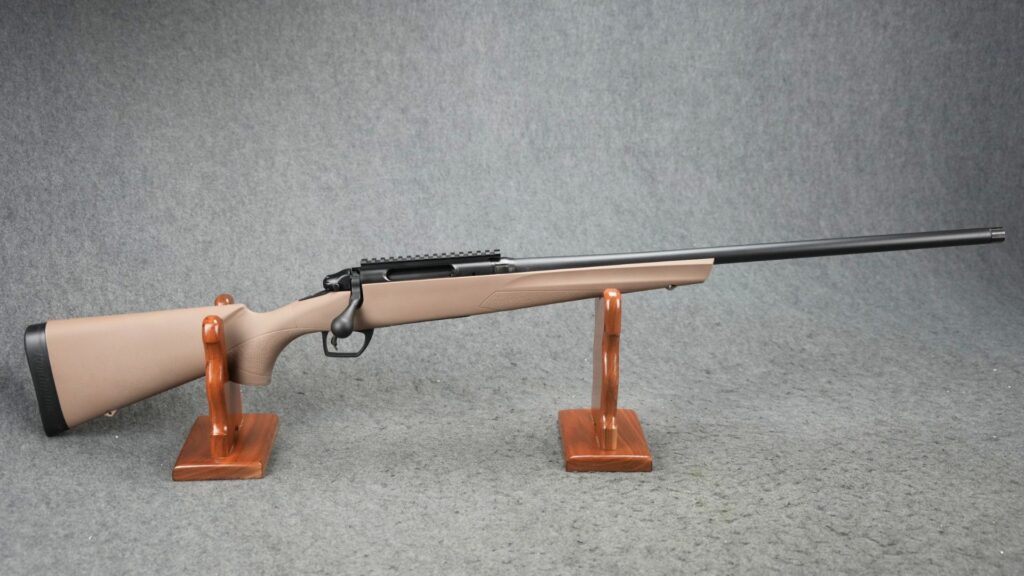
The Remington 783 heavy-barrel models are affordable precision rifles, but they aren’t built with balance in mind. Their weight is already concentrated toward the muzzle, and adding a suppressor only makes that worse. Hunters and range shooters both report that suppressed 783s feel clumsy when shooting offhand.
Accuracy remains solid, but practical handling suffers. Carrying one in the woods for long stretches gets tiring, especially with a can dragging the front down. It’s a rifle that shines from rests or prone, but the balance shift from suppression makes it less versatile.
Savage 110 BA Stealth
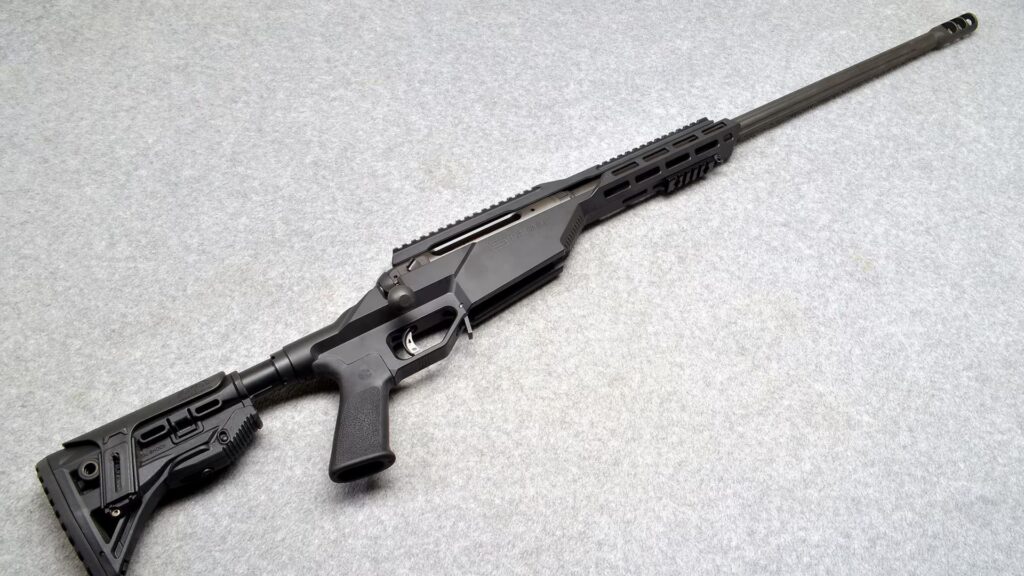
Savage’s 110 BA Stealth is a long, heavy rifle designed for precision shooting, and suppressors turn its already nose-heavy profile into a chore. The long barrel and heavy stock components distribute weight unevenly, so once you thread on a can, balance goes from poor to worse.
This rifle excels at supported long-range shooting, where balance isn’t as critical. But for those who want to use it suppressed in field conditions, it becomes burdensome to handle. The forward weight makes quick target transitions sluggish, and carrying it long distances is a workout. It’s one of those rifles where suppression comes with trade-offs in usability.
AR-10 with Heavy Barrel
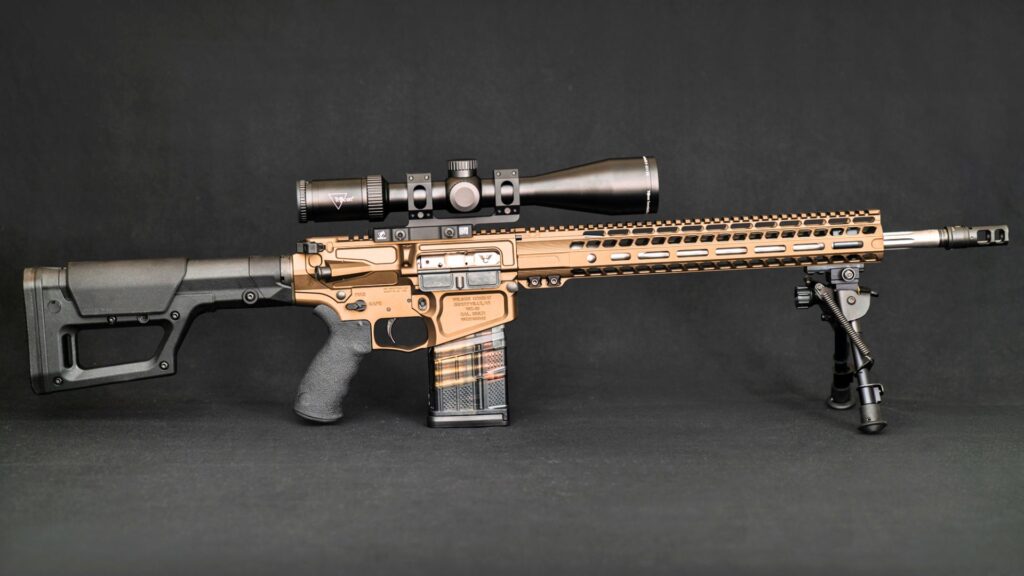
An AR-10 with a heavy-profile barrel often balances fine unsuppressed, but adding a suppressor pushes it into nose-heavy territory. Many shooters run AR-10s suppressed, but the balance shift is undeniable. The rifle feels slower to mount and harder to hold steady offhand once a full-size can is added.
Lightweight barrels and shorter setups counter this problem, but the heavy-barreled builds aren’t as forgiving. For bench shooting, it’s no issue, but hunters and practical shooters often notice how much a suppressor changes the handling. Balance is one of the few drawbacks of suppressing a heavy-barreled AR-10.
Ruger American Predator

The Ruger American Predator is a popular budget hunting rifle, but it tends to feel awkward once you add a suppressor. Its lightweight stock doesn’t offset the forward weight, and the muzzle-heavy feel becomes obvious after just a few shots. Hunters carrying it for long periods often comment on how tiring it feels compared to shorter-barreled rifles.
It’s accurate and dependable, but suppression alters the balance in a way that makes it less comfortable to use. Many owners prefer to run shorter, lighter cans or leave it bare. While it’s capable of being suppressed, the Predator shows how even a light rifle can handle poorly once weight is added to the end of the barrel.
Howa 1500 Varmint
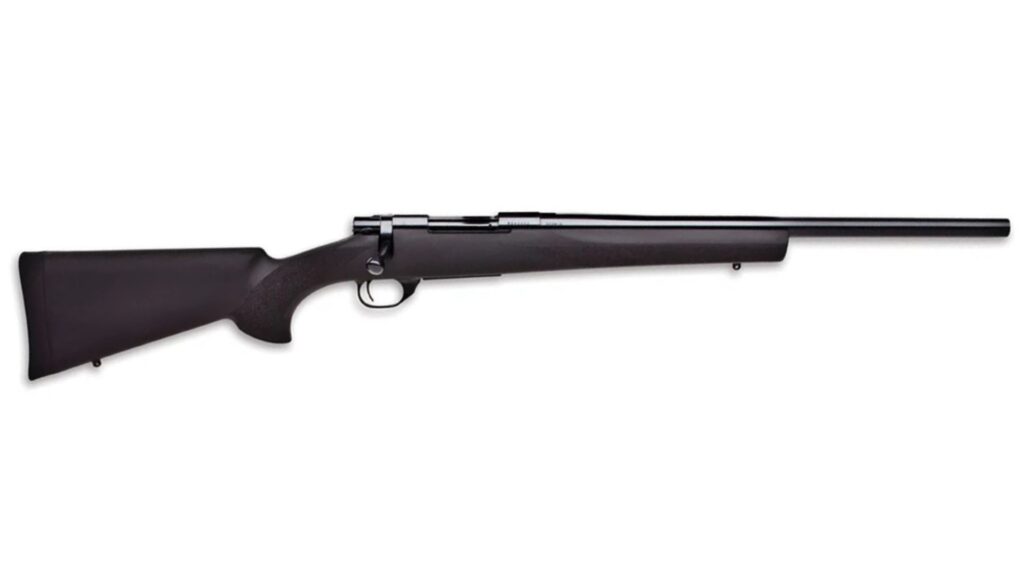
The Howa 1500 Varmint models come with heavy, long barrels that already load weight forward. Adding a suppressor tips the scale even further, leaving you with a rifle that feels nose-heavy in the hand. While accuracy doesn’t suffer, maneuverability certainly does, and hunters notice it during long carries.
As with other varmint-barrel rifles, the imbalance isn’t a dealbreaker for supported shooting. But if you want to use it in dynamic field positions, it’s far less forgiving. The Howa 1500 shines in precision setups, but balance becomes one of its weak points once suppressed.
Barrett M82/M107

The Barrett M82 and M107 are massive rifles to begin with, and when suppressed, they become even more front-heavy. The long barrels combined with the weight of the suppressor make balance nearly irrelevant—it’s a rifle that demands prone or bipod shooting. Offhand shooting is already unrealistic, and suppression simply pushes more mass forward.
In fairness, the Barrett wasn’t designed for balance; it was built for power and distance. Still, when suppressed, handling becomes even more cumbersome than usual. It’s an extreme example of how adding weight at the muzzle can dramatically alter how a rifle feels in the hand.
*This article was developed with AI-powered tools and has been carefully reviewed by our editors.