Photo credit: Misha's Guns/YouTube
Some guns stay relevant because they were built around real use instead of short-term excitement. They were not designed to win one season of hype and then disappear behind the next marketing push. They were designed to shoot well, hold up, and keep doing their job long after trends changed and buyers got distracted by something newer.
That is why certain firearms never really stop making sense. They may not always be the loudest option on the shelf, but they stay useful in the ways that matter. They still hunt, still defend, still train, and still earn trust. These are the guns that continue to make practical sense decade after decade because the reasons to own them never really went away.
Walther PPQ M2

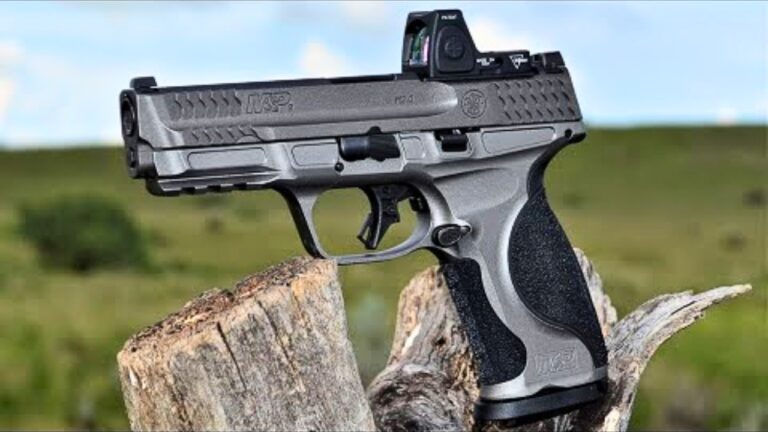
The Walther PPQ M2 still makes sense because it solved practical shooting problems without trying to become a cult object first. It gave shooters a dependable striker-fired pistol with an excellent trigger, strong ergonomics, and enough plain range competence to keep people coming back. That matters more over time than whether a gun had the flashiest rollout.
Years later, it still feels relevant because it remains easy to shoot well. A lot of newer pistols promise better grip texture, better modularity, or better whatever, but the PPQ M2 keeps reminding people that shootability still counts. A handgun that keeps delivering confidence without needing a fresh sales pitch every two years usually ages very well.
Ruger Mark II
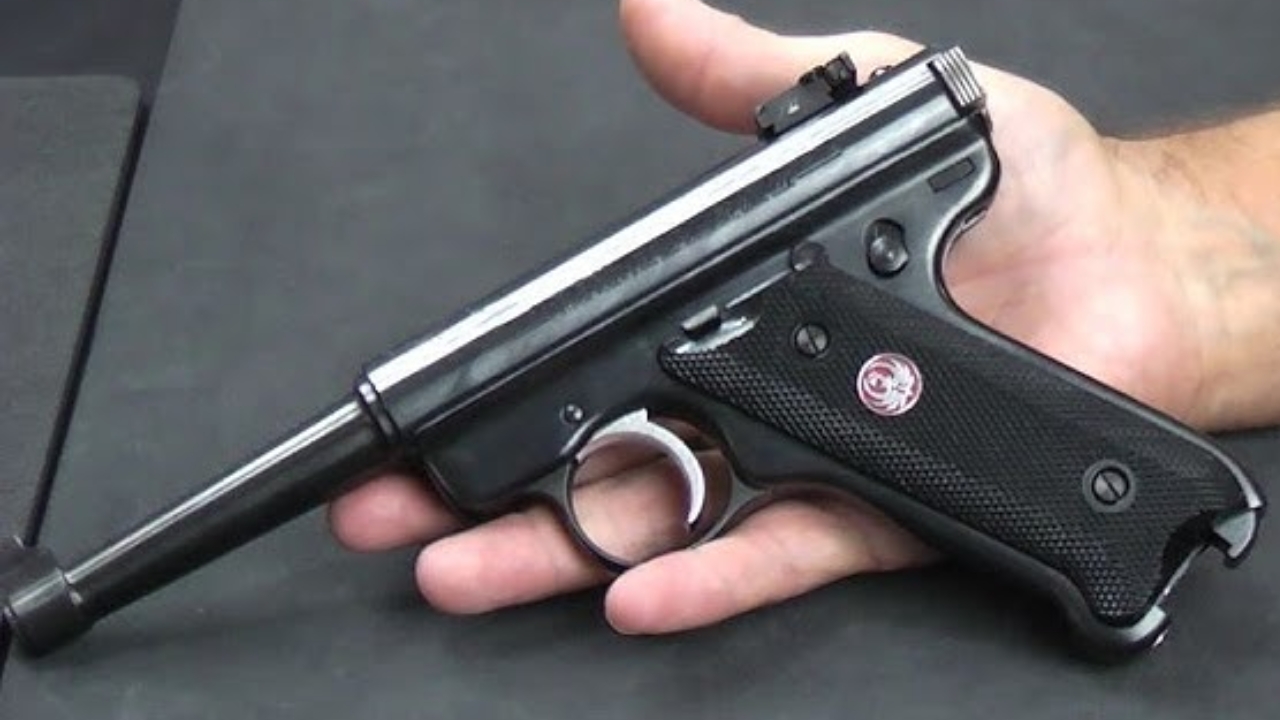
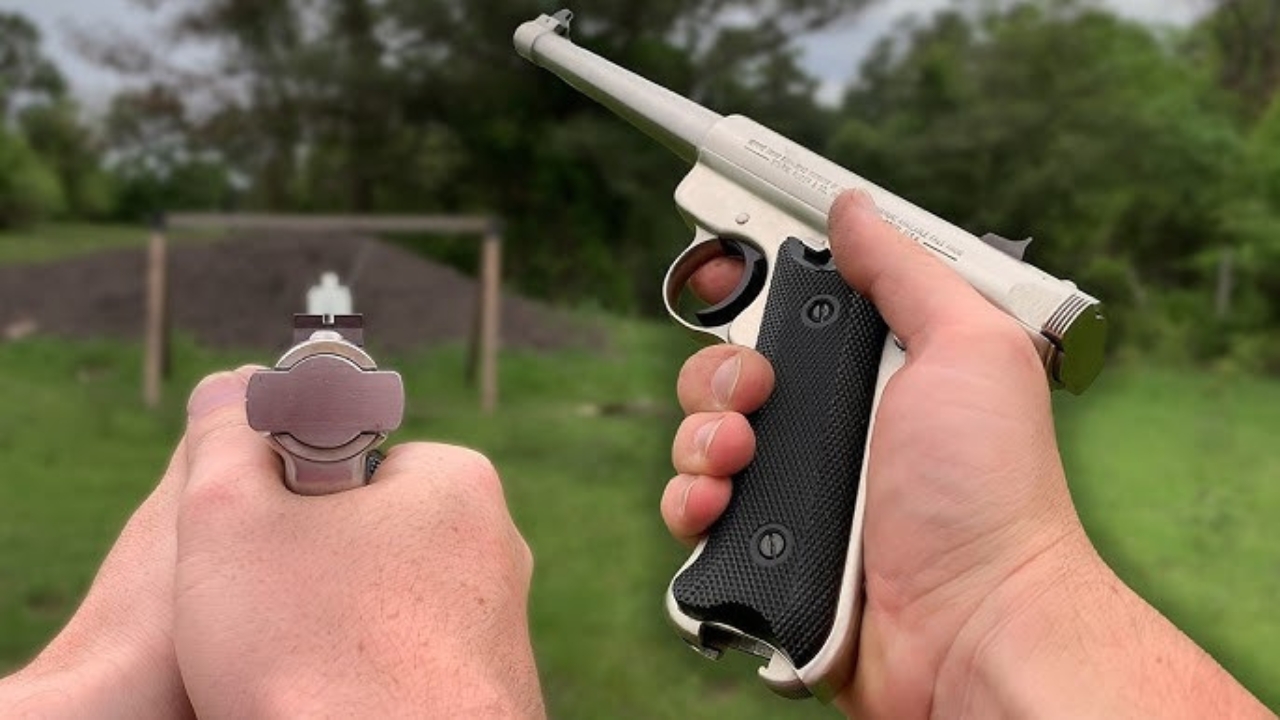
The Ruger Mark II still makes sense because a dependable .22 pistol never really stops being useful, and this one earned its reputation before companies started dressing up rimfire pistols like centerfire substitutes. It is accurate, durable, and the kind of pistol people bought to shoot hard rather than admire gently.
That is why it has held up so well. It still works for cheap practice, teaching, and plain enjoyable range time. A gun like this keeps making sense because the role it fills never gets old. If anything, the longer someone shoots, the more he tends to appreciate a rimfire pistol that simply keeps running without making itself complicated.
Smith & Wesson Model 10

The Smith & Wesson Model 10 still makes sense because a straightforward .38 revolver with good balance and proven durability remains a very practical thing to own. It may not be fashionable in a market obsessed with optics cuts and magazine capacity, but it still offers a kind of simplicity that many shooters appreciate more as they gain experience.
It also stays relevant because it is easy to understand and easy to trust. A lot of firearms become dated because they were tied too closely to one moment in the market. The Model 10 was tied to basic usefulness, and that never really goes out of style. Guns built around fundamentals tend to survive changing tastes better than flashy alternatives.
Howa 1500

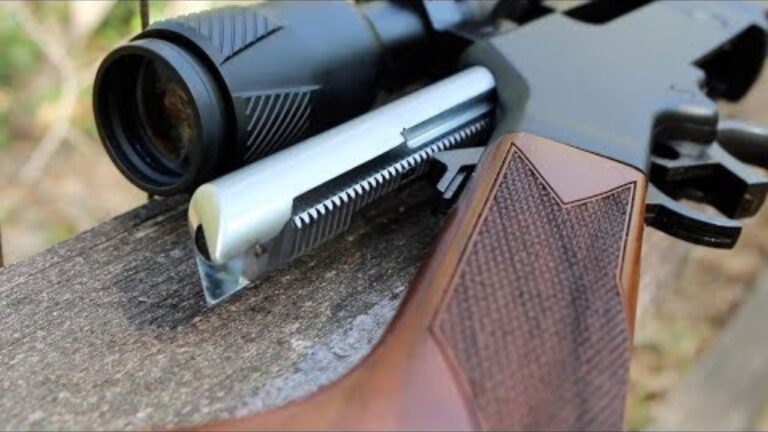
The Howa 1500 still makes sense because it gives hunters and shooters a strong, practical bolt-action rifle without asking them to buy into a bunch of inflated mythology. It has long been one of those rifles that quietly does the job, and that quiet competence is exactly why it has aged well.
The rifle still feels relevant because accuracy, durability, and ordinary field usefulness remain very important. A lot of buyers eventually learn that a dependable bolt gun with a solid action and no unnecessary drama is worth more than a rifle that came with a huge launch and a short shelf life. The Howa 1500 keeps proving that.
Browning Citori
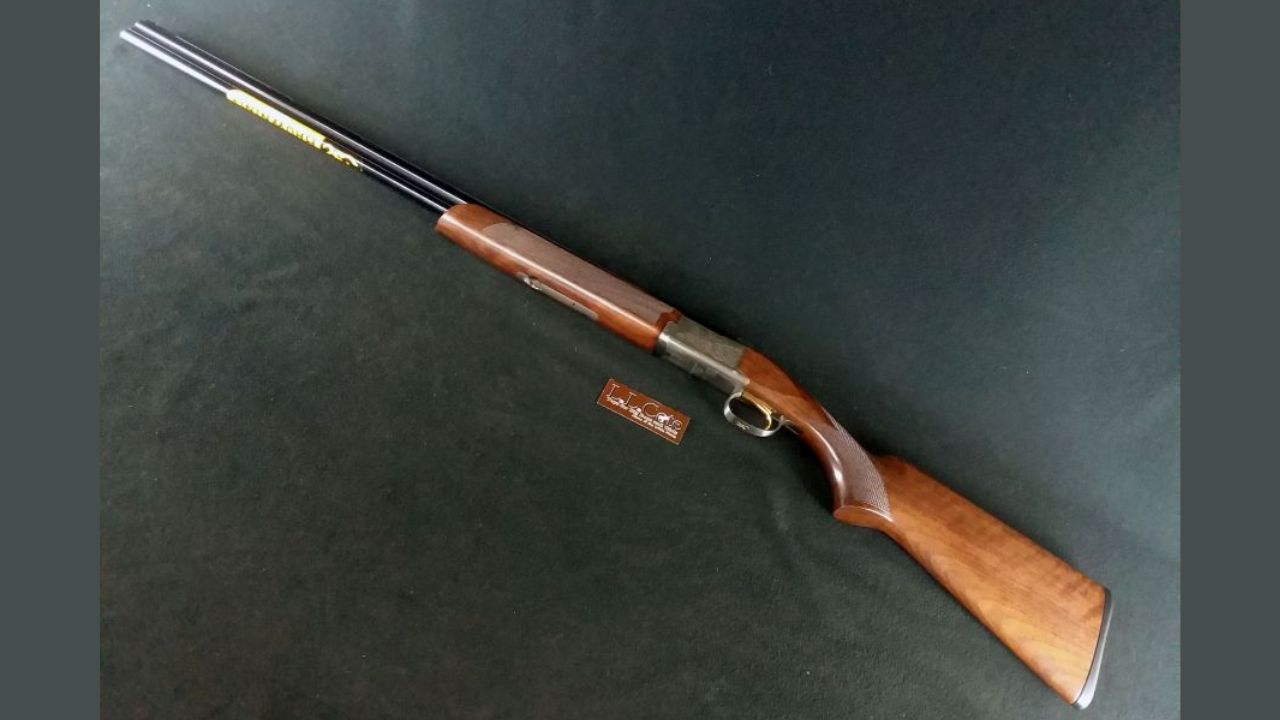
The Browning Citori still makes sense because over-under shotguns only stay respected this long when they continue doing real work for real shooters. It has lasted in the field, on sporting clays courses, and in upland use because it balances quality and reliability in a way people keep appreciating after enough seasons pass.
That is what makes it more than a prestige shotgun. It is still a practical shotgun. A lot of expensive guns fade because the owner realizes he bought image. The Citori keeps earning its place because it remains useful and dependable, which is exactly why shooters continue justifying one decade after decade.
CZ 455
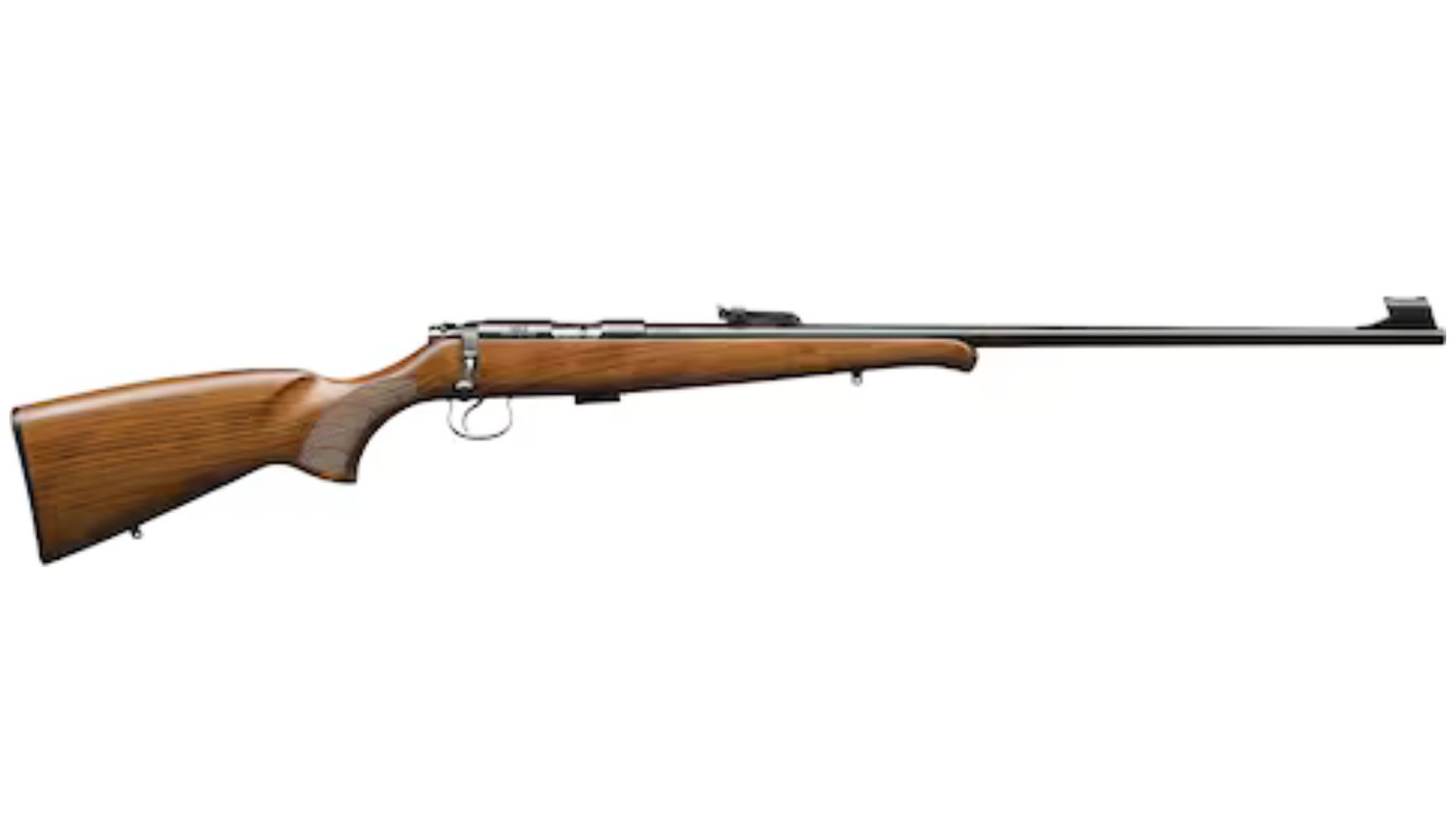
The CZ 455 still makes sense because a good bolt-action rimfire never stops being valuable, and this one gave shooters accuracy and quality without turning ownership into a weird status exercise. It is one of those rifles that keeps being enjoyable for reasons that remain very practical: range work, small game, and plain honest trigger time.
That is why it holds up. A rifle like this does not need to be modernized every few years to keep mattering. It only needs to continue shooting well and feeling worth taking out. The 455 has done that for a lot of owners, which is exactly what long-term relevance looks like.
Ruger Single-Six

The Ruger Single-Six still makes sense because it remains one of the easiest revolvers in the world to actually live with over time. It is simple, durable, and enjoyable in a way that keeps it from becoming dead weight in the safe. Plenty of handguns come and go. A useful single-action rimfire revolver tends to hang around for good reason.
It also fills a role that never really disappears. Practice, trail use, plinking, and introducing new shooters all stay on the table. Guns that remain this approachable and this dependable usually do not lose their place just because the market moved on to louder ideas.
FNX-9
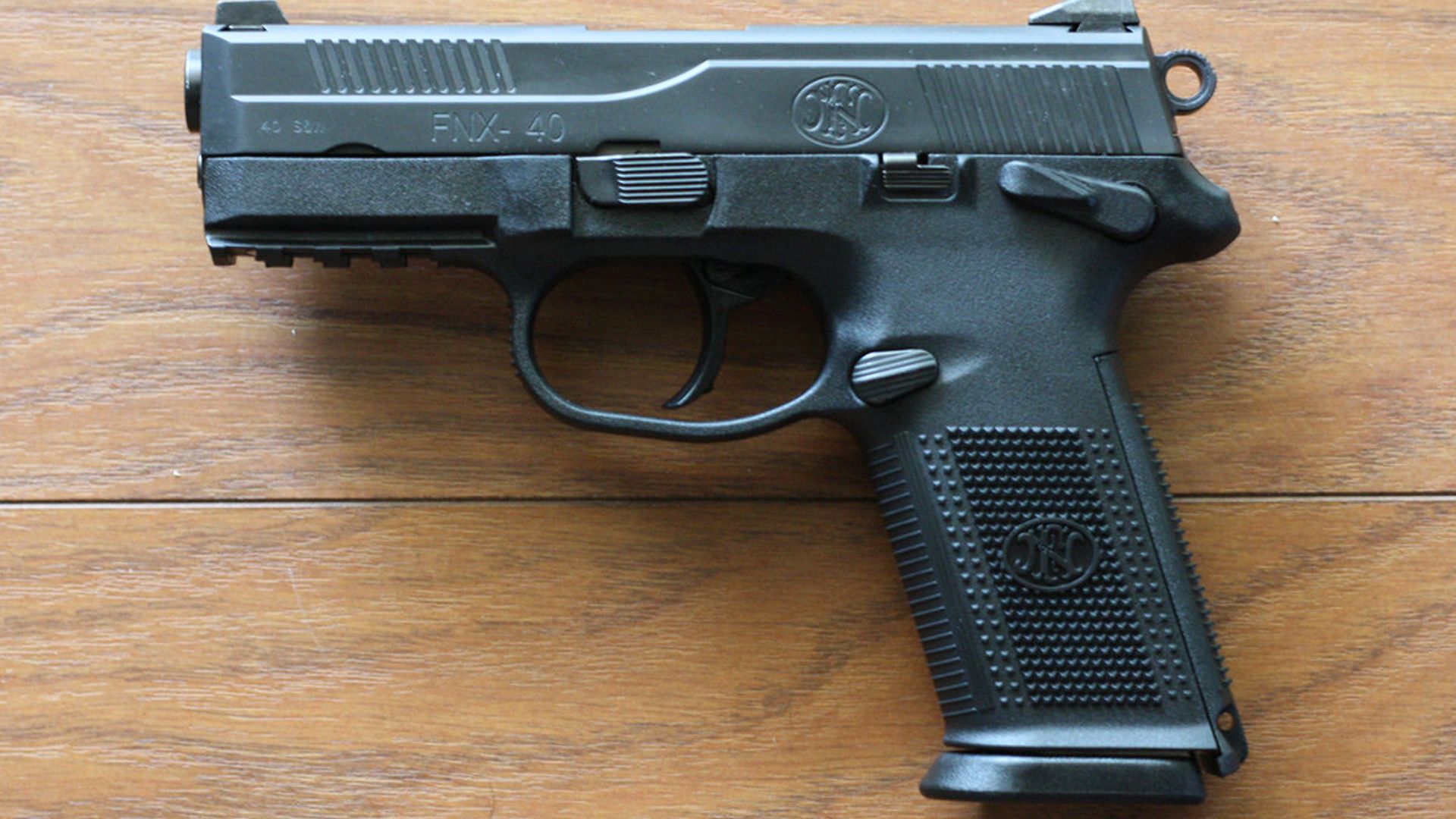
The FNX-9 still makes sense because it gave shooters a dependable, practical 9mm that never depended on hype to carry the platform. It has useful controls, good capacity, and the kind of honest service-pistol feel that tends to matter more over time than whether the gun ever became a trend piece.
That is why it has aged better than a lot of pistols that once got more attention. A handgun that remains dependable and easy to use still earns space, even if the market has gotten busier and more distracted around it. The FNX-9 has that kind of staying power because it was always built around doing real work.
Winchester 52
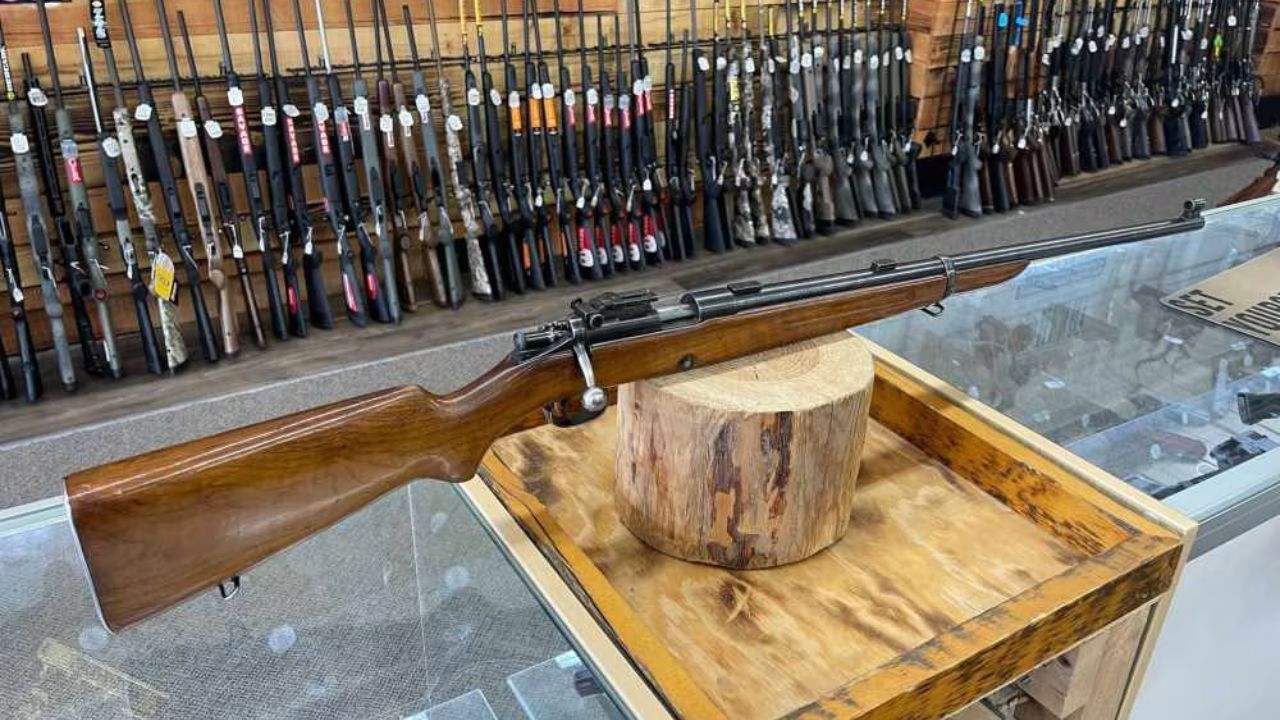
The Winchester 52 still makes sense because target-grade rimfire rifles with real quality behind them do not become irrelevant just because the market keeps offering cheaper shortcuts. It built its name on performance, and that kind of performance still has value for shooters who care about accuracy and craftsmanship.
What keeps it relevant is that the things it does well are still worth wanting. A rifle does not have to be current to matter. It has to still shoot, still satisfy, and still feel like something worth owning. The Winchester 52 clears that bar very easily, which is why it remains a smart rifle to appreciate seriously.
Savage 110
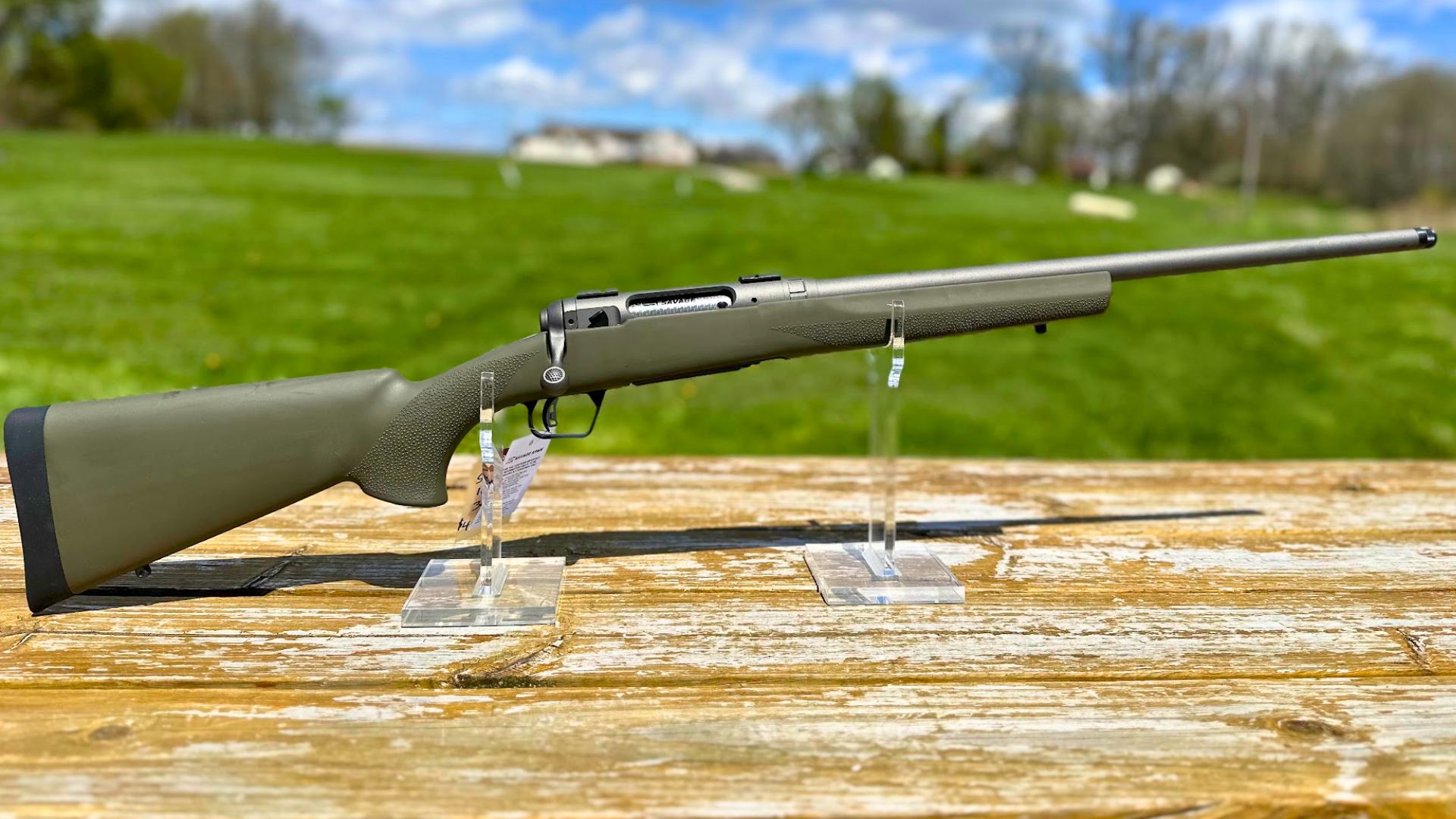
The Savage 110 still makes sense because it has remained one of the more practical bolt-action platforms for ordinary hunters and shooters who care about function more than polish. It has long been associated with usable accuracy and straightforward ownership, and those strengths tend to age much better than styling cues or branding momentum.
That is the whole point here. A rifle that still gets the job done without forcing the owner into unnecessary expense or emotional defending is a rifle that stays relevant. The Savage 110 has had enough years to prove that it is not surviving on fashion. It is surviving because people still have good reasons to use one.
Beretta 686 Silver Pigeon I
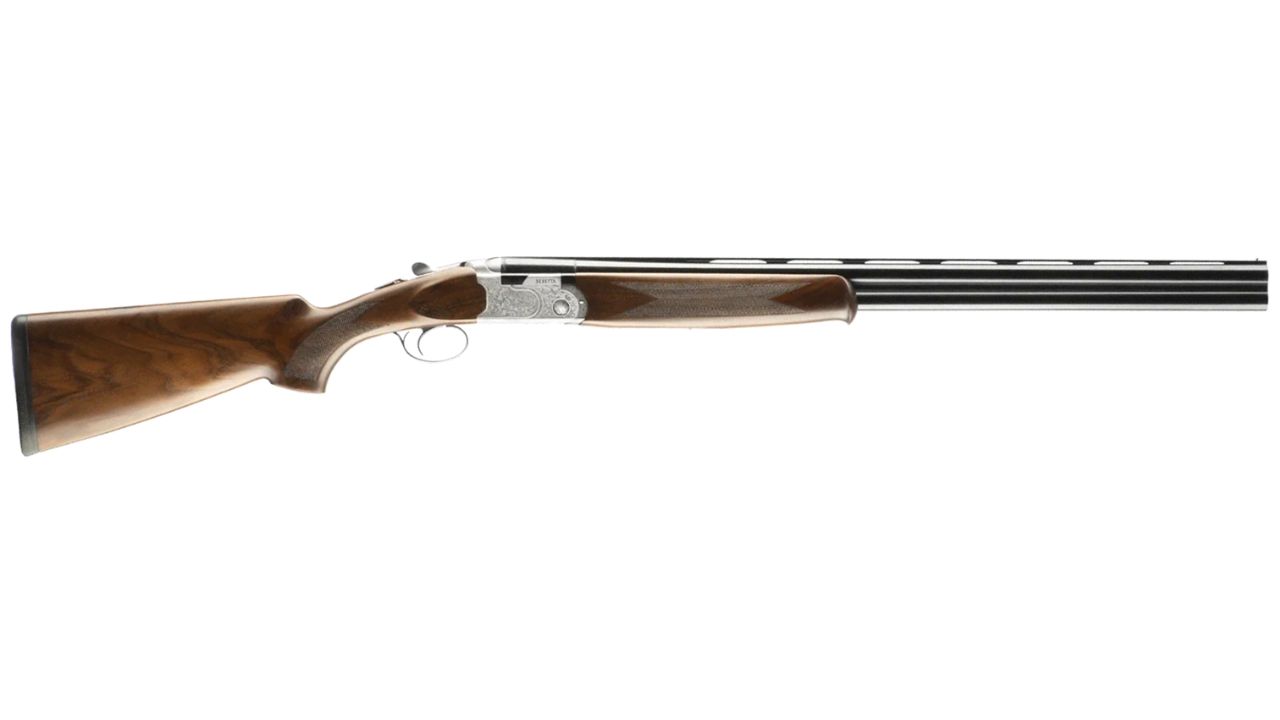
The Beretta 686 Silver Pigeon I still makes sense because a well-made over-under that can actually be shot hard is always going to have practical value. It is not just a nice-looking shotgun. It is one that people genuinely use for sporting clays, upland hunting, and long-term ownership without feeling like they bought something too delicate to enjoy.
That distinction matters. A lot of shotguns survive on image. The 686 survives because it still performs. It is one of those guns that can carry both quality and usefulness at the same time, which is exactly why it remains easy to justify long after so many other “premium” guns have become harder to defend.
Mossberg 930

The Mossberg 930 still makes sense because practical semi-auto shotguns that do real work without costing a fortune tend to keep their value in the owner’s mind. It gave shooters a shotgun that could handle defensive roles, range time, and general use without demanding boutique money to get there.
That keeps it relevant. A gun does not have to be perfect to still make good sense years later. It only has to keep doing useful work well enough that the owner feels like the purchase still holds up. The 930 has managed that for a lot of people, and that makes it more durable as a choice than plenty of louder competitors.
Ruger M77 Hawkeye

The Ruger M77 Hawkeye still makes sense because it continues to offer the sort of sturdy, no-nonsense hunting-rifle value that ages well in the real world. It feels built for hard use, and that matters to hunters who spend enough time in bad weather and rough country to stop caring about what looked exciting at the counter.
A rifle like this stays relevant because it remains easy to trust. It is not built around fragility or a complicated identity. It is a practical hunting rifle that keeps doing practical hunting-rifle things. That may not sound glamorous, but it is exactly the reason some rifles stay smart decade after decade.
Walther PP

The Walther PP still makes sense because slim, well-made handguns with real-world carry value do not suddenly become meaningless just because the market got louder. It has enough practical handling, enough quality, and enough long-term usefulness to stay more than a historical curiosity. That matters if a gun is going to stay relevant.
The PP survives because it is not just famous. It is still understandable as a working handgun. It reminds people that some designs continue making sense on a very basic level, even after endless waves of “updated” carry guns have come and gone. That kind of staying power is hard to fake.
Remington 11-87

RedRockTrading/GunBroker
The Remington 11-87 still makes sense because it became a practical shotgun for a lot of hunters who wanted a semi-auto that could actually earn its keep. It found its place through real field use, and that sort of reputation tends to age much better than the kind built through launch buzz or tactical trend-chasing.
It still has value because it still fills real roles. A dependable hunting semi-auto remains useful whether the market is obsessed with the next thing or not. Guns like the 11-87 keep proving that usefulness stays relevant longer than excitement, which is exactly why they continue making sense after all these years.
Like The Avid Outdoorsman’s content? Be sure to follow us.
Here’s more from us: