Photo credit: Dirk Canzler/Shutterstock.com
You’ve probably noticed that some rifle cartridges never completely fall apart, yet somehow never impress either. They look usable on paper, shoot clean groups at the bench, and still manage to let you down once you start shooting at the distances you actually deal with. These are the calibers that disappoint whether you’re shooting close, stretching things out a bit, or trying to stay within realistic hunting or field ranges.
They don’t dominate at short range, don’t carry confidence at mid-range, and don’t offer enough payoff to justify their drawbacks. This isn’t about extremes or rare situations. It’s about honest performance at common distances, where expectations are reasonable and excuses don’t hold up.
.17 Mach 2
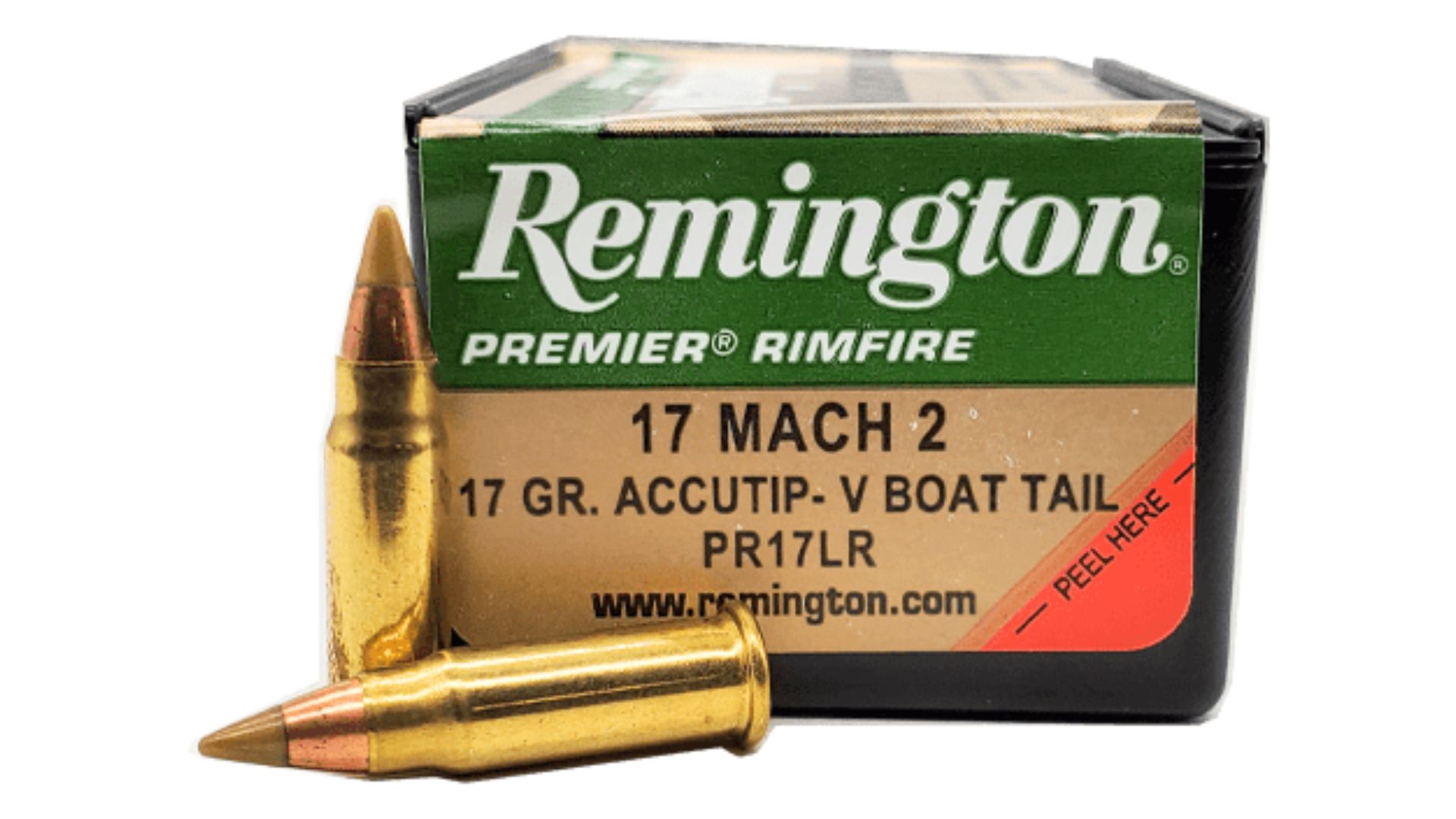
The .17 Mach 2 looks fast and flat until you start using it beyond ideal conditions. At close distances, the light bullet often fragments unpredictably, limiting penetration even on small targets. Stretch things out slightly and wind drift becomes a constant problem, forcing you to correct more than you should for such modest ranges.
Energy drops off quickly, and consistency becomes questionable once distances extend past calm, controlled setups. You end up with a cartridge that doesn’t hit hard up close and loses reliability as distance grows. Across realistic shooting ranges, it feels fragile rather than dependable.
.17 HMR

The .17 HMR shines on calm days at the range, but real distances and real conditions expose its limits. Up close, terminal performance can be erratic, especially on anything tougher than small varmints. Move into common field distances and wind becomes a serious liability.
Even light gusts can push shots off target, shrinking effective margins fast. It demands perfect conditions to perform well, which rarely happens outside controlled environments. For realistic distances where consistency matters, the .17 HMR often asks more patience than it rewards.
.22 WMR
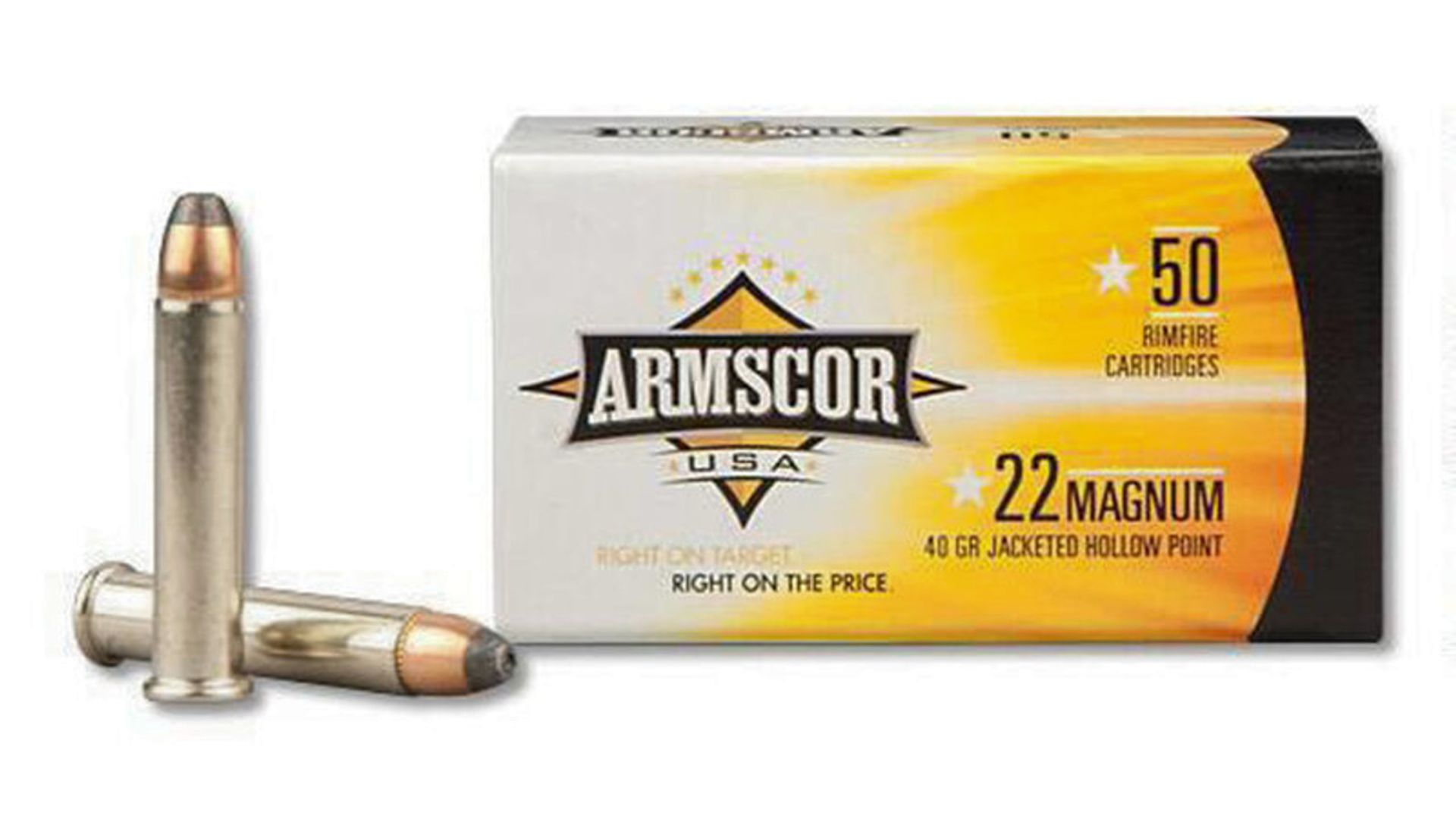
The .22 Magnum promises more punch than .22 LR, but realistic distances reveal a narrow comfort zone. At close range, it still lacks reliable penetration on tougher targets. Step back and accuracy becomes increasingly dependent on ammunition choice and conditions.
Drop and wind drift show up earlier than expected, and terminal performance never quite catches up to expectations. It sits awkwardly between rimfire convenience and centerfire capability. Across common shooting distances, it rarely delivers the confidence its reputation suggests.
.224 Valkyrie (light loads)
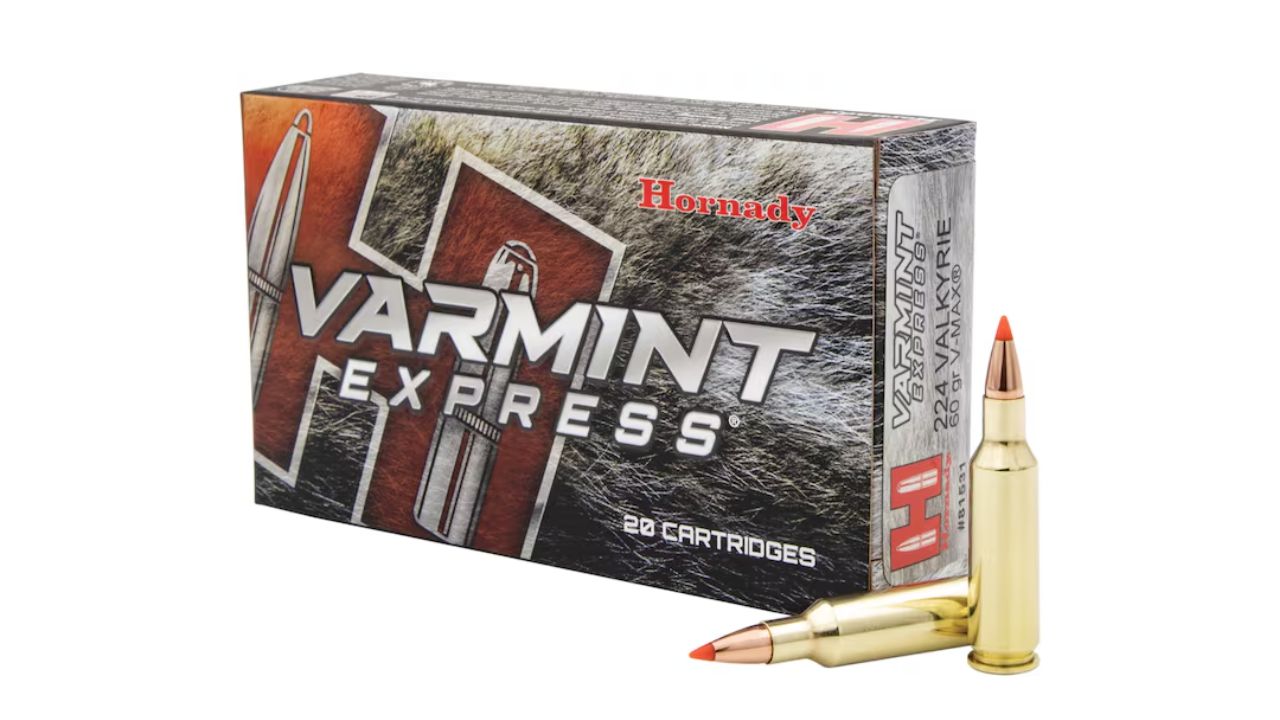
Lightweight .224 Valkyrie loads promise reach, but realistic distances highlight their weaknesses. At closer ranges, they don’t deliver the impact you expect from a centerfire cartridge. Stretch them out and wind drift and velocity inconsistency become more apparent.
The result is a round that looks capable on paper but feels underwhelming in practice. For everyday distances, lighter Valkyrie loads often disappoint compared to more balanced options.
.224 BOZ
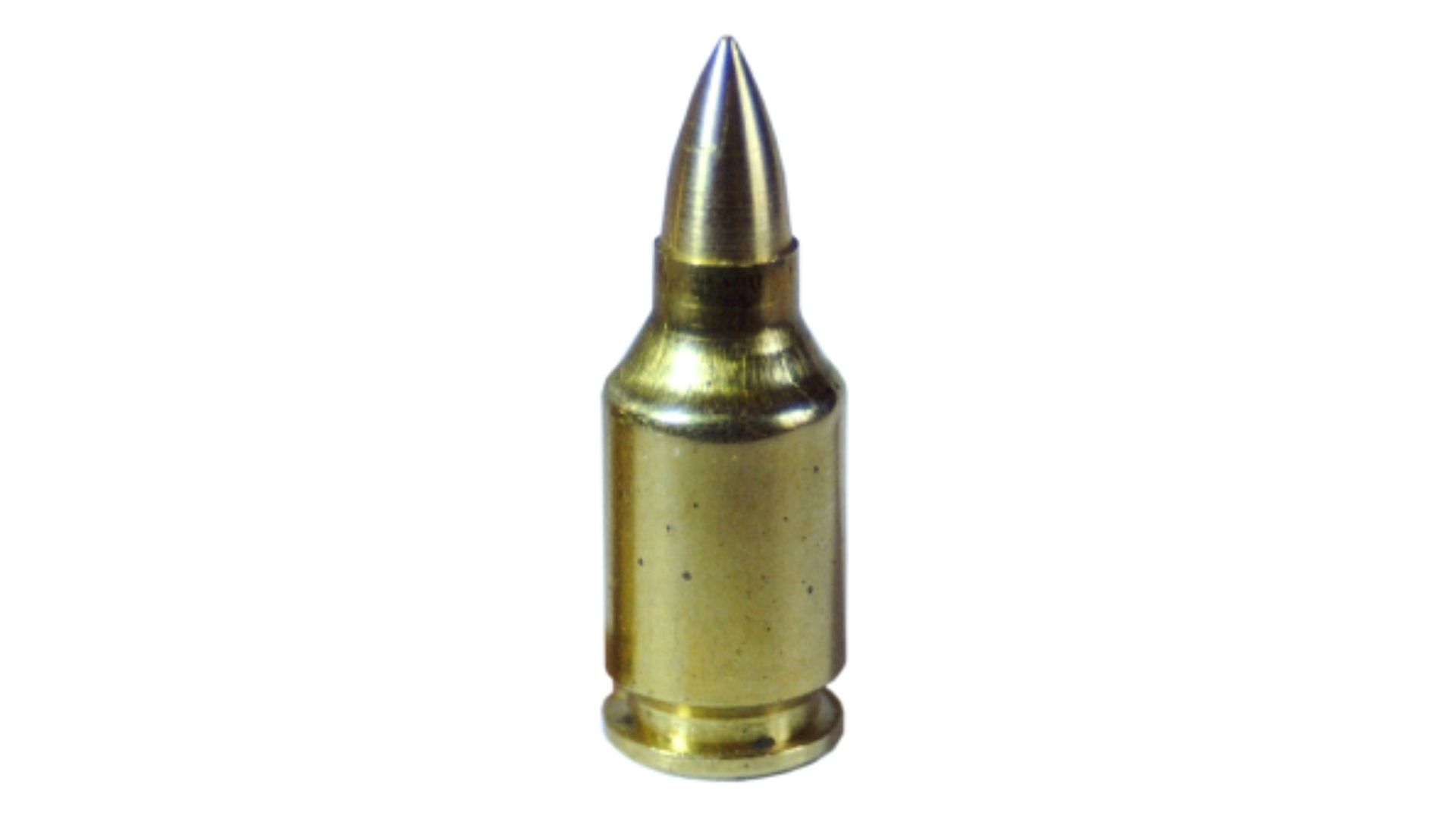
The .224 BOZ was built for niche applications, and that shows quickly at realistic distances. Up close, it struggles to outperform established rifle calibers. Move farther out and velocity loss undermines effectiveness.
Accuracy can be acceptable, but terminal performance rarely impresses. You’re left managing blast and recoil without gaining dependable results. Across common shooting ranges, it never feels fully convincing.
.277 Wolverine
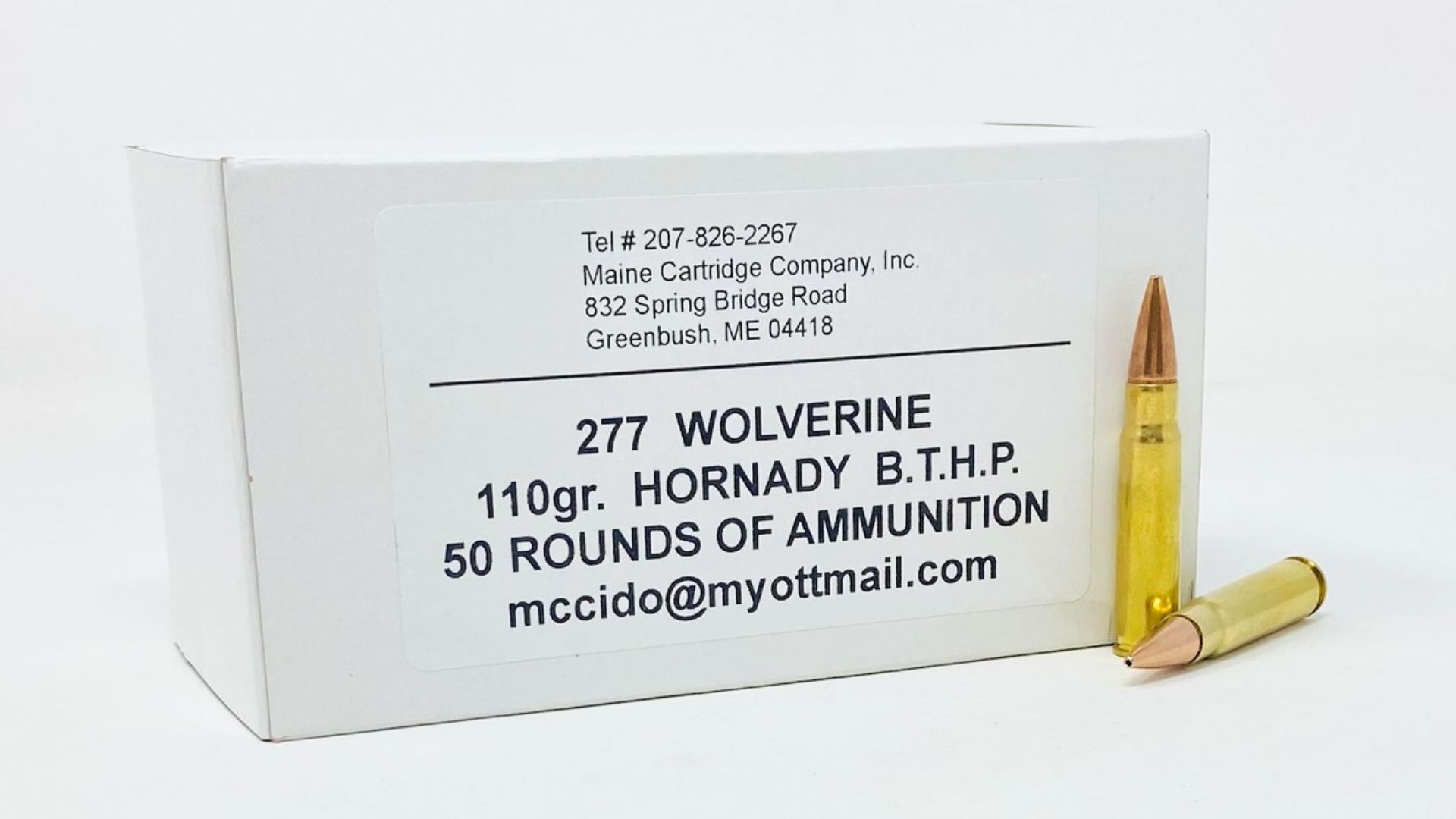
The .277 Wolverine shows promise until you start pushing it across normal distances. At close range, energy transfer feels modest. Step back and drop becomes noticeable sooner than expected.
It demands careful load selection and favorable conditions to perform well. For realistic shooting distances, it never quite finds a comfortable balance. You’re constantly adjusting instead of shooting confidently.
.218 Bee

The .218 Bee carries history, but realistic distances expose its age. At close range, energy is modest. Stretch it out and wind drift and drop quickly complicate shots.
It lives in an awkward space between light varmint rounds and more capable centerfires. Across common distances, it struggles to keep up with modern alternatives.
.219 Zipper
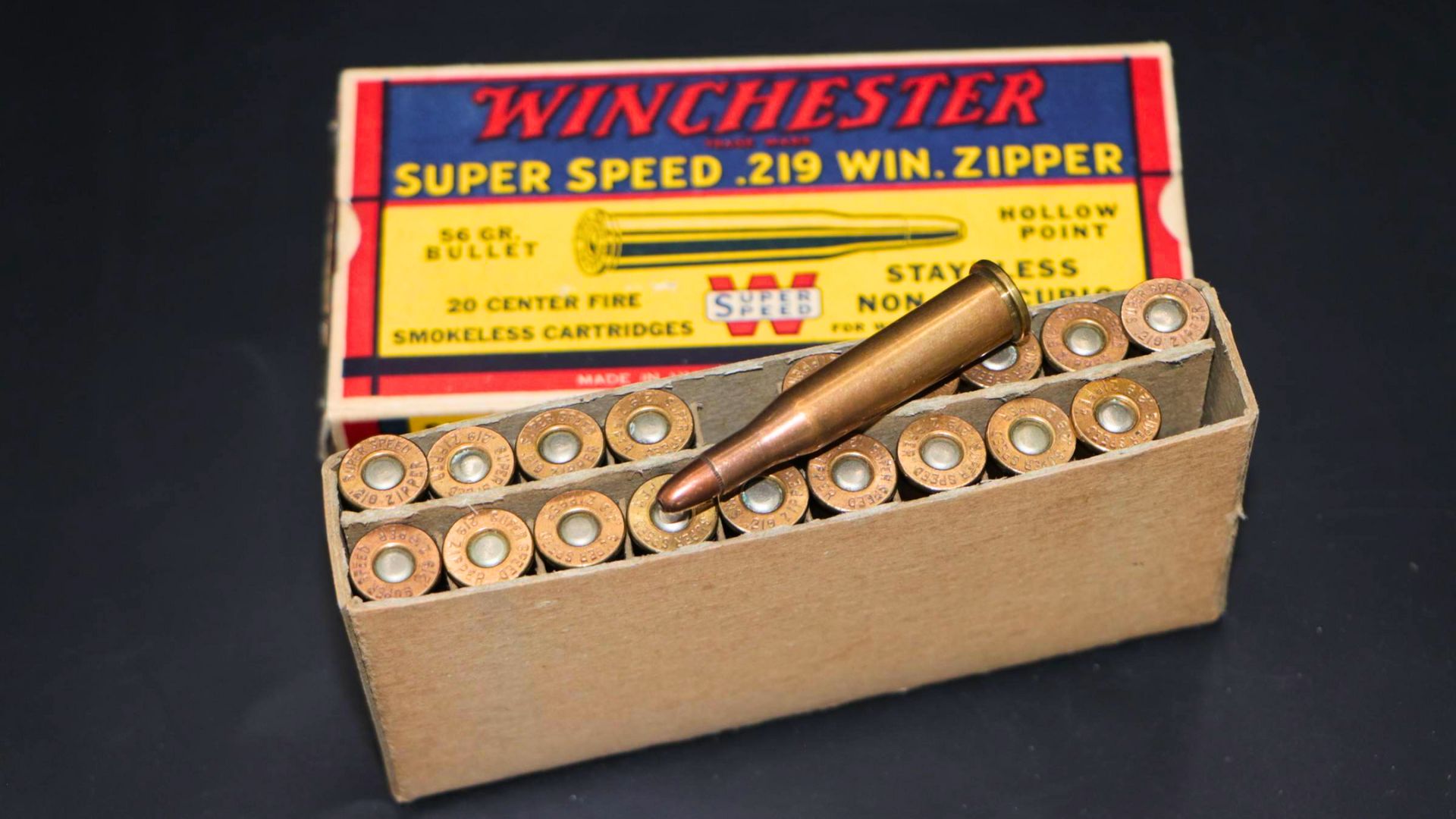
The .219 Zipper once had purpose, but today’s expectations make its limitations clear. Close-range performance feels underpowered, while mid-range accuracy lags behind newer designs.
Ballistic inefficiency shows up quickly as distance increases. You spend more time compensating than shooting. At realistic ranges, it feels dated and outmatched.
.222 Remington Magnum
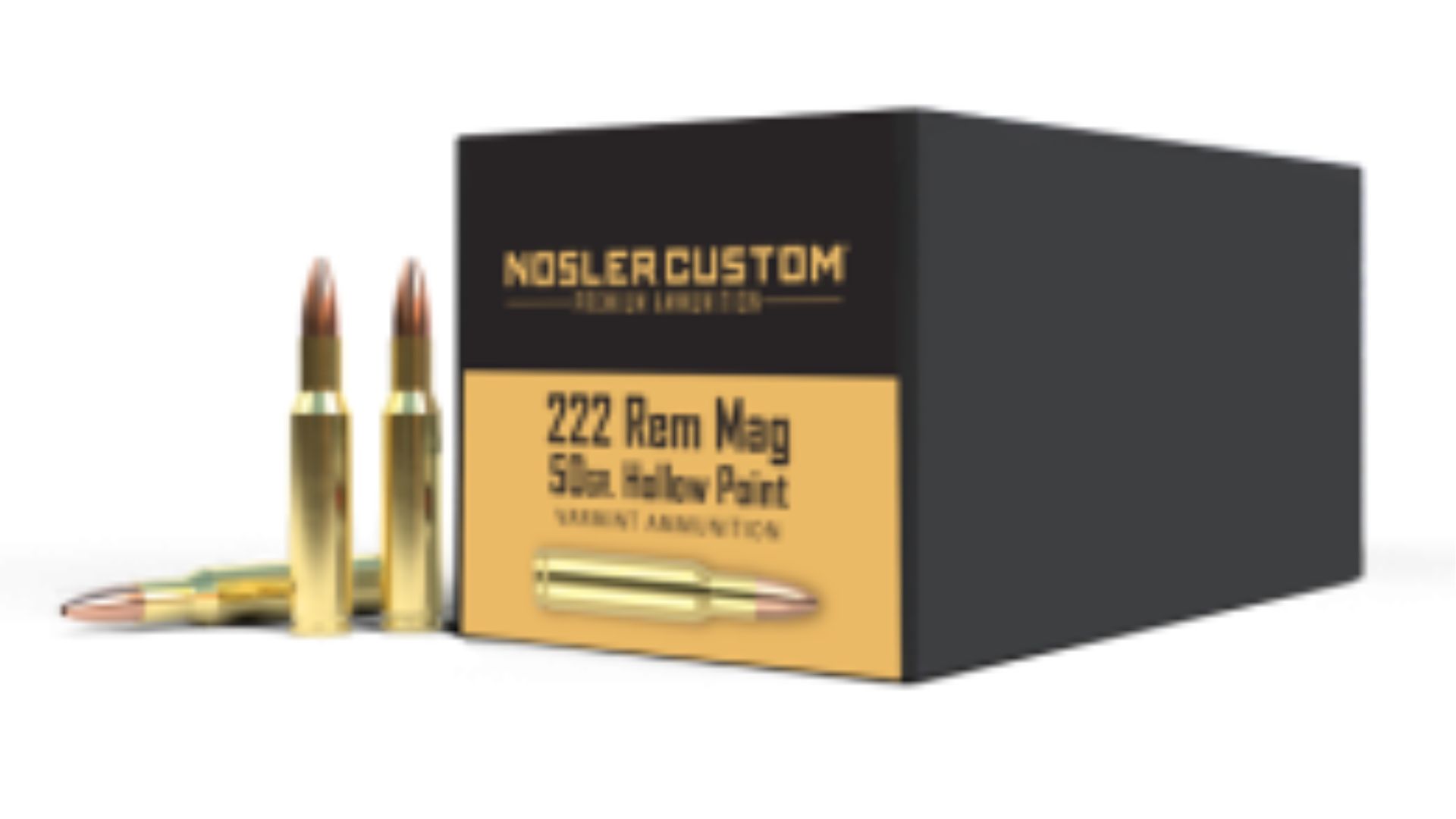
The .222 Remington Magnum sounds capable, but real distances reveal diminishing returns. At close range, it offers little advantage over smaller cartridges. Stretch it out and efficiency drops compared to modern options.
It occupies a space that newer calibers handle better with fewer compromises. Across realistic distances, it rarely stands out.
.204 Ruger
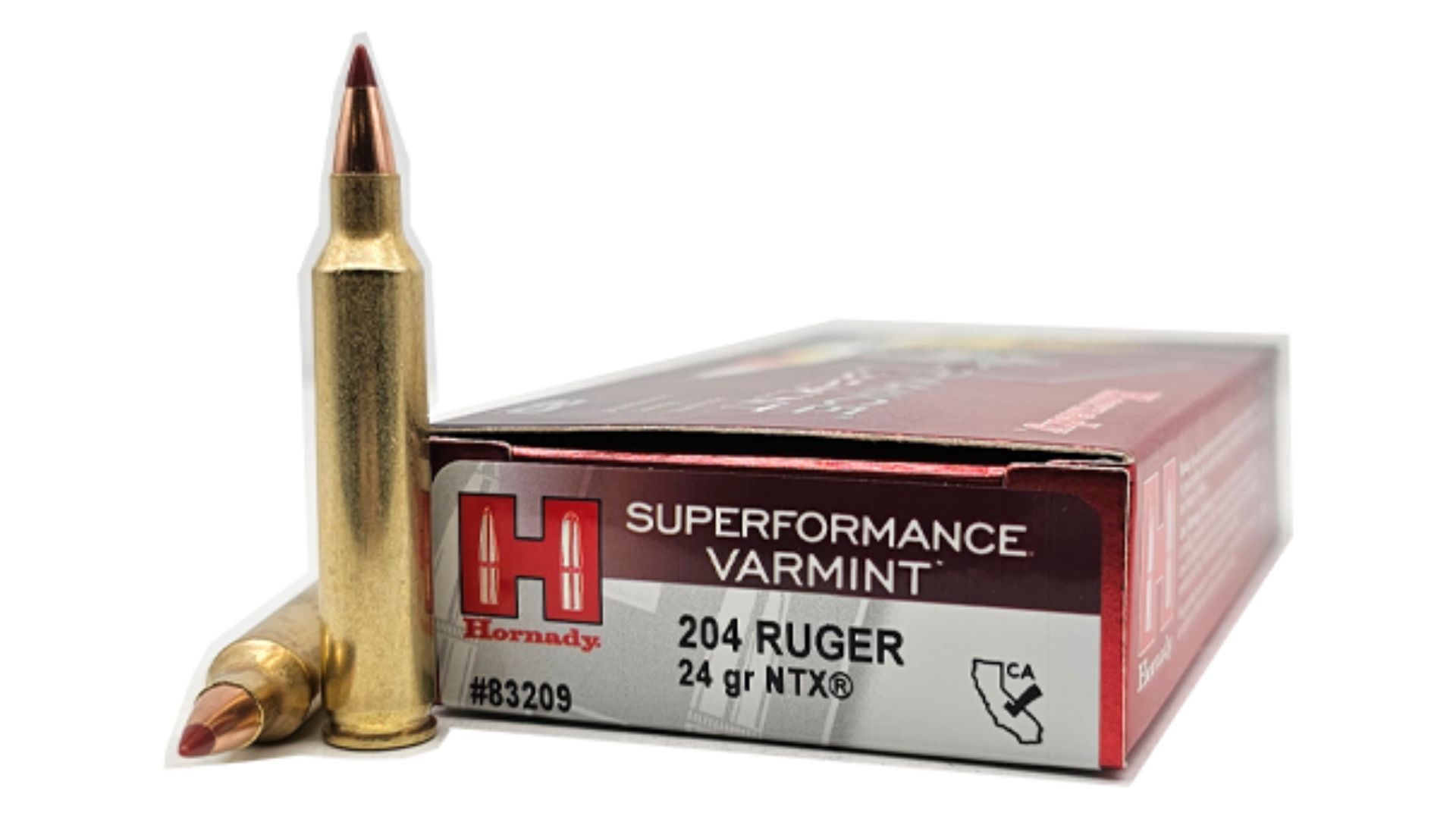
The .204 Ruger delivers speed, but realistic distances expose trade-offs. At close range, penetration can be shallow. At mid-range, wind drift becomes a constant concern.
While flat-shooting, it demands near-perfect conditions to stay effective. It impresses on calm days but struggles to maintain reliability across everyday distances.
.220 Swift
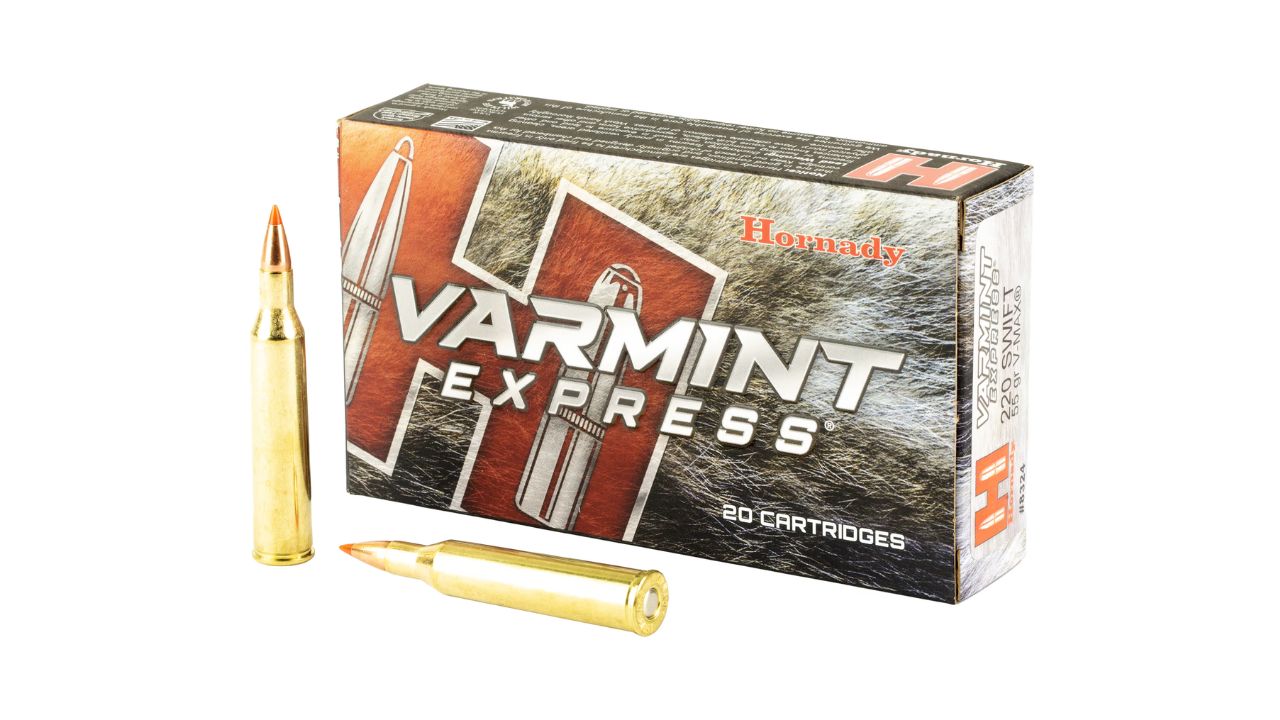
The .220 Swift is fast, but speed alone doesn’t solve everything. At close range, barrel wear and blast outweigh benefits. Stretch it out and efficiency drops compared to newer designs.
It demands careful management to avoid diminishing returns. Across realistic distances, it often feels like more trouble than payoff.
Like The Avid Outdoorsman’s content? Subscribe to our newsletter so you never miss an article.
Here’s more from us: