Photo credit: Buffalo's Outdoors/YouTube
A lot of handguns make sense when you’re standing at the counter. They’re small, light, affordable, easy to conceal, or packed with features that sound good before you’ve put in a hard range day. That first impression can be convincing, especially when the gun checks the box you care about most.
Training has a way of telling the truth. The same pistol that seemed smart in the shop can start fighting you once you draw from concealment, shoot fast, reload under pressure, clear a stoppage, or run enough rounds to feel what the grip and trigger are really doing. These handguns are not all useless. Some are fine for narrow roles. But they can look a lot smarter before the work starts.
Ruger LCP Max
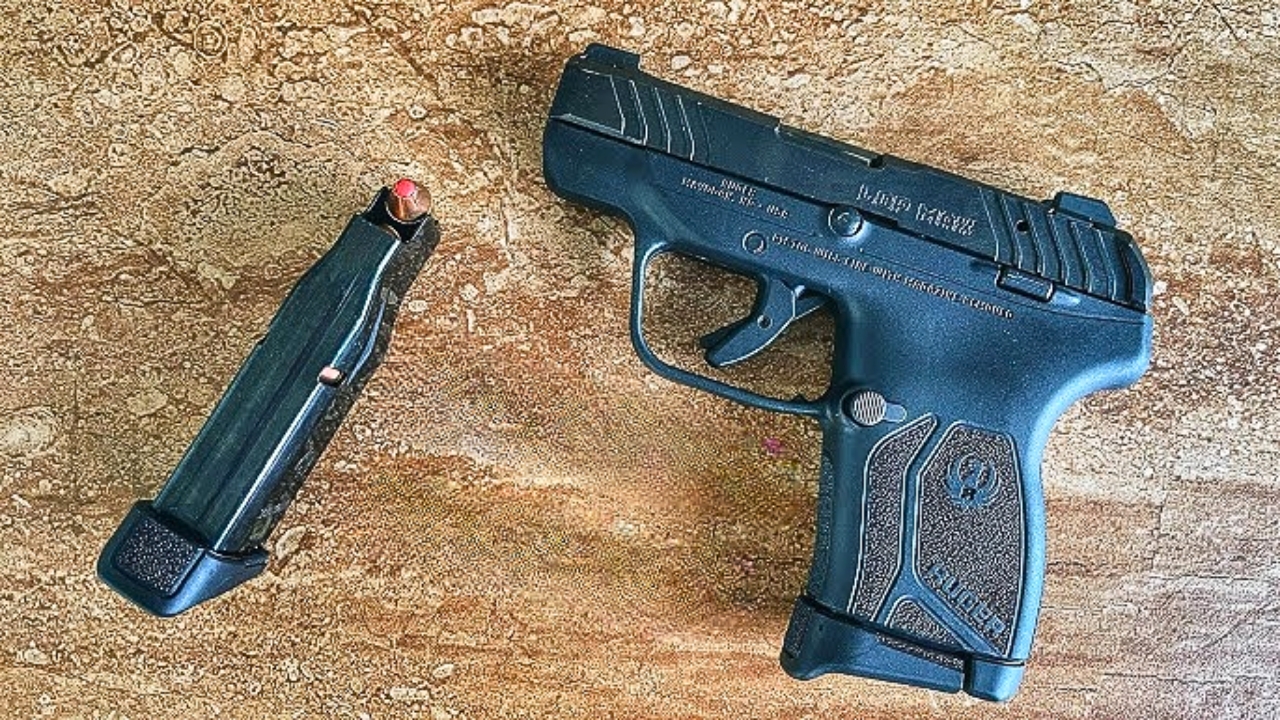
The Ruger LCP Max seems like a smart carry gun because it disappears almost anywhere. It gives you more capacity than older pocket .380s, weighs almost nothing, and makes daily carry easy when a larger pistol feels like a hassle. For deep concealment, that is a real advantage.
Then you train with it and remember how little gun you’re actually holding. The grip is short, the sights are small, the recoil feels sharper than the caliber suggests, and fast follow-up shots take real discipline. Reloads are also less forgiving because there is not much frame to work with. It is easy to carry, but easy to carry does not always mean easy to run well.
Smith & Wesson Bodyguard 2.0
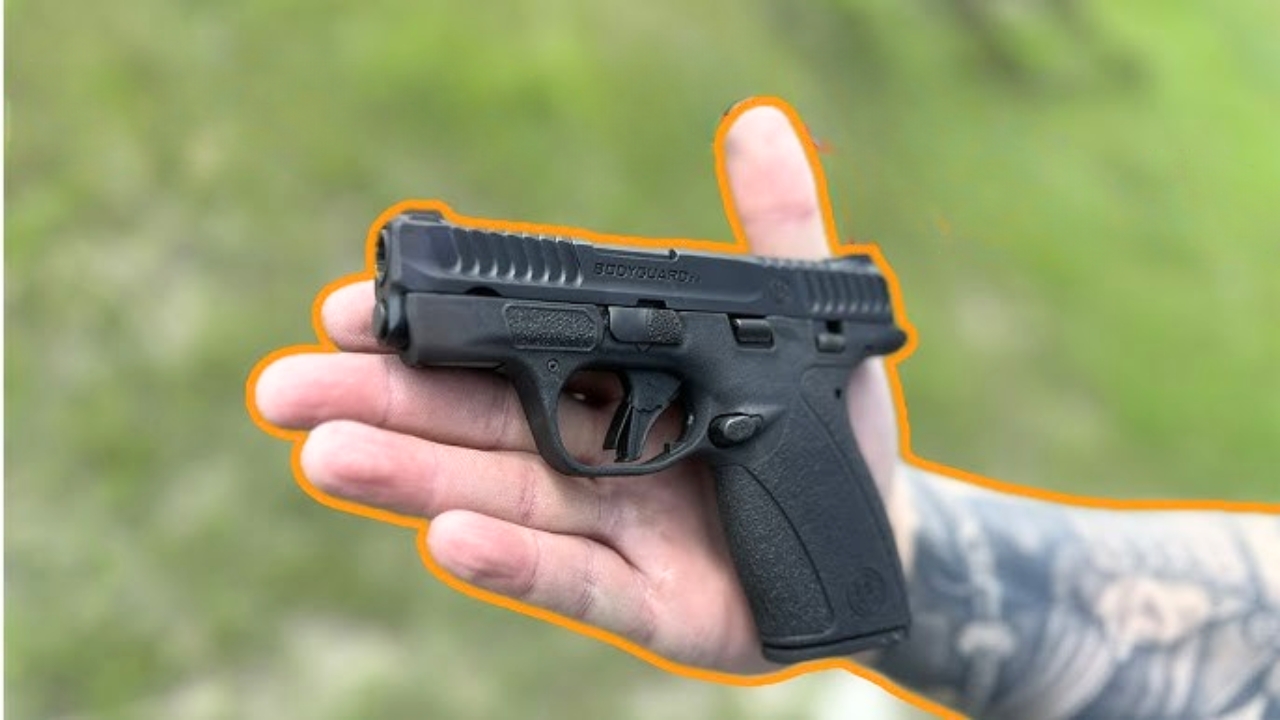
The Bodyguard 2.0 makes sense at first because it fixes a lot of what people disliked about the older Bodyguard. It is smaller than most 9mms, easier to conceal, and surprisingly shootable for its size. On paper, it looks like the kind of pocket pistol people always wanted.
Training still exposes the limits of a tiny .380. The gun may be better than the old version, but you are still dealing with a small grip, short sight radius, and less control during fast strings. If your practice involves drawing from real concealment, shooting one-handed, or working from awkward positions, the gun demands more effort than its size suggests. It is smart for carry convenience, but less forgiving when pushed hard.
SIG Sauer P365 SAS

The P365 SAS looked clever because it was built around snag-free carry. The flush sights, smoothed controls, and clean profile made sense for someone worried about drawing from concealment without catching the gun on clothing. It took an already popular platform and made it slicker.
The problem shows up when training gets realistic. The sighting system is not as fast or clear for many shooters as normal sights, especially under speed or in less-than-perfect lighting. The reduced controls can also make manipulations less natural. A defensive pistol should be easy to run without thinking. The SAS idea sounds smart until you realize the features that make it smooth can also make it harder to shoot and handle well.
Springfield Armory XD-S

The Springfield XD-S seemed like a good answer for people who wanted a slim, serious carry pistol without going too small. It came in useful defensive chamberings, carried flat, and felt more substantial than some tiny pocket guns. At the counter, that can be appealing.
Once you train with it, the short grip and snappy recoil start to matter. The XD-S is not impossible to shoot well, but it asks more from the shooter than many newer carry pistols. Fast strings, reloads, and one-handed work can feel less comfortable than expected. It was smart when single-stack carry guns ruled the market, but modern options with better capacity and softer handling make its drawbacks easier to notice.
Kimber Micro 9

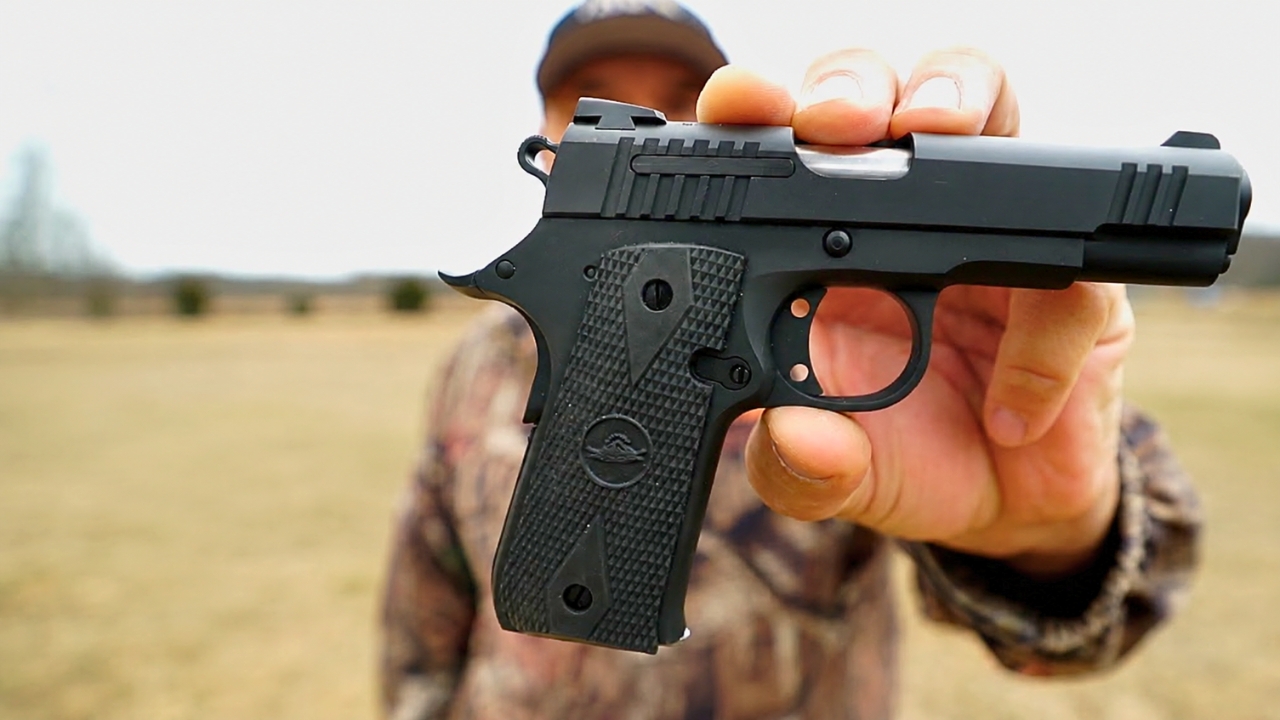
The Kimber Micro 9 attracts buyers because it looks and feels like a small 1911-style carry pistol. The metal frame, thumb safety, and crisp appearance make it seem more refined than the average tiny defensive gun. For someone who likes classic controls, it can feel like the smart choice.
Training can make it feel fussier than expected. Small 1911-style pistols require consistency with the safety, grip, and trigger, and the tiny frame leaves little room for sloppy handling. Recoil can feel sharp, and reloads are not as easy as they look when your hands are moving fast. It may carry nicely, but it is not the kind of gun that hides bad technique. You have to practice with it seriously.
Glock 26
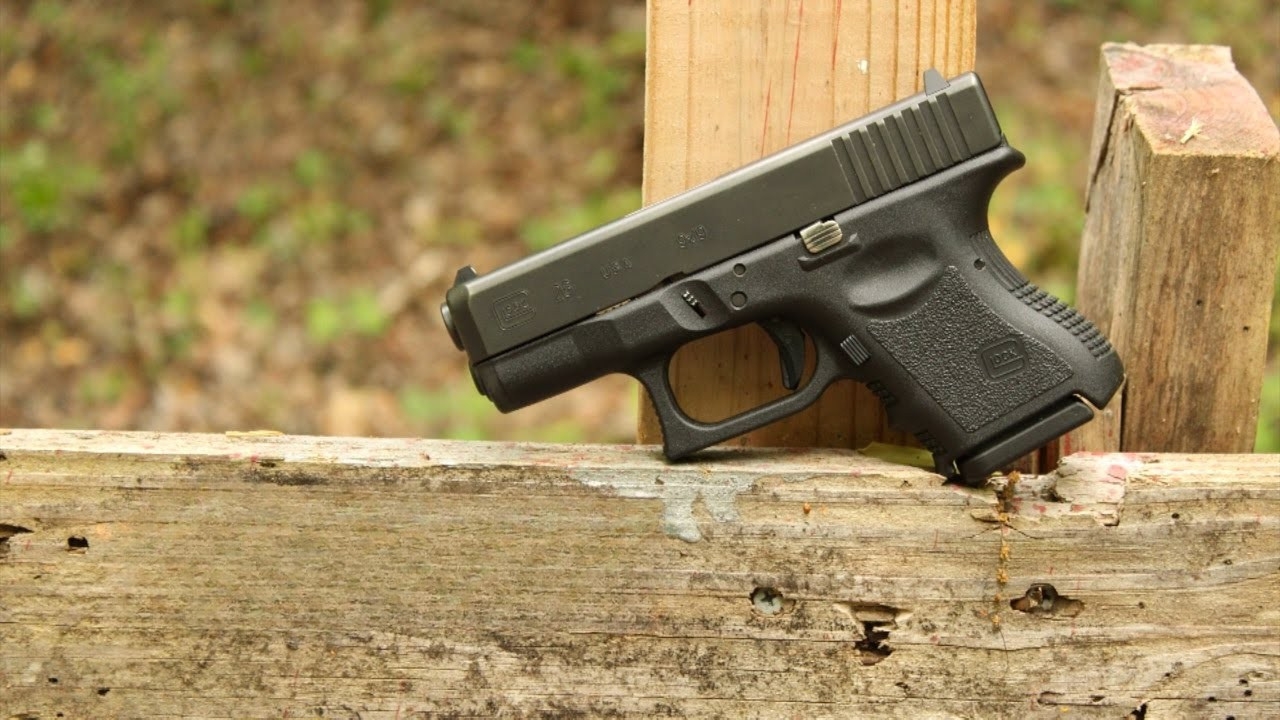
The Glock 26 has always seemed smart because it gives you Glock reliability in a smaller package. It accepts larger Glock magazines, carries easier than a Glock 19, and has enough track record to earn trust. On paper, it feels like a compact answer with full-size backup options.
During training, some shooters realize the short grip is the weak point. The pistol itself shoots well, but getting a fast, repeatable grip from concealment can be harder than it looks. Add magazine extensions, and suddenly the size advantage shrinks. It is still a good gun, but it can make owners question whether they should have just carried a Glock 19 or chosen a slimmer modern carry pistol instead.
Taurus G3c
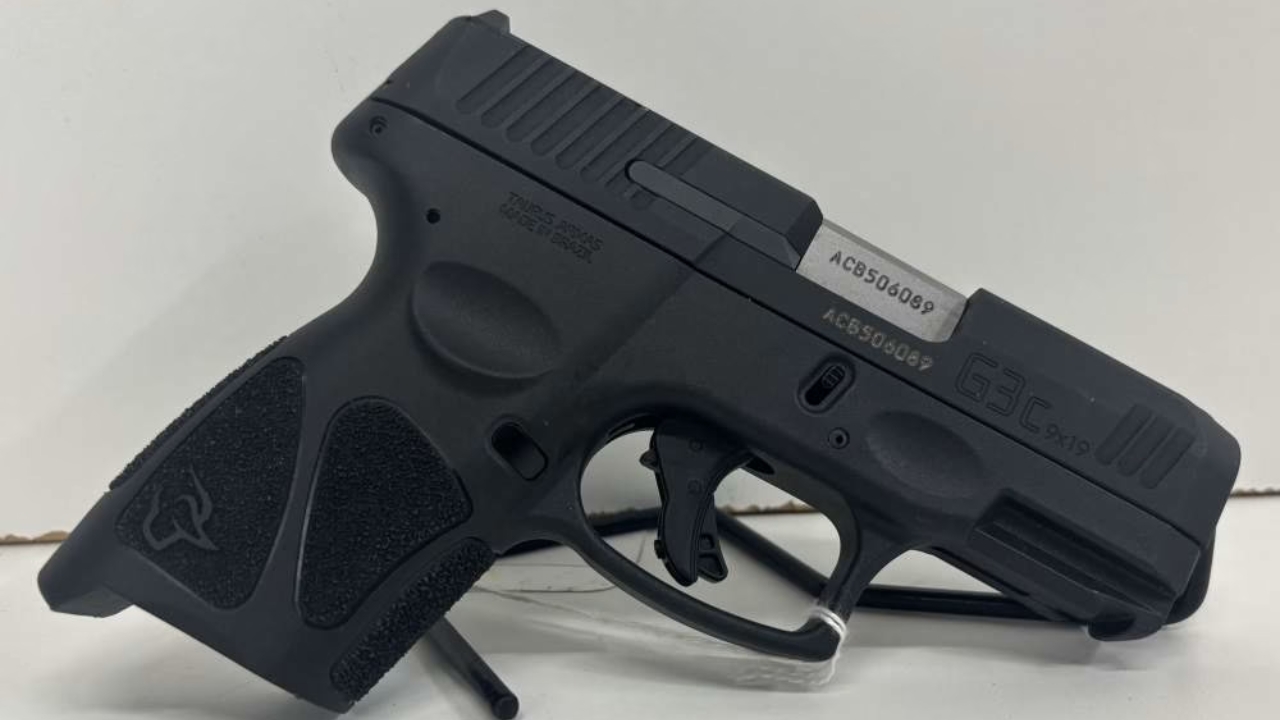
The Taurus G3c seems smart because it is affordable, compact, and offers decent capacity for the money. For someone buying a first carry pistol or keeping costs down, it looks like a practical choice. It gives you a lot of gun without a painful price tag.
Training can reveal why price is not the only thing that matters. The trigger, sights, controls, and overall feel may not hold up as well under fast drills compared to more refined pistols. Some owners get reliable examples and shoot them fine, but others find the gun less confidence-inspiring as round counts climb. A cheap pistol can be smart if it runs well, but training tells you whether the savings were worth it.
SCCY CPX-2
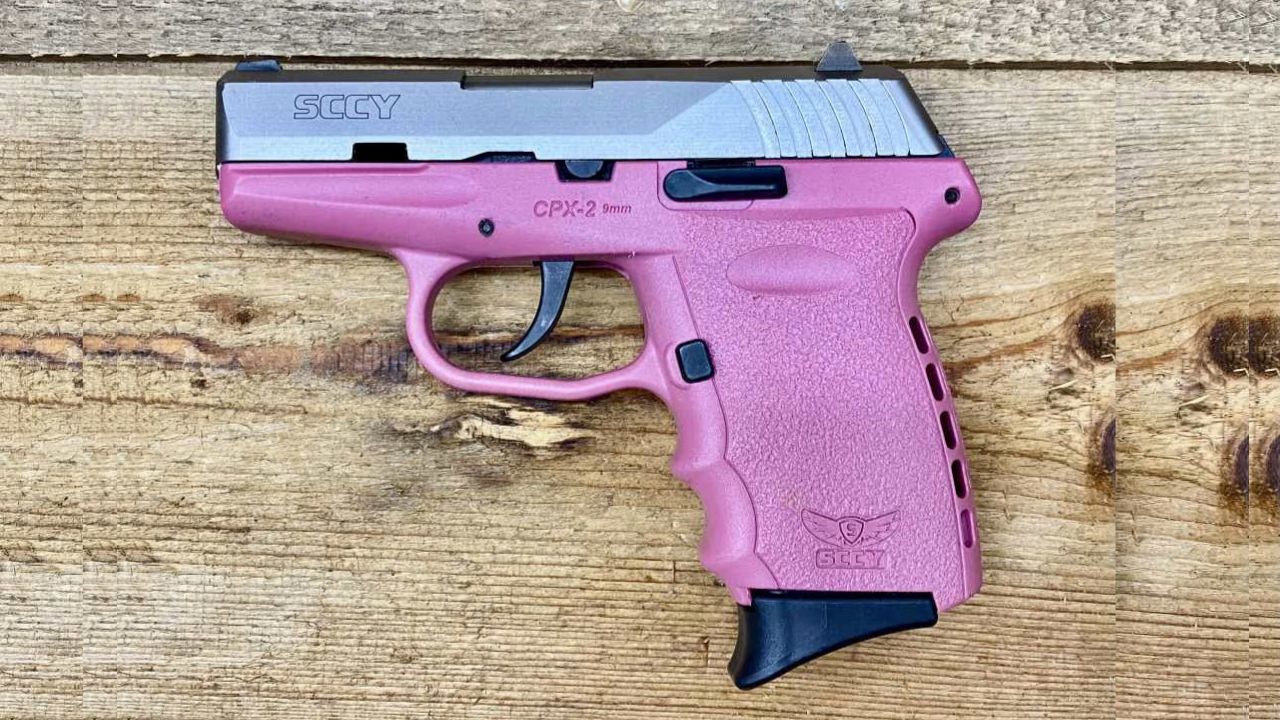
The SCCY CPX-2 appeals to buyers because it is inexpensive, compact, and simple. It gives people a defensive-sized 9mm without asking for much money, and the long double-action-style trigger can seem like a safety benefit to someone nervous about carrying.
That trigger becomes the main problem once you start training. It is long, heavy, and harder to run quickly than most modern striker-fired pistols. Combine that with a small grip and snappy recoil, and accurate fast shooting takes more work than many buyers expect. It may seem smart as a budget defensive gun, but a pistol you struggle to shoot well under pressure is not much of a bargain.
Bond Arms Backup
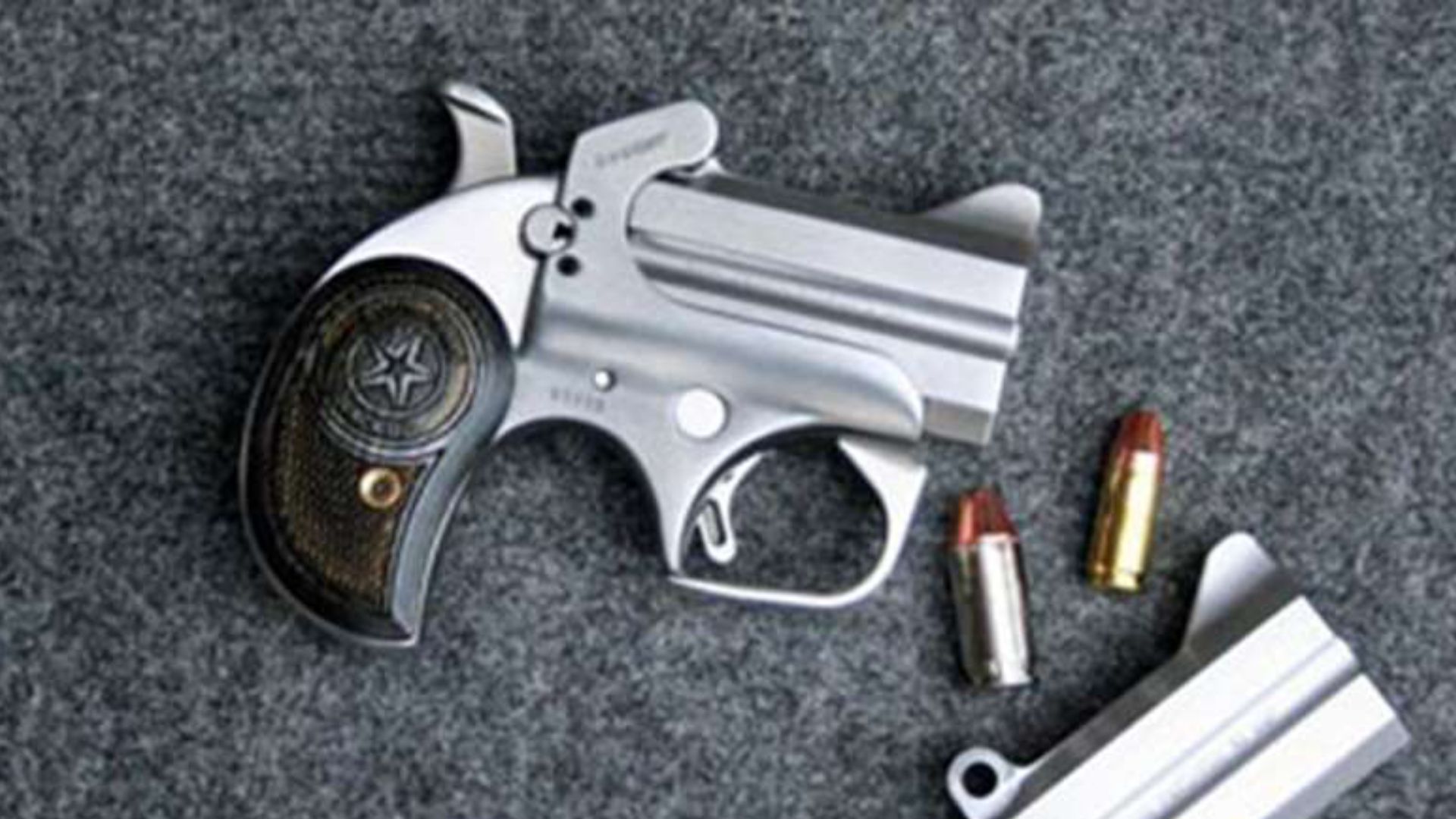
The Bond Arms Backup seems smart if you want something compact, simple, and solid. A small derringer-style pistol with serious chambering options can sound like a reliable last-ditch defensive tool. It also has a reassuringly sturdy feel that cheaper pocket pistols do not always offer.
Training usually exposes the format more than the brand. Two shots, heavy recoil, small sights, slow reloads, and limited grip surface all work against you. It is a specialty gun, not a general defensive pistol. The problem is that many buyers imagine it filling a bigger role than it should. Once you run timed drills or try follow-up shots, it becomes clear how much you give up for that compact simplicity.
Rock Island Armory Baby Rock
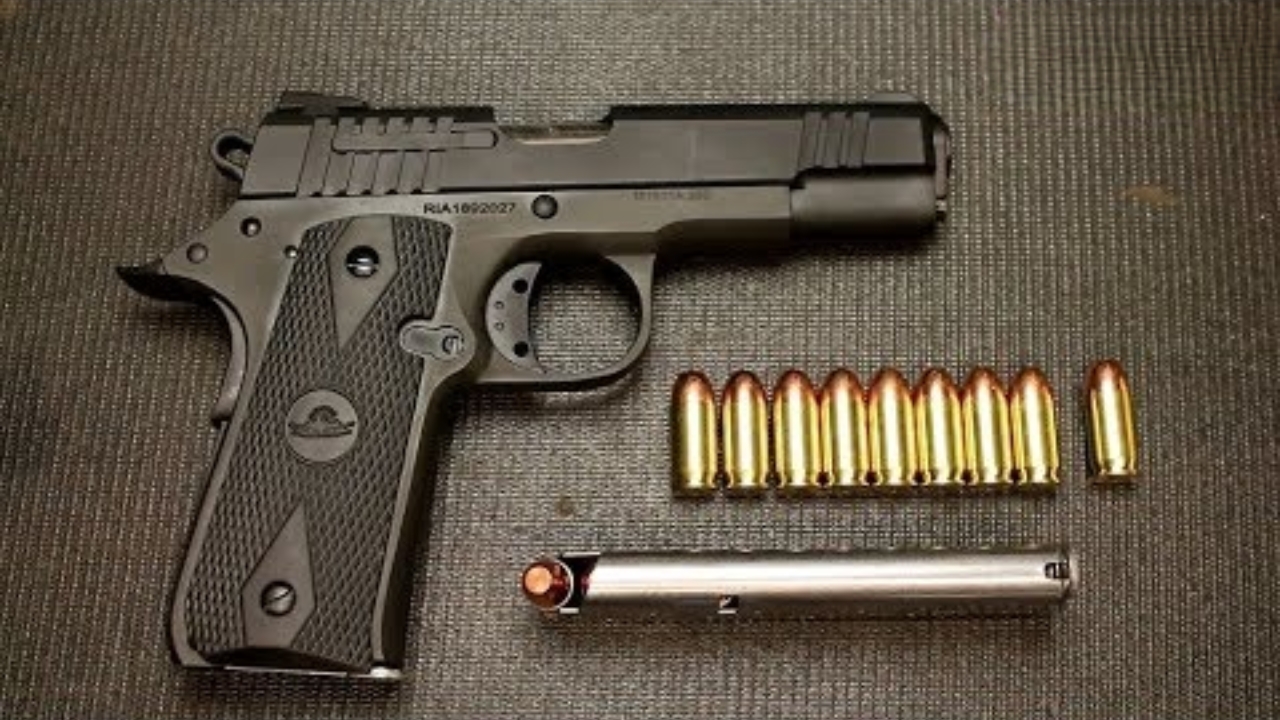
The Rock Island Baby Rock can seem smart because it gives you a small 1911-style pistol in .380 ACP. It has classic lines, softer recoil than tiny 9mms, and a familiar manual safety for shooters who like the 1911 layout. It feels like a neat carry option at first.
Training makes the tradeoffs harder to ignore. The gun is small enough to be less forgiving, but still carries the demands of a single-action manual-safety pistol. You need clean draws, consistent safety use, and enough practice to handle reloads and malfunctions without fumbling. It can be pleasant on the range, but a defensive carry gun has to be fast and automatic in your hands. That takes more work than the small size suggests.
Charter Arms Bulldog

The Charter Arms Bulldog has a long-standing appeal because it is a compact revolver chambered in .44 Special. That sounds like a lot of punch in a simple package, and for woods carry or close defensive use, the concept makes sense. It is easy to see why people like the idea.
Then you train with it and feel the compromise. The gun is light for the cartridge, the trigger takes practice, and fast follow-up shots are not effortless. Reloading a small revolver under stress is also slower than many semi-auto owners expect. The Bulldog can work for someone who understands it, but it is not a shortcut. It rewards practice and punishes the idea that a big bullet solves everything.
KelTec P-32
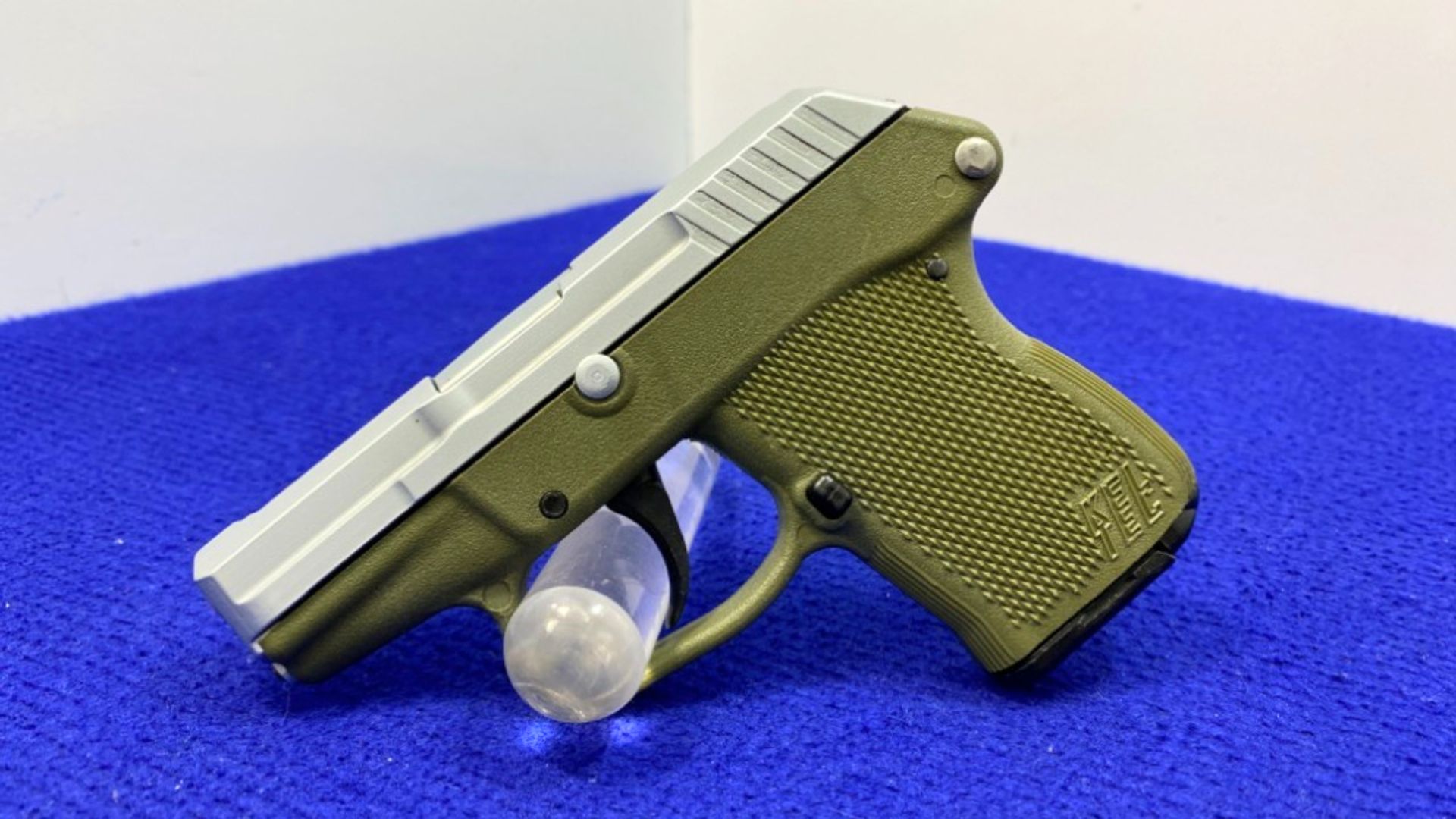
The KelTec P-32 seems smart because it is so small and light that you can carry it when almost anything else feels like too much. For people who want a true pocket gun, it has real appeal. It also tends to be easier to shoot than some tiny .380s because recoil is milder.
The problem is that training reminds you how limited the platform is. The sights are minimal, the grip is tiny, the cartridge is modest, and manipulations require patience. You are not going to run it like a service pistol. It fills a very specific role, and that role is mostly about convenience. It is better than being unarmed, but it can feel a lot less smart when you try to push it beyond pocket-gun distances and pace.
North American Arms Mini Revolver
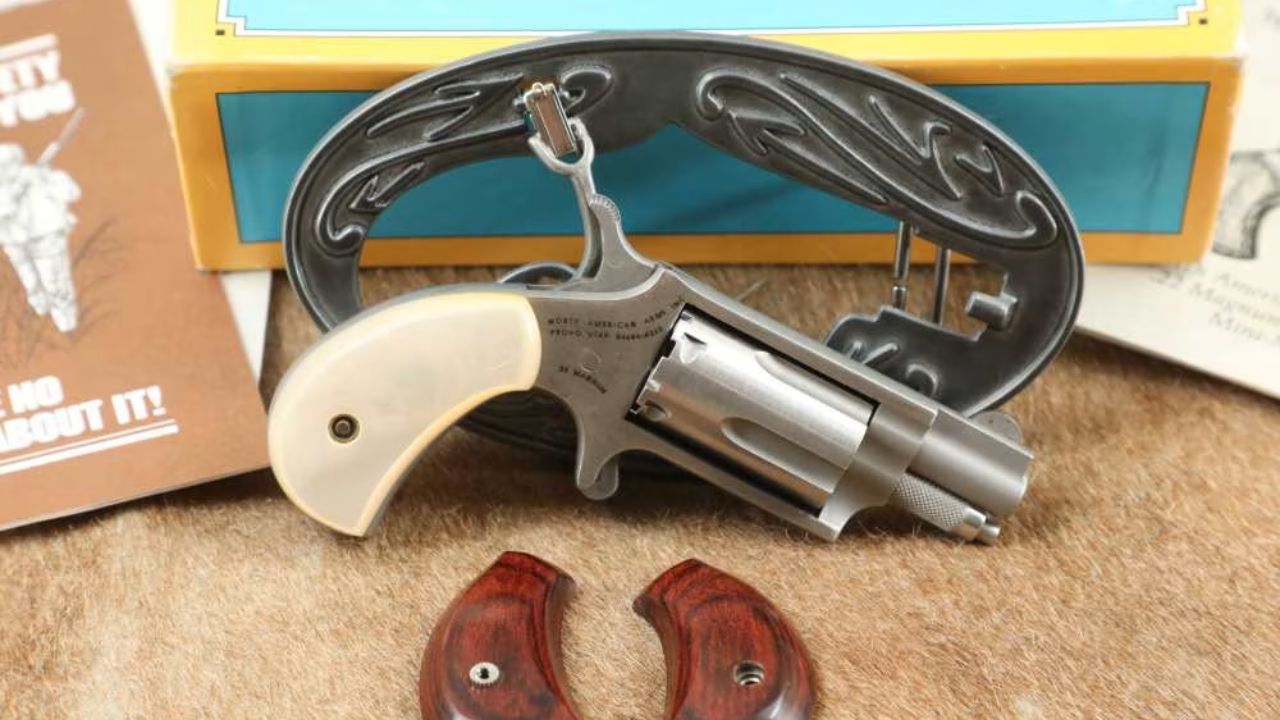
The North American Arms Mini Revolver looks smart to some buyers because it is tiny, well-made, and easy to hide almost anywhere. It has a certain appeal as a last-resort gun, especially for people who want something extremely simple and compact.
Actual training is where the romance fades. The grip is tiny, the sights are minimal, cocking the hammer takes care, and accurate shooting under speed is difficult. Reloading is also extremely slow compared to almost any modern defensive handgun. It is an impressive little machine, but it is not easy to run under pressure. Owners who practice with it honestly usually realize it belongs in a very narrow backup role.
Walther CCP

The Walther CCP seems smart because it promises softer recoil and easier slide operation. For newer shooters, people with weaker hands, or anyone who dislikes snappy carry pistols, that sales pitch makes sense. The grip feels comfortable, and the pistol can be pleasant to shoot slowly.
Training can expose the downside. The trigger is not as crisp as many shooters expect from Walther, the pistol has a different operating system, and maintenance can feel less straightforward than more common carry guns. Under faster drills, it may not feel as sharp or confidence-building as the brand name suggests. It was designed around comfort, but serious training demands more than comfort. You still need speed, consistency, and simple handling.
SIG Sauer P938
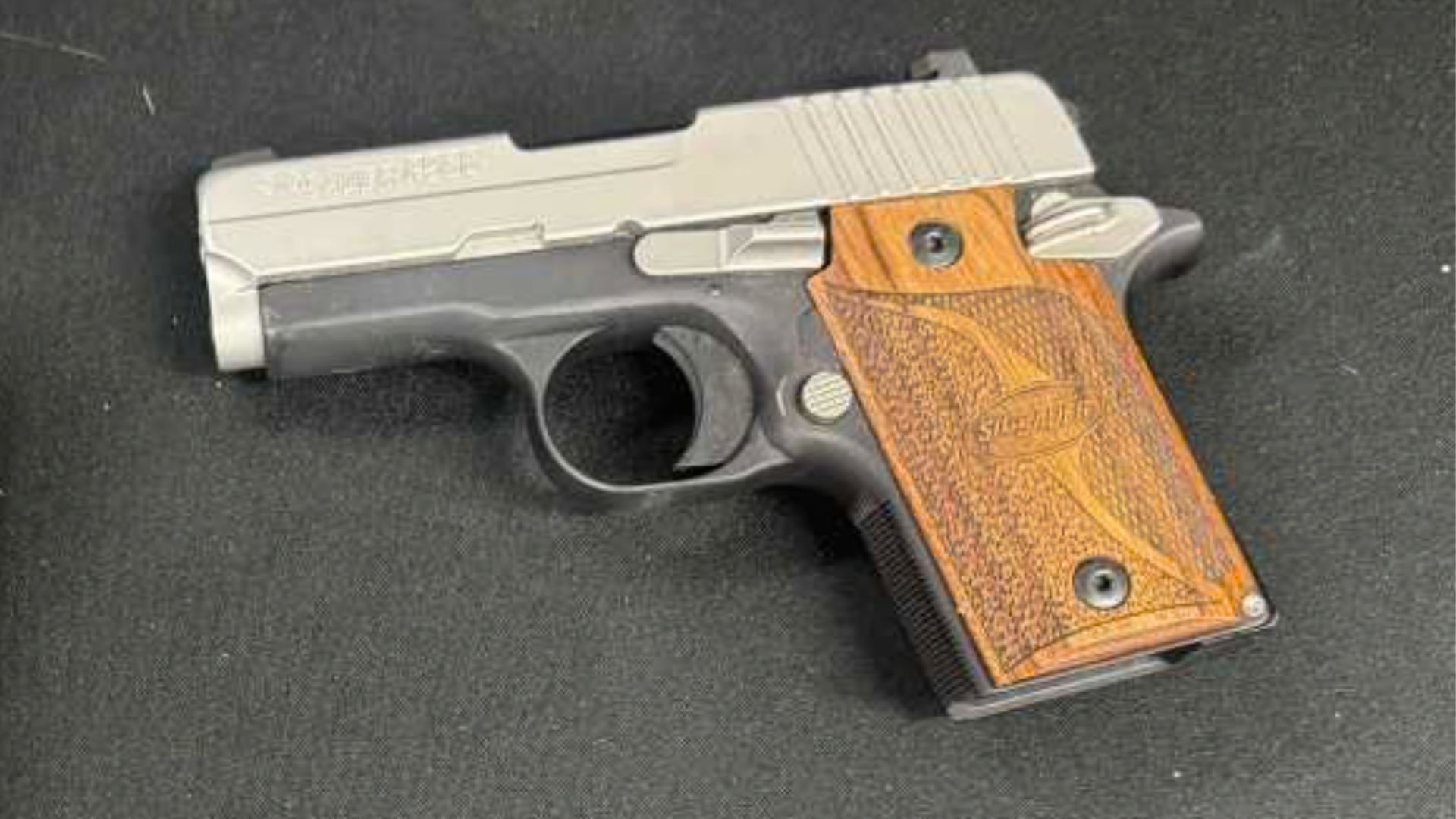
The SIG P938 seems smart because it gives you a tiny, classy, metal-framed 9mm with 1911-style controls. It looks better than most pocket guns, carries easily, and feels like a serious little pistol. For someone who likes cocked-and-locked carry, it has obvious appeal.
The training side is less forgiving. The gun is small, recoil is sharp, and the manual safety requires consistent practice every time you draw. The short grip can make fast strings and reloads harder than expected, especially if your hands are large. It is accurate for its size, but it demands more attention than many modern carry guns. The P938 is smart only if you are willing to train like the controls matter.
Like The Avid Outdoorsman’s content? Subscribe to our newsletter so you never miss an article.
Here’s more from us: