Photo credit: GunBroker
A lot of pistols get judged in the gun shop—how they feel in the hand, how “clean” the trigger feels dry, what the internet says this week. Then you actually shoot them, and the story changes. Some guns that look plain end up stacking tight groups. Some “budget” pistols run hard and stay easy to control. And some pistols people love to talk about end up being harder to shoot well than they expected.
Here are 15 handguns that consistently surprise people once the target goes up and the timer comes out.
CZ P-10 C

The P-10 C surprises people because it shoots flatter than they expect for a compact, and the trigger is usually better than what folks assume from the price tag. The grip shape locks in, and that makes it easier to keep the dot or front sight returning to the same place shot after shot. A lot of shooters pick it up thinking it’ll be “fine,” then look at the target and realize it’s doing work.
What really surprises people is how easy it is to call shots with it. If you’re running simple drills—draw, two shots, reload, two shots—the gun stays predictable. Just make sure you’ve got a holster you trust and quality mags. When it’s set up right, it punches above its class.
CZ P-10 F

Full-size pistols should be easy to shoot, but the P-10 F still surprises people because it’s stable and honest. The gun doesn’t feel twitchy when you speed up, and it’s usually capable of better groups than the shooter wants to admit. The full grip gives you leverage, which helps newer shooters stop squeezing the life out of the gun and still keep control.
It’s also a pistol that rewards fundamentals. If your trigger press is clean, it shows. If it’s sloppy, it shows too. That’s a good thing. People expect “budget full-size,” and then the gun turns into a legit practice tool that keeps them improving.
Canik TP9SF Elite

Caniks surprise people because they feel “ready” out of the box. You don’t need to throw a bunch of parts at it just to get a decent trigger and a usable sight picture. The TP9SF Elite is a solid example—easy to shoot, easy to get on target, and very manageable when you start firing faster than slow-fire pace.
The surprise usually comes when someone runs a few magazines through it and realizes the gun isn’t holding them back. It tracks well, and it’s simple to keep consistent. Like any pistol, prove it with your ammo and your mags. But when it’s reliable, it’s a serious range performer for the money.
Canik SFx Rival

The Rival surprises people because it shoots like it was built for speed drills—because it was. Even shooters who aren’t “match” guys will notice how easy it is to keep hits tight while moving faster. The trigger feel, grip, and sight picture all help you press clean shots without forcing it.
A lot of folks show up expecting a flashy range toy and end up getting humbled—in a good way—when they see the groups and times. The only thing I’ll say is don’t treat it like a safe queen. Run it hard, keep it clean enough, and confirm reliability with the ammo you actually shoot. It can be a workhorse, not just a showpiece.
Walther PDP (Compact)

The PDP surprises people because it makes them shoot better quickly. Some pistols take time to learn. The PDP tends to point naturally for a lot of hands, and the controls are easy to work without shifting your grip. When you’re doing basic drills, that translates into faster first shots and fewer misses when you try to speed up.
At the range, the surprise is usually how tight the groups stay when the pace increases. The gun is responsive and it returns to target consistently if your grip is solid. If you’re the type who wants a pistol that rewards practice without making you fight ergonomics, the PDP tends to win people over fast.
Smith & Wesson M&P 2.0 Compact

Some people try the M&P 2.0 Compact after years of shooting other striker-fired pistols and immediately notice the grip. That texture and shape help you stay locked in, and it keeps the gun from shifting around when you’re firing quickly. That’s why it surprises people on bill drills and simple transition work.
The surprise isn’t that it’s accurate—most modern pistols are accurate enough. It’s that the gun stays controllable for a wide range of shooters. If you’ve got smaller hands or you struggle with consistent grip pressure, the M&P 2.0 Compact can make your shooting look cleaner than you expect.
Ruger Mark IV

A .22 pistol surprises people because it exposes what’s really happening in your trigger press. The Mark IV is accurate, consistent, and easy to shoot well, which is exactly why it’s such a good range gun. When someone thinks they’re “pretty decent” with a handgun, the Mark IV will either confirm it or call them out immediately.
It also surprises people with how much practice they’ll actually do with it. Low recoil and cheap ammo mean more reps, and more reps mean real improvement. If you want to build clean hits, steady sight tracking, and better control without getting beat up, the Mark IV is one of the smartest range picks you can make.
Beretta 92X
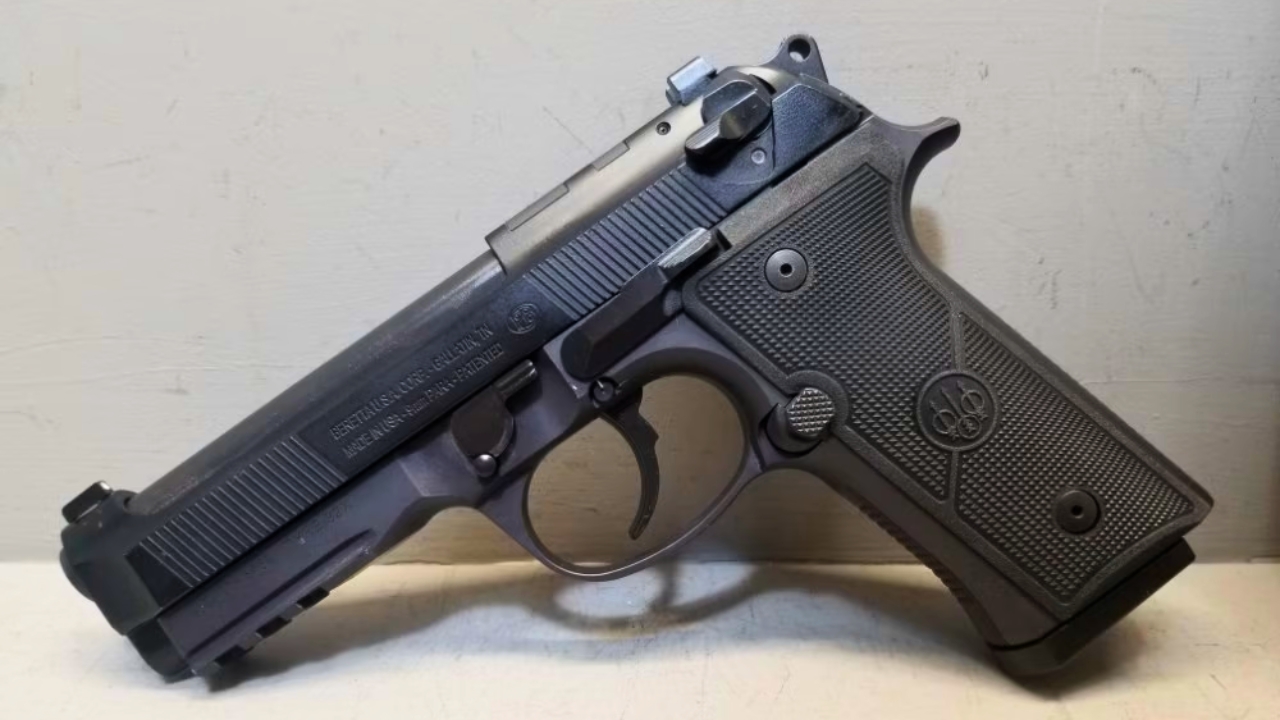
The Beretta 92X surprises people who’ve mostly shot polymer striker guns. That weight and smooth cycling make it feel calmer during recoil, and it’s easier to keep sights settled while you’re pressing the trigger with speed. People often expect it to be “old school,” then they shoot it and realize why the platform has lasted.
The DA/SA setup also surprises folks once they learn it. The first shot takes discipline, and then the gun gets very easy to run. On the range, it’s a pistol that makes tight groups feel normal. If you’re willing to practice that first-shot trigger press, it’s one of the more satisfying pistols to shoot well.
CZ SP-01
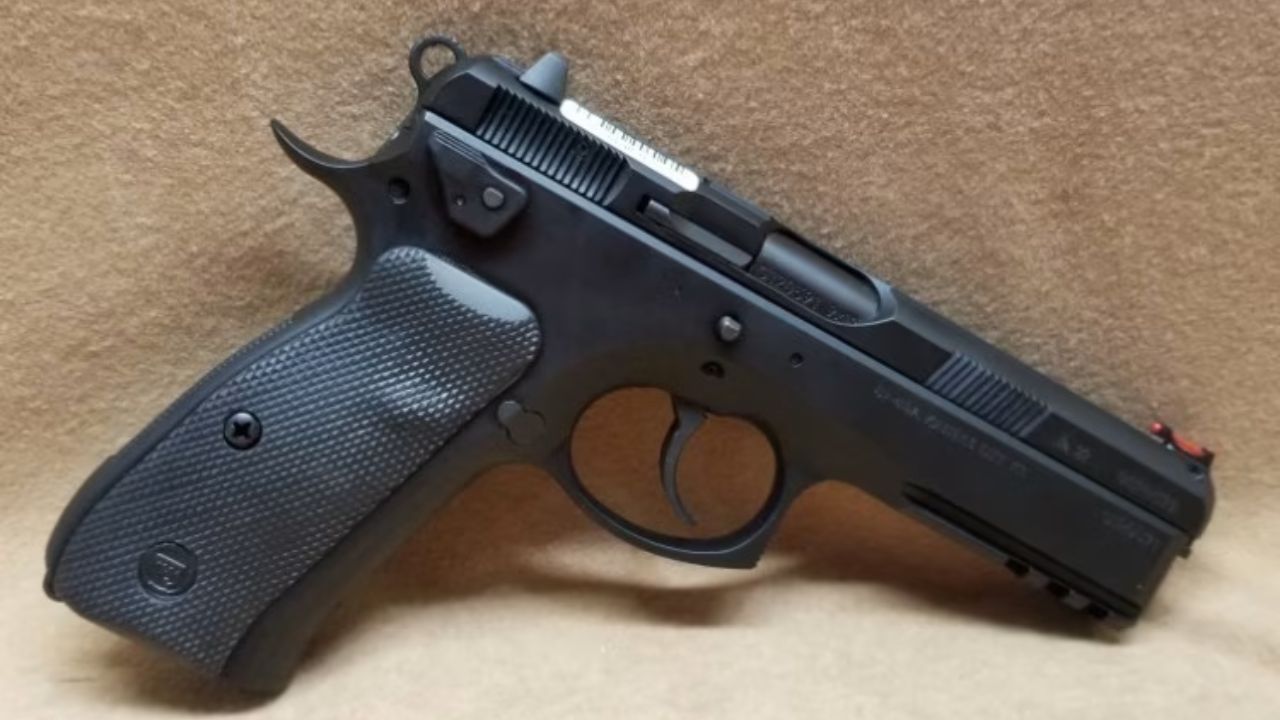
The SP-01 surprises people because it’s heavy in the best way. It stays flat, it soaks up recoil, and it makes rapid hits feel more controlled than most polymer guns. If someone is used to lighter pistols snapping around, the SP-01 feels stable, and the target shows it.
It’s also a pistol that makes follow-up shots easy to predict. When you’re working on doubles or controlled pairs, you can actually see the sights lift and return in a repeatable way. The main drawback is it’s not light. But as a range gun or training pistol, it’s one of the easiest ways to build speed with accountability.
Springfield Echelon

The Echelon surprises people because it’s not just “another striker gun.” The grip and balance tend to point naturally, and the pistol tracks well when you start pushing pace. A lot of shooters expect it to be average, then they get behind it and realize it’s set up for practical shooting without a pile of changes.
The surprise at the range is usually how consistent it feels across different drills. Draws, reloads, transitions—it doesn’t fight you. As always, prove it with your carry ammo if you plan to use it that way, and run enough rounds to trust it. But from a shooting standpoint, it’s better than many people expect.
Glock 34

Even Glock people get surprised by the 34. The longer slide helps the gun settle, and the sight picture feels calmer when you’re trying to shoot faster than your comfort zone. If you’ve only shot smaller Glocks, the 34 can make your splits cleaner and your groups tighter without you feeling like you’re doing anything special.
The surprise is how “easy” fast shooting feels. You still have to do the work—good grip, clean press, honest sight confirmation—but the gun makes it more forgiving. If you’re building range skills that carry over to real shooting performance, the 34 is one of the easiest ways to see measurable improvement.
Glock 45

The Glock 45 surprises people because the full-size grip changes everything. A lot of shooters struggle with consistency on compact grips. The 45 gives you more to hold onto while still keeping a shorter slide. That combo often helps people draw more consistently and keep the gun stable during fast strings.
At the range, the surprise is usually how quickly someone’s hits tighten up when they’re shooting on the clock. The grip stays put, the gun cycles predictably, and it’s easy to keep your hands from creeping around. If concealment works for you, it’s one of the simplest “shoot better now” Glock setups.
Ruger Security-9

The Security-9 surprises people because they expect a budget pistol to feel rough and shoot sloppy. Instead, many shooters find it points well, runs fine, and can be more accurate than they assumed—especially at normal range distances. It’s not a fancy pistol, but it often does the basic job without drama.
The key is being honest about what it is. It’s a practical, straightforward gun that can put hits where you want them. If you’re buying one, run a decent amount of ammo through it early and confirm your mags. But as a “show up and shoot” pistol, it surprises people who expected disappointment.
Taurus G3 / G3C
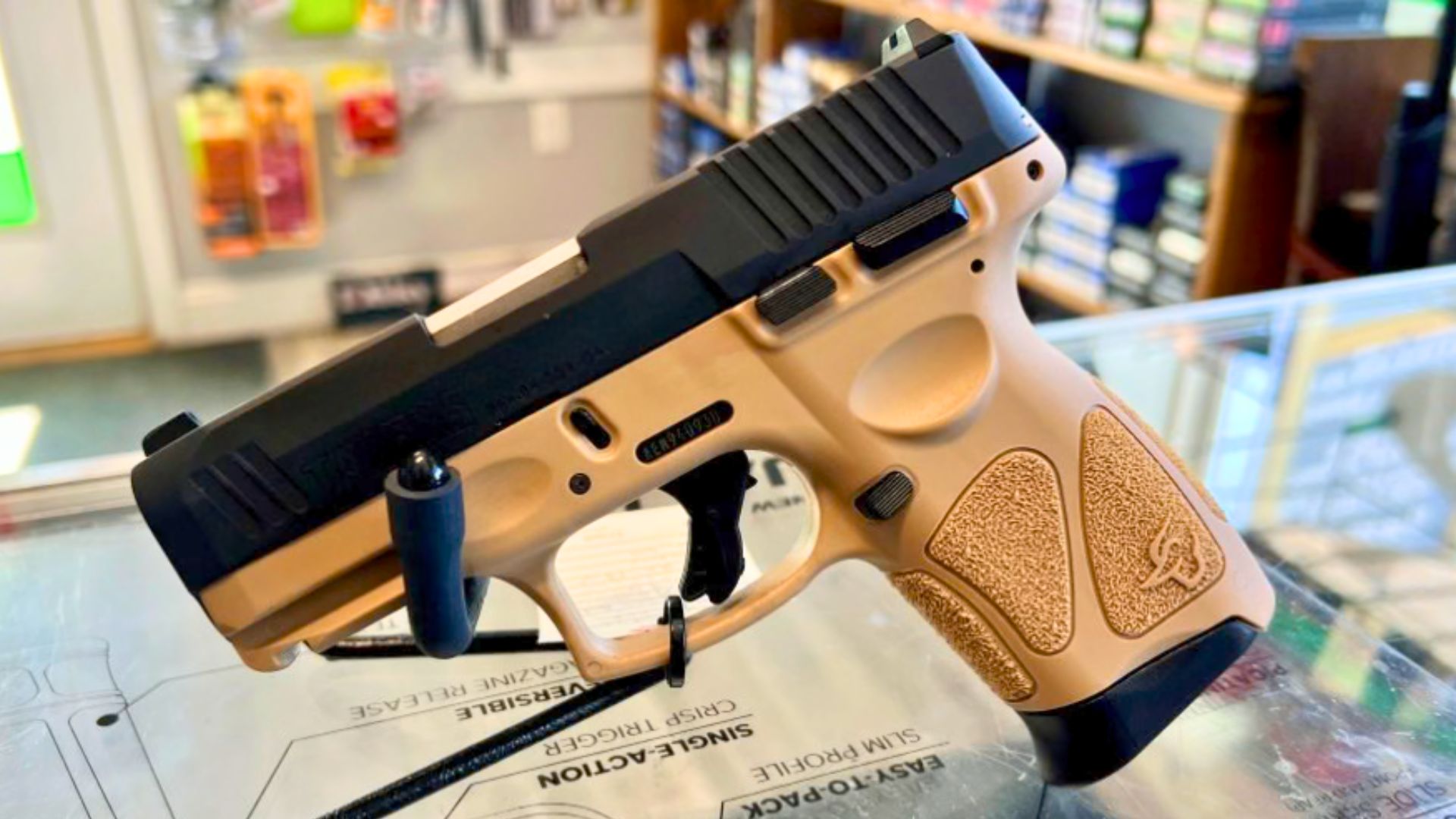
Taurus gets a lot of side-eye, and some of that is earned historically. That’s exactly why the G3 and G3C surprise people when they actually shoot them. Many shooters find they’re more manageable than expected, and they can put respectable groups on paper at typical distances.
I’m not telling anyone to ignore reliability testing. If you buy one, you need to vet it hard with your chosen ammo and carry setup. But purely from a “how does it shoot at the range” perspective, plenty of people walk away surprised that it wasn’t the mess they assumed it would be.
SIG Sauer P365 XL

The P365 XL surprises people because it shoots like a bigger gun than it looks like it should. The extra grip and slide length over the smaller P365 makes a noticeable difference in control, and that means better consistency when you start shooting faster. A lot of folks expect “small carry gun,” then they see their groups stay tight.
At the range, the XL tends to be a confidence builder. It’s easier to get a consistent grip, and it doesn’t feel like it’s trying to jump out of your hands on every shot. If you want something that carries well but doesn’t feel like a compromise once you practice, the XL is a strong pick.
Like The Avid Outdoorsman’s content? Subscribe to our newsletter so you never miss an article.
Here’s more from us: