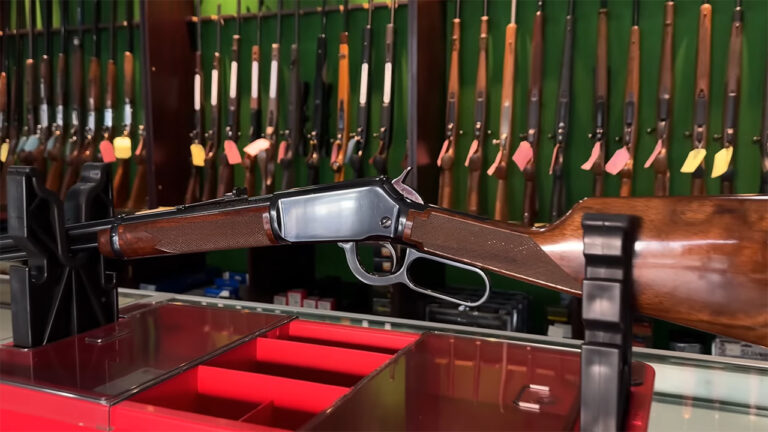
Photo credit: Bergara USA
Some rifles get all the attention because they’re trendy or expensive. In the woods, none of that matters. What matters is a rifle that feeds smoothly, carries well, holds zero, and puts the bullet where you want it when you’re cold, tired, and shooting from a real position—not a bench. There are plenty of rifles that don’t get talked about much that do those things extremely well.
Here are 15 rifles that often get overlooked but keep proving themselves when the hunt is real.
Howa 1500

The Howa 1500 is one of the most overlooked “serious” bolt guns out there. People walk past it because it isn’t the newest hot thing, but in the woods it does what you need: smooth feeding, consistent lockup, and the kind of reliability that shows up over seasons. Many Howas shoot better than the shooter right out of the box, especially once you find a load it likes.
The big advantage is you’re starting with a strong action at a reasonable price, and you can leave it simple. Put a dependable scope on it, torque things correctly, and go hunt. The rifle doesn’t need constant attention, and that’s what makes it perform so well on real hunts.
Weatherby Vanguard
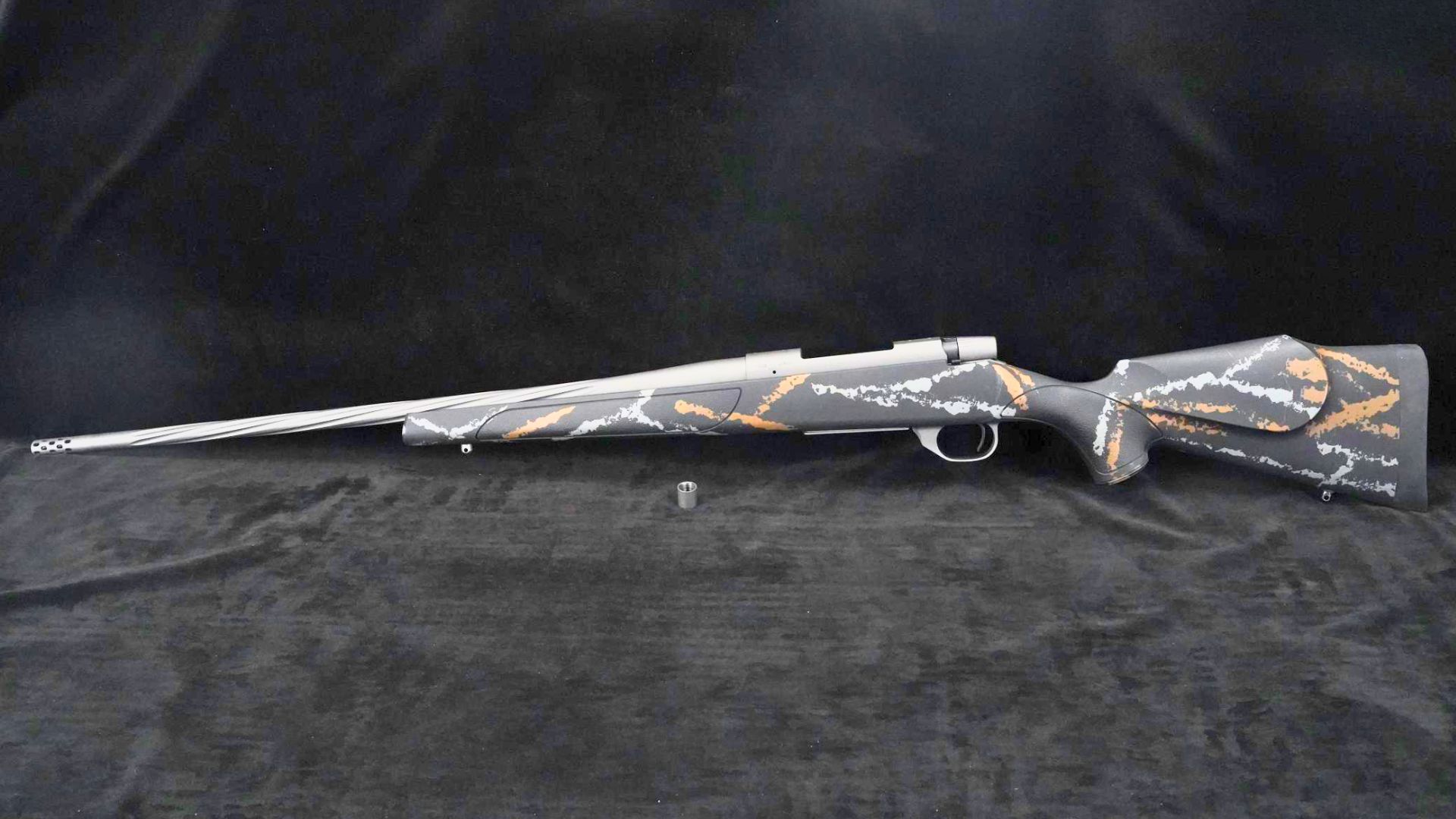
The Vanguard gets ignored because it lives in a weird space—more “traditional” than the trendy lightweight crowd, but not always treated as a premium rifle either. In the woods, the Vanguard’s weight and solid build are assets. It tends to shoot consistently, and it doesn’t feel like it’s going to rattle apart after getting bumped around in a truck or on an ATV.
What it does well is repeatability. If you zero it and you don’t mess with your setup, it stays where you put it. The action is generally smooth, and it feeds hunting ammo without drama. For a working deer rifle that doesn’t demand upgrades to be dependable, the Vanguard deserves more respect than it gets.
Savage 110 (standard hunting models)
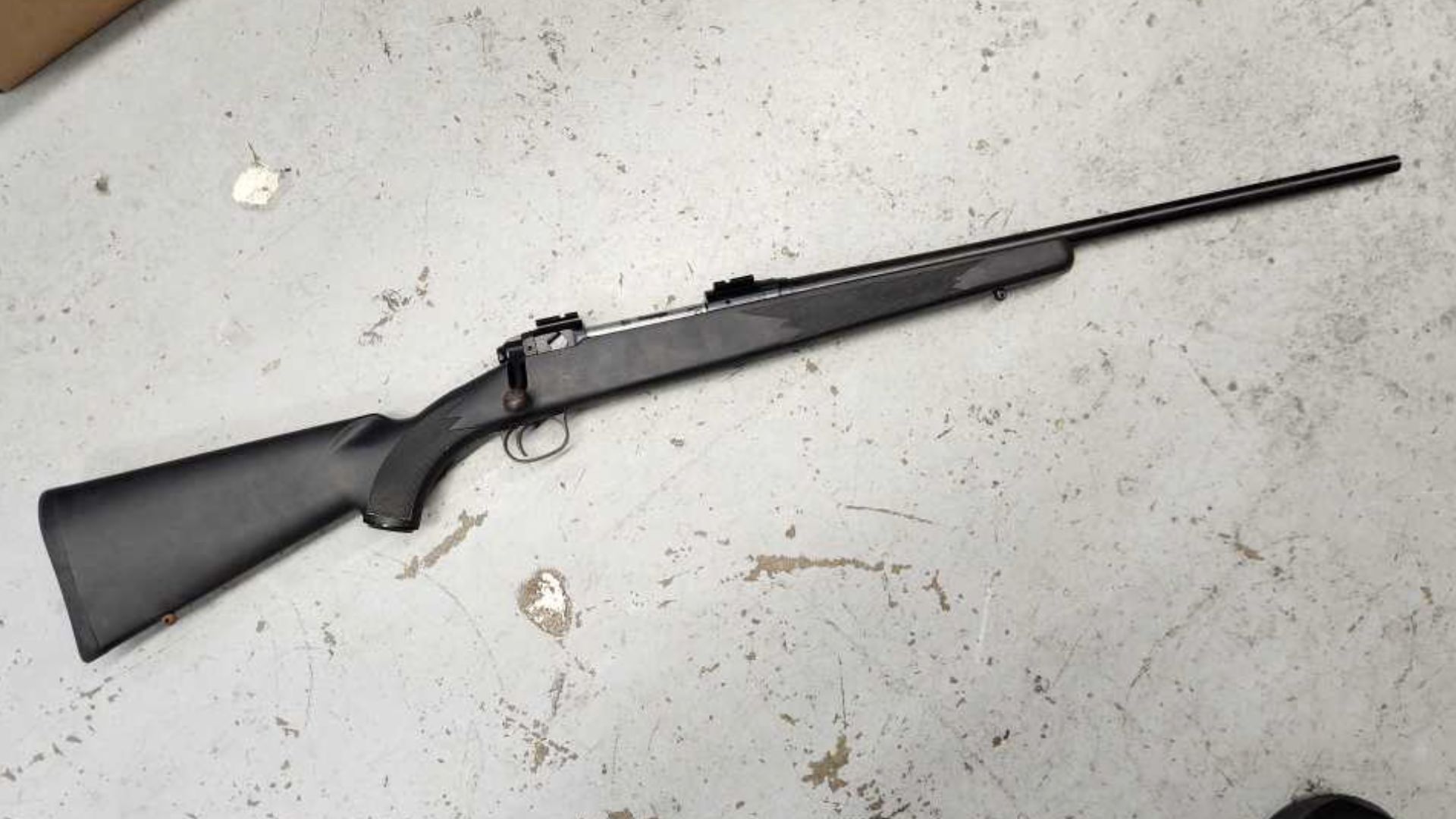
Savage gets plenty of attention, but the plain hunting 110s still get underrated because they aren’t “pretty.” In the woods, accuracy and function beat looks every time. The 110 platform has put a lot of deer in freezers because it tends to shoot well, the barrel options are solid, and the design is forgiving if you’re not a gunsmith.
The AccuTrigger setup isn’t everyone’s favorite on feel, but it’s usable and safe, and many rifles will flat-out group. If you keep your screws torqued and don’t ignore stock fit, a basic Savage 110 will surprise you with how consistently it holds point of impact through normal hunting abuse.
Ruger American (standard and Gen II)
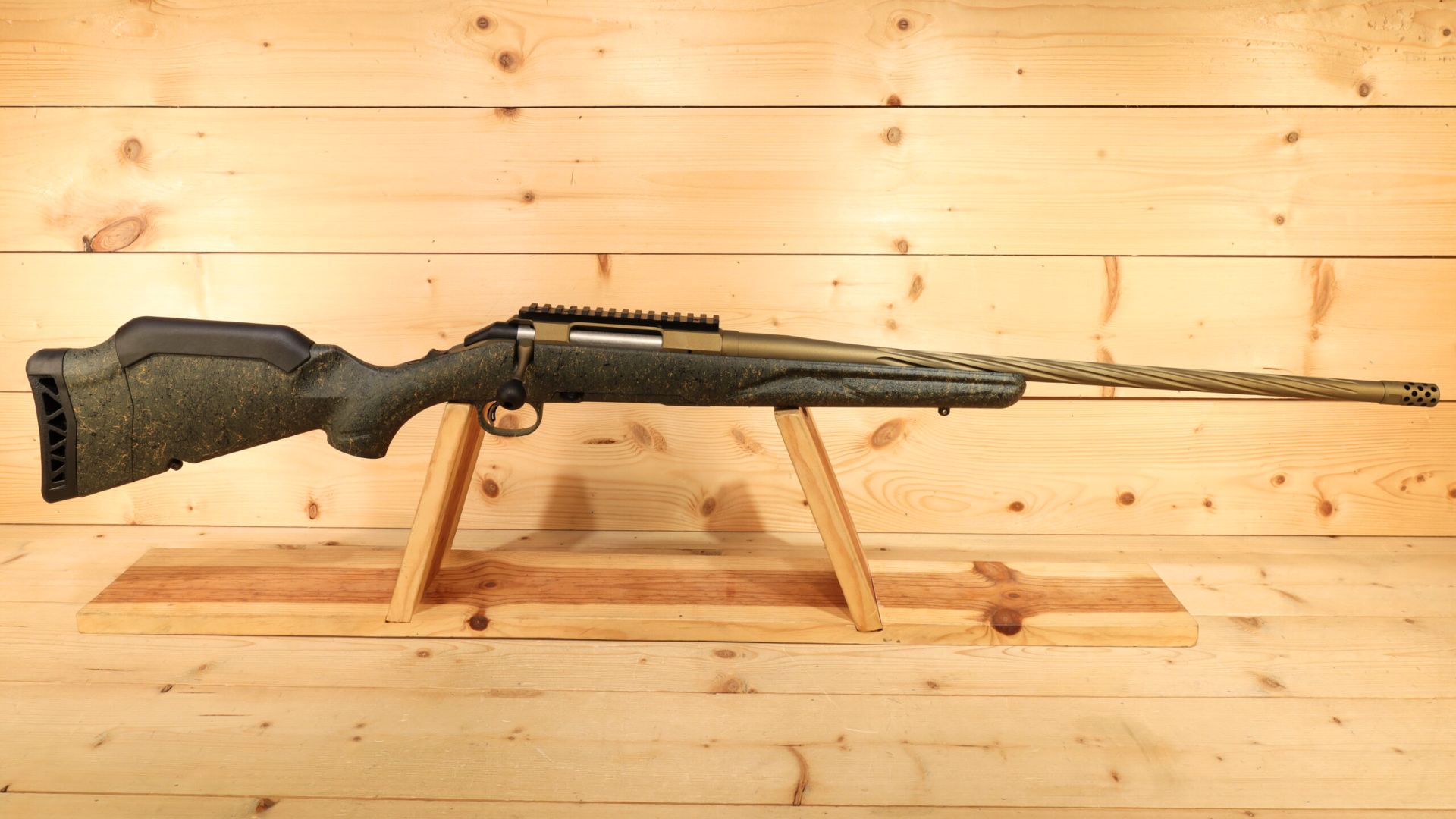
The Ruger American gets dismissed as a “cheap rifle,” but a lot of them shoot extremely well for what they cost. In the woods, that matters because you can afford to set it up correctly—good rings, a dependable scope, and ammo you’ve actually tested—without spending your whole budget on the rifle itself.
Where it shines is practicality. It’s light enough to carry, it cycles fine, and it tends to feed hunting ammo without becoming picky. The stock isn’t premium, but it works. If you take the time to mount your scope correctly and confirm zero after travel, the Ruger American can be a very dependable deer rifle.
Tikka T3x (Lite and standard models)

Tikka isn’t a secret, but a lot of hunters still overlook it because it doesn’t have the “American classic” name attached. In the woods, the T3x earns respect because the action is smooth, the barrels usually shoot, and the whole rifle tends to feel well-fitted without needing you to chase fixes.
The underrated part is how easy it is to live with. Feeding is smooth, bolt lift is light, and the rifle carries well. If you hunt long walks or uneven terrain, that matters. Put a good recoil pad on if you’re running a harder-kicking caliber, and you’ll have a rifle that’s simple, accurate, and dependable season after season.
Mossberg Patriot

The Patriot gets treated like an entry-level rifle that “might be okay.” In the woods, a good Patriot is better than people expect, especially for hunters who just need a practical bolt gun that can shoot minute-of-deer reliably. It’s not a high-end action, but many of them produce very usable accuracy with common hunting ammo.
The key is to buy it with realistic expectations and then verify it. Mount your scope carefully, shoot a few different loads, and see what it likes. If you get a good one, it will do its job without the drama people assume. For a basic hunting rifle that you won’t cry about getting scratched, it can be a solid choice.
Winchester XPR

The XPR doesn’t get the same love as some other Winchester names, which is exactly why it’s underrated. In the woods, the rifle carries well and tends to be accurate enough to handle normal hunting distances easily. The action is functional, and it generally feeds soft points and common hunting loads without the hang-ups some budget rifles can have.
What surprises people is consistency. If you’ve got a stable rest and you do your part, many XPRs will print groups that make you look twice at the target. It’s also an easy rifle to own—simple maintenance, no oddball parts needs, and a straightforward setup. For a working deer rifle, it’s better than it gets credit for.
Thompson/Center Compass

The Compass is another rifle people love to dismiss online, but plenty of hunters have dragged them through real woods and gotten good results. The rifles are often accurate for the money, and when you’re talking about deer hunting, “boring accuracy” is the goal. You want a rifle that hits where you aim and keeps doing it.
The best thing about the Compass is budget flexibility. You can spend more on the scope and ammo testing, which usually matters more than buying a fancy rifle you can’t set up properly. Vet it, confirm feeding with your hunting ammo, and make sure your scope mounting is solid. A sorted Compass can be a legit freezer-filler.
Marlin 336 (older production)

Lever guns aren’t always treated seriously by the “long-range” crowd, and that’s why a Marlin 336 can feel underrated today. In the woods, inside typical timber distances, a 336 is fast, handy, and effective. It carries easily in brush, comes to the shoulder naturally, and doesn’t make you feel like you’re hauling a fence post through the trees.
What it does well is speed and simplicity. With a good zero and a load your rifle likes, it’s extremely practical for deer in thick cover. Just check your screws, keep it clean, and don’t ignore the condition of an older rifle. A good 336 is still one of the more effective woods rifles ever made.
Henry Model X (and similar woods lever setups)
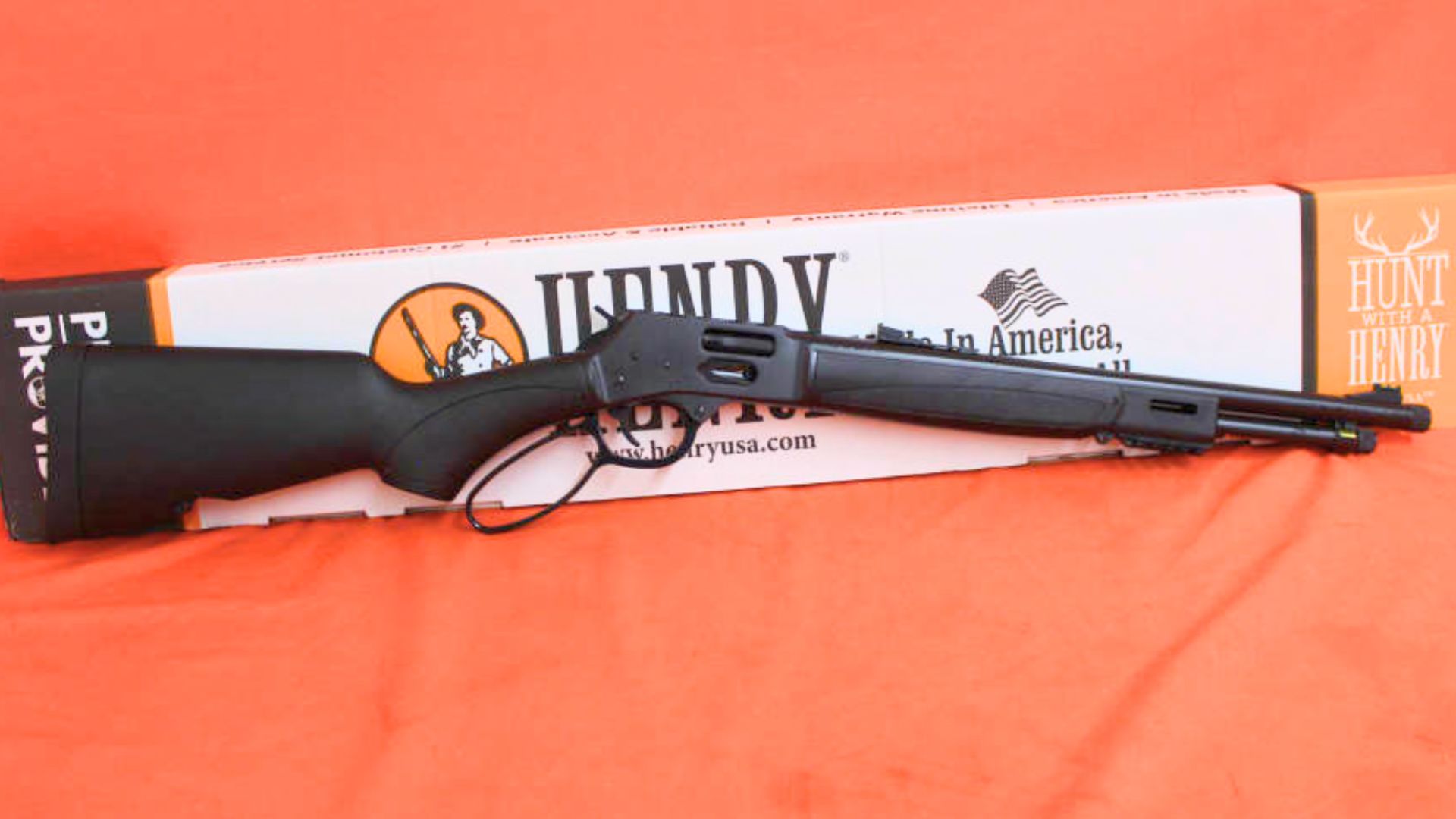
Henry rifles sometimes get pegged as “range fun,” but the Model X-style setups are extremely practical in thick cover. They’re easy to carry, fast to cycle, and they handle awkward shooting angles better than a lot of long bolt guns. In real woods hunting, that kind of handling can matter more than bench accuracy bragging.
The underrated part is how comfortable they are to hunt with. You can move quietly, keep the rifle close, and still get on target quickly. Set it up with a low-power optic or irons you can see in low light. Keep your ammo choice consistent. For thick timber and short-to-mid shots, they do the job better than people expect.
Ruger Gunsite Scout

Scout rifles are a niche, and that’s exactly why the Gunsite Scout gets overlooked. In the woods, it’s handy, balanced, and built to be carried and used from real positions. The shorter barrel, controlled handling, and practical weight make it a solid option when you’re moving a lot or hunting in tighter terrain.
It’s also a rifle that encourages practical shooting habits. You’re not babying it. You’re carrying it, shouldering it, and using it. Whether you run a conventional scope or a forward setup, the idea is the same: fast target acquisition and repeatable hits. It’s not for everyone, but it’s far more practical than many people assume.
Bergara B-14 Ridge

Bergara gets attention in certain circles, but the B-14 Ridge can still be underrated among regular deer hunters because it doesn’t have the loud branding or constant chatter. In the woods, it’s a very solid rifle with good barrels and consistent performance. It tends to shoot well without you having to chase “fixes” or hope your rifle is one of the good ones.
The Ridge is also a comfortable carry for a lot of hunters—balanced enough to pack, steady enough to shoot well from field rests. If you want a bolt gun that feels refined but still built for real hunting, it’s a strong option. Mount it right, confirm zero, and it’ll do what you ask.
CZ 527 (where legal/available)

The CZ 527 is one of those rifles that people don’t think about until they’ve handled one. It’s compact, light, and very easy to carry in the woods. For the right cartridges and the right hunting situations, it’s an excellent “walk and hunt” rifle. The controlled-round feed feel and solid build make it dependable in real use.
The underrated part is how well it fits certain hunters. If you hunt smaller-bodied deer, varmints, or you just like a lighter rifle that still feels solid, the 527 can be a perfect match. Since availability can vary, the practical advice is simple: if you find a clean one and it fits your needs, don’t ignore it.
Remington 783
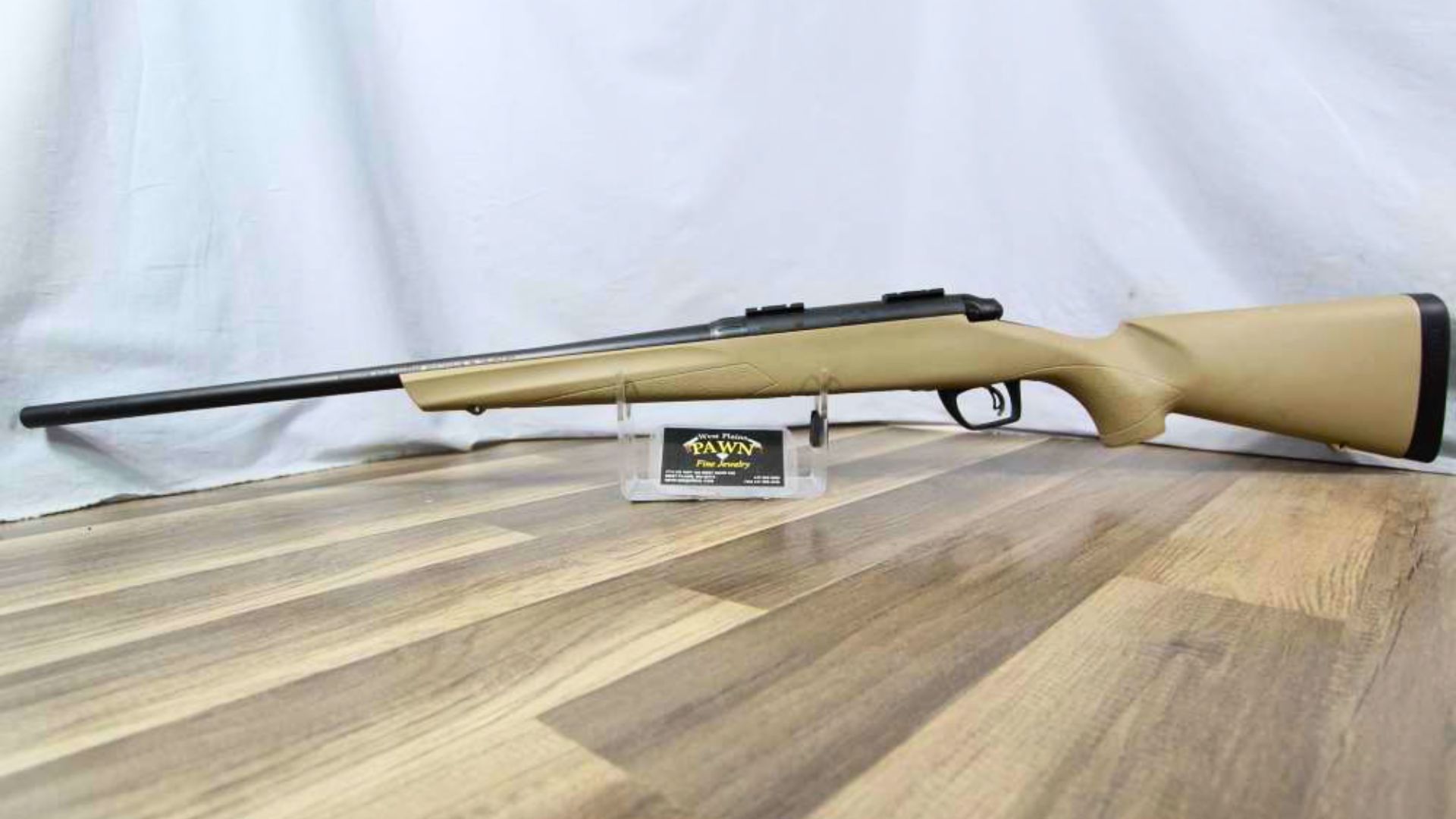
The 783 lives in the shadow of the 700 name, and it takes heat because it’s not a “classic.” But in the woods, a decent 783 can be a very practical rifle. Many shoot accurately enough for deer hunting without costing you a pile of money, and the design is straightforward to maintain as a normal working rifle.
Like any budget rifle, the smart move is to verify it early. Check action screw torque, mount the scope correctly, and shoot multiple loads. If it feeds your hunting ammo smoothly and it holds zero after a few trips, you’ve got what you need. It’s not a collector rifle, but it can be a dependable tool.
H&R / NEF Handi-Rifle

Single-shots aren’t trendy, and that’s why the Handi-Rifle is underrated. In the woods, the simplicity can be a real benefit: fewer moving parts, easy handling, and a rifle you can carry all day without thinking about it. It forces you to make the first shot count, which is how hunting should be anyway.
These rifles can shoot very well, especially with the right load. The practical downside is obvious—you’ve got one shot before a reload, so you need discipline. But if you hunt thick cover, take your time, and want a rifle that’s simple and reliable, the Handi-Rifle can still earn its keep in a way people forget.
Browning BLR

The BLR gets overlooked because it’s not cheap, and lever guns often get boxed into “close range only” talk. The BLR is different. It’s a lever gun that can handle modern cartridges, and it can be very accurate while still giving you the fast handling that lever hunters love. In the woods, that combination is hard to beat.
What makes it perform is how natural it is to carry and shoot. You get quick follow-ups if you need them, and you still have the reach to handle normal deer distances in mixed cover. Keep it maintained, confirm your zero, and stick with ammo it feeds smoothly. A BLR is a serious hunting rifle.
Like The Avid Outdoorsman’s content? Be sure to follow us.
Here’s more from us: