Photo credit: Savage Arms
A deer drops fast when you punch both lungs, keep the bullet driving straight, and avoid turning the shoulders into hamburger. Most “meat wrecking” stories come from two things: high-impact speed up close and bullets that open too violently for the distance. Cartridge choice matters, but bullet construction and where you place it matter more.
If you want quick kills and clean cuts, look for cartridges that push a moderately sized bullet at reasonable speed, then pair them with controlled-expansion bullets—bonded, partition-style, or solid copper. Those designs hold together, keep penetration consistent, and still open enough to do real work in the chest. You can still ruin meat with any round if you center-punch a shoulder at 30 yards, but these hunting staples give you a better chance of a short track and a tidy cooler.
.30-30 Winchester

The .30-30 has been dropping deer cleanly for over a century because it does the basics right. It hits with enough authority for close-to-midrange hunting, but it doesn’t carry the blistering impact speeds that tend to blow up bullets and bloodshot half a front quarter.
To keep meat intact, run a tough 150- or 170-grain hunting bullet and aim for the heart-lung pocket instead of the knuckle. The .30-30’s practical range keeps you honest, and that helps. Inside typical woods distances, you get a wide wound channel, dependable penetration, and fewer “grenade” hits. If you want fast recoveries without turning your deer into a trim-job, this old standby still earns its spot.
.308 Winchester

The .308 is a sweet spot round for deer because it gives you plenty of energy without being excessive. With the right bullet, it tends to penetrate straight, open reliably, and still keep the damage focused in the chest instead of splashing across the shoulders.
You make the .308 behave by choosing controlled-expansion bullets in the 150–165 grain range and keeping your shot in the rib cage. At very close range, lighter, softer bullets can open fast and bruise more meat, especially on shoulder hits. A bonded or partition-style bullet keeps it together and keeps your exit predictable. You’ll get quick drops, clean blood trails, and less trimming when you dress the deer.
7mm-08 Remington
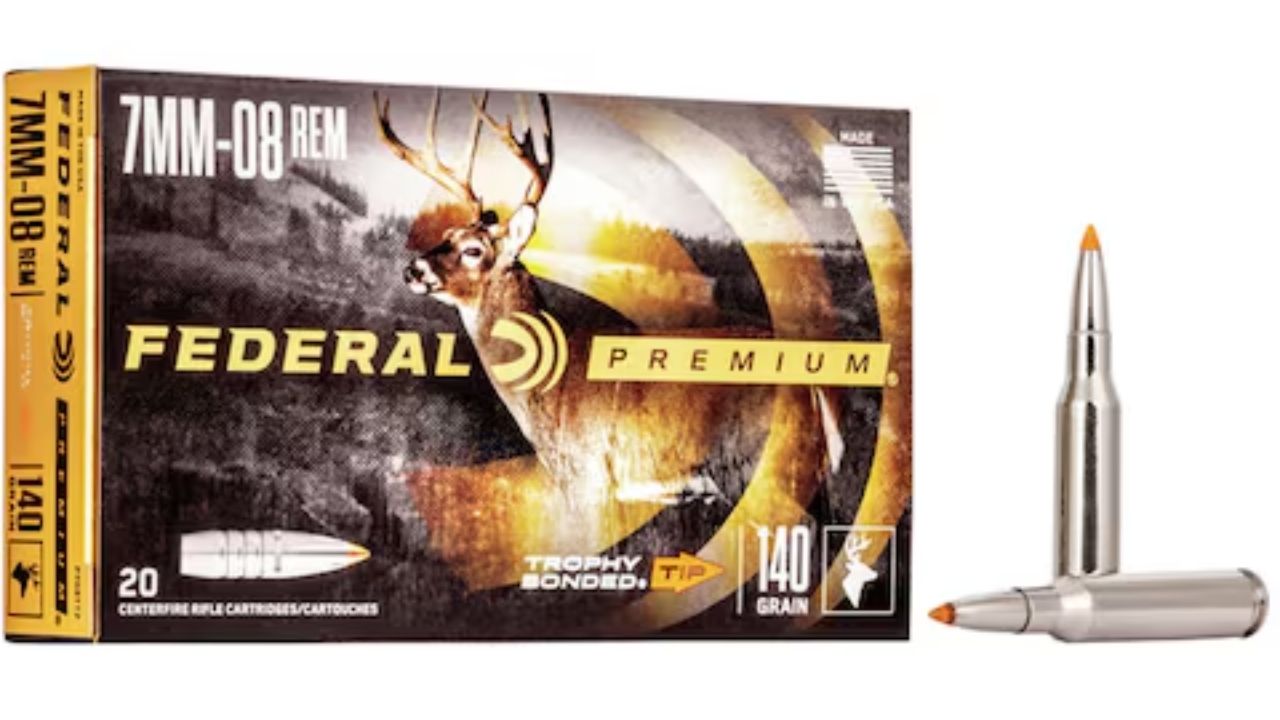
The 7mm-08 is one of those deer rounds that feels almost tailor-made for quick kills without messy results. It shoots flat enough for open country, recoils reasonably, and uses bullets with great sectional density that tend to drive deep and open cleanly.
Stick with 140-grain class hunting bullets built for controlled expansion. They usually slip through ribs, wreck both lungs, and leave a tidy exit without turning the whole shoulder into jelly. The 7mm-08 can be surprisingly polite on meat when you avoid close-range shoulder impacts. It’s also easy to shoot well, which matters more than people like to admit. When your hit is where it needs to be, you get short runs, quick recoveries, and a lot more clean venison in the freezer.
6.5 Creedmoor

The Creedmoor’s reputation on deer comes from efficient bullets that penetrate well and don’t rely on violent impact to do the job. With a good hunting bullet, it tends to open, track straight through the lungs, and exit without tearing up half the front end.
For meat-friendly performance, lean into 120–143 grain controlled-expansion bullets. Solid copper and bonded designs are especially useful if your shots can be close, because they limit blow-up and keep the wound where it belongs. Put it behind the shoulder, and the Creedmoor often drops deer fast with minimal bloodshot trimming. You’re not trying to “explode” the deer. You’re trying to destroy the lungs and keep the rest of the animal edible. The Creedmoor does that well when you choose the right bullet.
6.5×55 Swedish Mauser

The 6.5×55 has been a quiet deer killer for a long time because it pushes long-for-caliber bullets at moderate speeds. That combo tends to give you deep penetration, reliable expansion, and less messy damage than faster, lighter setups.
Run a 140-grain class hunting bullet and keep your impacts in the ribs. You’ll often get a clean entrance, a strong lung wound, and a controlled exit that doesn’t leave a huge bloodshot zone. The Swede isn’t about shock. It’s about straight-line penetration and enough expansion to turn lungs into soup. When you do your job, the deer doesn’t go far and the meat stays clean. It’s an old cartridge that still behaves like it was built for filling tags and freezers.
.270 Winchester

The .270 can be extremely kind to meat when you match it with the right bullet and don’t treat it like a shoulder-buster at close range. It shoots flat, hits hard, and has plenty of bullet options that expand reliably without coming apart.
If you want quick drops and less trimming, pick a controlled-expansion 130- or 140-grain bullet and aim for the heart-lung pocket. The .270’s speed can cause more bruising with thin-jacketed bullets at short distances, so bullet choice matters a lot here. With bonded, partition-style, or copper bullets, the wound stays focused, penetration stays straight, and you still get a strong blood trail. The .270 is a classic because it works, and it can keep venison clean when you run it with discipline.
.30-06 Springfield
The .30-06 gives you flexibility without forcing you into “too much” territory. It can run heavier bullets for penetration, or standard weights that expand reliably. On deer, it’s fast and decisive, but it doesn’t have to be a meat grinder.
For cleaner kills, lean toward 165- or 180-grain controlled-expansion bullets and keep the shot in the ribs. The extra bullet weight helps you drive through at odd angles without relying on fragility. You can absolutely wreck meat with an ’06 if you hammer the shoulder up close with a soft bullet. But used like a hunter—good bullet, good placement—it tends to drop deer quickly while keeping the damage localized to the chest. The ’06 is still a great freezer-filler because it’s versatile and predictable.
.300 Savage

The .300 Savage is a deer round that often behaves “just right” in the woods. It hits harder than the mild classics but usually stays in a velocity window that’s easier on meat than the speedier magnum crowd.
With 150- to 165-grain hunting bullets, you typically get solid penetration through ribs, a good exit, and a wound channel that does real work without turning half the front quarter into jelly. It shines in lever guns and classic rifles where typical shots are inside reasonable distances. Keep your hits behind the shoulder and the .300 Savage will put deer down fast with clean butchering afterward. It’s one of those cartridges that doesn’t get talked about enough, mostly because it has been quietly working for a long time.
7×57 Mauser

The 7×57 is a steady performer because it’s efficient, moderate in speed, and built around bullets that penetrate. It has a long history on game for good reason: it kills cleanly without relying on excessive velocity or dramatic bullet failure.
Run a 140- to 160-grain controlled-expansion bullet and aim for lungs, not shoulders. You’ll usually see straight penetration, reliable expansion, and exits that don’t tear the deer apart. The 7×57 tends to leave a clean blood trail and a short recovery when the shot is placed correctly. It’s also easy to shoot, and that helps you put the bullet where it needs to go. When you care about meat as much as you care about filling the tag, mild and effective is a good place to live.
.243 Winchester

The .243 can be very meat-friendly, but you have to treat it like a precision tool. With the right bullet, it kills deer quickly through the ribs and often leaves surprisingly clean damage. With the wrong bullet, it can open too fast and lose penetration, especially on shoulder hits.
To keep things clean and effective, use 95- to 105-grain controlled-expansion hunting bullets and stay off heavy bone. Put it behind the shoulder, take the lungs, and the deer often tips over fast with minimal trimming. The .243’s lighter recoil also helps you shoot better under pressure, which is a real advantage. You’re not trying to “power through” bad hits. You’re trying to place a bullet accurately in the chest and let it do its work.
.257 Roberts

The .257 Roberts is one of the most underrated “clean venison” cartridges out there. It pushes 100- to 120-grain bullets at sensible speeds, which helps you get good expansion without the violent blow-up that can bruise a lot of meat up close.
With a 115- or 120-grain controlled-expansion bullet, the Roberts tends to punch through ribs, shred lungs, and exit without turning the shoulder into stew meat. It’s also pleasant to shoot, which helps you stay disciplined on shot placement. If you keep your shots in the chest and avoid smashing heavy bone at close range, the Roberts often produces the kind of kills you want: fast, humane, and easy to butcher cleanly. It’s a classic that still makes a lot of sense for deer hunters who care about the freezer.
.260 Remington

The .260 Remington has the same basic advantage as other 6.5s: sleek bullets that penetrate well and don’t need explosive expansion to kill quickly. It’s a calm, efficient deer cartridge that can be very kind to meat when you do your part.
Run 120- to 140-grain controlled-expansion bullets and focus on the ribs. The .260 tends to track straight and exit reliably, giving you strong blood trails and short recoveries without a big bloodshot zone. It’s also easy to shoot accurately, which is half the battle. When your bullet lands in the heart-lung area, you don’t need a dramatic wound. You need a lethal one that stays where it belongs. The .260 delivers that with a clean, predictable feel.
.35 Remington

The .35 Remington is a woods deer favorite because it hits with a wider bullet at moderate speed. That combination often produces quick, decisive kills while keeping meat damage reasonable—especially compared to faster cartridges that can shred tissue at close range.
With 200-grain class hunting bullets, you typically get deep penetration, strong blood trails, and exits that don’t look like a hand grenade went off inside the deer. It’s also forgiving at the angles you see in thick cover, where deer are rarely standing broadside and calm. Put it through the ribs or tight behind the shoulder, and you get a fast recovery with less trimming than you’d expect from a “bigger” bullet. The .35 Rem does its work in the chest instead of wasting energy wrecking quarters.
.350 Legend

The .350 Legend was built with deer hunting in mind, especially in straight-wall states, and it can be very meat-friendly when used smartly. It delivers solid penetration and dependable expansion at moderate speeds, which helps keep damage focused instead of chaotic.
Choose a good deer bullet and keep the shot in the lungs. You’ll often see quick drops and exits that don’t tear up the whole front end. It’s also a cartridge many people shoot well because recoil is manageable, and that helps your placement. The Legend isn’t trying to be a long-range hammer. It’s meant to be effective at typical deer distances without punishing the shooter or destroying meat. When you run it like a woods cartridge and stay off heavy bone, it can leave you with a clean carcass and a short drag.
.44 Magnum (rifle)

In a lever gun or carbine, the .44 Magnum can drop deer fast at sensible ranges without turning the animal into a trimming marathon. It throws a heavier bullet at moderate velocity, which often results in a controlled wound that stays focused in the chest.
The trick is using a proper hunting bullet, not a soft target load that over-expands or fails to penetrate. With a good 240-grain class hunting bullet and a rib-cage shot, you usually get a clean entrance, a big lung wound, and a reasonable exit. Because it’s a closer-range setup, you’re typically hunting where shot placement is more controlled and distances are shorter. Keep it in its lane, avoid heavy shoulder bone, and the .44 carbine is a surprisingly clean way to put venison on the ground quickly.
Like The Avid Outdoorsman’s content? Be sure to follow us.
Here’s more from us: