Photo credit: Amy Lutz/Shutterstock.com
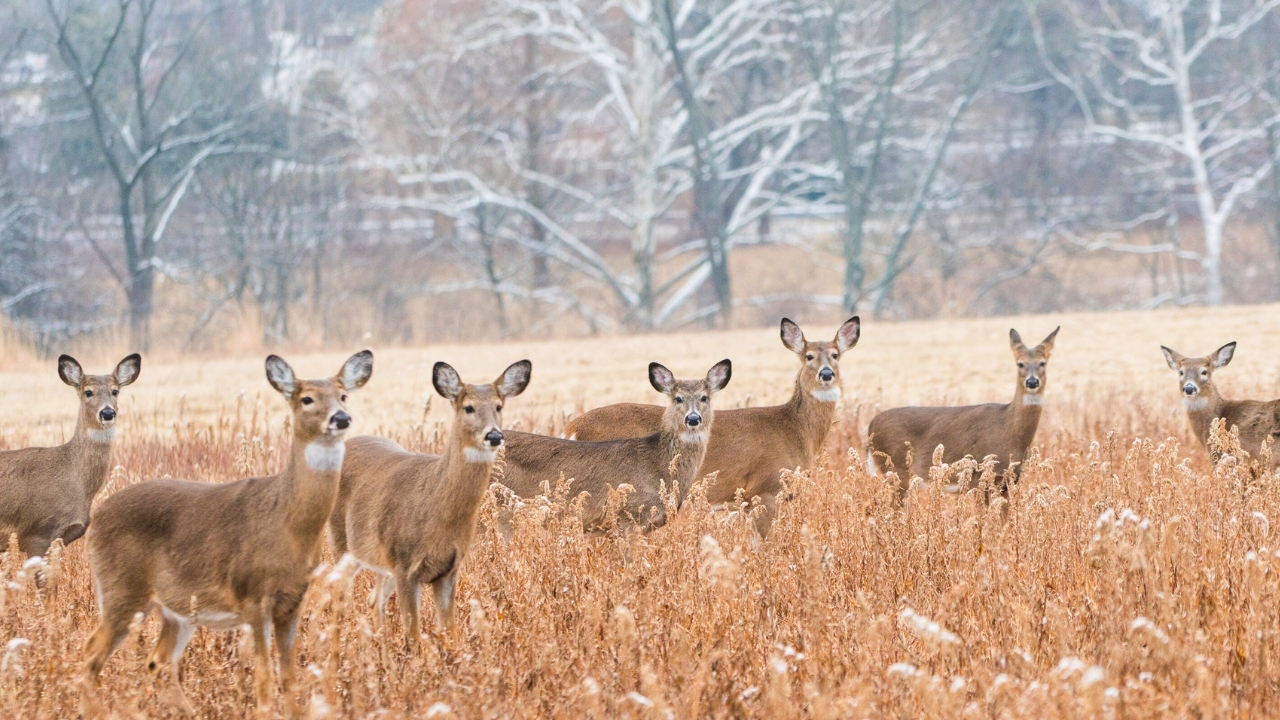
Deer numbers don’t tell the whole story, but they do tell you where the odds tilt your way. High-population states offer more encounters, more doe opportunities, and more flexibility if you’re trying to put meat in the freezer without burning every vacation day. Recent estimates and agency reports keep pointing to a familiar set of states leading the pack, with Texas way out front and a tight cluster of Midwest and Southeast states stacked behind it. The trick is understanding what big numbers mean for hunting pressure, age structure, and management—not just assuming “more deer” automatically equals “better hunting.”
1. Texas

Texas is still the whitetail king with an estimated five-plus million deer spread across brush country, Hill Country, piney woods, and farmland. High numbers don’t mean every lease is cheap or every sit is a hammer, but they do mean you’re rarely hunting a “thin” herd. Long seasons, different zones, and strong private-land management give you options, from low-fence meat hunts to tightly managed trophy outfits. For a traveling hunter, Texas is where you can mix a realistic chance at a good buck with the simple math of seeing more deer in a week than some states show you in a season.
2. Michigan
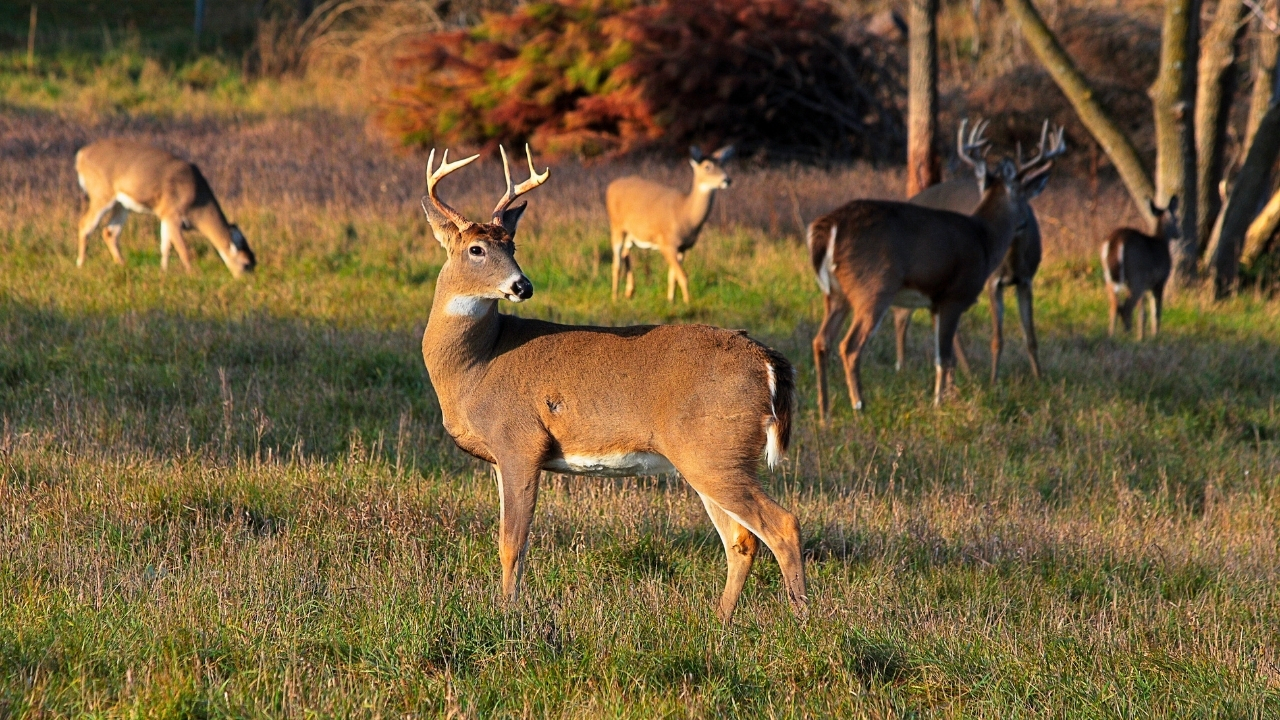
Michigan’s deer herd sits in the ballpark of two million animals, with the southern third of the Lower Peninsula doing most of the heavy lifting. Public land gets crowded and CWD regulations complicate things, but if you’re looking for pure opportunity, there’s a reason so many hunters cut their teeth here. High deer numbers make it easier to teach kids, fill the freezer, and learn how deer actually use edges, crops, and woodlots. The tradeoff is hunting pressure—your success depends more on how well you move away from obvious parking spots than how “good” the population is.
3. Pennsylvania

Pennsylvania hangs around that 1.4-million-deer mark and stays near the top in license sales and hunter numbers too. For years, it was known for armies of orange in the rifle opener and short-lived deer that rarely grew old. Recent management has shifted age structure in some units, and hunters willing to get off the road are seeing more mature bucks than their grandfathers did. High numbers here mean there’s always somewhere to hunt after work or on a tight schedule, and the culture built around deer season is as much of a draw as antlers.
4. Wisconsin

Wisconsin’s estimates push past 1.5 million whitetails, with classic dairy country, big woods, and river bottoms all in the mix. This is one of the places people think of when they picture big Midwestern bucks, and the tag data backs it up: consistent record entries, strong hunter harvest, and enough public land in the north and west that you can still get a long way from the nearest barn if you want to. Big numbers here matter because they support a serious hunting industry—gear shops, meat processors, habitat work—that keeps the whole system running.
5. Mississippi

Mississippi routinely shows up near the top of “best deer states” lists with an estimated 1.7-plus million whitetails and relatively low hunter density compared to some northern states. Long gun seasons, liberal bag limits in many zones, and a mix of ag, timber, and river bottom habitat let you set up a season that’s more about picking your shots than clinging to one weekend. High numbers here matter because they allow the state to offer opportunity without gutting age structure completely, and hunters who manage their ground see that in the racks and body weights.
6. Alabama

Alabama’s deer herd is often pegged around 1.5 million animals, with the Black Belt leading the way in both density and mature buck potential. The state’s long rifle seasons and liberal limits are made possible by those high numbers, but that also means you need to be intentional if you want to see bucks get old. For the average hunter, big numbers equal more doe opportunities and the ability to hunt consistently without worrying that every tag punched is a major dent in the local herd.
7. Missouri
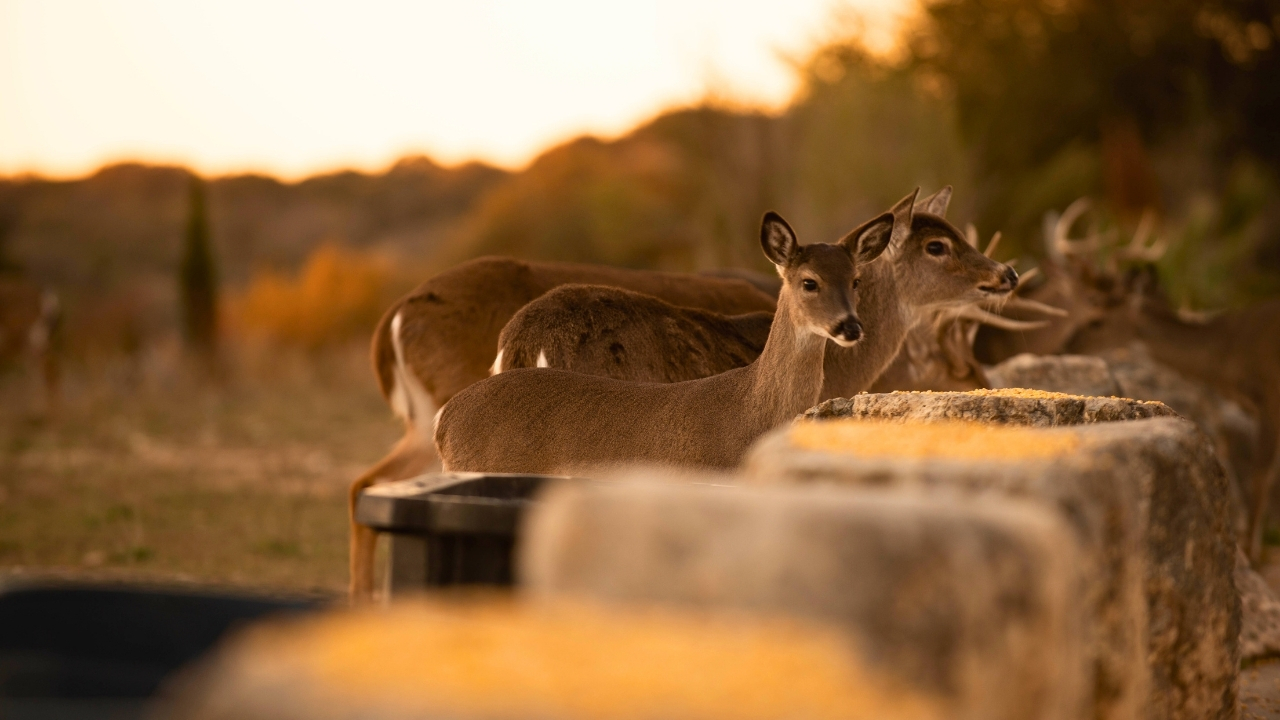
Missouri’s estimates land in the 1.2–1.4 million range, with solid deer numbers in both the farm country and the rougher Ozark ground. The state offers a good balance of rifle, muzzleloader, and archery chances, plus enough public land that a nonresident can realistically hunt without a lease. High populations here help keep that system going: more deer to absorb pressure, more flexibility when disease zones or bad winters hit, and more fuel for local economies that depend on November as much as they do on summer tourism.
8. Georgia

Georgia’s whitetail herd pushes into the million-plus category, with strong deer numbers from the piedmont down into parts of the coastal plain. Long seasons and a generous bag limit give residents a lot of flexibility. Big numbers here matter because they give room for mistakes: kids can shoot their first buck without wrecking a neighborhood’s age structure, and meat hunters can take does without worrying that they’re bleeding a thin herd dry. The challenge is managing pressure on public tracts near metro areas, where “lots of deer” sometimes means “lots of people chasing them.”
9. North Carolina

North Carolina’s estimates land around a million deer, with the piedmont and coastal regions carrying most of the weight. That many whitetails in a fast-growing state is both a blessing and a headache—deer-vehicle collisions, crop damage, and suburban browse issues show up alongside great hunting. For serious hunters, the numbers mean there’s still opportunity to find pockets of low pressure on public land or private ground where landowners are begging for help taking does.
10. Tennessee

Tennessee’s 600,000–900,000 deer give it a solid spot in the upper tier, especially when you factor in how much public land sits inside that footprint. The herd is strong enough to support decent seasons across three grand regions—from river bottoms and ag land to hills and true mountains—without collapsing under pressure. High numbers here matter because they let new hunters get reps. You can see deer, learn how they move on different terrain, and still have the chance to grow older bucks if your neighborhood is on the same page.
11. Virginia

Virginia’s estimates often run 700,000–1,000,000 whitetails, with strong populations in the piedmont and Tidewater regions. A long season structure and multiple weapon options give hunters a lot of runway each fall. Big numbers here mean you can realistically plan meat hunts on short notice, and they also support a mix of private and public opportunities. The flip side is CWD and suburban overpopulation worries, which push managers to think harder about antlerless harvest and targeted control.
12. Ohio

Ohio’s herd sits in the 600,000–700,000 range, but what matters is how those deer fill mixed ag and woodlot country that’s built to grow antlers. High deer numbers plus heavy grain and good genetics have turned the state into a quiet giant for mature bucks. The population is strong enough that the state can keep playing the long game on age structure—more limited rifle opportunities, focused shotgun seasons—without starving hunters of chances to see deer.
13. Minnesota

Minnesota’s deer numbers hover around the million mark when you blend farmland and forest zones, and that diversity is the story. High densities in ag country give you classic Midwest hunts over cut corn and beans, while the north woods offer big country and fewer people. Big numbers here matter because they anchor a hunting culture that supports habitat work, wolf debates, and ongoing CWD monitoring; without that baseline population, the room to argue about management would shrink fast.
14. West Virginia

West Virginia’s roughly 800,000 deer live in steep ground that makes every punched tag feel earned. The herd is big enough that even in rugged country, you can still count on regular encounters if you do your scouting. High deer numbers help offset limited flat ground and smaller ag areas—deer simply spread across the available habitat and use every bench, cut, and hollow. For hunters, that means a mix of realistic meat hunts and the chance at older mountain bucks that learned to survive in rough country.
15. Missouri’s neighbors: Iowa and Kentucky right on the edge

Depending on whose table you read, states like Iowa and Kentucky flirt with the high-population list too, sitting in the mid-hundreds of thousands with strong age structure in the right counties. They may not match Texas or Michigan in raw numbers, but they punch above their weight in mature-buck potential. The takeaway is simple: big herds give you opportunity; good management and selective trigger fingers turn that opportunity into real quality. When you’re planning your next deer trip, look at both the population tables and how each state actually hunts on the ground.
Like The Avid Outdoorsman’s content? Be sure to follow us.
Here’s more from us: