Photo credit: Tho-Ge/Pixabay.com
Invasive species are one of those problems that sound abstract until they start costing you money, killing habitat, wrecking access, or changing what you see on your own ground. Some tear up crops and pasture. Some hammer wetlands and fish populations. Others wipe out the trees and cover that wildlife depend on. For hunters and landowners, this is not some side issue for biologists to argue over. It can mean fewer ducks using a marsh, worse deer bedding cover, trashed feed, dead timber, busted water systems, and more time spent fixing damage instead of enjoying the land.
Feral swine

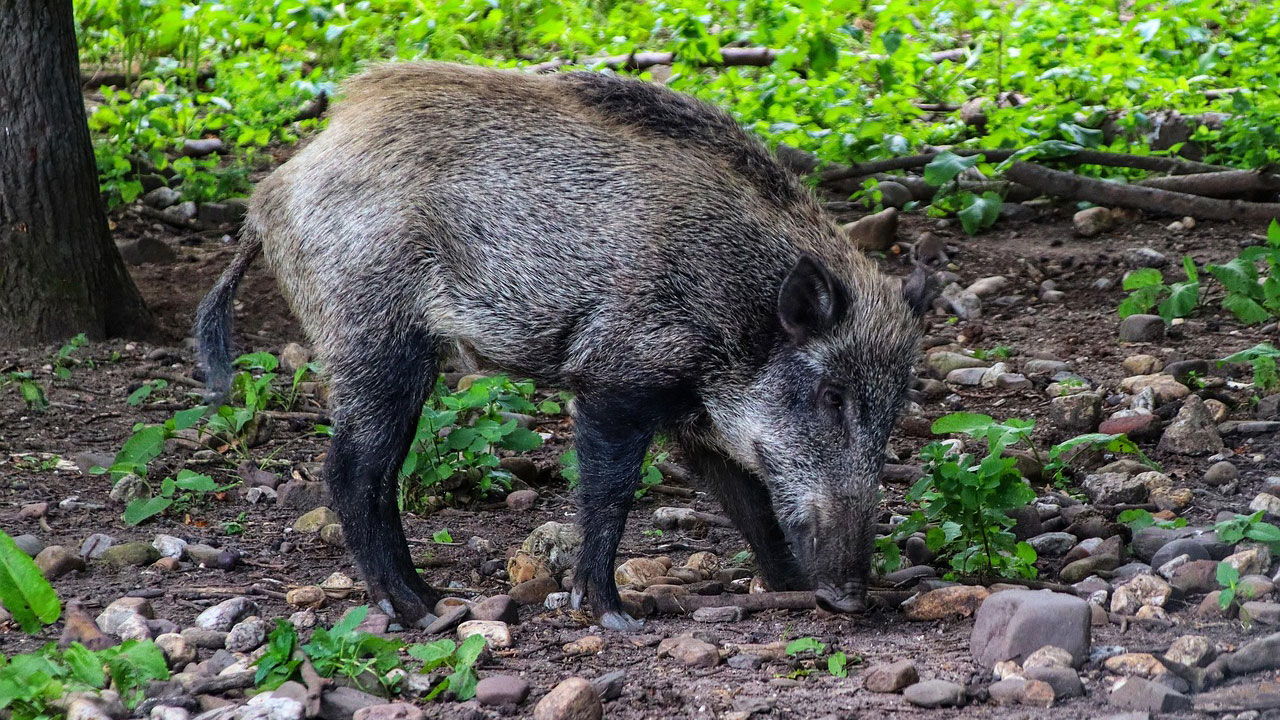
Feral swine are one of the clearest examples of an invasive species becoming everybody’s problem at once. USDA says they cause an estimated $2.5 billion each year in damage and control costs in the U.S., with damage that reaches crops, livestock, roads, wetlands, native habitat, and even stored commodities. For a landowner, that means rooted-up fields, busted fences, churned food plots, and muddy wallows where you do not want them. For hunters, it means habitat disturbance and pressure on ground that may already be stretched thin.
They also do not stay in one lane. USDA notes that rooting and wallowing damage can hurt a wide range of plant and animal species, including sensitive native wildlife. So even when somebody tries to shrug them off as “just more animals to hunt,” the bigger picture is rougher than that. They compete, destroy, spread disease risk, and keep multiplying fast enough that casual control usually does not cut it. They are not a nuisance in the minor sense. They are a land-management headache with tusks.
Invasive carp

Invasive carp cause problems that reach far beyond a fishery talking point. The U.S. Fish and Wildlife Service says that where invasive carp become abundant, native fisheries can be destroyed and the whole aquatic food web gets disrupted. That matters to anglers, obviously, but it also matters to duck hunters, landowners around river systems, and anybody who depends on healthy backwaters and wetlands. When the forage base gets hit and habitat function changes, the whole place starts hunting and fishing differently.
This is also an economic problem in outdoor communities. FWS notes that popular fishing destinations can lose their draw, and tourism businesses can lose part of their living. Another FWS page warns that established populations can lead to native fish crashes that hurt recreational fisheries. For landowners and hunters, that means fewer quality water-based opportunities and more pressure on the places that still hold up. It is the kind of invasive problem that changes how a whole river corridor feels over time.
Nutria
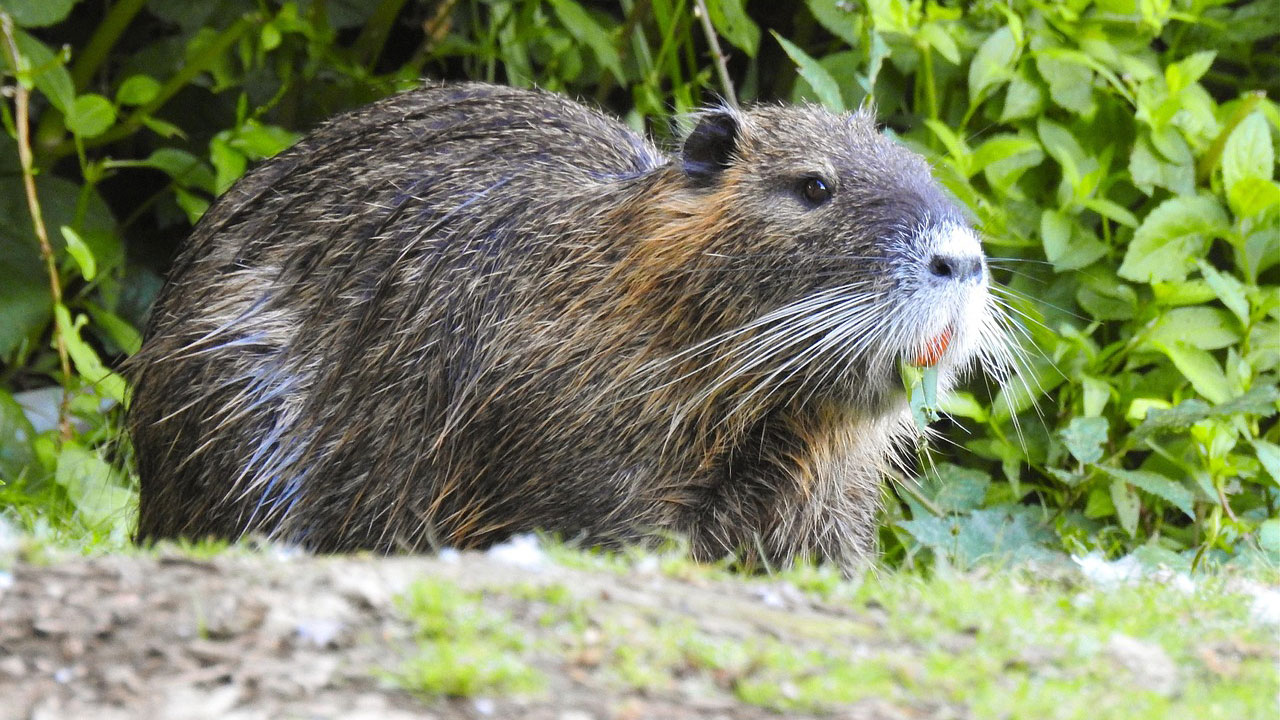
Nutria may look like an odd marsh rodent problem, but the damage they do is serious. USDA and the National Invasive Species Information Center both note that nutria destroy native aquatic vegetation, crops, and wetland areas. USDA says they often eat not just the leafy part of marsh plants but the roots and rhizomes too, which can lead to complete plant loss and even conversion of marsh to open water. For duck habitat, that is bad news in a hurry.
That kind of damage rolls downhill fast. U.S. Fish and Wildlife Service material says marsh loss from nutria has hurt shallow-water habitat and contributed to declines in oysters, crabs, fish, and waterfowl. So this is not simply about a landowner losing vegetation at the edge of a pond. It is about losing the structure that holds a marsh together and supports wildlife that hunters care about. Once that habitat starts unraveling, bringing it back is a whole lot harder than trapping a few animals late.
Burmese pythons
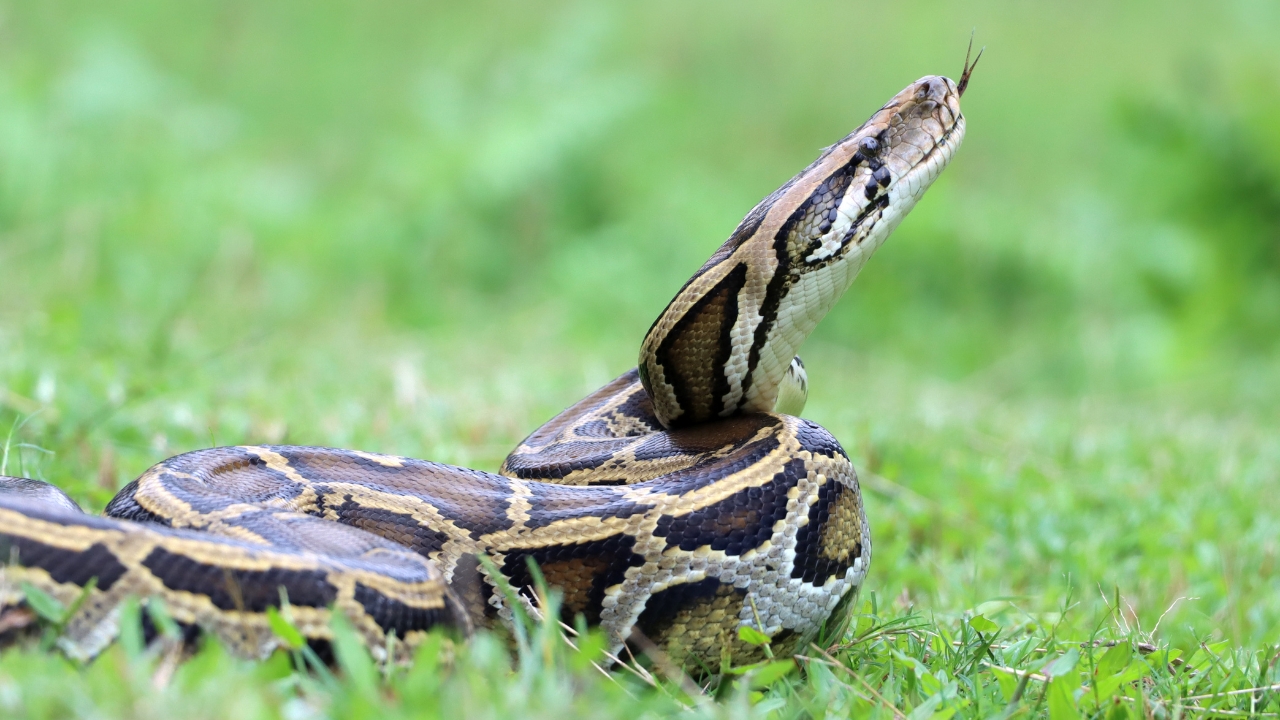
Burmese pythons are the kind of invasive predator that can make a place feel hollow. USGS says they are firmly established across the Greater Everglades and are believed to be a key factor in sharp mammal declines. One USGS summary tied python establishment to staggering drops in raccoons, opossums, and bobcats in Everglades National Park. That should get any hunter’s attention, because when a giant invasive constrictor strips out major chunks of the prey base, the whole wildlife picture changes.
They are also brutally hard to manage. USGS notes that pythons are difficult to detect with traditional methods, which is part of why they have become such a serious long-term threat. For landowners and sportsmen in south Florida, this is not just a weird headline animal. It is a real predator changing what survives in the swamp and who gets to use that habitat. Once a species like this gets deeply established, the conversation shifts from quick control to long, expensive containment.
Lionfish
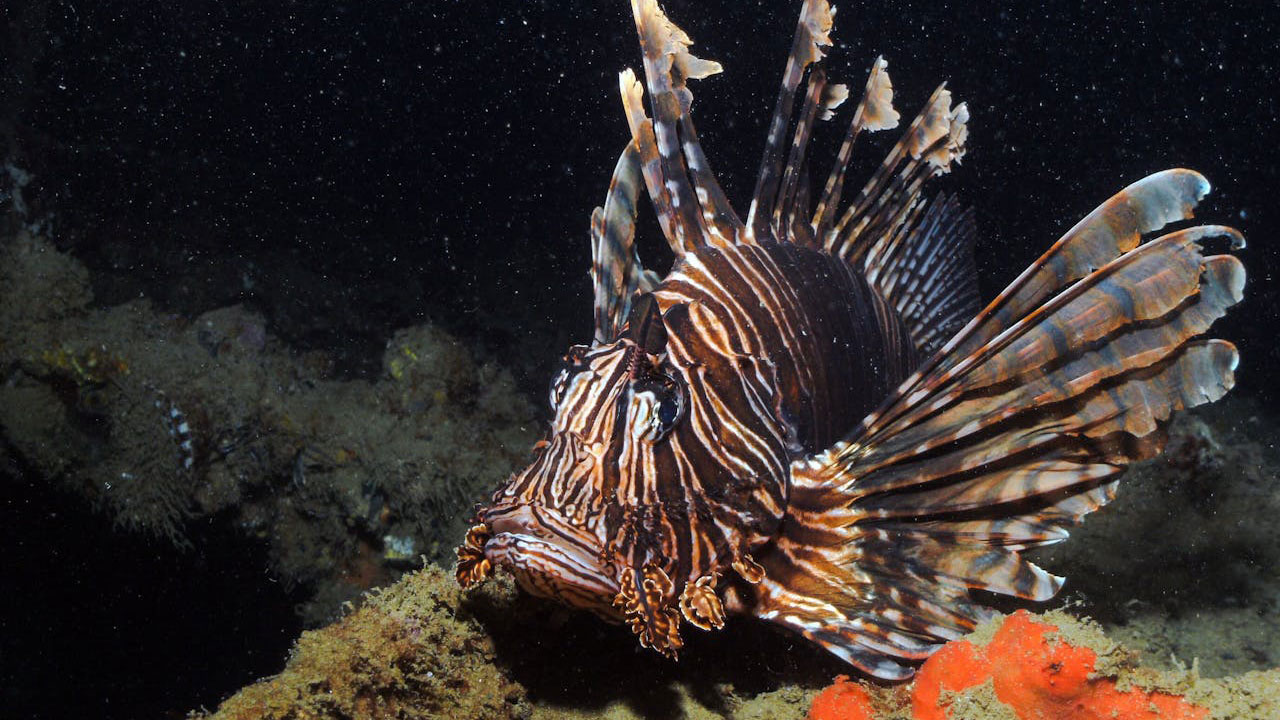
Lionfish are a reef problem, but they are also a fishery problem. NOAA says a single lionfish on a coral reef can reduce recruitment of native reef fish by 79 percent, and that lionfish feed on prey normally used by snappers, groupers, and other valuable native species. That is not some tiny ecological footnote. That is a direct hit on the food chain supporting both commercial and recreational fishing in places where a lot of coastal outdoor life depends on healthy reefs.
NOAA also notes that lionfish reproduce year-round, with mature females releasing tens of thousands of eggs every few days. That kind of output is why they spread so aggressively and why divers and managers keep having to organize removals. For coastal landowners, guides, and fishermen, lionfish are a reminder that invasive species do not have to live on your pasture to cost you something. They can tear into the offshore resource base that drives local economies and keeps a fishery worth chasing.
Zebra mussels

Zebra mussels are small, but the damage is not. U.S. Fish and Wildlife Service says they spread rapidly, attach to hard surfaces in dense colonies, clog water intake pipes, damage infrastructure, and outcompete native aquatic species. That makes them a direct problem for reservoirs, irrigation systems, boats, docks, and water-handling infrastructure that landowners and rural communities rely on. They are one of those invasives that hit both the natural side and the practical side of land management at the same time.
They also mess with recreation and fishery quality. When invasive mussels alter aquatic systems, the result is not just a maintenance bill. It can affect habitat, food webs, and how usable a waterbody remains. Recent concern in the West has focused on how hard these mussels are to eradicate once they get established. For hunters and anglers, especially people who move boats between waters, zebra mussels are a real reminder that a single overlooked invasive can follow you home and change a lake or reservoir for years.
Hydrilla
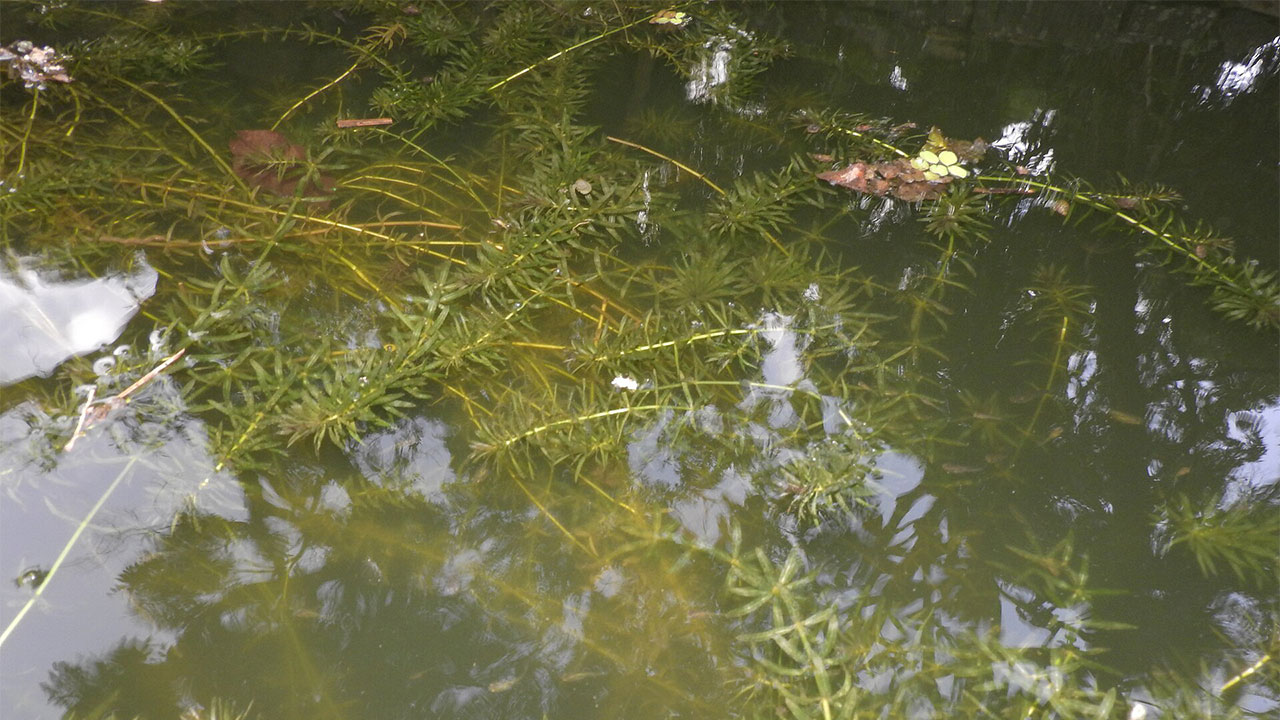
Hydrilla is one of those aquatic plants that can fool people at first because “more vegetation” sounds like more cover. The problem is that hydrilla is not just another plant. The National Invasive Species Information Center calls it one of the world’s most invasive aquatic plants, and USDA notes it continues to spread while herbicide resistance and the limits of mechanical removal make long-term control difficult. Dense hydrilla mats can choke waterways, complicate boating access, and crowd out healthier plant communities.
That matters for hunters and landowners because the best wet places are usually productive, not clogged. Whether you are trying to manage a pond, fish a reservoir edge, or keep access open around your place, hydrilla can turn usable water into a management project fast. FWS has highlighted hydrilla problems in habitat systems like the Wacissa River, and Michigan’s first wild detection showed how seriously agencies take it when it appears somewhere new. Once it gets a foothold, this is not a weed you ignore and hope winter fixes.
Spotted lanternfly
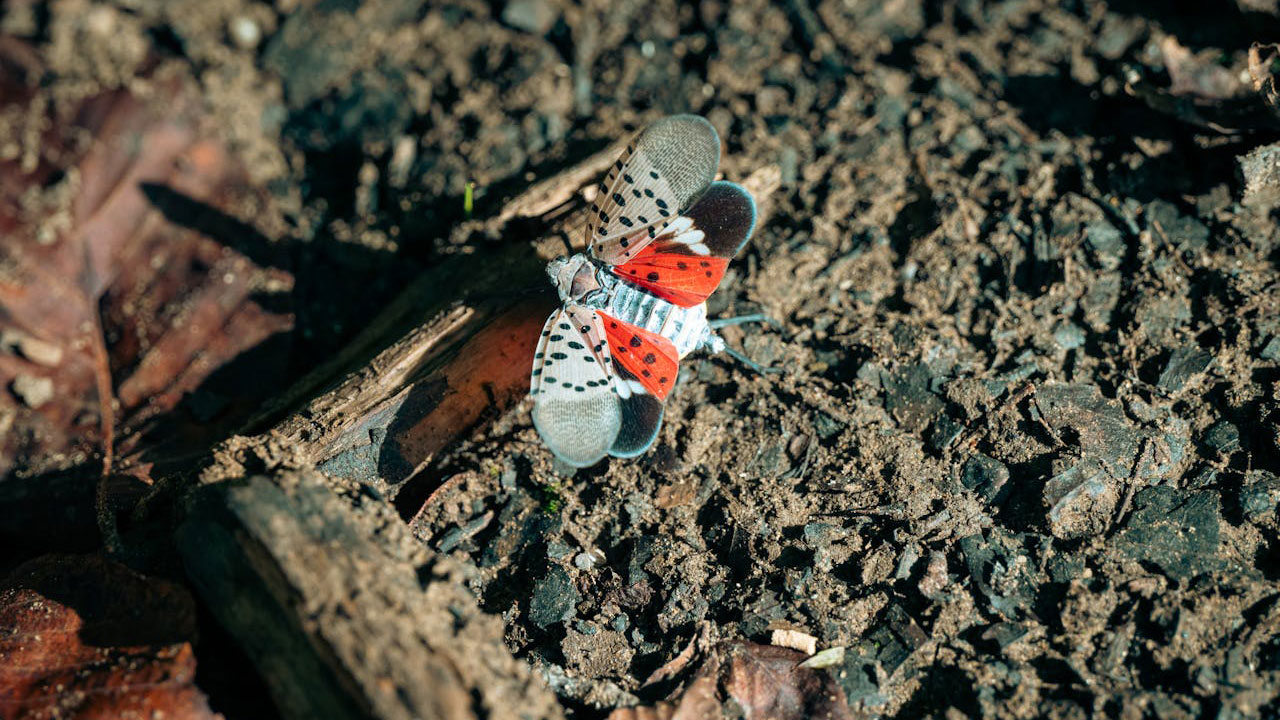
Spotted lanternfly is the kind of invasive bug that landowners in affected states have learned to hate in a hurry. APHIS says it feeds on more than 70 kinds of plants, including grapevines, hops, stone fruit trees, and hardwoods, and its honeydew encourages sooty mold that adds more plant damage. USDA’s research arm has also flagged its expanding presence in vineyards. If you have timber, orchard trees, vines, or just do not want a pest explosion around the place, this one matters.
For hunters, lanternfly damage may seem indirect compared with something like hogs, but hardwoods, edge cover, and mast-producing systems matter. A pest that weakens woody plants and spreads across properties can change the look and health of a place over time. It also adds another layer of monitoring and cleanup for landowners already juggling enough. In regions where it is established, this is not a one-off garden annoyance. It is a spreading pressure on working land, orchards, woodlots, and outdoor spaces people depend on.
Emerald ash borer
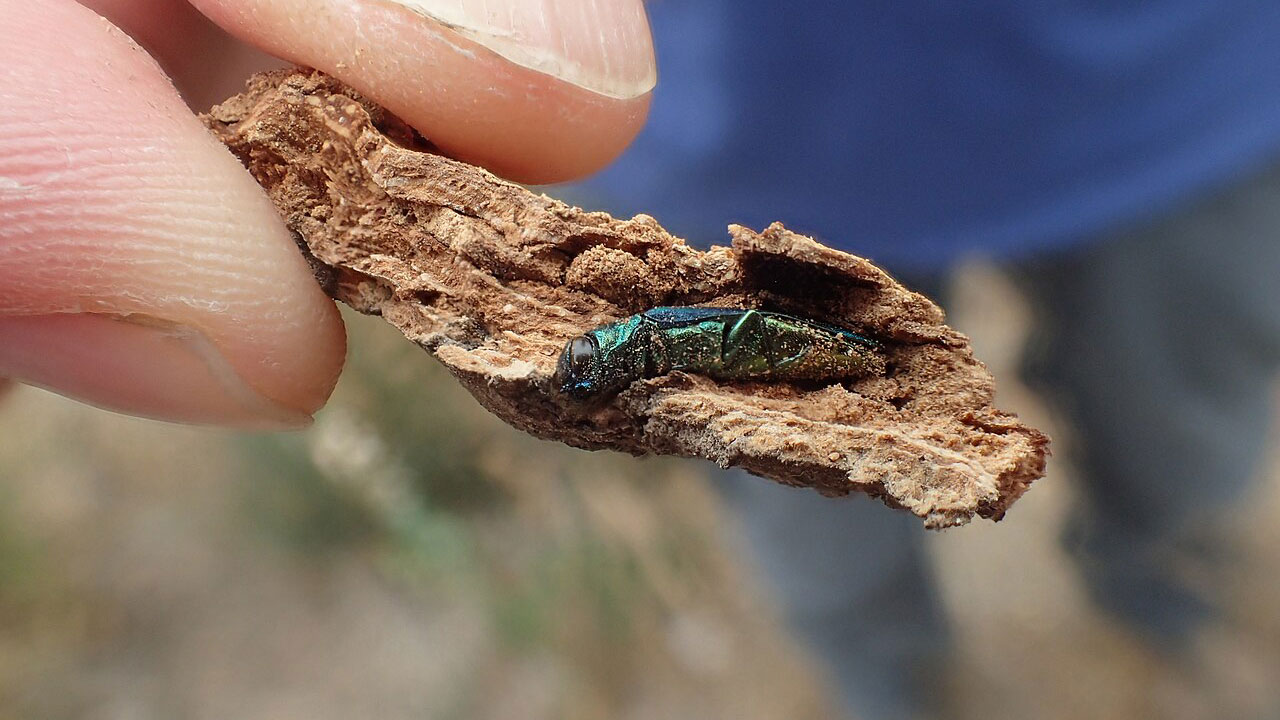
Emerald ash borer has killed or damaged tens of millions of ash trees in North America, according to APHIS. The agency says it has been detected in 37 states and D.C., and the Forest Service says it has killed the majority of ash trees where it has invaded in parts of the country. For landowners, that means dead standing timber, hazard trees, lost shade, cleanup costs, and real changes in forest makeup. A healthy stand does not look the same after ash gets hammered out of it.
Hunters feel that too, even if it is slower and less obvious than a field getting rooted up by hogs. Tree loss changes bedding cover, travel patterns, creek-bottom shade, and the general structure of habitat. It also affects access and safety. A property full of dead or declining ash is not just less attractive. It can become dangerous to move through and expensive to manage. This is one of those invasive species that turns a long-term habitat asset into a long-term liability.
Hemlock woolly adelgid

Hemlock woolly adelgid is a tiny insect with outsized consequences. The Forest Service says it threatens hemlock trees across eastern North America and has caused significant damage, while the National Park Service warns that without intervention it can have devastating effects on species that depend on eastern hemlock forests. That matters because hemlock stands help shape cool, shaded, moisture-holding habitat in ways that affect streams, slopes, and wildlife cover.
For landowners, losing hemlocks is not just losing a tree species. It can mean a major shift in the feel and function of a property. For hunters, especially in the East, those dark hemlock pockets often matter for thermal cover, travel, and the kind of habitat animals lean on when conditions get rough. Once adelgid damage gets rolling, the fix is not simple. This is a long game involving treatment, restoration, and accepting that some ground may not look the same again for a long time.
Cheatgrass
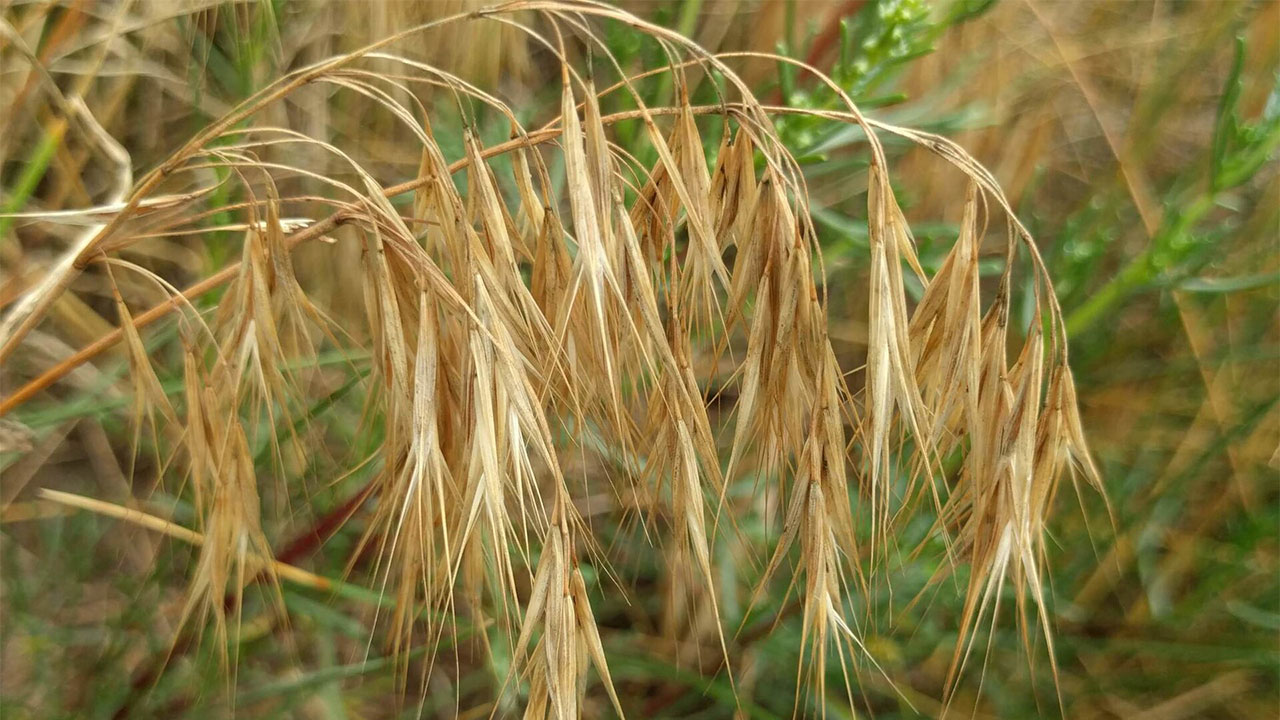
Cheatgrass has made life rougher across the West because it changes fire and rangeland in all the wrong ways. USDA says controlling cheatgrass helps restore rangelands, reduce wildfire threats, support wildlife, and increase sustainable grazing resources. NRCS calls it one of the most significant invasive weeds in the western United States because it reduces grazing capacity and alters fire cycles. That is a direct hit on working ground and wildlife ground at the same time.
This is one of those invasives that does not just fill space. It changes the rules. NPS notes cheatgrass thrives after wildfire and can outcompete native plants by grabbing resources quickly, while FWS has warned that it endangers sagebrush-steppe habitat important to species like greater sage-grouse. For landowners, it means poorer range and more fire anxiety. For hunters, it means degraded habitat and landscapes that can burn hotter and recover worse. Once cheatgrass takes over, it drags a lot of other problems in behind it.
Cogongrass

Cogongrass is the kind of invasive plant that earns every bad word people use about it. USDA says it overtakes natural ecosystems, rangelands, agriculture, and forests, survives wildfire, and spreads aggressively across the southeastern United States. APHIS environmental materials add that it reduces forest productivity, harms wildlife habitat, and encroaches into pasture and hayland. That covers a lot of the land types hunters and rural landowners care most about.
The part that makes cogongrass especially nasty is that it can keep coming after fire instead of being set back by it. That means landowners are not just fighting a weed. They are fighting a plant that helps lock in bad conditions and makes restoration harder. If you are trying to keep a property useful for grazing, wildlife, or timber, this is the kind of invader that can quietly take over edges, roadways, and disturbed areas until the problem is way bigger than it looked at first glance.
Red imported fire ants

Red imported fire ants are often treated like a simple annoyance until you look at the actual damage. APHIS says they sting repeatedly, displace native ant species, reduce wildlife food sources, and are especially dangerous to young and newborn animals. That means trouble for livestock operations, wildlife on the ground, and anybody managing rural property in the South. Once they get established, they are not just a backyard problem. They become part of how you use the land.
For hunters, fire ants can affect nesting birds and the broader insect base that healthy habitat depends on. For landowners, they can turn routine chores into a mess and create risk around feed areas, equipment spots, and places kids or animals use. Texas A&M wildlife guidance has also noted impacts on wildlife populations through predation and indirect food-web effects. They may be small, but the damage is spread out enough that people often underestimate the total cost until they have lived with them awhile.
European starlings

European starlings are one of the most familiar invasive birds in the country, and they cause more damage than people give them credit for. The National Invasive Species Information Center says they cause about $800 million in agricultural damage annually, and APHIS research notes that large flocks at dairies and feedlots can consume and contaminate feed and may contribute to disease transmission. That is real money bleeding out of operations that are already expensive enough to run.
They also crowd native cavity nesters and create miserable roost problems around buildings and facilities. For landowners, that means feed loss, mess, noise, droppings, and the kind of recurring control issue that never really stays solved for long. Hunters may not think of starlings first when they hear “invasive species,” but anything that degrades native bird use, farming efficiency, or working-land conditions deserves a spot on the list. They are common, yes, but that does not make them harmless.
Brown treesnakes

Brown treesnakes are mostly a Guam story right now, but they are still a serious invasive-species warning for landowners, wildlife managers, and anyone thinking about how fast a predator can wreck an island ecosystem. APHIS says they are the focus of an active control program on Guam and prevention work across the Pacific Rim. The National Invasive Species Information Center notes they prey on native lizards and birds and even cause power outages by climbing electrical infrastructure.
That may feel far from the average deer camp, but the lesson matters. A single introduced predator can gut native wildlife and pile on economic damage at the same time. Older APHIS material estimated millions in annual losses to Guam’s economy, and the species remains a major biosecurity concern because nobody wants that problem exported elsewhere. For landowners and hunters, brown treesnakes are a reminder that once an invasive predator gets loose in the wrong place, the land and wildlife may never work the same way again.
Like The Avid Outdoorsman’s content? Subscribe to our newsletter so you never miss an article.
Here’s more from us: