Photo credit: Dylan Crawford/Unsplash.com
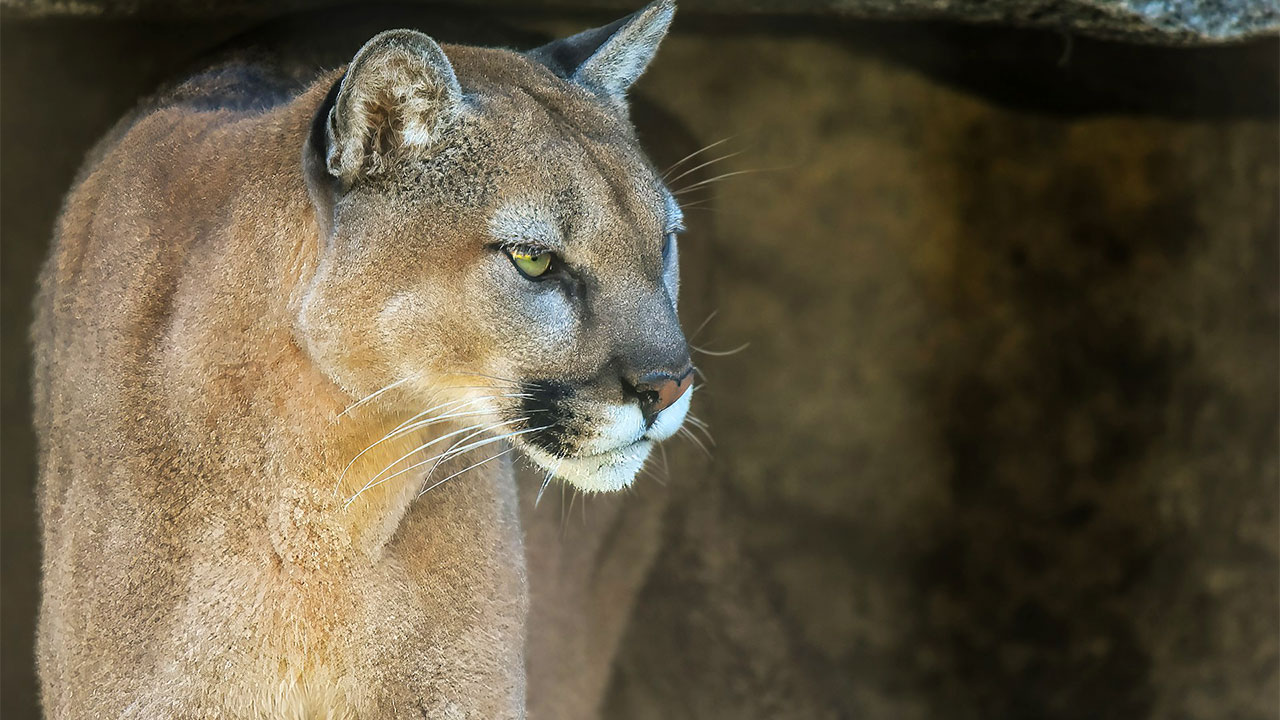
Mountain lions don’t “move into town” because they like people. Most of the time, it’s food, cover, and travel corridors stacking up right on the edge of where we build. Deer populations, greenbelts, creek bottoms, foothill neighborhoods, and even irrigated parks can pull predators closer than folks expect. When that overlap hits a school zone, the response is usually the same: shelter-in-place, lockdown/secure status, and wildlife officers trying to confirm what was actually seen.
One more thing worth saying out loud: not every report ends up confirmed. Some sightings are legit, some are “big cat” mis-IDs, and some are flat-out housecats. But the pattern is real—districts across multiple states are having to run the playbook more often than they used to, because the sightings are happening closer to where kids actually are.
California

California is the big one for “school-adjacent” mountain lion situations because so many communities sit right on top of prime lion habitat—especially along the coastal ranges and foothills. Schools have gone into shelter-in-place after reported sightings near campuses, like the Orangevale elementary shelter-in-place tied to a reported sighting near a park by the school.
And it’s not always just a “spotted and gone” deal. Northern California has also had cases where officials made hard calls due to proximity to kids—like the incident involving an in-home day care near an elementary school after a lion killed livestock on the property.
Washington

Washington has had multiple school responses tied to cougar sightings near campus—especially where neighborhoods back up to timber, greenbelts, or coastal habitat. In Gig Harbor, a reported cougar sighting near two schools triggered lockdowns, and the district communicated it as an immediate safety issue for students and staff.
That kind of situation is exactly why districts treat these calls seriously even when the animal isn’t immediately located. If there’s any chance the cat is still in the area, they’re going to keep kids inside until law enforcement and/or wildlife folks clear it.
Minnesota

Minnesota isn’t cougar country in the way the West is, which is why school-area sightings hit extra hard. Duluth schools went into “secure status” after a cougar was reported within about a half-mile of a middle school, with nearby schools taking precautions while officials worked the situation.
When a state doesn’t have a big, established population, the public tends to assume “it can’t happen here.” Then one verified animal shows up near a neighborhood school and everybody realizes fast that “rare” doesn’t mean “never.”
Utah

Utah has a long track record of lions using the same foothill corridors people build along, and schools end up right in that interface. There are documented cases where students were kept inside or schools were put into shelter mode after reports of a mountain lion near an elementary campus in Utah County.
In practical terms, Utah’s school responses often look like: keep kids indoors, cancel outdoor recess/PE, and let wildlife officers verify the report. If the cat is confirmed and acting bold, outcomes can escalate quickly.
Idaho

Idaho gets plenty of mountain lion activity, and sometimes it’s not just K–12 campuses—college settings get it too. Wildlife officials in Idaho reported euthanizing a mountain lion after it was spotted on a college campus in Lewiston, which tells you how close these encounters can get to populated “school” environments.
Idaho also has plenty of smaller-community school alerts where a reported sighting triggers the precautionary playbook. The big takeaway for parents is simple: schools aren’t “overreacting” when there’s even a credible chance a lion is near a playground.
Arizona

Arizona’s mix of desert-edge suburbs and rugged country makes lion overlap common, and local news has reported school-area precautions after sightings. When a report lands near a campus, districts don’t wait around to see if it comes back—they lock down outdoor movement and let wildlife folks sort out what’s real.
Arizona also tends to have strong public messaging from wildlife agencies about not letting pets roam at dawn/dusk and avoiding running trails alone in lion country—because those habits are exactly what lowers the odds of a school-neighborhood encounter turning ugly.
Nevada

Nevada’s big-growth edges (especially around the Las Vegas valley) create classic lion overlap: mountains + washes + neighborhoods + schools. Reports of mountain lions in suburban areas have included situations where a school went into lockdown after a mountain lion was spotted in the area, showing how fast a neighborhood sighting becomes a campus issue.
The “why” in Nevada is usually the same: deer move through irrigated edges, lions follow, and school zones just happen to sit along the same travel lines.
Montana

Montana has had clear, documented cases of schools locking down after a lion is spotted nearby. Corvallis Primary School, for example, went into lockdown after a mountain lion was reported in the vicinity and law enforcement and wildlife officials responded.
In a lot of Montana communities, “near campus” can mean a short hop from creek bottoms, brushy fence lines, or foothill cuts. That’s lion travel country, whether the school was built there 50 years ago or last year.
South Dakota

South Dakota has had school responses tied to reported mountain lions as well—especially in areas where sightings are unusual enough to trigger immediate caution. Reports include lockdowns following a mountain lion sighting that put a school into a protective posture while the situation was checked out.
These Plains-edge states tend to have a mix of transient cats and occasional mis-IDs, but schools can’t gamble on “probably not.” They act first and sort the evidence second.
Oregon

Oregon has plenty of cougar habitat pushed right up against towns, and schools do get pulled into it. Reports include a southern Oregon school going into lockdown after a mountain lion was spotted near campus, which is basically the textbook scenario: animal in the wrong place at the wrong time, and kids are kept inside until it’s cleared.
In Oregon, this often flares during certain times of year when younger cats are dispersing, or when deer are heavily concentrated near neighborhoods with good cover and water.
Colorado
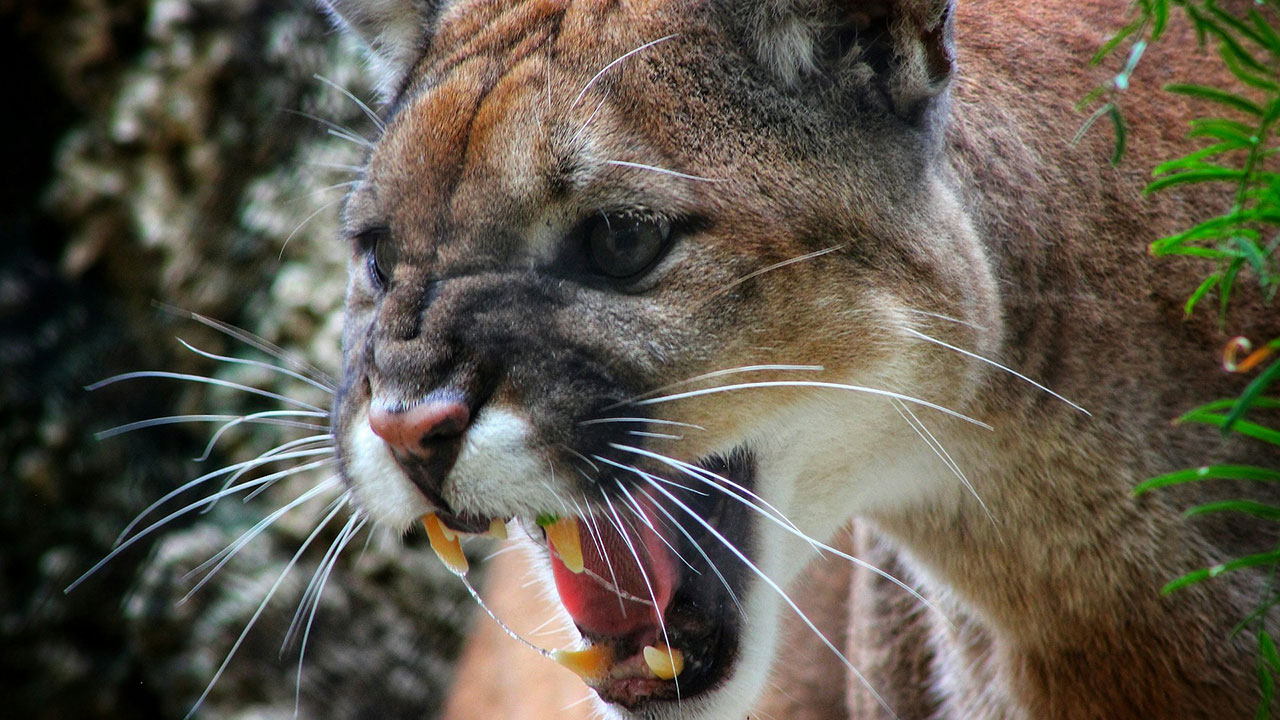
Colorado has had reported school shelter-in-place responses to mountain lion sightings as well. One example: an elementary school in western Colorado was placed under shelter-in-place by law enforcement after a reported mountain lion sighting in the area.
Colorado is also a state where the public has a lot of exposure to lions near trail systems and open space corridors—so the school response tends to be quick and practiced, even if the cat is gone by the time officers arrive.
Texas

Texas isn’t known for constant mountain lion headlines in most metro areas, but sightings do happen—and when they do, people react hard because it feels out of place. East Texas had reported sightings close enough to prompt public caution, and those kinds of events are exactly how “near schools” rumors spread fast in a community.
The bigger point for Texas families: don’t assume “we’re not a mountain lion state.” West Texas absolutely is, and individual cats wander. If you’re near greenbelts, rivers, or big brush tracts, treat reports seriously.
North Dakota

North Dakota has documented school lockdowns tied to reported mountain lion sightings, including a case where a school went into lockdown after a mountain lion was spotted near a local business close by.
In states like North Dakota, the animal is often transient. That doesn’t make it less dangerous—it just means it’s less predictable, and people aren’t used to reading the signs.
Iowa

Iowa has also had school precautions tied to reported mountain lion sightings—like a “soft lockdown” where students were kept inside after reports of a lion near an elementary area.
These Midwestern school responses usually follow the same script: keep kids indoors, stop outdoor activities, notify parents, and let DNR/LE confirm whether the report is credible.
Wisconsin

Wisconsin is a weird one: cougar reports pop up, many go unconfirmed, but the state still takes the topic seriously enough to publish clear “what to do if you spot one” guidance. That matters because when a report lands near a school, districts don’t have the luxury of waiting for perfect proof.
There have also been viral claims about a school in Oregon, Wisconsin going into lockdown over a reported possible mountain lion near campus. Even if a specific call ends up being nothing, the bigger trend remains: in places where people don’t expect lions, schools still end up running real-world predator protocols.
Like The Avid Outdoorsman’s content? Subscribe to our newsletter so you never miss an article.
Here’s more from us: