
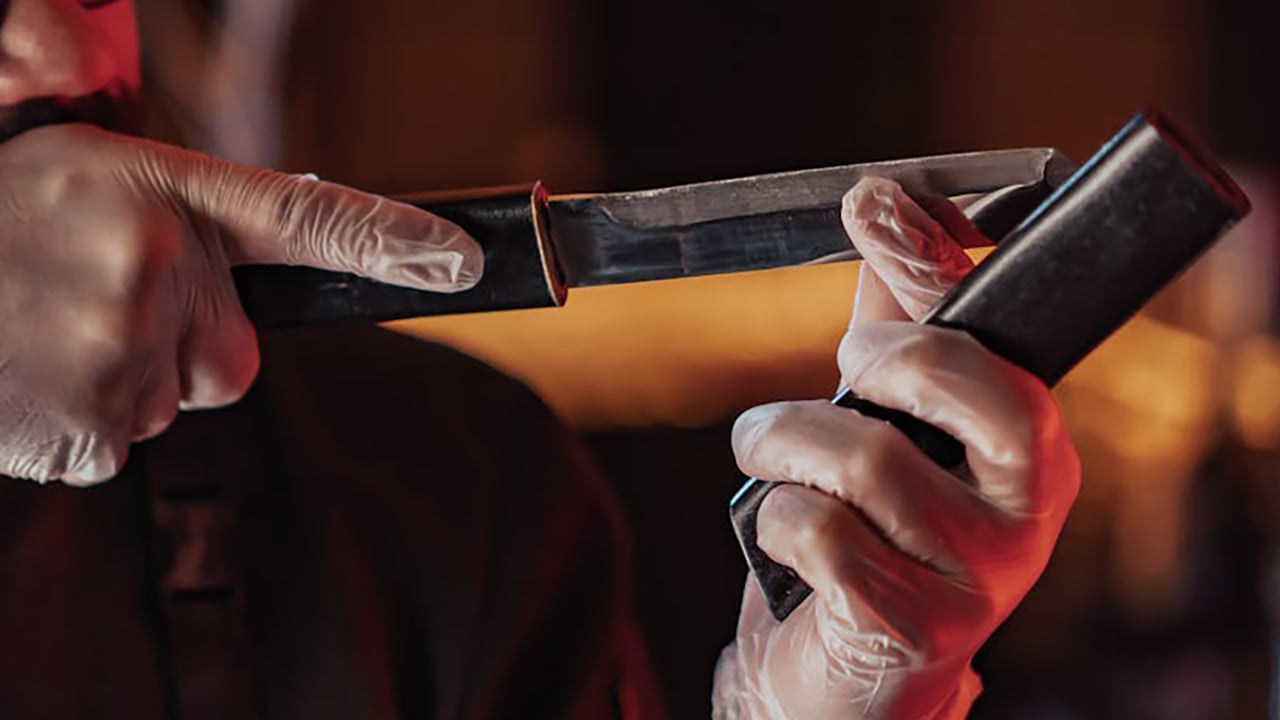
Photo credit: Mikhail Nilov/Pexels.com
A good knife can last a very long time, but only if the owner does not treat it like something that takes care of itself. That is where a lot of people get lazy. They’ll spend decent money on a knife, carry it every day, use it for everything from rope to meat to cardboard, and then wonder why it starts feeling rough, dull, loose, or stained after a year or two. Most of the time, the knife is not the problem. The maintenance is.
The good news is that knife care is not complicated. You do not need a workshop full of specialty tools or some obsessive collector routine. What you do need is consistency. Little habits matter more than dramatic once-a-year cleanup sessions. Wipe it off. Keep it dry. Touch up the edge before it gets wrecked. Pay attention to pivots, sheaths, screws, and storage. If you do that, even a hard-working knife can stay useful for years. These are 15 habits that make the biggest difference.
Wipe the blade down after every real use
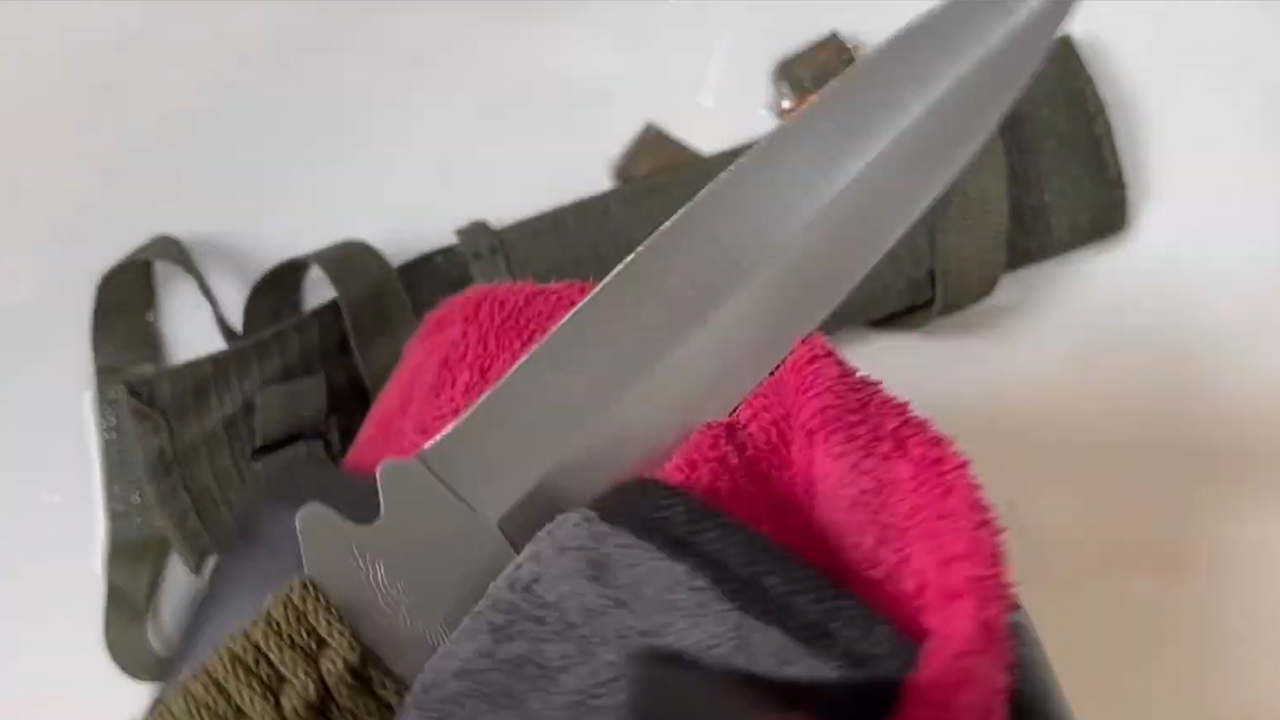
This sounds basic because it is basic, but it matters more than people think. A knife does not only get dirty when it looks filthy. If you cut fruit, meat, fish, cardboard, wet rope, tape, or anything sticky, that blade is picking up moisture, acids, grime, and residue that can work against the steel if you leave it there. A quick wipe right after use does more for long-term knife health than a lot of people realize.
It also keeps small problems from turning into big ones. A blade that gets wiped down regularly is easier to inspect, easier to sharpen, and less likely to build up crusty junk around the edge or pivot area. This is one of those habits that takes almost no effort and pays off constantly. If you want a knife to stay clean, smooth, and ready, stop putting it away dirty.
Dry it before you forget about it
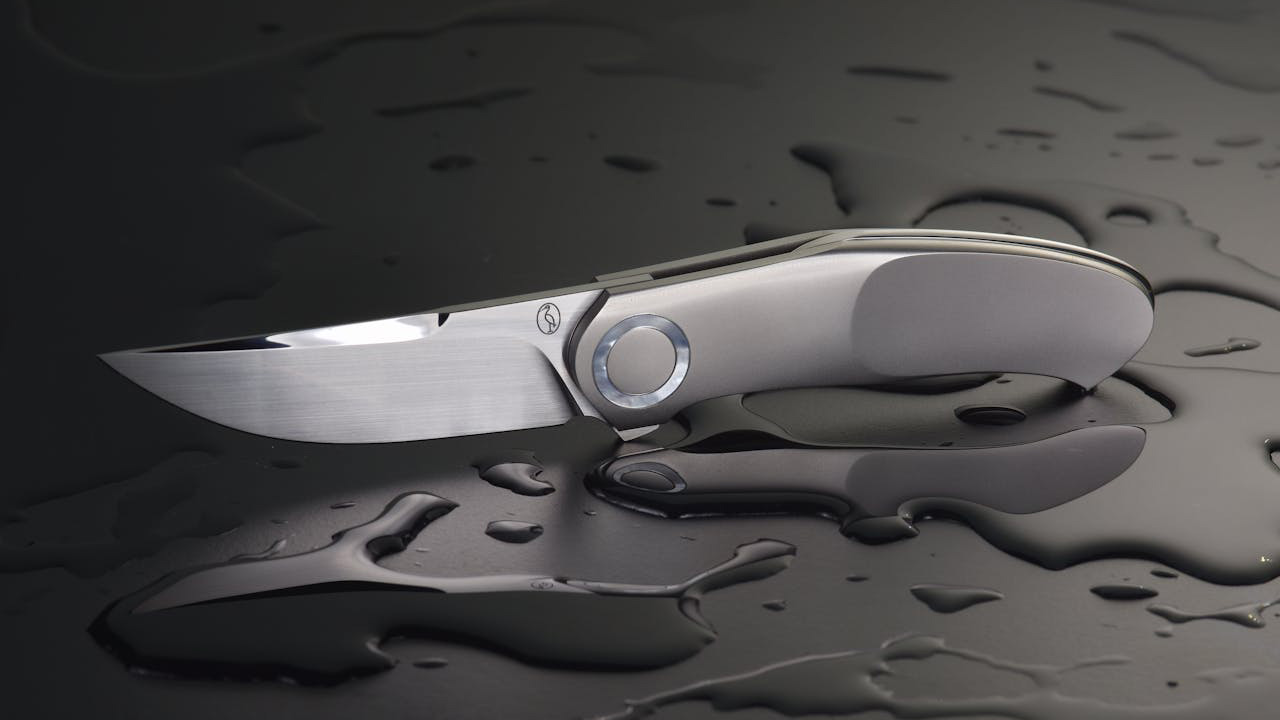
A lot of knives do not get damaged by dramatic abuse. They get damaged by being left wet longer than they should have been. That includes blades, handles, pivots, liners, and even sheath interiors. A knife tossed wet into a truck, pack, drawer, or leather sheath is asking for trouble, especially if it is carbon steel or any steel that is not especially forgiving around moisture.
The mistake people make is assuming “I’ll get to it later” counts as a plan. Usually it does not. Usually later becomes tomorrow, then next week, and by then the knife already has spots, stink, or corrosion starting in places you were not paying attention to. Drying a knife is simple, but it has to happen while you still remember the knife is wet. That little bit of discipline saves a lot of cleanup later.
Touch up the edge before it gets truly dull
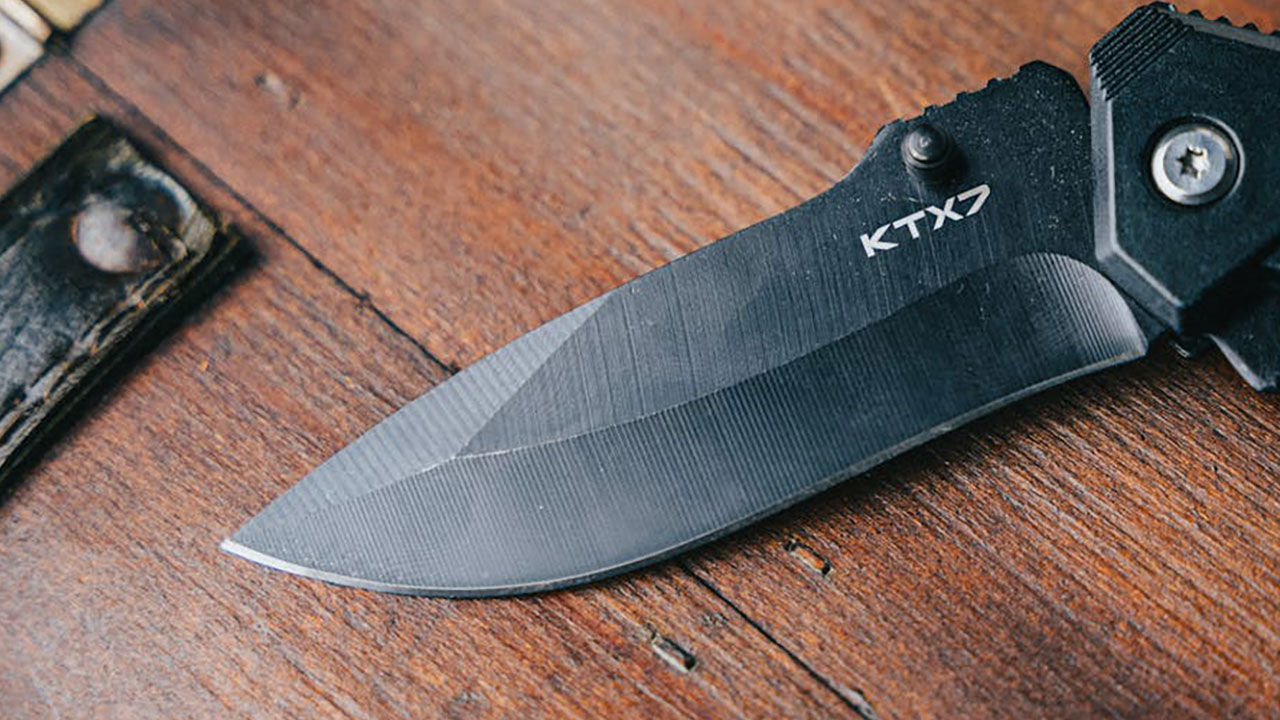
One of the worst knife habits out there is waiting until the edge is awful before doing anything about it. At that point, sharpening takes longer, mistakes get easier to make, and the user often takes off more steel than necessary trying to “bring it back.” A light touch-up while the edge is still mostly good is much easier on both the knife and the person sharpening it.
This is how people keep knives working for years without chewing through the blade. A few passes on a ceramic rod, strop, or fine stone at the right time is far better than grinding away at a wrecked edge every few months. If you stay ahead of dullness, the knife stays more consistent, and you spend less time fixing preventable damage. Good edge maintenance is not heroic. It is boring and regular, which is why it works.
Use the right sharpening angle and stick with it
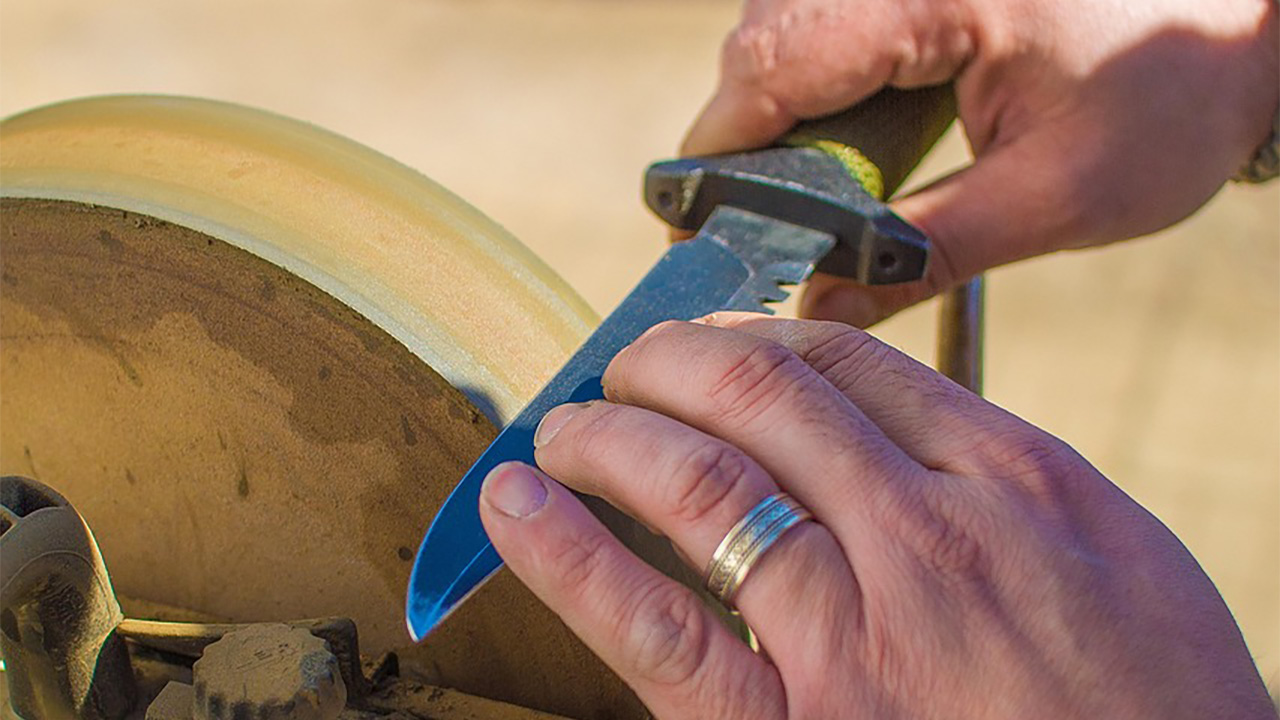
A knife edge gets a lot more stable when the owner stops randomly changing angles every time it touches a sharpener. Too many people sharpen one way on a stone, another way on a pull-through, then another way freehand when they get impatient. That kind of inconsistency can create uneven bevels, wasted steel, and an edge that never really feels settled. Pick an angle that fits the knife’s job and stay there.
That does not mean every knife in the house needs the same angle. It means each knife should have an angle that makes sense for what it does, and the owner should stop reinventing the wheel every sharpening session. Consistency helps the edge last longer, sharpens faster, and keeps the blade from getting weird over time. A stable edge is easier to maintain than one that has been all over the map for two years.
Oil pivots and moving parts lightly, not heavily
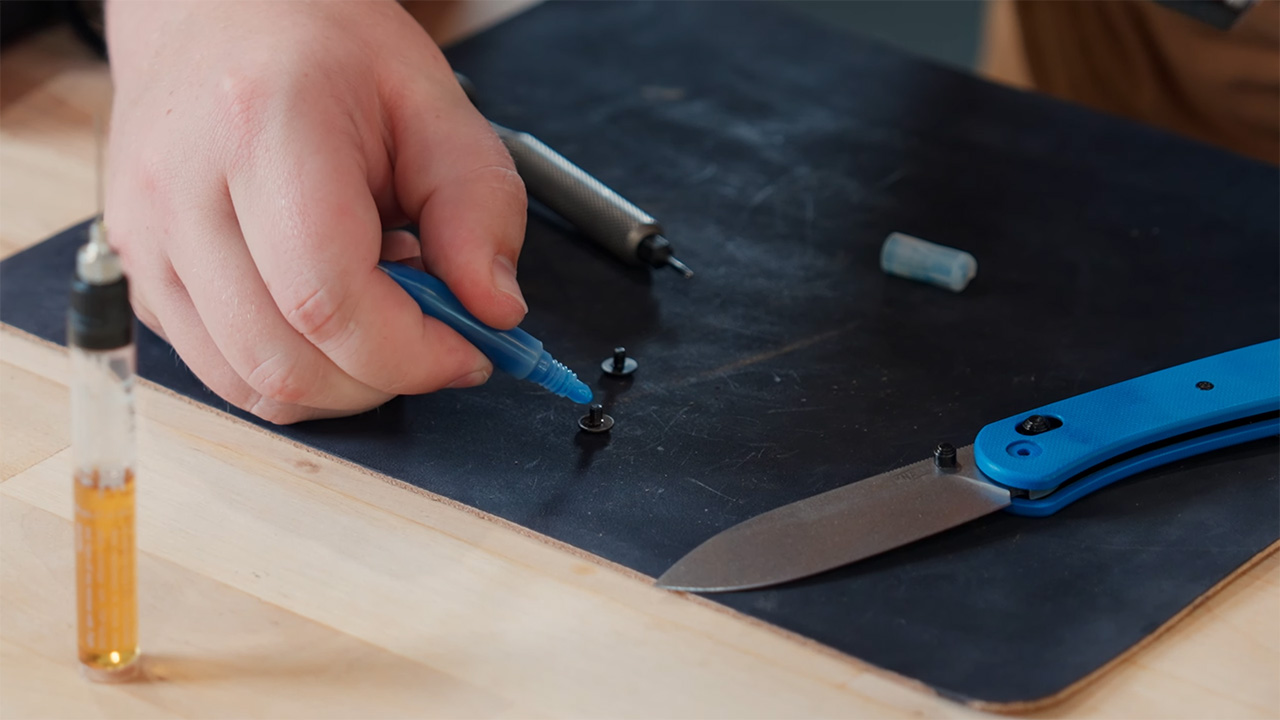
Folding knives especially need a little lubrication now and then, but a lot of people overdo it. They dump oil into the pivot like they are trying to fry something, and then wonder why lint, dust, and grime start building into a nasty paste. A knife pivot needs a little lubrication, not a swamp. One small drop, worked through the action, is usually plenty for most folders.
This matters because a dirty pivot can make a good knife feel worn out before its time. The action gets gritty, deployment feels rough, and the whole knife starts feeling older than it really is. A light, controlled habit of cleaning and re-lubing keeps the knife moving the way it should without attracting more crud than necessary. More oil is not better. Better is better.
Clean out pocket lint before it becomes pocket insulation
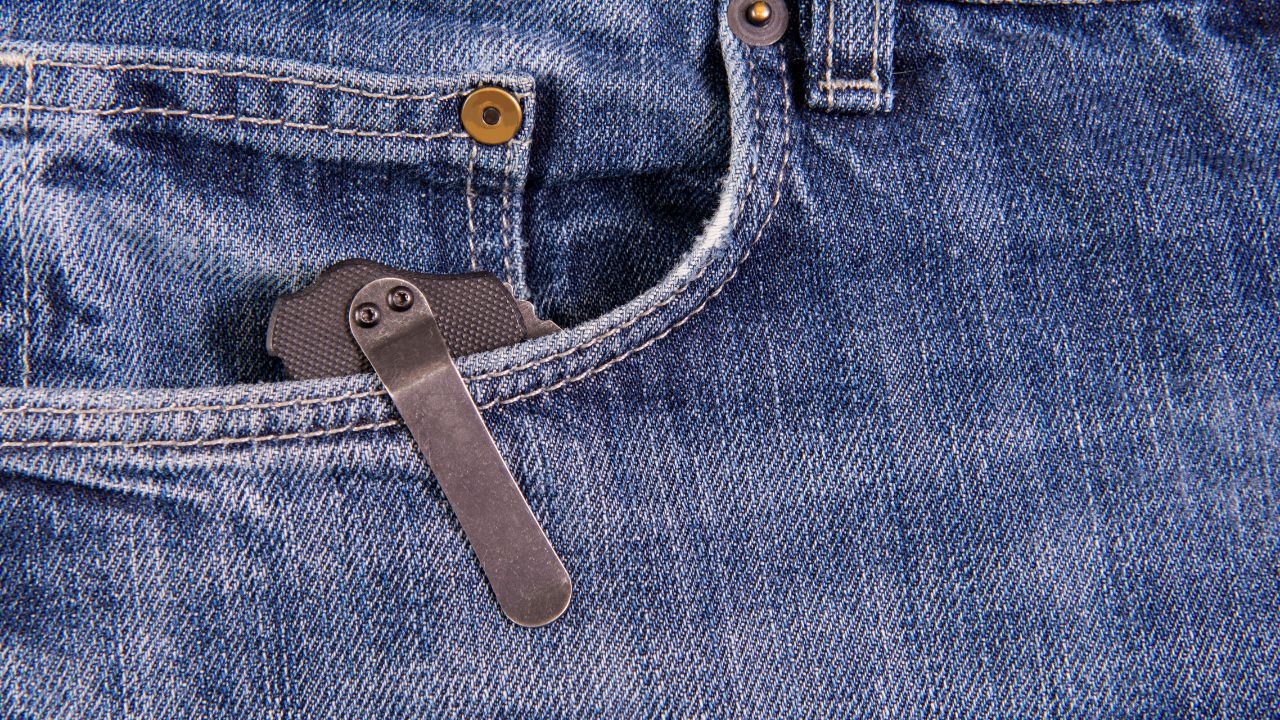
Pocket knives collect lint like it is part of the job because, honestly, it kind of is. If you carry a folder every day, lint, dust, and little trash bits are going to work their way into the pivot, lock, handle scales, and clip area. The problem starts when people act like that buildup is harmless forever. It is not. Over time it affects the action, the lockup, and even how cleanly the blade closes.
A quick blast of air, a soft brush, a toothpick, or a simple wipe-down once in a while keeps all that junk from becoming a real maintenance issue. This is one of those habits that makes a knife feel newer longer. A folder that gets basic pocket-cleaning stays smoother, safer, and less annoying to use. It also keeps you from having to do some giant deep-clean session later because the thing started crunching every time you opened it.
Do not store knives in leather for the long haul
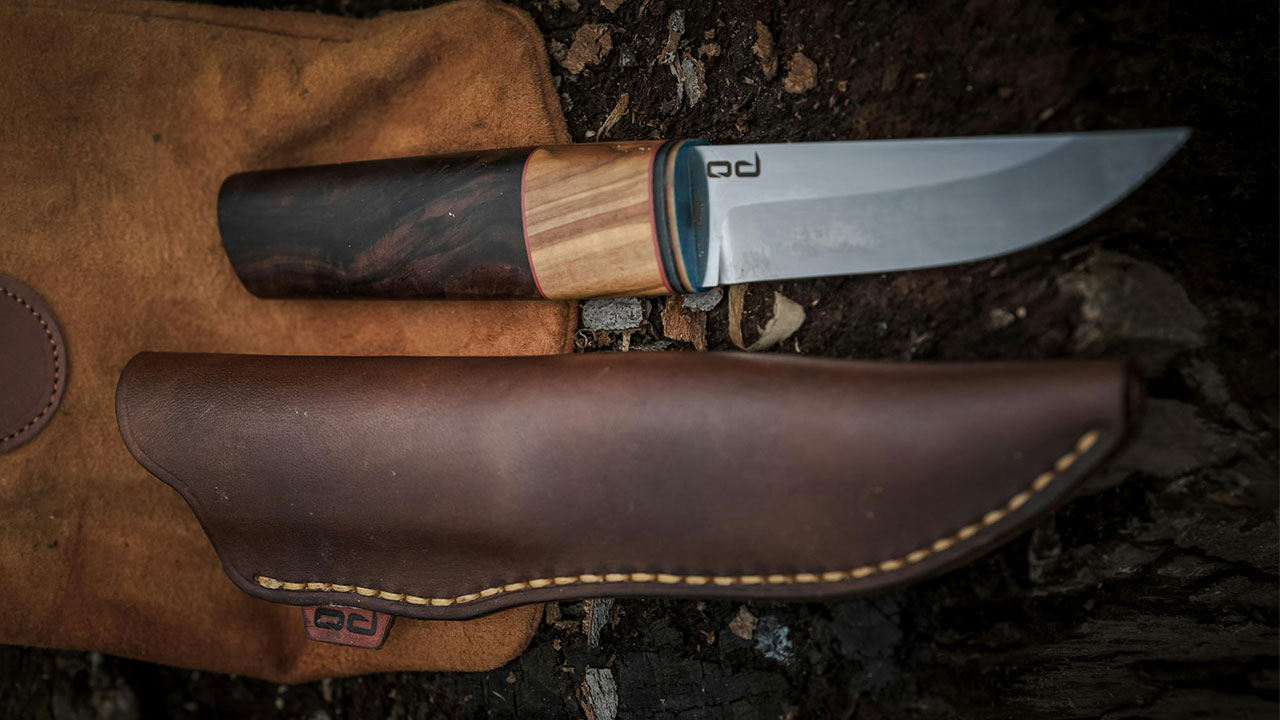
Leather sheaths are great for carry, especially on fixed blades, and a lot of them look better with age. But they are not always the best long-term storage option, especially in humid conditions or with steels that are more reactive. Leather can hold moisture and tanning residue, and that can work against the blade over time if the knife just lives in there. Carrying in leather is one thing. Storing for weeks or months is another.
If you want a knife to stay clean, dry, and stable over the long haul, take it out of the leather when it is not actively being carried. Store the knife dry in a better-controlled spot and let the sheath be the sheath, not the permanent home. A lot of people learn this lesson the annoying way when they pull out a blade and find spotting or dull discoloration that did not have to happen.
Keep carbon steel protected on purpose

Carbon steel rewards attention and punishes laziness. That is just the deal. It can take a fantastic edge, sharpen easily, and develop a lot of character over time, but it also wants a little help staying healthy. If you leave it wet, dirty, or unprotected, it will remind you pretty quickly. A light coat of oil or protectant after cleaning goes a long way with carbon steel, especially if the knife lives in changing weather or sees real field use.
The mistake is treating carbon steel like a miracle steel that somehow combines old-school charm with zero maintenance. It does not. If you carry carbon, commit to checking it. That does not have to be a burden. It just needs to be a habit. The people who love carbon steel long-term are usually the same people who accept that it needs watching. That attitude is a lot more useful than pretending rust is always somebody else’s problem.
Tighten screws before they become lost screws
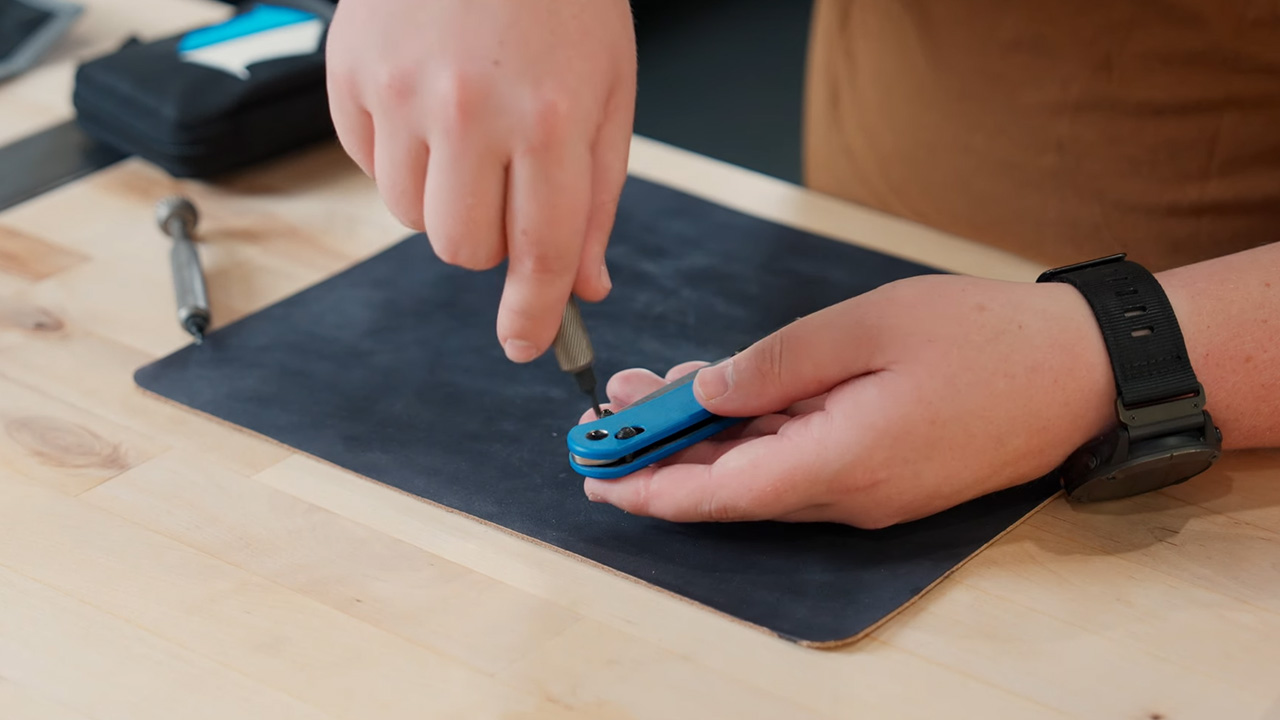
A lot of folding knives start feeling sloppy not because the design is bad, but because the owner ignored screws backing out little by little. Pocket clip screws, pivot screws, scale screws, and body hardware can loosen over time with carry and repeated use. If you catch that early, it is a five-second fix. If you ignore it, you might end up with blade play, a shifting clip, missing hardware, or a knife that suddenly feels way less trustworthy.
This is why a quick visual and physical check now and then matters. You do not need to get obsessive and wrench everything down every week. Just notice when something starts moving more than it should. A knife that gets periodic screw checks tends to stay tighter and more dependable over the years. Most hardware problems give a little warning before they get stupid. Pay attention during that window.
Use the knife for cutting, not for every other bad idea

A knife lasts longer when it is allowed to be a knife. That sounds obvious, but a lot of damage comes from people using knives as screwdrivers, pry bars, scrapers, chisels, paint-can openers, and whatever else is nearby when they do not want to walk back to the toolbox. Some knives survive that kind of abuse for a while. That does not make it smart. It just means the damage sometimes takes longer to show up.
Every time you twist, pry, stab into something dumb, or torque the edge sideways, you are asking the knife to age faster than it should. Tips snap. edges roll. locks wear harder. handle scales loosen. The simplest maintenance habit in the world is this: stop making the knife do jobs a different tool should do. A knife that spends most of its life cutting will usually stay useful a lot longer than one that gets volunteered for every shortcut.
Wash food knives like they touched food, not like they touched cardboard
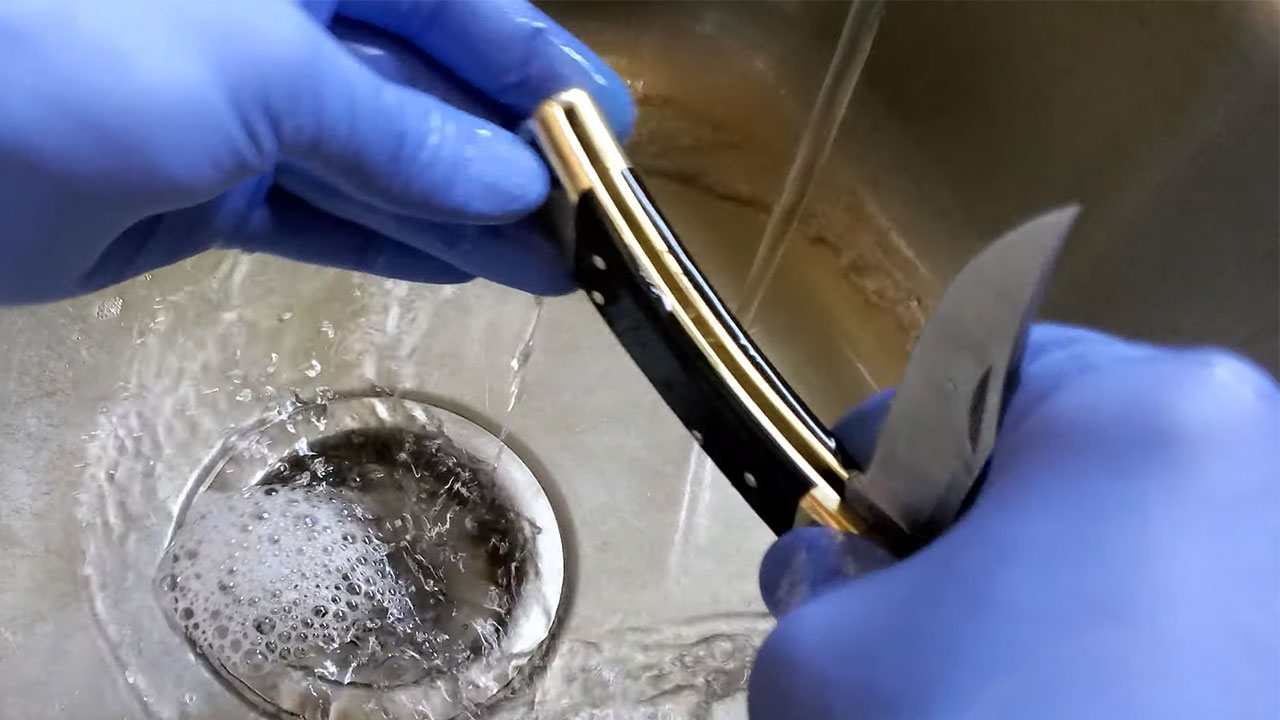
A knife that cuts meat, fruit, vegetables, fish, or anything else going in or around a kitchen needs to be cleaned like that actually matters. Too many people rinse poorly, wipe casually, or leave food residue hiding around the handle or pivot and then act surprised when the knife starts smelling strange or spotting up. Food use needs real cleanup, not the same half-care people give an EDC box cutter.
That is especially true for folders used around food, because pivots and scales can trap residue in places you do not immediately see. If a knife handles food regularly, clean it thoroughly, dry it thoroughly, and stop putting it away with invisible mess still on it. That is not just better for the knife. It is also better for common sense. A knife used in the kitchen should not feel like camp trash by the end of the week.
Strop more often than you think you need to
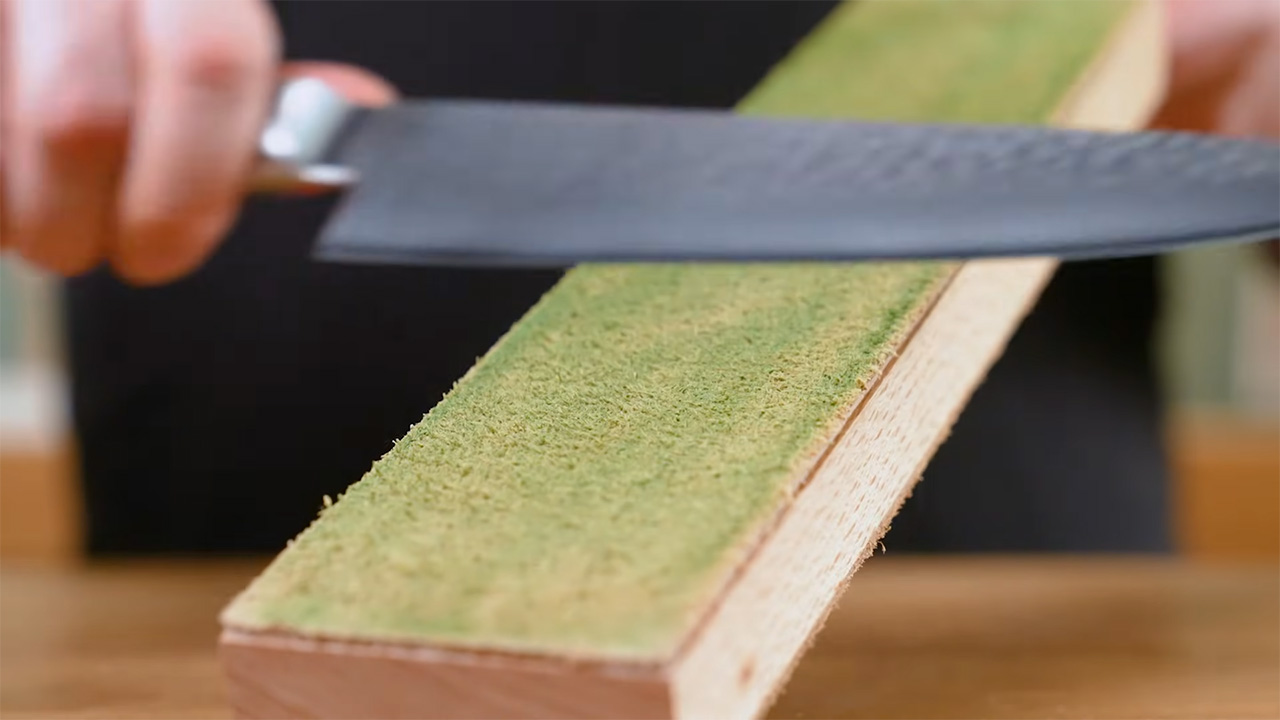
A strop is one of the easiest maintenance tools to underuse. People either ignore it completely or wait until the edge is already heading downhill. Used regularly, a strop can keep a knife feeling crisp longer between full sharpening sessions. It helps clean up the apex, maintain bite, and stretch out edge life without removing much material. That is exactly what you want if the goal is keeping a blade healthy for years.
This is especially useful on knives that see frequent light-to-medium cutting. A few strokes on a strop now and then can keep the edge from dropping off as quickly, which means less aggressive sharpening later. Less aggressive sharpening means more steel left on the blade over time. That is the kind of long game knife owners ought to care about more than they usually do.
Store knives where humidity is not doing the talking
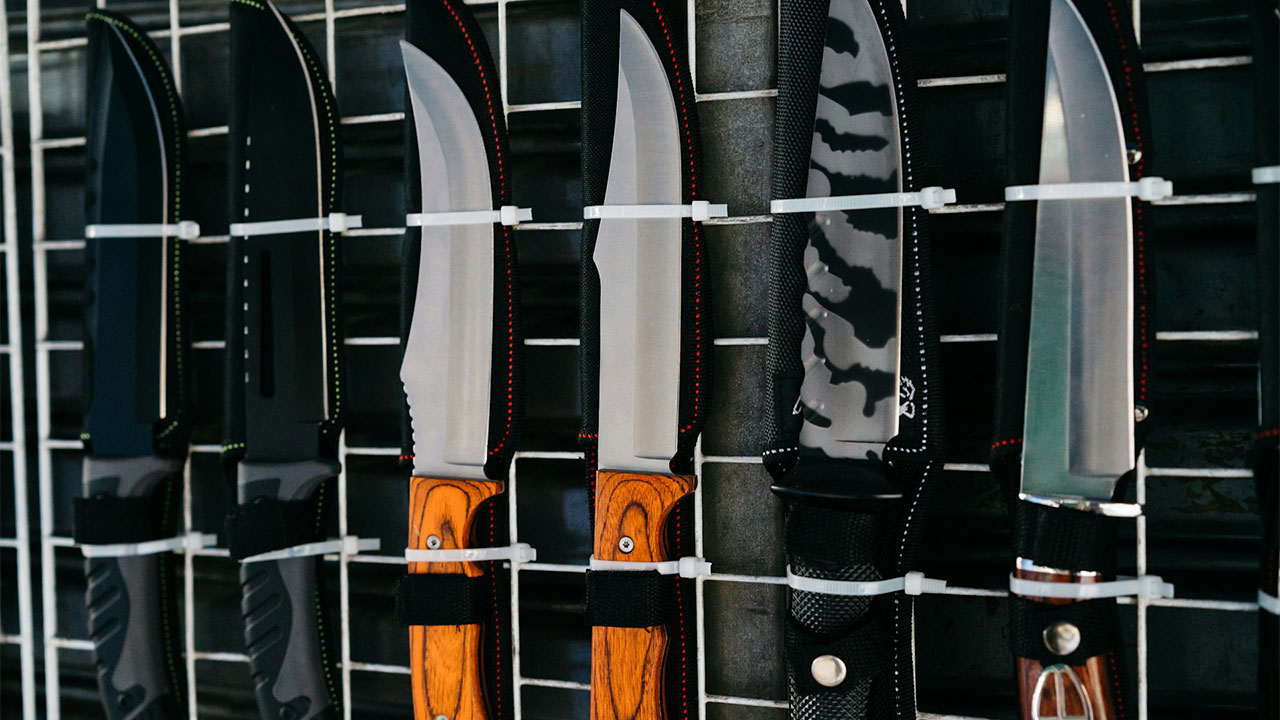
A knife can be perfectly clean and still age poorly if it lives in a bad environment. Damp garages, sweaty packs, wet truck compartments, basements with bad humidity, and cluttered drawers near moisture all work against steel over time. If you want knives to last, think about where they live when they are not in use. Storage is maintenance, even if it does not feel exciting enough to count.
A dry, stable place beats a dramatic display or a careless toss into a junk drawer every time. This matters even more if the collection includes carbon steel, natural handle materials, or leather sheaths. A good knife stored badly will still age badly. People often blame the steel when the real problem was the environment. Keep the environment cleaner, and the knife usually rewards you for it.
Clean the sheath too, not just the knife
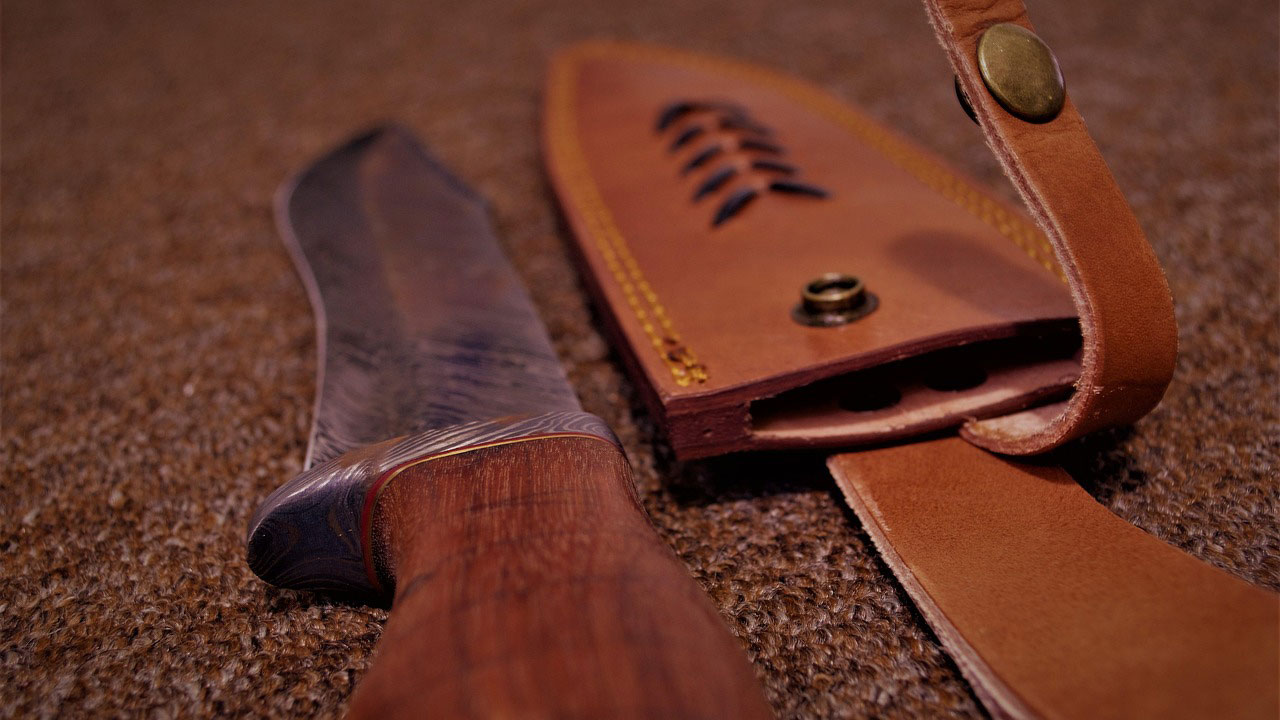
A dirty sheath can quietly keep ruining a clean knife. Leather can trap moisture and grime. Kydex can collect grit. Nylon can hold dirt, dust, and field junk that rubs on the blade or gets carried along for the ride every time the knife goes in and out. If the sheath gets ignored forever, it can become part of the problem instead of part of the protection.
This is especially important for fixed blades that see real outdoor use. Mud, sand, blood, plant matter, and plain old debris all have a way of getting into the sheath. If you never clean it, you are basically storing the knife in a little container full of abrasives and moisture risks. Give the sheath the same basic respect as the blade and the whole system stays healthier.
Learn your steel instead of treating every blade the same
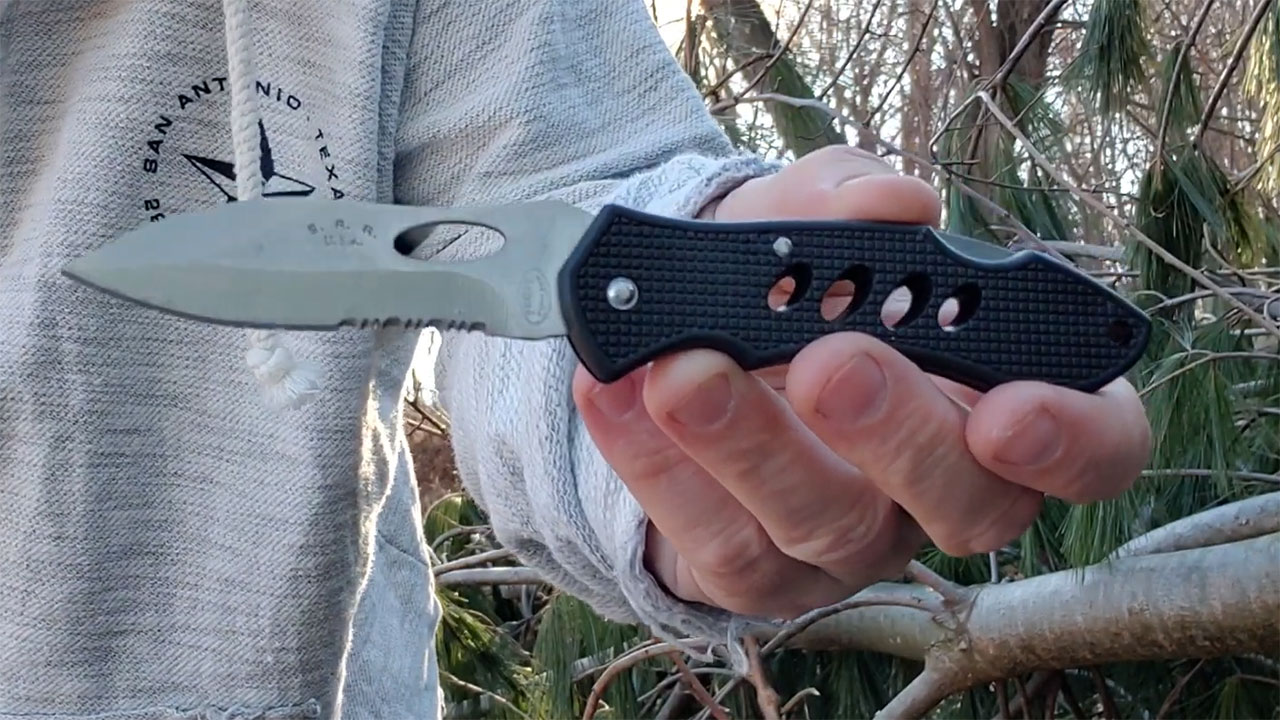
Different steels behave differently, and maintenance gets easier when you stop pretending every knife wants the same treatment. Some steels want more rust prevention. Some want easier, lighter touch-ups. Some hold an edge longer but take more work when they finally need real sharpening. If you learn what a knife is made from, you usually make better maintenance decisions without having to guess your way through it.
This does not mean you need to become a steel nerd who memorizes charts for fun. It just means knowing enough to avoid dumb mistakes. Do not baby a steel that does not need it and do not neglect one that clearly does. A little awareness goes a long way. A knife lasts longer when the owner understands what kind of blade he is actually caring for.
Like The Avid Outdoorsman’s content? Subscribe to our newsletter so you never miss an article.
Here’s more from us:


