
Photo credit: picardzucht/Pixabay.com
Some dogs ignore commands because they are poorly trained. Some ignore commands because they are overstimulated, under-exercised, or just plain immature. And then there is another category entirely: dogs that hear the command, understand the command, and still seem to run it through their own internal committee before deciding whether your plan is better than theirs. That is the group this list is about. These are the breeds that tend to think for themselves, solve problems their own way, and get labeled “hardheaded” when a lot of the issue is really independence mixed with brains. AKC descriptions for several breeds in this lane use the same kind of language over and over: independent, stubborn, obstinate, take-charge, or “have a mind of their own.”
That does not make them bad dogs. In fact, a lot of these breeds are impressive precisely because they were bred to work without constant hand-holding. The catch is that the same problem-solving drive that makes a dog useful in the field, on a farm, or as a working partner can make obedience feel optional if the training is dull, inconsistent, or too force-heavy. So if you want a dog that always says “yes sir” just because you said something once, a lot of these are not your dogs. If you respect brains, structure, and a little attitude, they make more sense.
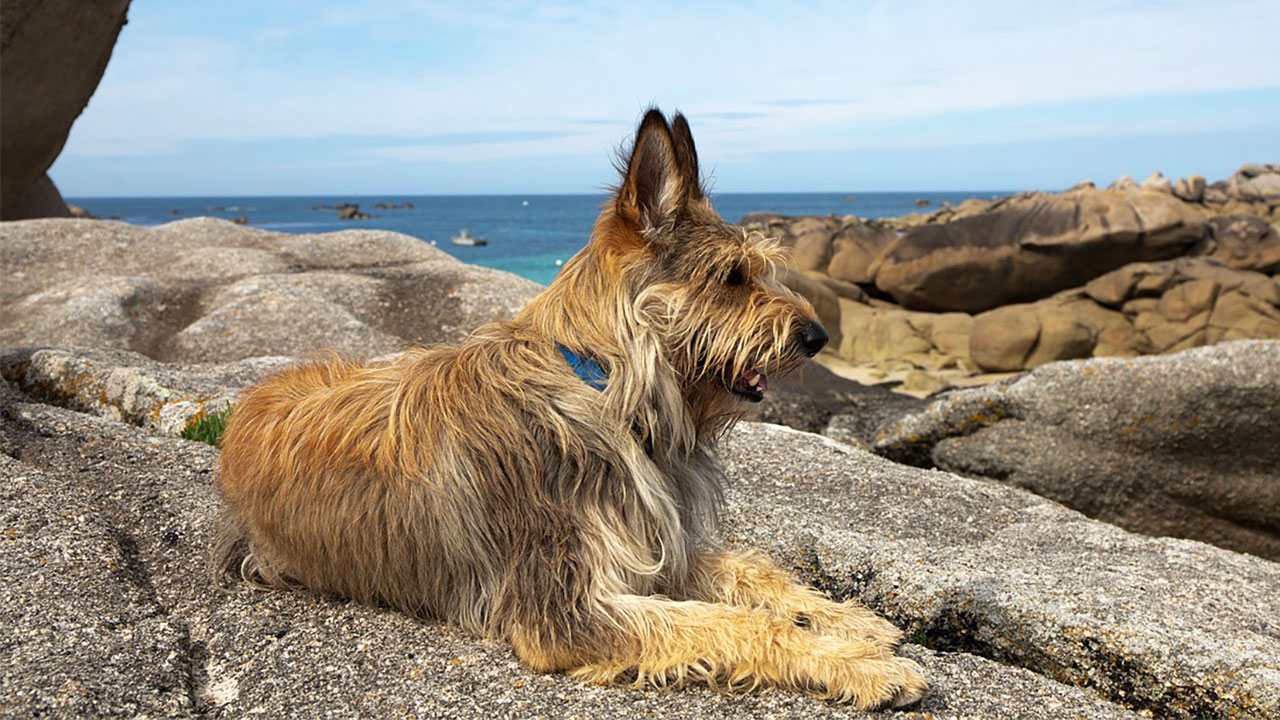
Berger Picard

The Berger Picard is almost a perfect fit for this headline because AKC literally describes the breed as having spent centuries as a take-charge, independent problem-solver and says that positive training is necessary to cope with its stubborn streak. That is not vague language. That is exactly what this kind of dog is.
A Picard is the kind of dog that is not trying to disrespect you. It is trying to think. That sounds flattering until the dog decides your version of “come” or “leave it” does not line up with what it wants to do in that moment. These dogs do best with owners who enjoy shaping a brain instead of trying to overpower one. If the training is repetitive or unfair, the Picard is very capable of making its own decision about whether this conversation is still worth having.
Bouvier des Ardennes

AKC describes the Bouvier des Ardennes as an intelligent problem-solver that can think for itself, and it specifically notes that this can be problematic for a novice handler. That is one of the clearest warnings you will ever get in a breed profile.
This is the kind of dog that often gets called stubborn when what it really has is initiative. That initiative can be a blessing in a working setting and a pain in a casual household if the owner mistakes intelligence for built-in obedience. Dogs like this usually do better when training feels purposeful and consistent. If you get sloppy, they notice. If you get boring, they notice that too.
Bloodhound

AKC says the Bloodhound is affectionate and devoted, but also stubborn and independent, and that its training requires patience, consistency, and skill. It also notes that the breed is relentless once on scent. That tells the whole story right there.
A Bloodhound does not ignore commands because it is dumb. It ignores commands because it has one of the strongest “I have a job and I’m doing it” brains in the dog world. Once the nose locks onto something, your voice has competition. That kind of single-mindedness is part of what makes the breed remarkable, but it also means obedience is never going to feel like a simple button-push arrangement.
Dachshund

AKC is very direct that Dachshunds are very intelligent, but also independent and often stubborn, which can make them a challenge to train. That sounds exactly like a dog that hears the rule, understands the rule, and then weighs whether the rule has enough personal value to bother with.
This is one of the most misunderstood examples on the list because people see a small dog and assume a small personality. That is not how Dachshunds work. They were built to go underground after prey, make decisions in tight spots, and keep going without waiting around for permission. That wiring shows up in the home too. If training does not make sense to them, they are more than willing to act like they never got the memo.
Alaskan Malamute

AKC says Malamutes are highly intelligent but also independent and willful, often to the point of stubbornness. That is about as clean a summary as you can ask for.
A Malamute is not the kind of dog that lives to please in the same way some sporting and herding breeds do. It has more self-direction than that. That can make the breed impressive, funny, and tough-minded, but it can also make obedience feel like negotiation. If you train with fairness and consistency, you can get a lot from a Malamute. If you expect automatic compliance just because you asked once, you are probably going to feel ignored a lot.
Dutch Shepherd

AKC says the Dutch Shepherd has an independent nature, can be slightly obstinate, and may have a mind of its own. That is exactly the tone this article is talking about.
The Dutch Shepherd is very capable, very smart, and very willing to work, but those traits do not automatically mean soft-minded obedience. A dog with that much awareness and self-direction tends to do best when the handler is clear, fair, and worth paying attention to. If the structure is weak, the dog may start freelancing. And once a smart dog starts freelancing, the owner usually decides the dog has “selective hearing.”
Chow Chow

AKC says the Chow Chow is very intelligent but can be stubborn and that harsh training methods should be avoided to build trust. That is a big clue. A dog like this is not usually being difficult for sport. It is reacting to how it is handled and how much sense your leadership makes to it.
Chows tend to carry themselves like they have opinions because they do. They are not generally built to act eager-to-please with everyone all the time. That reserve and independence is part of the breed’s identity. If you mistake that for lack of intelligence, you are reading the dog wrong. A Chow often knows exactly what you want. It just does not always agree that your timing or priorities are superior.
Swedish Lapphund

AKC describes the Swedish Lapphund as intelligent and active, requiring regular mental and physical exercise, and notes the challenge of an independent mind. That is a classic setup for a dog that will absolutely out-think a lazy training routine.
Dogs like this get labeled as stubborn when they are often just underchallenged. An independent, smart breed that is bored will start creating its own entertainment and its own standards. That can look like ignoring commands, but a lot of the time it is really the dog asking why it should keep participating in something that has stopped being engaging or useful.
Affenpinscher

The Affenpinscher is a smaller dog, but AKC still flags it as very intelligent, easily bored, and inclined to think for itself. That combination is exactly how you get a dog that does not always respond like a neat little obedience machine.
This is one of those breeds where people underestimate the mental side because of the size and the personality. An Affenpinscher is not usually confused. It is usually busy having opinions. If training is repetitive or the owner gets inconsistent, the breed is more than willing to entertain itself and let the command slide down the priority list. That is not rebellion so much as brainpower with attitude.
Basset Hound

AKC says the Basset Hound can be sometimes stubborn, which fits perfectly with the hound pattern. Hounds often have brains built to follow scent, work steadily, and make progress without constant emotional dependence on a handler’s approval.
That means a Basset can absolutely hear you and still decide the current scent trail, distraction, or personal plan outranks whatever you just said. People call that stubbornness because it is easier than admitting the dog was bred for a different kind of focus. The Basset is not a robot, and it does not want to be one. That is part of the charm and part of the challenge.
Spinone Italiano

AKC describes the Spinone as sociable, docile, and patient, but also sometimes stubborn. That is a good reminder that a dog can be warm and pleasant while still not being especially interested in blind compliance.
This breed tends to come off softer than some of the more visibly independent dogs on the list, but that should not fool anyone. A thoughtful hunting breed with some stubbornness in the package is still a dog that may decide your command is not the most important thing happening. The Spinone often responds best when the handler understands that calm does not automatically mean biddable.
Hovawart

AKC says the Hovawart is extremely intelligent and also stubborn, and that it likes to have a job to do or it will use its creative intelligence in ways its owner may not appreciate. That sentence alone earns it a place here.
A dog like that is not simply “ignoring commands.” It is redirecting its intelligence somewhere else because the structure is not doing enough to hold it. That is why the Hovawart can frustrate owners who want a smart dog but do not really want what smart often means in practice. Independent brains come with opinions. Creative intelligence comes with experiments. If you do not give it direction, it will still use itself.
Siberian Husky

AKC’s Husky materials consistently frame the breed as intelligent and independent, and that alone is enough to understand why obedience can feel selective with them.
Huskies are famous for deciding their own version of the plan, and that reputation did not come out of nowhere. They tend to think laterally, move toward what interests them, and care less about constant approval than many breeds people compare them to unfairly. That does not make them untrainable. It makes them a poor fit for owners who think intelligence always looks like instant compliance. A Husky often understands just fine. It just has its own committee meeting first.
Norwegian Lundehund

AKC’s spitz-breed guidance says Lundehunds are intelligent problem-solvers that need plenty of things to do. That is exactly the kind of description that belongs in this article.
A dog bred to solve physical and environmental problems is not always going to respond to routine obedience the same way a more handler-dependent breed does. Problem-solvers often start asking their own questions. If the command seems pointless, repetitive, or too heavily forced, they may opt out mentally before the owner realizes it. That is not a lack of brain. It is usually brain pointed in the wrong direction for the human.
Akita

AKC describes the Akita as dignified and courageous, and the breed’s broader temperament reputation has long included a serious independent streak. While the profile is more focused on loyalty and reserve than on training language alone, this is still one of those breeds widely known for thinking for itself instead of constantly looking to the handler for emotional reassurance.
That kind of dog does not tend to throw itself into obedience for fun. It wants a reason, a relationship, and leadership that feels worth following. If those pieces are weak, the Akita can become one of the clearest examples of a dog that technically hears you but does not accept that your request outranks its own judgment in the moment. That is part of why this breed needs a real owner, not just an admirer.
Like The Avid Outdoorsman’s content? Subscribe to our newsletter so you never miss an article.
Here’s more from us:


