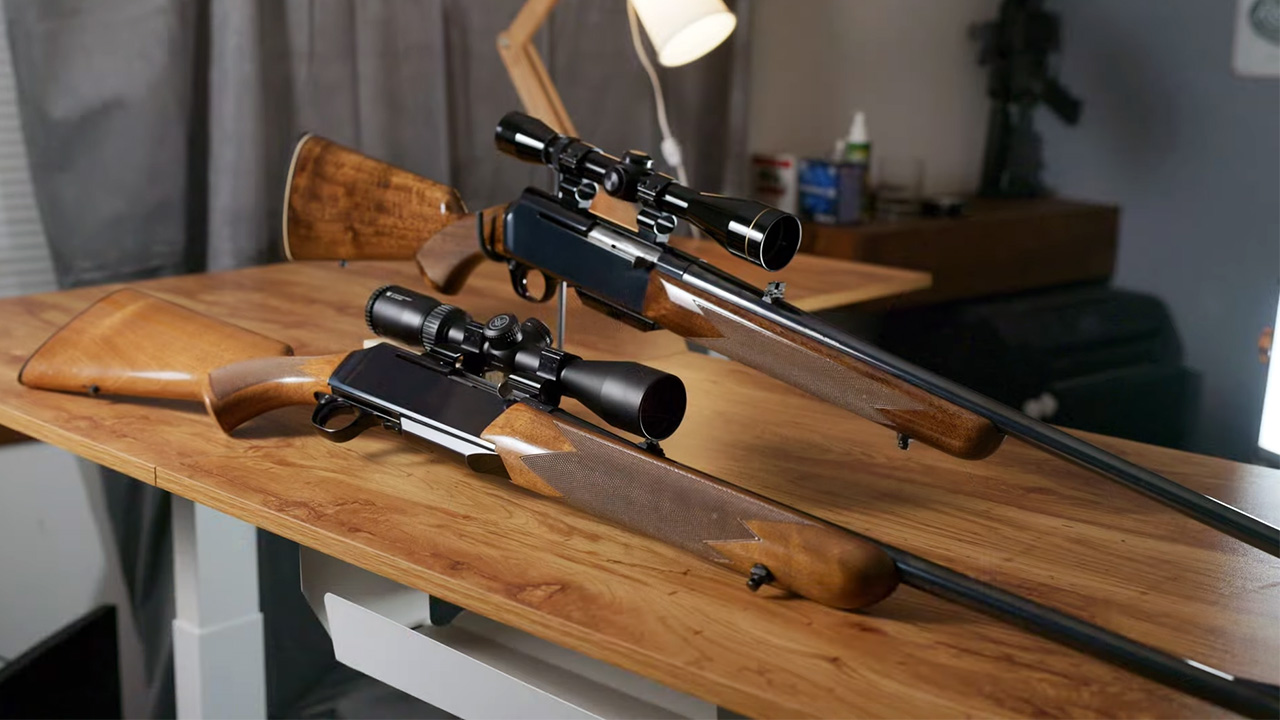
Photo credit: The Average Joe Armory/Youtube
The Browning BAR is one of those rifles that gets recognized fast but not always understood all that well. A lot of shooters know the name, know it is a semi-auto hunting rifle, and know it has been around a long time. After that, the details start getting fuzzy. Some mix it up with the military Browning Automatic Rifle. Others know the hunting version only as a nice deer rifle with a familiar name and never really look deeper than that.
That is what makes the BAR worth talking about. The sporting BAR carved out a very different legacy from the wartime machine gun that inspired the name, and it became one of the most respected semi-auto hunting rifles ever sold. It blended speed, power, and a level of refinement that helped it stand apart from more basic autoloaders. Here are 15 little-known facts about the Browning BAR.
It is not the same gun as the military BAR
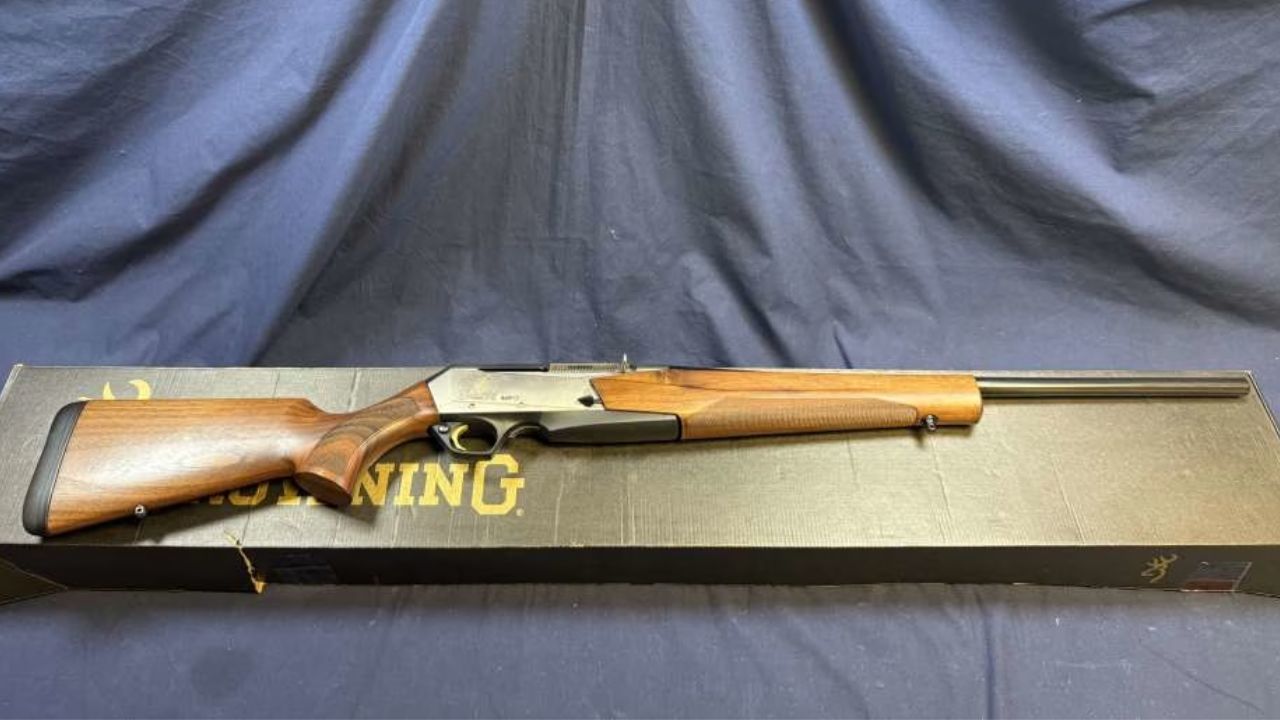
One of the biggest things people get wrong about the Browning BAR is assuming it is just a civilian version of the old Browning Automatic Rifle. It is not. The sporting BAR that hunters know is a completely different firearm built for a completely different purpose. The military BAR was a heavy automatic rifle designed for war. The sporting BAR is a semi-auto hunting rifle meant for the field.
That confusion has followed the rifle for years because the name carries so much history. Browning knew exactly what kind of weight that name had, and using it tied the sporting rifle to a famous firearms legacy right away. But mechanically and practically, the two guns live in very different worlds. The hunting BAR is its own rifle entirely, even if the name makes people assume otherwise.
Browning used the name on purpose because it already meant something
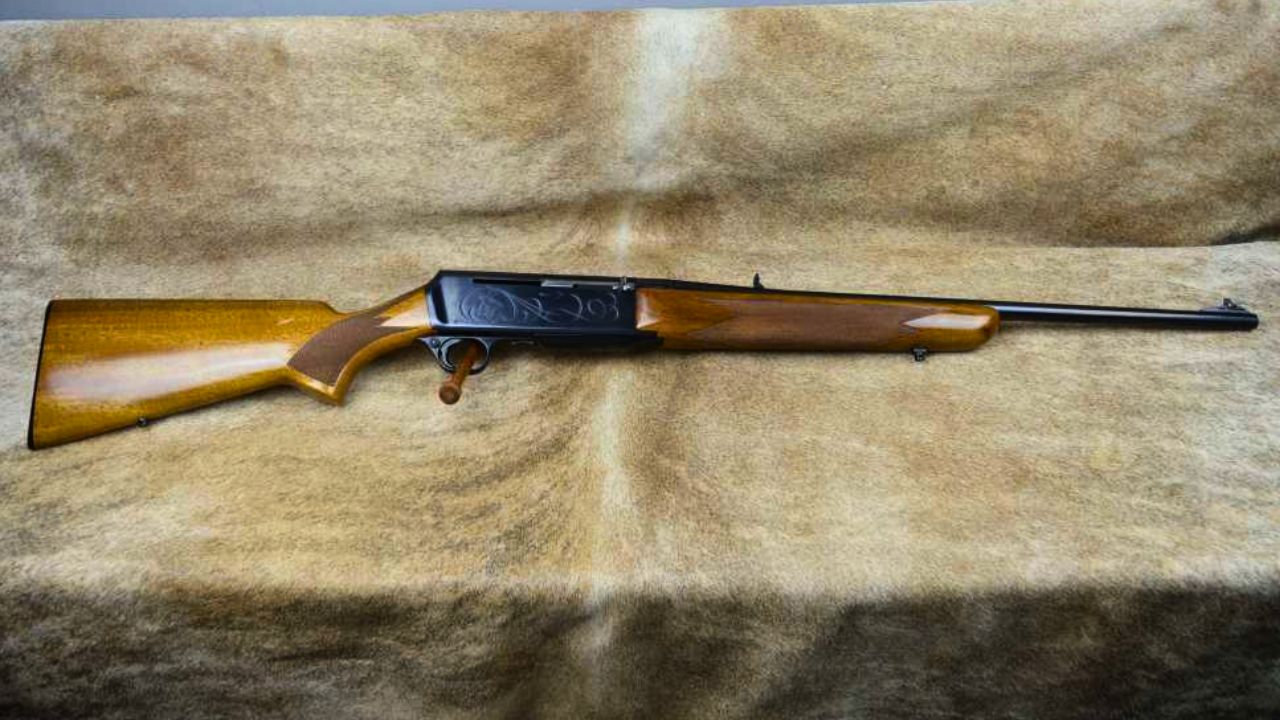
The “BAR” name was not an accident or some lazy recycling job. Browning understood that the letters already carried serious recognition thanks to John Browning’s military design, and using that name on a new hunting rifle gave the sporting gun instant identity. It made the rifle sound strong, proven, and tied to a famous firearms lineage before a lot of buyers ever handled one.
That kind of branding matters more than people sometimes admit. A rifle with a bland model number can get lost. A rifle carrying the BAR name immediately feels like it has some gravity behind it. Even though the sporting BAR is a very different gun, the name helped buyers remember it and helped Browning position it as something more serious than a generic semi-auto deer rifle.
It was introduced as a high-end sporting rifle, not a budget autoloader

The Browning BAR did not enter the market as some cheap utility semi-auto. From the start, it was positioned as a refined, quality hunting rifle. It had nicer lines, better finish, and a more polished image than a lot of semi-autos people were used to seeing in the hunting world. Browning was not trying to make the most affordable autoloader on the shelf. It was trying to make one hunters would be proud to carry.
That helped the BAR build a different kind of reputation. Instead of being seen as a compromise gun for somebody who did not want a bolt action, it became a serious option in its own right. Hunters could choose it because they liked the quick follow-up shot, sure, but also because it felt like a quality rifle. That higher-end image stuck, and it still shapes how people think about the BAR today.
It helped legitimize semi-auto centerfire rifles for big-game hunting

There was a time when a lot of traditional hunters looked at semi-auto centerfire rifles with some suspicion. Bolt guns dominated the serious-hunting image, and autoloaders could be treated like second-tier choices. The Browning BAR helped change that. By offering a semi-auto rifle that looked refined, handled well, and chambered serious hunting cartridges, Browning made it easier for hunters to view the format as respectable.
That shift was a big deal. Once a rifle like the BAR gained trust in deer camps and hunting circles, the idea of carrying an autoloader after big game stopped feeling so strange. The BAR gave hunters a way to get semi-auto speed without feeling like they were sacrificing class, quality, or capability. That did a lot for the platform’s long-term reputation.
Early production was tied to Belgium
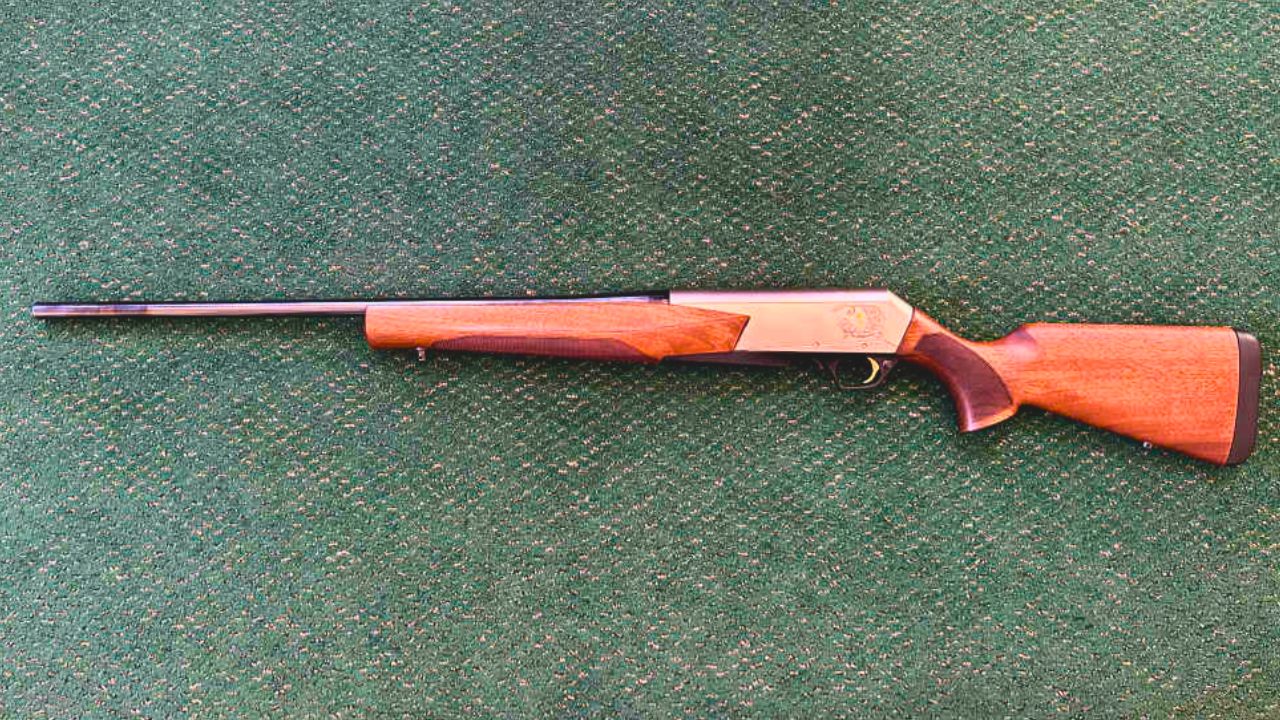
One detail collectors and long-time Browning fans pay attention to is where a BAR was made. Early rifles were associated with Belgian production and assembly relationships that added to the gun’s prestige. For many shooters, “Made in Belgium” on a Browning carries a certain weight because it connects the firearm to a time when Browning’s imported sporting guns had a very strong premium image.
That manufacturing background helped shape the BAR’s reputation as something a little more elevated than your average deer rifle. People were not just buying a semi-auto. They were buying a Browning with an imported, polished reputation behind it. That kind of origin story matters in the gun world, especially once collectors start separating eras and assigning value and status to specific production periods.
It was chambered for serious hunting cartridges from the start

A lot of semi-auto rifles get associated with lighter cartridges or more casual shooting roles, but the BAR made its name chambered in real hunting rounds. Over the years it has been offered in cartridges like .270 Winchester, .30-06, .308 Winchester, and several magnum options. That immediately told hunters this rifle was not playing around as some glorified plinker or novelty autoloader.
That cartridge lineup was a big reason the BAR earned respect. A rifle built for legitimate deer, elk, and similar hunting use speaks a different language than a lighter-duty semi-auto. It told buyers the BAR was meant for serious field work, and it backed up the idea that a semi-auto could still be a real hunting rifle rather than a range toy or a niche curiosity.
The gas system helped tame recoil more than many hunters expected

One reason plenty of hunters came away impressed with the BAR was how manageable it felt in cartridges that could be fairly stout in lighter bolt-action rifles. The gas-operated action helped soften the recoil impulse, which made the rifle more comfortable for many shooters. That was especially noticeable in full-power hunting calibers where recoil can wear people down over time.
That softer feel gave the BAR a practical advantage in the field. A rifle that recoils less harshly is easier for many hunters to shoot well, especially for follow-up shots or extended range sessions before season. People often focus on semi-auto speed, but comfort matters too. The BAR quietly earned a following because it made serious calibers feel more approachable without giving up real hunting capability.
It became especially popular with hunters who valued fast follow-up shots
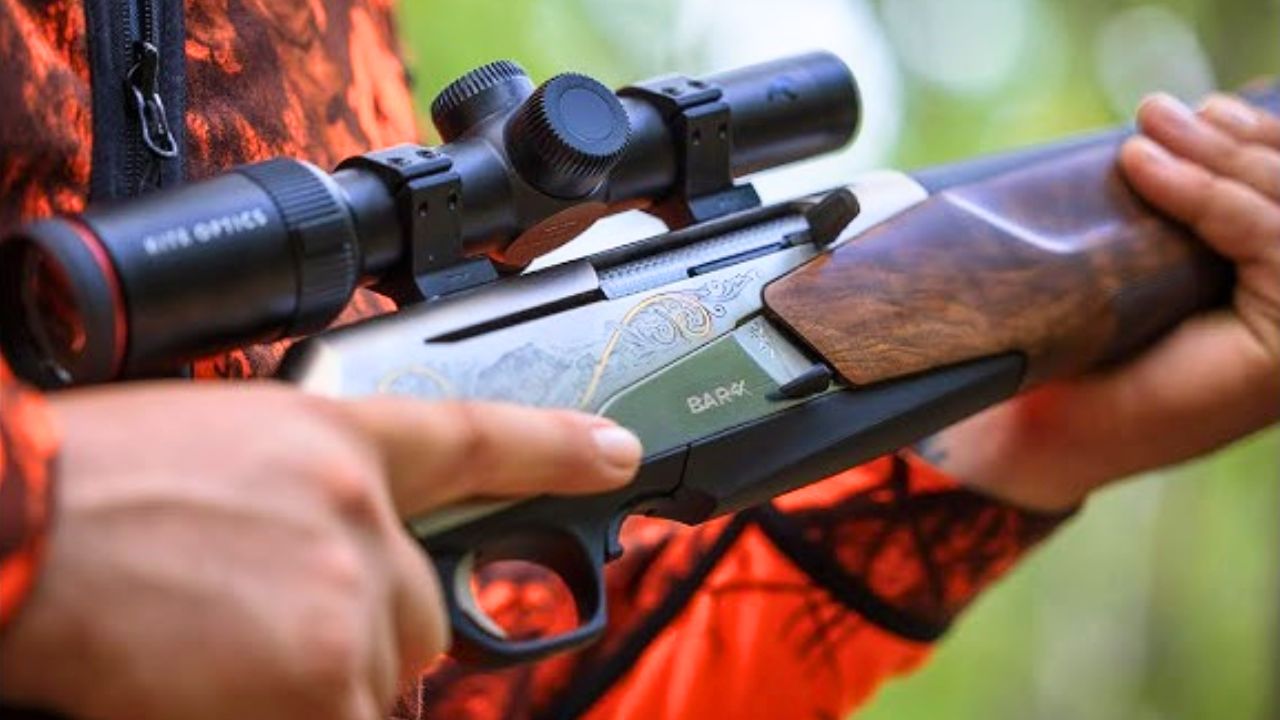
The BAR’s semi-auto action was not just a novelty. For many hunters, it was the whole reason the rifle made so much sense. In situations where a second shot might matter fast, the BAR gave them an advantage over traditional manually operated rifles. That appealed to plenty of deer hunters, hog hunters, and other field shooters who wanted quick repeat-shot capability in a refined sporting package.
That does not mean the BAR became popular only because people sprayed rounds. The better explanation is simpler: it gave a practical option to hunters who wanted speed without sacrificing power or quality. A fast follow-up shot can matter when an animal moves, when the first hit needs backing up, or when multiple animals are in play. The BAR delivered that in a package people respected.
It built a reputation for being more accurate than skeptics expected

Semi-auto hunting rifles sometimes get unfairly lumped into a category where people assume they cannot shoot especially well compared with bolt guns. The Browning BAR pushed back against that assumption. Plenty of hunters found the rifle accurate enough to build real confidence in the field, and in many cases more accurate than skeptics expected from a centerfire autoloader meant for hunting.
That reputation mattered because hunters will forgive a lot, but not a rifle they cannot trust. The BAR managed to combine semi-auto speed with enough accuracy to make serious sportsmen take it seriously. It may never have been sold as a benchrest rifle, but it proved you did not have to accept sloppy real-world performance just because you wanted an autoloading action.
The detachable magazine made loading and unloading easier in the field

One of the more practical features on the BAR is its magazine system, which gave hunters a convenient way to load and unload the rifle compared with more fixed-magazine designs. Depending on the version, that setup made the rifle easier to handle safely getting in and out of trucks, stands, or camp situations where unloading a rifle cleanly matters.
This may sound like a small thing, but hunters appreciate convenience fast when it works in real life. A rifle that is simpler to make safe, transport, and reload tends to earn loyalty. Browning built a hunting rifle that did not just shoot well. It also fit the routines of real field use. That helps explain why the BAR lasted so long as more than just a pretty name.
It stayed stylish in a category that often looked plain

A lot of semi-auto hunting rifles over the years leaned hard into utility and never looked especially graceful doing it. The BAR stood out because Browning gave it a level of polish and styling that helped it look at home next to classic sporting rifles. Good wood, nice lines, and overall refinement gave it a different kind of shelf appeal than many of its competitors.
That visual side mattered because hunting rifles are often emotional purchases as much as practical ones. People want something that works, but they also want something they enjoy owning and carrying. The BAR managed to be modern enough to offer semi-auto function while still looking respectable and even handsome in a very traditional sporting sense. That helped it win over hunters who might otherwise have avoided autoloaders completely.
The rifle developed a strong following in Europe as well as the U.S.
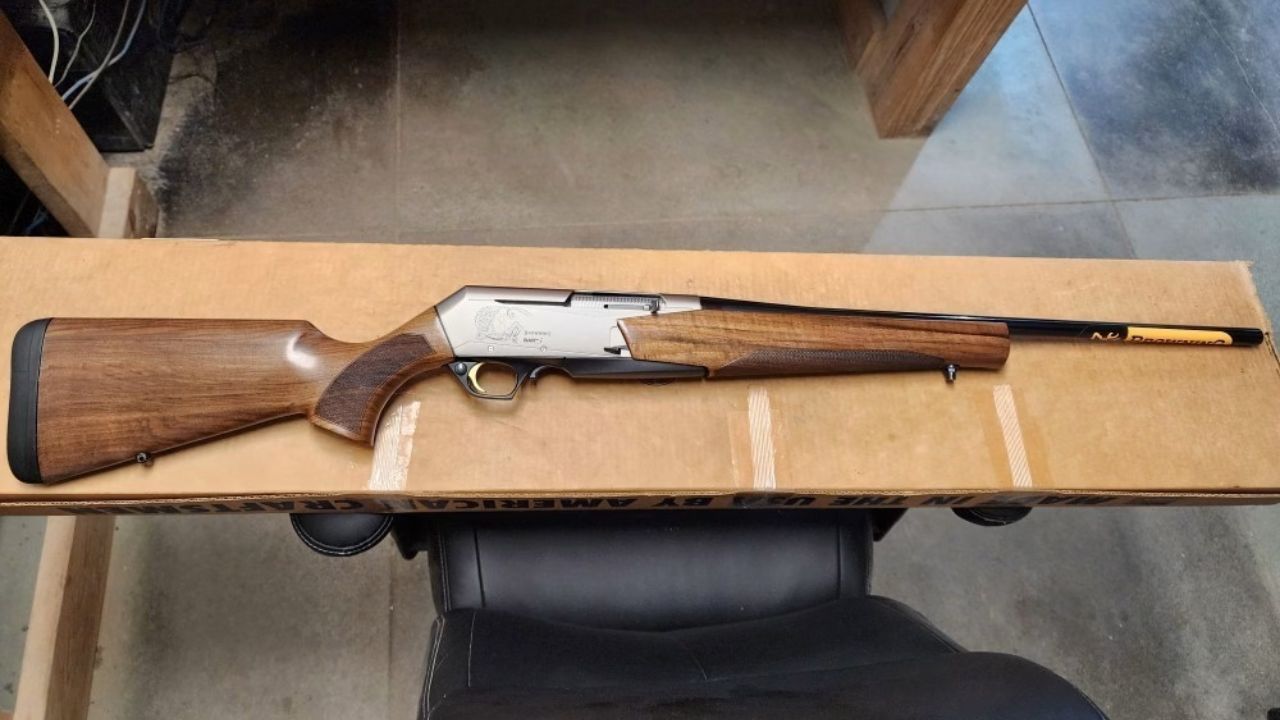
The BAR is often talked about like a purely American deer rifle story, but its appeal went broader than that. Browning’s reputation and the rifle’s sporting style helped it find fans in Europe too, where hunters appreciated fast handling and refined design in a semi-auto package. That broader footprint gave the rifle a stronger international identity than some American shooters realize.
That wider appeal says something important about the BAR. It was not just a regional favorite that happened to catch on in a few deer camps. It had design qualities that translated well across different hunting cultures. When a sporting rifle earns loyalty in multiple markets with different tastes, that usually means the underlying formula is stronger than people give it credit for.
It helped Browning stay important in the modern hunting-rifle market
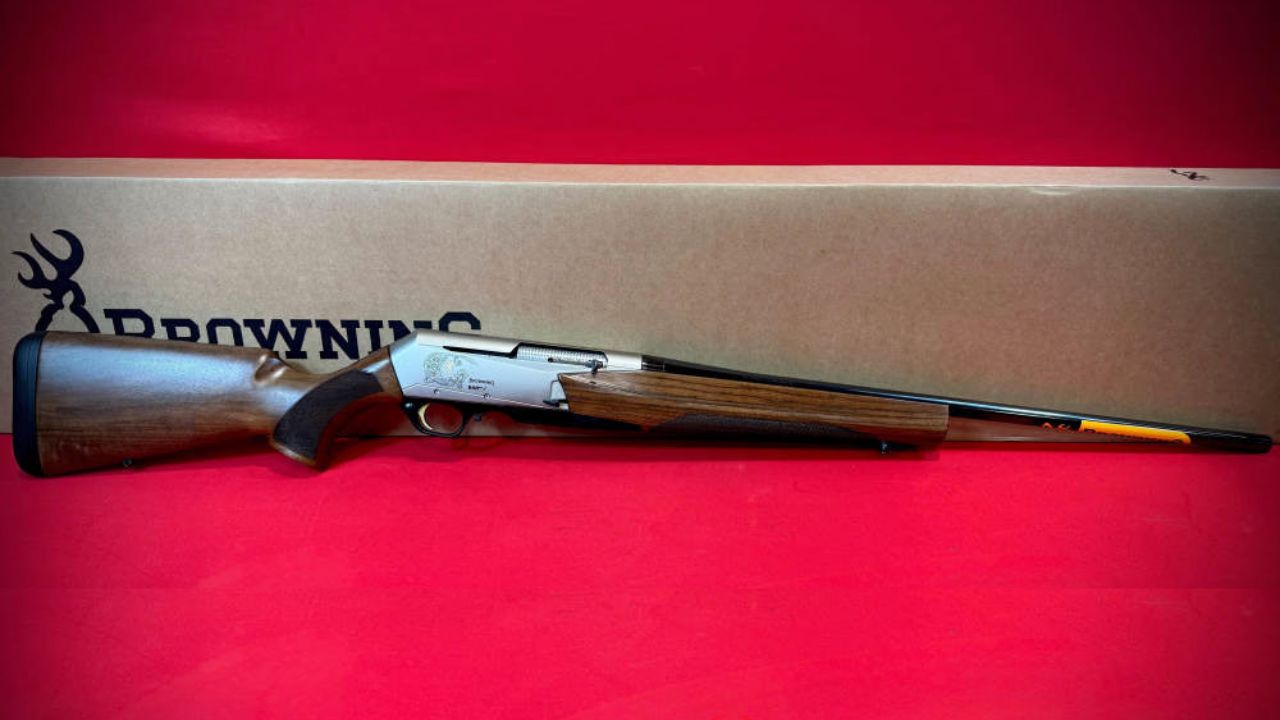
Browning already had serious prestige before the BAR came along, but the rifle helped keep the company relevant in a changing sporting-rifle world. It gave Browning a flagship semi-auto centerfire hunting rifle that stood out from both old-school bolt guns and more basic autoloaders. That mattered because the company needed products that felt current without abandoning the quality image its name carried.
The BAR filled that role well. It let Browning participate in the demand for faster-shooting hunting rifles while still keeping one foot firmly planted in the company’s traditional sporting identity. In a lot of ways, the BAR helped Browning modernize without looking like it had sold out to cheap trends. That balance is hard to hit, and the BAR did it.
Many hunters bought one because they were tired of rougher autoloaders

There have always been hunters who liked the idea of a semi-auto but disliked the feel, looks, or finish of some of the rougher options available. The BAR appealed to that crowd in a big way. It offered the speed they wanted, but in a rifle that felt more polished, more reliable, and more confidence-inspiring than some of the more basic autoloaders they had seen.
That buyer matters in the BAR story. Browning was not just capturing people who had always planned to buy a semi-auto. It was converting hunters who otherwise might have stuck to bolt guns because they had not seen an autoloader they actually respected yet. The BAR became the semi-auto for people who did not usually like semi-autos, and that says a lot.
Later versions kept evolving instead of freezing the rifle in time
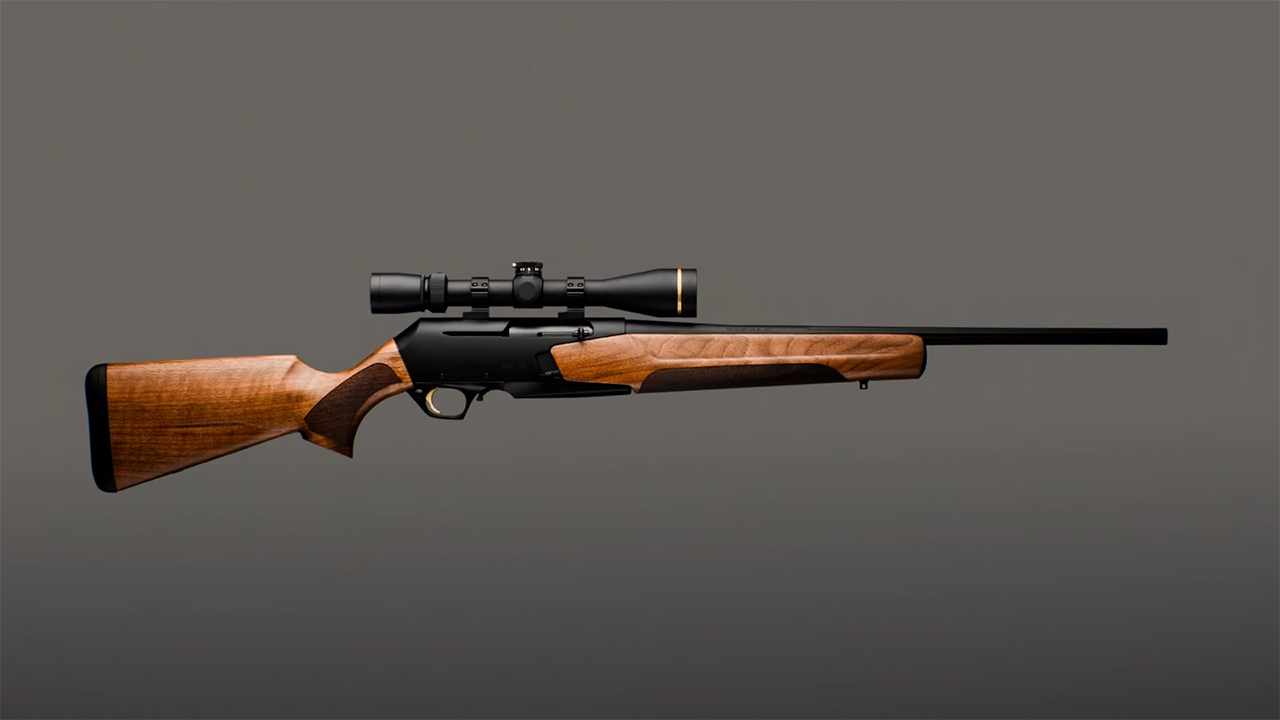
A big reason the BAR stayed relevant is that Browning did not just leave the platform stuck in one era. Over time, the company updated styling, configurations, materials, and variations to fit changing tastes. Different BAR generations gave shooters options that felt more modern while still keeping the core identity of the rifle intact.
That willingness to evolve helped the rifle survive. A lot of famous guns fade because companies lean too hard on nostalgia and stop adapting. Browning did a better job than that with the BAR. It respected what made the rifle popular while still adjusting to new buyers and new expectations. That kept the name alive for generations instead of turning it into a museum piece.
Like The Avid Outdoorsman’s content? Subscribe to our newsletter so you never miss an article.
Here’s more from us: