Photo credit: PretoriaTravel – CC BY-SA 3.0/Wiki Commons
Some guns earn reputations that sound better than they hold up in real use. They’re sold as proven and trusted, but when you start relying on them under pressure—whether that’s in the field, on the range, or in a real defensive situation—they show their weak spots. From constant malfunctions to parts wearing out too soon, these firearms have frustrated shooters who expected more than they got.
Remington 742 Woodsmaster

The Remington 742 earned plenty of buyers back in its day, but its performance hasn’t aged well. This semi-auto has a tendency to wear its action rails down quickly, which leads to malfunctions and accuracy problems over time. It was often marketed as a reliable deer rifle, but hunters know the frustration of watching shots wander after a few seasons of use.
When the conditions get tough, the 742’s loose tolerances and inconsistent reliability make it one of the rifles that looks good on paper but fails under pressure.
Colt All-American 2000
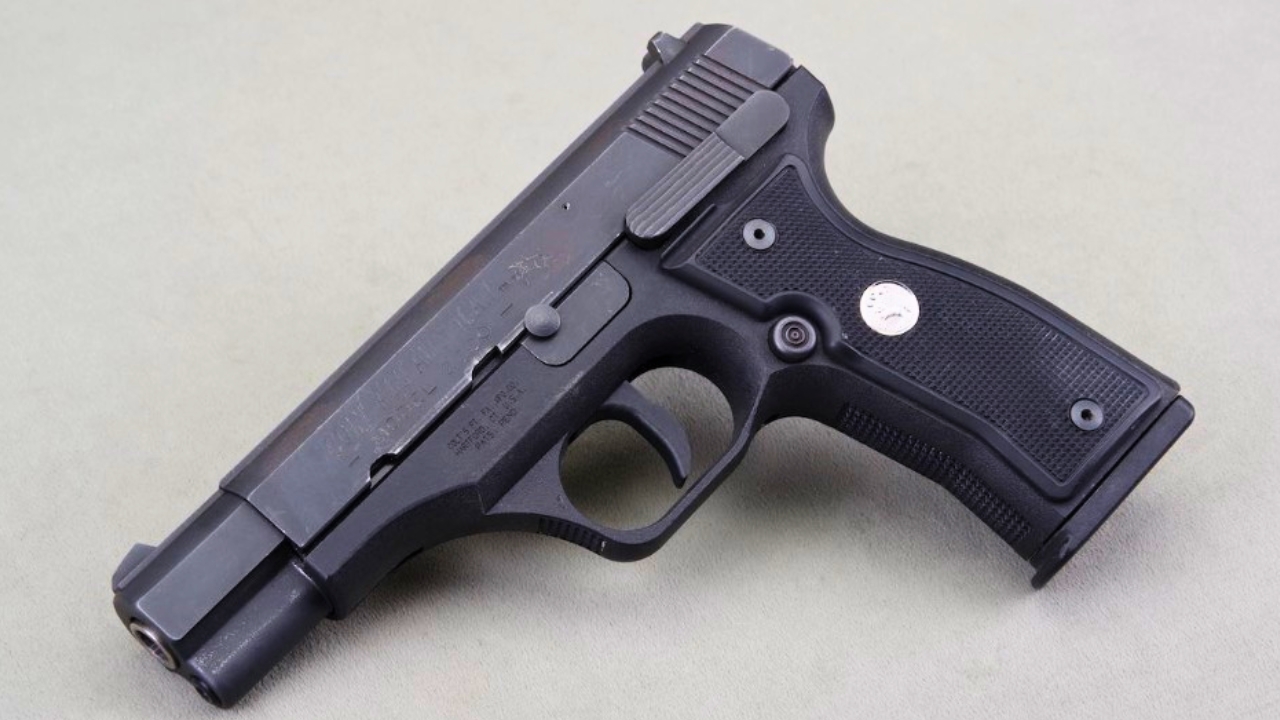
Colt tried to modernize with the All-American 2000, and the result was a pistol that disappointed. The trigger was heavy and inconsistent, and feeding problems were common even with quality ammunition. Shooters who trusted the Colt name expected proven reliability but instead got a handgun that became known for jamming when it mattered most.
Despite its bold marketing, the All-American quickly fell out of favor. What was supposed to be a proven design turned into an example of how poor execution can sink a firearm.
Winchester 1400
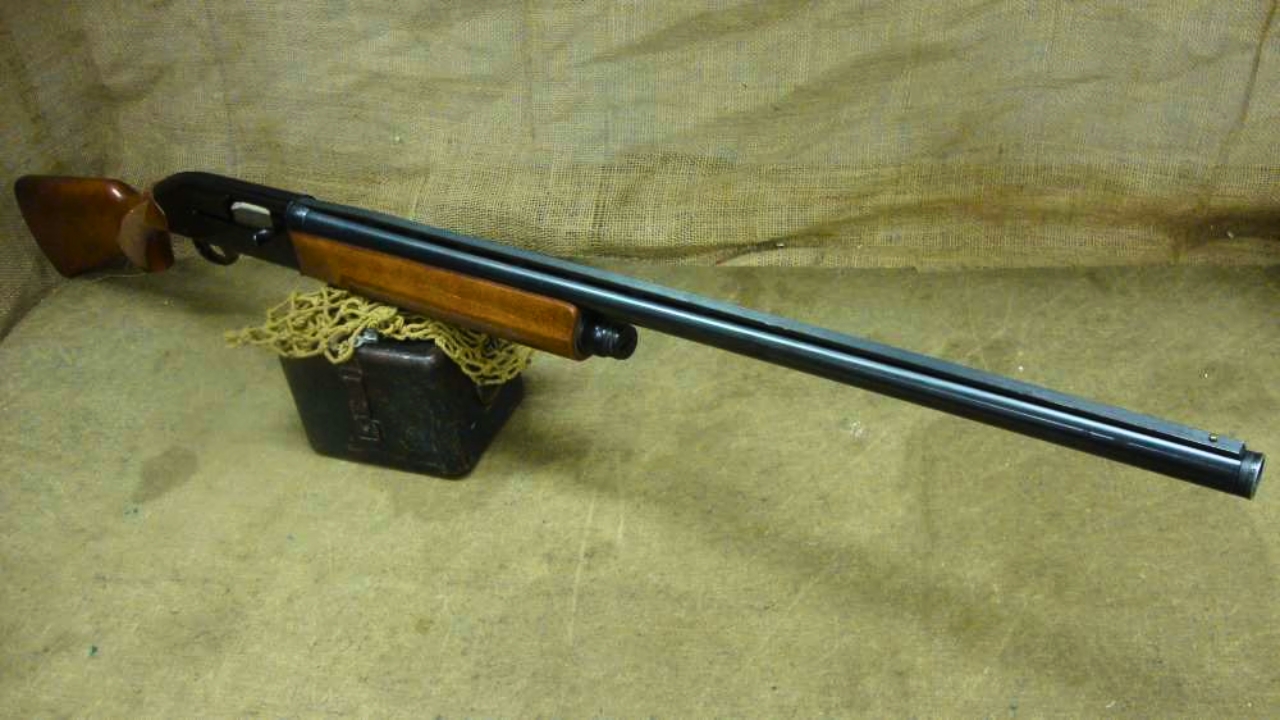
The Winchester 1400 semi-auto shotgun carried the company’s respected name, but it rarely lived up to expectations in the field. Many owners reported cycling problems, especially with lighter loads, and reliability suffered when dirt and moisture were involved. Hunters looking for a proven semi-auto often learned the hard way that the 1400 needed more babying than most shotguns should.
When the pressure was on in the duck blind or the deer woods, this shotgun frequently came up short, tarnishing Winchester’s usual reputation.
Remington 770

The Remington 770 was pitched as a workingman’s rifle, but its weak build quality has made it one of the most criticized bolt-actions in recent memory. Loose scope mounts, flimsy stocks, and inconsistent accuracy all show up when you need performance most. For hunters who thought they were getting a proven budget rifle, it quickly became a lesson in frustration.
Under rough field conditions, the 770 has a reputation for losing zero, scattering groups, and leaving shooters wondering why they trusted it in the first place.
Taurus PT145 Millennium Pro

The PT145 Millennium Pro was supposed to offer a compact, powerful carry option, but its record of failures left many owners disappointed. Reports of frame cracks, misfeeds, and overall poor durability showed up repeatedly. While Taurus marketed it as a proven defensive handgun, plenty of shooters found it couldn’t be trusted under stress.
In the concealed carry world, dependability matters most. The PT145 proved that even a pistol that sells well can fail when it’s needed most, damaging confidence in the platform.
Mossberg ATR
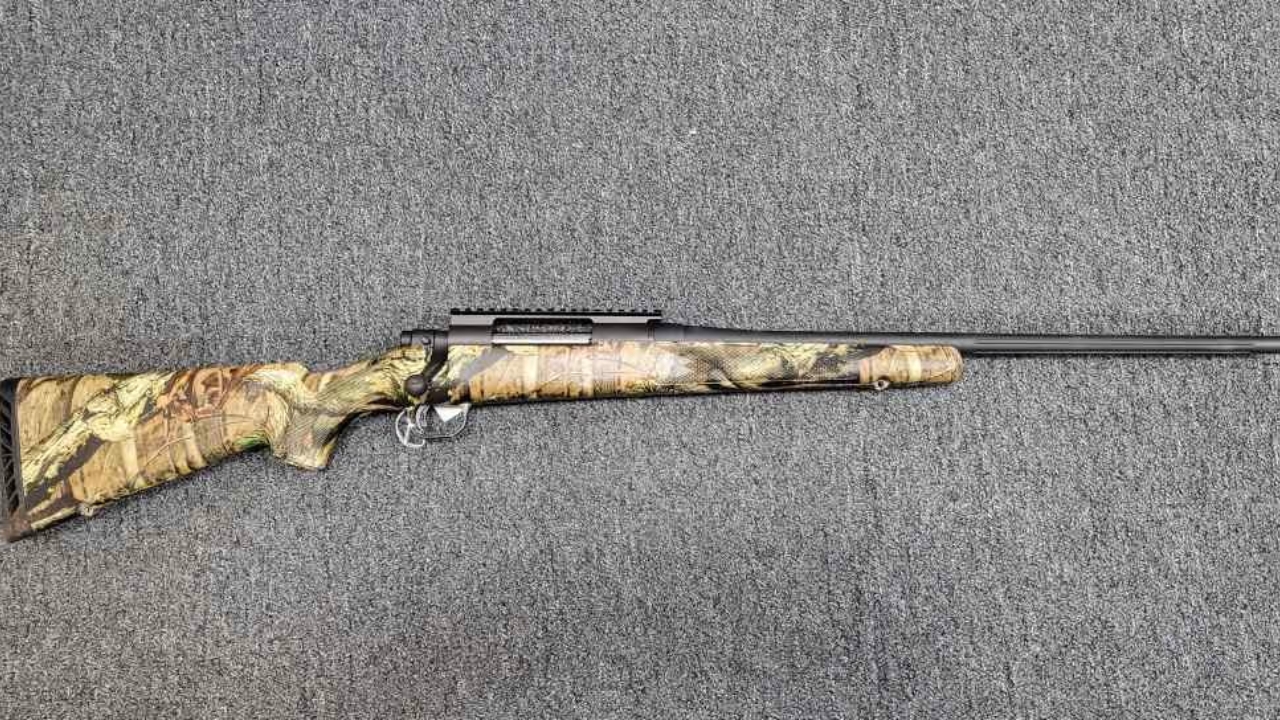
The Mossberg ATR was built to be an affordable hunting rifle, but in the field, its weaknesses show quickly. Lightweight construction and a lack of rigidity in the stock cause accuracy shifts during rough use. Even though it shoots decent groups from the bench, the ATR doesn’t always hold up to the demands of long hunts.
Hunters looking for a proven rifle often find themselves re-checking zero or fighting inconsistent performance, which undermines confidence when it matters most.
Smith & Wesson Sigma Series
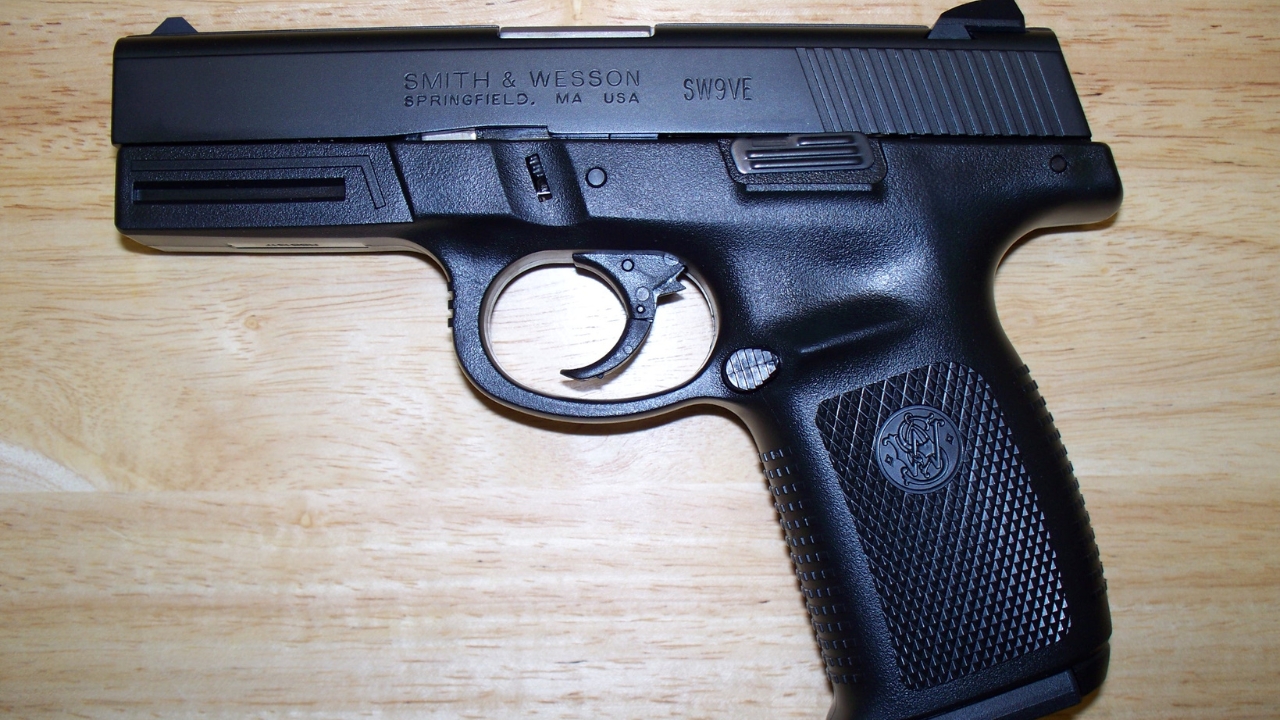
The Sigma series was S&W’s attempt at a striker-fired design to compete with Glock, but it failed to deliver the same reliability. Heavy triggers, frequent feeding issues, and poor ergonomics plagued the line from the start. While it sold on name recognition, shooters quickly realized it wasn’t the proven alternative it was supposed to be.
Under real-world use, the Sigma proved to be finicky and often untrustworthy, leaving many to trade it off for something more reliable.
Winchester 770 Ranger
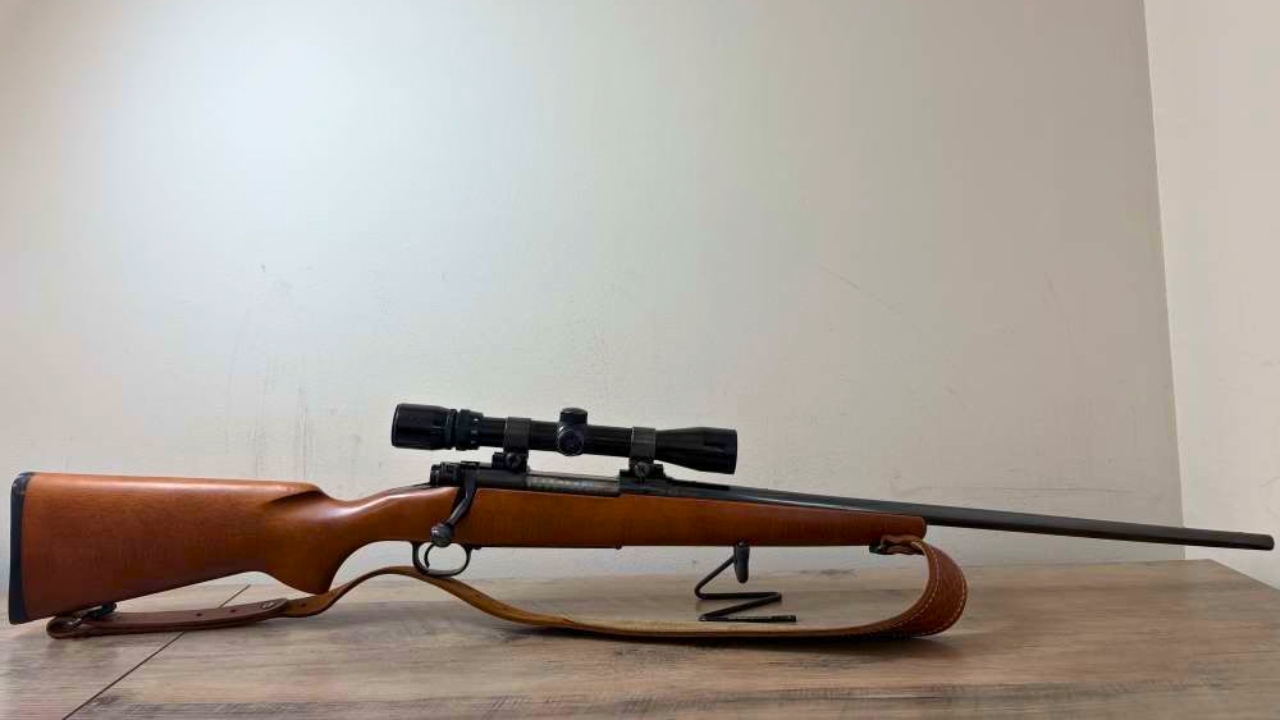
Another budget rifle that failed to live up to its branding was the Winchester 70 Ranger. While it carried a name with history, the rifle itself was prone to stock flex and wandering point of impact after rough handling. It may have looked like a proven, trusted bolt-action, but once exposed to real hunting conditions, its shortcomings were clear.
For many hunters, the 70 Ranger became a rifle they retired after one season, realizing that reliability can’t be faked by marketing.
Kel-Tec P11
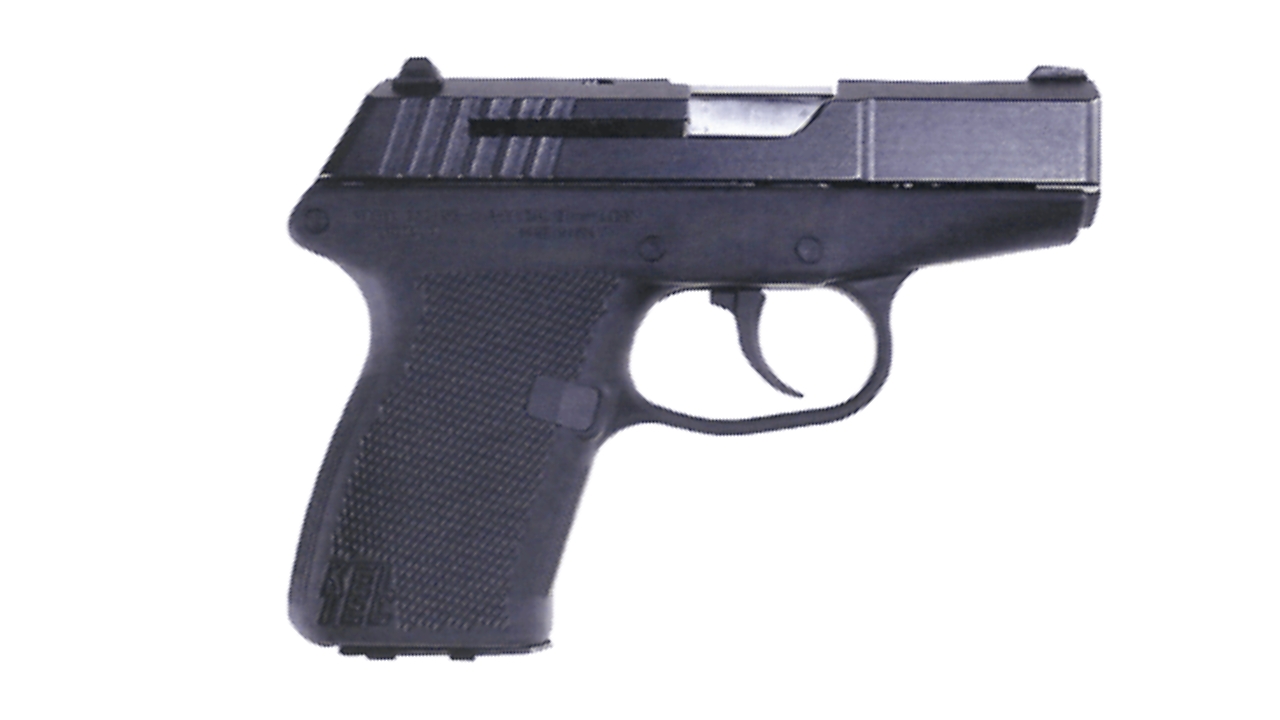
The Kel-Tec P11 promised a lightweight, affordable carry pistol, but its execution left much to be desired. The long, heavy trigger pull combined with feeding issues made it a difficult gun to trust for defensive use. Despite strong sales numbers, the P11 developed a reputation for letting shooters down under pressure.
When accuracy and reliability matter most, the P11’s shortcomings stand out. For a pistol that seemed proven by popularity, it often ended up being traded out quickly.
Marlin Model 995
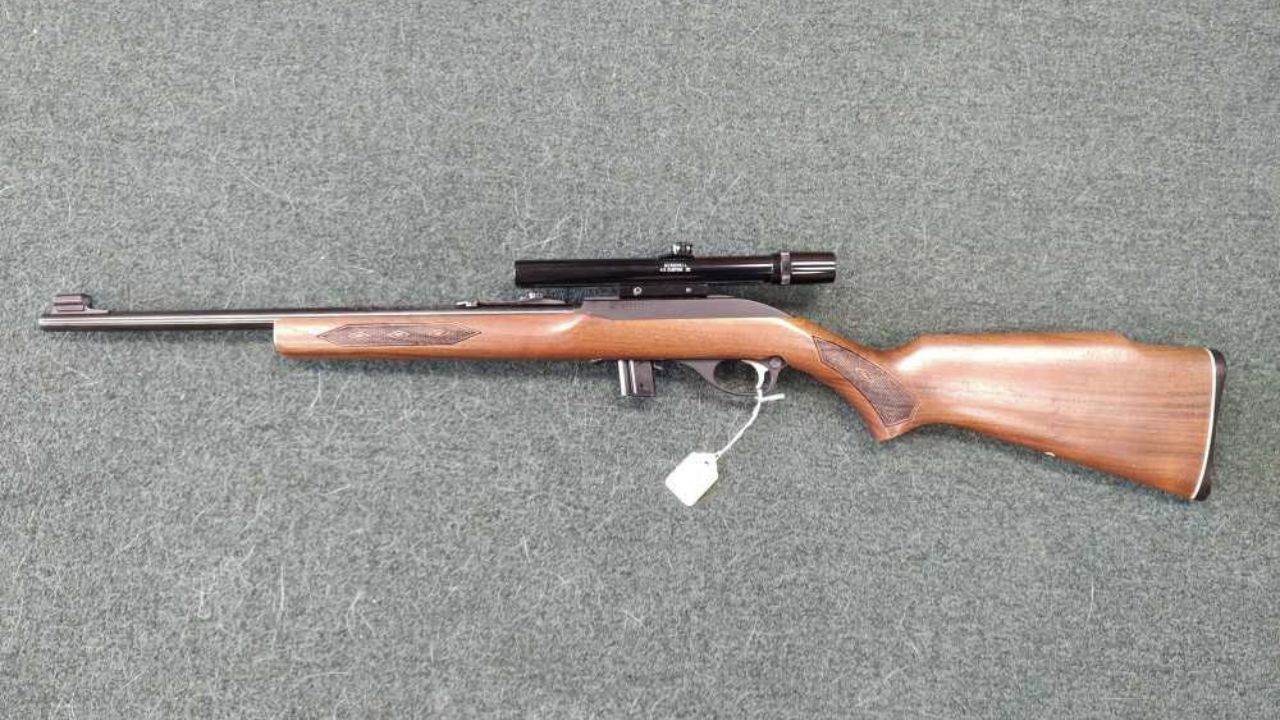
The Marlin 995 is a .22 that seemed like a dependable plinker, but in real use it often failed to cycle consistently. Magazines were prone to causing feeding issues, and reliability dropped fast when the gun wasn’t kept meticulously clean. Shooters expecting a proven small-game or training rifle often ended up disappointed.
What should have been a simple, reliable .22 became a firearm that frustrated owners by failing repeatedly in the field and on the range.
*This article was developed with AI-powered tools and has been carefully reviewed by our editors.